Calibrated Weight Plate Factory: China OEM Production
Optimizing Inventory with a Calibrated Weight Plate Factory
For large-scale fitness distributors and international gym chains, the difference between a profitable season and a high-maintenance inventory often comes down to the precision of their weight sets. When sourcing high-volume orders, relying on a professional calibrated weight plate factory ensures that every unit meets strict weight tolerance standards, preventing the costly discrepancies that plague low-tier suppliers. For professional procurement leads, investing in precision is not just about accuracy; it is a strategic move to optimize inventory efficiency and reduce the Total Cost of Ownership (TCO) across multiple facility locations.
Managing a diverse SKU portfolio requires a reliable commercial weight plate manufacturer that understands the nuances of long-term durability and replenishment. Whether you are stocking premium competition sets or high-durability training plates, the consistency provided by a specialized China factory reduces the need for frequent replacements and minimizes the logistical friction of managing mismatched weight increments. By prioritizing high-quality wholesale precision weight plates, distributors can protect their margins and offer a more reliable product to their end-users.
Material Selection and Performance Tiers
Distributors must evaluate material characteristics to match specific facility requirements and optimize landed costs. Choosing between cast iron and urethane-coated options involves balancing initial procurement expenditure against long-term maintenance loads. A professional calibrated weight plate factory typically offers several tiers to ensure your inventory meets the specific demands of both high-traffic commercial gyms and specialized strength training centers.
The following comparison outlines the technical and commercial distinctions between common plate types to assist in your next bulk procurement decision:
| Material | Coating/Finish | Manufacturing Process | Commercial Duty | MOQ Impact | Factory QC Point |
|---|---|---|---|---|---|
| Cast Iron | Powder Coating | Sand Casting & Machining | Standard Commercial | Lower | Surface Smoothness |
| Cast Iron | Enamel/Paint | Die Casting & Finishing | Premium Commercial | Moderate | Coating Adhesion |
| Steel Hub | Urethane/PU | Molding & Encapsulation | High-Intensity/Bumper | Higher | Bond Line Integrity |
When evaluating your next batch, consider how the manufacturing route affects the final product. For instance, the adhesion of a powder coating to a cast iron base is a critical quality metric. A high-tier commercial weight plate manufacturer utilizes standardized surface treatment sequences—such as phosphate treatment before coating—to ensure the finish does not chip or peel during heavy usage. This attention to detail reduces the frequency of replacement orders and improves the long-term reliability of your stocked inventory.
For those seeking to build a high-end brand identity, selecting wholesale precision weight plates with a specialized steel hub and high-grade polyurethane coating provides superior floor protection and noise reduction. This is particularly effective for distributors targeting boutique studios or premium training facilities where durability and aesthetic consistency are non-negotiable. We recommend requesting a detailed specification sheet and confirming the specific weight tolerance bands and coating processes during your initial inquiry to ensure alignment with your market positioning.
Logistical Efficiency and Export Standards
Beyond material specifications, the success of a large-scale procurement project depends on the logistical capabilities of your calibrated weight plate factory. For distributors managing high-volume shipments, the complexity of international transit requires more than just a reliable product; it requires a partner capable of managing the entire supply chain from the production line to the container. Efficiently managing a bulk order involves coordinating precise lead times with optimized shipping schedules to maintain steady inventory levels without overextending warehouse capacity.
A professional China factory provides a distinct advantage in managing the landed cost of heavy equipment. By utilizing specialized export packaging, such as reinforced heavy-duty cartons and optimized palletization, a manufacturer can maximize container load density. This attention to packaging efficiency reduces the volumetric footprint of each shipment, directly lowering your per-unit freight expenditure. Furthermore, a seasoned supplier will implement rigorous pre-shipment QC protocols, focusing on critical inspection points such as weight tolerance spot-checks, coating adhesion, and the structural integrity of the inner ring or steel hub before the goods leave the facility.
When planning your next replenishment cycle, we suggest discussing your specific MOQ and custom branding requirements early in the process. Whether you are pursuing an OEM arrangement for a private label line or sourcing standardized commercial stock, understanding the lead time for production and the nuances of sea freight logistics will help you maintain a competitive edge. To ensure your quality standards are met, we invite you to request a formal quote, ask for detailed material specifications, or arrange for a sample evaluation to verify the precision and finish of our production output.
Material Specifications and Precision Machining Standards
For distributors and gym equipment importers, the technical integrity of a weight set determines long-term replacement costs and client satisfaction. A professional calibrated weight plate factory must bridge the gap between raw casting and high-performance commercial utility. Unlike standard gym equipment, high-end sets require strict adherence to weight tolerance standards to ensure even distribution across barbells, which protects both the athlete and the expensive barbell sleeves from uneven wear.
The manufacturing journey begins with high-quality gray iron or solid steel, typically utilizing sand casting to establish the base form. However, the true value of a commercial weight plate manufacturer lies in the post-casting refinement. To achieve professional-grade accuracy, the plates undergo precision machining via CNC machining processes. This stage is critical for ensuring the concentricity of the center hole and the flatness of the plate surface. Without rigorous weight calibration and mechanical finishing, plates may exhibit wobbling or uneven loading, leading to increased maintenance demands for the end-user.
When sourcing from a China factory, procurement leads should verify that the wholesale precision weight plates undergo a systematic production sequence: casting, followed by precision machining of the Olympic bore, and finally a specialized surface treatment such as powder coating or phosphate finishing. This ensures the weight tolerance remains within industry-standard commercial limits, providing the consistency required for professional training environments.
Material and Coating Selection for Commercial Durability
The choice of surface finish is a primary factor in determining the total cost of ownership (TCO) and the maintenance frequency for a commercial facility. While raw cast iron is cost-effective for budget-tier gym setups, it requires frequent inspection for oxidation. For high-traffic professional environments, importers typically specify advanced coating methods to enhance product longevity and protect flooring.
A high-tier calibrated weight plate factory offers a range of finishes tailored to specific market segments. For example, powder coating provides a durable, high-visibility finish that resists chipping during heavy use. In contrast, rubber coating or PU coating (polyurethane) is essential for premium bumper plate sets, as these materials offer superior impact absorption and noise reduction, making them ideal for high-intensity interval training (HIIT) zones or luxury studio environments. When evaluating your next batch, consider how the coating adhesion and the thickness of the encapsulation layer will affect the final landed cost and the long-term durability of the plates.
| Material Type | Primary Coating | Production Process | Commercial Duty Tier | Procurement Focus |
|---|---|---|---|---|
| Cast Iron | Powder Coating | Sand Casting & Machining | Commercial / Budget | Durability & Cost |
| Steel | Chrome or Enamel | Precision Forging & Finishing | Premium / Competition | Precision & Aesthetics |
| Steel Core | Rubber or PU Coating | Injection Molding / Dip | Premium / High-Impact | Floor Protection & Noise |
To ensure the highest standards, we recommend that buyers request a sample evaluation or a detailed specification sheet before finalizing bulk orders. This allows your team to inspect the coating adhesion, the thickness of the rubber/PU layer, and the precision of the knurled inner ring. For large-scale distribution, confirming the specific MOQ and lead time for customized branding or specialized finishes is a critical step in maintaining your inventory efficiency and distributor margins.
Comparing Commercial Weight Plate Manufacturing Routes
For distributors and gym equipment importers, selecting the right calibrated weight plate factory involves understanding how different production methods impact the long-term landed cost and product durability. Whether you are sourcing for high-end strength centers or budget-friendly fitness franchises, the manufacturing route dictates the precision of the weight and the speed of your replenishment cycles.
When managing large-scale wholesale precision weight plates orders, procurement leads must weigh the initial unit price against the technical requirements of the end-user. A commercial weight plate manufacturer typically offers several distinct production paths, ranging from high-volume casting to precision-machined steel, each serving different market segments and offering different levels of weight tolerance and surface finish longevity.
Choosing the correct route ensures that your inventory meets the strict concentricity and weight-accuracy standards expected in professional strength environments, reducing the risk of customer returns or replacement claims.
| Material Type | Primary Process | Key Component/Detail | Commercial Duty Tier | Sourcing/MOQ Impact |
|---|---|---|---|---|
| Cast Iron | Sand Casting & Machining | Knurled Bore/Inner Ring | Standard Commercial | Lower MOQ / High Volume |
| Solid Steel | CNC Machining & Calibration | Precision Center Hole | Premium/Competition | Higher MOQ / Specialized |
| Rubber/PU Bumper | Molding & Steel Hub Assembly | Coating Adhesion Layer | High-Impact/Crossfit | Variable Lead Time |
Selecting a reliable China factory for these specialized production lines allows for better control over the weight calibration process. A professional supplier will utilize a sequence of casting, machining, and surface finishing to ensure that every plate in a bulk shipment maintains consistent density and dimensional stability. For those looking to build a private label, OEM capabilities often include custom embossing or specific coating textures to differentiate your brand in the market.
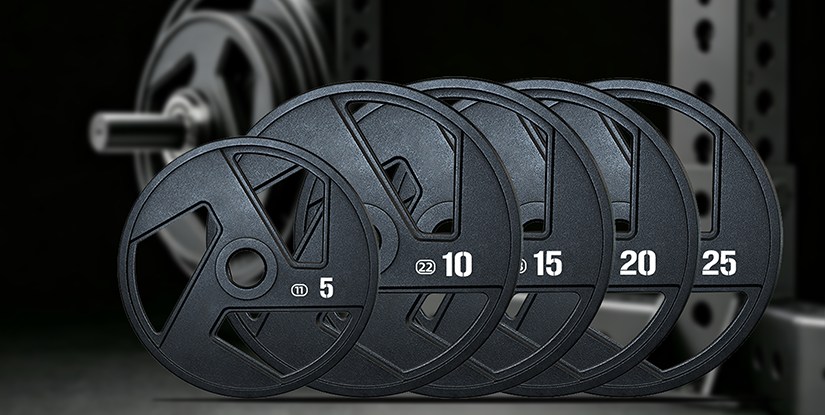
Selecting the appropriate manufacturing path is a critical decision for distributors managing product lifecycles and warehouse space. A professional calibrated weight plate factory maintains distinct production lines to cater to different market needs, from high-durability training environments to precision-focused strength studios. Understanding these technical nuances helps procurement officers justify the landed cost against the expected service life of the equipment.
A reliable commercial weight plate manufacturer will provide clear documentation regarding the manufacturing sequence—typically moving from raw material casting to precision machining and final calibration. For those managing large-scale wholesale precision weight plates inventory, the choice between a cast-iron base and a machined-steel center directly affects both the weight tolerance and the overall durability of the product in high-traffic commercial settings.
| Material Type | Primary Process | Key Component/Detail | Commercial Duty Tier | Sourcing/MOQ Impact |
|---|---|---|---|---|
| Cast Iron | Sand Casting & Machining | Knurled Bore/Inner Ring | Standard Commercial | Lower MOQ / High Volume |
| Solid Steel | CNC Machining & Calibration | Precision Center Hole | Premium/Competition | Higher MOQ / Specialized |
| Rubber/PU Bumper | Molding & Steel Hub Assembly | Coating Adhesion Layer | High-Impact/Crossfit | Variable Lead Time |
When evaluating a China factory for your next bulk shipment, it is essential to verify the specific calibration and finishing steps used in their production. High-tier manufacturers focus heavily on the concentricity of the center hole and the adhesion of the surface coating to prevent premature wear. If your business model relies on high-turnover retail or specialized studio equipment, we recommend requesting a detailed spec sheet to confirm that the calibration standards and material thickness align with your brand's quality requirements before finalizing an OEM or ODM agreement.
When evaluating a China factory for your next bulk shipment, it is essential to verify the specific calibration and finishing steps used in their production. High-tier manufacturers focus heavily on the concentricity of the center hole and the adhesion of the surface coating to prevent premature wear. If your business model relies on high-turnover retail or specialized studio equipment, we recommend requesting a detailed spec sheet to confirm that the calibration standards and material thickness align with your brand's quality requirements before finalizing an OEM or ODM agreement.
Quality Control and Pre-Shipment Inspection Protocols
For distributors and professional importers, the primary B2B sourcing risk involves receiving shipments that deviate from the agreed specifications. When sourcing from a calibrated weight plate factory, the difference between a high-margin product and a costly return lies in the precision of the weight tolerance. A professional commercial weight plate manufacturer must implement rigorous testing to ensure that every unit in a bulk order meets the exact weight requirements, maintaining batch consistency across large sea freight containers.
Discrepancies in weight or concentricity can lead to significant financial losses for a wholesale buyer, impacting distributor margins and client trust. To mitigate these issues, a reliable China factory utilizes a systematic approach to precision, moving from raw casting to final calibration. This ensures that wholesale precision weight plates delivered to your warehouse are uniform, preventing the logistical headaches typically associated with low-tier production.
Technical Verification and Calibration Standards
A professional calibrated weight plate factory must move beyond basic visual checks to ensure high-performance standards. The calibration process typically begins after the initial machining phase, where the central bore is refined to ensure perfect concentricity. This step is critical for professional lifters to prevent uneven loading on Olympic bars. Once the geometry is verified, each plate undergoes a final weight verification. A high-tier commercial weight plate manufacturer uses calibrated scale testing to ensure that the weight deviation remains within industry-standard tolerances for commercial-grade equipment, ensuring consistency across every SKU in your bulk order.
Beyond weight, the durability of the surface finish is a primary inspection point for international importers. During the pre-shipment inspection, technicians specifically evaluate the surface coating adhesion. This involves checking the bond between the metal substrate and the powder coating or rubber layer to ensure it can withstand the high-impact environment of a commercial gym. We also inspect the smoothness of the knurled inner ring and the precision of the center hole to ensure a seamless fit. For those sourcing wholesale precision weight plates, these rigorous export standards serve as the final safeguard, ensuring that the landed cost of your shipment is not inflated by high replacement rates or quality-related returns.
Inspection Focus Points for Procurement Managers
To assist in your professional evaluation, the following table outlines the critical inspection categories used by a high-tier calibrated weight plate factory. Understanding these technical focus areas allows procurement leads to better assess the capabilities of a potential supplier and ensures that the technical specifications align with the requirements of your target market.
| Inspection Category | Focus Area | Commercial Impact | QC Method |
|---|---|---|---|
| Weight Tolerance | Mass deviation per unit | Ensures batch consistency and prevents SKU discrepancies in bulk orders | Calibrated scale verification |
| Dimensional Accuracy | Center bore diameter and concentricity | Guarantees seamless fit on Olympic bars and prevents uneven loading | Precision caliper and gauge testing |
| Coating Integrity | Adhesion of powder coating or rubber layer | Reduces maintenance load and prevents premature surface wear | Visual inspection and adhesion check |
| Surface Uniformity | Bore edge smoothness and knurling precision | Proteals equipment longevity and ensures professional handling | Tactile and visual quality audit |
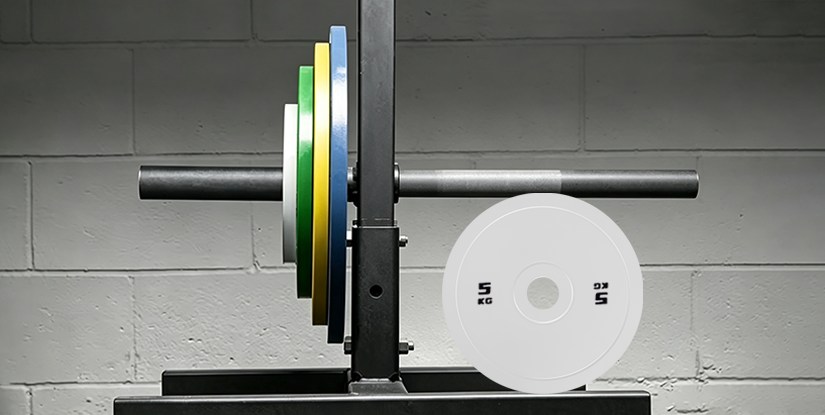
When negotiating wholesale agreements, we recommend requesting a detailed spec sheet or a sample evaluation to confirm these metrics. Whether you are pursuing an OEM project for a private label or managing a large-scale replenishment, verifying these specific QC points during a factory audit is the most effective way to protect your distributor margins and ensure long-term product reliability.
OEM and Private Label Capabilities for Global Distributors
For international distributors and large-scale gym equipment importers, relying on generic stock often limits market positioning. Partnering with a professional calibrated weight plate factory allows you to move beyond simple commodity trading toward building a high-value equipment line. Through specialized OEM and ODM services, a China factory can transform standard precision plates into a signature product line that reflects your specific brand identity.
The ability to implement custom branding—whether through precision CNC-machined embossed logos or high-durability paint stencils—enables distributors to command higher price points in their local markets. While high-volume wholesale orders typically focus on standard SKU breadth, professional sourcing strategies often require a balance between cost-efficiency and brand exclusivity. By negotiating specific MOQ levels for customized production, you can effectively manage your distributor margin while offering a product that looks and feels like a premium, proprietary solution rather than a generic import.
Customization in high-end weight sets extends far beyond simple logo application; it involves precise control over the physical characteristics of the unit. A leading commercial weight plate manufacturer can offer technical adjustments to the inner ring diameter or the specific texture of the outer rim to meet regional equipment standards. For instance, a calibrated weight plate factory may provide options for different surface finishes, such as transitioning from a standard matte paint to a high-durability powder coating to enhance long-term color retention and scratch resistance in high-traffic commercial environments.
The technical workflow for premium orders typically integrates advanced manufacturing stages to ensure every unit meets strict commercial-grade specifications. The process often begins with high-quality sand casting to establish the base form, followed by rigorous CNC machining of the center bore to ensure perfect concentricity. This critical step guarantees a smooth, consistent fit on Olympic barbells, reducing friction and preventing uneven wear on expensive barbell sleeves. Following the machining stage, the plates undergo a final precision calibration process, where the actual mass is verified to maintain a tight weight tolerance before the final coating and packaging stages. For importers, these technical details are essential when evaluating the total cost of ownership and the long-term reliability of a distributed product line.
Selecting the appropriate tier of production is a critical decision for procurement leads looking to optimize their inventory against market demand. A professional calibrated weight plate factory typically offers different levels of specification depending on your target commercial application and budget constraints. For distributors, understanding these distinctions is essential for managing the balance between high-volume turnover and premium product positioning.
Technical Comparison of Customization Tiers for Global Sourcing
| Material | Coating | Process | Commercial Application | MOQ Impact | Factory QC Point |
|---|---|---|---|---|---|
| Cast Iron | Standard Paint | Sand Casting & Basic Machining | Budget Commercial / General Gyms | Lower MOQ | Base Flatness & Surface Uniformity |
| Gray Iron | Powder Coating | Precision Machining & Calibration | Premium Strength & Performance Centers | Standard wholesale levels | Concentricity & Bore Diameter |
| Solid Steel | High-Durability Finish | CNC Machining & Advanced Calibration | Competition & Professional Training | Higher MOQ | Weight Tolerance & Inner Ring Fit |
When sourcing wholesale precision weight plates, the distinction in the manufacturing sequence directly impacts your landed cost and product longevity. While standard cast iron plates are efficient for high-volume, low-cost inventory, precision-machined steel options provide the reliability required for elite training environments. We recommend that importers evaluate these technical tiers based on their specific regional market needs and the expected durability requirements of their end-users. To ensure your product specifications align with your brand standards, please contact our team to request a detailed spec sheet, confirm current MOQ requirements, or initiate a sample approval process for your next bulk order.
Logistics and Export Packaging for Bulk Sourcing
Effective logistics management is a critical pillar for distributors and gym equipment importers. When managing bulk sourcing from a calibrated weight plate factory, the primary objective is to minimize the landed cost while ensuring the absolute integrity of the precision-machined surfaces. Without specialized export packaging, the high density and weight of these units can lead to structural deformation or surface oxidation during long-haul sea freight.
A professional commercial weight plate manufacturer must implement a rigorous shipping safety protocol to prevent transit damage. This typically involves heavy-duty corrugated outer cartons, reinforced corner protectors, and customized wooden crates or heat-treated pallets for large-scale shipments. For high-end clients, a wholesale precision weight plates order may require palletized stacking with shrink wrap to maintain load stability. Proper logistics planning—including optimized container loading patterns—ensures that your factory direct shipment maximizes volume efficiency and reduces the per-unit freight expense, directly improving your distributor margins.
Shipping Mode Comparison: Sea Freight vs. Air Freight
For professional importers and distributors, selecting the appropriate logistics route depends on the balance between lead time urgency and total landed cost. A professional calibrated weight plate factory will offer different packaging configurations tailored to these specific transit environments to ensure the precision-machined surfaces remain unblemaged upon arrival.
| Shipping Mode | Typical Packaging Structure | Protection Focus | Best For | Logistics Efficiency |
|---|---|---|---|---|
| Sea Freight | Reinforced wooden crates or heavy-duty palletization with shrink wrap | Moisture resistance and heavy load stability | Bulk wholesale orders and large-scale inventory replenishment | High volume, lower per-unit cost |
| Air Freight | Double-walled corrugated cartons with high-density foam inserts | Impact absorption and vibration reduction | Urgent OEM prototyping or small-batch premium stock | Rapid delivery, higher freight expense |
When managing high-volume sourcing, we recommend sea freight paired with standardized palletization to optimize container space. For wholesale precision weight plates, the use of protective layering—such as moisture-absorbing silica packets and edge protectors—is essential to prevent oxidation during extended transit through high-humidity maritime environments. By coordinating shipping optimization strategies directly with your China factory, you can ensure that container loading patterns are maximized, reducing the total number of shipments required and protecting your long-term distributor margins.
Pre-Shipment Inspection and Quality Control Protocols
Before any container is sealed, a professional calibrated weight plate factory must execute a multi-stage pre-shipment inspection to validate that the batch meets all technical specifications. For distributors, this stage is the final safeguard against the high costs of transit-related damage or weight inaccuracies. Our factory protocols focus on verifying the concentricity and weight tolerance of every unit, ensuring that the precision-machined surfaces are not only dimensionally accurate but also free from casting defects or coating inconsistencies.
A critical component of our QC process is the verification of pallet stability and structural integrity. For wholesale precision weight plates, weight distribution within the container is vital to prevent shifting during maritime transit. We implement strict weight tolerance protection by utilizing heavy-duty palletization and specialized corner reinforcement. This ensures that even under the immense pressure of a full container load, the plates remain in perfect alignment. By prioritizing these rigorous pre-shipment standards, we help importers reduce the risk of unsellable inventory and ensure a seamless arrival for their commercial clients.