Calibrated Steel Plate Source Supplier: Cast Iron vs Rubber
Calibrated Steel Plate Source Supplier: Material Performance and Selection
Many procurement leads fail by selecting inventory based solely on unit price, overlooking how material durability affects long-term maintenance and floor replacement costs. A professional calibrated steel plate source supplier will instead provide a clear distinction between the high-density durability of cast iron and the impact-absorption capabilities of rubber bumper plates to ensure your facility's longevity.
When managing large-scale gym builds or distributor stock, understanding the structural differences between these materials is essential for calculating total cost of ownership. Whether you require the compact profile of iron for strength zones or the shock-absorption of wholesale bumper plates for dynamic training, your choice dictates the wear patterns on your facility's flooring and the frequency of equipment replacement.
Material and Manufacturing Comparison for Commercial Inventory
Selecting a reliable commercial weight plate manufacturer requires a technical understanding of how casting and molding processes impact the final product's weight tolerance and surface finish. Below is a standard comparison used by importers to evaluate material-specific utility.
| Material | Primary Process | Key Component/Feature | Commercial Duty | Floor Protection |
|---|---|---|---|---|
| Cast Iron | Sand Casting & Machining | Precision Bore/Knurled Ring | Strength & Compact Storage | Low (Requires Mats) |
| Rubber Bumper | Steel Hub & Vulcanization | Encapsulated Rubber Rim | High-Impact/Dynamic Training | High (Built-in) |
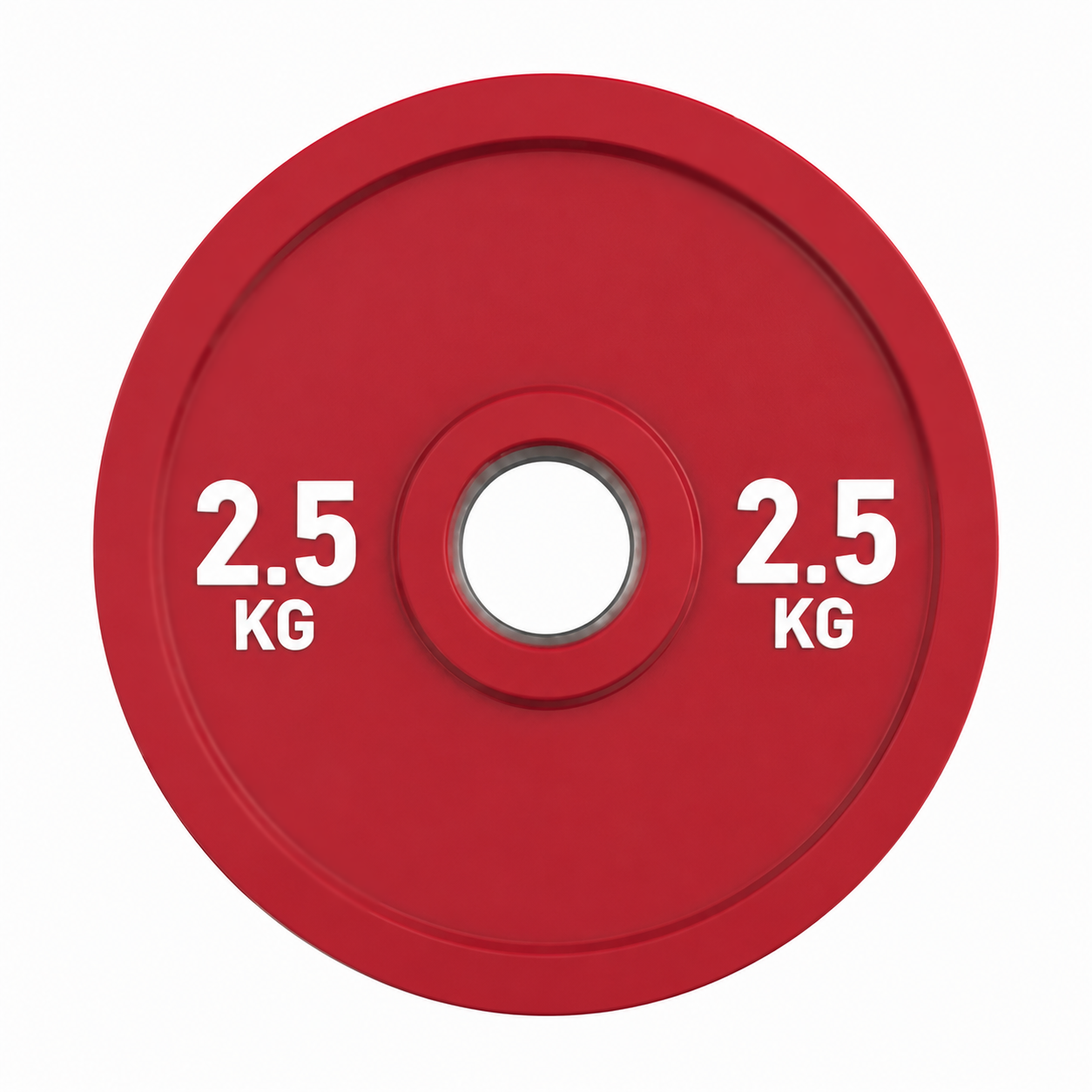
| Steel Plate | Precision Forging/Machining | Calibrated Inner Ring | Professional Competition | Moderate |
When evaluating a calibrated steel plate source supplier, it is vital to verify the quality of the internal steel hub and the adhesion of the outer layer. For rubber-coated units, the bond line between the steel core and the rubber rim is a critical QC point during pre-shipment inspection to prevent delamination under heavy use.
Many procurement leads fail by selecting inventory based solely on unit price, overlooking how material durability affects long-term maintenance and floor replacement costs. A professional calibrated steel plate source supplier will instead provide a clear distinction between the high-density durability of cast iron and the impact-absorption capabilities of wholesale bumper plates to ensure your facility's longevity.
When managing large-scale gym builds or distributor stock, understanding the structural differences between these materials is essential for calculating total cost of ownership. Whether you require the compact profile of iron for strength zones or the shock-absorption of wholesale bumper plates for dynamic training, your choice dictates the wear patterns on your facility's flooring and the frequency of equipment replacement.
Comparing Cast Iron and Rubber Bumper Plate Manufacturing Routes
When a calibrated steel plate source supplier prepares bulk shipments, the engineering divergence between cast iron and rubber components dictates both the landed cost and the long-term maintenance load for the importer. For distributors managing high-traffic commercial facilities, selecting the correct manufacturing route is a critical decision for inventory turnover and equipment longevity.
The manufacturing of cast iron plates typically follows a rigid sequence of sand casting, precision machining of the center bore, and specialized surface treatments like powder coating to prevent oxidation. In contrast, a commercial weight plate manufacturer producing wholesale bumper plates utilizes a multi-component assembly method, involving a high-density steel or iron internal hub encapsulated by high-grade rubber or polyurethane through a vulcanization or molding process. This structural difference directly affects the shock absorption capacity and the impact resistance required for professional environments.
| Material Type | Primary Manufacturing Process | Key Component Detail | Commercial Durability Tier | Sourcing/MOQ Impact |
|---|---|---|---|---|
| Cast Iron | Sand casting and CNC bore machining | Precision machined Olympic collar fit | Standard Commercial | Lower cost per unit; higher weight density |
| Rubber Bumper | Steel hub injection or vulcanization | High-density rubber rim and bond line | Premium/High-Impact | Higher unit cost; better floor protection |
| Steel Plate | Precision stamping and welding | Single-piece solid steel construction | Professional/Competition | Strict weight tolerance requirements |
For procurement leads, understanding these technical-material trade-offs is essential when evaluating a calibrated steel plate source supplier. While cast iron offers high density and lower shipping costs per kilogram, rubberized versions provide the impact dissipation necessary for functional training zones, reducing the frequency of floor repairs and equipment replacement cycles.
Technical Inspection and QC Standards for Bulk Sourcing
For professional importers and distributors, the quality of a shipment is determined by the rigor of the pre-shipment inspection at the factory level. When sourcing high-density weight plates, technical failure often occurs at the junction of two different materials or at the surface coating. A reliable calibrated steel plate source supplier must demonstrate a standardized QC protocol that addresses the specific vulnerabilities of each material type before the cargo is loaded into a container.
During the inspection of cast iron units, procurement specialists should focus on the concentricity of the center bore and the adhesion of the powder coating. In many commercial settings, poor machining of the Olympic collar fit can lead to uneven weight distribution on a barbell, which is a common failure mode in high-volume gyms. For rubberized options, the critical QC point is the bond line between the internal steel hub and the outer encapsulation layer. If the vulcanization or molding process is inconsistent, the rubber may delaminate under heavy impact, significantly increasing the maintenance load for the end-user and reducing the total cost of ownership (TCO) efficiency.
When conducting a factory audit or reviewing sample approval documents, we recommend requesting specific data on the following technical components:
- Bore Precision: Verification of the machining process to ensure a consistent fit for Olympic bars.
- Coating Integrity: Assessment of the powder coating or rubber density to prevent chipping or cracking during transit.
- Weight Calibration: Confirmation of the weight tolerance spot-check protocols used during the final assembly stage.
- Packaging Durability: Evaluation of the export packaging to ensure the plates remain secure and undamaged during long-haul sea freight.
Depending on your MOQ and specific branding requirements, a specialized supplier can often provide OEM or ODM services to include custom logo embossing or specific color-coding for weight increments. To optimize your landed cost and ensure product consistency, we suggest requesting a detailed spec sheet and a sample evaluation report before finalizing any bulk order or large-scale distribution contract.
Technical Specifications: Casting vs. Vulcanization Processes
Understanding the engineering divergence between metal and polymer fabrication is critical for distributors managing long-term inventory and replacement cycles. When sourcing from a calibrated steel plate source supplier, buyers must distinguish between the rigid structural integrity of metal casting and the impact-absorption properties of vulcanized rubber to optimize their landed cost and product durability.
For high-density strength training environments, commercial weight plate manufacturer options typically rely on sand casting or centrifugal casting to create the primary weight body. In sand casting, molten iron is poured into a granular mold, a process that allows for complex shapes and high-density gray iron cores. Conversely, high-end wholesale bumper plates utilize a multi-stage vulcanization process. This involves molding high-density rubber around a precision-machined steel hub. The vulcanization ensures a permanent chemical bond between the polymer and the metal core, preventing delamination during high-impact drops—a common failure mode in lower-tier sourcing operations.
Engineering Comparison: Material and Manufacturing Routes
| Material Type | Primary Process | Key Component | Commercial Duty Tier | Weight Tolerance Focus |
|---|---|---|---|---|
| Cast Iron | Sand Casting & Machining | Knurled Inner Ring | Standard Commercial | Bore Concentricity |
| Rubber Bumper | Steel Hub Vulcanization | Encapsulated Steel Core | Premium/High-Impact | Outer Rim Uniformity |
| Steel Plate | CNC Machining & Coating | Precision Steel Plate | Professional/Competition | Strict Calibration |
Selecting the correct calibrated steel plate source supplier requires evaluating how these processes impact your maintenance load. While cast iron offers unmatched density for compact storage, the vulcanization process used in premium rubber plates significantly reduces floor vibration and noise, lowering the total cost of ownership for facility operators. When evaluating a China factory for OEM or ODM projects, we recommend requesting specific details on the bond line adhesion and the precision of the steel hub machining to ensure long-term reliability.
Material and Structural Integrity in Bulk Procurement
The decision between sourcing cast iron or rubber-encapsulated units often dictates the long-term maintenance budget for a commercial facility. A professional calibrated steel plate source supplier must provide clarity on how the core material interacts with the outer layer. For instance, in high-tier rubber production, the quality of the vulcanization process determines whether the rubber will remain securely attached to the steel hub under heavy use or if it will eventually peel, creating a safety hazard and increasing replacement costs for the distributor.
For importers, the technical distinction extends to the surface treatment. Cast iron plates typically undergo a phosphate treatment or powder coating to prevent oxidation, whereas bumper plates rely on the chemical stability of the polymer shell. When negotiating wholesale terms, it is standard practice to verify the density of the rubber and the precision of the metal core to ensure weight consistency. A reliable commercial weight plate manufacturer will offer transparent specifications regarding the thickness of the coating and the quality of the internal steel ring to ensure the product meets professional standards for both impact resistance and weight accuracy.
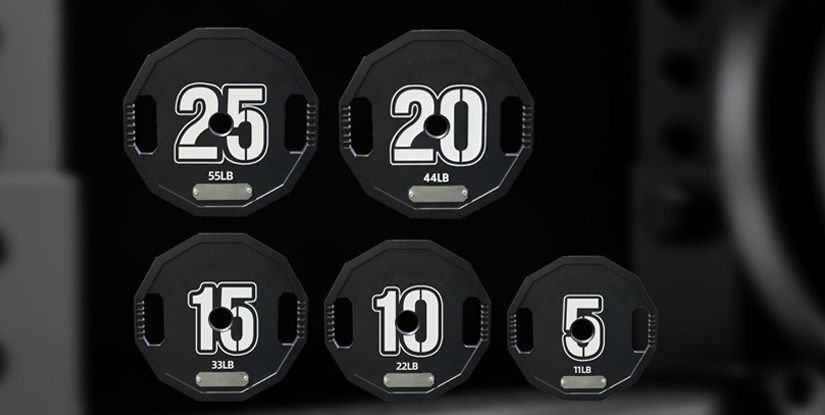
When managing large-scale sourcing projects, such as outfitting a new fitness franchise, consider the total landed cost including the potential for floor damage. While cast iron is more cost-effective in terms of initial purchase price and storage density, high-grade wholesale bumper plates offer superior durability in high-traffic areas where dropping weights is frequent. We suggest requesting a sample evaluation to inspect the coating adhesion and the concentricity of the central bore before finalizing any large-scale OEM or ODM production agreement.
Pre-Shipment QC and Export Standards
A critical oversight in global procurement is the failure to inspect the mechanical interface between the weight and the barbell. For a professional calibrated steel plate source supplier, quality control must extend beyond simple weight verification to include the structural integrity of the central bore. In cast iron models, the focus is on the precision of the CNC machining on the inner ring to ensure a smooth, concentric fit. In rubber-encapsulated units, the pre-shipment inspection must prioritize the bond line adhesion between the steel hub and the polymer shell to prevent delamination during heavy-use cycles.
When conducting a factory audit or reviewing a China factory inspection report, distributors should look for specific checks on the following components: the flatness of the base, the uniformity of the coating or rubber thickness, and the stability of the weight marking. For wholesale bumper plates, this includes checking the resilience of the outer rim against impact. High-tier sourcing protocols often involve spot-checking the weight tolerance of a randomized sample from the batch to ensure the commercial weight plate manufacturer maintains strict calibration standards across the entire production run.
Effective logistics management also requires coordination on export packaging to protect these precision-engineered products. Whether you are ordering through OEM or ODM channels, ensure your calibrated steel plate source supplier utilizes reinforced, moisture-resistant packaging. This reduces the risk of surface oxidation or coating damage during sea freight, ultimately protecting your distributor margins and lowering the total landed cost. We recommend confirming the palletization specifications and the protective layering of the inner bore before finalizing your bulk order to ensure the inventory arrives in professional-grade condition.
Optimizing Inventory with a Commercial Weight Plate Manufacturer
Selecting a reliable calibrated steel plate source supplier requires more than just comparing unit prices; it involves calculating the long-term impact on your distribution model. For professional importers, the choice between cast iron and rubber-encapsulated options directly dictates your inventory turnover and storage footprint. While cast iron offers a compact profile, rubber-coated alternatives provide essential floor protection and noise reduction, which are critical for high-traffic commercial environments.
A professional commercial weight plate manufacturer understands that the landed cost is influenced by more than just the FOB price. Factors such as volumetric weight in shipping containers and the durability of the product—which reduces the frequency of replacement orders—are vital for maintaining healthy distributor margins. When sourcing wholesale bumper plates, you must balance the high-density storage benefits of iron against the premium market demand for high-durability, impact-absorbing rubber units.
Material Performance and Procurement Comparison
To optimize your product mix, it is essential to evaluate how different manufacturing routes affect the total cost of ownership and shipping efficiency. A professional calibrated steel plate source supplier will typically offer both options to cater to different market segments—ranging from budget-conscious strength centers to premium functional training studios. Choosing the correct material profile ensures that your wholesale bumper plates or iron sets meet the specific durability requirements of your end-users while managing your logistics overhead.
| Material | Coating/Finish | Manufacturing Process | Commercial Duty Tier | MOQ Impact | Factory QC Point |
|---|---|---|---|---|---|
| Cast Iron | Powder Coating or Paint | Sand Casting & Machining | Budget / Standard Commercial | Lower (Higher Volume) | Base Flatness & Bore Diameter |
| Rubber/PU | Encapsulated Rubber/PU | Steel Hub Molding/Vulcanization | Premium / High-Impact | Higher (Specialized Production) | Coating Adhesion & Weight Tolerance |
When evaluating a commercial weight plate manufacturer, consider that rubber-encapsulated plates often require more complex production lines, including steel hub integration and vulcanization steps. This can influence the lead time and the MOQ required for OEM or ODM branding requests. Conversely, cast iron units are highly efficient for high-volume wholesale distribution due to their standardized casting processes and compact shipping profiles. We recommend requesting a detailed spec sheet and confirming the specific pre-shipment inspection protocols for both material types to ensure your landed cost remains competitive.
Logistics and Export Readiness
Effective sourcing requires a deep understanding of how material density affects container utilization. For instance, while cast iron plates provide a high weight-to-volume ratio, making them ideal for maximizing container weight capacity, rubber-encapsulated units may lead to higher volumetric weight considerations. A competent China factory will provide optimized export packaging solutions—such as reinforced pallets or heavy-duty corrugated boxes—to protect the integrity of the plating and the precision of the center bore during long-haul maritime transit.
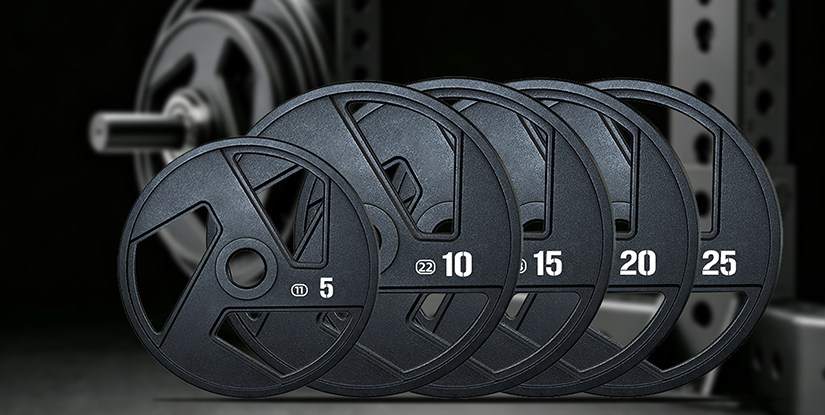
Furthermore, the complexity of the manufacturing process directly impacts your procurement timeline. The multi-stage production required for high-end bumper plates, involving steel hub assembly and specialized molding, typically results in a longer lead time compared to standard casting. When negotiating with a supplier, we suggest inquiring about the specific QC inspection steps—such as weight tolerance spot-checks and coating adhesion testing—to ensure the batch meets your commercial standards before it leaves the facility. For large-scale orders, coordinating a pre-shipment inspection can significantly reduce the risk of receiving non-compliant inventory, thereby protecting your long-term profitability.
Quality Control and Pre-Shipment Inspection Standards
Maintaining rigorous standards is essential when sourcing from a calibrated steel plate source supplier to ensure long-term durability and weight consistency. For distributors and gym owners, the difference between high-performance inventory and substandard stock lies in the precision of the manufacturing and inspection stages. A reliable factory must implement a systematic approach to both the casting of iron and the molding of rubber components to prevent discrepancies in weight that can compromise professional training environments.
When you partner with a professional commercial weight plate manufacturer, the quality control process typically follows a strict sequence: raw material verification, casting or molding, precision machining, and final calibration. For rubberized units, this includes checking the adhesion of the outer layer to the internal steel hub to ensure the product survives the high-impact demands of a commercial setting. Without these standardized QC steps, importers risk high replacement costs and diminished brand reputation due to uneven weight distribution or material failure.
Essential Inspection Points for Commercial Inventory
To mitigate the risks of importing bulk orders, procurement leads should request specific documentation regarding the weight tolerance and material consistency of their order. A reputable supplier will provide transparency regarding their calibration methods and the specific components used in their assembly. Whether you are ordering traditional cast iron or wholesale bumper plates, understanding the technical checkpoints is vital for a successful sourcing strategy.
| Material Type | Primary Process | Key Component/QC Point | Commercial Duty Tier | Sourcing Focus |
|---|---|---|---|---|
| Cast Iron | Sand Casting & Machining | Bore Concentricity & Surface Finish | Standard Commercial | Durability & Weight Precision |
| Rubber Bumper | Steel Hub & Rubber Molding | Bond Line Adhesion & Coating Uniformity | Premium/High-Impact | Floor Protection & Impact Resistance |
During the pre-shipment stage, a thorough inspection of the wholesale batch should include a spot-check of the center bore fit and the uniformity of the surface coating. For high-volume OEM or ODM orders, verifying these technical details at the China factory level significantly reduces the landed cost of returns and ensures the inventory meets the high expectations of professional fitness facilities.
Maintaining rigorous standards is essential when sourcing from a calibrated steel plate source supplier to ensure long-term durability and weight consistency. For distributors and gym owners, the difference between high-performance inventory and substandard stock lies in the precision of the manufacturing and inspection stages. A reliable factory must implement a systematic approach to both the casting of iron and the molding of rubber components to prevent discrepancies in weight that can compromise professional training environments.
When you partner with a professional commercial weight plate manufacturer, the quality control process typically follows a strict sequence: raw material verification, casting or molding, precision machining, and final calibration. For rubberized units, this includes checking the adhesion of the outer layer to the internal steel hub to ensure the product survives the high-impact demands of a commercial setting. Without these standardized QC steps, importers risk high replacement costs and diminished brand reputation due to uneven weight distribution or material failure.
Logistics and Landed Cost Management for Bulk Orders
Optimizing the total cost of ownership requires a deep understanding of how material density affects shipping and storage. For distributors and gym owners, selecting a calibrated steel plate source supplier involves more than just the unit price; it requires calculating the landed cost, which includes freight, duties, and local logistics. Because different materials occupy different volumes relative to their weight, the choice between cast iron and rubber significantly alters your shipping density and container utilization efficiency during China factory sourcing.
When managing bulk order logistics, the volume vs weight ratio becomes a critical variable. Cast iron plates are typically more compact, allowing for higher density in a standard 20ft or 40ft container, which can lower the per-unit freight cost. In contrast, rubber bumper plates, while more durable for high-impact environments, often have a larger physical profile. A professional commercial weight plate manufacturer will provide precise dimensions and weight specifications to help you calculate exact container loads, ensuring you maximize your wholesale order volume without exceeding weight limits or facing unexpected surcharges at the port.
Material and Logistics Comparison for B2B Procurement
Selecting between material types directly impacts your warehousing strategy and long-term inventory turnover. For a professional commercial weight plate manufacturer, providing clear data on physical dimensions is essential for accurate freight forecasting. While cast iron offers superior density for space-constrained facilities, rubber-coated options provide essential floor protection and impact attenuation in high-traffic commercial settings. Understanding these trade-offs allows distributors to optimize their wholesale procurement cycles and minimize storage overhead.
| Material Type | Primary Process | Key Component Focus | Commercial Duty Tier | Storage Footprint | Logistics Impact |
|---|---|---|---|---|---|
| Cast Iron | Sand Casting & Machining | Bore Precision & Coating Adhesion | Budget to Mid-Tier | Compact / High Density | Lower volume per unit; optimized for heavy weight density |
| Rubber Bumper | Steel Hub & Vulcanization | Inner Ring & Rim Durability | Premium / High-Impact | Larger / Lower Density | Higher volume per unit; requires careful stack management |
When evaluating a calibrated steel plate source supplier, we recommend requesting a full packing list and volumetric data prior to finalizing your wholesale bumper plates order. This ensures your B2B procurement plan accounts for both the weight capacity of the shipping container and the physical dimensions of your receiving warehouse. A reliable calibrated steel plate source supplier will offer detailed specification sheets to assist in your exact container loading calculations, preventing costly delays in your supply chain.
Export Packaging and Pre-Shipment Inspection
The final stage of the procurement process is often where the highest risk of unexpected cost occurs. For a professional calibrated steel plate source supplier, the goal is to minimize the breakage risk through specialized export packaging. High-density cast iron and high-volume wholesale bumper plates require different handling protocols to ensure they arrive at your facility in pristine condition. A standard factory must utilize reinforced palletizing and edge protection to prevent damage during long-haul sea freight and multi-modal transport.
Effective container optimization is not just about filling space; it is about structural integrity. We implement rigorous QC inspection protocols that include checking the coating adhesion of the steel hubs and the concentricity of the bores before the final sealing of the container. This level of attention to detail helps distributors manage their lead time more effectively by reducing the need for replacement shipments due to transit damage. Before finalizing your next wholesale replenishment, we recommend requesting a detailed packing plan and a sample of the export-grade packaging used to ensure your inventory arrives ready for immediate commercial distribution.