Calibrated Weight Plate Distributor: Material and Specs
Calibrated Weight Plate Distributor: Material and Specification Standards
For large-scale fitness distributors supplying hotel gym chains or high-end boutique studios, the margin for error in weight accuracy is virtually zero. Selecting a reliable calibrated weight plate distributor is not merely about finding a low price, but about securing a partner capable of delivering consistent density and surface integrity. When managing bulk orders, the technical composition of the plate determines the long-term replacement rate and the perceived quality of your brand in the premium market.
High-performance commercial weight plate sourcing requires a deep understanding of how base metals and surface treatments affect both weight tolerance and longevity. In many commercial settings, the choice between cast iron and solid steel affects not just the unit cost, but the overall shipping weight and landed cost for the importer. A professional China factory will offer various tiers of materials to meet different market demands, ranging from standard iron plates to high-precision steel units.
Core Material Composition and Manufacturing Tiers
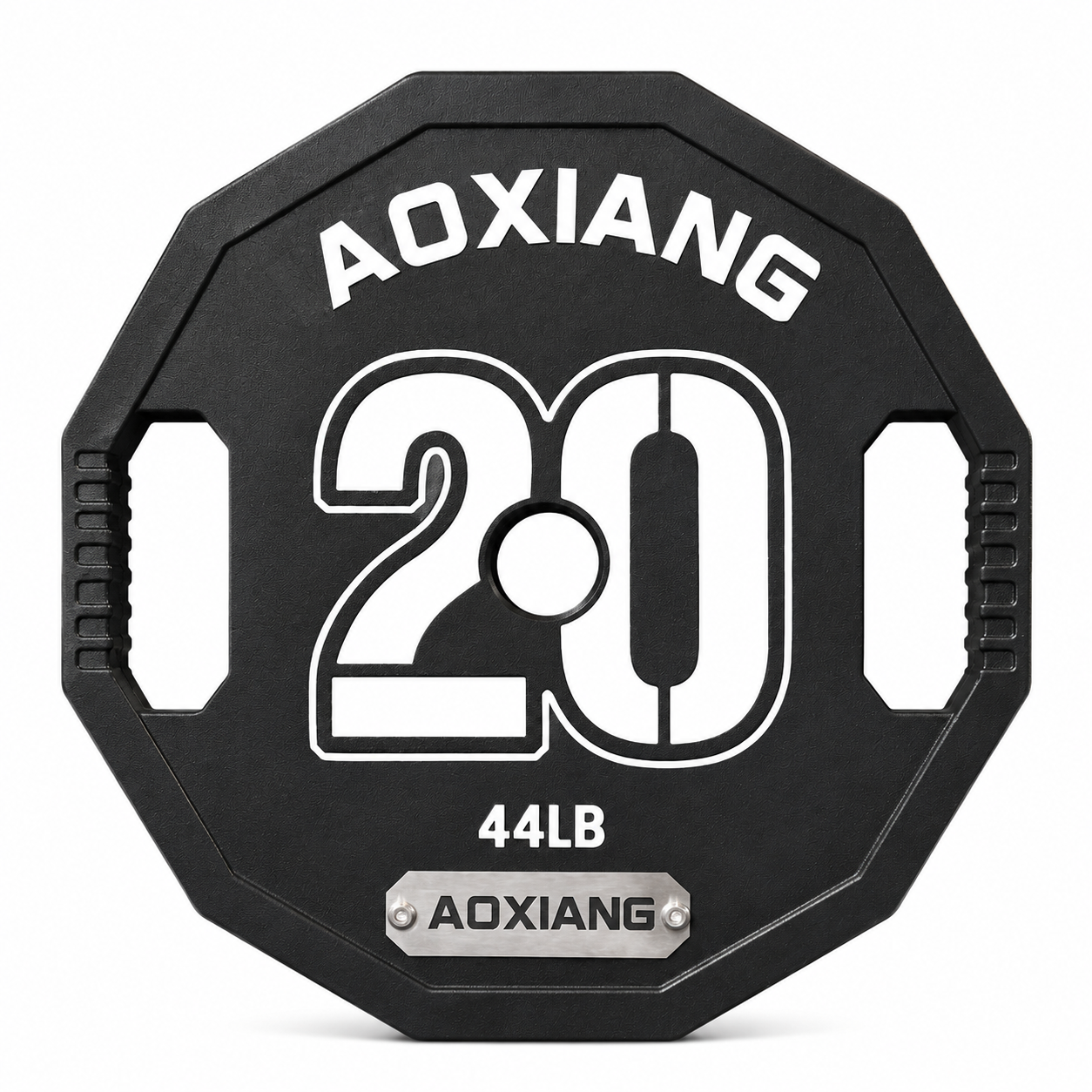
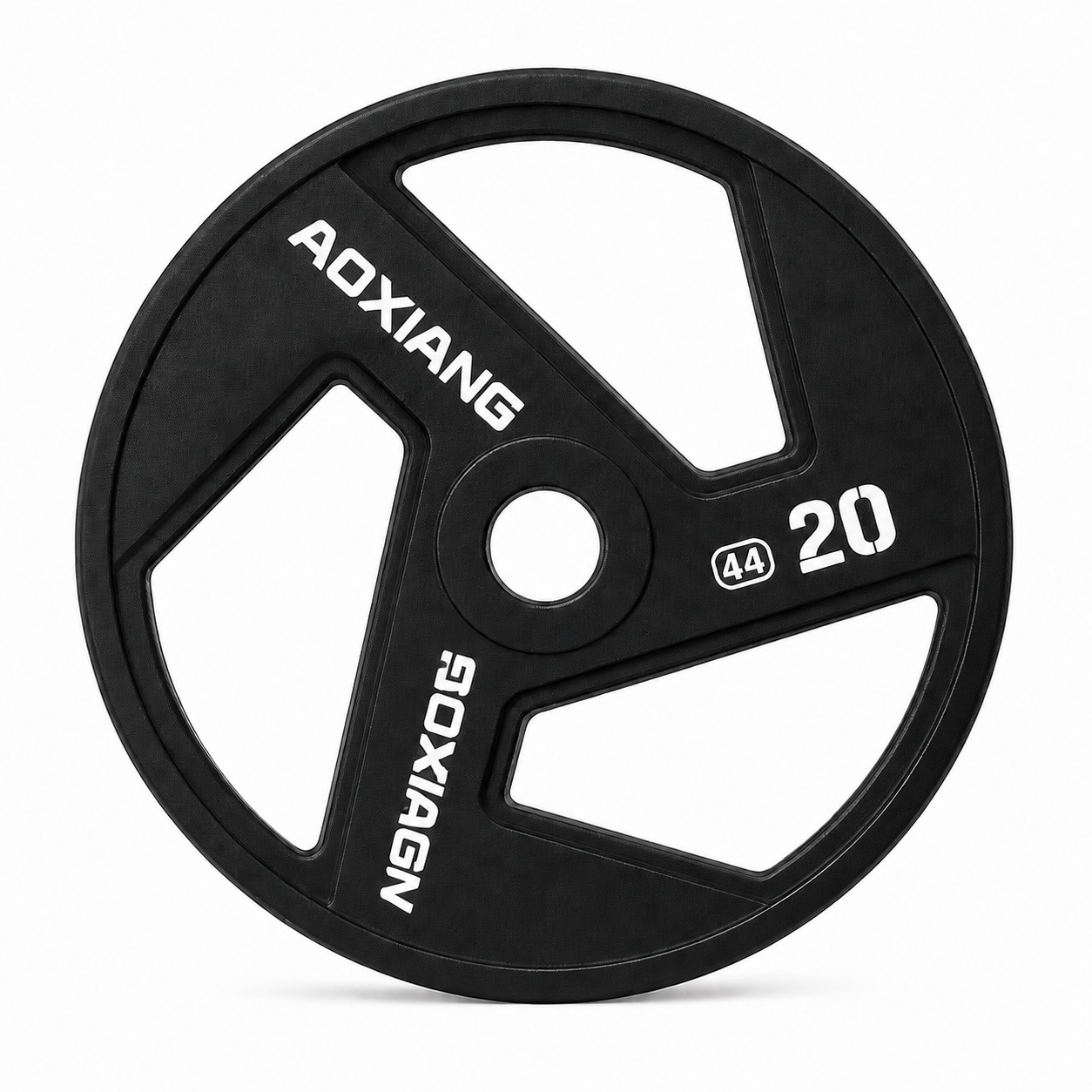
The structural integrity of a plate begins with the raw material selection. Most precision weight plate manufacturing workflows start with high-grade gray iron or solid steel to ensure the plate remains balanced and resistant to cracking under heavy impact. While budget-tier options often rely on basic sand casting, premium commercial-grade units utilize more refined processes to ensure concentricity and a consistent bore diameter.
Surface treatment is equally critical for professional distributors. A common failure mode in low-quality sourcing is premature oxidation or coating peel. To prevent this, industry-standard production includes a thorough powder coating or specialized paint application. This layer serves as a protective barrier, ensuring the plates remain aesthetically professional even after heavy daily use in high-traffic environments.
| Material | Process | Key Component | Commercial Duty | MOQ Impact | Factory QC Point |
|---|---|---|---|---|---|
| Cast Iron | Sand Casting | Bore Precision | Budget Commercial | Low | Weight Tolerance |
| Solid Steel | Machining | Concentricity | Premium Commercial | Medium | Bore Fit |
| Steel with Coating | Powder Coating | Adhesion Layer | High-End Studio | Medium | Coating Integrity |
Material and Finish Selection for Long-Term Durability
Selecting the correct material profile is a strategic decision for any calibrated weight plate distributor looking to optimize the total cost of ownership for their clients. The choice between bare iron, powder-coated steel, or high-density urethane coatings directly impacts maintenance frequency and the lifespan of the equipment. For instance, while bare iron with a phosphate treatment is a standard in many high-volume commercial settings due to its lower cost, it requires more frequent cleaning to prevent oxidation. In contrast, premium powder-coated or urethane-encapsulated plates offer superior floor protection and a more refined aesthetic, though they may involve a higher MOQ or different pricing structures from the factory.
When conducting commercial weight plate sourcing, it is essential to evaluate the thickness of the coating and the quality of the bond line. A robust coating prevents the underlying metal from reacting to humidity, which is a common issue in various global climates. Furthermore, the integration of rubber or specialized edge-molding provides essential floor protection, reducing the impact noise and structural vibration within a commercial facility. This level of detail is what separates standard stock from high-tier precision weight plate manufacturing outputs.
Before finalizing a bulk procurement plan, we recommend that importers request a detailed specification sheet or a sample evaluation. This allows your technical team to inspect the bore fit, the smoothness of the surface finish, and the precision of the weight distribution. Confirming these technical standards during the initial sourcing phase ensures that your landed cost remains predictable and that the products meet the rigorous demands of professional strength training environments.
Precision Machining and Quality Control Standards
Achieving professional-grade accuracy requires a rigorous production sequence that extends far beyond basic casting. A high-tier calibrated weight plate distributor must ensure that every unit undergoes a systematic workflow: starting with precision machining of the center bore, followed by weight calibration, and ending with a comprehensive concentricity check. These steps are vital to prevent uneven loading or vibration during high-intensity training, which can lead to premature wear on barbell sleeves and racking systems.
For distributors managing high-volume imports, the technical scrutiny during the pre-shipment QC stage is a critical safeguard for their profit margins. A professional China factory should implement standardized checks on coating adhesion and bore diameter consistency to minimize the risk of returns or client complaints. Furthermore, specialized export packaging—including reinforced carton corners and moisture-resistant wrapping—is essential to protect the surface integrity and prevent damage during long-distance ocean freight. When evaluating your next wholesale batch, we suggest confirming the specific pre-shipment inspection protocols to ensure the final landed cost reflects a product of verified durability and precision.
Material Selection and Manufacturing Processes for Commercial Plates
For a professional calibrated weight plate distributor, the selection of base materials and manufacturing routes directly dictates long-term product reliability and distributor margins. When conducting commercial weight plate sourcing, understanding the transition from raw casting to finished, calibrated units is essential to avoid high replacement costs and customer dissatisfaction in high-traffic gym environments.
High-grade cast iron remains the industry standard for commercial-grade plates due to its density and cost-effectiveness in bulk production. Most professional precision weight plate manufacturing workflows begin with high-quality sand casting to ensure structural integrity. This process creates a robust foundation that can withstand the physical rigors of a commercial facility, provided the factory maintains strict control over the cooling and solidification stages to prevent internal fractures.
| Material Type | Primary Process | Surface Finish | Commercial Duty Tier | Durability Profile |
|---|---|---|---|---|
| Cast Iron | Sand Casting | Powder Coating | Standard Commercial | High impact resistance; suitable for heavy lifting environments |
| Steel | Machining | Chrome or Paint | Premium Commercial | Superior precision; high resistance to oxidation |
| Iron Core | Molding | Rubber/PU Coating | High-End/Bumper | Maximum floor protection and noise reduction |
The relationship between the casting method and the final weight tolerance is critical. A reliable calibrated weight plate distributor must ensure that the China factory utilizes precision machining after the initial casting to refine the bore and the plate surface. This secondary machining step is what allows the unit to meet the strict dimensional requirements necessary for professional-grade equipment, ensuring a consistent fit on Olympic bars and minimizing the risk of uneven wear during heavy training sessions.
Optimizing Surface Finishes and Component Precision
The final surface treatment of a plate is not merely an aesthetic choice; it is a critical factor in the total cost of ownership for the end-user. For importers, the choice between different finishing technologies affects both the landed cost and the potential for high-margin resale. A high-quality calibrated weight plate distributor must evaluate whether a client requires the ruggedness of a powder coating or the premium tactile feel of a specialized coating.
Commonly, high-volume orders utilize a professional powder coating line to ensure consistent coating adhesion across large batches. This provides a durable barrier against oxidation and minor surface abrasions. For premium tier-one units, a PU coating or polyurethane application is often preferred. This process provides a smoother, more resilient finish that enhances the professional appearance of the equipment while offering superior protection against environmental wear in diverse gym settings. When evaluating precision weight plate manufacturing, the integration of CNC machining for the central bore is the most significant indicator of quality, as it ensures the plate remains concentric and maintains a balanced fit during high-velocity movements.
Beyond the surface, the structural integrity of the assembly depends on the quality of the internal components and the precision of the machining. A professional calibrated weight plate distributor should verify that the factory conducts a thorough weight tolerance spot-check and a concentricity check during the final stages of production. This ensures that each unit, whether it is a basic cast iron plate or a high-end coated version, meets the strict dimensional standards required for commercial stability and long-term durability.
Factory QC and Export-Ready Logistics
For international buyers, the technical excellence of a product is only as valuable as the reliability of the delivery chain. A professional calibrated weight plate distributor must look beyond the material and focus on the final stages of the production cycle. High-quality precision weight plate manufacturing is not complete until the product has passed rigorous pre-shipment inspection protocols designed to mitigate the risks of transit damage and dimensional inconsistency.
During the pre-shipment QC stage, a competent China factory will typically conduct specific inspections that directly impact your landed cost and customer satisfaction. This includes a thorough check of the coating adhesion to ensure the finish does not chip during handling, a weight tolerance spot-check to confirm calibration accuracy, and a bore fit verification to ensure compatibility with standard Olympic bars. These steps are critical for reducing the rate of returns and maintaining your reputation as a high-tier supplier in your local market.
Furthermore, the durability of the product during long-distance ocean freight depends heavily on the quality of the export packaging. To protect the precision of the plates and the integrity of the finishes, professional manufacturers utilize heavy-duty reinforced cartons and optimized palletization techniques. When negotiating your next bulk order, it is advisable to confirm the specific packaging standards and the MOQ for custom branding or private label requirements. Establishing these technical and logistical benchmarks early in the sourcing process ensures that your inventory arrives in optimal condition, ready for immediate commercial deployment.
Precision Weight Plate Manufacturing: Achieving Commercial Tolerances
For a professional calibrated weight plate distributor, the margin for error in weight accuracy is virtually zero. High-end strength facilities and competitive training centers require equipment that maintains strict weight standards to ensure training integrity. When managing commercial weight plate sourcing, understanding the technical transition from raw casting to a finished, calibrated unit is essential for minimizing returns and maximizing your distributor margins.
Reliable precision weight plate manufacturing relies on a disciplined multi-stage production sequence. Typically, the process begins with high-grade sand casting to form the base plate structure. Once the raw iron forms are cooled, they undergo rigorous CNC machining to ensure the center bore is perfectly concentric and the plate surface is flat. This stage is critical; even minor deviations in the bore diameter can lead to uneven loading on Olympic bars, a common failure mode in lower-tier production. Following the machining phase, the plates move through a controlled calibration stage where excess material is precisely removed or added to meet the target weight. For a China factory specializing in export-grade equipment, this sequence—casting, machining, and calibration—is the standard for delivering professional-grade units that meet international commercial expectations.
Technical Comparison of Manufacturing and Finishing Standards
When evaluating a calibrated weight plate distributor, procurement professionals must distinguish between standard cast iron and high-precision calibrated units. The primary difference lies in the level of secondary machining and the quality of the surface finish. While standard commercial plates may only undergo basic sand casting and a single coating pass, calibrated units require advanced CNC intervention and multi-stage calibration to ensure weight stability and concentricity. Choosing the correct tier during your commercial weight plate sourcing process directly impacts the long-term TCO and the perceived quality of your brand in the professional market.
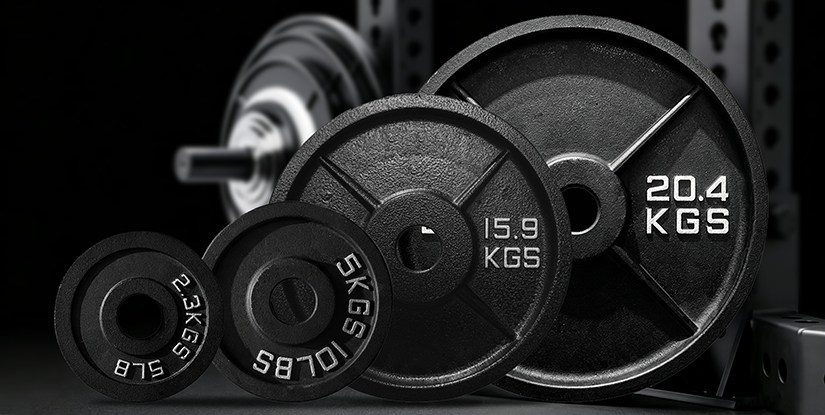
The following table outlines the qualitative differences between production tiers to assist in your precision weight plate manufacturing assessment and decision-making.
| Material Tier | Primary Process | Key Component/Detail | Commercial Application | MOQ Impact | Factory QC Focus |
|---|---|---|---|---|---|
| Cast Iron | Sand Casting | Standard Bore | Budget Commercial Gyms | Lower MOQ | Surface Cracks |
| Machined Steel | CNC Machining | Precision Concentricity | Professional Training Centers | Standard MOQ | Bore Diameter & Flatness |
| Premium Calibrated | Multi-stage Calibration | High-Adhesion Coating | Competition & Elite Facilities | Higher MOQ | Weight Spot-check & Finish |
For distributors looking to scale through OEM or ODM partnerships, selecting a supplier that manages these specific technical variables is vital. A high-performing factory will implement a pre-shipment inspection that focuses on the internal filler density, the adhesion of the powder coating, and the final weight tolerance of each batch. This level of detail ensures that your landed cost remains optimized by reducing the need for replacement parts or customer returns due to weight discrepancies.
Standardizing Pre-Shipment QC and Export Logistics
Maintaining a consistent reputation as a calibrated weight plate distributor requires more than just trusting the initial production run; it requires a rigorous pre-shipment QC protocol. For high-volume commercial weight plate sourcing, relying on basic factory-level checks is a significant risk to your long-term profitability. A professional China factory should provide transparent documentation regarding their weight tolerance spot-check results and the structural integrity of the coating layer before any container is sealed.
During the final inspection phase, a specialized supplier must verify several critical variables to prevent costly logistics issues. This includes checking the coating adhesion to ensure the finish does not chip during transit, verifying the concentricity of the center bore, and performing random weight verification. Furthermore, the quality of export packaging is a decisive factor in your total landed cost. High-tier manufacturers utilize reinforced carton structures and specialized palletizing techniques to protect the plates from impact and moisture during long-haul sea freight. For any distributor, ensuring that the packaging can withstand the rigors of international shipping is just as vital as the precision of the precision weight plate manufacturing itself. We recommend requesting a detailed sample approval and a formal factory audit to confirm that the export packaging and QC standards align with your specific commercial requirements and MOQ thresholds.
Optimizing Warehouse and Floor Layout Efficiency
Effective commercial weight plate sourcing requires more than just selecting high-quality materials; it requires a strategic approach to inventory management. For a professional calibrated weight plate distributor, the physical dimensions and stacking capabilities of the product directly influence warehouse overhead and shipping costs. When managing large-scale imports, understanding how different plate profiles impact footprint efficiency is essential for maintaining high turnover rates and minimizing logistics friction.
In many commercial settings, the choice between standard cast iron plates and more specialized precision-machined units affects how much volume you can occupy in a shipping container or a local warehouse. By prioritizing vertical storage solutions and selecting plate types that facilitate stable stacking, distributors can significantly improve their space-optimization capabilities. This is particularly vital when calculating the total landed cost, as higher density per pallet reduces the number of shipments required over time.
| Storage Configuration Type | Primary Benefit | Space Impact | Logistics Consideration |
|---|---|---|---|
| Standard Vertical Racks | Easy accessibility | High verticality | Requires robust floor load capacity |
| Horizontal Nesting Trays | Maximum density | Compact footprint | Higher handling time per unit |
| Mobile Weight Trees | Floor flexibility | Medium footprint | Ideal for showroom/retail display |
| Stackable Pallet Systems | Bulk transport efficiency | Optimized for sea freight | Crucial for China factory logistics |
When evaluating precision weight plate manufacturing, buyers should consider how the plate edge design—whether it is a smooth rim or a reinforced bevel—affects the ability to stack units without damaging the coating. A well-designed plate profile not only ensures durability but also aids in space-optimization during both long-term storage and short-term gym floor deployment. Working with a reliable supplier who understands these China factory logistics nuances will ensure that your bulk orders arrive in a configuration that maximizes your available square footage.
Managing high-volume inventory requires a clear understanding of how material density affects your logistics and storage overhead. For a professional calibrated weight plate distributor, the decision between purchasing cast iron or rubber/PU coated units is not just about aesthetic preference, but about the total landed cost and long-term floor protection. High-density materials like cast iron offer excellent volume-to-weight ratios for shipping, but specialized coatings are often necessary to manage the physical impact on commercial flooring and reduce noise in high-traffic facilities.
When planning a bulk order, distributors must weigh the trade-offs between the compact profile of bare metal and the increased thickness of high-end bumper or coated plates. Choosing the right material profile ensures that your commercial weight plate sourcing strategy supports both high-density warehouse stacking and the long-term durability of your clients' facility floors. A reliable factory will provide technical specifications regarding plate thickness and edge profiles to help you calculate exact container loading volumes.
| Material Type | Coating/Finish | Storage Profile | Floor Impact | Commercial Utility |
|---|---|---|---|---|
| Cast Iron | Powder Coated or Painted | High density; compact for vertical stacking | High; requires protective mats | Budget-friendly commercial strength |
| Steel/Iron Core | Rubber or PU Coating | Medium density; thicker profile | Low; excellent shock absorption | Premium high-traffic environments |
| Precision Steel | Chrome or Enamel | Ultra-compact; high precision | Moderate; precision-focused use | Competition and specialized training |
To ensure successful precision weight plate manufacturing, we recommend verifying the thickness and edge-beveling standards during the pre-shipment inspection. For instance, a smooth, consistent edge is vital for safe stacking in mobile weight trees and vertical racks. When negotiating with your supplier, ask for detailed specifications regarding the coating adhesion and the thickness of the outer layer, as these factors directly influence the durability of the unit during heavy-duty use and the efficiency of your wholesale distribution model.
Effective commercial weight plate sourcing requires more than just selecting high-quality materials; it requires a strategic approach to inventory management. For a professional calibrated weight plate distributor, the physical dimensions and stacking capabilities of the product directly influence warehouse overhead and shipping costs. When managing large-scale imports, understanding how different plate profiles impact footprint efficiency is essential for maintaining high turnover rates and minimizing logistics friction.
In many commercial settings, the choice between standard cast iron plates and more specialized precision-machined units affects how much volume you can occupy in a shipping container or a local warehouse. By prioritizing vertical storage solutions and selecting plate types that facilitate stable stacking, distributors can significantly improve their space-optimization capabilities. This is particularly vital when calculating the total landed cost, as higher density per pallet reduces the number of shipments required over time.
| Storage Configuration Type | Primary Benefit | Space Impact | Logistics Consideration |
|---|---|---|---|
| Standard Vertical Racks | Easy accessibility | High verticality | Requires robust floor load capacity |
| Horizontal Nesting Trays | Maximum density | Compact footprint | Higher handling time per unit |
| Mobile Weight Trees | Floor flexibility | Medium footprint | Ideal for showroom/retail display |
| Stackable Pallet Systems | Bulk transport efficiency | Optimized for sea freight | Crucial for China factory logistics |
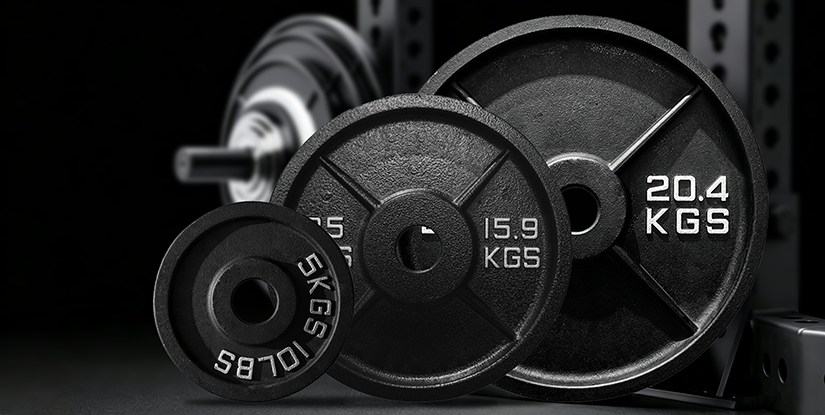
When evaluating precision weight plate manufacturing, buyers should consider how the plate edge design—whether it is a smooth rim or a reinforced bevel—affects the ability to stack units without damaging the coating. A well-designed plate profile not only ensures durability but also aids in space-optimization during both long-term storage and short-term gym floor deployment. Working with a reliable supplier who understands these China factory logistics nuances will ensure that your bulk orders arrive in a configuration that maximizes your available square footage.
China Factory Sourcing: MOQ and Export Quality Control
Establishing a reliable supply chain requires a calibrated weight plate distributor to look beyond simple pricing and evaluate the logistical maturity of a China factory. For professional importers, the transition from production to international shipping involves strict adherence to weight tolerances and packaging durability to protect distributor margins and ensure a low landed cost.
When engaging in commercial weight plate sourcing, understanding the relationship between production volume and quality consistency is vital. A professional calibrated weight plate distributor must verify that the precision weight plate manufacturing process includes standardized checkpoints for concentricity and surface finish before the goods leave the facility. High-volume orders typically benefit from more rigorous export quality control protocols, as the factory can implement more consistent batch testing across large-scale production runs.
Standardizing Export Quality and Logistics
To mitigate the risk of receiving non-compliant inventory, buyers should request specific documentation regarding the pre-shipment inspection stages. A standard China factory capable of global export will typically offer a structured QC sequence: from the initial sand casting and CNC machining of the bore to the final weight calibration and coating adhesion check. For wholesale clients, the MOQ often dictates the level of OEM customization available, including custom branding or specialized packaging to prevent transit damage.
| Material Tier | Typical Process | Key Component/QC Point | Commercial Duty | MOQ Impact |
|---|---|---|---|---|
| Cast Iron | Sand Casting & Machining | Bore Concentricity | Standard Commercial | Standard |
| Steel (Competition) | Machining & Chrome Finish | Surface Smoothness | Premium/Professional | Higher |
| Rubber Coated | Molding & Vulcanization | Edge Bonding/Adhesion | High-Impact/Noise Reduction | Variable |
Effective sourcing strategies involve confirming how the supplier handles container loading and palletization. To maintain a professional standard, ensure the factory utilizes reinforced export cartons and utilizes optimized pallet dimensions to maximize container space, thereby reducing the total landed cost per unit for the distributor.
Operational Readiness and Bulk Procurement Verification
A professional calibrated weight plate distributor must evaluate the technical capacity for both product precision and logistical efficiency. Beyond the initial material selection, the success of a bulk order depends on how the China factory manages the transition from the production line to the shipping container. This involves verifying specific technical checkpoints that prevent common commercial failures, such as uneven weight distribution or coating degradation during transit.
When conducting a commercial weight plate sourcing audit, focus on the manufacturer's ability to execute a standardized pre-shipment protocol. A reliable supplier should be able to demonstrate a consistent weight tolerance spot-check and a coating adhesion test. These steps ensure that the high-volume shipments arriving at your warehouse meet the strict standards required for professional gym environments, protecting your brand reputation and long-term profitability.
For clients requiring OEM or ODM solutions, the complexity of the production line increases. It is essential to confirm that the factory can integrate custom branding or specialized dimensions without compromising the core calibration process. During the procurement phase, always request a detailed breakdown of the lead time and the specific export packaging standards used. Utilizing reinforced palletization and optimized carton structures is a critical factor in minimizing transit damage and effectively managing the total landed cost for large-scale distribution.
Custom Branding and OEM/ODM Capabilities for Distributors
Establishing a unique market presence requires more than just sourcing high-quality goods; it requires a distinct brand identity. For professional importers, working with a calibrated weight plate distributor that offers robust OEM and ODM services is a strategic advantage. Instead of selling generic products that compete solely on price, distributors can leverage custom branding to build long-term equity and authority within their specific regional markets.
When you partner with a specialized China factory, you gain access to advanced manufacturing flexibility that standard trading companies cannot provide. Whether you require a specific embossed logo on the iron face, a unique color scheme for the powder coating, or custom packaging for retail-ready distribution, these capabilities allow for significant market differentiation. This level of customization is essential for scaling a private label line that meets the high standards of premium commercial gym chains and boutique studios.
Furthermore, utilizing ODM services allows distributors to optimize their distributor margin by controlling the product design from the early stages of production. By tailoring the weight tolerances and surface finishes to meet specific regional demands, you reduce the risk of returns and improve the total cost of ownership for your end-users. High-tier commercial weight plate sourcing should always prioritize a supplier that can transition seamlessly from producing stock items to executing complex, branded production runs based on your unique specifications.
Technical Specifications for Branding and Export Packaging
To ensure your private label products arrive in retail-ready or professional gym-ready condition, the branding process must be integrated into the primary manufacturing stages. For a professional calibrated weight plate distributor, the method of logo application significantly impacts both the aesthetic value and the long-term durability of the unit. High-tier customization options typically involve precision sand casting where the logo is part of the mold itself, ensuring a permanent, raised relief that cannot be worn away through heavy use. For a more modern look, high-quality powder coating can be applied over a recessed logo, providing a clean, high-contrast finish that resists chipping and oxidation.
When managing large-scale commercial weight plate sourcing, the final packaging stage is just as critical as the casting process to protect your landed cost and prevent transit damage. Standard export protocols for high-volume orders include heavy-duty, reinforced corrugated cartons designed to withstand the rigors of ocean freight and multi-stage handling. A reliable precision weight plate manufacturing partner will implement specialized palletizing techniques, such as using heat-treated wooden pallets and edge protectors, to ensure stability during container loading. This attention to detail in the export packaging phase minimizes the risk of dented edges or coating imperfections, ensuring that your branded products arrive at your warehouse in pristine, saleable condition.
| Branding Method | Process Detail | Commercial Application | Durability Level |
|---|---|---|---|
| Logo Embossing | Integrated into sand casting mold | Premium commercial iron plates | High (Permanent) |
| Color Customization | Multi-layer powder coating | Boutique studio and color-coded sets | Medium to High |
| Laser Etching | Surface marking after coating | High-end competition style plates | Moderate (Surface level) |
For distributors looking to optimize their inventory, it is advisable to confirm the specific lead time and MOQ requirements for customized runs during the initial consultation. Most factory-direct customization requests, such as specialized color schemes or custom embossed molds, require a longer production window than standard stock orders. We recommend requesting a detailed specification sheet and a sample approval process to verify that the logo depth, color accuracy, and packaging strength meet your brand's exact standards before full-scale production begins.
| Branding Method | Application Process | Visual Impact | MOQ Impact | Best For | Commercial Use Case |
|---|---|---|---|---|---|
| Raised Embossing | Integrated into sand casting mold | Classic, permanent relief | Higher initial mold fee | Premium Tier | High-traffic commercial gyms |
| Color-Matched Coating | Multi-layer powder coating | Modern, vibrant aesthetic | Standard bulk requirements | Boutique/Studio Tier | Specialized fitness studios |
| Precision Etching | Surface treatment after finish | Clean, high-contrast detail | Low impact on small runs | Competition Tier | High-end training facilities |
When evaluating your next batch, understanding these distinctions allows for better inventory planning. A professional calibrated weight plate distributor must weigh the aesthetic benefits of custom branding against the logistical realities of MOQ and lead time. For instance, while raised embossing offers the highest durability for heavy-duty use, it requires a specific production window for mold preparation. Conversely, color-coded powder coating provides excellent visual differentiation for studio environments without the high upfront cost of new casting molds, making it a versatile option for wholesale expansion.
To ensure a seamless transition from sourcing to retail, we recommend a multi-step validation process. Before finalizing a large-scale OEM or ODM order, request a physical sample to verify the adhesion of any custom coatings and the precision of the embossed branding. Furthermore, confirm the specific export packaging standards with your factory to ensure that custom-branded units are protected against transit-related wear. Establishing these protocols early will protect your distributor margin and ensure your brand identity remains intact upon arrival at your destination.