Calibrated Weight Plate Casting Manufacturer: OEM Supply
Calibrated Weight Plate Casting Manufacturer: Standards and Sourcing
Many professional importers often face the dilemma of purchasing uncalibrated cast iron products that suffer from inconsistent weight distribution or poor concentricity, leading to high replacement costs and damaged barbell sleeves. A professional calibrated weight plate casting manufacturer avoids these pitfalls by implementing rigorous machining and calibration protocols. For high-volume distributors and gym equipment wholesalers, sourcing from a specialized China factory ensures that every unit meets strict commercial-grade specifications for both weight accuracy and structural balance.
Achieving high-tier performance in a commercial setting requires more than just basic casting; it demands a disciplined precision steel plate manufacturing workflow. This process typically begins with high-quality gray iron or solid steel casting, followed by advanced CNC machining to ensure the center bore is perfectly concentric. Without this precision, plates can cause uneven wear on expensive barbell kits, increasing the total cost of ownership for the end-user. When managing commercial weight plate production, the goal is to minimize the weight tolerance through multiple stages of material removal and final calibration, ensuring that the finished product is both stable and durable for heavy-duty use.
For procurement leads evaluating sourcing options, understanding the technical hierarchy of production is essential for maintaining distributor margins. The following table outlines the qualitative differences in production standards typically found when selecting a professional supplier.
| Material Tier | Primary Process | Key QC Point | Commercial Duty | Sourcing Impact |
|---|---|---|---|---|
| Standard Cast Iron | Sand Casting | Surface Roughness | Basic Commercial | Lower MOQ / Budget |
| Precision Steel | Machining & Calibration | Concentricity & Flatness | Premium Commercial | Higher Lead Time |
| Competition Spec | Advanced CNC & Coating | Weight Tolerance | Elite Professional | Strict OEM Requirements |
Optimizing Procurement Through Process Transparency
When managing large-scale inventory, the difference between basic sand casting and advanced machining determines your long-term replacement rates. While sand casting is a cost-effective method for high-volume orders, it often results in surface irregularities that require secondary processing to meet commercial standards. A professional calibrated weight plate casting manufacturer utilizes CNC machining to refine the center bore and outer diameter, ensuring that the plate sits perfectly flat on a barbell. This precision reduces the vibration and mechanical stress that often lead to premature wear in high-traffic fitness facilities.
For distributors looking to optimize their landed cost, selecting the right production tier is a strategic decision. High-end commercial weight plate production focuses heavily on the final surface finishing and weight calibration stages. For instance, a steel plate that undergoes multiple stages of machining will offer superior concentricity compared to a standard cast iron plate. This technical advantage is vital for premium gym operators who demand equipment that maintains balance during high-intensity training. Depending on your specific sourcing requirements, a factory can adjust the depth of the machining process to balance your target price point with the necessary durability standards.
To ensure high-quality arrivals, we recommend that procurement officers perform a pre-shipment inspection focusing on the coating adhesion and the flatness of the plate face. A well-managed China factory will provide documentation or samples that demonstrate the consistency of the weight tolerance across different batches. By verifying these technical details before the container is loaded, you can mitigate the risk of receiving non-compliant stock and ensure your brand identity remains strong in the competitive commercial market.
Critical Inspection Points for Bulk Importation
Successful high-volume procurement relies on more than just a low unit price; it requires a rigorous pre-shipment inspection protocol to protect your margins. A professional calibrated weight plate casting manufacturer understands that even minor defects can lead to significant returns or client dissatisfaction. Before finalizing a container load, importers should verify specific technical benchmarks, such as the weight tolerance spot-check, to ensure the batch consistency aligns with the agreed-upon specifications. This level of scrutiny is standard when working with a reliable supplier for large-scale distribution.
Beyond weight accuracy, the structural integrity of the surface finish is a common failure point in lower-tier production. During your factory audit or third-party inspection, it is essential to evaluate the coating adhesion and the base flatness of the plates. For steel-based units, ensuring that the powder coating or plating is uniform and resistant to chipping is vital for long-term durability in high-traffic environments. Furthermore, checking the concentricity of the center bore ensures the plates will not cause mechanical vibration or uneven loading on premium barbells. By prioritizing these technical checks, you ensure that your wholesale orders meet the high expectations of commercial gym operators and professional athletes.
Logistics and reliability are the final pillars of a successful partnership. When managing bulk orders, you must confirm the specific export packaging methods used to prevent transit damage. High-quality commercial weight plate production typically utilizes reinforced pallets and heavy-duty protective wrapping to safeguard the product during long-distance sea freight. Additionally, always clarify the expected lead time and any MOQ requirements for OEM or ODM custom branding requests. Clear communication regarding these logistics ensures a predictable supply chain, allowing you to manage your inventory levels and client delivery schedules with confidence.
Material Selection and Precision Machining Processes
For distributors and large-scale gym operators, the structural integrity of weight sets directly impacts total cost of ownership and equipment lifespan. A professional calibrated weight plate casting manufacturer must prioritize high-density raw materials to prevent warping and ensure long-term stability. When sourcing in bulk, understanding the distinction between standard cast iron and precision-machined steel is vital for maintaining high-performance standards in commercial environments.
The production cycle begins with high-quality cast iron or solid steel, which provides the necessary density for professional-grade equipment. To achieve the exact specifications required for high-end facilities, the casting must undergo secondary CNC machining. This step is critical for ensuring the central bore is perfectly concentric and the plate surface remains flat. Without this level of precision, plates may wobble or cause uneven wear on barbell sleeves, leading to increased maintenance costs for the end-user.
In commercial weight plate production, the transition from raw casting to a finished product involves several strictly controlled stages. A reliable China factory will implement a sequence that includes sand casting, followed by precision machining of the inner diameter, and finally, a specialized surface treatment. This ensures that every unit meets the weight tolerance requirements essential for professional training environments.
Technical Specifications and Manufacturing Tiers
When evaluating precision steel plate manufacturing for your next wholesale order, it is important to distinguish between different production qualities. The following table outlines how material and process choices affect sourcing decisions and factory output.
| Material | Process | Key Component | Commercial Duty | MOQ Impact | Factory QC Point |
|---|---|---|---|---|---|
| Cast Iron | Sand Casting | Base Flatness | Standard Commercial | Lower | Surface Smoothness |
| High-Grade Steel | CNC Machining | Bore Concentricity | Premium/Competition | Higher | Weight Tolerance |
| Steel with Coating | Powder Coating | Adhesion Layer | High-Traffic Studio | Moderate | Coating Integrity |
For B2B sourcing professionals, selecting the right tier is a balance between landed cost and the target market's expectations. While standard cast iron is cost-effective for high-volume wholesale, precision-machined steel plates offer the durability and accuracy required for premium fitness brands. We recommend confirming the specific OEM requirements with your supplier to ensure the finished product aligns with your brand's quality promise.
For distributors and large-scale gym operators, the structural integrity of weight sets directly impacts total cost of ownership and equipment lifespan. A professional calibrated weight plate casting manufacturer must prioritize high-density raw materials to prevent warping and ensure long-term stability. When sourcing in bulk, understanding the distinction between standard cast iron and precision-machined steel is vital for maintaining high-performance standards in commercial environments.
The production cycle begins with high-quality cast iron or solid steel, which provides the necessary density for professional-grade equipment. To achieve the exact specifications required for high-end facilities, the casting must undergo secondary CNC machining. This step is critical for ensuring the central bore is perfectly concentric and the plate surface remains flat. Without this level of precision, plates may wobble or cause uneven wear on barbell sleeves, leading to increased maintenance costs for the end-user.
In commercial weight plate production, the transition from raw casting to a finished product involves several strictly controlled stages. A reliable China factory will implement a sequence that includes sand casting, followed by precision machining of the inner diameter, and finally, a specialized surface treatment. This ensures that every unit meets the weight tolerance requirements essential for professional training environments.
Comparing Commercial Weight Plate Production Tiers
For professional importers and distributors, understanding the nuances of a calibrated weight plate casting manufacturer is essential for managing inventory margins and meeting specific client demands. Whether you are sourcing for high-end fitness clubs or high-volume commercial gyms, the production method directly impacts your landed cost and long-term product reliability.
A professional calibrated weight plate casting manufacturer typically offers three distinct tiers of commercial weight plate production. Selecting the correct tier allows a supplier to balance the requirements of precision with the necessary scale for wholesale distribution. Choosing the wrong tier can lead to high return rates due to weight discrepancies or poor surface durability.
| Production Tier | Primary Material | Manufacturing Process | Typical Commercial Use | Procurement Focus |
|---|---|---|---|---|
| Budget Tier | Standard Cast Iron | Sand Casting & Basic Paint | General Commercial Gyms | High Volume / Low MOQ |
| Standard Tier | Refined Gray Iron | Machined Rim & Powder Coating | Studio & Training Centers | Balanced Margin / Durability |
| Premium Tier | Precision Steel/Iron | Advanced CNC Machining & Calibration | Competition & High-End Clubs | Low Tolerance / High Spec |
When conducting precision steel plate manufacturing sourcing, distributors should evaluate how these tiers affect their OEM or ODM branding strategies. A factory specializing in the premium tier will provide much tighter concentricity and more consistent weight calibration, which is vital for high-end private label identities.
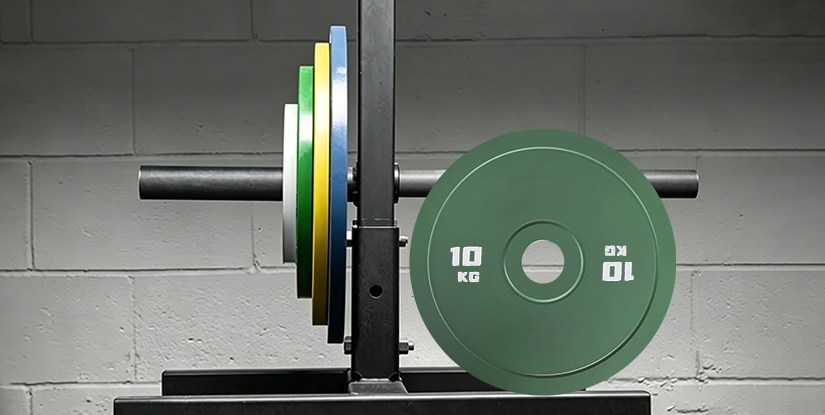
To effectively manage your procurement strategy, you must evaluate how these production variables influence your long-term total cost of ownership (TCO) and warehouse efficiency. A high-tier calibrated weight plate casting manufacturer provides more than just a product; they provide a standardized asset that reduces the frequency of replacement and client complaints.
When evaluating a potential supplier, we recommend requesting a detailed technical spec sheet that clarifies the material and finishing processes. For distributors looking to scale, understanding the relationship between manufacturing complexity and the required MOQ is critical for maintaining healthy margins. If your target market demands high-performance equipment, ensure your sourcing includes a pre-shipment QC protocol that specifically verifies the concentricity and surface finish of every batch.
Before finalizing a bulk order, consider requesting a sample evaluation or a factory audit to confirm that the production line meets your brand identity standards. Whether you require a simple wholesale volume of standard plates or a specialized OEM run of precision-machined steel, a transparent partnership with a reliable China factory will ensure your landed cost remains competitive without sacrificing the durability your customers expect.
Navigating the complexities of a bulk order requires a clear understanding of how manufacturing depth influences your bottom line. For a professional distributor, the goal is to maximize the distributor margin while minimizing the risks associated with shipping heavy, high-precision metal goods. A China factory that offers robust OEM/ODM capabilities can serve as a strategic partner in building a recognizable private label, rather than just a simple supplier of generic goods.
When calculating your landed cost, do not focus solely on the unit price. A high-quality calibrated weight plate casting manufacturer will provide value through more efficient container loading patterns and more durable export packaging, which reduces the likelihood of transit damage and costly replacement cycles. High-tier precision steel plate manufacturing often involves more complex weight calibration and CNC machining, which may require a higher MOQ but results in a more stable product for premium commercial environments.
To ensure your sourcing strategy is successful, we recommend the following steps for professional buyers:
- Request a technical specification sheet to verify material grades and finishing processes.
- Confirm the MOQ for specific OEM or ODM branding requirements.
- Inquire about the factory's pre-shipment QC protocols, specifically regarding concentricity and surface coating adhesion.
- Evaluate sample quality to ensure it meets your private label brand standards.
- Discuss bulk order logistics and container loading optimization to manage landed cost effectively.
Quality Control Protocols for Precision Steel Plate Manufacturing
For international distributors and gym equipment importers, the engineering integrity of weight sets directly impacts long-term TCO and client satisfaction. A professional calibrated weight plate casting manufacturer must move beyond basic casting to ensure every unit meets strict engineering standards regarding concentricity and weight uniformity. When managing wholesale orders, relying on a China factory that implements rigorous factory QC prevents the common procurement headache of uneven weight distribution or uneven thickness across a full set.
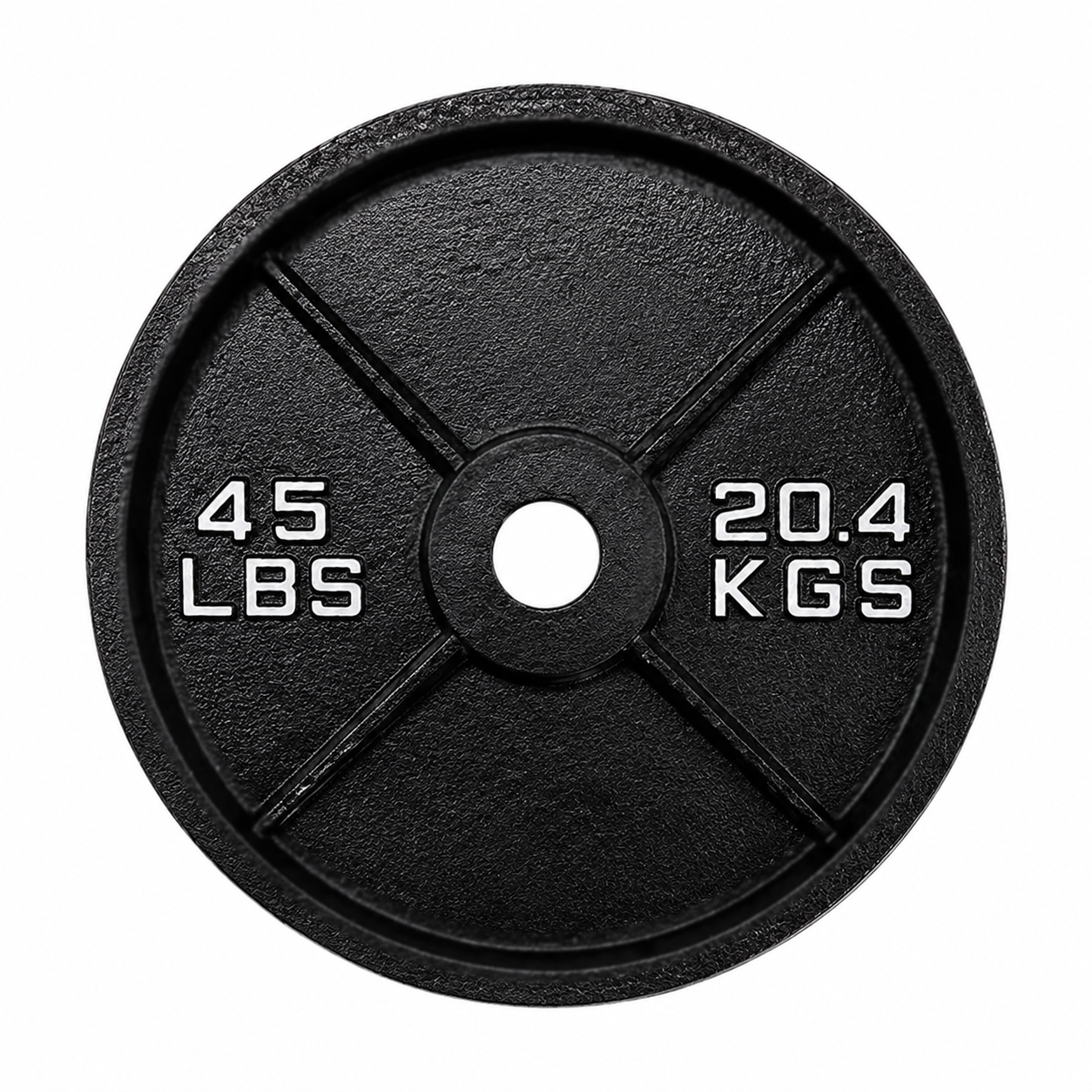
High-performance commercial weight plate production requires a multi-stage verification process. Instead of simple visual checks, professional precision steel plate manufacturing involves systematic calibration to manage weight tolerance. This ensures that a 20kg plate is functionally identical to another 20kg plate in a high-traffic facility. For B2B buyers, this level of technical oversight is a critical factor in sourcing reliability, reducing the risk of defective batches that could damage a distributor's reputation or lead to costly returns.
Standardized Calibration and Inspection Workflow
The transition from raw casting to a finished commercial product involves several critical stages where precision is verified. A reliable calibrated weight plate casting manufacturer typically follows a sequence of machining and calibration to ensure the plate remains flat and balanced during high-impact use.
| Material Tier | Primary Process | Key Component/Detail | Commercial Duty | QC Focus Point |
|---|---|---|---|---|
| Cast Iron | Sand Casting & Machining | Bore Concentricity | Standard Commercial | Surface Flatness |
| Steel | CNC Machining | Edge Smoothness | Premium/Competition | Weight Tolerance |
| Rubber Coated | Molding/Encapsulation | Bond Line Adhesion | High-Impact/Bumper | Coating Uniformity |
During B2B procurement, we recommend that buyers request specific details regarding the machining stage. For instance, a high-quality supplier will prioritize the concentricity of the center bore to ensure the plate sits perfectly straight on a barbell. This prevents the wobbling or uneven wear often seen in lower-tier production. When evaluating OEM or ODM options, always confirm if the factory performs weight-check calibration after the final surface coating is applied, as this is the most critical step for maintaining accuracy.
Technical Inspection and Pre-Shipment Standards
To minimize the risk of defective arrivals, a professional calibrated weight plate casting manufacturer must implement a rigorous pre-shipment inspection. For distributors managing large-scale bulk order logistics, the cost of shipping faulty or unbalanced plates is often higher than the initial procurement savings. Therefore, technical verification should focus on the mechanical integrity of the plate, specifically the precision of the center bore and the consistency of the surface finish.
A standard technical audit for precision steel plate manufacturing includes checking the concentricity of the inner diameter to ensure seamless rotation on barbell sleeves. Additionally, the factory must verify the thickness uniformity and the adhesion of the final coating—whether it be powder coating or rubber encapsulation—to prevent premature peeling in high-use environments. We advise importers to confirm that the China factory utilizes CNC machining for the bore area to guarantee the high level of precision required for professional commercial sets. Before finalizing any wholesale shipment, ensure your sourcing checklist includes a request for verification on weight tolerance and surface flatness to protect your long-term profit margins and brand reliability.
OEM and Private Label Capabilities for Global Distributors
For international distributors and fitness equipment importers, partnering with a professional calibrated weight plate casting manufacturer is a strategic move to enhance market positioning. Rather than sourcing generic stock, leveraging OEM and ODM services allows you to transition from a simple reseller to a recognized brand owner. By controlling the technical specifications of your product line, you can secure a higher distributor margin and build long-term customer loyalty through a distinct brand identity.
Our China factory specializes in high-volume commercial weight plate production, offering scalable solutions that range from standard commercial-grade sets to high-end competition-spec units. Whether you require specific color powder coating to match a gym's aesthetic or custom embossed logos on the plate face, our facility provides the necessary customization to meet your market's unique demands. We understand that for a professional supplier, maintaining a consistent private label quality standard is critical for reducing after-sales maintenance and protecting your reputation.
To optimize your sourcing strategy, we offer tiered wholesale options tailored to different business scales. From small-batch specialized runs to massive container-load orders, our production lines are optimized for both precision steel plate manufacturing and cost-effective mass production. We work closely with your technical teams to ensure that every wholesale shipment aligns with your specific MOQ requirements and delivery timelines, ensuring a predictable and profitable supply chain.
Technical Specification Comparison for Sourcing Tiers
Selecting the right production tier is essential for balancing your landed cost with the quality expectations of your target market. A professional calibrated weight plate casting manufacturer provides distinct manufacturing routes to help you manage your inventory risk and profit margins. Use the following comparison to determine which specification best fits your current wholesale or private label business model.
| Material | Coating | Process | Key QC Point | Commercial Duty | MOQ Impact |
|---|---|---|---|---|---|
| Cast Iron | Standard Black Paint | Sand Casting | Surface Smoothness | Budget/Standard | Lower |
| Steel/Iron | Multi-coat Powder Coating | Machining & Coating | Coating Adhesion | Premium Commercial | Moderate |
| Precision Steel | High-grade PU/Rubber | CNC Machining & Molding | Concentricity & Weight Tolerance | Elite/Competition | Higher |
When evaluating your next batch, consider how the manufacturing complexity affects your lead time and MOQ. For instance, while standard sand casting is cost-effective for high-volume wholesale distribution, high-end precision steel plate manufacturing requires more intensive CNC machining and rigorous weight calibration to ensure consistent performance. We recommend requesting a detailed spec sheet or a sample evaluation to confirm that the coating thickness and plate flatness meet your specific brand standards before finalizing your bulk order.
For international distributors and fitness equipment importers, partnering with a professional calibrated weight plate casting manufacturer is a strategic move to enhance market positioning. Rather than sourcing generic stock, leveraging OEM and ODM services allows you to transition from a simple reseller to a recognized brand owner. By controlling the technical specifications of your product line, you can secure a higher distributor margin and build long-term customer loyalty through a distinct brand identity.
Our China factory specializes in high-volume commercial weight plate production, offering scalable solutions that range from standard commercial-grade sets to high-end competition-spec units. Whether you require specific color powder coating to match a gym's aesthetic or custom embossed logos on the plate face, our facility provides the necessary customization to meet your market's unique demands. We understand that for a professional supplier, maintaining a consistent private label quality standard is critical for reducing after-sales maintenance and protecting your reputation.
To optimize your sourcing strategy, we offer tiered wholesale options tailored to different business scales. From small-batch specialized runs to massive container-load orders, our production lines are optimized for both precision steel plate manufacturing and cost-effective mass production. We work closely with your technical teams to ensure that every wholesale shipment aligns with your specific MOQ requirements and delivery timelines, ensuring a predictable and profitable supply chain.
Export Packaging and Logistics for Bulk Shipments
For international distributors and warehouse managers, the logistical integrity of a shipment is just as critical as the precision of the product itself. When sourcing from a calibrated weight plate casting manufacturer, the primary concern shifts from unit tolerance to the total landed cost and the condition of goods upon arrival. Improperly secured bulk shipments often lead to surface abrasions, bent edges, or oxidation, which directly erode your distributor margin and increase costly after-sales claims.
To mitigate these risks, a professional China factory implements specialized export packaging protocols designed for high-density steel products. Rather than standard loose packing, high-volume orders undergo rigorous palletization to ensure stability during sea freight transit. This involves using reinforced wooden crates or heavy-duty pallets, often with edge protectors and shrink wrapping, to provide essential protection against oxidation and physical impact. By optimizing container loading patterns and securing the load, a reliable supplier helps you maximize volume efficiency, effectively lowering the per-unit shipping cost and protecting your bottom line during long-haul bulk shipments.
Optimizing Shipment Density and Cargo Safety
Selecting the appropriate shipping configuration is a strategic decision for procurement leads managing inventory turnover and warehouse space. The choice between LCL (Less than Container Load) and FCL (Full Container Load) impacts not only the immediate freight expense but also the long-term quality of the commercial weight plate production units delivered to your facility. A professional calibrated weight plate casting manufacturer provides tiered packaging options to suit varying MOQ requirements and budget constraints.
For smaller replenishment orders, reinforced cartons and heavy-duty pallets are used to maintain structural integrity. However, for large-scale distribution, FCL shipments are the industry standard to minimize the risk of handling damage and to optimize the landed cost. The following table outlines the standard B2B packaging tiers used to ensure weight tolerance preservation and surface protection during transit.
| Shipping Method | Primary Packaging Type | Typical Use Case | Logistics Advantage |
|---|---|---|---|
| LCL (Less than Container Load) | Reinforced Cartons & Pallets | Small scale replenishment | Lower initial capital outlay |
| FCL (Full Container Load) | Custom Wooden Crates | Bulk wholesale distribution | Maximum stability for precision steel plate manufacturing |
| High-Volume Export | Palletized Steel Racking | Large warehouse stocking | Optimized container density & rapid unloading |
To prevent surface degradation, we implement strict moisture protection protocols, such as industrial-grade shrink wrapping and desiccants, which are essential for long-duration sea freight. We recommend that buyers confirm specific palletized shipping requirements during the initial sourcing phase to ensure the cargo configuration aligns with your local warehouse unloading capabilities and local customs clearance workflows.
Streamlining Customs Documentation and Lead Time Management
Effective bulk order logistics require more than just physical protection; they demand precise administrative synchronization. For professional importers, the risk of shipment delays due to incorrect paperwork can lead to significant warehouse downtime and increased storage costs. A competent calibrated weight plate casting manufacturer integrates detailed customs documentation preparation into the standard production cycle to ensure a seamless transition through international borders.
To maintain a predictable lead time, our China factory provides a comprehensive documentation package for every shipment. This typically includes a detailed commercial invoice, precise packing lists that reflect actual weight and volume for accurate container loading optimization, and the necessary certificates of origin. By ensuring that all technical specifications and material declarations are transparent and compliant with international standards, we help you avoid common bottlenecks during the customs clearance process. We recommend that distributors coordinate with their supplier at least four weeks prior to the scheduled ETD to finalize all OEM or ODM branding details and shipping instructions, ensuring that your inventory arrives on schedule to meet local market demand.