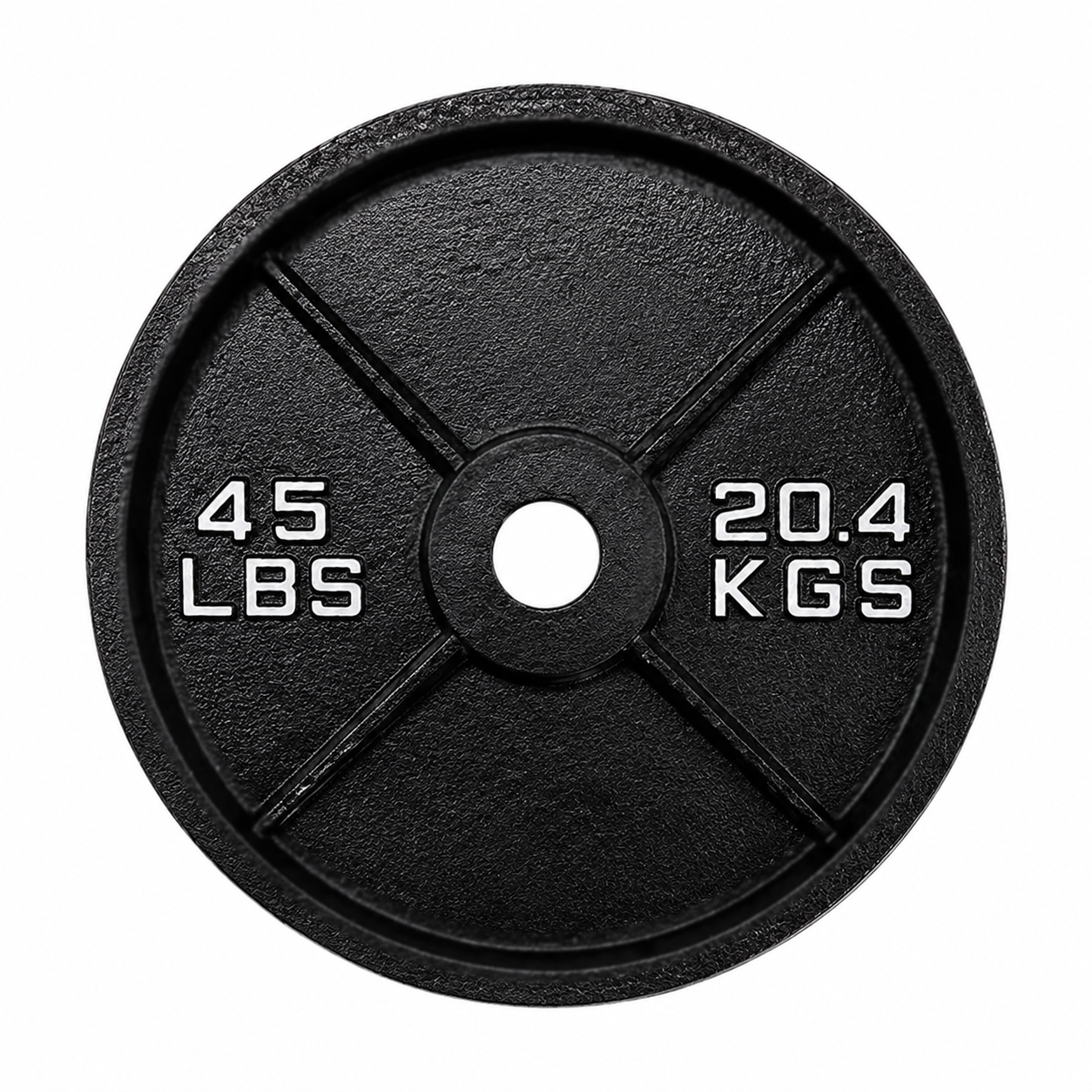
Calibrated Weight Plate Wholesale Distributor: Factory
Calibrated Weight Plate Wholesale Distributor: Sourcing Standards
Many importers mistakenly prioritize low unit prices from unverified traders, only to face high landed costs due to inconsistent weight tolerances and surface defects. A professional calibrated weight plate wholesale distributor eliminates these risks by providing direct access to precision-engineered products. For high-end gym installations, sourcing commercial grade weight plates through a direct factory ensures that every unit meets strict uniformity standards, protecting your capital investment and brand reputation.
Precision in professional strength training is not a luxury; it is a technical requirement. When distributors source precision machined steel plates, they are looking for consistency in both mass and concentricity. Standard cast iron plates often suffer from uneven weight distribution, which can cause imbalances during heavy lifts. By utilizing advanced CNC machining, a professional calibrated weight plate wholesale distributor ensures that the center bore and the plate surface are perfectly leveled, reducing vibration and wear on barbell sleeves. This level of quality control standards is essential for maintaining a high-performance environment in commercial fitness facilities.
For large-scale procurement, choosing factory-direct sourcing allows for better control over the manufacturing sequence. A typical production route begins with high-grade steel or iron casting, followed by precision CNC machining to achieve the necessary weight tolerance. This process is vital for ensuring that a 25kg plate is effectively identical to another 25kg plate in the same batch. Without these rigorous quality control standards, distributors often face the high cost of returns and client dissatisfaction due to equipment imbalances.
Technical Material and Manufacturing Comparison
When managing procurement for premium fitness centers, understanding the technical distinctions between different production tiers is essential for calculating long-term value. A professional calibrated weight plate wholesale distributor provides transparency regarding the manufacturing depth of each product line. Choosing between standard casting and high-precision machining significantly impacts the total cost of ownership and the maintenance load for your facility.
| Material | Surface Treatment | Manufacturing Process | Commercial Application | MOQ Impact | Factory QC Focus |
|---|---|---|---|---|---|
| Cast Iron | Powder Coating | Sand Casting & Finishing | Standard Commercial Gyms | Lower | Surface Smoothness |
| Solid Steel | Chrome or Enamel | CNC Machining & Calibration | High-End Training Studios | Moderate | Bore Concentricity |
| Steel/Iron Core | Polyurethane (PU) | Molding & Vulcanization | Premium Commercial Facilities | Higher | Coating Adhesion |
For distributors seeking to offer elite-tier equipment, the selection of commercial grade weight plates depends heavily on the intended use environment. While sand casting is a cost-effective method for standard strength zones, high-performance environments require the precision of precision machined steel plates to ensure perfect balance. When negotiating with a China factory, we recommend requesting specific details on the calibration sequence to ensure the center bore and weight distribution meet professional expectations. Before finalizing your bulk order, always confirm the MOQ and lead times for customized surface finishes or private label requirements to ensure seamless inventory turnover.
Managing a global supply chain requires more than just product knowledge; it requires rigorous oversight of the logistics and quality assurance protocols that protect your margins. A reliable calibrated weight plate wholesale distributor understands that the value of a bulk order is determined not just by the unit price, but by the consistency of the delivery and the integrity of the export packaging. For international buyers, the risk of receiving damaged or improperly calibrated stock can significantly increase the total landed cost and disrupt facility launch timelines.
To mitigate these risks, a professional China factory implements a structured pre-shipment workflow. This sequence typically includes a final weight calibration check, a visual inspection for coating adhesion or surface imperfections, and a specialized packing process designed for maritime or air freight. High-density packing solutions are standard for commercial grade weight plates to prevent metal-on-metal friction and oxidation during long-transit sea voyages. When planning your procurement cycles, it is essential to account for the standard lead time required for high-precision production, which may be longer than standard cast products due to the intensive CNC machining and calibration stages.
Optimizing your sourcing strategy involves balancing the MOQ requirements with your warehouse capacity and local market demand. While smaller wholesale quantities may offer lower upfront capital expenditure, larger volume commitments often unlock more favorable pricing tiers and more robust customization options for your brand identity. We recommend that professional buyers request a detailed specification sheet and confirm the specific inspection protocols used during the pre-shipment phase. This ensures that the precision machined steel plates arriving at your facility meet the exact concentricity and weight tolerances required for professional-grade strength training environments.
Precision Machining and Material Specifications
For professional importers and gym equipment distributors, the structural integrity of weight sets depends entirely on the precision of the manufacturing process. Selecting a reliable calibrated weight plate wholesale distributor ensures that your bulk orders consist of units that meet strict weight tolerance standards, preventing the uneven loading issues common in lower-tier production. High-quality commercial grade weight plates must undergo rigorous machining to ensure concentricity and flatness, which protects both the barbell and the longevity of the equipment.
In a professional China factory setting, the production of precision machined steel plates involves a systematic approach to minimize variance. The process typically begins with high-grade steel or iron casting, followed by advanced CNC machining to refine the center bore and the outer edges. This precision is critical for ensuring that the plates sit perfectly flush on the barbell, reducing vibration and mechanical wear during heavy lifting sessions. Without these technical standards, distributors risk high return rates and diminished brand reputation due to inconsistent weight distribution.
| Material Type | Surface Treatment | Machining Level | Commercial Duty | Durability Profile |
|---|---|---|---|---|
| Cast Iron | Powder Coating | Standard Machining | Commercial / Budget | High impact resistance |
| Solid Steel | Chrome or Nickel | Precision CNC | Premium / Competition | Maximum wear resistance |
| Steel Core | Rubber or PU Coating | High Precision | High-End Commercial | Superior floor protection |
When evaluating a supplier, it is essential to verify the factory-direct QC protocols regarding weight calibration and surface finish. A professional wholesale partner will provide documentation or sample approvals that demonstrate consistent weight tolerance across an entire MOQ. For large-scale sourcing projects, we recommend requesting a technical spec sheet to confirm that the machining processes and material grades align with your specific market requirements and long-term durability expectations.
Technical Comparison: Casting vs. Cnc Machining
Understanding the distinction between production methods is vital for procurement leads managing total cost of ownership. While sand casting is a standard method for producing high-volume, cost-effective iron plates, it often results in surface irregularities that require secondary processing. In contrast, precision machined steel plates utilize advanced CNC technology to ensure the center bore is perfectly concentric and the plate face remains flat. For distributors targeting premium fitness centers, the choice between a cast-only finish and a precision-machined edge can significantly impact the perceived value and functional reliability of the entire weight set.
The manufacturing sequence in a high-standard China factory typically follows a controlled path: raw material casting, followed by precision machining of the bore, and concluding with a specialized surface treatment such as powder coating or plating. This sequence ensures that the commercial grade weight plates can withstand the rigorous mechanical stresses of high-traffic gym environments without warping or uneven wear. When you partner with a professional calibrated weight plate wholesale distributor, you are not just buying weight; you are investing in a standardized manufacturing workflow that mitigates the risk of mechanical failure and uneven barbell loading.
To optimize your procurement strategy, we suggest reviewing the following technical distinctions during your next sourcing cycle. A clear understanding of how these processes affect the final product will help you better communicate requirements to your OEM or ODM partners, ensuring the landed cost aligns with the intended commercial application.
Optimizing Facility Layout with High-Precision Plates
For facility managers and gym owners, every square meter of floor space represents potential revenue. Sourcing from a professional calibrated weight plate wholesale distributor ensures that your equipment procurement goes beyond mere weight coverage; it becomes a strategic tool for space optimization. When importing in bulk from a China factory, selecting high-tolerance units allows for more streamlined layouts and professional storage solutions.
Standard cast iron plates often suffer from inconsistent thickness and uneven edges, which creates friction during storage and limits footprint efficiency. In contrast, commercial grade weight plates produced through advanced machining offer a uniform profile. This consistency is critical for high-density storage systems, such as vertical plate trees or specialized weight racks, where storage density is a primary concern for long-term facility management. By prioritizing precision machined steel plates, importers can maximize the number of functional training zones within a limited square footage, effectively lowering the long-term cost per square meter of the facility.
Material and Dimensional Comparison for Procurement Efficiency
When evaluating your next batch of equipment, it is essential to understand how material selection directly impacts your facility's operational efficiency. The distinction between budget-tier casting and high-end machining is not just about weight accuracy; it is about the physical footprint and the longevity of your storage infrastructure. A professional calibrated weight plate wholesale distributor will provide documentation regarding the machining and calibration processes to ensure the units meet the high standards required for modern commercial training environments.
The following table outlines the technical and procurement differences between standard options and high-performance alternatives. This comparison is designed to assist distributors in determining the best fit for their specific market segments, whether they are targeting budget-conscious studios or premium high-performance training centers.
| Material Tier | Primary Process | Thickness Consistency | Storage Footprint | Commercial Duty | Procurement Focus |
|---|---|---|---|---|---|
| Standard Cast Iron | Sand Casting | Variable / Low | Higher (Irregular edges) | Basic Commercial | Low MOQ / High Volume |
| Premium Steel | CNC Machining | High (Uniform profile) | Optimized (High density) | Professional / Elite | Custom Branding / OEM |
Choosing precision machined steel plates reduces the long-term maintenance load on your storage racks and prevents the uneven wear often seen with lower-grade cast iron. For importers, this means a more reliable product that supports a premium brand image. Depending on your specific sourcing requirements, a factory can adjust the calibration standards to meet your target market, though high-precision orders may involve different MOQ levels compared to standard cast iron stock. We recommend requesting a sample evaluation or a technical spec sheet to confirm how these dimensions will affect your total landed cost and facility layout efficiency.
For facility managers and gym owners, every square meter of floor space represents potential revenue. Sourcing from a professional calibrated weight plate wholesale distributor ensures that your equipment procurement goes beyond mere weight coverage; it becomes a strategic tool for space optimization. When importing in bulk from a China factory, selecting high-tolerance units allows for more streamlined layouts and professional storage solutions.
Standard cast iron plates often suffer from inconsistent thickness and uneven edges, which creates friction during storage and limits footprint efficiency. In contrast, commercial grade weight plates produced through advanced machining offer a uniform profile. This consistency is critical for high-density storage systems, such as vertical plate trees or specialized weight racks, where storage density is a primary concern for long-term facility management. By prioritizing precision machined steel plates, importers can maximize the number of functional training zones within a limited square footage, effectively lowering the long-term cost per square meter of the facility.
China Factory Production and Quality Control Protocols
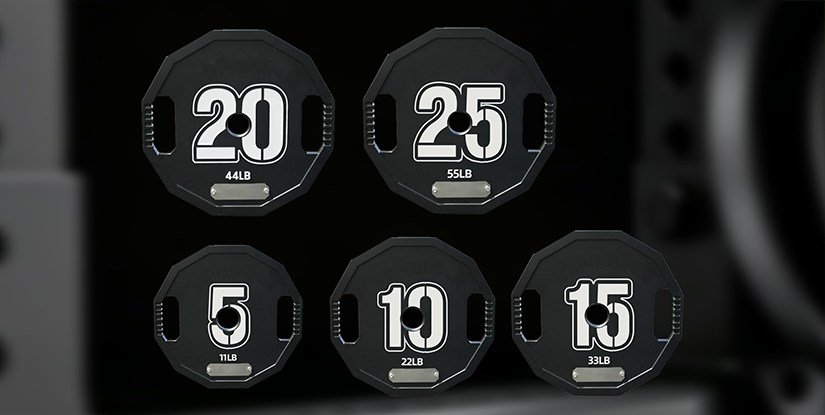
Reliable sourcing begins with understanding the technical rigor required to produce high-end lifting equipment. As a professional calibrated weight plate wholesale distributor, we recognize that procurement success depends on the precision of the manufacturing sequence. For distributors and gym owners, the difference between standard cast iron and precision machined steel plates lies in the ability to maintain strict weight consistency across large-scale bulk orders.
Our China factory utilizes a systematic production route to ensure every unit meets commercial-grade expectations. The process starts with high-grade material selection, followed by advanced CNC machining to refine the bore and surface flatness. This level of technical control is essential for maintaining a tight weight tolerance, which directly impacts the long-term value and professional reputation of your brand when supplying premium fitness facilities.
To minimize the risk of uneven loading or structural failure, we implement a multi-stage quality oversight system. This includes checking the concentricity of the center bore and the adhesion of the surface finish. By adhering to these commercial grade weight plates standards, we ensure that every shipment—from small OEM batches to large wholesale container loads—arrives ready for immediate high-performance use.
Technical Specifications and Sourcing Tiers
When evaluating your next sourcing project, it is vital to distinguish between different production grades to manage your landed cost and product positioning. The following table outlines the qualitative differences between typical market offerings to assist in your procurement planning.
| Material | Primary Process | Key QC Point | Commercial Duty | MOQ Impact |
|---|---|---|---|---|
| Cast Iron | Sand Casting | Surface Smoothness | Standard Commercial | Lower |
| Steel | CNC Machining | Weight Tolerance | Premium/Competition | Higher |
| Steel & Rubber | Molding/Vulcanization | Bond Adhesion | High-Impact/Bumper | Medium |
For distributors seeking to expand their product lines, we offer both ODM and private label solutions. Whether you require standard stock or highly specific technical requirements, our factory can adjust production parameters to suit your market positioning. Please contact us to request a technical spec sheet or to confirm the MOQ for your specific customization needs.
Reliable sourcing begins with understanding the technical rigor required to produce high-end lifting equipment. As a professional calibrated weight plate wholesale distributor, we recognize that procurement success depends on the precision of the manufacturing sequence. For distributors and gym owners, the difference between standard cast iron and precision machined steel plates lies in the ability to maintain strict weight consistency across large-scale bulk orders.
Our factory utilizes a systematic production route to ensure every unit meets commercial-grade expectations. The process starts with high-grade material selection, followed by advanced CNC machining to refine the bore and surface flatness. This level of technical control is essential for maintaining a tight weight tolerance, which directly impacts the long-term value and professional reputation of your brand when supplying premium fitness facilities.
To minimize the risk of uneven loading or structural failure, we implement a multi-stage quality oversight system. This includes checking the concentricity of the center bore and the adhesion of the surface finish. By adhering to these commercial grade weight plates standards, we ensure that every shipment—from small OEM batches to large wholesale container loads—arrives ready for immediate high-performance use.
Custom Branding and OEM/ODM Capabilities
For distributors looking to strengthen their market position, a professional calibrated weight plate wholesale distributor provides more than just equipment; they provide a platform for your brand identity. High-tier gym operators and large-scale distributors require more than generic stock to differentiate their offerings. By leveraging OEM and ODM services, you can transition from a mere reseller to a specialized brand owner with a unique product line.
The process of custom branding allows you to integrate your visual identity directly into the hardware. This is typically achieved through high-precision logo embossing, where the brand name is cast directly into the steel or iron during the molding stage, or through high-durability powder coating colors that ensure your logo remains legible even under heavy commercial use. Whether you require a minimalist aesthetic or a bold, color-coded system for different weight increments, our China factory can execute these specifications to maintain professional standards.
When sourcing commercial grade weight plates, understanding the MOQ for custom orders is essential for effective inventory and cash flow management. While standard stock items have lower entry barriers, private label projects involving specialized coatings or unique steel hub designs require higher volumes to offset the setup costs of the production line. We work closely with importers to balance these sourcing requirements with your target landed cost and market positioning.
| Branding Method | Application Surface | Durability Level | Typical Use Case |
|---|---|---|---|
| Logo Embossing | Cast Iron / Steel Base | Highest (Permanent) | Premium Commercial Series |
| Powder Coating | Machined Steel Surface | High (Impact Resistant) | Color-Coded Weight Sets |
| Silk Screen / Paint | Finished Plate Face | Moderate | Budget-Friendly Distribution |
Our China factory capability extends beyond simple decoration. We provide full-scale manufacturing support, ensuring that your precision machined steel plates meet both your aesthetic requirements and strict commercial weight tolerances. From the initial design phase to the final pre-shipment inspection, our goal is to assist you in building a high-value, branded product line that drives long-term distributor margins.
For distributors looking to strengthen their market position, a professional calibrated weight plate wholesale distributor provides more than just equipment; they provide a platform for your brand identity. High-tier gym operators and large-scale distributors require more than generic stock to differentiate their offerings. By leveraging OEM and ODM services, you can transition from a mere reseller to a specialized brand owner with a unique product line.
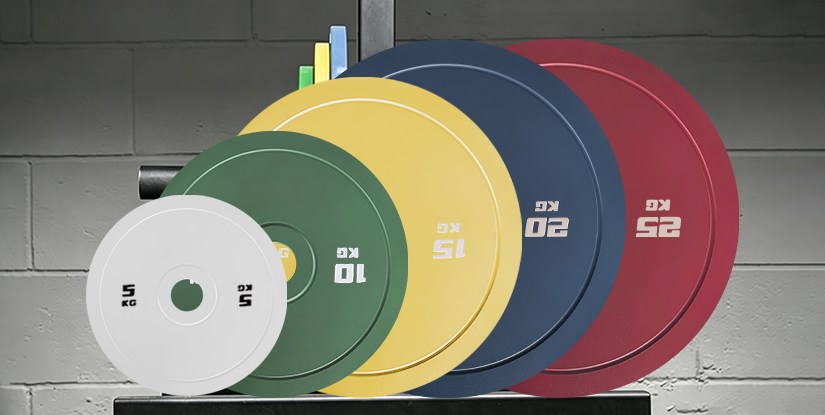
The process of custom branding allows you to integrate your visual identity directly into the hardware. This is typically achieved through high-precision logo embossing, where the brand name is cast directly into the steel or iron during the molding stage, or through high-durability powder coating colors that ensure your logo remains legible even under heavy commercial use. Whether you require a minimalist aesthetic or a bold, color-coded system for different weight increments, our China factory can execute these specifications to maintain professional standards.
When sourcing commercial grade weight plates, understanding the MOQ for custom orders is essential for effective inventory and cash flow management. While standard stock items have lower entry barriers, private label projects involving specialized coatings or unique steel hub designs require higher volumes to offset the setup costs of the production line. We work closely with importers to balance these sourcing requirements with your target landed cost and market positioning.
| Branding Method | Application Surface | Durability Level | Typical Use Case |
|---|---|---|---|
| Logo Embossing | Cast Iron / Steel Base | Highest (Permanent) | Premium Commercial Series |
| Powder Coating | Machined Steel Surface | High (Impact Resistant) | Color-Coded Weight Sets |
| Silk Screen / Paint | Finished Plate Face | Moderate | Budget-Friendly Distribution |
Our China factory capability extends beyond simple decoration. We provide full-scale manufacturing support, ensuring that your precision machined steel plates meet both your aesthetic requirements and strict commercial weight tolerances. From the initial design phase to the final pre-shipment inspection, our goal is to assist you in building a high-value, branded product line that drives long-term distributor margins.
For distributors looking to strengthen their market position, a professional calibrated weight plate wholesale distributor provides more than just equipment; they provide a platform for your brand identity. High-tier gym operators and large-scale distributors require more than generic stock to differentiate their offerings. By leveraging OEM and ODM services, you can transition from a mere reseller to a specialized brand owner with a unique product line.
The process of custom branding allows you to integrate your visual identity directly into the hardware. This is typically achieved through high-precision logo embossing, where the brand name is cast directly into the steel or iron during the molding stage, or through high-durability powder coating colors that ensure your logo remains legible even under heavy commercial use. Whether you require a minimalist aesthetic or a bold, color-coded system for different weight increments, our China factory can execute these specifications to maintain professional standards.
When sourcing commercial grade weight plates, understanding the MOQ for custom orders is essential for effective inventory and cash flow management. While standard stock items have lower entry barriers, private label projects involving specialized coatings or unique steel hub designs require higher volumes to offset the setup costs of the production line. We work closely with importers to balance these sourcing requirements with your target landed cost and market positioning.
| Branding Method | Application Surface | Durability Level | Typical Use Case |
|---|---|---|---|
| Logo Embossing | Cast Iron / Steel Base | Highest (Permanent) | Premium Commercial Series |
| Powder Coating | Machined Steel Surface | High (Impact Resistant) | Color-Coded Weight Sets |
| Silk Screen / Paint | Finished Plate Face | Moderate | Budget-Friendly Distribution |
Our China factory capability extends beyond simple decoration. We provide full-scale manufacturing support, ensuring that your precision machined steel plates meet both your aesthetic requirements and strict commercial weight tolerances. From the initial design phase to the final pre-shipment inspection, our goal is to assist you in building a high-value, branded product line that drives long-term distributor margins.
Logistics, Export Packaging, and Landed Cost Management
For professional importers and distributors, the total landed cost extends far beyond the initial unit price from a China factory. When sourcing heavy assets like precision machined steel plates, the expense of international sea freight, customs duties, and potential damage during transit can significantly erode your distributor margins. A professional calibrated weight plate wholesale distributor understands that high-quality export packaging is not an optional add-on, but a critical component of your procurement strategy to ensure your bulk orders arrive in retail-ready condition.
Inadequate protection for commercial grade weight plates often leads to surface oxidation, dented edges, or structural misalignment during long-distance transit. To mitigate these risks, leading manufacturers implement standardized industrial packaging protocols. This typically involves heavy-duty corrugated cartons, reinforced palletizing, and moisture-resistant shrink wrapping to protect the integrity of the steel and any specialized coatings throughout the shipping cycle.
Optimizing Shipping Methods and Freight Efficiency
Selecting the correct shipping methods is a decisive factor in managing the total cost of ownership for your inventory. Most high-volume calibrated weight plate wholesale distributor operations utilize sea freight to balance cost-efficiency with long-term reliability. When managing bulk orders, the choice between LCL (Less than Container Load) and FCL (Full Container Load) can significantly impact your landed cost and warehouse receiving workflows.
For smaller distributors or those testing new product lines, LCL offers flexibility, but it often increases the risk of cross-contamination or handling damage due to multiple sorting points. Conversely, opting for FCL allows you to control the entire environment within the container, ensuring that your commercial grade weight plates are loaded in a single, controlled batch. To maximize volume and prevent movement during transit, we recommend standardized palletization. Using reinforced wooden or heavy-duty plastic pallets ensures that the density of the steel plates does not cause structural failure in the packaging, maintaining the high standards of precision machined steel plates from the moment they leave the factory to the moment they reach your facility.
| Shipping Mode | Typical Use Case | Packaging Requirement | Risk Level | Cost Impact |
|---|---|---|---|---|
| LCL (Less than Container Load) | Small scale testing or low MOQ orders | Standard reinforced cartons | Moderate (Multiple handling points) | Lower upfront, higher per-unit freight |
| FCL (Full Container Load) | Large scale distribution and inventory replenishment | Heavy-duty palletization and shrink wrap | Low (Single-destination control) | Higher upfront, lower per-unit freight |
| Air Freight | Emergency restock or high-value specialized items | Premium protective crating | Very Low | Highest (Not recommended for bulk plates) |
To ensure optimal damage prevention, we advise all procurement managers to confirm the specific export packaging standards with their supplier before finalizing the production schedule. A well-planned loading plan—including weight distribution and moisture-barrier applications—will protect your investment and ensure that your distributor margins remain intact upon arrival.
Predictable Procurement: Documentation and Lead Time Management
Reliability in a calibrated weight plate wholesale distributor partnership is measured by more than just product quality; it is defined by the precision of the entire supply chain. For professional buyers, an unexpected delay in lead time or errors in shipping documentation can disrupt entire seasonal product launches and damage client trust. A professional factory provides a transparent timeline from the moment the MOQ is met through to the final departure of the container.
Accurate documentation—including commercial invoices, packing lists, and certificates of origin—is essential for smooth customs clearance in North American and European markets. We prioritize meticulous record-keeping to ensure that the weight and specifications of your commercial grade weight plates match the manifest exactly. This level of administrative rigor prevents costly port delays and ensures that your sourcing process remains efficient and predictable.
When planning your next inventory replenishment, we recommend requesting a detailed production schedule and a confirmed lead time during the initial inquiry. By aligning your procurement cycles with our production capacity and standardizing export packaging requirements early, you can effectively manage your warehouse space and ensure a consistent flow of high-precision inventory to your customers.