Calibrated Weight Plate Wholesale Factory: Factory Direct
Calibrated Weight Plate Wholesale Factory: Maximizing Inventory Value
A calibrated weight plate wholesale factory provides high-precision, machined steel plates designed to meet strict commercial gym standards. For distributors and large-scale gym operators, sourcing directly from a China factory ensures consistent weight tolerance and superior concentricity, which optimizes inventory value and long-term equipment reliability.
In the professional fitness procurement landscape, the difference between standard cast iron and precision-machined steel is significant. Relying on a precision weight plate manufacturer allows buyers to move away from the inconsistencies of low-grade casting, where weight variance can disrupt professional training environments. When managing large-scale facility upgrades or distributor stock, the goal is to minimize replacement cycles and maintenance-related downtime.
Sourcing commercial steel weight plates through direct wholesale channels allows for better control over the technical specifications of each batch. Rather than dealing with the unpredictable tolerances of general fitness suppliers, professional buyers focus on the structural integrity and surface finish of the steel. This level of precision is essential for high-end strength facilities where equipment uniformity is a baseline requirement for professional athletes and serious lifters.
Comparison of Commercial-Grade Weight Plate Options
To assist in your procurement decision, it is essential to evaluate the technical differences between standard options and high-precision units. Choosing the right tier affects your long-term total cost of ownership (TCO) and the reliability of your facility's equipment. A professional calibrated weight plate wholesale factory typically offers differentiated production routes to meet varying budget and performance requirements.
| Material | Coating | Process | Commercial Duty | B2B Sourcing Value | Factory QC Point |
|---|---|---|---|---|---|
| Cast Iron | Paint or Powder Coating | Sand Casting | Standard Commercial | High Volume / Low Cost | Surface Flatness & Casting Uniformity |
| Machined Steel | Chrome or Specialized Finish | CNC Machining & Weight Calibration | Premium / Competition Grade | High Margin / Low Replacement | Concentricity & Weight Tolerance |
When evaluating your next batch, consider that commercial steel weight plates undergo more rigorous machining stages than standard cast iron. While cast iron is a cost-effective solution for high-volume wholesale orders, precision-machined steel offers the concentricity required for high-end strength centers. We recommend requesting a detailed specification sheet or a sample evaluation to confirm that the weight calibration and surface finish meet your specific distributor or facility standards before finalizing a large-scale sourcing contract.
Streamlined Procurement: MOQ, OEM, and Export Logistics
Managing a global supply chain requires more than just finding a product; it requires a partner capable of handling complex production and logistics requirements. A professional calibrated weight plate wholesale factory offers specialized solutions for distributors and gym chains that need to balance brand identity with operational efficiency. Whether you are looking to expand a current product line or launch a new branded series, leveraging OEM and ODM capabilities allows you to control the technical specifications and aesthetic details of your equipment.
For large-scale importers, the MOQ (Minimum Order Quantity) is a critical factor in calculating the total landed cost. A direct China factory can often provide tiered pricing structures based on volume, allowing you to optimize your capital expenditure. Beyond simple production, a reliable supplier must demonstrate expertise in export-grade logistics. This includes robust export packaging designed to withstand long-distance sea freight, ensuring that the precision-machined surfaces and coatings of your plates arrive without damage or oxidation.
To ensure long-term reliability, we implement a strict QC (Quality Control) protocol that covers every stage from raw steel procurement to final container loading. Our process includes weight tolerance spot-checks and concentricity verification to ensure every unit meets professional standards. Before finalizing your sourcing plan, we encourage professional buyers to request a formal quote, confirm the current lead time for your specific volume, and discuss any custom branding requirements to ensure your facility or distribution network maintains a premium market position.
Material Selection and Precision Machining Standards
For distributors and gym equipment importers, the difference between a standard weight set and a professional-grade collection lies in the metallurgical consistency and the precision of the finishing. When sourcing from a calibrated weight plate wholesale factory, procurement professionals must evaluate the transition from raw casting to the final calibrated state. High-quality commercial steel weight plates are not merely cast shapes; they are engineered components designed to maintain strict weight uniformity and concentricity under heavy usage cycles.
The production of premium plates typically begins with high-grade cast iron or solid steel billets. To achieve the high level of accuracy required for professional strength training, a precision weight plate manufacturer utilizes advanced CNC machining to refine the plate surface and the center bore. This process ensures that the weight tolerance remains within industry-standard commercial limits, preventing the uneven loading or "wobble" often found in budget-grade alternatives. For high-volume B2B sourcing, selecting a China factory that integrates these machining steps into their standard production line is critical for reducing long-term replacement costs and ensuring product reliability.
| Material Tier | Primary Process | Typical Finish | Commercial Duty | Procurement Focus |
|---|---|---|---|---|
| Standard Cast Iron | Sand Casting | Paint or Enamel | General Commercial | Low TCO / High Volume |
| Machined Steel | CNC Machining | Powder Coating | Premium Strength Training | High Precision / Durability |
| Competition Steel | Precision Forging | Chrome or PU | Professional/Olympic | Strict Weight Tolerance |
Understanding these material tiers allows a supplier to better align inventory with specific client needs, whether providing budget-friendly options for local fitness centers or high-end precision plates for professional training facilities. Evaluating these technical specifications during the wholesale inquiry phase helps mitigate the risk of receiving inconsistent batches.
A critical component of the manufacturing sequence is the application of protective layers that ensure long-term durability. For a calibrated weight plate wholesale factory, the surface treatment is just as vital as the base metal. Most high-end commercial steel weight plates undergo a multi-stage finishing process, starting with a phosphate treatment or chemical cleaning to ensure maximum adhesion. This is followed by a professional powder coating application, which provides a rugged, scratch-resistant surface that can withstand the high-impact environment of a commercial gym. This level of surface integrity is essential for distributors who want to minimize returns related to peeling or oxidation.
Beyond the surface, the technical integrity of the center bore is a primary focus for any precision weight plate manufacturer. During the CNC machining phase, the factory ensures the concentricity of the hole, which is the point of contact for the barbell sleeve. If this precision is lacking, the plates will not sit flush, leading to uneven weight distribution and potential damage to expensive barbell equipment. For buyers managing large-scale sourcing projects, verifying that the factory utilizes automated calibration and machining rather than manual grinding is a key way to ensure the landed cost remains low by reducing the frequency of defective units in a shipment.
When evaluating a China factory for bulk orders, procurement leads should request specific details regarding the calibration and coating adhesion standards. A professional OEM or ODM partner will be able to provide documentation or visual evidence of their pre-shipment QC, specifically focusing on plate flatness and bore concentricity. Establishing these technical benchmarks early in the wholesale process ensures that your inventory meets the rigorous expectations of professional strength and conditioning facilities.
A professional production sequence is the foundation of a reliable supply chain. In a high-standard calibrated weight plate wholesale factory, the workflow is designed to move from raw material to a finished, high-performance component through a series of controlled stages. The process typically begins with high-quality casting or forging, followed by precise machining to refine the dimensions. Once the structural geometry is perfected, the plates move into calibration, where the weight is verified and adjusted to meet commercial-grade standards. This rigorous sequence ensures that every unit in a bulk shipment maintains the density and balance required for professional environments.
The final stage of the workflow—surface finishing—is a critical determinant of the product's lifespan. After the calibration phase, plates are treated to prevent oxidation and mechanical wear. Depending on the client's specification, this may involve a chemical treatment followed by a durable powder coating or a specialized coating process. For distributors, this step is vital because it directly impacts the long-term maintenance load and the overall commercial durability of the equipment. A well-executed finish protects the metal from the high-humidity and high-impact conditions common in commercial fitness settings, ensuring the product maintains its aesthetic and structural integrity over many years of use.
For importers, managing the lead time and landed cost requires a clear understanding of these manufacturing complexities. While highly automated processes may require a higher MOQ, they significantly reduce the risk of receiving inconsistent or defective batches. A transparent China factory will provide a clear timeline for each stage—from casting to final pre-shipment QC—allowing for more accurate inventory planning. By prioritizing a manufacturer that integrates these advanced technical steps, professional buyers can optimize their total cost of ownership and ensure that their distributed products meet the high expectations of the global fitness market.
Comparing Production Routes for Commercial Weight Sets
When managing inventory for a high-traffic facility, selecting the correct manufacturing route is a critical decision for long-term TCO. A professional calibrated weight plate wholesale factory must offer diverse production paths to meet different market demands, ranging from standard strength training to high-precision competition environments. Choosing between casting and precision machining directly impacts your landed cost, the durability of the equipment, and the precision of the weight increments provided to your end users.
For distributors and gym equipment importers, understanding these technical distinctions is essential for effective sourcing. While cast iron remains the industry standard for general strength training due to its cost-effectiveness and high wholesale volume capacity, commercial steel weight plates produced via CNC machining offer the tighter tolerances required for professional-grade training. A reliable precision weight plate manufacturer will provide clear documentation on these processes to ensure your bulk orders align with your specific market tier, whether you are targeting budget-friendly commercial gyms or premium fitness studios.
| Material Tier | Primary Process | Key Component Detail | Commercial Duty | MOQ Impact |
|---|---|---|---|---|
| Cast Iron | Sand Casting | Surface Texture & Flatness | Standard Commercial | Lower |
| Machined Steel | CNC Machining | Bore Concentricity | Premium/Professional | Higher |
| Steel/Bumper | Molding & Coating | Encapsulation Layer | High-Impact/Crossfit | Medium |
The technical divergence between these production routes is not merely a matter of cost, but a fundamental difference in how weight uniformity is achieved. In a professional calibrated weight plate wholesale factory, the distinction lies in the level of secondary machining and the precision of the calibration stage. While sand casting is a highly efficient method for high-volume production, it often results in slight variations in surface flatness and concentricity that must be managed through rigorous quality control. In contrast, precision-engineered units undergo extensive CNC machining to ensure the bore is perfectly centered, which is a critical requirement for professional barbell loading and long-term durability in high-performance environments.
For procurement specialists, evaluating these specifications helps in determining the most efficient distribution strategy. For instance, when a precision weight plate manufacturer utilizes advanced machining, the resulting product offers superior balance, making it ideal for premium studio settings where equipment longevity and user experience are paramount. Conversely, for large-scale gym rollouts where budget efficiency is the priority, standard cast iron or high-grade bumper plates provide an excellent balance of durability and landed cost. We recommend that buyers request detailed material specifications and process descriptions during the initial inquiry to ensure the final product meets the exact commercial duty required for their target market.
The technical divergence between these production routes is not merely a matter of cost, but a fundamental difference in how weight uniformity is achieved. In a professional calibrated weight plate wholesale factory, the distinction lies in the level of secondary machining and the precision of the calibration stage. While sand casting is a highly efficient method for high-volume production, it often results in slight variations in surface flatness and concentricity that must be managed through rigorous quality control. In contrast, precision-engineered units undergo extensive CNC machining to ensure the bore is perfectly centered, which is a critical requirement for professional barbell loading and long-term durability in high-performance environments.
For procurement specialists, evaluating these specifications helps in determining the most efficient distribution strategy. For instance, when a precision weight plate manufacturer utilizes advanced machining, the resulting product offers superior balance, making it ideal for premium studio settings where equipment longevity and user experience are paramount. Conversely, for large-scale gym rollouts where budget efficiency is the priority, standard commercial steel weight plates or high-grade bumper plates provide an excellent balance of durability and landed cost. We recommend that buyers request detailed material specifications and process descriptions during the initial inquiry to ensure the final product meets the exact commercial duty required for their target market.
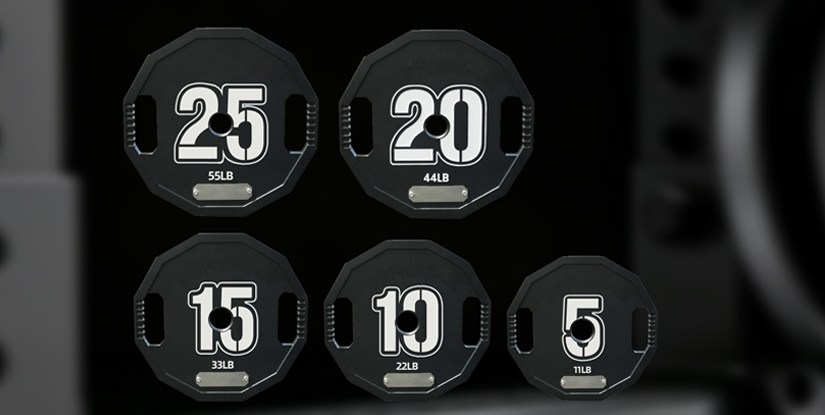
China Factory Export Capabilities and Quality Control
When sourcing high-precision equipment, professional distributors must look beyond simple manufacturing to a calibrated weight plate wholesale factory that integrates advanced machining with rigorous export-ready protocols. A reliable precision weight plate manufacturer does not merely cast metal; they employ a multi-stage refinement process to ensure every unit meets the strict tolerances required for professional strength training environments.
The production of commercial steel weight plates begins with high-grade raw materials, followed by precision CNC machining to ensure perfect concentricity and a balanced center of gravity. This technical rigor is essential for overseas buyers to minimize the risk of uneven wear or weight discrepancies during high-volume distribution. For large-scale wholesale orders, the China factory must demonstrate a seamless transition from raw casting to final weight calibration, ensuring that the finished product is ready for immediate deployment in premium commercial settings.
A professional supplier understands that the value of a bulk shipment is determined by the consistency of the final batch. By utilizing automated weight calibration systems and precision CNC machining, a top-tier factory can maintain high throughput while adhering to the strict China factory export standards that international importers demand. This focus on technical precision reduces the total cost of ownership for the end-user and protects the distributor's reputation for quality.
Rigorous QC and Pre-Shipment Inspection Standards
For distributors managing high-volume inventory, the primary risk in bulk procurement is batch inconsistency. A professional calibrated weight plate wholesale factory mitigates this risk through a structured multi-point inspection sequence. Before any container is loaded, the factory conducts a mandatory weight tolerance spot-check to ensure every plate within the shipment adheres to the specified weight class. This prevents the common issue of uneven loading in commercial gym settings, where slight discrepancies can disrupt training flow and client satisfaction.
Beyond mass and balance, our quality control protocols focus on the physical durability of the surface treatments. We implement a standard coating adhesion test to ensure that the powder coating or plating remains intact under heavy commercial use. This is critical for preventing premature oxidation or chipping, which can increase long-term maintenance costs for your clients. Furthermore, every batch undergoes a concentricity check to ensure the central bore is perfectly aligned, preventing any wobbling or uneven wear on barbell sleeves.
To streamline the sourcing process for international partners, we provide comprehensive export packaging solutions designed for long-distance maritime transit. This includes reinforced corner protection and heavy-duty palletization to prevent structural damage during sea freight. When you confirm your MOQ and finalize your order, our team provides detailed documentation regarding the production timeline and estimated lead time. This transparency allows you to calculate an accurate landed cost, ensuring your margins remain protected while delivering a premium product to your market.
Commercial Grade Comparison for Procurement Decisions
Selecting the correct tier of equipment is a critical decision for any professional importer or gym equipment distributor. A mistake in material selection can lead to high replacement rates and damaged brand reputation. To assist your sourcing strategy, the following table outlines the qualitative differences between standard commercial-grade plates and high-precision units typically produced by a calibrated weight plate wholesale factory. This comparison helps buyers align their budget and MOQ requirements with the specific needs of their target market, whether it be high-traffic commercial gyms or premium strength facilities.
| Material | Process | Key Component | Commercial Duty | MOQ Impact | Factory QC Point |
|---|---|---|---|---|---|
| Cast Iron | Sand Casting & Painting | Surface Finish | Standard Commercial | Lower | Base Flatness |
| Solid Steel | CNC Machining & Powder Coating | Central Bore | Premium/Competition | Higher | Concentricity Check |
| Machined Steel | Precision Calibration | Weight Tolerance | Professional/Elite | Highest | Weight Spot-check |
When evaluating your next batch of commercial steel weight plates, consider the total cost of ownership. While standard cast iron options offer a competitive wholesale price point for high-volume distribution, high-precision machined steel provides the long-term durability and weight accuracy required for professional strength training. We recommend discussing your specific technical requirements with our supplier team to ensure your order meets the exact specifications of your local market. Once you have reviewed these tiers, please contact us to request a formal quote, confirm the current MOQ, or schedule a factory audit to verify our production standards firsthand.
OEM and Private Label Customization for Global Distributors
For international distributors and large-scale gym equipment importers, standard stock offerings often lack the differentiation required to capture premium market segments. Partnering with a professional calibrated weight plate wholesale factory allows you to move beyond generic inventory and establish a high-value product line. By leveraging OEM and ODM capabilities, you can transition from a mere reseller to a brand owner with a distinct market presence.
The primary challenge in bulk sourcing is maintaining a consistent brand identity while managing high MOQ requirements. A specialized precision weight plate manufacturer provides the infrastructure to integrate your unique specifications into the production workflow. This includes highly specific customization options such as custom logo embossing, specialized color palettes for commercial steel weight plates, and specific weight increments tailored to your regional market demands.
Effective private label strategies rely on the ability to control every detail of the product's appearance and technical profile. Whether you require a specific matte finish for your commercial steel weight plates or a unique color-coded system for different weight denominations, a direct China factory can execute these requirements at scale. This level of customization ensures that your brand stands out in competitive bidding processes for commercial gym installations and high-end fitness studio projects.
Customization Tiers and Procurement Impact
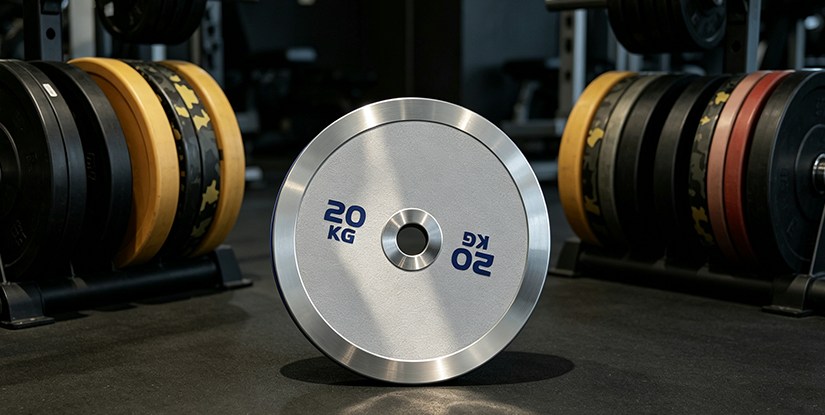
Decision-makers must evaluate the trade-offs between customization depth and supply chain efficiency. High-level branding options directly influence the MOQ and total lead time, which are critical variables for inventory planning and distributor margins. Choosing the right level of customization ensures your brand identity remains consistent without unnecessary increases in the landed cost of your shipment.
| Customization Tier | Branding Method | Technical Specification Scope | Typical MOQ Impact | lead time Profile |
|---|---|---|---|---|
| Standard Wholesale | Basic Silk Screen Printing | Standard colors and existing weight increments | Lowest - optimized for high-volume wholesale | Short - utilizes existing factory stock cycles |
| Premium Private Label | Deep Logo Embossing / CNC Machining | Custom weight tolerances and specific plate diameters | Moderate - requires dedicated production runs | Medium - includes calibration and machining stages |
| Full OEM / ODM | Custom Tooling / Multi-layer Coating | Proprietary material blends and unique finish textures | High - requires specialized mold/tooling setup | Long - includes mold testing and pre-shipment QC |
When selecting a precision weight plate manufacturer, it is essential to understand how branding methods affect long-term durability. For example, while silk screen printing offers high visual clarity for your logo, deep embossing into the steel or iron provides a more permanent solution for high-traffic commercial environments. A professional China factory will typically recommend embossing for premium lines to avoid logo degradation during heavy use, thereby protecting your brand reputation.
To mitigate procurement risks, we recommend a tiered approach to sourcing. For rapid replenishment of high-turnover stock, standard color-coded plates are most efficient. For market-entry or flagship product launches, a full OEM process allows for complete control over the aesthetic and technical profile. We suggest requesting a formal spec sheet and confirming the specific MOQ for your desired branding method before finalizing your purchase order to ensure alignment with your distribution timeline.
Technical Execution and Quality Control Standards
Precision in the weightlifting industry is not merely a preference; it is a commercial requirement. A high-tier calibrated weight plate wholesale factory must manage a rigorous sequence of production to ensure that every unit meets strict weight tolerances. The manufacturing process typically begins with high-grade material selection, followed by casting or CNC machining, surface finishing, and finally, the critical weight calibration phase. For professional distributors, understanding these technical steps is vital to assessing the long-term value and reliability of a bulk order.
The workflow of a leading precision weight plate manufacturer follows a logical progression to maintain structural integrity. After the initial casting or machining of the steel, the plates undergo surface treatment, such as powder coating or phosphate treatment, to enhance durability. The calibration stage is the most sensitive part of the process, where the weight is fine-tuned through precise machining of the center bore or material removal to ensure the plate meets the required specifications. This level of technical control prevents the common failure modes found in lower-grade equipment, such as uneven weight distribution or poor concentricity.
Quality assurance must be integrated into every stage of the manufacturing route. A professional China factory will implement multiple inspection points, starting from raw material verification to pre-shipment QC. For commercial steel weight plates, this includes checking the flatness of the base, the precision of the center bore, and the adhesion of the coating. These checks are essential to ensure that the plates can withstand the high-impact environment of a commercial gym without premature wear or surface degradation, thereby protecting the distributor's reputation and reducing after-sales maintenance loads.
When evaluating your next batch, consider the importance of pre-shipment inspection. A comprehensive QC protocol should include a weight tolerance spot-check and a visual inspection of the logo integration and surface finish. For large-scale wholesale orders, we recommend that buyers request sample approval and, if possible, a factory audit to verify that the calibration and finishing processes meet international commercial standards. This proactive approach to sourcing minimizes the risk of receiving inconsistent stock and optimizes your total landed cost through higher product reliability.
Optimizing Logistics and Landed Cost for Bulk Orders
When managing large-scale procurement, the final landed cost often dictates your actual profit margins more than the initial unit price. For distributors and gym equipment importers, sourcing from a calibrated weight plate wholesale factory allows for a more controlled and predictable supply chain. By eliminating the middleman, you bypass the inflated markups added by trading companies and gain direct access to the China factory production schedules and shipping expertise.
Managing heavy, high-density items like commercial steel weight plates requires specialized logistics planning to prevent unexpected freight surges. Direct sourcing enables you to coordinate directly with the factory regarding container loading optimization and palletization standards. This level of control is essential for bulk orders, as it ensures that weight-to-volume ratios are maximized, effectively reducing the per-unit shipping expense and stabilizing your total landed cost across international shipments.
Evaluating Sourcing Models: Factory-Direct vs. Trading Companies
Understanding the structural differences between sourcing models is vital for long-term inventory planning. A precision weight plate manufacturer provides direct access to production-level transparency, whereas a trader often adds layers of complexity to your procurement process. For professionals managing high-volume distribution, the choice between these models significantly impacts your ability to scale and maintain consistent quality standards.
The following table compares the typical procurement experience when sourcing through different channels to help you evaluate the best fit for your business model.
| Sourcing Model | Primary Material Focus | Production Control | Typical MOQ | Logistics & Shipping | Quality Control (QC) |
|---|---|---|---|---|---|
| Factory-Direct | High-grade steel or cast iron | Direct oversight of machining and calibration | Higher (Volume-based) | Direct container loading optimization | On-site pre-shipment inspection |
| Trading Company | Mixed material availability | Limited to finished product specs | Lower (Flexible) | Third-party logistics coordination | Relies on supplier reports |
| Standard Wholesale | Common commercial grades | Pre-set production cycles | Medium | Standardized palletized shipping | Standardized batch testing |
When evaluating a calibrated weight plate wholesale factory, professional buyers should look beyond the unit price. A direct supplier can offer significant advantages in terms of OEM and ODM capabilities, allowing you to implement custom branding or specific weight tolerances. While a trader might offer easier access for smaller batches, a direct China factory provides the structural stability required for large-scale, recurring wholesale replenishment and more predictable lead time management.
Before finalizing your next procurement cycle, we recommend requesting a detailed spec sheet or a sample evaluation to confirm that the machining and calibration standards meet your commercial requirements. Contact us to discuss your specific MOQ or to book a virtual factory audit.
Ensuring Shipping Safety and Product Integrity via Export Packaging
For high-volume distributors, the risk of receiving damaged goods—such as bent edges, coating chips, or compromised bore concentricity—can severely impact your bottom line and distributor margins. A professional calibrated weight plate wholesale factory understands that high-density steel products require more than just standard boxes. To protect your investment, we implement rigorous export packaging protocols designed specifically for the weight and structural density of commercial gym equipment.
Our process begins with a strict pre-shipment QC protocol. Before any unit is packed, it undergoes a final inspection to verify that the weight tolerance and surface finish meet the agreed-upon commercial specifications. This includes checking the flatness of the plate and the integrity of the coating to ensure no imperfections exist before the product enters the container. This level of scrutiny is a standard requirement for any reliable supplier managing international logistics.
To maximize shipping safety, we utilize reinforced palletization and heavy-duty corner protection. Each batch is secured to prevent shifting during maritime transit, which is critical for maintaining the precision of your shipment. By prioritizing robust packaging and thorough inspection, our China factory ensures that your wholesale order arrives at your warehouse in pristine condition, ready for immediate distribution or retail, thereby safeguarding your long-term ROI and reducing the administrative burden of replacement claims.