Calibrated Steel Plate B2B Supplier: Material QC for Export
The Economic Impact of Precision in Calibrated Steel Plate Sourcing
For large-scale fitness distributors and hotel gym procurement leads, the difference between high-performance equipment and standard stock lies in the microscopic precision of weight distribution. When sourcing from a calibrated steel plate B2B supplier, the focus shifts from simple unit cost to the total cost of ownership and long-term distributor margin. Inconsistent weight distribution in commercial steel weight plates can lead to uneven wear on barbell sleeves and increased maintenance requests from end-users, ultimately eroding the profitability of your wholesale distribution model.
Selecting a reliable calibrated steel plate B2B supplier ensures that every batch meets the rigorous standards required for high-traffic environments. Whether you are managing a global sourcing operation or a regional warehouse, the precision of precision machined steel plates directly influences your ROI. High-tolerance products reduce the frequency of replacement cycles and minimize the logistical headaches of handling defective returns, allowing for a more predictable and profitable landed cost structure for your clients.
Sourcing Tiers and Margin Optimization
Understanding the trade-offs between different manufacturing methods is essential for managing your MOQ and inventory value. A professional China factory typically offers various tiers of production, from standard cast iron to high-precision machined steel, each serving a different commercial segment.
| Material Tier | Primary Process | Key Component/QC Point | Commercial Duty | MOQ Impact |
|---|---|---|---|---|
| Standard Cast Iron | Sand Casting | Base Flatness | Budget/Home Gym | Lower |
| Standard Steel | Machining & Coating | Bore Concentricity | Commercial/Studio | Medium |
| Precision Steel | CNC Machining & Calibration | Weight Tolerance Spot-check | Premium/Competition | Higher |
When evaluating a supplier, it is vital to confirm whether the precision machined steel plates undergo a dedicated weight calibration stage after the final surface treatment. This ensures that the center of gravity remains stable, a critical factor for high-end commercial facilities. For buyers looking to scale, discussing OEM or ODM capabilities early in the process can help align the product specifications with your specific brand identity and market positioning.
Optimizing Inventory Value Through Material Selection
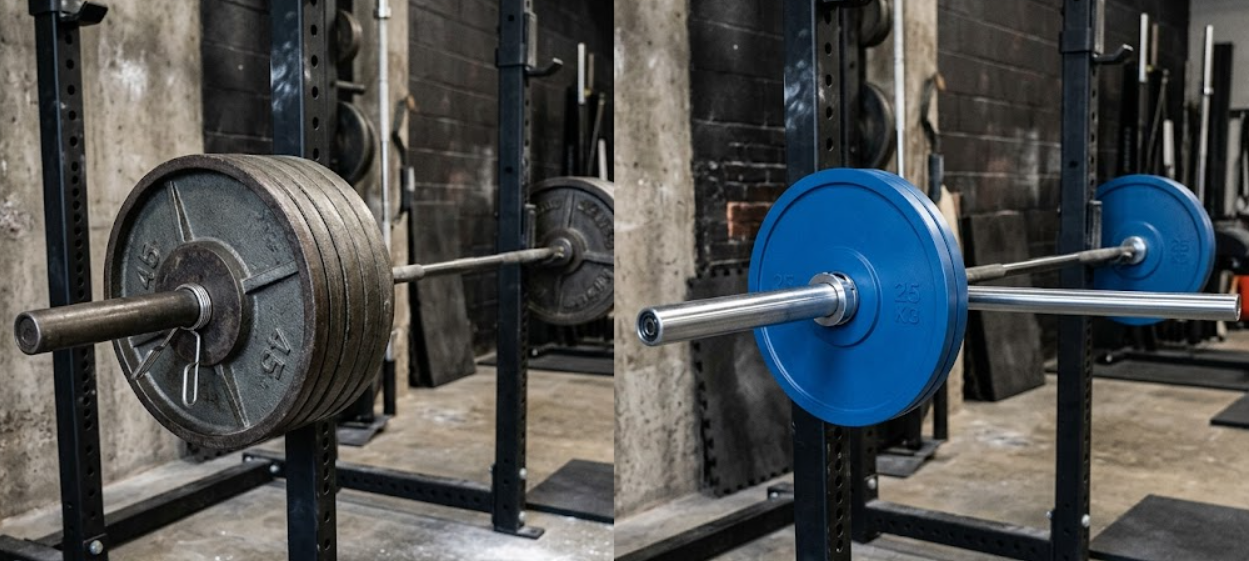
The decision to source standard cast iron versus high-grade steel is not merely a technical choice; it is a strategic move to optimize your warehouse and shipping efficiency. While cast iron is a cost-effective solution for entry-level markets, it lacks the density and precision required for high-performance environments. In contrast, high-quality commercial steel weight plates offer a thinner profile for the same weight, allowing distributors to maximize container loading density and reduce the landed cost per unit during international transit.
For professional importers, the true value of a calibrated steel plate B2B supplier is found in the reduction of secondary costs. High-precision units minimize the risk of uneven barbell loading, which is a common failure mode in lower-tier products. By prioritizing a China factory that utilizes CNC machining and strict weight calibration, you ensure that your inventory remains a high-margin asset rather than a source of client complaints. We recommend requesting a sample approval and a detailed spec sheet to confirm that the weight tolerance and bore concentricity align with your target market's requirements before confirming your full MOQ.
Critical Pre-Shipment QC and Export Logistics
The final stage of the procurement cycle is often where the most significant risks to a distributor's bottom line occur. A professional calibrated steel plate B2B supplier must implement a multi-stage pre-shipment QC protocol that goes beyond simple visual inspections. For high-volume orders, we recommend that importers verify specific technical checkpoints such as the weight tolerance spot-check and coating adhesion. Ensuring that the surface finish—whether it be powder coating or a specialized plating—remains intact under physical stress is vital to preventing premature oxidation and maintaining a premium brand image for your clients.
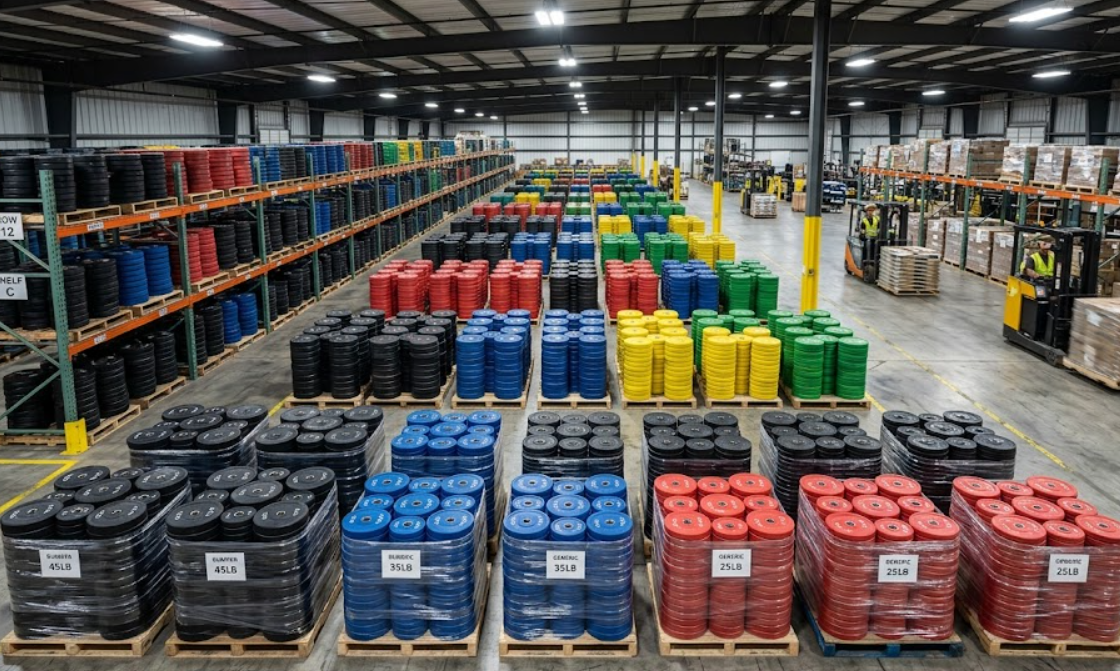
Effective export packaging is just as critical as the manufacturing process itself. When shipping precision machined steel plates in bulk, the packaging must be robust enough to withstand container loading and long-distance maritime transit. A reliable factory will utilize reinforced corner protection and heavy-duty palletizing to ensure that the plates arrive at your warehouse without edge damage or surface scuffs. This attention to detail directly impacts your lead time and total logistics efficiency, as it minimizes the need for replacement shipments due to transit-related defects. Before finalizing your order, always confirm the specific export packaging standards and request a detailed timeline to ensure your inventory arrives exactly when your distribution schedule requires it.
Machining Standards for Commercial Steel Weight Plates
For distributors and large-scale gym operators, the precision of a calibrated steel plate B2B supplier determines the long-term utility and professional reputation of a strength equipment line. Unlike standard cast iron, high-end commercial steel weight plates require rigorous machining to ensure balance and longevity. When sourcing through a China factory, verifying the technical depth of the production line is essential to avoid the high replacement costs associated with uneven weight distribution or improper fitment.
Achieving professional-grade standards requires advanced CNC machining to manage the critical relationship between the center bore and the outer circumference. A reliable calibrated steel plate B2B supplier utilizes automated processes to maintain a consistent weight tolerance across entire production batches. This level of machining precision ensures that every plate sits perfectly flat on a barbell, reducing vibration and mechanical wear during high-volume commercial use. For importers, this technical accuracy directly impacts the total cost of ownership and the stability of the product in the end-user market.
Machining Precision and Surface Integrity
The distinction between budget-tier units and high-performance equipment lies in the refinement of the machining route. While basic casting may suffice for low-volume settings, professional distributors often require precision machined steel plates to ensure structural integrity and uniform weight distribution. A primary technical concern during sourcing is the level of surface flatness and concentricity. If the center bore is not perfectly aligned with the plate's center of gravity, the resulting wobble can damage high-end barbells and increase maintenance frequency for the end-user. This is why a professional calibrated steel plate B2B supplier will implement multi-stage calibration protocols before the final coating or plating process.
When evaluating your next batch, consider how different manufacturing methods affect the landed cost versus long-term durability. Manual grinding processes are often used to manage minor imperfections in the casting, but they lack the repeatability required for high-spec commercial sets. In contrast, automated CNC processes provide the consistency necessary for high-volume wholesale orders, ensuring that every unit meets the same dimensional standards. Selecting the correct tier of commercial steel weight plates depends on whether your target market prioritizes low initial CAPEX or long-term operational stability.
| Machining Process | Primary Method | Surface Flatness | Bore Concentricity | Commercial Duty Tier | Procurement Context |
|---|---|---|---|---|---|
| Standard Casting | Sand Casting | Variable | Moderate | Budget / Entry-level | High MOQ / Low Cost |
| Manual Grinding | Hand-finishing | Improved | Standard | Commercial / Mid-tier | Standard Lead Time |
| CNC Machining | Automated Precision | High | Excellent | Premium / Competition | Specialized Sourcing |
Before finalizing your bulk order, we recommend requesting a technical specification sheet or a sample for physical evaluation. This allows your QC team to verify the weight tolerance and surface finish firsthand. Whether you are looking for a single-spec order or require OEM branding for a private label line, confirming the factory's ability to maintain these machining standards is the most effective way to protect your distributor margins and ensure product reliability.
For distributors and large-scale gym operators, the precision of a calibrated steel plate B2B supplier determines the long-term utility and professional reputation of a strength equipment line. Unlike standard cast iron, high-end commercial steel weight plates require rigorous machining to ensure balance and longevity. When sourcing through a China factory, verifying the technical depth of the production line is essential to avoid the high replacement costs associated with uneven weight distribution or improper fitment.
Achieving professional-grade standards requires advanced CNC machining to manage the critical relationship between the center bore and the outer circumference. A reliable calibrated steel plate B2B supplier utilizes automated processes to maintain a consistent weight tolerance across entire production batches. This level of machining precision ensures that every plate sits perfectly flat on a barbell, reducing vibration and mechanical wear during high-volume commercial use. For importers, this technical accuracy directly impacts the total cost of ownership and the stability of the product in the end-user market.
Technical Comparison of Plate Manufacturing and Duty Tiers
When sourcing from a calibrated steel plate B2B supplier, professional buyers must distinguish between standard casting and advanced machining processes. For distributors and large-scale gym operators, the choice between production methods directly impacts the long-term landed cost and the maintenance-free lifecycle of the equipment. Rely: higher-tier manufacturing ensures that precision machined steel plates maintain their concentricity and weight accuracy under heavy commercial usage, whereas lower-tier options may present unevenness that affects barbell balance.
Understanding these manufacturing tiers is essential for effective sourcing. A factory specializing in high-end production will utilize CNC machining to refine the surface and bore of the plates, whereas budget-oriented wholesale options typically rely on raw sand casting. This distinction determines whether the commercial steel weight plates are suitable for professional strength facilities or limited-use studio environments.
| Manufacturing Tier | Primary Process | Weight Tolerance Profile | Commercial Durability | Sourcing Context |
|---|---|---|---|---|
| Premium / Competition | CNC Machining & Calibration | High Precision | Exceptional / High Impact | Large Scale Distribution |
| Standard Commercial | Refined Casting & Polishing | Moderate Precision | High / Daily Use | Gym Chains & Studios |
| Budget / Entry Level | Basic Sand Casting | Low Precision | Standard / Light Use | Small Local Gyms |
For importers, selecting the correct tier involves balancing the MOQ against the desired durability of the final product. While a China factory producing precision-grade plates may require a higher minimum order, the reduced rate of replacement and higher perceived value for your private label can significantly improve long-term ROI for your clients.
Material and Process Optimization for High-Volume Orders
The differentiation in quality often resides in the secondary processing stages. For a professional calibrated steel plate B2B supplier, the focus is not merely on the initial casting but on the subsequent refinement of the steel plate. While basic casting provides the structural volume, the addition of precision CNC machining and advanced surface treatments is what defines the reliability of precision machined steel plates in a high-traffic commercial setting.
Effective sourcing strategies should account for how these processes affect the total cost of ownership. For instance, a plate that undergoes a multi-stage surface finishing process—such as phosphate treatment followed by a high-grade powder coating—will offer better resistance to oxidation and impact compared to a basic painted finish. This level of detail is a key indicator of a reliable factory capable of meeting the rigorous demands of international export markets.
| Material Type | Manufacturing Process | Key Component/Detail | Commercial Duty | Sourcing/QC Focus |
|---|---|---|---|---|
| Solid Steel | CNC Machining & Calibration | Bore Concentricity | Professional / Competition | Precision Tolerance Check |
| High-Grade Iron | Refined Casting & Polishing | Surface Smoothness | Standard Commercial | Coating Adhesion |
| Standard Cast Iron | Basic Sand Casting | Edge Geometry | Budget / Light Use | Weight Consistency |
When negotiating wholesale agreements, it is highly recommended to request specific details regarding the weight calibration and the bore-to-collar fit. A high-quality supplier will be able to provide clarity on how they manage the transition from raw casting to the final calibrated state, ensuring that every unit in a bulk shipment meets the required commercial standards for balance and durability.
Critical QC Checkpoints for China Factory Export Compliance
Maintaining strict quality control is essential when sourcing from a calibrated steel plate B2B supplier to ensure every unit meets international commercial standards. For distributors and gym equipment importers, a single batch of inconsistent weights can lead to significant returns and damaged brand reputation. A reliable China factory must implement a systematic verification process that covers everything from raw material density to the final surface finish before any bulk shipment leaves the facility.
A professional calibrated steel plate B2B supplier focuses on three primary technical pillars to ensure high-performance standards: weight tolerance, concentricity, and coating durability. In a typical high-volume production environment, the pre-shipment inspection must confirm that the precision machined steel plates maintain a consistent weight tolerance across the entire wholesale order. Without these rigorous checks, the commercial steel weight plates may suffer from uneven thickness or imbalanced distribution, which directly impacts the long-term durability and usability in professional strength training environments.
Technical Verification and Material Integrity
The production sequence for premium plates involves a transition from raw steel processing to high-precision finishing. A professional supplier ensures that the material density is uniform throughout the plate to prevent structural weaknesses. During the machining stage, the factory must verify the surface finish and the concentricity of the center bore to ensure a smooth, frictionless fit with Olympic barbells. This level of detail is what distinguishes a high-tier OEM manufacturer from standard casting operations.
| Material Type | Primary Process | Key Component/Feature | Commercial Duty Tier | Factory QC Point |
|---|---|---|---|---|
| Solid Steel | CNC Machining | Precision Bore/Concentricity | Premium/Competition | Weight Tolerance & Flatness |
| Cast Iron | Sand Casting | Raised Lettering/Texture | Standard Commercial | Surface Smoothness |
| Steel with Coating | Powder Coating | Adhesion Layer | High-Durability Commercial | Coating Integrity/Thickness |
To mitigate procurement risks, we recommend that all importers request a detailed specification sheet and confirm the MOQ for custom ODM projects early in the sourcing process. Engaging in a formal factory audit or booking a third-party pre-shipment inspection can further validate that the calibrated steel plate B2B supplier adheres to the technical requirements necessary for your specific market. Contact us to discuss bulk pricing and custom branding options for your next container load.
Material and Process Standards for Bulk Procurement
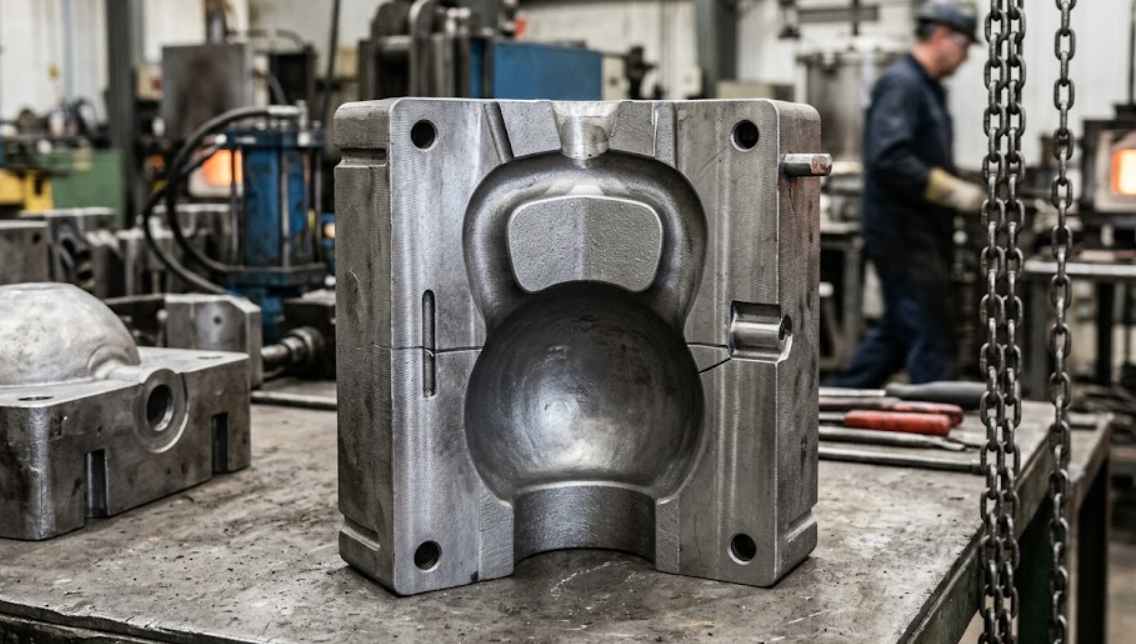
When evaluating a calibrated steel plate B2B supplier, it is vital to understand how different manufacturing routes affect your landed cost and long-term product reliability. For high-end distributors, the distinction between standard casting and precision-machined units is a critical factor in maintaining a premium brand identity. A specialized China factory will typically utilize a multi-stage process—beginning with high-grade steel selection, followed by CNC machining for bore accuracy, and concluding with advanced surface treatments to ensure commercial longevity.
The following table outlines the technical variations common in the industry to assist your sourcing decisions. Understanding these tiers helps in calculating the total cost of ownership (TCO) and setting realistic expectations for your clients regarding durability and precision.
| Material Tier | Machining Process | Surface Coating | Commercial Duty | Primary QC Focus |
|---|---|---|---|---|
| Precision Steel | CNC Machining | Chrome or High-Grade Powder | Premium/Competition | Bore Concentricity & Flatness |
| Standard Steel | Industrial Machining | Standard Powder Coating | High-Volume Commercial | Coating Adhesion & Weight |
| Cast Iron Grade | Sand Casting | Enamel or Paint | Standard Commercial | Surface Smoothness & Texture |
For professional importers, the choice between these options should be driven by your target market's requirements—whether it is high-frequency training or standard gym use. We suggest reviewing the weight tolerance specifications and surface coating durability with your supplier before finalizing a wholesale contract. If your business model requires high-spec precision machined steel plates, ensure your MOQ discussions include specific requirements for the manufacturing process and a detailed pre-shipment inspection protocol to protect your margins and quality standards.
Export Packaging and Logistics Optimization
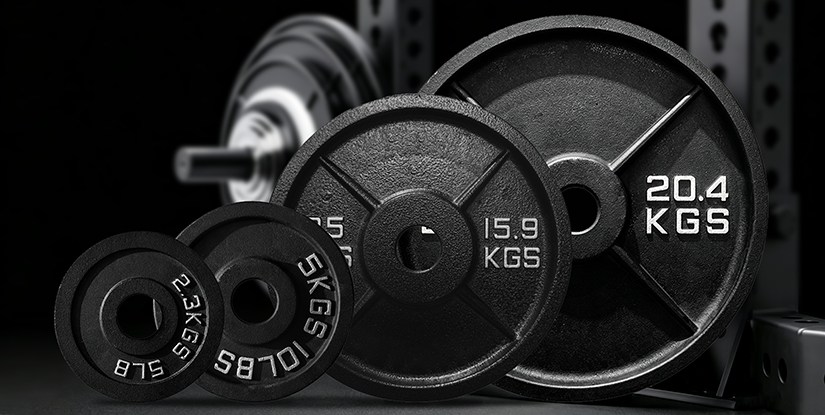
Effective logistics management is the final critical step in the procurement cycle. When importing heavy-duty equipment, the risk of transit damage—such as bent edges, surface scratches, or coating failure—can significantly increase your landed cost through returns and replacements. A professional calibrated steel plate B2B supplier must prioritize robust export packaging to protect the integrity of precision machined steel plates during long-haul sea freight. This involves more than just basic wrapping; it requires a strategic approach to container loading and palletization to maximize space efficiency and ensure product safety.
To ensure maximum shipping durability, a high-standard China factory typically utilizes reinforced wooden pallets or heavy-duty steel crates for bulk orders. Each pallet of commercial steel weight plates should be secured with industrial-grade shrink wrap and edge protectors to prevent shifting during transit. For distributors managing large-scale inventory, optimizing the stacking density within a 20ft or 40ft container is essential for maintaining healthy distributor margins. We recommend discussing specific palletization requirements and container loading patterns with your supplier during the sourcing phase to ensure your shipment arrives in factory-fresh condition, ready for immediate distribution or retail.
Optimizing Lead Times and MOQ for Private Label Production
For distributors and gym equipment importers, managing the balance between inventory depth and capital expenditure is a constant challenge. When sourcing high-precision equipment, understanding the relationship between manufacturing capacity and your specific procurement requirements is essential for maintaining a healthy supply chain. A reliable calibrated steel plate B2B supplier must offer transparent timelines to prevent stockouts during peak seasons.
Scalability in production is often tied to the complexity of your request. While standard stock items allow for faster turnaround, wholesale orders involving private label requirements or custom branding naturally involve a more rigorous production sequence. This sequence—moving from raw steel selection to CNC machining, weight calibration, and finally specialized coating—must be carefully managed to ensure the final commercial steel weight plates meet international export standards without compromising your landed cost.
Depending on whether you require OEM manufacturing for a specific weight set or ODM services for a completely new product line, the production lead time will fluctuate. High-volume wholesale orders benefit from economies of scale, but specialized precision machined steel plates require dedicated machining slots in the factory to maintain strict tolerance standards. We recommend confirming your MOQ and technical specifications early in the sourcing process to secure optimal production windows and ensure consistent delivery schedules for your distribution network.
Production Model Comparison for Procurement Decision-Making
Selecting the appropriate procurement model is a strategic decision that directly impacts your distributor margins and warehouse efficiency. As a professional calibrated steel plate B2B supplier, we categorize production into three distinct tiers to help importers align their capital expenditure with their market positioning. Whether you are looking for immediate stock for a rapid restock or long-term private label development, understanding these tiers is vital for effective sourcing.
The following table outlines the typical trade-offs between standard wholesale procurement and high-level OEM customization. This comparison is designed to assist procurement managers in evaluating the impact of MOQ and lead time on their total landed cost when ordering commercial steel weight plates.
| Production Model | Customization Level | Typical MOQ | Lead Time | Primary Advantage | Best For |
|---|---|---|---|---|---|
| Standard Wholesale | Basic (Standard color/logo) | Low | Short (Ready to ship) | High turnover & low risk | Distributors & Small Studios |
| Standard OEM | Moderate (Custom color/branding) | Medium | Medium (Standard production cycle) | Brand identity & margin control | Gym Chains & Regional Importers |
| Full ODM / Private Label | High (Custom specs & dimensions) | High | Long (Advanced planning required) | Market differentiation & exclusivity | Global Brands & Large Manufacturers |
When ordering precision machined steel plates through a China factory, we suggest a tiered approach: maintain a baseline of standard stock for rapid fulfillment while initiating OEM production cycles for your specialized product lines. This strategy optimizes your inventory turnover and ensures that your most profitable, branded items remain consistently available to your clients.
Strategic Sourcing for High-Performance Distribution
For international distributors and warehouse operators, the decision to partner with a calibrated steel plate B2B supplier is driven by more than just unit price; it is about protecting long-term margins through product consistency. When sourcing commercial steel weight plates, the precision of the machining directly impacts your operational efficiency and end-user satisfaction. Inaccurate weight distributions or poor concentricity can lead to increased returns and damaged brand reputation, ultimately eroding your distributor margin.
Selecting a China factory that prioritizes precision machined steel plates ensures that every batch meets the rigorous standards required for high-traffic commercial environments. High-quality sourcing reduces the frequency of replacement orders and minimizes the logistical headaches of handling defective, unbalanced stock. By investing in precision-grade components, distributors can optimize their warehouse efficiency through standardized stacking and predictable product performance, ensuring a higher return on investment for both the importer and the final gym operator.
Material Selection and Technical Comparison
Understanding the fundamental differences between material types is essential for accurate procurement planning. Most distributors must choose between the high-volume cost-efficiency of cast iron and the high-precision requirements of steel-based equipment. While cast iron is a staple for standard commercial settings, it lacks the strict tolerance levels found in premium steel-based manufacturing. A professional calibrated steel plate B2B supplier will offer both options to accommodate different market segments, from budget-friendly gym setups to high-end performance centers.
The manufacturing route dictates the final product's durability and weight stability. Cast iron typically relies on sand casting, a process that can result in surface irregularities and slight weight variances. In contrast, precision machined steel plates utilize a CNC machining process to ensure extreme concentricity and a perfectly flat profile. This technical distinction is vital when managing inventory for professional strength facilities where weight accuracy is a non-negotiable requirement.
| Material Type | Primary Process | Key Component Focus | Commercial Duty Tier | MOQ Impact | Factory QC Point |
|---|---|---|---|---|---|
| Cast Iron | Sand Casting | Surface Flatness | Budget / Standard Commercial | Lower | Casting Imperfections |
| Solid Steel | CNC Machining | Bore Concentricity | Premium / Competition | Higher | Weight Tolerance |
| Steel with Coating | Machining + Powder Coating | Coating Adhesion | High-End Commercial | Moderate | Surface Uniformity |
When evaluating your next batch, consider the total cost of ownership rather than just the initial FOB price. A calibrated steel plate B2B supplier provides the technical documentation necessary to verify that the machining and calibration processes meet your specific import standards. We recommend that buyers request a detailed specification sheet and confirm the MOQ for precision-grade orders to ensure a smooth transition from the factory to your local distribution network.
Optimizing Logistics: OEM, Export Packaging, and Lead Time
Scaling a fitness equipment brand requires a partner capable of handling complex production cycles and diverse branding requirements. A professional calibrated steel plate B2B supplier offers more than just raw hardware; they provide the infrastructure for custom product development. Whether you require OEM manufacturing to match existing product lines or ODM services to develop a completely new, proprietary weight plate design, the ability to integrate your brand identity into the manufacturing process is a critical factor for long-term market positioning.
Efficient logistics management is the backbone of successful international trade. When managing large-scale bulk orders, the complexity of the export packaging becomes a primary concern for importers. High-density steel plates require specialized, reinforced packaging solutions to prevent deformation and surface damage during long-haul ocean freight. A reliable China factory will implement standardized palletizing and protective cornering to ensure that the landed cost remains low by minimizing transit-related damage and reducing the need for insurance claims or replacement shipments.
Strategic procurement also demands a clear understanding of lead time and production capacity. To maintain a consistent stock level in your local warehouse, it is essential to coordinate closely with your supplier regarding production windows and shipping schedules. We recommend that professional buyers initiate the sourcing process well in advance of peak seasons. To ensure a seamless integration into your supply chain, please contact us to request a formal quote, confirm the current MOQ for your specific configuration, or schedule a remote factory audit to verify our calibration and packaging standards.