Calibrated Steel Plate Export Manufacturer: Coating
The Role of a Calibrated Steel Plate Export Manufacturer in High-Throughput Gyms
A professional calibrated steel plate export manufacturer provides high-precision weight units designed for the rigorous demands of commercial fitness facilities. By sourcing directly from a China factory, distributors and gym operators secure equipment that balances extreme durability with optimized landed costs for large-scale deployments.
In high-traffic environments, the quality of surface treatment directly dictates the longevity of your inventory. Low-grade finishes often succumb to oxidation or chipping under heavy use, leading to premature replacement cycles. Choosing a reliable commercial weight plate supplier ensures that every unit undergoes standardized surface finishing to withstand constant friction and environmental exposure.
For facility managers, the primary concern is the Total Cost of Ownership (TCO). While initial procurement costs are vital, the long-term maintenance load is often more significant. A calibrated steel plate export manufacturer focuses on high-grade powder coating and robust surface treatments that minimize rust and aesthetic degradation. This durability reduces the frequency of replacement, effectively lowering the long-term maintenance costs for large-scale commercial gym installations and heavy-duty training centers.
Optimizing wholesale procurement requires understanding how coating adhesion and material thickness impact long-term ROI. When sourcing through an OEM steel plate factory, buyers can specify finish requirements that align with their brand identity and the specific durability needs of their high-throughput client sites, ensuring the equipment remains a professional-grade asset for years.
Industrial Coating Standards and Commercial Duty Tiers
Selecting the correct surface treatment is a critical decision for procurement leads managing high-traffic facilities. The choice between standard finishes and premium layers directly impacts the equipment's lifespan and the maintenance budget. A professional calibrated steel plate export manufacturer provides standardized options to suit different commercial environments, ranging from heavy-duty strength zones to premium boutique studios.
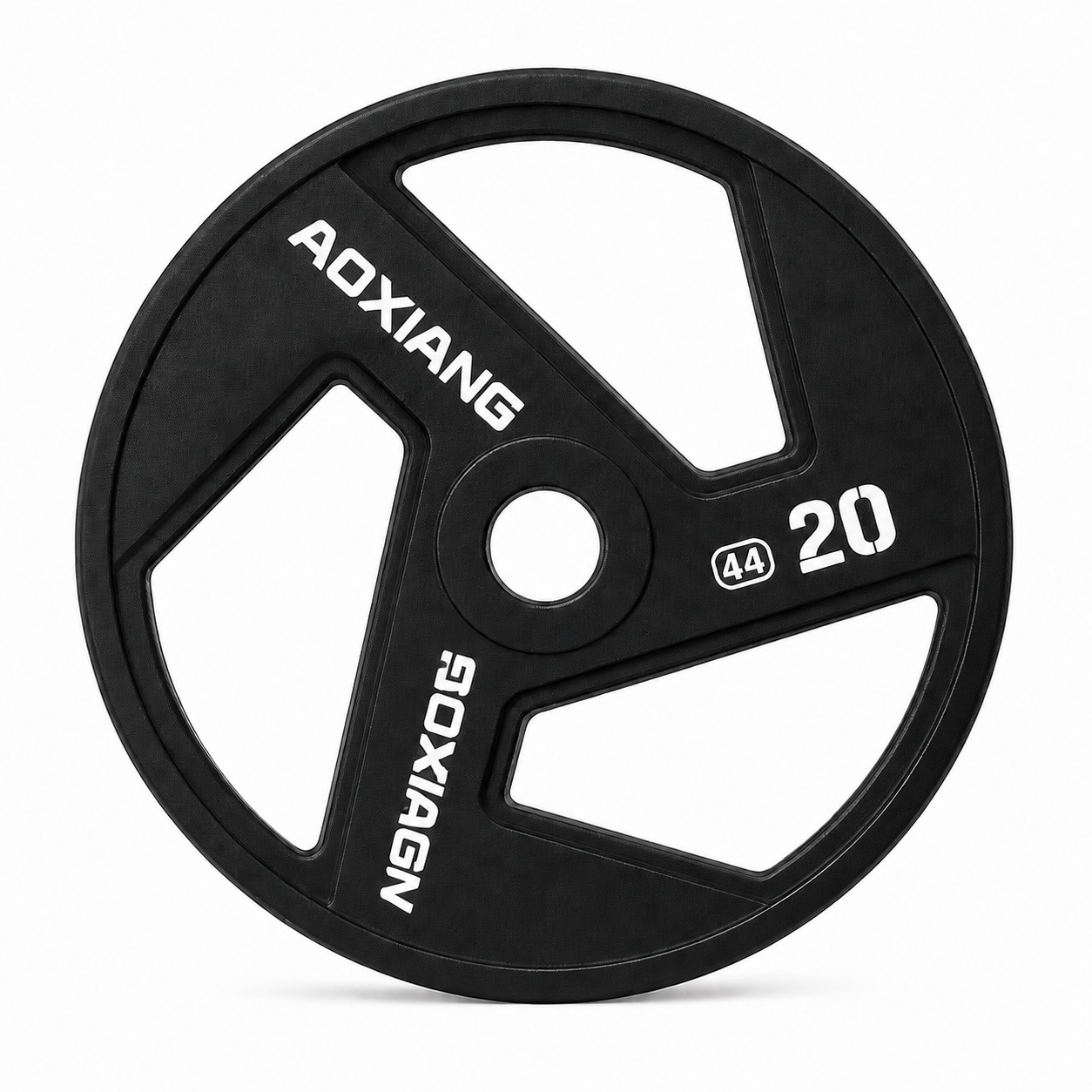
Typical industrial-grade finishes include powder coating, which offers a hard, scratch-resistant layer ideal for high-impact environments, and PU coating (polyurethane), favored in premium settings for its smooth texture and enhanced aesthetic appeal. For distributors, understanding these material-process nuances is essential to meeting client expectations for both durability and visual quality. An experienced OEM steel plate factory can often assist in selecting the appropriate finish based on your target market's specific wear-and-tear profiles.
| Material Type | Coating Method | Primary Benefit | Commercial Duty Tier | QC Focus Point |
|---|---|---|---|---|
| Steel / Iron | Basic Paint | Cost-efficient baseline | Budget / Entry-level | Paint adhesion |
| Steel / Iron | powder coating | High impact resistance | Standard Commercial | Surface uniformity |
| Steel / Iron | PU coating | Premium feel and texture | Premium / High-end | Layer thickness/smoothness |
| Steel / Iron | Rubber / Vinyl | Noise and floor protection | Specialized / Bumper | Edge encapsulation |
To ensure long-term corrosion resistance, a reputable commercial weight plate supplier implements strict quality control (QC) protocols during the surface finishing stage. This includes checking for air bubbles, uneven application, or loose edges that could lead to chipping. For bulk importers, verifying these industrial-grade finish standards during a factory audit or through pre-shipment samples is the best way to protect your margins and ensure a high-quality landed product for your end-users.
Material Specifications and Coating Durability for Commercial Weight Plates
Selecting a reliable calibrated steel plate export manufacturer requires a deep understanding of how raw material grades and surface treatments impact long-term commercial durability. For distributors and gym equipment importers, the difference between high-grade steel and standard iron determines the total cost of ownership and replacement frequency in high-traffic facilities.
A professional commercial weight plate supplier focuses on the synergy between the base steel grade and the final finish to prevent oxidation and mechanical wear. In high-volume sourcing, the quality of the steel substrate is the foundation of procurement reliability, ensuring that each unit meets the weight tolerances required for professional training environments.
Material and Surface Treatment Tiers
When evaluating options from a OEM steel plate factory, buyers should categorize products by their structural integrity and coating adhesion. Different commercial environments—ranging from heavy-duty strength gyms to boutique studios—demand specific material profiles to manage maintenance loads and equipment lifespan.
| Material Base | Surface Treatment | Primary Process | Commercial Duty | Durability Profile |
|---|---|---|---|---|
| High-Grade Steel | Powder Coating | Electrostatic Spray | Premium Commercial | High impact & abrasion resistance |
| Solid Steel | PU (Polyurethane) | Injection Molding | Elite/Boutique | Maximum floor protection & grip |
| Cast Iron | Phosphate / Paint | Sand Casting | Standard Commercial | Cost-effective for high volume |
For those seeking custom branding, a calibrated steel plate export manufacturer typically offers various thickness and coating options to align with your specific brand identity. Whether choosing a rugged powder-coated finish for strength centers or a sleek PU coating for premium studios, the manufacturing route directly affects your landed cost and the long-term value provided to your end clients.
Evaluating Coating Adhesion and Maintenance Costs
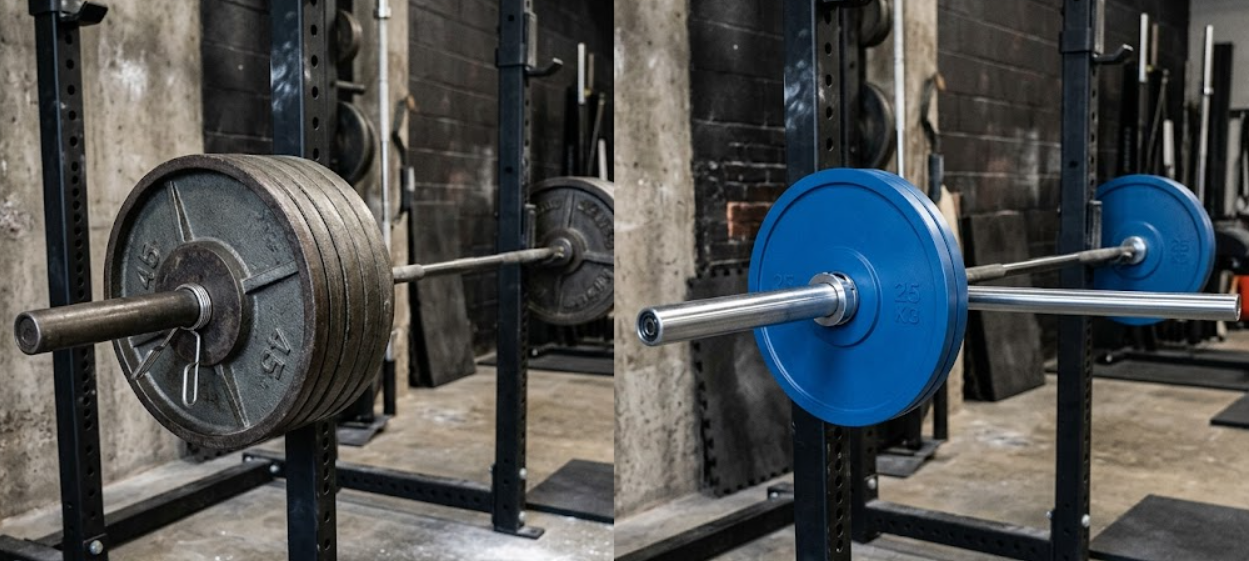
The selection of a surface finish is not merely an aesthetic choice but a critical decision regarding the long-term maintenance load of a facility. A premium commercial weight plate supplier understands that coating failure—such as peeling or chipping—leads to increased replacement frequency and higher total cost of ownership for the end-user. For instance, while powder coating offers high abrasion resistance for standard strength gyms, PU coating provides superior impact absorption and a premium feel, making it the preferred choice for high-end boutique environments where floor protection and noise reduction are priority procurement metrics.
From a sourcing perspective, the technical execution of the coating process directly impacts the durability of the product. In many commercial settings, the quality of the bond line between the steel substrate and the outer layer determines the product's lifespan. High-quality production lines at a reputable OEM steel plate factory utilize multi-stage surface preparation—including degreasing and phosphate treatment—to ensure optimal coating adhesion. This attention to detail reduces the risk of oxidation and ensures that your branded equipment maintains a professional appearance even under rigorous, high-volume usage.
When planning your next bulk order, consider how these material choices affect your distributor margins. While specialized coatings like polyurethane may increase the initial unit cost, they often reduce the long-term maintenance expenses and replacement cycles, providing better value for premium clients. We recommend requesting detailed specifications regarding the coating application methods and any available sample evaluation to confirm that the finish meets your specific market's durability requirements and your brand's quality standards.
Pre-Shipment Inspection and Export Readiness
To mitigate the risks associated with international bulk procurement, a professional calibrated steel plate export manufacturer must implement a rigorous pre-shipment QC protocol. For distributors, the primary concern is not just the weight accuracy, but the physical integrity of the unit upon arrival. This includes a thorough weight tolerance spot-check to ensure every plate in a container meets the specified commercial grade, alongside a visual inspection of the surface finish to verify the absence of defects.
A critical component of the quality assurance process is the coating adhesion test. This procedure ensures that the surface treatment remains intact during high-impact training and long-term handling. In a high-standard OEM steel plate factory, this testing prevents the common failure mode of premature chipping or peeling, which can damage a distributor's reputation and increase replacement costs. We suggest that buyers request documentation or video evidence of these QC steps to ensure the batch meets your quality benchmarks before the vessel departs.
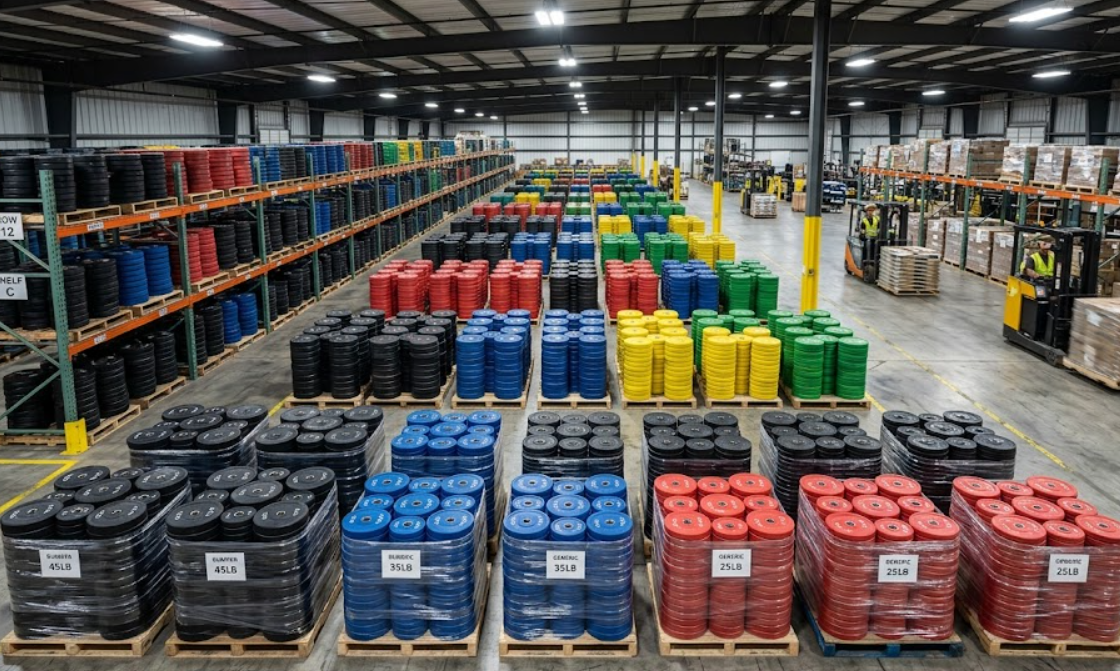
Furthermore, logistics safety is a vital consideration for reducing landed cost and minimizing damage. Reliable commercial weight plate supplier partners utilize heavy-duty export packaging designed for sea freight. This typically involves reinforced corner protection, moisture-resistant layering, and secure palletization to prevent shifting during transit. By prioritizing robust packaging and strict pre-shipment inspections, manufacturers ensure that your bulk order arrives in optimal condition, ready for immediate deployment in any professional facility.
Precision Machining and Surface Finishing Standards
For professional distributors and gym equipment importers, the structural integrity of a weight plate depends on the strictness of the manufacturing sequence. A reliable calibrated steel plate export manufacturer must prioritize precision machining and high-grade surface finishing to ensure that every unit meets the rigorous demands of a commercial facility. When sourcing in bulk, understanding these technical benchmarks is essential for maintaining low maintenance costs and high user satisfaction across your client base.
The production of high-end plates begins with heavy-duty steel, which then undergoes a multi-stage refinement process. To achieve professional weight accuracy, a commercial weight plate supplier utilizes CNC machining to refine the central bore and the outer edges. This precision machining ensures that the concentricity of the plate is maintained, allowing for a smooth, balanced fit on Olympic barbells. Without this level of technical oversight, even minor deviations can lead to uneven weight distribution, increasing the wear and tear on bar collars and reducing the overall lifespan of the equipment.
Beyond structural dimensions, the surface finishing process determines the long-term durability of the product. A premium OEM steel plate factory will typically employ a multi-step coating application—often involving a phosphate treatment followed by a high-durability powder coating or specialized paint. This layer is critical for preventing oxidation and protecting the steel from the high-impact environments typical of commercial weight rooms. For buyers managing large-scale deployments, choosing a factory that implements these standardized industrial protocols is a strategic move to minimize replacement cycles and optimize the total cost of ownership for the end-user.
Selecting the Optimal Finish for Commercial Environments
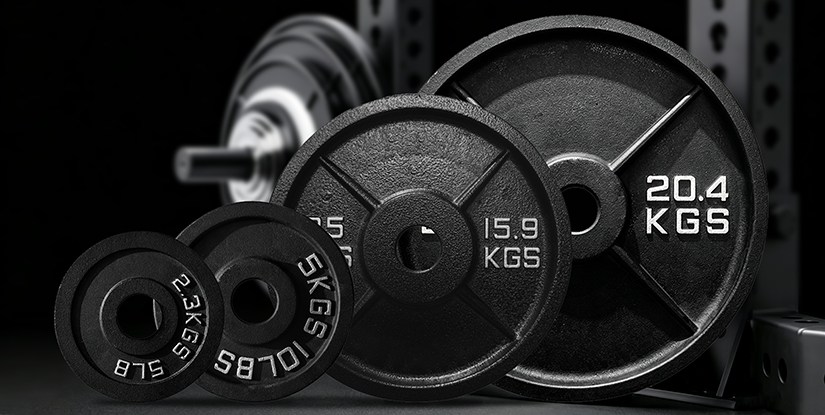
A strategic procurement decision involves more than just selecting a weight class; it requires matching the specific coating technology to the intended environment. For instance, high-traffic strength gyms often require a rugged finish that can withstand heavy impact, whereas boutique studios or hospitality fitness centers may prioritize aesthetics and noise reduction. As a professional commercial weight plate supplier, we provide various coating tiers to meet these distinct operational requirements.
For high-intensity training zones, powder coating is a standard industrial choice due to its excellent coating adhesion and resistance to chipping. However, in environments where floor protection and sound dampening are the primary concerns, rubber coating or high-density PU coating is often preferred. These materials provide a softer landing and higher impact absorption, which helps reduce long-term maintenance needs and protects the facility's flooring. Selecting the right finish during the B2B sourcing phase directly influences the long-term durability and the total cost of ownership for your clients.
| Material Tier | Primary Coating | Typical Application | Commercial Duty | Maintenance Load |
|---|---|---|---|---|
| Cast Iron / Steel | Phosphate & Paint | Standard Strength Gyms | Standard Commercial | Moderate |
| Steel / Iron | Powder Coating | High-Traffic Training Centers | Premium Commercial | Low |
| Steel / Polyurethane | PU / Rubber Coating | Boutique Studios & Hotels | High-End / Specialty | Minimal |
When negotiating wholesale terms or discussing MOQ for custom projects, it is advisable to request specific samples of each coating type. This allows you to evaluate the texture, thickness, and resistance to scratches before committing to a full container order. A professional calibrated steel plate export manufacturer will always provide detailed specifications regarding the application process to ensure your branded products meet the highest industry standards.
For global distributors and large-scale importers, the greatest risk in a high-volume bulk order is the arrival of sub-standard units that increase replacement costs and damage brand reputation. A professional calibrated steel plate export manufacturer mitigates this risk by integrating a multi-stage pre-shipment QC protocol into the final production phases. This ensures that the precision achieved during machining is preserved through to the final delivery, maintaining a low landed cost by eliminating the need for post-arrival returns or local replacements.
The final verification process at a reputable OEM steel plate factory goes beyond simple visual checks. To ensure long-term commercial durability, a standard coating adhesion test is conducted to verify that the surface treatment can withstand the friction and impact of daily commercial usage. This step is critical for preventing premature oxidation or peeling, which can compromise the aesthetic and structural integrity of the plates. By implementing these rigorous standards, a supplier helps procurement leads manage the total cost of ownership more effectively, ensuring the product survives the high-throughput environment of a professional gym.
Furthermore, the logistical reliability of an overseas shipment depends heavily on the quality of the export packaging. A specialized China factory understands that weight plates are high-density, heavy-impact goods that require reinforced protection to survive sea freight. We utilize standardized palletization and heavy-duty corner protection to prevent deformation or surface damage during transit. When planning your next shipment, it is essential to confirm both the lead time and the specific packaging protocols with your factory to ensure that your inventory arrives in a retail-ready state, ready for immediate distribution or deployment.
To optimize your sourcing strategy, we recommend discussing your specific MOQ requirements and any OEM branding needs during the initial consultation. Whether you are requesting a technical spec sheet for a single container or planning a long-term distribution partnership, our team is available to facilitate a factory audit or sample approval to ensure all technical and logistical benchmarks align with your commercial objectives.
China Factory Production and Quality Control Protocols
For distributors and gym equipment importers, sourcing from a reliable calibrated steel plate export manufacturer involves more than just comparing unit prices; it requires verifying the technical integrity of the production line. High-volume procurement demands a consistent manufacturing sequence—from initial casting or forging to the final surface treatment—to minimize the risk of high return rates or customer dissatisfaction. A professional China factory ensures that every batch meets the rigorous demands of high-traffic commercial environments through systematic oversight.
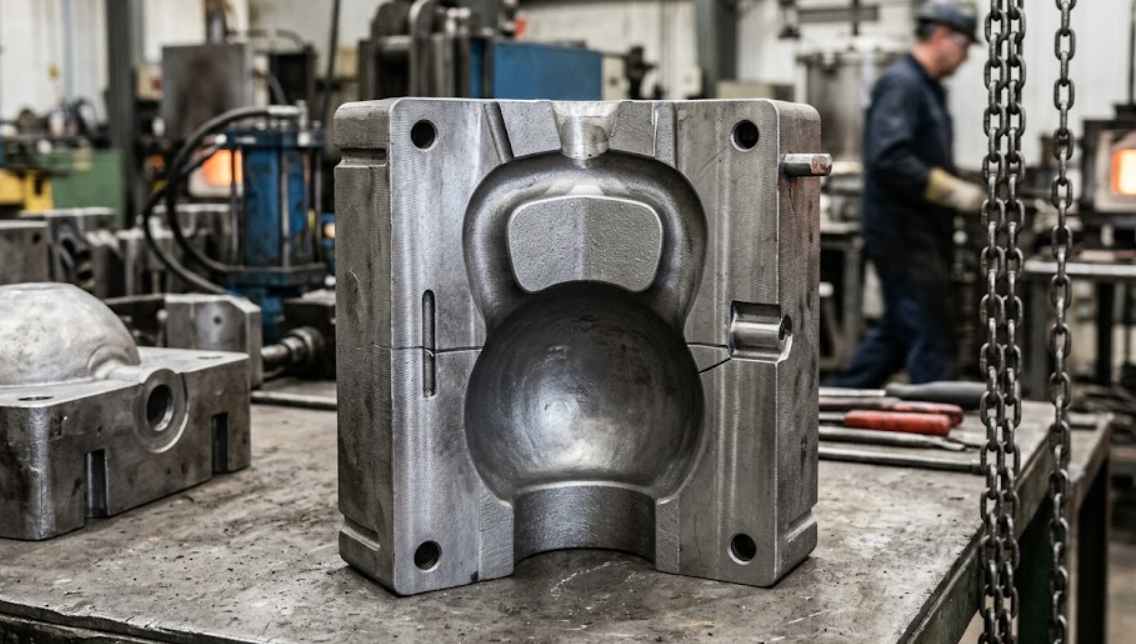
The production of high-end plates begins with precision machining to ensure concentricity and a perfect Olympic collar fit. Once the base geometry is established, the plates undergo specialized surface treatments. A commercial weight plate supplier focuses heavily on the bond line between the steel and the finish. Whether utilizing a heavy-duty powder coating or a high-density urethane layer, the goal is to prevent chipping or oxidation during intense commercial use. This attention to detail directly impacts the total cost of ownership (TCO) for the end-user and the long-term reputation of the distributor.
Rigorous Pre-Shipment Inspection and Export Standards
To mitigate the risks associated with international bulk shipping, our OEM steel plate factory implements a multi-stage inspection protocol. This is not merely a visual check, but a technical evaluation of both weight accuracy and surface durability. A standard weight tolerance spot-check is conducted on a statistically significant sample from every production lot to ensure all units fall within acceptable commercial-grade variances. This step is critical for professional strength facilities that rely on exact increments for training protocols.
Beyond weight, we prioritize coating adhesion testing. This ensures that the protective layer—whether it is a phosphate treatment or a multi-coat powder finish—is sufficiently bonded to the steel substrate to withstand mechanical impact. Following these technical checks, the pre-shipment QC phase includes a final inspection of the branding and dimensional accuracy. Finally, to protect your margins and ensure the product arrives in pristine condition, we utilize heavy-duty export packaging designed to withstand the rigors of container loading and ocean freight transit.
| Material Type | Primary Coating | Standard Process | Key QC Point | Commercial Application |
|---|---|---|---|---|
| Cast Iron | Paint or Enamel | Sand Casting & Coating | Surface Smoothness | Standard Commercial Gyms |
| Steel | Powder Coating | Machining & Powder Line | Coating Adhesion | Premium Training Facilities |
| Steel/Rubber | Urethane/PU | Molding & Encapsulation | Bond Line Integrity | High-Traffic Strength Centers |
When planning your next procurement cycle, we recommend contacting our team to discuss your specific MOQ, custom branding requirements, or to request a detailed technical spec sheet. We are available to assist with sample evaluation and factory audit scheduling to ensure our production capabilities align with your brand identity and distribution standards.
For distributors and gym equipment importers, sourcing from a reliable calibrated steel plate export manufacturer involves more than just comparing unit prices; it requires verifying the technical integrity of the production line. High-volume procurement demands a consistent manufacturing sequence—from initial casting or forging to the final surface treatment—to minimize the risk of high return rates or customer dissatisfaction. A professional China factory ensures that every batch meets the rigorous demands of high-traffic commercial environments through systematic oversight.
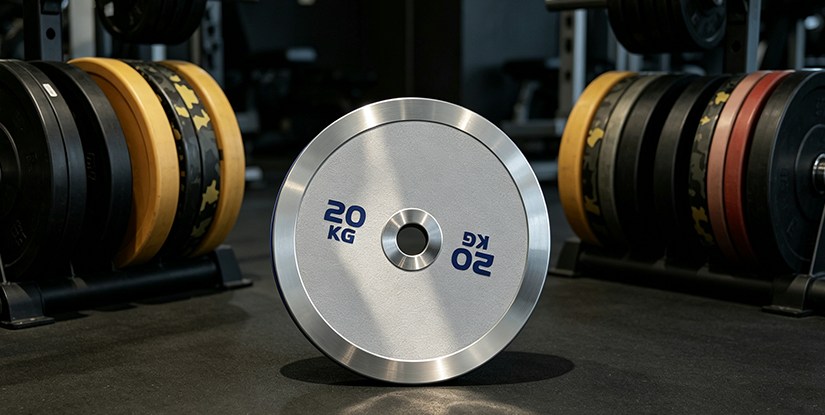
The production of high-end plates begins with precision machining to ensure concentricity and a perfect Olympic collar fit. Once the base geometry is established, the plates undergo specialized surface treatments. A commercial weight plate supplier focuses heavily on the bond line between the steel and the finish. Whether utilizing a heavy-duty powder coating or a high-density urethane layer, the goal is to prevent chipping or oxidation during intense commercial use. This attention to detail directly impacts the total cost of ownership (TCO) for the end-user and the long-term reputation of the distributor.
OEM and Private Label Customization Capabilities
For distributors and gym chains seeking to establish a unique market presence, working with a calibrated steel plate export manufacturer provides the necessary infrastructure for professional brand scaling. Rather than sourcing generic, unbranded inventory, high-volume buyers utilize OEM and ODM services to integrate their specific design requirements into the production line. This capability allows for the transformation of standard commercial-grade units into specialized products that reflect a specific brand identity.
Scaling a fitness product line requires more than just a logo; it requires a reliable commercial weight plate supplier capable of managing complex technical specifications. Whether you require specific color-coded weight markings, unique embossed textures, or specialized dimensions for high-end studio equipment, a professional China factory can accommodate these requests within established production workflows. These customization options are designed to help distributors maintain higher margins by offering differentiated products to their local markets.
Strategic sourcing through private label manufacturing allows procurement leads to control the entire aesthetic and functional profile of their weight sets. This includes everything from the type of surface finish to the specific branding placement. To maintain efficiency and manage wholesale cost structures, most OEM requests are subject to a specific MOQ, ensuring that customized production runs remain economically viable for both the factory and the importer. Engaging in custom branding at the source level helps mitigate the risks of inconsistent product appearance across large-scale deployments.
Technical Customization and Branding Specifications
Precision in customization is a critical factor for professional importers managing long-term inventory. A high-tier OEM steel plate factory offers a range of technical modifications that go beyond basic aesthetics to meet specific commercial-grade standards. For instance, many procurement leads request high-precision CNC machining for the center bore to ensure a perfect Olympic collar fit, which is essential for high-throughput training environments. Additionally, the choice between a rugged powder coating for high-impact durability or a premium PU coating for a smoother, high-end aesthetic can significantly influence the total cost of ownership for the end-user.
Branding integration is typically executed through specialized processes that ensure longevity under heavy use. Common options include logo embossing during the casting phase for a permanent, tactile mark, or high-durability silk-screen printing for color-coded weight identification. When working with a calibrated steel plate export manufacturer, buyers can specify the exact placement and depth of these features to ensure brand consistency across all product lines. This level of control is vital for distributors looking to build a cohesive professional look for their retail or wholesale catalogs.
| Customization Type | Standard Options | Commercial Utility | Procurement Impact |
|---|---|---|---|
| Surface Finish | Powder coating or PU coating | Enhanced durability and floor protection | Influences long-term maintenance load |
| Branding Method | Logo embossing or silk-screen | Permanent brand visibility | Affects production lead time |
| Bore Precision | Standard CNC machining | Consistent Olympic collar fit | Reduces replacement frequency |
| Weight Marking | Color-coded or numeric | Rapid identification for users | Simplifies inventory management |
Understanding the nuances of these processes helps in planning efficient sourcing cycles. For example, while a standard powder coating might offer a shorter lead time for rapid restocking, a specialized PU coating may require additional calibration steps in the production sequence. We recommend that distributors confirm their specific requirements regarding coating adhesion and logo durability during the initial sample evaluation phase. To optimize your procurement strategy, please contact us to request a detailed specification sheet, confirm the current MOQ for customized runs, or discuss bulk pricing for your next large-scale deployment.
Logistics and Bulk Procurement Optimization
Optimizing the procurement of precision-engineered weight plates requires a strategic understanding of how volume affects the total cost of ownership. For distributors and gym equipment importers, a calibrated steel plate export manufacturer provides more than just hardware; they provide a scalable supply chain solution. When sourcing at scale, professional buyers must balance the initial unit price against the landed cost, which includes manufacturing, export packaging, ocean freight, and local customs duties.
High-volume orders from a China factory typically allow for significant cost efficiencies through optimized container loading and consolidated shipping. By increasing the order size to meet specific MOQ requirements, importers can reduce the per-unit shipping expense and mitigate the impact of fixed logistics costs. Furthermore, establishing a partnership with a professional commercial weight plate supplier ensures that production schedules are aligned with your seasonal inventory needs, reducing the risks associated with long lead time fluctuations during peak global demand periods.
A specialized OEM steel plate factory can also assist in optimizing the wholesale value of your shipment by customizing the packaging configuration to maximize container density. This level of logistical planning is essential for maintaining healthy distributor margins and ensuring that your inventory arrives ready for immediate commercial deployment.
Material Tier Comparison for Commercial Deployment
Selecting the correct material and finish is a critical decision for long-term procurement strategy. A calibrated steel plate export manufacturer must offer various tiers to meet different commercial use cases, from high-traffic strength clubs to premium boutique studios. Choosing an incorrect tier can lead to higher maintenance costs or premature surface degradation, impacting your total cost of ownership.
The following table provides a qualitative comparison of standard commercial options to assist in your sourcing evaluation. This comparison focuses on how material choices and finishing processes affect durability and logistical value during bulk procurement.
| Material Tier | Primary Coating | Manufacturing Process | Commercial Duty Level | Typical Procurement Context |
|---|---|---|---|---|
| Standard Cast Iron | Black Enamel or Paint | Sand Casting & Surface Finishing | Budget / High-Volume Gyms | High-volume wholesale distribution |
| Industrial Steel | Powder Coating | Precision Machining & Coating Line | Mid-Tier Commercial / Full-Service Clubs | Standardized gym equipment replenishment |
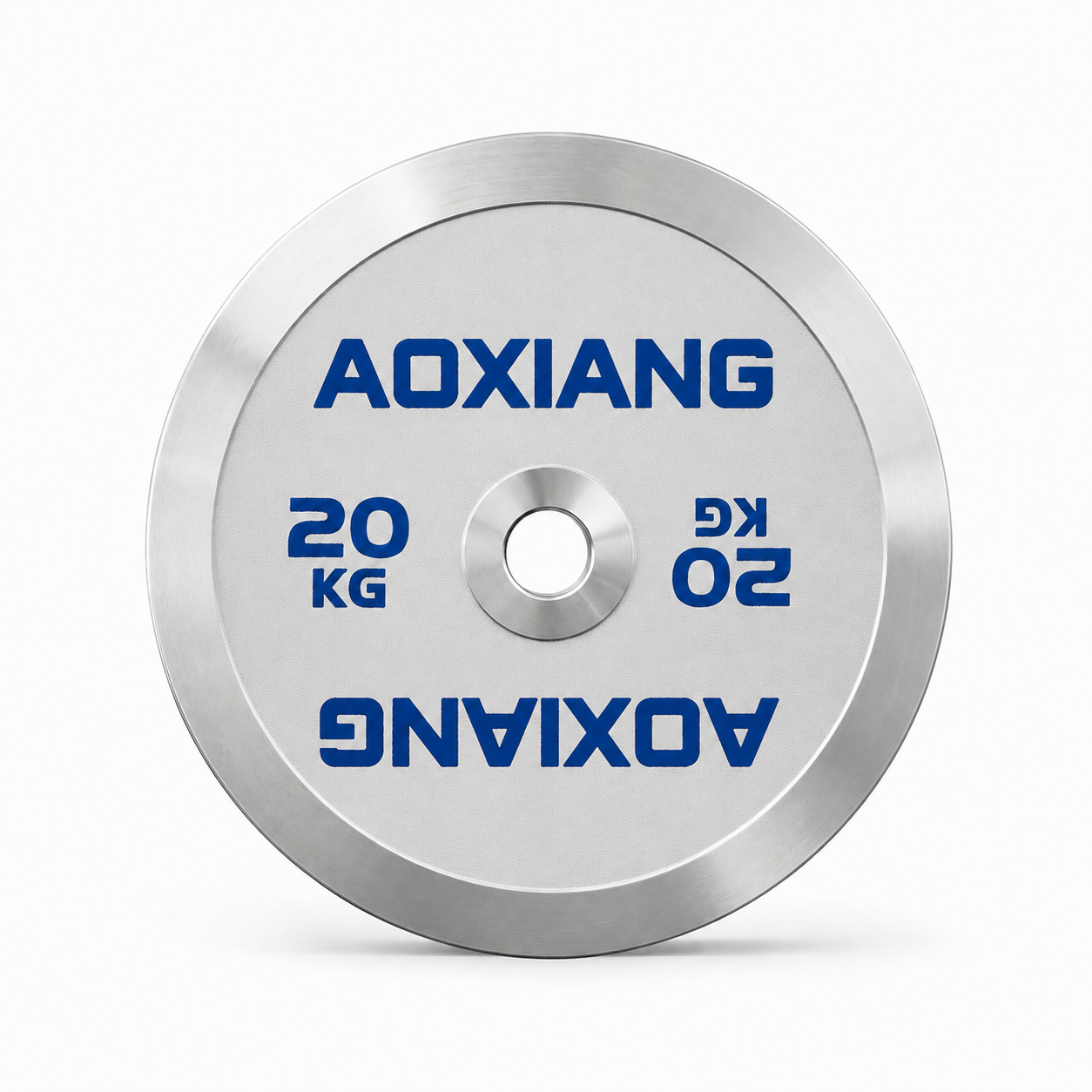
| Premium Competition Steel | Chrome or Specialized Finish | CNC Machining & Precision Calibration | Elite Training Centers / High-End Studios | Specialized boutique or professional sports facilities |
When evaluating a commercial weight plate supplier, it is vital to confirm the specific surface treatment methods used. For instance, powder coating offers superior adhesion compared to basic paint, which is essential for reducing replacement cycles in high-intensity environments. We recommend requesting a sample evaluation or a detailed specification sheet to confirm that the coating adhesion and material density meet your specific distributor or retail standards before finalizing a bulk order.
Custom Branding and Private Label Capabilities
For distributors looking to build long-term brand equity, working with an experienced OEM steel plate factory allows for much more than simple product sourcing. Professional buyers often require custom branding to differentiate their product lines in competitive markets. This can include precision laser etching of your logo directly onto the steel surface or specialized silk-screen printing for high-visibility branding. Such custom branding ensures that your identity is permanently integrated into the product, rather than relying on temporary stickers that can peel or degrade during heavy use.
Beyond visual identity, an ODM partner can provide significant value through technical customization. This might involve adjusting the weight tolerance bands or selecting specific coating colors to align with your existing product catalog. Whether you are looking for a private label solution for a premium studio line or a high-volume wholesale run of standardized plates, the ability to control the finishing details is a key differentiator. We encourage partners to discuss their specific branding requirements and MOQ during the initial consultation to ensure seamless production integration.