Cast Iron Weight Plate Trade Supplier: Material and Sourcing
Cast Iron Weight Plate Trade Supplier: Material and Sourcing Overview
Distributors often face the risk of high return rates by sourcing low-grade iron that lacks structural integrity, whereas professional procurement focuses on standardized material specifications. A reliable cast iron weight plate trade supplier ensures that every unit meets commercial-grade requirements through controlled casting and precision machining. Selecting a high-tier commercial weight plate manufacturer allows importers to secure consistent weight tolerances and long-term durability, reducing the total cost of ownership for end-users.
For high-volume gym deployments, the choice of raw material directly impacts the longevity of the inventory. Most high-quality units utilize gray iron, which is processed through traditional sand casting to create a robust, dense structure. This method is a standard practice for a China factory aiming to provide reliable wholesale gym weight plates that can withstand heavy daily throughput in commercial strength facilities. By understanding the transition from raw casting to final surface treatment, buyers can better evaluate the sourcing value and technical readiness of their supplier.
Technical Comparison of Casting and Surface Finishing Processes
When evaluating the technical specifications for bulk procurement, understanding the distinction between casting methods and surface treatments is vital for managing long-term maintenance loads. A professional cast iron weight plate trade supplier will typically offer various tiers of finishing to suit different commercial environments, from high-traffic strength centers to boutique studios. The following comparison highlights how manufacturing choices impact the final product quality and the total cost of ownership.
| Material Tier | Primary Process | Surface Finishing | Key QC Point | Commercial Application |
|---|---|---|---|---|
| Standard Commercial | Sand Casting | Black Enamel or Paint | Bore Concentricity | High-volume gyms |
| Premium Commercial | Sand Casting | Powder Coating | Coating Adhesion | Boutique fitness studios |
| Precision Tier | Machined Calibrated Steel | Chrome or Polished Finish | Surface Flatness | Competition or high-end training |
For many distributors, the choice between sand casting and more advanced machining depends on the required precision and the target market segment. While sand casting is the industry-standard for producing high-volume wholesale gym weight plates, adding a CNC machining step to the center bore ensures a much smoother fit on barbell sleeves. Furthermore, the application of high-grade powder coating provides a more durable layer than basic paint, which is essential for reducing oxidation risks in humid commercial environments. When negotiating with a commercial weight plate manufacturer, we recommend requesting details on their surface finishing protocols to ensure the coating can withstand heavy daily usage without premature peeling or chipping.
The complexity of international shipping means that procurement success depends heavily on more than just the raw material. For professional distributors, the true risk lies in receiving a shipment where weight discrepancies or packaging failures lead to high landed cost and damaged inventory. A professional cast iron weight plate trade supplier mitigates these risks by implementing a multi-stage inspection protocol that covers everything from the center bore to the final container loading. Relying on a specialized commercial weight plate manufacturer ensures that your bulk order arrives with the precision and structural integrity required for immediate gym deployment.
A standard pre-shipment QC process must go beyond visual checks. To maintain high standards for wholesale gym weight plates, the inspection should include a rigorous weight calibration to ensure each plate falls within acceptable industry-standard tolerances. Additionally, a critical technical check involves testing coating adhesion; this prevents the surface from chipping or peeling during high-frequency use. Before leaving the factory, every batch should undergo a flatness and concentricity check to ensure seamless loading onto barbell sleeves, reducing friction and wear on both the plates and the bars.
Logistics planning is equally vital to maintaining healthy distributor margins. When negotiating with a supplier, buyers should clarify the MOQ and expected lead time to avoid stockouts during peak seasons. Efficient export packaging is a non-negotiable requirement; plates should be secured in reinforced crates or heavy-duty cartons to prevent movement and impact damage during sea freight. By accounting for these variables—including customs documentation and optimized container loading—importers can accurately calculate their true landed cost and ensure a smooth transition from the China factory to the final commercial facility.
Material Selection and Manufacturing Processes for Commercial Plates
Selecting a reliable cast iron weight plate trade supplier requires a deep understanding of how raw materials transition into finished, high-density assets. For professional distributors and gym procurement leads, the value lies in the consistency of the casting and the precision of the final finish. High-quality production typically follows a standardized sequence: raw iron melting, sand casting, CNC machining for the center bore, and finally, surface treatment to ensure long-term commercial durability.
When managing bulk orders, buyers must distinguish between basic casting and precision-engineered units. A professional commercial weight plate manufacturer utilizes controlled cooling and machining to ensure the center hole remains concentric, preventing uneven wear on barbell sleeves. This technical precision reduces long-term maintenance costs and protects the lifespan of your clients' premium barbell investments.
Engineering Standards and Material Tiers
The following table outlines the common manufacturing routes used by a cast iron weight plate trade supplier to meet different commercial requirements. Choosing the correct tier depends on your target market, whether it is budget-friendly commercial gyms or premium high-end strength facilities.
| Material Type | Primary Process | Surface Finish | Commercial Duty Tier | Procurement Focus |
|---|---|---|---|---|
| Gray Cast Iron | Sand Casting | Powder Coating | Standard Commercial | High Volume / Low Cost |
| High-Density Iron | Precision Casting | Enamel / Paint | Premium Commercial | Durability / Aesthetics |
| Machined Steel | CNC Machining | Chrome / Polished | Professional / Competition | Precision / Tolerance |
For those engaged in wholesale gym weight plates procurement, understanding these nuances is vital for calculating the total cost of ownership. While sand casting is the industry standard for high-volume wholesale distribution due to its cost-effectiveness, precision CNC machining is required for high-end applications where weight calibration and bore concentricity are critical for smooth barbell movement.
Each factory must implement strict quality control (QC) at the calibration stage. This ensures that the weight variance remains within industry-standard limits before the plates move to the coating and packaging lines. For importers, verifying these specific manufacturing checkpoints—such as the smoothness of the bore and the adhesion of the coating—is the most effective way to mitigate the risk of receiving substandard batches.
Surface Finishing and Coating Reliability
The longevity of a commercial facility depends heavily on how a cast iron weight plate trade supplier manages the final surface treatment. A plate with poor adhesion or inconsistent thickness can lead to premature rust, chipped edges, and high replacement costs for the end-user. In a professional China factory setting, the surface finishing process is not merely aesthetic; it is a critical protective layer that ensures the product survives high-frequency use in heavy-duty environments.
Standard commercial-grade plates typically undergo a multi-step process involving a phosphate treatment followed by a high-durability powder coating. The phosphate treatment acts as a chemical bond to the iron, significantly improving the adhesion of the topcoat and preventing oxidation from starting beneath the surface. For distributors, this level of technical detail is a key indicator of a high-tier commercial weight plate manufacturer, as it directly impacts the maintenance-free lifespan of the equipment.
When evaluating your next wholesale shipment, we recommend focusing on these three technical checkpoints during your pre-shipment inspection:
- Coating Adhesion: Ensure the finish is uniform across the face and the rim, with no evidence of bubbling or peeling at the edges.
- Bore Precision: Verify that the center hole is cleanly machined and free of casting burrs to ensure smooth barbell rotation.
- Surface Uniformity: Check that the weight tolerance across the batch remains consistent, which is a hallmark of a reliable supplier.
For large-scale sourcing projects, such as hotel gym fit-outs or large commercial franchises, these technical specifications will dictate your long-term landed cost and distributor margins. If your project requires specific branding, most professional facilities also offer OEM solutions to integrate your custom logo into the casting or the coating layer, providing a cohesive identity for your product line.
Evaluating Casting and Machining Standards for High-Volume Orders
For professional distributors and gym equipment importers, the technical integrity of a cast iron weight plate trade supplier determines long-term product reliability and reduced return rates. High-volume procurement requires a shift in focus from simple aesthetics to the fundamental engineering of the plate, specifically regarding the precision of the sand casting and subsequent CNC machining processes. Selecting a reliable commercial weight plate manufacturer ensures that every unit meets the structural demands of high-traffic commercial environments.
In many commercial settings, the quality of the base material and the precision of the bore are the primary drivers of a product's lifespan. A professional cast iron weight plate trade supplier utilizes standardized sand casting to create the primary plate body, followed by rigorous CNC machining to ensure the center hole is perfectly concentric. Without this precision, plates may wobble on barbell sleeves, causing uneven wear on high-end bars and increasing maintenance costs for the end-user. For those managing wholesale gym weight plates orders, verifying these technical specifications during the sourcing phase is essential to mitigate the risks of substandard China factory production.
Technical Specifications and Manufacturing Workflow
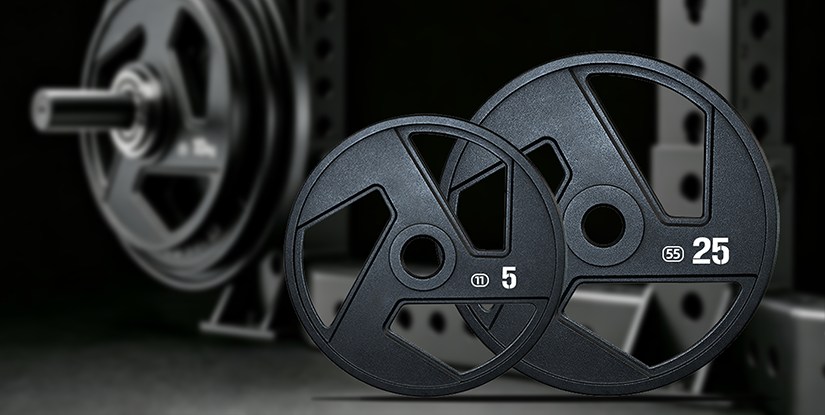
Reliable production follows a structured sequence to ensure commercial durability and consistent weight tolerance. A typical high-standard production line moves from raw material melting to casting, then to precision machining and surface finishing. Discrepancies in these early stages often lead to failure in the field, such as uneven weight distribution or surface cracking under heavy use.
| Material Type | Primary Process | Key Component/Detail | Commercial Duty Tier | QC Focus Point |
|---|---|---|---|---|
| Gray Cast Iron | Sand Casting | Base Flatness | Standard Commercial | Surface Cracks |
| Reinforced Cast Iron | Sand Casting + CNC Machining | Bore Concentricity | Premium Commercial | Center Hole Precision |
| Machined Steel | Precision Machining | Tolerance Consistency | High-Performance | Weight Calibration |
When managing wholesale procurement, buyers should request documentation regarding the weight tolerance standards used during the calibration phase. A reputable supplier will provide clarity on how they manage deviations during the CNC machining stage to ensure that the final landed cost remains competitive without sacrificing the safety of the equipment. Understanding these manufacturing nuances allows for better planning regarding MOQ and lead time when ordering customized or branded batches.
Surface Finishing and Protective Coating Requirements
The durability of a weight plate is not merely a function of the iron density, but of the chemical and physical protection applied to the surface. For importers, the choice between a basic phosphate treatment and high-grade powder coating can significantly impact the product's lifecycle and the maintenance load for the end-user. A professional cast iron weight plate trade supplier understands that a substandard coating leads to premature oxidation, which can damage a distributor's brand reputation and increase replacement costs.
In a standard production workflow, after the initial sand casting and CNC machining, the plates undergo a rigorous surface preparation phase. This typically involves a phosphate treatment to create a chemically bonded layer that prevents rust, followed by the application of a durable powder coating. This process ensures high surface finish consistency and superior coating adhesion, which is critical for plates stored in high-humidity environments or used in heavy-duty commercial facilities. When conducting a factory audit or evaluating a China factory, procurement managers should specifically inquire about the thickness and durability of these layers to ensure the long-term ROI of the shipment.
Effective quality control (QC) must include a verification of the weight calibration and the integrity of the surface finish before the pre-shipment stage. For large-scale B2B procurement, we recommend requesting a sample to inspect the bore concentricity and the smoothness of the powder coating. Confirming these technical benchmarks during the sourcing process helps stabilize your landed cost and ensures that your bulk orders meet the rigorous standards of premium fitness facilities.
Optimizing Inventory with a Professional Cast Iron Weight Plate Trade Supplier
Selecting a reliable cast iron weight plate trade supplier is a critical decision for distributors aiming to balance stock availability with healthy profit margins. In the high-volume wholesale market, your ability to maintain a diverse range of weights without overextending capital depends entirely on the manufacturing efficiency and logistical reliability of your China factory partner. A professional commercial weight plate manufacturer provides more than just finished goods; they offer the stability required to manage complex supply chains effectively.
For distributors, the primary challenge lies in managing the tension between MOQ requirements and the need for rapid inventory turnover. Sourcing directly from a factory allows for better control over the landed cost, ensuring that your distributor margin remains competitive even when factoring in international shipping and duties. When you source wholesale gym weight plates through established trade channels, you gain access to standardized production cycles that reduce the risk of inconsistent weight tolerances or surface defects, both of which can lead to costly returns and damaged reputations.
Optimizing your procurement strategy requires a partner who understands the nuances of high-volume export. A professional supplier will offer clear communication regarding lead time and can accommodate OEM requests to help you build brand equity. By aligning your procurement cycles with a commercial weight plate manufacturer that utilizes standardized casting and machining processes, you can ensure a predictable flow of inventory that meets the rigorous demands of the North American commercial fitness market.
Pre-Shipment Inspection and Export-Ready Packaging
For large-scale importers, the final stage of the procurement process is often the most volatile. Even with a reliable cast iron weight plate trade supplier, the risk of transit damage or inconsistent quality increases with volume. To protect your distributor margin, it is vital to confirm that the factory performs rigorous pre-shipment QC. This should include a weight tolerance spot-check to ensure every unit in the bulk orders meets the specified commercial standards, alongside a visual inspection of coating adhesion to prevent chipping during sea freight.
Logistical efficiency is just as critical as manufacturing precision. A professional commercial weight plate manufacturer understands that standard domestic packaging is insufficient for international shipping. High-quality wholesale gym weight plates must be secured in export-grade packaging—typically utilizing heavy-duty reinforced cartons or specialized wooden crates—to prevent shifting and impact damage within a container. When negotiating MOQ and OEM specifications, always request detailed documentation of the loading plan and packaging strength to ensure your landed cost is not inflated by damaged goods upon arrival.
China Factory QC and Export Packaging Protocols
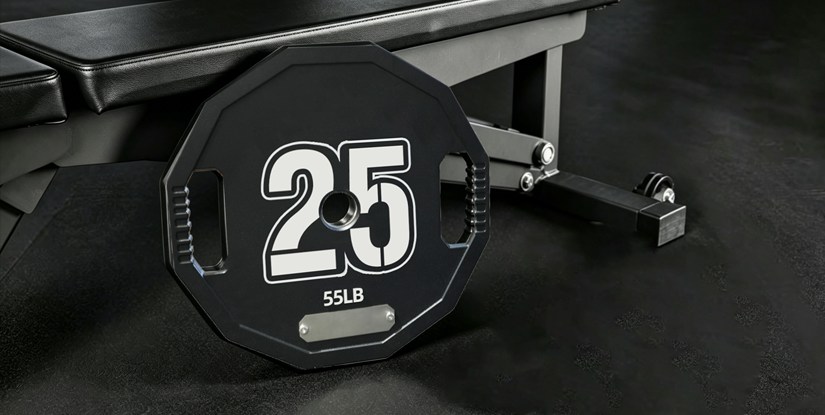
For distributors managing high-volume inventory, the risk of receiving sub-standard units can severely impact landed costs and brand reputation. A professional cast iron weight plate trade supplier mitigates this by implementing rigorous inspection protocols at the China factory level. Rather than relying on superficial checks, high-tier production lines focus on technical precision to ensure that every unit meets the durability requirements of commercial fitness environments.
The inspection process begins with identifying casting defects, such as surface pitting or structural inconsistencies that could compromise the plate's integrity. A qualified commercial weight plate manufacturer will also perform a weight tolerance spot-check on a statistical sample of each batch. This calibration step is essential for maintaining consistency across wholesale gym weight plates, ensuring that a 20kg plate is functionally identical to the next in a large-scale deployment.
Beyond structural integrity, the final stage of production involves verifying coating adhesion. Whether the plates are finished with a standard paint or a heavy-duty powder coating, the bond must withstand frequent handling and environmental exposure. Comprehensive pre-shipment QC also extends to the center bore concentricity and the smoothness of the outer edges. For importers, these technical checkpoints are the primary defense against high return rates and ensure the reliability of the sourcing process for large-scale gym projects.
To protect distributor margins, the final logistics phase must prioritize structural stability and moisture resistance. For bulk orders, standard retail packaging is insufficient; professional wholesale gym weight plates require industrial-grade export packaging to survive the rigors of sea freight. Without standardized protection, heavy iron shipments are prone to oxidation, surface scratches, or container shifting, which can significantly inflate the landed cost through damaged goods and replacement claims.
A reliable cast iron weight plate trade supplier utilizes a multi-layered approach to palletization. High-density wooden pallets or reinforced steel frames are typically used to secure the weight. Each layer of plates is separated by protective foam or heavy-duty cardboard to prevent metal-on-metal friction. To combat the humidity encountered during long-distance maritime transit, moisture protection is mandatory. This often involves wrapping the entire pallet in high-gauge stretch film and utilizing desiccants within the container to prevent rust formation on the cast iron surfaces before they reach the warehouse.
Effective sourcing strategies should always include a request for detailed packaging specifications. For high-volume wholesale procurement, understanding how the factory secures the load allows importers to optimize container utilization and warehouse space. By ensuring that export packaging meets international maritime standards, distributors can minimize the risk of transit damage, ensuring that the inventory arrives in a condition ready for immediate commercial deployment.
Technical Inspection Checklist for Procurement Officers
To minimize the risk of high return rates or damaged inventory, procurement officers must look beyond simple aesthetics. A professional cast iron weight plate trade supplier provides a structured inspection framework that covers the entire production-to-export cycle. This technical oversight ensures that the wholesale gym weight plates arriving at your warehouse meet the specific durability and tolerance standards required for global commercial deployment.
The following table outlines the critical inspection points used by a leading commercial weight plate manufacturer to ensure product consistency and protect the landed cost of bulk shipments.
| Inspection Stage | Focus Area | Standard Requirement | B2B Value |
|---|---|---|---|
| Post-Casting | Surface Integrity | No visible porosity or casting defects | Reduces replacement costs |
| Machining | Bore Concentricity | Uniform center hole alignment | Ensures smooth bar fitment |
| Calibration | Weight Accuracy | Strict weight tolerance compliance | Protects brand reputation |
| Finishing | Coating Adhesion | Uniform surface coverage and bond | Prevents peeling in high-use settings |
| Pre-Shipment | Pre-shipment QC | Standardized pallet stability | Reduces transit damage claims |
When finalizing your sourcing plan, we recommend requesting a detailed spec sheet or a sample approval process. This allows you to verify the factory ability to meet your specific MOQ and branding requirements before full-scale production begins.
Customization and Private Labeling Capabilities
For distributors and large-scale importers, the ability to differentiate a product line is essential for long-term market positioning. Partnering with a specialized cast iron weight plate trade supplier allows you to move beyond generic stock and establish a professional brand identity. By utilizing OEM and ODM services, you can transition from a simple reseller to a specialized provider of branded fitness equipment.
A high-tier commercial weight plate manufacturer provides the technical infrastructure necessary for deep customization. This goes beyond simple surface printing; it includes mold customization for unique plate shapes or embossed logos that are integrated directly into the casting process. Such high-level branding ensures that your private label products maintain a premium feel and high perceived value in the commercial gym and boutique studio markets.
Strategic differentiation through custom logo integration and specialized finishes helps mitigate the risk of price-only competition. Whether you are looking to source wholesale gym weight plates with specific color-coded powder coatings or unique dimensional profiles, working directly with a factory that possesses strong manufacturing capability ensures that your proprietary designs are executed with industrial precision and consistent quality.
Evaluating Customization Tiers for Procurement Planning
When managing inventory for a large-scale facility or a retail distribution network, understanding the trade-off between speed and uniqueness is critical. A professional cast iron weight plate trade supplier typically offers two distinct paths: standard stock and full customization. Choosing the correct tier directly impacts your MOQ, total lead time, and overall landed cost for your container shipments.
Standard stock options are ideal for rapid replenishment. These involve pre-existing molds and standard finishes, allowing for faster sourcing and lower MOQ requirements. However, for distributors aiming to build a premium brand, custom manufacturing is the superior choice. This process allows for a custom mold to create a unique silhouette, an embossed logo for permanent branding, or specific powder coating color selections to match a client's facility aesthetics.
| Customization Level | Branding Options | Typical Process | Lead Time Impact | Commercial Advantage |
|---|---|---|---|---|
| Standard Stock | Standard markings | Existing casting molds | Short / Immediate | High turnover; low risk |
| Enhanced Branding | Paint or stencil | Standard mold + coating | Moderate | Improved brand recognition |
| Full Private Label | Embossed logo/Custom shape | New custom mold creation | Long / Production-heavy | High margin; market differentiation |
When negotiating with a China factory, it is vital to clarify whether your requirements involve a new tool or simply a surface modification. While a increases your initial , it provides a significant barrier to entry for competitors. We recommend requesting a detailed spec sheet and confirming the for each customization level during the initial inquiry to ensure your plan remains within budget and timeline constraints.