Cast Iron Weight Plate Factory Direct: Material and Sourcing
Understanding Cast Iron Weight Plate Factory Direct Sourcing
Transitioning from small-scale orders to wholesale cast iron plates requires a shift in focus toward long-term durability and scalable logistics. For gym owners and distributors, the goal is to secure a reliable supplier that can maintain strict manufacturing standards across multiple production runs. Relying on a factory rather than a trading company ensures that you have direct access to the technical team when discussing specific material grades or custom finish requirements.
The complexity of commercial gym weight plates lies in the balance between production speed and weight precision. While retail buyers focus on individual unit aesthetics, professional procurement leads must prioritize the stability of the casting process and the reliability of the surface treatment. By utilizing China factory direct sourcing, importers can better navigate the trade-offs between different casting methods and coating types to optimize their total cost of ownership.
Successful bulk procurement also hinges on understanding the relationship between MOQ and production lead times. A direct factory can provide more transparent timelines for OEM or ODM requests, allowing distributors to plan their inventory levels and marketing launches with greater confidence. This level of transparency is essential when calculating the final landed cost for large-scale commercial facility installations.
" } }Technical Distinction in Manufacturing Processes
To ensure high-performance standards, a professional factory must move beyond basic casting to a refined production sequence. Most high-tier wholesale cast iron plates undergo a standardized manufacturing route: starting with sand casting to create the initial shape, followed by precision machining of the center bore. This machining step is critical for ensuring the Olympic collar fit remains consistent, preventing the common issue of uneven loading or vibration in a commercial environment. Without proper CNC machining, the weight tolerance may fluctuate, which can lead to dissatisfaction among high-end facility operators.
After the structural forming, the surface treatment phase determines the long-term maintenance load for the end user. A reliable supplier will offer various levels of finishing, ranging from a basic phosphate treatment to high-durability powder coating. For professional distributors, selecting a robust powder coating process is a strategic decision to reduce oxidation risks and improve the aesthetic longevity of the equipment. This technical oversight during China factory direct sourcing allows the buyer to select a finish that balances durability with the desired brand identity for their specific market.
A rigorous pre-shipment QC protocol is the final safeguard for any cast iron weight plate factory direct order. Instead of simple visual inspections, a professional manufacturer implements a structured quality control system. This includes weight spot-checks to verify density, a concentricity check to ensure the plate remains balanced during rotation, and a coating adhesion test to prevent premature chipping. For large-scale distributors, these technical checkpoints are essential to minimize the cost of returns and ensure that the bulk shipment meets the expected commercial-grade specifications upon arrival at the warehouse.
| Material & Process | Key Component / Detail | Commercial Duty Tier | Primary QC Point |
|---|---|---|---|
| Gray Iron (Sand Casting) | Standard Bore / Weight Marking | Budget / Entry-Level Commercial | Weight Tolerance & Surface Smoothness |
| Cast Iron + Powder Coating | High-Adhesion Finish / Color Coding | Standard Commercial / Professional | Coating Adhesion & Surface Uniformity |
| Precision Machined Iron | CNC Bore / Concentricity Control | Premium / High-Performance | Bore Fit & Weight Spot-Check |
Material Grades and Surface Finishes for Commercial Durability
When managing procurement for large-scale fitness facilities, understanding the metallurgical foundation of your equipment is vital for long-term TCO. For those seeking a cast iron weight plate factory direct, the primary material used is typically gray iron. This material is selected for its excellent castability and vibration dampening qualities, making it the industry standard for commercial gym weight plates that must withstand high-frequency use in high-traffic environments.
The durability of these units depends heavily on the sand casting process. In a professional China factory, the molten iron is poured into sand molds to create the plate shape, followed by precision machining of the center bore to ensure a concentric fit for Olympic barbells. This fundamental manufacturing route ensures that the plates remain structurally sound even under heavy impact, reducing the frequency of replacement and lowering the long-term maintenance load for distributors.
Selecting wholesale cast iron plates requires a clear understanding of how surface treatments interact with the base metal. While bare iron is a common budget option, most premium commercial orders specify a powder coating or enamel finish to prevent oxidation and improve grip. This selection directly impacts the sourcing strategy, as different finishes require specific production lines and can influence the final MOQ and lead time for your order.
| Material Type | Surface Finish | Manufacturing Process | Commercial Duty Tier | QC Focus Point |
|---|---|---|---|---|
| Gray Iron | Bare Iron | Sand Casting | Budget / Basic Commercial | Weight Tolerance |
| Gray Iron | Powder Coating | Casting + Coating Line | Standard Commercial | Coating Adhesion |
| Gray Iron | Enamel / Paint | Casting + Machining | Premium Commercial | Bore Concentricity |
Surface Finish Selection and TCO Optimization
For professional importers, the choice between bare iron, phosphate treatment, or powder coating is not merely aesthetic; it is a strategic decision regarding Total Cost of Ownership (TCO). A bare iron plate may offer a lower initial landed cost, but without a protective layer, it is susceptible to oxidation and surface degradation in humid gym environments. This can lead to increased maintenance costs and a perceived decline in equipment quality for the end-user.
In many high-volume China factory direct sourcing scenarios, we recommend a high-grade powder coating. This process involves applying a dry powder to the cast iron surface followed by heat curing, which creates a much more resilient bond than standard liquid paint. This specialized coating provides superior resistance to scratches and prevents rust, ensuring the commercial gym weight plates maintain their professional appearance over years of heavy use. For distributors, this durability translates to fewer replacement requests and higher client satisfaction.
When negotiating wholesale cast iron plates, buyers should confirm the specific coating adhesion standards with their supplier. A high-quality finish ensures that the weight markings remain legible and the surface remains smooth, preventing the buildup of grime or oxidation that can occur with lower-tier manufacturing processes. Understanding these technical nuances allows for a more precise procurement plan that balances upfront investment with long-term operational efficiency.
When managing procurement for large-scale fitness facilities, understanding the metallurgical foundation of your equipment is vital for long-term TCO. For those seeking a cast iron weight plate factory direct, the primary material used is typically gray iron. This material is selected for its excellent castability and vibration dampening qualities, making it the industry standard for commercial gym weight plates that must withstand high-frequency use in high-traffic environments.
The durability of these units depends heavily on the sand casting process. In a professional China factory, the molten iron is poured into sand molds to create the plate shape, followed by precision machining of the center bore to ensure a concentric fit for Olympic barbells. This fundamental manufacturing route ensures that the plates remain structurally sound even under heavy impact, reducing the frequency of replacement and lowering the long-term maintenance load for distributors.
Selecting wholesale cast iron plates requires a clear understanding of how surface treatments interact with the base metal. While bare iron is a common budget option, most premium commercial orders specify a powder coating or enamel finish to prevent oxidation and improve grip. This selection directly impacts the sourcing strategy, as different finishes require specific production lines and can influence the final MOQ and lead time for your order.
| Material Type | Surface Finish | Manufacturing Process | Commercial Duty Tier | QC Focus Point |
|---|---|---|---|---|
| Gray Iron | Bare Iron | Sand Casting | Budget / Basic Commercial | Weight Tolerance |
| Gray Iron | Powder Coating | Casting + Coating Line | Standard Commercial | Coating Adhesion |
| Gray Iron | Enamel / Paint | Casting + Machining | Premium Commercial | Bore Concentricity |
Manufacturing Processes and Precision Calibration
For importers and distributors, the transition from raw material to a finished product defines the long-term reliability of their inventory. When sourcing cast iron weight plate factory direct, understanding the mechanical sequence—from the initial pour to the final calibration—is essential to mitigate the risk of uneven weight distribution or surface defects in bulk shipments.
The production of commercial gym weight plates typically follows a rigorous industrial sequence to ensure structural integrity. It begins with sand casting, where molten gray iron is poured into specialized molds to create the base plate shape. Following the cooling stage, the plates undergo CNC machining to refine the center bore, ensuring a concentric fit for Olympic or standard barbells. This precision is vital for high-volume wholesale cast iron plates, as any deviation in the bore diameter can lead to excessive wear on barbell sleeves or unstable loading during heavy use.
The final stage of China factory direct sourcing involves strict weight calibration and surface treatment. After the initial machining, plates are weighed to ensure they meet the target weight within industry-standard tolerances. Only after passing this calibration are they sent to the coating line—whether for powder coating or phosphate treatment—to prevent oxidation during sea freight and long-term storage in gym environments.
| Production Tier | Primary Process | Weight Calibration | Surface Finish | Procurement Focus |
|---|---|---|---|---|
| Standard Commercial | Sand Casting | Standard Spot-Check | Paint or Enamel | High Volume / Low TCO |
| Premium Commercial | Sand Casting + CNC | High-Precision Batch | Powder Coating | Durability & Aesthetics |
| Specialized/OEM | Precision Casting | Individual Calibration | Custom Branding/Coat | Brand Identity / Premium Tier |
Selecting the right factory level allows a supplier to balance the MOQ requirements against the desired level of finish. While standard sand casting is cost-effective for mass distribution, incorporating CNC machining steps ensures the professional-grade concentricity required for high-end fitness facilities.
Surface Treatment and Coating Durability
The longevity of your inventory depends heavily on the final surface treatment applied during the manufacturing stage. For professional distributors, the choice between a simple paint application and advanced powder coating can significantly impact the total cost of ownership and the replacement frequency for your end clients. While basic painted finishes are common in budget-tier production, high-end commercial gym weight plates typically utilize a more robust electrostatic powder application to ensure long-term adhesion and resistance to chipping.
Another critical technical standard in China factory direct sourcing is the use of phosphate treatment. This chemical pre-treatment is applied to the cast iron surface to create a non-conductive, protective layer that enhances the bond between the metal and the subsequent coating. This step is essential for preventing rust and oxidation during long-distance sea freight and throughout the product's lifecycle in high-humidity gym environments. When evaluating a supplier, it is advisable to confirm whether these chemical pre-treatments are part of their standard production line to ensure consistent quality across large orders.
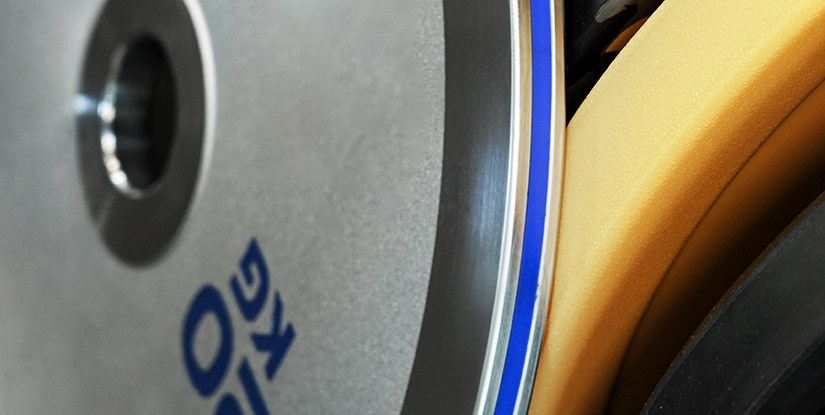
Beyond aesthetics, the quality of the center bore and the edge smoothness are key indicators of a professional manufacturing process. A well-calibrated bore ensures a consistent fit on barbell sleeves, reducing the friction that often leads to premature wear in lower-tier equipment. For buyers focused on high-volume wholesale cast iron plates, verifying these technical details—such as the precision of the machining and the adhesion strength of the coating—is a vital part of the pre-shipment inspection process to ensure the landed quality meets commercial expectations.
China Factory Export QC and Pre-Shipment Inspection Standards
Maintaining consistent quality during cast iron weight plate factory direct sourcing is critical for distributors managing long-term inventory and client satisfaction. When importing in bulk, the risk of receiving batches with uneven weight distribution or poor surface adhesion can significantly impact your landed cost and replacement planning. A professional China factory direct sourcing model must include a multi-stage verification process to ensure every unit meets commercial-grade expectations.
Reliable commercial gym weight plates undergo a rigorous inspection workflow that begins at the casting stage and extends through to the final export packaging. For high-volume wholesale cast iron plates, a standardized pre-shipment inspection is the primary defense against common failure modes such as uneven thickness, brittle edges, or improper bore fit. This ensures that the weight tolerance remains within industry-standard ranges and the surface finish remains durable under heavy commercial use.
Standardized Inspection Workflow for Bulk Orders
A professional factory implements a layered approach to quality control to mitigate risks for overseas importers. This process typically moves from raw material verification to physical dimension checks and finally to aesthetic and structural assessments. For an OEM or ODM order, these steps are often customized to meet the specific branding or technical requirements of the buyer.
During the pre-shipment inspection, technical staff focus on several key control points. First, the concentricity and bore diameter are checked to ensure a smooth fit on Olympic barbells. Second, a weight spot-check is performed to verify that the weight tolerance aligns with the specified tier. Finally, the surface finish—whether it is a powder coating or a phosphate treatment—is inspected for adhesion strength and uniformity to prevent premature chipping in a high-traffic gym environment.
| Inspection Stage | Primary Focus Area | Typical QC Point | Commercial Impact |
|---|---|---|---|
| Post-Casting | Structural Integrity | Surface cracks and casting flaws | Reduces return rates and replacement costs |
| Machining | Precision Fit | Bore diameter and concentricity | Ensures smooth barbell rotation and longevity |
| Coating/Finishing | Durability | Coating adhesion and uniformity | Maintains professional appearance and prevents rust |
| Final Weight Check | Accuracy | Weight tolerance compliance | Maintains credibility for professional training |
| Packaging | Export Safety | Carton drop and stacking strength | Protects inventory during sea freight and transit |
For distributors managing large-scale wholesale shipments, we recommend requesting a detailed inspection report or arranging a third-party audit before the final container loading. Confirming these QC steps during the sourcing phase helps stabilize your TCO and ensures your private label products arrive ready for immediate commercial deployment.
Optimizing Logistics and Export Readiness
Effective sourcing requires more than just verifying the physical product; it demands a comprehensive understanding of how the goods will survive the long-haul transit from a China factory to your local warehouse. For large-scale wholesale buyers, the integrity of the export packaging is just as vital as the casting quality itself. A failure in the outer packaging can lead to crushed cartons, damaged edges, and increased landed costs due to replacement requirements.
When managing high-volume orders, we prioritize reinforced packaging solutions designed for sea freight. This includes heavy-duty corrugated cartons and palletization techniques that ensure stability during container loading. For clients utilizing OEM or ODM services, we can also implement custom branding on the outer packaging or individual plate markings to strengthen your market identity. To ensure a seamless transition from the production line to your facility, we recommend discussing the MOQ and expected lead time during the initial quote phase, allowing for better inventory planning and shipping schedule coordination.
Before finalizing any cast iron weight plate factory direct contract, we invite professional buyers to request a sample evaluation or a technical specification sheet. This allows you to verify the weight calibration and coating adhesion firsthand, ensuring the batch meets your specific commercial standards before the final pre-shipment inspection and container loading begins.
Optimizing Landed Cost Through Packaging and Logistics
For professional distributors and gym equipment importers, the final landed cost often dictates the total profit margin of a product line. When sourcing cast iron weight plate factory direct, the price per unit is only one variable in a complex equation that includes freight, duties, and handling. Because cast iron products are exceptionally dense, the primary logistics challenge is not volume, but rather the efficient management of extreme weight within a shipping container.
Inefficient wholesale cast iron plates procurement often leads to "dead space" in containers or, conversely, exceeding weight limits that trigger heavy surcharges. To mitigate these risks, a professional China factory will implement strict container optimization protocols. This involves precise palletization techniques to ensure that the heavy plates are stacked securely, preventing shifting during sea transit that could damage the product or the container structure.
Effective bulk procurement requires a strategic approach to shipping volume. Rather than focusing on how many boxes fit, experienced buyers look at how many tons can be safely loaded to maximize the utility of each TEU (Twenty-foot Equivalent Unit). By working directly with a supplier who understands commercial gym weight plates logistics, you can utilize optimized loading patterns that balance weight distribution and structural integrity, ultimately lowering your landed cost through better China factory direct sourcing.
| Shipping Strategy | Focus Area | Commercial Impact | Procurement Benefit |
|---|---|---|---|
| Standard Palletization | Stability & Protection | Lower breakage risk | Standardized warehouse handling |
| High-Density Container Loading | Weight-to-Volume Ratio | Minimizes air freight costs | Maximizes profit per container |
| Custom Export Packaging | Durability & Branding | Protects surface coating | Reduces returns and claims |
When evaluating your next shipment, we recommend requesting a detailed packing list and a 3D loading plan from your factory. This allows you to verify the total weight and dimensions before the MOQ is even processed, ensuring your logistics provider can prepare for the heavy-duty arrival of your wholesale order.
For professional distributors and gym equipment importers, the final landed cost often dictates the total profit margin of a product line. When sourcing cast iron weight plate factory direct, the price per unit is only one variable in a complex equation that includes freight, duties, and handling. Because cast iron products are exceptionally dense, the primary logistics challenge is not volume, but rather the efficient management of extreme weight within a shipping container.
Inefficient wholesale cast iron plates procurement often leads to "dead space" in containers or, conversely, exceeding weight limits that trigger heavy surcharges. To mitigate these risks, a professional factory will implement strict container optimization protocols. This involves precise palletization techniques to ensure that the heavy plates are stacked securely, preventing shifting during sea transit that could damage the product or the container structure.
Effective bulk procurement requires a strategic approach to shipping volume. Rather than focusing on how many boxes fit, experienced buyers look at how many tons can be safely loaded to maximize the utility of each TEU (Twenty-foot Equivalent Unit). By working directly with a supplier who understands commercial gym weight plates logistics, you can utilize optimized loading patterns that balance weight distribution and structural integrity, ultimately lowering your landed cost through better China factory direct sourcing.
| Shipping Strategy | Focus Area | Commercial Impact | Procurement Benefit |
|---|---|---|---|
| Standard Palletization | Stability & Protection | Lower breakage risk | Standardized warehouse handling |
| High-Density Container Loading | Weight-to-Volume Ratio | Minimizes air freight costs | Maximizes profit per container |
| Custom Export Packaging | Durability & Branding | Protects surface coating | Reduces returns and claims |
When evaluating your next shipment, we recommend requesting a detailed packing list and a 3D loading plan from your factory. This allows you to verify the total weight and dimensions before the MOQ is even processed, ensuring your logistics provider can prepare for the heavy-duty arrival of your wholesale order.
For professional distributors and gym equipment importers, the final landed cost often dictates the total profit margin of a product line. When sourcing cast iron weight plate factory direct, the price per unit is only one variable in a complex equation that includes freight, duties, and handling. Because cast iron products are exceptionally dense, the primary logistics challenge is not volume, but rather the efficient management of extreme weight within a shipping container.
Inefficient wholesale cast iron plates procurement often leads to "dead space" in containers or, conversely, exceeding weight limits that trigger heavy surcharges. To mitigate these risks, a professional factory will implement strict container optimization protocols. This involves precise palletization techniques to ensure that the heavy plates are stacked securely, preventing shifting during sea transit that could damage the product or the container structure.
Effective bulk procurement requires a strategic approach to shipping volume. Rather than focusing on how many boxes fit, experienced buyers look at how many tons can be safely loaded to maximize the utility of each TEU (Twenty-foot Equivalent Unit). By working directly with a supplier who understands commercial gym weight plates logistics, you can utilize optimized loading patterns that balance weight distribution and structural integrity, ultimately lowering your landed cost through better China factory direct sourcing.
| Packaging Type | Protection Level | Space Efficiency | Best For | Logistics Consideration |
|---|---|---|---|---|
| Standard Single Carton | Moderate | Low | Small retail orders | Higher volume per unit weight |
| Reinforced Export Carton | High | Medium | Standard wholesale distribution | Standardizes pallet stacking |
| Heavy-Duty Wooden Crate | Maximum | Low | Premium OEM bulk shipments | Prevents crushing in high-density loads |
| Custom Palletized Bundle | High | High | Large MOQ container orders | Optimizes weight-to-volume ratio |
When evaluating your next shipment, we recommend requesting a detailed packing list and a 3D loading plan from your factory. This allows you to verify the total weight and dimensions before the MOQ is even processed, ensuring your logistics provider can prepare for the heavy-duty arrival of your wholesale order.
Strategic Sourcing: MOQ and Custom Branding Options
Navigating the complexities of cast iron weight plate factory direct procurement requires a clear understanding of how scale impacts your bottom line. For distributors and large-scale gym operators, managing the balance between inventory depth and capital expenditure is a constant challenge. Sourcing through China factory direct sourcing allows you to bypass middleman markups, but it also necessitates a strategic approach to order volumes and design specifications.
When you establish a partnership with a specialized factory, you gain access to sophisticated OEM and ODM capabilities that are unavailable through standard trading companies. This is particularly critical for brands looking to build a distinct identity in a crowded market. By negotiating a specific MOQ, you can transition from purchasing generic stock to developing high-value, proprietary products that feature custom branding, such as embossed logos or specialized color-coded finishes, which enhance your brand equity and long-term market positioning.
For those managing wholesale distribution networks, the ability to offer differentiated commercial gym weight plates is a significant competitive advantage. A direct relationship with the manufacturer ensures that your custom branding remains consistent across different weight increments and that your specific technical requirements are met during the casting and coating stages, rather than relying on whatever is currently available in a trader's ready-to-ship inventory.
Comparing Customization Levels for Bulk Procurement
Deciding between standard stock and customized production depends heavily on your market positioning and volume capacity. While purchasing ready-to-ship items offers the fastest lead time, it limits your ability to build a unique product line. For professional importers, moving toward a private label model provides greater control over the final product's aesthetic and technical identity.
| Procurement Model | Customization Depth | Branding Options | Typical MOQ Impact | Best For |
|---|---|---|---|---|
| Standard Stock | Low (Standard dimensions and finishes) | None (Generic or standard markings) | Low (Easier for small orders) | Rapid replenishment/Small studios |
| Standard OEM | Moderate (Color coding or basic textures) | Embossed or Silk-screened logos | Medium (Requires volume commitment) | Distributors and growing gym chains |
| Full ODM | High (Custom molds and specialized coatings) | Full private label identity | High (Significant production scale) | Established global fitness brands |
When evaluating a supplier for long-term growth, consider how much control you require over the production sequence. A high-tier factory can accommodate complex requests—such as specific coating adhesion requirements or specialized handle textures—but these adjustments will naturally influence the final landed cost and shipping schedule. To ensure your brand standards are met, we recommend initiating a sample approval process and a formal factory audit before finalizing any high-volume production run.
Optimizing Landed Cost Through High-Volume Logistics
Effective wholesale cast iron plates procurement is not just about the initial unit price; it is about the total landed cost. For professional buyers, the interplay between container utilization, export packaging, and weight distribution determines the ultimate profitability of a shipment. When sourcing through a China factory direct sourcing model, the logistical efficiency of how your products are packed can significantly impact your margin.
High-volume orders often require specialized export packaging to prevent damage during long-transit ocean freight. A professional factory will utilize reinforced cartons or heavy-duty pallets designed to withstand the rigors of international shipping. For bulk orders, optimizing the loading pattern within a 20ft or 40ft container is essential to reduce the shipping cost per unit. We recommend discussing specific palletization or loose-loading requirements with your supplier during the initial sourcing phase to ensure that your MOQ levels align with the most cost-effective shipping configurations.
To mitigate the risk of receiving substandard batches, a rigorous pre-shipment inspection is a non-negotiable step in the wholesale workflow. A reliable factory should allow for a thorough QC process that includes weight spot-checks, coating adhesion tests, and bore diameter verification. By conducting these inspections before the goods leave the facility, you protect your distributor margins and ensure that the high-standard commercial gym weight plates you have ordered meet the exact specifications required for your market. We invite you to contact us to request a formal quote, confirm current MOQ, or discuss technical specifications for your next bulk order.