Calibrated Steel Plate Factory Direct: Cast Iron vs Rubber
Calibrated Steel Plate Factory Direct: Material Selection for Commercial Procurement
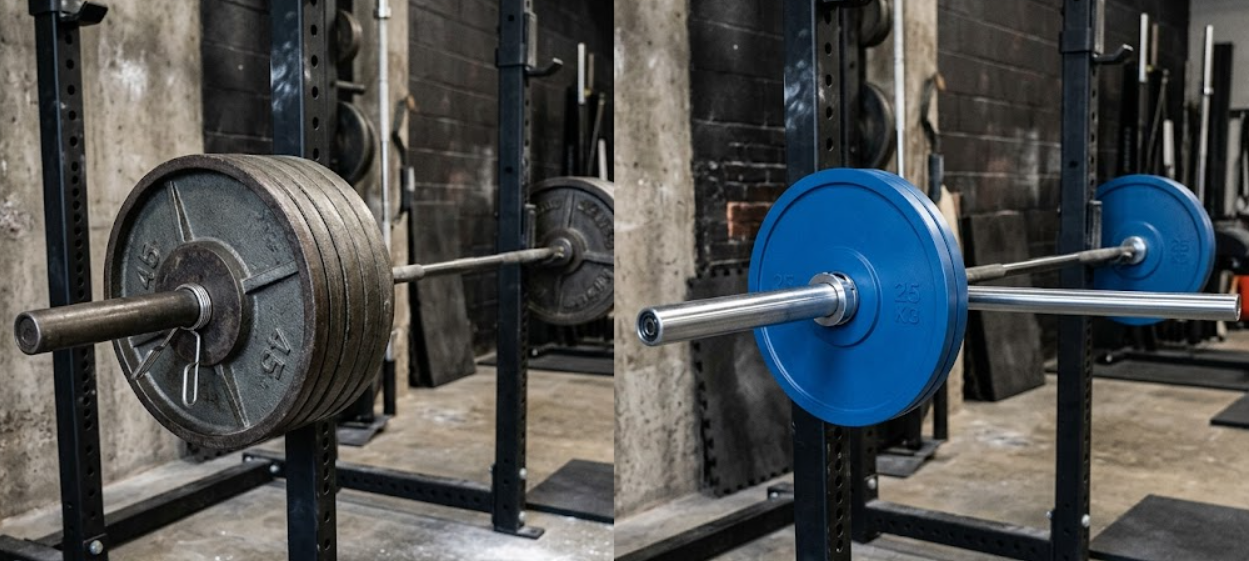
For large-scale fitness franchises or high-end hotel gym developers, the decision between cast iron and rubber-coated steel involves much more than aesthetics; it is a strategic calculation of long-term utility. When sourcing a calibrated steel plate factory direct, procurement officers must weigh initial capital expenditure against the long-term maintenance load. A professional commercial weight plate supplier provides options that balance immediate budget constraints with the durability required for high-traffic environments.
The primary driver in this selection process is the Total Cost of Ownership (TCO). While standard cast iron plates provide a high density and a lower entry price for bulk orders, rubber-coated or urethane-finished plates offer superior floor protection and noise reduction. For distributors focused on high-turnover boutique studios, the wholesale gym equipment manufacturing standards for coating adhesion and impact resistance become critical factors in preventing premature product replacement and maintaining brand reputation.
Material and Process Comparison for Bulk Sourcing
| Material Type | Common Coating/Finish | Manufacturing Process | Commercial Duty Tier | Typical MOQ Impact | Primary QC Point |
|---|---|---|---|---|---|
| Cast Iron | Paint or Enamel | Sand Casting & Machining | Budget Commercial | Lower | Weight Tolerance |
| Steel Core | Powder Coating | Steel Fabrication & Coating | Standard Commercial | Medium | Coating Adhesion |
| Steel Core | Rubber or PU Coating | Molding or Dip Coating | Premium Commercial | Higher | Bore Fit & Surface Uniformity |
Understanding these distinctions allows a supplier to better align production with a buyer's specific facility needs. For example, a China factory specializing in high-density plating will often suggest different manufacturing routes depending on whether the client requires a standard painted finish or a more resilient encapsulated rubber layer. When negotiating wholesale contracts, transparency regarding the factory production sequence—from raw casting to final calibration—is essential to ensure the landed cost reflects the actual quality of the durable components being imported.
Optimizing Maintenance and Durability via Material Choice
The selection of weight plate materials directly impacts the operational expenses of a commercial facility. When evaluating a calibrated steel plate factory direct, buyers must consider how material-specific failures—such as oxidation on bare iron or coating peeling on steel—affect the long-term replacement cycle. For high-volume strength centers, the durability of the outer layer is just as important as the precision of the internal weight calibration.
Choosing the correct material profile can drastically reduce the labor required for facility upkeep. For instance, while cast iron is highly durable, it typically requires more frequent monitoring for surface rust in high-humidity environments. Conversely, rubber-coated steel plates provide an integrated solution for noise reduction and floor protection, which can lower the maintenance burden on facility staff. For professional importers, aligning these material choices with the target facility's usage level ensures a higher ROI and more predictable long-term costs.
Before finalizing a bulk order, we recommend requesting a detailed technical specification sheet from your supplier. This should include details on the coating adhesion methods used and the specific calibration steps taken during the final production stages. A thorough factory audit or a sample evaluation can confirm whether the manufacturing output meets your brand's quality standards for high-traffic commercial environments.
For large-scale fitness franchises or high-end hotel gym developers, the decision between cast iron and rubber-coated steel involves much more than aesthetics; it is a strategic calculation of long-term utility. When sourcing a calibrated steel plate factory direct, procurement officers must weigh initial capital expenditure against the long-term maintenance load. A professional commercial weight plate supplier provides options that balance immediate budget constraints with the durability required for high-traffic environments.
The primary driver in this selection process is the Total Cost of Ownership (TCO). While standard cast iron plates provide a high density and a lower entry price for bulk orders, rubber-coated or urethane-finished plates offer superior floor protection and noise reduction. For distributors focused on high-turnover boutique studios, the wholesale gym equipment manufacturing standards for coating adhesion and impact resistance become critical factors in preventing premature product replacement and maintaining brand reputation.
Comparing Cast Iron and Rubber-Coated Steel for Long-Term ROI
When managing procurement for high-traffic fitness facilities, understanding the Total Cost of Ownership (TCO) is more critical than simply evaluating the initial unit price. For distributors and gym owners, selecting a calibrated steel plate factory direct source allows for better control over the long-term lifecycle of the equipment. The choice between traditional cast iron and rubber-coated steel involves balancing upfront landed costs against long-term maintenance and facility protection requirements.
A commercial weight plate supplier must provide clarity on how material selection affects your operational overhead. While cast iron offers a lower initial entry point, rubber-coated options often mitigate secondary costs such as flooring replacement and noise reduction. Sourcing directly from a China factory ensures you can select the specific material profile that aligns with your target market's durability expectations and budget constraints.
| Material Type | Primary Coating | Typical Application | Floor Protection Level | Maintenance Demand | Procurement Tier |
|---|---|---|---|---|---|
| Cast Iron | Paint or Powder Coating | Standard Commercial Gyms | Moderate (Requires Mats) | Low (Surface Check) | Budget / Economy |
| Rubber-Coated Steel | Encapsulated Rubber | High-Impact Training Centers | High (Integrated) | Low (Surface Wear) | Premium / Performance |
| Steel Plate | Bare or Painted | Strength & Conditioning | Low (High Impact) | Moderate (Rust/Scratches) | Standard Commercial |
Optimizing your wholesale gym equipment manufacturing strategy requires a deep dive into these material trade-offs. A premium rubber-coated plate may have a higher MOQ or unit price, but the reduction in floor damage and the extended lifespan of the product often results in a superior long-term ROI for large-scale distributors. When managing sourcing, always request technical specifications regarding the bonding process to ensure the coating adheres reliably under heavy use.
Selecting the correct material profile is a strategic decision that impacts both your initial capital expenditure and your long-term facility maintenance schedule. For those seeking a calibrated steel plate factory direct solution, the distinction between cast iron and rubber-coated steel often dictates the target demographic of the end-user facility. While cast iron is a staple for traditional strength training due to its density and lower cost, rubber-coated variants are increasingly prioritized in premium environments where noise reduction and floor preservation are essential to operational longevity.
From a wholesale gym equipment manufacturing perspective, the manufacturing complexity of these two options differs significantly. Cast iron plates typically undergo a process of sand casting followed by surface treatment such as powder coating or paint to prevent oxidation. In contrast, high-tier rubber-coated plates require an encapsulation process where the steel core is integrated with a durable outer layer. This added layer of production complexity is why a commercial weight plate supplier may offer different pricing structures based on the technical requirements of the finish.
| Material | Coating/Finish | Primary Benefit | Commercial Use Case | Procurement Focus |
|---|---|---|---|---|
| Cast Iron | Paint or Powder Coating | Cost-Efficiency | Standard Commercial Gyms | Low Landed Cost |
| Steel Plate | Chrome or Enamel | Precision & Durability | Strength & Conditioning | Weight Tolerance |
| Rubber-Coated Steel | Encapsulated Rubber | Impact Absorption | Premium Training Centers | Longevity & Noise Control |
When evaluating your next bulk order, consider that the choice of material influences more than just the weight. A China factory producing rubber-coated variants will often focus heavily on the adhesion strength between the steel core and the outer shell to prevent delamination during heavy use. To ensure high-quality results, we recommend that buyers confirm the specific manufacturing route and request a sample to verify the coating integrity. Detailed inspection of the bond line and the weight calibration during the pre-shipment QC stage is vital to ensuring the long-term ROI of your shipment.
Deciding between these material profiles depends on your facility's specific operational goals and long-term maintenance budget. For high-volume distributors, sourcing a calibrated steel plate factory direct provides the transparency needed to align product specs with end-user expectations. If your target market prioritizes rapid turnover and lower initial capital expenditure, standard cast iron remains the industry benchmark. However, if your clients demand a premium environment with reduced acoustic impact and minimal flooring wear, investing in rubber-encapsulated steel is a more strategic move for long-term value.
To streamline your procurement, we recommend contacting our team to discuss your specific wholesale gym equipment manufacturing requirements. We offer comprehensive support for large-scale projects, including assistance with OEM and ODM specifications to ensure your brand identity is perfectly executed. Whether you are looking to refine custom branding or require technical data on coating adhesion, our experts can provide detailed documentation. Please reach out to request a formal quote, confirm your MOQ, or schedule a consultation regarding lead times and container loading optimization for your next bulk order.
Manufacturing Processes and Surface Finishing Standards
Understanding the technical distinction between material types is essential for high-volume procurement. When sourcing calibrated steel plate factory direct, buyers must distinguish between the foundational casting methods and the subsequent surface treatments that dictate the long-term durability and maintenance requirements of a commercial facility.
For distributors managing large-scale gym builds, the choice between raw cast iron and high-end rubber-coated options affects both the initial landed cost and the long-term replacement cycle. A professional commercial weight plate supplier will typically utilize different production lines depending on whether the goal is a budget-friendly iron set or a premium bumper plate solution.
Cast Iron Production via Sand Casting
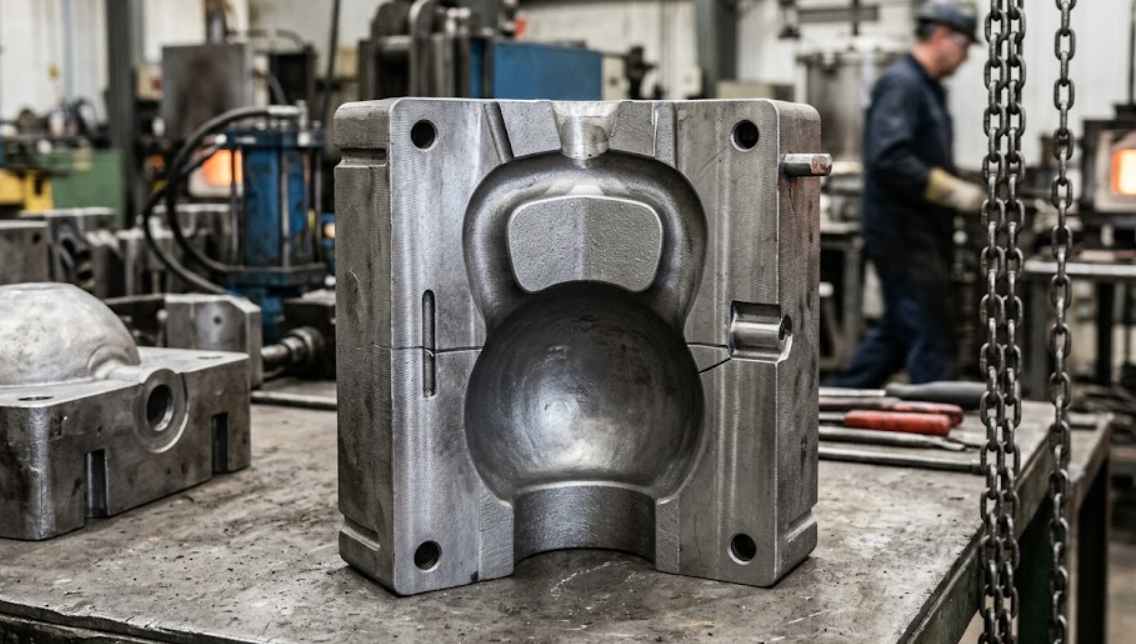
The most common method for producing high-volume commercial plates is sand casting. This process involves creating a mold from a sand-based mixture, into which molten gray iron is poured. This manufacturing process is highly efficient for mass production, allowing a China factory to maintain consistent output for large wholesale orders. After the initial cooling phase, the plates undergo CNC machining to ensure the center bore meets industry-standard concentricity requirements, which is a critical step for ensuring a smooth fit on Olympic barbells.
Once the shape is finalized, the plates move to the surface finishing stage. For standard iron plates, this typically involves a phosphate treatment or a basic paint application to prevent oxidation. However, for more durable commercial-grade requirements, many importers request a high-grade powder coating. This creates a hard, resilient layer that protects the underlying metal from scratches and environmental moisture, significantly reducing the maintenance load for gym operators.
Rubber Molding and Advanced Encapsulation
For premium facilities requiring high impact resistance, the production route shifts toward rubber molding. This process often involves a steel core that is encapsulated within a high-density rubber or polyurethane layer. This specialized wholesale gym equipment manufacturing technique ensures that the weight remains stable even under heavy use. The bond line between the steel core and the outer coating is a primary focus during pre-shipment QC, as improper adhesion can lead to material separation over time.
| Material Type | Primary Process | Surface Treatment | Commercial Duty Tier | Maintenance Requirement |
|---|---|---|---|---|
| Cast Iron | Sand Casting | Powder Coating or Paint | Budget to Mid-Tier | Moderate (Rust prevention) |
| Steel Core with Rubber | Molding / Encapsulation | High-Density Rubber/PU | Premium / High-Impact | Low (Floor & Equipment protection) |
| Solid Steel | Machining / Precision Casting | Chrome or Enamel | Competition / Elite | Minimal (High durability) |
When evaluating your calibrated steel plate factory direct options, always request a detailed spec sheet regarding the coating adhesion and the thickness of the encapsulation layer. For large-scale sourcing, confirming these technical details during the sample approval stage prevents costly replacement issues in the field.
Understanding the technical distinction between material types is essential for high-volume procurement. When sourcing calibrated steel plate factory direct, buyers must distinguish between the foundational casting methods and the subsequent surface treatments that dictate the long-term durability and maintenance requirements of a commercial facility.
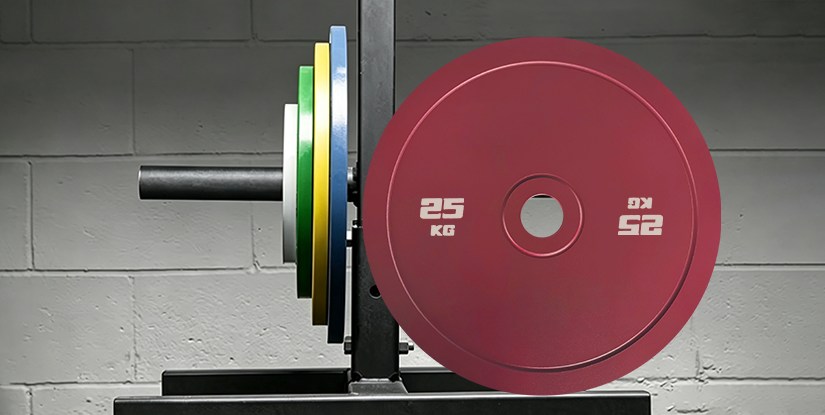
For distributors managing large-scale gym builds, the choice between raw cast iron and high-end rubber-coated options affects both the initial landed cost and the long-term replacement cycle. A professional commercial weight plate supplier will typically utilize different production lines depending on whether the goal is a budget-friendly iron set or a premium bumper plate solution.
Weight Calibration and Concentricity Checks
Accuracy is achieved through a multi-stage verification process. After the casting or molding phase, each plate must undergo a weight calibration check. In a professional China factory setting, this typically involves high-precision electronic scales to ensure the mass stays within an acceptable commercial tolerance band. Beyond weight, a concentricity check is mandatory. This ensures the center bore is perfectly aligned and centered, preventing the "wobble" effect that can damage high-end barbells and increase wear on the equipment. Without this step, the plates may not sit flat, leading to uneven weight distribution during heavy lifts.
Pre-Shipment QC and Export Readiness
The final stage of the wholesale gym equipment manufacturing workflow is the pre-shipment QC. This stage is vital for international buyers to ensure that the product arriving at the warehouse matches the approved sample. Standard inspection protocols should include a coating adhesion test to ensure the surface treatment does not flake under impact, as well as a visual inspection for edge smoothness and bore consistency.
Furthermore, professional sourcing requires attention to logistics-grade durability. A reliable supplier will implement high-strength export packaging. For bulk orders, this includes heavy-duty corrugated cartons or reinforced wooden crates designed to withstand container loading and long-distance sea freight. Ensuring that the packaging can handle the weight and prevent edge damage during transit is essential for maintaining a low landed cost and avoiding arrival-day disputes.
To secure the best results for your next procurement cycle, we recommend requesting a formal specification sheet, confirming the specific MOQ for your custom branding requirements, and arranging for a factory audit or a sample approval process before committing to a full container load.
China Factory Export QC: Ensuring Precision and Durability
For distributors and gym operators, the risk of receiving non-compliant weight sets can derail a launch or damage a brand's reputation. Securing a calibrated steel plate factory direct source ensures that every unit meets strict commercial gym standards before leaving the floor. When sourcing in bulk, relying on a commercial weight plate supplier with a rigorous pre-shipment protocol is the only way to mitigate procurement risk and ensure long-term reliability for high-traffic facilities.
Effective wholesale gym equipment manufacturing must go beyond simple weight checks. A professional China factory implements a multi-stage inspection sequence—typically covering casting integrity, machining precision, and coating adhesion—to ensure the final product can withstand the mechanical stresses of a commercial environment. This level of oversight protects your landed cost by reducing the frequency of replacements and client complaints.
The Role of Precision in Commercial Procurement
In a professional setting, weight tolerance is not just a technicality; it is a matter of equipment balance and user safety. High-quality manufacturing processes must ensure that the concentricity of the bore and the uniformity of the plate thickness remain consistent across the entire batch. A calibrated steel plate factory direct approach allows for closer monitoring of these critical variables during the machining and calibration stages, ensuring that the center of gravity remains stable during heavy use.
A reliable supplier understands that high-volume orders require standardized QC checkpoints. This includes inspecting the surface finish for any casting imperfections and verifying that the diameter of the Olympic sleeve remains within industry-standard tolerances. By prioritizing these technical details, importers can guarantee that their stock remains a premium offering in their local market.
Technical Inspection Checkpoints for Cast Iron and Rubber-Coated Units
To ensure product consistency across large-scale shipments, professional buyers should verify that the manufacturing sequence follows a strict progression: casting, machining, calibration, and final coating. For cast iron plates, the primary inspection focuses on the base flatness and the precision of the center bore. A high-grade commercial weight plate supplier will typically conduct spot-checks to ensure the concentricity of the inner hole is consistent, preventing uneven loading on the barbell during heavy lifting sessions.
When sourcing rubber-coated or polyurethane variants, the technical scrutiny shifts toward the bond line and encapsulation integrity. A critical QC step involves testing the coating adhesion to ensure the rubber does not peel or delaminate from the steel core under high-impact use. For calibrated steel plate factory direct orders, importers should request verification of the rubber edge bonding and the thickness uniformity of the outer layer. This prevents premature wear and ensures the durability required for high-traffic commercial gym environments.
A professional wholesale gym equipment manufacturing facility will also implement rigorous pre-shipment protocols regarding the final assembly and export-ready state. This includes inspecting the smoothness of the weight markings and ensuring that the base material is free from significant casting defects or surface irregularities. By confirming these technical benchmarks—such as weight tolerance stability and surface finish quality—before the container is sealed, distributors can minimize the risk of receiving defective stock and optimize their long-term return on investment.
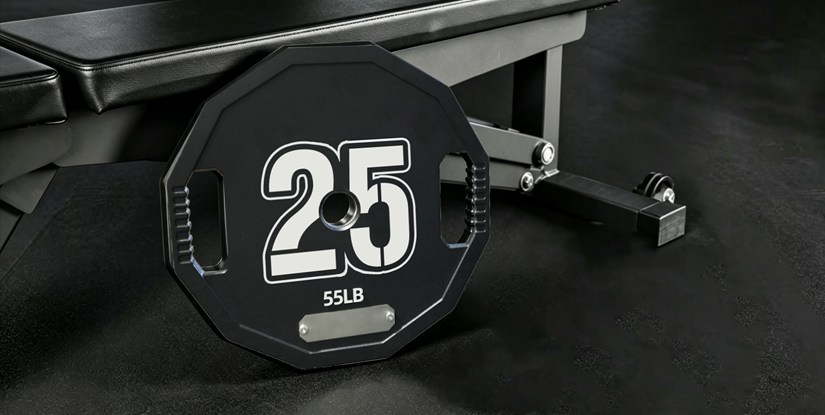
Material and Process Comparison for Commercial Procurement
Evaluating the material composition and manufacturing route is essential for calculating the total cost of ownership. For example, while bare or painted cast iron offers a lower initial purchase price, the long-term maintenance and floor protection costs may increase. Conversely, rubber-coated steel plates typically require more complex production steps—such as specialized molding or high-adhesion coating—but offer higher durability in high-traffic settings. Understanding these technical trade-offs allows a supplier to better align product specifications with your facility's operational needs.
| Material | Surface/Coating | Primary QC Focus | Commercial Durability | Inspection Point | Sourcing Consideration |
|---|---|---|---|---|---|
| Cast Iron | Paint or Enamel | Base Flatness & Bore Precision | Moderate (Requires Floor Mats) | Center Hole Concentricity | Best for Budget-Tier Sets |
| Steel Core | Rubber or PU Coating | Bond Line Adhesion | High (Impact Resistant) | Outer Layer Thickness | Ideal for Premium Commercial Use |
| Solid Steel | Powder Coating | Surface Smoothness | High (Corrosion Resistant) | Coating Adhesion Quality | Standard for High-Volume Gyms |
When evaluating a calibrated steel plate factory direct option, we recommend requesting a sample or a detailed specification sheet to verify these qualitative tiers. For large-scale wholesale orders, confirm whether the China factory provides specialized export packaging to protect the coating integrity during sea freight. Establishing these technical benchmarks early in the sourcing process ensures your bulk order meets the professional standards required for your distribution or installation projects.
Sourcing Strategies: MOQ, OEM, and Lead Times for Bulk Orders
Managing inventory margins requires a deep understanding of how calibrated steel plate factory direct procurement affects your landed cost. For distributors, the tension between maintaining low overhead and offering a diverse product catalog often rests on how you navigate wholesale gym equipment manufacturing parameters. Choosing between standard stock and specialized runs is a strategic decision that impacts both your storage efficiency and your brand positioning in the market.
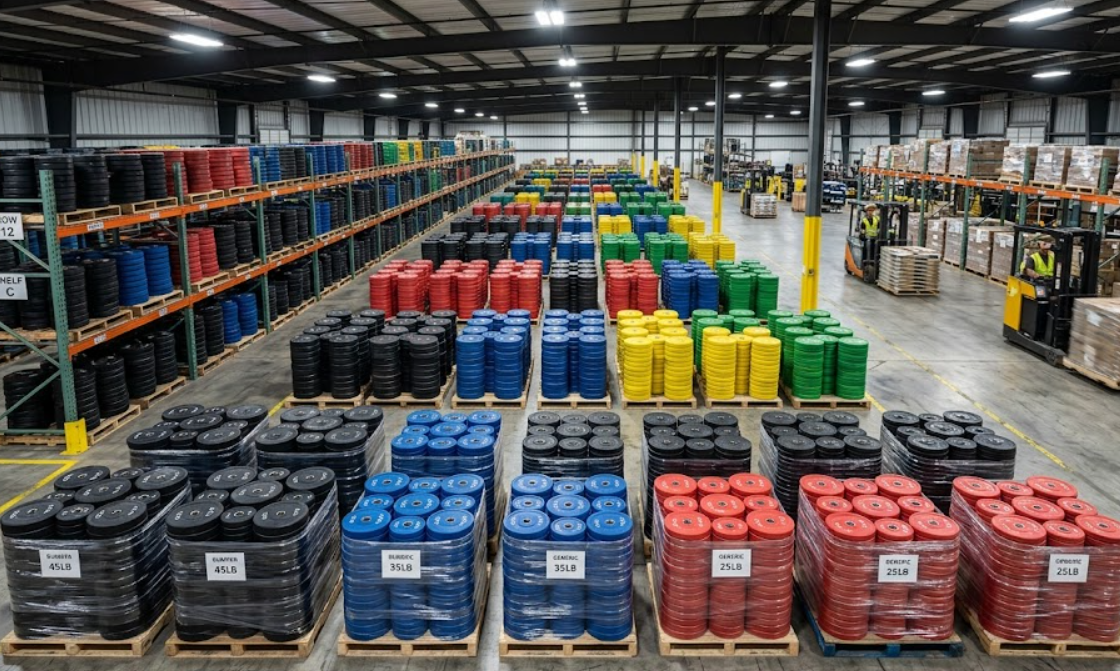
When scaling a product line, the MOQ serves as the primary lever for controlling unit costs. Sourcing high-volume orders directly from a China factory allows for significant economies of scale, particularly when moving from basic cast iron to more premium rubber-coated or PU-coated steel plates. However, high-volume procurement must be balanced against lead time volatility. Custom production cycles—ranging from the initial casting phase to the final surface coating and weight calibration—can extend the timeline compared to purchasing off-the-shelf stock. For distributors, planning these cycles is essential to avoid stockouts during peak seasonal demand.
For partners looking to build long-term brand equity, OEM and ODM services provide the ability to move beyond generic white-label products. Through custom branding, you can integrate your own logo into the plate design, whether via silk-screened marking or recessed embossing. While ODM options allow for more significant structural or material modifications, they typically require a longer production cycle and higher initial commitments. Successful importers leverage these capabilities to differentiate their product tiers—offranging from budget-friendly iron sets to premium, branded steel plates that command higher retail margins.
Evaluating Material Selection and Operational Impact
To optimize your total cost of ownership, procurement officers must look beyond the initial purchase price and consider the long-term maintenance and floor protection requirements of a commercial facility. A strategic commercial weight plate supplier will provide clear data on how different material finishes affect both the shipping volume and the durability of the units in a high-traffic environment. For instance, while cast iron plates are highly efficient for shipping due to their compact density, rubber-coated or PU-coated alternatives offer superior impact absorption, reducing the long-term cost of facility repairs.
| Material Type | Primary Coating | Standard Process | Key QC Point | Floor Protection | Commercial Duty Tier |
|---|---|---|---|---|---|
| Cast Iron | Paint or Enamel | Sand Casting & Machining | Bore Fit & Surface Smoothness | Low (Requires Mats) | Budget / Standard |
| Steel (Rubber Coated) | Rubber/PU Layer | Casting & Injection Molding | Coating Adhesion & Edge Bond | High | Premium / High-Traffic |
| Steel (Powder Coated) | Powder Coating | Casting & Finishing Line | Coating Uniformity | Moderate | Mid-Tier Commercial |
When calculating your landed cost, remember that rubber-coated plates often occupy more volume per unit than bare iron, which can influence container loading efficiency and freight expenses. Selecting the right specification based on your target market—whether it is a high-intensity strength facility or a boutique studio—will ensure your calibrated steel plate factory direct sourcing strategy maximizes both product longevity and distributor margins.
Optimizing Your Procurement: From Sample Approval to Container Loading
Efficient sourcing begins with a structured workflow to minimize landed cost and ensure specification accuracy. When engaging a calibrated steel plate factory direct, the process moves from initial sample evaluation to a rigorous production lead time schedule. This structured transition is essential for distributors managing large-scale inventory or gym equipment rollouts.
Reliable wholesale gym equipment manufacturing relies on a predictable sequence: once the buyer confirms the prototype meets the required weight tolerance and finish standards, the factory initiates the bulk order. This phase includes precision machining, surface treatment, and a comprehensive QC inspection to verify the concentricity and bore fit of every unit. Finally, high-density export packaging is utilized to secure the goods within the container, protecting the plates from moisture and physical impact during maritime transit.
For a professional commercial weight plate supplier, transparency in these stages—from the initial MOQ agreement to the final loading report—is what differentiates a high-tier sourcing partner from a standard vendor. We recommend clients book a pre-shipment inspection to verify the weight distribution and coating integrity before the container is sealed.
Choosing between traditional iron and coated alternatives is a critical decision for long-term TCO (Total Cost of Ownership). While cast iron offers a cost-effective solution for standard strength training, rubber-coated or steel-encapsulated options provide superior floor protection and noise reduction in high-traffic commercial environments. For many importers, the decision rests on balancing initial capital expenditure against the long-term maintenance and replacement costs of the equipment.
A professional commercial weight plate supplier must provide clear technical differentiation to help buyers optimize their inventory. Below is a comparative breakdown of common material tiers used in wholesale gym equipment manufacturing to assist in your selection process.
| Material Type | Surface Coating/Process | Commercial Duty Tier | Floor Protection | Typical Sourcing Context |
|---|---|---|---|---|
| Cast Iron (Gray Iron) | Painted or Powder Coated | Budget/Standard Commercial | Low (Requires Mats) | High-volume strength facilities |
| Steel Core (Solid Steel) | Chrome or Black Oxide | Premium/Competition | Moderate | Specialized strength clubs |
| Steel/Iron Base | Rubber or PU Encapsulation | High-End Commercial | High (Integrated) | Full-service fitness centers |
When sourcing calibrated steel plate factory direct, buyers should evaluate the bond line integrity of coated units. In many commercial settings, the longevity of the coating determines whether the plates remain a high-value asset or become a maintenance liability. We suggest requesting a sample evaluation to inspect the adhesion of the rubber or powder coating under standard stress conditions before finalizing a bulk order.
Selecting the right material specification is a critical step in determining the long-term TCO (Total Cost of Ownership) for any fitness facility. While traditional cast iron remains a staple for high-volume strength training, premium rubber-encapsulated or steel-core options offer enhanced durability and floor protection. For professional importers, the choice depends on balancing initial procurement costs against the maintenance requirements of the target market.
A professional commercial weight plate supplier must provide clear differentiation between these material tiers to assist in high-level procurement. Below is a comparative breakdown of common material and coating options used in wholesale gym equipment manufacturing to aid your inventory planning.
| Material Type | Surface Coating/Process | Commercial Duty Tier | Floor Protection | Typical Sourcing Context |
|---|---|---|---|---|
| Cast Iron (Gray Iron) | Painted or Powder Coated | Budget/Standard Commercial | Low (Requires Mats) | High-volume strength facilities |
| Solid Steel | Chrome or Black Oxide | Premium/Competition | Moderate | Specialized strength clubs |
| Steel/Iron Base | Rubber or PU Encapsulation | High-End Commercial | High (Integrated) | Full-service fitness centers |
When sourcing calibrated steel plate factory direct, procurement officers should prioritize the bond line integrity of encapsulated units. In many commercial settings, the durability of the surface finish determines whether the plates remain a high-value asset or a maintenance liability. We recommend requesting a detailed spec sheet or a sample evaluation to inspect the coating adhesion and edge finish before finalizing any bulk order.