Calibrated Steel Plate Export Supplier: Cast Iron vs Rubber
Calibrated Steel Plate Export Supplier: Material Performance and TCO
When sourcing high-volume weight sets, professional buyers must evaluate risk, technical specifications, and logistics before committing to a calibrated steel plate export supplier. Selecting the wrong material profile often leads to unexpected replacement cycles or increased facility maintenance costs. A reliable China factory provides more than just a product; they offer a strategic advantage through optimized landed costs and long-term durability, ensuring that your initial procurement investment aligns with the actual usage demands of a high-throughput commercial environment.
The decision between cast iron and rubber-coated steel involves a complex calculation of upfront capital expenditure versus long-term operational expenditure. While bare iron or painted options offer a lower entry price, they often require more frequent oversight regarding surface oxidation or floor impact damage. Conversely, premium rubber-coated or PU-coated units provide enhanced commercial durability and noise reduction, which is essential for maintaining premium facility standards and reducing wear on flooring systems.
TCO Analysis: Cast Iron vs Rubber-Coated Steel
Understanding the total cost of ownership is critical for distributors and gym owners managing large-scale deployments. A calibrated steel plate export supplier can offer various tiers to balance these needs. For example, budget-conscious facilities may prioritize the lower wholesale price of cast iron, whereas high-end studios often invest in rubber-coated alternatives to extend the lifespan of the equipment and protect the facility infrastructure.
| Material Tier | Common Process | Key Component/Finish | Commercial Duty | Maintenance Requirement |
|---|---|---|---|---|
| Cast Iron | Sand Casting & Machining | Painted or Phosphate Surface | Standard Commercial | Moderate (Rust Prevention) |
| Rubber-Coated Steel | Steel Core & Vulcanization | High-Grade Rubber Layer | Premium/High-Traffic | Low (Impact Protection) |
| PU Coated Steel | Steel Core & Injection | Polyurethane Encapsulation | Luxury/Studio | Minimal (High Aesthetic) |
Effective commercial weight plate manufacturing focuses on the longevity of these surface treatments. A high-quality supplier ensures that the bond between the steel core and the outer coating is resilient against chipping or peeling during heavy use. When evaluating wholesale gym equipment materials, procurement leads should verify the manufacturing sequence—from the initial casting to the final calibration and coating application—to ensure the product meets the expected replacement frequency of their specific facility type.
Procurement Decision Matrix: Material Selection and Logistics
Selecting the appropriate material profile is not merely a choice of aesthetics; it is a strategic decision affecting your long-term inventory and maintenance budgets. A professional calibrated steel plate export supplier will provide detailed technical documentation to help you weigh the trade-offs between initial procurement costs and the total cost of ownership. For high-volume distributors, understanding the nuances of manufacturing processes—such as the difference between simple paint application and advanced vulcanization—is essential for maintaining high-quality standards for your end clients.
| Material Tier | Manufacturing Process | Key Component/Finish | Commercial Duty | MOQ Impact | Factory QC Point |
|---|---|---|---|---|---|
| Cast Iron | Sand Casting & Machining | Phosphate or Paint | Standard Commercial | Lower | Bore Fit & Surface Uniformity |
| Rubber-Coated Steel | Steel Core & Vulcanization | High-Grade Rubber Layer | Premium/High-Traffic | Moderate | Coating Adhesion & Edge Bonding |
| PU Coated Steel | Steel Core & Injection | Polyurethane Encapsulation | Luxury/Studio | Higher | Shell Thickness & Core Alignment |
To mitigate risks during bulk sourcing, we recommend that procurement managers conduct a thorough review of the production sequence. A reputable China factory should be able to demonstrate a standardized workflow: from the initial casting or steel core fabrication to precision machining, followed by the specific coating or encapsulation process, and concluding with a rigorous calibration and pre-shipment inspection. This level of transparency ensures that your wholesale gym equipment materials arrive with consistent weight tolerances and structural integrity.
When finalizing your order, consider the impact of shipping volumes on your landed cost. Different materials and packaging configurations can significantly alter container loading efficiency. We suggest requesting a formal quote that includes detailed specifications for both the product and the export packaging to ensure a smooth arrival at your warehouse or distribution center.
Logistics Optimization: Shipping Volume and Weight-to-Volume Ratio
Strategic bulk order planning requires a deep understanding of how material density affects your container utilization. While cast iron plates offer a high weight-to-volume ratio, making them highly efficient for heavy-duty shipping, rubber-coated or PU-encapsulated plates occupy more physical space due to their increased thickness. A professional calibrated steel plate export supplier will assist you in calculating the optimal mix of products to maximize shipping volume and minimize the impact of freight costs on your total landed cost.
For distributors managing large-scale inventory, optimizing logistics efficiency is as critical as the product quality itself. Depending on your MOQ and whether you require OEM or ODM customization, the final dimensions of the product and its export packaging will change. We recommend coordinating closely with your supplier during the sourcing phase to align your weight requirements with container loading patterns, ensuring that your high-volume shipments are both cost-effective and structurally secure during transit.
Comparing Cast Iron and Rubber-Coated Steel for Commercial Deployment
When selecting a calibrated steel plate export supplier, the choice between cast iron and rubber-coated steel significantly impacts both long-term maintenance and total cost of ownership. For large-scale commercial weight plate manufacturing, procurement leads must balance the immediate landed cost against the durability requirements of the facility. While cast iron offers a traditional, high-density profile, rubber-coated options provide essential advantages in noise reduction and surface longevity.
Choosing the wrong material can lead to increased floor repair costs or premature equipment wear. A professional supplier must provide clear specifications regarding the thickness of the coating and the quality of the internal steel core to ensure the product meets the demands of high-throughput environments. Understanding these material trade-offs is essential for optimizing your wholesale gym equipment materials procurement strategy.
Material Performance and Procurement Comparison
The following comparison outlines how different material compositions affect commercial utility and long-term operational expenses. This data is intended to assist distributors in making informed sourcing decisions based on facility type and budget constraints.
| Material Type | Primary Process | Commercial Duty Tier | Floor Protection | Procurement Focus |
|---|---|---|---|---|
| Cast Iron | Sand Casting & Machining | Budget to Mid-Tier | Low (Requires Mats) | Low TCO & High Density |
| Rubber-Coated Steel | Steel Core & Molding/Dipping | Premium Commercial | High (Impact Absorption) | Durability & Noise Control |
| Powder Coated Steel | Steel Fabrication & Coating | Standard Commercial | Moderate | Aesthetics & Rust Resistance |
Optimizing TCO via Material Selection
For distributors focusing on high-volume gym setups, the calibrated steel plate export supplier can offer different tiers of finishing to meet specific client needs. Cast iron remains a staple for strength-focused facilities due to its compact footprint and lower wholesale price point. However, for premium fitness clubs where acoustic management and floor longevity are priorities, the investment in rubber-coated or PU-coated steel is often more cost-effective over a five-year lifecycle.
When evaluating a China factory for bulk orders, it is vital to confirm the specific manufacturing route. For rubber-coated plates, ensure the process includes a high-quality steel core and a consistent encapsulation layer to prevent delamination. A detailed pre-shipment QC should always include checking the coating adhesion and the concentricity of the bore to prevent uneven wear during heavy use.
When selecting a calibrated steel plate export supplier, the choice between cast iron and rubber-coated steel significantly impacts both long-term maintenance and total cost of ownership. For large-scale commercial weight plate manufacturing, procurement leads must balance the immediate landed cost against the durability requirements of the facility. While cast iron offers a traditional, high-density profile, rubber-coated options provide essential advantages in noise reduction and surface longevity.
Choosing the wrong material can lead to increased floor repair costs or premature equipment wear. A professional supplier must provide clear specifications regarding the thickness of the coating and the quality of the internal steel core to ensure the product meets the demands of high-throughput environments. Understanding these material trade-offs is essential for optimizing your wholesale gym equipment materials procurement strategy.
Manufacturing Processes for High-Volume Commercial Weight Plate Manufacturing
When sourcing for large-scale gym deployments or distributor stock, understanding the engineering behind a calibrated steel plate export supplier is vital for managing long-term TCO. The production of commercial-grade plates involves distinct manufacturing routes that dictate both the durability of the unit and the landed cost for the importer. Whether you are selecting between traditional cast iron or advanced rubber-coated options, the manufacturing sequence directly impacts the weight tolerance and the longevity of the product in high-traffic environments.
For high-volume commercial weight plate manufacturing, the process typically begins with raw material preparation, such as sand casting for iron cores or precision steel fabrication. A professional China factory will employ a sequence of casting, machining, and coating to ensure each unit meets international commercial standards. For distributors, the choice between a bare metal finish and a molded rubber exterior is not just about aesthetics, but about the specialized machinery and labor required during the production cycle.
Core Manufacturing Workflows
The production of cast iron plates relies heavily on the sand casting method, where molten iron is poured into a mold to create the base shape. This is followed by CNC machining to ensure the center bore is perfectly concentric, a critical step for a calibrated steel plate export supplier to maintain precision. In contrast, rubber-coated plates require an additional complex stage of rubber molding or vulcanization, where a high-grade compound is bonded to the steel or iron core to provide impact resistance and floor protection.
A reliable wholesale gym equipment materials provider will implement strict quality control at each transition point—from the initial casting to the final weight calibration. This ensures that the finished product survives the rigors of commercial use without premature coating failure or weight deviation, which are common failure modes in lower-tier manufacturing.
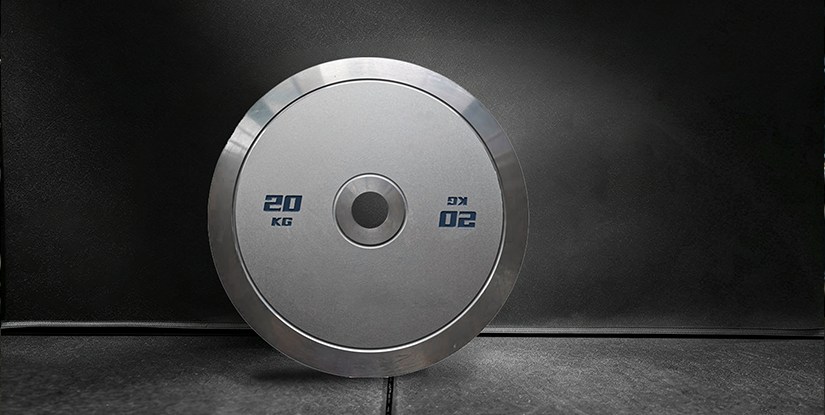
| Material Type | Primary Process | Key Component/Finish | Commercial Duty Tier | MOQ Impact | Factory QC Point |
|---|---|---|---|---|---|
| Cast Iron | Sand Casting & Machining | Phosphate or Powder Coating | Budget/Standard Commercial | Lower | Bore Concentricity |
| Rubber-Coated Steel | Steel Fabrication & Molding | Vulcanized Rubber/PU Layer | Premium Commercial | Higher | Coating Adhesion |
| Solid Steel | Precision Machining | Chrome or Painted Finish | High-End/Competition | Moderate | Surface Flatness |
Selecting the appropriate material profile is a strategic decision that affects both your upfront procurement budget and the long-term maintenance load of your facility. For professional importers, the differentiation between a basic iron plate and a premium rubber-encapsulated unit often rests on the complexity of the manufacturing steps and the resulting impact on the landed cost.
Material Selection and Procurement Strategy
When evaluating a calibrated steel plate export supplier, buyers must consider how the material choice influences shipping density and durability. Cast iron remains a staple for high-volume wholesale gym equipment materials due to its cost-effectiveness and high density, making it ideal for budget-conscious commercial deployments. However, for premium studio environments where floor protection and noise reduction are prioritized, rubber-coated or PU-coated steel plates offer superior performance, albeit with higher production complexity and different MOQ requirements.
A professional China factory will typically offer different finishing options to help distributors match specific market segments. For example, a powder-coated cast iron plate provides a durable, aesthetically pleasing finish for standard commercial gyms, while a vulcanized rubber-coated steel plate is better suited for high-impact zones. Understanding these technical nuances allows procurement leads to optimize their product mix, balancing the need for high-durability premium units with high-margin, cost-efficient standard stock.
To ensure the highest standards for your next bulk order, we recommend requesting a detailed specification sheet or a sample evaluation to confirm coating adhesion and weight tolerance. Our team is available to discuss custom OEM branding or specific material requirements to fit your distribution model.
Pre-Shipment QC and Export Standards
For professional importers, the final stage of the production cycle is the most critical for ensuring long-term commercial reliability. A professional calibrated steel plate export supplier must implement a rigorous pre-shipment QC protocol that goes beyond simple visual inspections. This includes systematic weight tolerance spot-checks and testing the coating adhesion of rubber or powder-coated surfaces to prevent peeling during high-frequency commercial use. Failure to verify these technical specs at the factory level often leads to increased after-sales costs and diminished distributor margins due to product returns.
When managing large-scale commercial weight plate manufacturing, the inspection focus must also extend to the structural integrity of the center bore and the flatness of the plate surface. High-quality wholesale gym equipment materials are subjected to rigorous checks to ensure they meet the precision requirements of modern weight racks. Furthermore, a reliable China factory will conduct specialized testing on the vulcanization or bonding process of rubber-coated units to ensure the outer layer remains securely attached under impact, protecting both the equipment and the facility floor.
To optimize your procurement workflow, we suggest coordinating with your supplier to schedule a factory audit or a specific sample approval process. Whether you require standard stock or specialized OEM production with custom branding, understanding the lead time and the specific QC checkpoints for your chosen material will help you manage your landed cost and inventory planning effectively. Please contact us to request a full technical spec sheet or to discuss your specific MOQ for your next bulk order.
China Factory QC and Pre-Shipment Inspection Standards
For international distributors and procurement leads, the primary risk in bulk sourcing is the discrepancy between theoretical weight and actual delivered mass. A professional calibrated steel plate export supplier must implement a multi-stage verification system to ensure every unit meets the strict requirements of commercial gym deployment. Relying on a China factory that integrates factory inspection protocols directly into the production line minimizes the risk of receiving inconsistent batches that can damage your brand reputation and distributor margins.
Quality control begins at the raw material stage and continues through the final calibration. For commercial weight plate manufacturing, this involves verifying the consistency of the gray iron or steel core before any coating is applied. During the wholesale gym equipment materials procurement process, professional buyers should demand transparency regarding how the factory handles weight tolerance checks and surface adhesion testing. A robust QC process typically includes checking the concentricity of the center bore and the uniformity of the rubber or powder coating to prevent premature peeling or edge degradation in high-traffic environments.
Effective sourcing requires more than just reviewing a spec sheet; it requires understanding the lead time impact of rigorous testing. For example, a detailed pre-shipment inspection of the coating adhesion and the weight accuracy of a random sample from the MOQ batch ensures that the landed cost is not inflated by future replacement claims. We recommend that buyers request a detailed inspection report or coordinate a third-party audit to verify that the weight tolerance remains within industry-standard commercial limits before the container is sealed for export.
Technical Inspection Points for Material Selection
Distinguishing between high-grade cast iron and rubber-encapsulated options requires a technical understanding of how different manufacturing routes affect long-term maintenance. A reliable calibrated steel plate export supplier provides transparency regarding the internal structure of the plate, as the quality of the core directly impacts the stability of the outer layer. When managing large-scale wholesale gym equipment materials orders, procurement managers must evaluate whether the product's construction can withstand the high-frequency impact typical of commercial facilities.
| Material Type | Primary Process | Key QC Point | Commercial Duty Tier | Sourcing Advantage |
|---|---|---|---|---|
| Cast Iron | Sand Casting & Machining | Bore Concentricity | Budget/Standard Commercial | Low TCO & High Durability |
| Rubber-Coated | Steel Core & Vulcanization | Surface Adhesion | Premium Commercial | Noise Reduction & Floor Protection |
| Powder Coated | Steel Base & Coating Line | Coating Uniformity | Standard Commercial | Aesthetic Versatility |
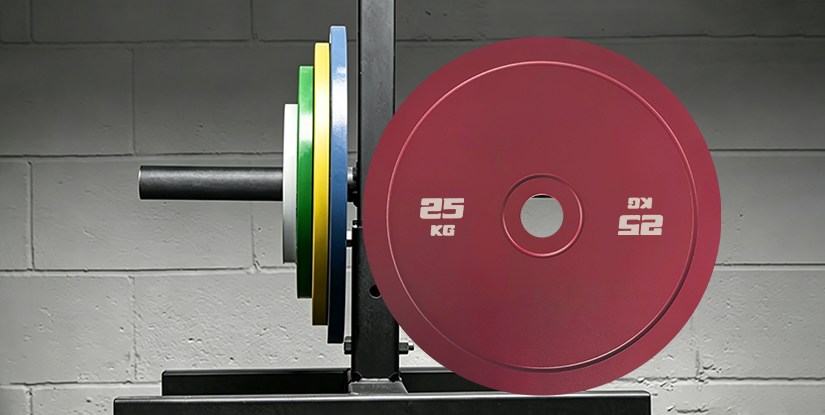
For high-traffic studio deployments, the surface adhesion of the rubber layer is a critical failure point. During commercial weight plate manufacturing, the bond between the metal core and the outer coating must be tested to ensure no delamination occurs under heavy use. If you are sourcing for a premium facility, verify that the China factory utilizes a consistent molding or dip process to prevent edge chipping. This level of detail in the pre-shipment stage ensures that your bulk order maintains its professional appearance and functional integrity throughout its lifecycle, protecting your long-term ROI.
Technical Inspection Checklist for Bulk Procurement
To mitigate the risks associated with international sourcing, professional buyers should implement a standardized checklist during sample evaluation or factory audits. A qualified calibrated steel plate export supplier will provide documentation that addresses specific technical variables, such as weight accuracy and concentricity, which are vital for high-performance commercial environments. For those managing wholesale gym equipment materials, verifying these metrics at the factory level prevents the high landed cost of defective or unbalanced inventory.
| Inspection Metric | Technical Focus | Commercial Impact | Standard Requirement |
|---|---|---|---|
| Weight Accuracy | Mass deviation per unit | Ensures consistent training load | Industry-standard tolerance |
| Bore Concentricity | Center hole alignment | Reduces barbell wobble and wear | Smooth, centered fit |
| Coating Integrity | Surface adhesion & thickness | Prevents peeling & oxidation | Uniform, seamless finish |
| Shipping Durability | Edge strength & packaging | Minimizes transit damage | Reinforced export cartons |
When evaluating a supplier, confirm whether the China factory performs spot-checks on weight accuracy using calibrated scales before the pre-shipment stage. Furthermore, ensure the coating integrity is verified through impact or adhesion testing to guarantee the plates can withstand the rigors of a high-traffic facility. A rigorous inspection of shipping durability—including the strength of the export packaging—is equally essential to ensure your bulk order arrives in a condition that preserves your distributor margins and prevents costly replacement claims.
OEM and Private Labeling Capabilities for Global Distributors
For professional distributors and large-scale importers, the ability to offer a unique product line is a critical driver of distributor margin. Relying solely on generic stock items often leads to price wars in the local market. By partnering with a specialized calibrated steel plate export supplier, you can leverage OEM and ODM services to transform high-quality wholesale gym equipment materials into your own branded high-end offerings.
Building a strong brand identity requires more than just a logo; it requires consistency in weight precision and surface finish. Whether you are looking for custom embossed lettering on cast iron or a specific color of polyurethane coating for your private label line, a professional factory can accommodate these technical specifications. This strategic move allows you to move away from commodity-based selling and toward value-added distribution, ensuring your clients receive equipment that matches your professional standards for commercial gym deployment.
When sourcing through a China factory, the scale of customization often depends on the MOQ. While standard stock plates can be shipped quickly, customized commercial weight plate manufacturing involves specific stages such as custom mold creation, specialized powder coating, or precision CNC machining for the center bore. Understanding these variables is essential for accurate sourcing and long-term inventory planning.
Customization requirements often impact the overall lead time and total landed cost. For instance, a standard order of bare or painted cast iron plates can be processed through existing production lines rapidly. However, a private label request involving a custom powder coating color or a specific rubber coating thickness requires additional steps in the production sequence. This typically involves specialized surface preparation and curing cycles to ensure maximum coating adhesion, which is a critical factor for long-term durability in high-traffic facilities.
Technical Customization and Sourcing Tiers
To assist in your procurement planning, the following table outlines how different customization levels affect production requirements and quality control focus. This is a standard reference for importers evaluating wholesale options for their specific market segments.
| Customization Tier | Material/Finish Focus | Typical Process | Primary QC Point | MOQ Impact |
|---|---|---|---|---|
| Standard Wholesale | Cast Iron / Paint | Casting & Basic Painting | Weight Tolerance | Lower |
| Premium Private Label | Rubber or PU Coating | Molding & Vulcanization | Coating Adhesion | Medium |
| Full OEM/ODM | Custom Color/Logo | CNC Machining & Custom Coating | Bore Concentricity | Higher |
Effective sourcing requires a clear understanding of these technical boundaries. When you request a quote for commercial weight plate manufacturing, we recommend specifying whether your branding will be achieved through metal embossing, silk-screen printing, or a specialized coating layer. This clarity allows the supplier to provide an accurate MOQ and a realistic lead time, ensuring your project remains on schedule for seasonal deployment or new facility launches.
Optimizing Your Sourcing Strategy and Lead Times
When selecting a calibrated steel plate export supplier, professional buyers must look beyond the unit price to the total landed cost. For distributors and gym equipment importers, the choice between cast iron and rubber-coated steel plates significantly dictates shipping density and container utilization. While cast iron provides a high weight-to-volume ratio, rubber-coated variants offer enhanced floor protection and noise reduction, which are essential for premium commercial settings. Understanding these variables allows for more accurate wholesale gym equipment materials procurement planning and better margin management.
Effective bulk procurement requires a deep understanding of how material thickness affects shipping volume. Rubber-coated plates, though durable, often have a larger footprint than bare or painted iron, which can reduce the total weight capacity of a standard 40ft HQ container. A professional supplier will provide detailed volumetric data to help you optimize container loading and mitigate high freight costs. Failure to account for this can lead to unexpected logistics expenses and disrupted lead time schedules.
Logistics and Procurement Comparison
| Material Type | Shipping Density | Volume vs Weight Ratio | Landed Cost Impact | Best Use Case |
|---|---|---|---|---|
| Cast Iron | High | Low Volume / High Weight | Lower per kg | Standard commercial gyms |
| Rubber Coated | Moderate | Higher Volume / Medium Weight | Higher per kg | High-end studios & hotel gyms |
| Steel Hub / Rubber | Variable | Depends on thickness | Mid-range | CrossFit & functional training |
To ensure long-term profitability, importers should work with a China factory that offers transparent commercial weight plate manufacturing processes. This includes providing clear specifications for OEM or ODM requests, ensuring that the final product meets both the durability requirements and the shipping constraints of your specific target market. Always confirm the MOQ and expected lead time before finalizing your shipping container booking to avoid warehouse bottlenecks.
When selecting a calibrated steel plate export supplier, professional buyers must look beyond the unit price to the total landed cost. For distributors and gym equipment importers, the choice between cast iron and rubber-coated steel plates significantly dictates shipping density and container utilization. While cast iron provides a high weight-to-volume ratio, rubber-coated variants offer enhanced floor protection and noise reduction, which are essential for premium commercial settings. Understanding these variables allows for more accurate wholesale gym equipment materials procurement planning and better margin management.
Effective bulk procurement requires a deep understanding of how material thickness affects shipping volume. Rubber-coated plates, though durable, often have a larger footprint than bare or painted iron, which can reduce the total weight capacity of a standard 40ft HQ container. A professional supplier will provide detailed volumetric data to help you optimize container loading and mitigate high freight costs. Failure to account for this can lead to unexpected logistics expenses and disrupted lead time schedules.