Cast Iron Plate Wholesale Manufacturer: Commercial Material
Optimizing Facility Layout with High-Volume Cast Iron Plate Wholesale Manufacturer Sourcing
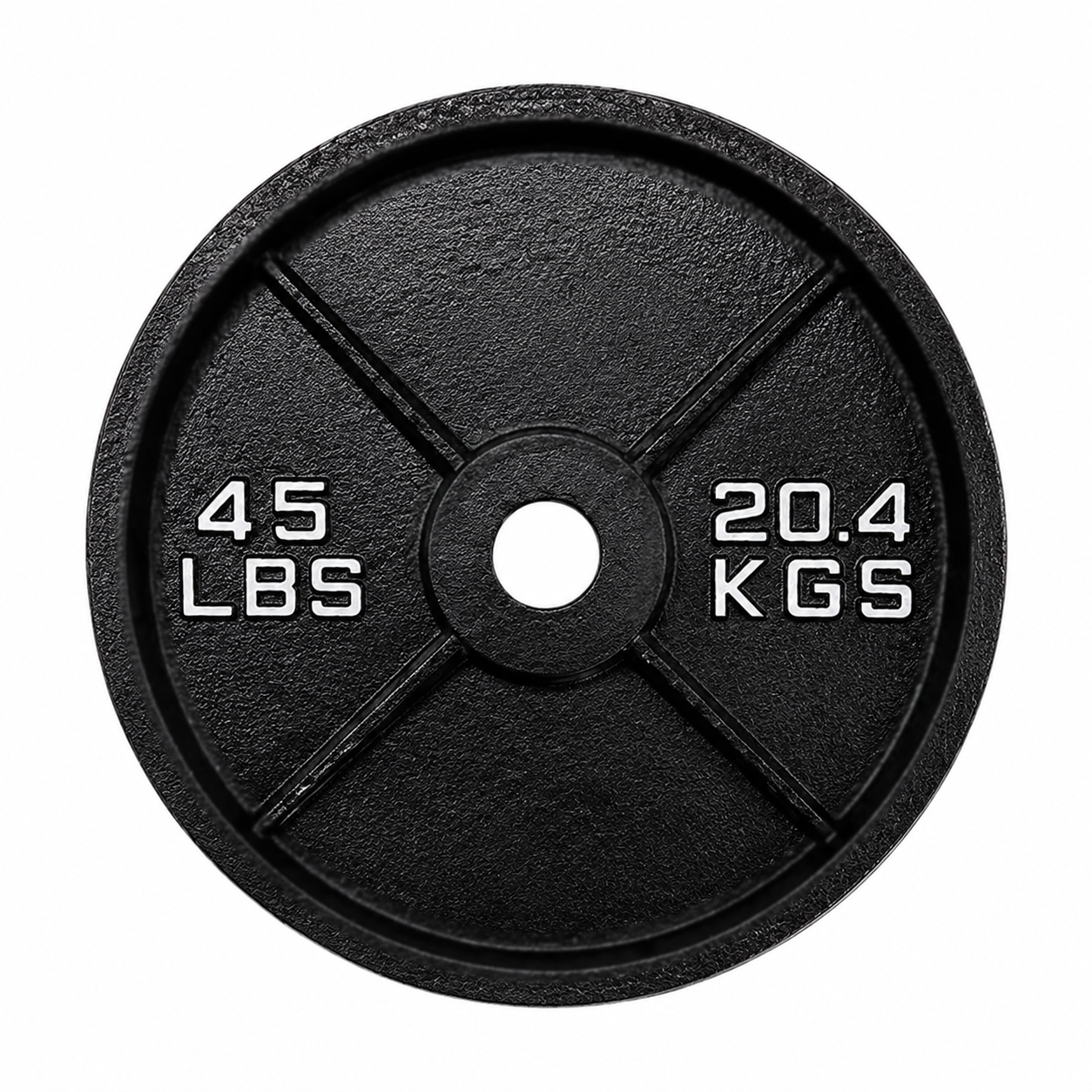
Selecting a reliable cast iron plate wholesale manufacturer requires more than just comparing unit prices; professional buyers must evaluate the intersection of material density, weight calibration, and long-term logistics. When sourcing for large-scale commercial facilities, the primary risks involve inconsistent weight tolerances that disrupt training flow, sub-standard coating adhesion that increases maintenance, and unpredictable lead times that stall facility openings. A professional commercial weight plate supplier ensures that every batch meets strict dimensional standards, allowing for predictable floor layouts and efficient storage solutions. By focusing on high-density casting and precision machining, importers can optimize the footprint of their strength training zones, ensuring that weight sets are compact, durable, and ready for high-traffic commercial environments.
Effective space optimization in a modern gym or distribution warehouse depends heavily on the consistency of the equipment being stocked. Low-quality plates often suffer from irregular thickness or uneven concentricity, which can lead to uneven stacking and inefficient use of vertical storage or specialized plate trees. When you partner with a professional China factory, you gain access to standardized production cycles that prioritize the physical dimensions and stacking stability of the plates. This level of precision reduces the friction in facility management, allowing owners to maximize their usable square footage while maintaining a premium aesthetic and professional standard of durability.
Beyond the physical layout, the total cost of ownership (TCO) is a critical metric for distributors and gym operators. Relying on a commercial weight plate supplier that offers standardized bulk cast iron plates China production ensures that your procurement budget accounts for more than just the initial landed cost. High-quality casting processes and robust surface finishes reduce the frequency of replacements due to rust or structural chipping. For B2B buyers, this means a more stable ROI and lower long-term maintenance overhead, as the equipment remains functional and visually professional under heavy commercial use.
Material Selection and Commercial Utility Comparison
For procurement professionals, selecting the correct material profile is a strategic decision that impacts both the initial capex and the long-term maintenance load. A professional cast iron plate wholesale manufacturer provides various material tiers to suit different facility needs, from high-density strength zones to high-impact functional areas. Understanding the trade-offs between material density, floor protection, and storage footprint is essential for calculating the true landed cost and long-term ROI of a bulk order.
The following table outlines the standard material options available through a commercial weight plate supplier to assist in your sourcing decision. This comparison focuses on how material characteristics influence commercial utility and procurement variables such as MOQ and factory QC requirements.
| Material Type | Typical Process | Key Component/Feature | Commercial Duty Tier | Floor Protection | Procurement/MOQ Impact |
|---|---|---|---|---|---|
| Cast Iron | Sand casting and machining | High material density | Budget to Commercial | Low (requires mats) | Standard MOQ |
| Bumper (Rubber) | Compression molding | Impact-absorbing core | Premium/Functional | High | Higher MOQ |
| Urethane | Injection or dip coating | Advanced polymer layer | Elite/Professional | Very High | Premium MOQ |
When evaluating bulk cast iron plates China, buyers should prioritize the casting and machining stages to ensure concentricity and dimensional stability. A reliable cast iron plate wholesale manufacturer will implement a rigorous factory QC point focusing on the flatness of the plate and the precision of the center bore. This ensures that the plates stack efficiently on storage trees, maximizing your facility's vertical space and reducing the complexity of warehouse inventory management.
Strategic Sourcing: Logistics, OEM/ODM, and Total Landed Cost
For professional importers and distributors, the decision to source directly from a cast iron plate wholesale manufacturer is driven by the need to control the total landed cost and mitigate supply chain volatility. Beyond the unit price, a sophisticated procurement strategy must account for international logistics efficiency, container loading optimization, and the ability to scale capacity through OEM or ODM partnerships. Relying on a specialized China factory allows for greater control over the product lifecycle, from the initial sand casting stages to the final export-ready state.
Managing the complexities of global shipping requires a supplier that understands the nuances of heavy-duty export requirements. This includes utilizing specialized export packaging to prevent impact damage during sea freight and optimizing palletization to maximize container volume. When scaling facility capacity, such as expanding a regional distribution network or opening multiple gym franchises, the ability to secure consistent wholesale volumes with predictable lead times is vital. A professional cast iron plate wholesale manufacturer provides the necessary stability to ensure that your inventory levels match your growth trajectory without unexpected procurement bottlenecks.
Ultimately, successful sourcing relies on a partnership that offers more than just a product. Whether you require custom branding for your own private label or technical adjustments via ODM services, working with a direct commercial weight plate supplier provides the flexibility to meet specific market demands. We recommend that buyers contact our team to request a detailed specification sheet, confirm current MOQ levels, or schedule a factory audit to ensure our production standards align with your commercial requirements.
Material Specifications and Casting Standards for Commercial Weight Plate Supplier Selection
Selecting a reliable cast iron plate wholesale manufacturer requires a deep understanding of how base materials and production methods impact long-term durability and landed cost. For distributors and gym owners sourcing in bulk, the quality of the gray iron and the precision of the sand casting process determine whether a shipment meets commercial-grade expectations or results in high replacement rates.
High-volume importers often face the risk of receiving plates with uneven density or poor surface finishes. When evaluating a commercial weight plate supplier, it is essential to verify that the manufacturing sequence—moving from raw gray iron melting to sand casting, followed by machining and weight calibration—is strictly controlled. A professional China factory will utilize standardized casting molds to ensure consistent thickness and concentricity, which are vital for preventing wobbling during heavy use in commercial environments.
Material and Process Comparison for Bulk Procurement
The following table outlines the common material and process tiers found when sourcing equipment from a China factory. This comparison helps procurement leads decide between standard commercial options and premium-tier requirements based on their target market and MOQ.
| Material Type | Primary Process | Surface Finish | Commercial Duty | Procurement Focus |
|---|---|---|---|---|
| Gray Iron | Sand Casting | Paint or Enamel | Standard Commercial | Cost-efficiency & Durability |
| Cast Iron | Sand Casting + Machining | Powder Coating | Premium Commercial | Longevity & Aesthetics |
| Solid Steel | CNC Machining | Chrome or Galvanized | High-End / Competition | Precision & Low Maintenance |
Understanding these distinctions allows a bulk cast iron plates China buyer to better manage expectations regarding product lifespan and maintenance loads. While sand casting is the industry standard for high-volume wholesale production, the addition of a secondary machining step for weight calibration ensures the plates meet the precision required for professional strength training facilities.
Evaluating Surface Finishing and Coating Durability
Beyond the base casting, the final surface finishing determines the product's resistance to oxidation and physical wear. For a professional cast iron plate wholesale manufacturer, the choice between a simple paint application and advanced coating methods is a critical factor in the total cost of ownership for the end-user. A high-quality commercial weight plate supplier will offer various options to suit different facility needs, ranging from basic enamel to more resilient finishes.
When negotiating wholesale contracts, procurement managers should differentiate between standard paint and industrial-grade applications. For example, a standard paint finish might be cost-effective for high-volume distribution, but a high-quality powder coating provides a much more durable, even layer that resists chipping and maintains a premium aesthetic under heavy commercial use. For facilities prioritizing floor protection and noise reduction, a urethane coating or rubberized finish is often the preferred specification. This layer adds a layer of protection that prevents the metal from damaging expensive gym flooring during rapid weight changes.
A reliable China factory will maintain strict quality control over these finishing stages. This includes monitoring the adhesion of the coating to the cast iron surface and ensuring that the weight tolerance remains within acceptable industry-standard ranges after the application process. During pre-shipment inspection, it is common for professional buyers to request a check on the coating uniformity and the flatness of the plate surfaces to ensure that the finished product meets the exact requirements of the purchase order.
Critical Inspection Points for Pre-Shipment Quality Control
For distributors managing large-scale imports, the final stage of the manufacturing sequence is the most critical for reducing landed cost risks and avoiding costly returns. A professional cast iron plate wholesale manufacturer must implement a rigorous pre-shipment QC protocol that goes beyond visual checks. Relying solely on a basic inspection often leads to issues with weight variance or surface defects that can damage a distributor's reputation and margin.
When conducting a factory audit or a third-party inspection, procurement leads should focus on specific technical checkpoints. First, a concentricity check is essential to ensure the center bore is perfectly aligned; an off-center hole leads to uneven weight distribution and unstable barbell loading in a commercial setting. Second, inspectors should verify the base flatness of the plates to prevent wobbling during high-intensity training. Third, testing the coating adhesion is vital—a high-quality commercial weight plate supplier ensures that the paint or powder coating will not chip or peel when subjected to constant friction and impact.
Effective sourcing also requires a deep dive into the logistics and packaging standards of the China factory. To protect the integrity of the cast iron during long-distance ocean freight, the manufacturer should utilize reinforced export packaging, such as heavy-duty corrugated boxes or custom wooden crates, to prevent edge chipping. For large-scale wholesale orders, confirming the container loading plan is a key step in optimizing shipping volumes and managing the total landed cost. Whether you are pursuing a standard stock order or a custom OEM/ ODM project, ensuring these technical benchmarks are met during pre-shipment will safeguard your investment and ensure long-term commercial reliability.
Precision Machining and Weight Calibration in the Manufacturing Process
For professional distributors and gym equipment importers, the difference between a high-margin product and a costly return lies in the technical precision of the manufacturing cycle. A reliable cast iron plate wholesale manufacturer must move beyond basic sand casting to incorporate advanced finishing stages that ensure long-term commercial utility. When sourcing at scale, understanding the transition from raw casting to a finished, calibrated unit is essential for managing total cost of ownership and client satisfaction.
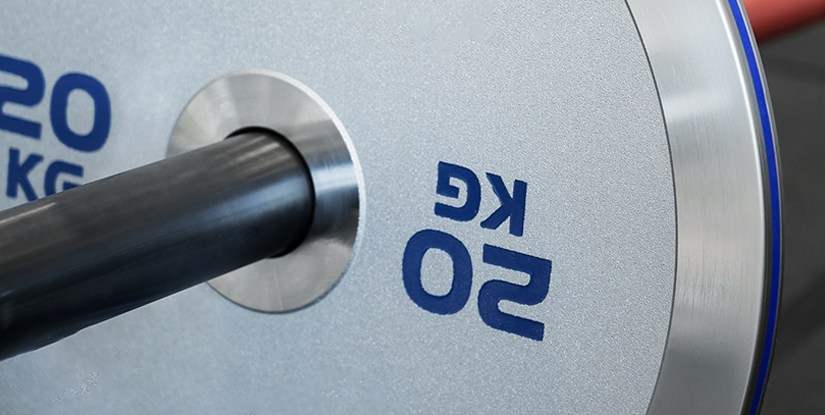
The production of high-tier plates typically begins with industrial sand casting to create the foundational shape. However, to meet the rigorous standards of modern strength facilities, the commercial weight plate supplier must implement secondary precision machining stages. This involves using CNC machining to refine the center bore and the outer edges, ensuring the plates sit perfectly flat and concentric. Without these steps, plates often suffer from wobbling or uneven wear, which can damage premium barbell sleeves and increase maintenance frequency for your end-users.
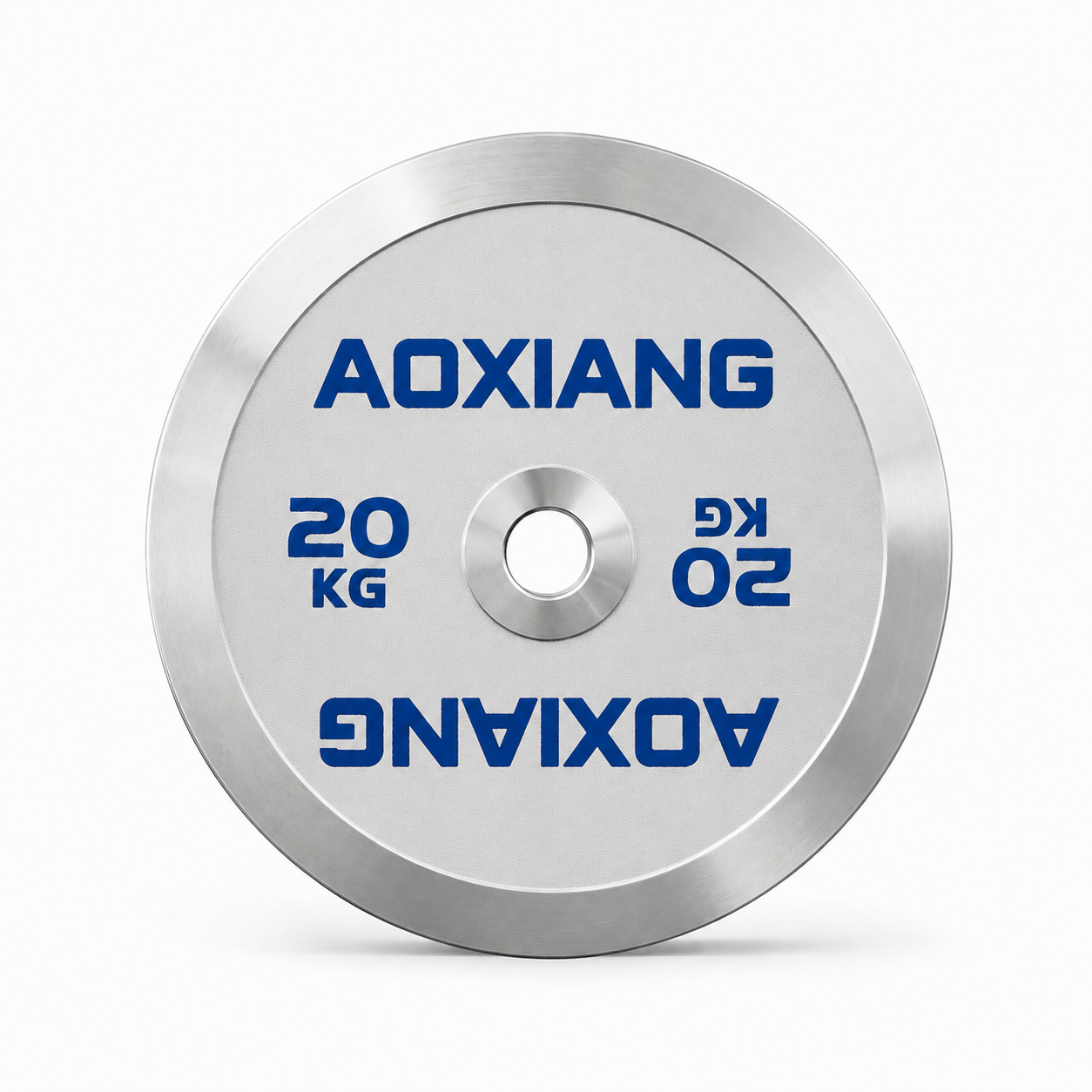
Beyond structural shape, the most critical phase for a bulk cast iron plates China exporter is the weight calibration process. In a professional factory setting, plates are not merely weighed; they undergo a systematic verification to ensure weight tolerance remains within industry-standard limits. This level of consistency prevents the common issue of "weight drift," where sets become mismatched during heavy usage. For a China factory handling large-scale wholesale orders, maintaining a strict QC protocol during this stage is the only way to guarantee that a 10kg or 20kg plate remains true to its specification across thousands of units.
Technical Specifications and Production Tiers
When evaluating your next sourcing project, it is helpful to distinguish between different production qualities. Below is a comparison of how different manufacturing approaches impact your landed cost and product positioning.
| Material Tier | Primary Process | Key Component Detail | Commercial Duty | QC Focus Point |
|---|---|---|---|---|
| Standard Cast Iron | Basic Sand Casting | Rough Surface Texture | Budget/Home Gym | Surface Smoothness |
| Commercial Grade | Casting + CNC Machining | Precision Center Bore | Full-Service Gyms | Concentricity & Flatness |
| Premium Calibrated | Machining + Strict Calibration | High-Tolerance Rim | Competition/Elite Training | Weight Consistency |
A professional cast iron plate wholesale manufacturer must address the subtle but impactful variables that define high-performance equipment. For distributors managing large-scale facility builds, the technical distinction between a standard casting and a precision-finished plate can dictate the long-term reliability of the entire weight set. By prioritizing advanced manufacturing routes, a commercial weight plate supplier ensures that the final product meets the expectations of high-traffic environments.
Evaluating Manufacturing Standards and Sourcing Options
The following comparison is designed for procurement managers to differentiate between standard production and high-precision workflows. Choosing the correct tier is a strategic decision that impacts your MOQ negotiations, lead times, and the eventual landed cost of your inventory. While basic casting serves entry-level markets, precision-machined units are required for professional-grade facility deployments.
| Material Tier | Primary Process | Key Component Detail | Commercial Duty | QC Focus Point |
|---|---|---|---|---|
| Standard Cast Iron | Basic Sand Casting | Rough Surface Texture | Budget/Home Gym | Surface Smoothness |
| Commercial Grade | Casting + CNC Machining | Precision Center Bore | Full-Service Gyms | Concentricity & Flatness |
| Premium Calibrated | Machining + Strict Calibration | High-Tolerance Rim | Competition/Elite Training | Weight Consistency |
When managing a large-scale wholesale order, we recommend requesting a detailed specification sheet to confirm the exact machining depth and bore tolerances. For buyers looking to establish a private label or OEM program, verifying these technical benchmarks during the pre-shipment stage is vital. We suggest booking a factory audit or requesting a sample evaluation to ensure the weight calibration and surface finish align with your brand identity before proceeding with full-scale production.
Optimizing Export Logistics and Container Loading Efficiency
For international distributors, the procurement process does not end once the technical specifications are finalized. A professional cast iron plate wholesale manufacturer must also excel in logistics optimization to protect the distributor margin. Because cast iron is a high-density, high-weight commodity, the efficiency of the export packaging and container loading strategy directly dictates your final landed cost. Inefficient palletization or inadequate protection can lead to damaged edges or surface oxidation during long-sea transit, resulting in costly returns and diminished brand reputation.
To mitigate these risks, a high-tier China factory implements standardized, heavy-duty packaging protocols designed for high-volume sea freight. This typically includes reinforced palletizing, edge protectors, and moisture-resistant wrapping to ensure the structural integrity of the plates throughout the shipping cycle. Furthermore, skilled loading technicians optimize the volumetric density within each 20ft or 40ft container, ensuring that the weight distribution is balanced and that the shipping efficiency is maximized. For buyers managing large-scale facility builds, these logistical efficiencies allow for more predictable lead times and better inventory turnover.
When negotiating your next bulk order, we recommend discussing specific container loading plans and export packaging requirements during the initial quote phase. Whether you are seeking a standard wholesale replenishment or a complex OEM/ ODM project with custom branding, transparency regarding shipping volumes and weight limits is essential. To ensure your specifications meet your local market's logistical standards, please reach out to request a detailed shipping quotation, confirm the MOQ for your specific configuration, or schedule a pre-shipment inspection to verify both product precision and packaging durability.
Evaluating China Factory QC and Export Packaging for Bulk Orders
For international distributors and large-scale gym operators, the risk of receiving inconsistent batches is a significant threat to landed cost and long-term reputation. Relying on a professional cast iron plate wholesale manufacturer ensures that every unit meets strict commercial standards before leaving the China factory. Effective pre-shipment inspection protocols mitigate the danger of receiving uneven weights or damaged surfaces, which can lead to costly returns and disrupted supply chains.
Critical Inspection Points for Commercial Durability
A high-standard commercial weight plate supplier focuses on specific technical metrics during the QC process to ensure long-term utility. Rather than just visual checks, professional sourcing teams look for structural and surface integrity. Key inspection points typically include a weight tolerance spot-check to ensure consistency across the entire wholesale order, as well as a thorough evaluation of base flatness to prevent wobbling during high-intensity training. Furthermore, verifying coating adhesion is vital; if the paint or finish peels prematurely due to poor bonding, it increases the maintenance load for the end-user and lowers the perceived value of your brand.
Standardized inspection sequences generally follow a logical production flow: after the initial casting and machining stages, units undergo calibration and surface treatment. A final inspection must confirm that the bore diameter is concentric and that the surface finish is free of casting defects. For buyers managing high-volume bulk cast iron plates China shipments, these steps are non-negotiable to ensure that the OEM or ODM specifications are met without exception.
Optimizing International Logistics and Container Loading
Shipping heavy iron components across oceans requires more than just standard boxes; it demands a robust export packaging strategy to protect your margins. For a professional distributor, the goal is to maximize container volume while minimizing the risk of transit-related damage. Standard industry practice involves using heavy-duty cartons and reinforced wooden crates to prevent the crushing of lower layers during sea freight. Without proper structural support, the weight of the plates can cause box failure, leading to damaged edges and increased replacement costs for the importer.
To optimize the landed cost of bulk cast iron plates China, a leading cast iron plate wholesale manufacturer will implement professional palletization. This typically involves stacking plates in a way that maintains center-of-gravity stability and using heat-treated pallets that meet international shipping regulations. Advanced loading techniques, such as using corner protectors and heavy-duty shrink wrap, ensure that the load remains secure during the vibration and movement inherent in long-haul maritime transport. By prioritizing these logistics standards, the factory ensures that the shipment arrives at your warehouse in a condition that meets the high expectations of commercial fitness facilities.
When planning your next procurement cycle, we recommend discussing specific export packaging requirements and pallet dimensions with your supplier. Whether you are managing a small MOQ or a full container load, confirming these details early helps prevent unexpected logistics expenses and ensures a seamless transition from the China factory to your local distribution center. Contact us today to request a detailed spec sheet or to discuss custom OEM packaging solutions for your brand.
Standardizing Logistics for Large-Scale Procurement
Effective logistics management is a critical component of the total cost of ownership. When sourcing from a cast iron plate wholesale manufacturer, the technical quality of the product is only as reliable as the protection provided during transit. Professional sourcing strategies must account for the unique physical properties of heavy iron, where uneven stacking or inadequate support can lead to structural deformation or surface abrasions during long-haul maritime shipping.
| Order Volume Tier | Typical Packaging Method | Primary Inspection Focus | Logistics Objective |
|---|---|---|---|
| Standard MOQ | Reinforced Corrugated Cartons | Surface Coating Adhesion | Unit Protection |
| Mid-Volume Bulk | Palletized Heavy-Duty Crates | Bore Concentricity & Flatness | Stacking Stability |
| Full Container Load | Customized Wooden Skids & Shrink Wrap | Load Distribution & Center of Gravity | Container Utilization & Safety |
For distributors managing high-volume bulk cast iron plates China shipments, the difference between a standard shipment and a professional export-grade load often lies in the details of palletization. A reliable supplier will utilize heat-treated pallets and reinforced corner protectors to maintain the structural integrity of the load. This level of detail is essential for minimizing the landed cost by reducing the frequency of transit-related claims and ensuring that the product arrives ready for immediate commercial deployment. Before finalizing your next bulk order, we encourage you to confirm specific export packaging protocols and container loading density with our team to optimize your shipping efficiency.
Custom Branding and OEM/ODM Capabilities for Global Distributors
For distributors looking to scale, working with a professional cast iron plate wholesale manufacturer provides more than just inventory; it offers a pathway to market leadership. Relying on generic, unbranded stock often limits your ability to build long-term equity. By leveraging OEM and ODM services, you can transition from a simple reseller to a recognized brand owner in the commercial fitness space.
The strategic advantage of custom branding lies in the ability to create a cohesive brand identity that resonates with high-end gym owners and professional facilities. Whether it is through precision-molded logos on the plate surface or specialized color-coded coatings, these details allow you to command higher distributor margin. A China factory capable of high-level customization ensures that your proprietary designs meet strict commercial-grade specifications while maintaining a competitive landed cost.
Navigating MOQ requirements is a critical part of the sourcing process. While standard stock orders offer speed, private label production allows for deep market differentiation. This is especially vital when competing in saturated markets where visual distinction and perceived quality are the primary drivers of procurement decisions. Partnering with a reliable commercial weight plate supplier ensures that your custom specifications—from plate thickness to specialized surface finishes—are executed with industrial consistency.
Technical Execution of Custom Manufacturing
The transition from a standard design to a branded product requires a rigorous technical workflow. A professional cast iron plate wholesale manufacturer manages the entire production sequence to ensure that proprietary logos and specialized finishes do not compromise the structural integrity of the plate. The process begins with precision mold design, where the brand's logo is integrated into the casting stage, typically through sand casting, to ensure the branding is a permanent part of the plate rather than a superficial addition.
Following the initial casting, the workflow moves into high-precision stages to meet commercial-grade standards. This includes CNC machining to refine the center bore for perfect concentricity and a controlled surface finishing process. For clients requiring a premium aesthetic, the application of powder coating or specialized enamel is handled in a dedicated line to ensure maximum coating adhesion. This meticulous approach allows a commercial weight plate supplier to deliver products that maintain a high-end look even under heavy commercial usage, protecting your brand's reputation in the field.
Understanding the technical dependencies is essential for accurate sourcing and logistics planning. Below is a breakdown of how customization affects the production and procurement cycle:
| Customization Tier | Primary Process | Branding Method | Typical Lead Time Impact | Commercial Application |
|---|---|---|---|---|
| Standard Wholesale | Sand Casting | Stock Form/Generic | Standard | Budget Gyms / General Retail |
| Basic Private Label | Sand Casting + CNC | Raised/Embossed Logo | Moderate | Standard Commercial Facilities |
| Premium ODM | Casting + Precision Machining | Custom Logo + Powder Coating | Extended | High-End Studios / Boutique Gyms |
When evaluating your next batch, consider that higher levels of ODM complexity—such as custom color-coded thickness or unique handle textures—will naturally influence the lead time and MOQ. We recommend confirming your technical spec sheet and branding requirements early in the procurement cycle to ensure seamless integration with your global distribution timeline and to optimize your total landed cost.
Successful procurement of specialized fitness equipment requires a clear understanding of how customization levels impact your logistics and budget. Whether you are a regional distributor or a global equipment importer, selecting the right tier of manufacturing ensures that your brand identity is both distinctive and durable. To assist in your decision-making process, the following comparison outlines the typical production requirements and strategic fit for various branding levels.
| Branding Type | Customization Scope | Typical MOQ | Manufacturing Process | Best For |
|---|---|---|---|---|
| Standard Wholesale | Generic design and stock finishes | Low | Sand casting and basic finishing | Rapid inventory replenishment |
| Private Label | Embossed logo and standard coating | Medium | Casting with integrated mold branding | Distributors building brand equity |
| Full OEM/ODM | Custom thickness, colors, and precision machining | High | Precision casting, CNC machining, and custom coating | Premium studio and high-end gym brands |
When planning your next bulk order, it is essential to align your customization goals with your inventory turnover strategy. A specialized bulk cast iron plates China sourcing plan should account for the additional time required for custom mold creation and specialized surface treatments. We recommend requesting a detailed spec sheet and confirming your MOQ during the initial consultation to ensure your production schedule remains on track for your target launch or distribution window.
Strategic Procurement: Managing MOQ and Lead Times for Global Sourcing
Efficient inventory management is a critical pillar for distributors and gym equipment importers. When sourcing from a cast iron plate wholesale manufacturer, understanding the interplay between production volume and logistics is essential to maintaining healthy distributor margins. Large-scale bulk orders typically allow for better economies of scale, reducing the unit cost per plate by optimizing the usage of furnace time and shipping container space.
However, procurement professionals must balance these savings against potential inventory carrying costs. A high MOQ might lower your landed cost, but it also requires more warehouse capacity and upfront capital. Conversely, smaller, more frequent orders may increase shipping frequency but improve cash flow flexibility. Working directly with a factory allows for more predictable production cycles, as you can align your purchasing schedule with the manufacturer's casting and coating schedules.
The lead time for bulk cast iron plates China production is generally influenced by the complexity of the surface finish and the current capacity of the China factory. For instance, standard sand-cast plates with basic paint finishes typically move through the production line faster than specialized OEM requests requiring multi-stage powder coating or custom branding. To avoid supply chain bottlenecks, we recommend a sourcing strategy that accounts for both the manufacturing duration and the seasonal ocean freight fluctuations.
When evaluating a commercial weight plate supplier, always request a clear timeline that includes casting, machining, and pre-shipment QC. This ensures your project timelines remain intact, whether you are stocking a regional warehouse or fulfilling a large-scale facility installation. To optimize your procurement, contact us to confirm the current MOQ for your specific weight increments and to receive a detailed production schedule.
Evaluating Sourcing Models: Direct Factory vs. Trading Company
Selecting the right supply chain partner requires a clear understanding of how different entities manage the landed cost and production control. For large-scale distributors, the choice between a direct cast iron plate wholesale manufacturer and a trading company often comes down to the balance between administrative ease and technical oversight. While trading companies can offer a broader catalog, they often lack the direct control over the quality control steps inherent in the casting and machining processes.
The following comparison outlines the typical trade-offs encountered during international sourcing for commercial-grade weight plates:
| Sourcing Model | Primary Advantage | Customization Capability | Typical Control Level | Logistics Complexity |
|---|---|---|---|---|
| Direct Factory | Optimized unit cost | High (Full OEM/ODM) | Direct oversight of production | Streamlined container loading |
| Trading Company | Simplified procurement | Limited to stock items | Indirect/Third-party | Managed by agent |
When managing high-volume imports, the ability to implement custom branding or specific weight calibration is a significant differentiator. A direct factory can integrate your brand identity directly into the casting mold or the final coating stage, ensuring a cohesive product line. Furthermore, working with a specialized supplier allows for more transparent communication regarding shipping logistics and the specific timing of container departures, which is vital for maintaining consistent stock levels in your local distribution centers.
| Sourcing Model | Primary Advantage | Customization Capability | Typical Control Level | Logistics Complexity |
|---|---|---|---|---|
| Direct Factory | Optimized unit cost | High (Full OEM/ODM) | Direct oversight of production | Streamlined container loading |
| Trading Company | Simplified procurement | Limited to stock items | Indirect/Third-party | Managed by agent |
When managing high-volume imports, the ability to implement custom branding or specific weight calibration is a significant differentiator. A direct factory can integrate your brand identity directly into the casting mold or the final coating stage, ensuring a cohesive product line. Furthermore, working with a specialized supplier allows for more transparent communication regarding shipping logistics and the specific timing of container departures, which is vital for maintaining consistent stock levels in your local distribution centers.