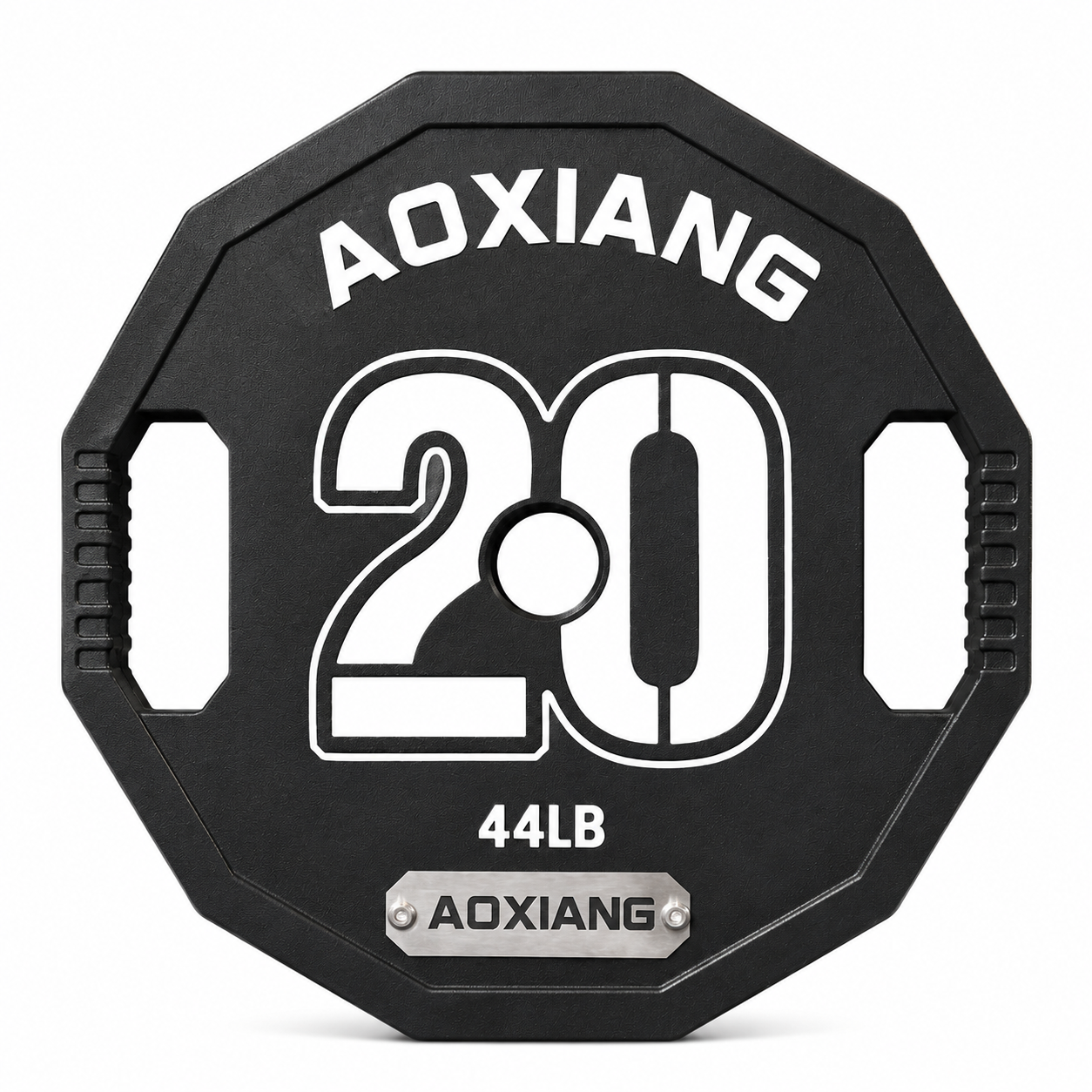
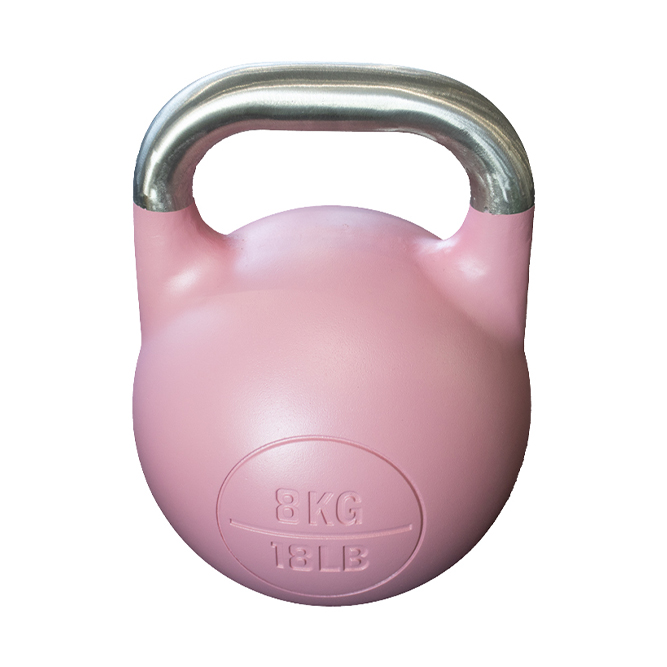
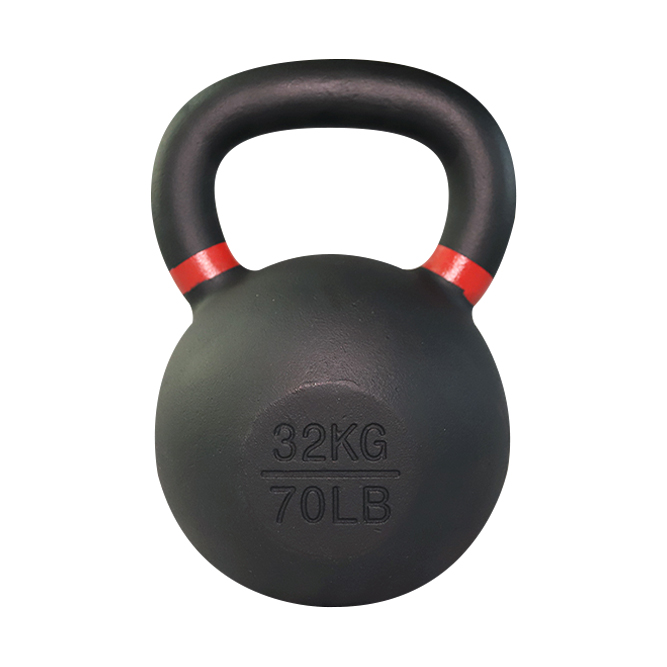
Cast Iron Plate Trade Manufacturer: Coating and Material
The Economic Value of Selecting a Cast Iron Plate Trade Manufacturer
When managing large-scale gym installations or equipment distribution, procurement professionals must balance initial capital expenditure against long-term operational costs. A professional cast iron plate trade manufacturer provides more than just hardware; they provide a predictable supply chain that addresses three critical checkpoints: material consistency, shipping-ready durability, and logistical reliability. By sourcing directly from a China factory, importers can mitigate the risks of uneven weight distribution and premature oxidation that often plague lower-tier production runs, ensuring that every bulk shipment meets strict commercial standards.
Choosing an experienced commercial weight plate supplier allows distributors to optimize their Total Cost of Ownership (TCO) by reducing the frequency of replacements and maintenance interventions. While budget-tier options may offer lower upfront costs, they often fail to provide the structural integrity required for high-traffic commercial environments. Investing in high-grade casting and standardized coating processes ensures that the equipment maintains its aesthetic and functional value over many years of heavy use, ultimately protecting the distributor's margins and the end-user's ROI.
Efficiency in wholesale procurement also relies heavily on how a supplier manages the transition from production to export. A specialized cast iron plate trade manufacturer integrates quality control into the manufacturing sequence—from the initial sand casting to the final weight calibration and coating adhesion checks. This systematic approach reduces the likelihood of receiving defective units that incur high return costs or damage a brand's reputation, making the sourcing process much more efficient for international buyers.
Material and Coating Comparison for Commercial Use
Selecting the right finish is a critical procurement decision that affects both the visual identity of a gym and the long-term maintenance load. For distributors, the choice between bare iron, powder coating, or advanced coatings determines the landed cost and the durability of the product in various climates. A professional cast iron plate trade manufacturer will offer several tiers of surface treatment to match different commercial requirements and budget constraints.
| Material Base | Coating Type | Primary Process | Commercial Duty | MOQ Impact | Factory QC Point |
|---|---|---|---|---|---|
| Gray Iron | Bare / Phosphate | Sand Casting & Machining | Budget / Heavy Duty | Lower | Flatness & Surface Texture |
| Cast Iron | Powder Coating | Casting & Powder Line | Standard Commercial | Moderate | Coating Adhesion & Uniformity |
| Cast Iron | PU / Rubberized | Casting & Injection/Dip | Premium / High-End | Higher | Encapsulation & Layer Thickness |
For high-traffic facilities, a wholesale iron plates China order often focuses on powder-coated options due to their ability to resist oxidation and withstand frequent handling. If your brand identity requires a more premium feel, specialized coatings provide better floor protection and noise reduction, though they may influence the initial wholesale unit price. When evaluating your next batch, always request details on the coating adhesion and the weight calibration steps to ensure the final product meets your specific commercial-grade expectations.
Ensuring Consistency Through Factory-Level QC and Logistics
For professional importers, the final stage of the sourcing process is where technical precision meets logistical execution. A reliable cast iron plate trade manufacturer does not merely ship products; they manage a rigorous pre-shipment sequence designed to eliminate the common failure modes of bulk weight plate imports. In many commercial settings, the most significant risks to a distributor's margin are not the material grades themselves, but rather inconsistent weight tolerances, poor coating adhesion, or damaged units resulting from inadequate export packaging.
To mitigate these risks, a high-standard China factory implements a multi-step quality control protocol. This typically begins with a weight tolerance spot-check after the initial machining phase to ensure each unit aligns with the specified commercial grade. Following this, the surface treatment—whether it be phosphate, powder coating, or specialized encapsulation—undergoes a visual and tactile inspection to confirm uniform coverage. This attention to detail prevents the premature oxidation and surface chipping that can lead to high replacement rates in high-traffic commercial gyms.
Beyond the production line, shipping efficiency and container loading optimization are critical for managing the landed cost of a wholesale iron plates China order. Professional manufacturers utilize heavy-duty export packaging, often incorporating reinforced corners and moisture-resistant layering, to protect the cast iron surfaces during long-distance maritime transit. When negotiating your next bulk order, it is essential to confirm the MOQ, expected lead time, and specific packaging standards. We recommend requesting a detailed specification sheet or discussing custom branding requirements during the initial inquiry to ensure the final shipment aligns perfectly with your brand identity and logistical capabilities.
Material Grades and Casting Standards for Commercial Durability
Understanding the fundamental material composition is the first step for any importer or distributor sourcing from a cast iron plate trade manufacturer. High-volume procurement requires a baseline of technical reliability to ensure long-term commercial durability and minimize replacement costs. Most professional-grade units are produced using gray iron via traditional sand casting, a method that provides the density and structural integrity required for high-traffic gym environments. When evaluating a commercial weight plate supplier, it is essential to confirm that the casting process minimizes porosity and ensures consistent weight distribution across the entire batch.
For distributors managing large-scale gym fit-outs, the choice between raw cast iron and specialized coatings significantly impacts the total cost of ownership. While basic sand casting provides a cost-effective solution for standard weight sets, advanced finishing processes—such as high-grade powder coating or specialized enamel—protect the iron from oxidation and environmental wear. A reliable wholesale iron plates China source will provide clear documentation regarding the casting quality and the adhesion strength of the surface treatments to ensure the product meets the expectations of premium commercial facilities.
Selecting the right production tier is critical when calculating landed costs and projecting long-term maintenance schedules. Depending on your specific MOQ and target market, you may choose between standard commercial-grade iron or premium-finished versions. A professional factory will typically offer various levels of surface treatment to accommodate different budget requirements while maintaining structural consistency.
| Material Type | Primary Process | Surface Finish | Commercial Duty Tier | Sourcing Benefit |
|---|---|---|---|---|
| Gray Iron | Sand Casting | Bare Iron / Phosphate | Standard Commercial | High volume/Low cost |
| Cast Iron | Sand Casting | Powder Coating | Premium Commercial | Enhanced durability |
| Ductile Iron | Precision Casting | Enamel or Paint | High-End Studio | Increased impact resistance |
Optimizing TCO Through Advanced Surface Finishes
For professional procurement leads, the decision between different surface treatments is not merely an aesthetic choice but a strategic calculation of TCO (Total Cost of Ownership). Selecting a cast iron plate trade manufacturer that offers diverse coating options allows you to balance initial capex against long-term maintenance requirements. While basic phosphate treatment is industry-standard for preventing rapid oxidation, higher-tier finishes provide significantly better protection in high-humidity or high-traffic commercial settings.
A professional commercial weight plate supplier will provide specific details on the application method for each finish. For instance, a high-quality powder coating process offers a durable, impact-resistant layer that prevents chipping, whereas a PU coating or rubber coating provides superior floor protection and noise reduction. When you source via wholesale iron plates China, you should verify the adhesion strength and the thickness of these layers to ensure they do not peel or crack under heavy usage, which would otherwise increase your facility's maintenance load.
| Coating Type | Application Process | Primary Benefit | Maintenance Level | Best Use Case |
|---|---|---|---|---|
| Phosphate Treatment | Chemical Bath | Oxidation Resistance | Moderate | Standard Commercial Gyms |
| Powder Coating | Electrostatic Spray | Impact Durability | Low | High-Traffic Training Centers |
| PU Coating | Polyurethane Dip | Premium Surface Feel | Low | Boutique Fitness Studios |
| Rubber Coating | Injection/Molding | Floor & Noise Control | Minimal | Premium Weight Rooms |
When finalizing your procurement list, we recommend requesting a detailed specification sheet or a sample evaluation to confirm the quality of the coating adhesion. Whether you require OEM branding or standard stock, a clear understanding of these material-to-coating sequences will ensure your landed cost remains optimized relative to the product's lifespan. Contact our team to confirm current MOQ for specialized coated runs or to discuss custom branding requirements for your next bulk order.
For large-scale importers and distributors, the technical integrity of a batch depends on the rigor of the pre-shipment QC protocols. A professional cast iron plate trade manufacturer does not merely rely on the initial casting; the final product quality is determined by a sequence of calibration and inspection steps. In high-volume sourcing, even minor deviations in weight tolerance or concentricity can lead to significant issues during installation or high-intensity training. To mitigate these risks, a leading factory must implement a systematic approach to quality assurance that covers the entire production lifecycle.
Reliable procurement requires verifying that the manufacturer performs specific technical checks. For example, assessing weight tolerance ensures that every plate in a bulk shipment meets the exact specification, preventing discrepancies in barbell balance. Similarly, checking the concentricity of the center hole is vital for ensuring the plate sits flush on the barbell without wobbling. When sourcing wholesale iron plates China, distributors should prioritize partners who utilize a standardized sequence: sand casting, followed by precision machining of the inner ring, surface coating, and finally, a comprehensive pre-shipment QC. This structured workflow reduces the likelihood of receiving defective units that could damage your brand reputation or increase replacement costs.
Beyond the physical product, the logistical readiness of the shipment is a critical component of the total landed cost. Professional export packaging is essential to protect the cast iron surfaces from impact or oxidation during long-distance ocean freight. A high-tier supplier will utilize reinforced pallets and moisture-resistant wrapping to ensure the goods arrive in a condition suitable for immediate commercial use. Whether you are managing a single large-scale project or a recurring distribution model, understanding the lead time and the capacity for ODM or OEM customization will allow for more predictable inventory management and smoother supply chain operations.
To ensure your procurement standards are met, we suggest requesting a detailed factory audit report or a sample approval process before committing to large-scale orders. We can provide specific documentation regarding our production capacity, current MOQ, and the technical steps involved in our pre-shipment inspection to facilitate your decision-making. Contact us to discuss your custom branding needs or to receive a formal quote for your next bulk shipment.
Surface Finishing and Coating Processes for Long-Term TCO
For professional importers, selecting a cast iron plate trade manufacturer involves more than just comparing base material costs; it requires a deep understanding of how surface treatments impact the total cost of ownership. High-quality powder coating or specialized finishes significantly extend the lifespan of the equipment, reducing the frequency of replacement cycles in high-traffic environments. When managing commercial gym procurement, neglecting the quality of the coating can lead to premature oxidation and aesthetic degradation, which increases long-term maintenance costs and diminishes the perceived value of your inventory.
A reliable commercial weight plate supplier will prioritize coating adhesion and thickness to ensure durability against heavy usage and environmental moisture. By sourcing through a professional China factory, distributors can access various finishing tiers that balance initial wholesale investment with long-term operational efficiency. Understanding these technical trade-offs is essential for optimizing the TCO of a full-scale facility or retail distribution line.
| Finishing Tier | Common Process | Durability Level | Maintenance Load | TCO Impact |
|---|---|---|---|---|
| Budget / Basic | Bare Iron or Simple Paint | Low (High Oxidation Risk) | High (Frequent Cleaning/Rust) | Low Initial / High Lifecycle Cost |
| Commercial Standard | Standard Powder Coating | Medium (Resistant to Scratches) | Moderate (Standard Care) | Balanced Mid-Range Value |
| Premium / Professional | Multi-layer Powder or PU | High (Impact & Moisture Resistant) | Low (Minimal Upkeep) | High Initial / Low Lifecycle Cost |
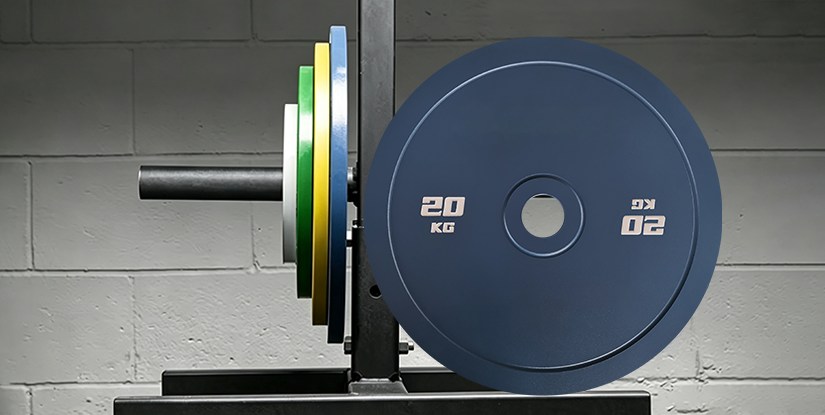
When evaluating wholesale iron plates China, buyers should request details regarding the specific powder coating application method and the pre-treatment steps used to ensure adhesion. A high-quality sourcing strategy focuses on products that maintain their structural integrity and visual appeal through years of rigorous commercial use, ultimately protecting the distributor's margins and the end-user's investment.
Technical Comparison of Coating Specifications
The decision between different surface treatments is a critical lever in commercial gym procurement. While bare iron or simple paint may offer a lower entry price, they often lead to higher replacement rates due to oxidation. For large-scale distributors, the goal is to find a cast iron plate trade manufacturer that provides finishes capable of withstanding the mechanical stress and humidity typical of high-traffic training facilities. Choosing the correct specification at the sourcing stage prevents the hidden costs of premature rust and surface chipping that can damage a brand's reputation.
In many commercial settings, the choice between powder coating vs rubber coating depends on the intended environment and the target price point. Powder coating offers a sleek, professional aesthetic and high resistance to abrasion, making it ideal for standard commercial weight rooms. Conversely, rubberized or PU-coated finishes provide superior impact absorption and floor protection, which is a key selling point for premium studio operators. A professional commercial weight plate supplier will provide technical documentation regarding the adhesion strength and the multi-stage cleaning process used before the coating is applied to ensure the finish does not peel under heavy use.
When negotiating wholesale iron plates China, we recommend requesting samples to inspect the coating thickness and the quality of the edge finish. A high-quality factory will utilize a multi-stage pre-treatment—such as a phosphate wash—to ensure the coating bonds deeply with the cast iron substrate. This attention to detail significantly improves the long-term ROI for the end-user and ensures that your wholesale orders remain in pristine condition throughout their service life.
Critical Inspection Points for Pre-Shipment QC
For distributors and large-scale importers, the risk of receiving a batch with high failure rates is a direct threat to profit margins. A professional factory should implement a rigorous pre-shipment QC protocol that focuses specifically on surface integrity and coating adhesion. During a bulk order inspection, buyers should not merely look for visual perfection but should verify that the manufacturing process has addressed common failure modes such as peeling, chipping, or uneven thickness that can occur during high-volume production.
A qualified supplier will facilitate a thorough inspection of the following critical areas to ensure the shipment meets international export standards:
- Coating Adhesion: Verifying that the surface treatment—whether powder or liquid—is deeply bonded to the substrate to prevent flaking during high-impact usage.
- Surface Defects: Checking for casting imperfections, such as pits or uneven edges, that could compromise the aesthetic or structural consistency of the batch.
- Weight Calibration: Confirming that the casting tolerances align with the specified weight class to ensure accuracy across the entire shipment.
- Packaging Integrity: Ensuring that the export packaging is robust enough to protect the finished surfaces from moisture and friction during long-distance sea freight.
When you engage with a cast iron plate trade manufacturer, we recommend requesting a detailed inspection report or arranging a third-party audit to confirm these technical benchmarks. By prioritizing these pre-shipment QC steps, you mitigate the risk of costly returns and ensure your landed cost remains optimized through high-quality, durable product delivery. For those looking to scale, we are available to discuss MOQ requirements, OEM customization, and specific inspection protocols for your next bulk order.
Quality Control Protocols for High-Volume Export Orders
For distributors and large-scale gym operators, the primary risk in commercial gym procurement is not the unit price, but the landed cost of defective inventory. When managing high-volume export logistics, even a minor deviation in casting consistency or coating adhesion can lead to massive replacement costs and damaged brand reputation. A professional cast iron plate trade manufacturer mitigates these risks by implementing standardized QC protocols that move beyond simple visual inspections to ensure every batch meets commercial-grade expectations.
Effective risk mitigation begins at the factory level, long before the container is sealed. Relying on a wholesale iron plates China supplier that maintains strict oversight of the sand casting and powder coating stages ensures that weight tolerances and surface durability remain consistent across thousands of units. For those managing large MOQ requirements, integrating a pre-shipment inspection into the production timeline is a critical step to protect profit margins and ensure long-term product reliability.
Essential Inspection Points for Material and Surface Integrity
Reliable sourcing requires a deep understanding of the specific failure modes common in mass-produced iron goods. In a professional China factory environment, quality control must focus on the structural stability of the sand casting and the durability of the surface treatment. Importers should prioritize a cast iron plate trade manufacturer that performs multi-stage verification to ensure the product can withstand the rigors of high-traffic commercial environments without premature degradation.
The following table outlines the critical technical benchmarks used during the pre-shipment inspection process. This comparison helps procurement officers distinguish between standard production and high-tier commercial-grade specifications, which directly impacts the total cost of ownership and long-term maintenance requirements.
| Inspection Category | Standard Commercial Grade | Premium Commercial Grade | Critical QC Point for Importers |
|---|---|---|---|
| Material Base | Standard Sand Casting | High-Density Gray Iron | Casting porosity and surface smoothness |
| Weight Accuracy | Standard weight tolerance | Precision weight calibration | Consistency across the entire batch |
| Surface Treatment | Basic paint or enamel | Multi-layer powder coating | Coating adhesion and chip resistance |
| Physical Geometry | Basic flatness | High concentricity and flatness | Warping during the cooling process |
| Branding/Marking | Simple stamped logo | Laser or silk-screened marking | Legibility and permanent adhesion |
When evaluating a commercial weight plate supplier, it is vital to confirm whether these inspection points are integrated into the standard production workflow. A robust cast iron plate trade manufacturer will provide transparency regarding their ability to manage weight tolerance and coating adhesion. We recommend that buyers request a specific sample evaluation or a detailed technical spec sheet to confirm that the manufacturing output aligns with your brand identity and commercial durability requirements before finalizing any wholesale agreement.
Customization and OEM Capabilities for Global Distributors
For distributors seeking to scale their market presence, partnering with a professional cast iron plate trade manufacturer offers a significant strategic advantage. Rather than merely reselling generic stock, high-tier importers leverage OEM and ODM services to build a recognizable brand identity. This allows a supplier to move beyond commodity pricing and offer value-added, specialized equipment lines that align with specific regional market demands.
Establishing a private label program requires a factory that understands the nuances of custom branding, from embossed logos to specialized color-coding. Whether you are looking to implement unique weight markings or specific surface finishes, a capable China factory can accommodate these requests within defined MOQ parameters. This level of customization is essential for professional commercial gym procurement, as it enables distributors to differentiate their product catalogs and improve long-term client retention through branded consistency.
Strategic Tier Selection for Market Positioning
Distributors must decide between standard stock and premium customized orders based on their target end-user and total cost of ownership. A commercial weight plate supplier typically offers two main pathways: high-volume standard production or high-margin specialized runs. Selecting the wrong tier can lead to increased landed costs or, conversely, missed opportunities in the premium studio market where aesthetic consistency is a key requirement.
The following table outlines the qualitative differences between standard and premium customization options to assist in your sourcing decisions. This comparison focuses on how material and process choices impact your long-term inventory value and wholesale iron plates China procurement strategy.
| Customization Tier | Primary Material & Process | Branding & Finish Options | Typical Commercial Duty | Procurement Focus |
|---|---|---|---|---|
| Standard/Economy | Sand casting with basic phosphate treatment | Standard embossed logo or silk-screened numbers | High-traffic commercial gyms and budget studios | Low MOQ and high volume wholesale |
| Premium/Professional | Precision casting with multi-stage powder coating | Custom color-coded rims and precision laser markings | High-end fitness clubs and specialized training facilities | High OEM value and brand differentiation |
When evaluating a cast iron plate trade manufacturer, it is vital to confirm the specific weight tolerance standards and branding options available for your specific private label project. High-tier ODM services allow you to specify the depth of the embossed logo or the exact texture of the powder coating to ensure your brand remains consistent across all product lines. We recommend requesting a sample approval or a factory audit to verify the coating adhesion and the precision of the weight markings before committing to large-scale bulk orders.
Export Packaging and Global Logistics Reliability
Successful international distribution depends on more than just manufacturing precision; it requires a rigorous pre-shipment inspection and specialized export packaging to protect your margins. For a cast iron plate trade manufacturer, the final stage of production is as critical as the initial casting. High-density iron products are heavy and prone to surface impact damage during ocean freight. Without professional-grade packaging, the risk of chipped powder coating or dented edges increases, which can negatively impact your landed cost through increased returns or client dissatisfaction.
To ensure seamless bulk orders, a reputable supplier implements a multi-step logistics protocol. This includes reinforced palletizing, edge protection, and moisture-resistant wrapping to maintain the integrity of the iron surface throughout transit. We recommend that all importers confirm the specific pallet dimensions and container loading optimization plans during the initial sourcing phase. By coordinating closely with the China factory regarding lead time and shipping schedules, distributors can better manage warehouse space and ensure a consistent supply chain for their commercial clients.
Sourcing Logistics and Pre-Shipment Inspection Requirements
Managing the transition from production to international transit is a critical phase for any importer working with a cast iron plate trade manufacturer. For professional distributors, the risk of unexpected landed costs or receiving batches with incorrect weight tolerances can erode profit margins and damage client trust. Effective sourcing requires a rigorous focus on both the physical logistics chain and standardized verification protocols.
To ensure your commercial weight plate supplier meets your brand standards, you must establish clear protocols for pre-shipment inspection and container loading. Without a structured QC process, buyers often face issues such as coating adhesion failure or dimensional discrepancies upon arrival. A professional China factory will typically provide detailed documentation regarding the lead time and packaging specifications to help you calculate an accurate landed cost. For large-scale wholesale orders, we recommend confirming the MOQ and shipping volume early to optimize container utilization and reduce freight expenses per unit.
Essential Inspection Checklist for Bulk Procurement
A structured inspection protocol is the most effective way to mitigate risk when importing high-volume inventory. When working with a cast iron plate trade manufacturer, procurement professionals should not rely solely on factory reports; instead, they should mandate a physical verification of specific quality benchmarks. This ensures that every unit in your wholesale shipment aligns with the technical specifications agreed upon during the initial sourcing phase.
The following checklist serves as a standard framework for evaluating physical product integrity during a factory visit or via a third-party inspection service. These points are critical for maintaining long-term durability and brand reputation in the commercial fitness market.
| Inspection Category | Specific Focus Area | Typical Commercial Requirement | Procurement Impact |
|---|---|---|---|
| Weight Accuracy | Weight tolerance and calibration | Standardized weight deviation levels | Ensures consistent inventory value |
| Surface Integrity | Coating adhesion and finish | Uniformity of paint or powder coating | Reduces maintenance and replacement costs |
| Structural Form | Flatness and concentricity | Minimal warping of the casting | Prevents uneven wear on equipment |
| Packaging Quality | Export packaging and container loading | Reinforced corner protection and palletization | Minimizes transit damage and landed cost |
When auditing a commercial weight plate supplier, focus heavily on the export packaging protocols. For heavy iron goods, the way a China factory secures the load within a shipping container directly affects the survival rate of the product. Ensure that pallets are properly strapped and that the wholesale volume is optimized for container density without compromising the structural safety of the stack. Verifying these details before the pre-shipment inspection is complete can prevent costly returns and protect your distributor margins.
| Shipping Configuration | Inspection Depth | Packaging Type | Cost Impact |
|---|---|---|---|
| Standard Bulk LCL | Basic visual and weight check | Standard cardboard or thin plastic wrap | Lower initial freight expense |
| Standard FCL (Full Container) | Comprehensive surface and dimensional audit | Reinforced palletization with corner protection | Optimized density for lower unit landed cost |
| Premium OEM/ODM Batch | Full technical spec and calibration verification | Heavy-duty export crates or custom branded boxing | Higher packaging cost but reduced transit damage risk |
Selecting the appropriate logistics tier is essential when ordering wholesale iron plates China. A professional cast iron plate trade manufacturer will offer different levels of protection based on your specific volume and destination. For instance, while standard bulk shipping may lower your immediate outlay, a premium export packaging configuration significantly reduces the risk of surface oxidation or physical impact damage during long-sea transit, ultimately protecting your long-term ROI.
Before finalizing your next procurement cycle, we recommend contacting us to confirm the current MOQ for your specific weight classes. Our team can provide a detailed technical spec sheet and discuss customized OEM branding options to ensure your inventory meets the high standards of your local commercial market. Whether you require a single container or a recurring wholesale supply, we are ready to assist with your formal quote request and factory audit scheduling.