Calibrated Steel Plate OEM: Wholesale Material Spec
Economic Advantages of Calibrated Steel Plate OEM Sourcing
Many distributors fail by sourcing low-grade cast iron that requires frequent replacement due to uneven weight distribution or surface degradation. A more profitable strategy involves investing in a calibrated steel plate OEM partnership, where precision manufacturing ensures long-term durability. By sourcing directly from a China factory, importers can secure high-spec commercial steel weight plates that offer a lower total cost of ownership through reduced maintenance and replacement cycles.
For professional distributors, the primary goal is maximizing the margin on every shipment. Utilizing wholesale gym equipment manufacturing capabilities allows you to control the entire production chain, from the initial metal selection to the final surface finish. This level of control is essential when calculating the landed cost for large-scale commercial gym projects where reliability is non-negotiable.
Optimizing your sourcing strategy requires a clear understanding of how different manufacturing tiers impact your bottom line. High-precision machining reduces the risk of imbalanced loads, which protects your clients' equipment and your brand reputation. When you work with an experienced supplier, you can negotiate MOQ levels that align with your warehouse capacity and market demand, ensuring a lean and efficient inventory turnover.
Production Tier Comparison for Procurement Planning
Selecting the correct production method is a critical decision for any procurement manager. While standard casting is highly cost-effective for high-volume orders, precision machining offers the dimensional accuracy required for premium commercial environments. Understanding these differences allows you to better manage your budget and meet specific client requirements for high-end fitness facilities.
| Material Tier | Primary Process | Key Component Focus | Commercial Duty | MOQ Impact | Factory QC Point |
|---|---|---|---|---|---|
| Standard Cast Iron | Sand Casting | Surface Texture | Budget Commercial | Lower | Weight Spot-Check |
| Precision Steel | CNC Machining | Bore Concentricity | Premium Commercial | Higher | Bore Fit Accuracy |
| Coated Steel | Machining & Coating | Coating Adhesion | High-End Studio | Medium | Surface Uniformity |
When evaluating a calibrated steel plate OEM request, consider how the manufacturing route affects your long-term service load. For instance, a China factory specializing in CNC machining can provide much tighter tolerances for the center bore, ensuring a smooth fit on Olympic bars. This precision reduces mechanical wear and is a standard requirement for high-traffic commercial gyms.
Ultimately, your choice between casting and machining should be driven by your target market segment. If you are focusing on high-volume, cost-sensitive distribution, standard casting remains a reliable industry-standard option. However, for distributors targeting elite training centers, investing in a more advanced machining process will yield a superior product that justifies a premium price point and strengthens your brand identity.
Many distributors fail by sourcing low-grade cast iron that requires frequent replacement due to uneven weight distribution or surface degradation. A more profitable strategy involves investing in a calibrated steel plate OEM partnership, where precision manufacturing ensures long-term durability. By sourcing directly from a China factory, importers can secure high-spec commercial steel weight plates that offer a lower total cost of ownership through reduced maintenance and replacement cycles.
For professional distributors, the primary goal is maximizing the margin on every shipment. Utilizing wholesale gym equipment manufacturing capabilities allows you to control the entire production chain, from the initial metal selection to the final surface finish. This level of control is essential when calculating the landed cost for large-scale commercial gym projects where reliability is non-negotiable.
Optimizing your sourcing strategy requires a clear understanding of how different manufacturing tiers impact your bottom line. High-precision machining reduces the risk of imbalanced loads, which protects your clients' equipment and your brand reputation. When you work with an experienced supplier, you can negotiate MOQ levels that align with your warehouse capacity and market demand, ensuring a lean and efficient inventory turnover.
Material Specifications and Manufacturing Processes for Commercial Steel Weight Plates
For professional distributors and gym equipment importers, understanding the engineering behind calibrated steel plate OEM production is critical to managing long-term product reliability and landed costs. When sourcing high-precision commercial steel weight plates, the distinction between casting and machining determines both the weight tolerance and the durability of the unit under heavy usage cycles in commercial environments.
A reliable China factory will typically follow a strict sequence—starting with raw material selection, moving through casting or machining, and concluding with precision calibration and surface coating. For bulk wholesale gym equipment manufacturing, selecting the correct manufacturing route allows you to balance the initial procurement budget with the expected lifespan of the equipment in high-traffic facilities.
Casting vs. Machining: Engineering and Durability Comparison
The following table outlines the qualitative differences between common manufacturing methods to assist in your sourcing decisions based on target market segments.
| Material Base | Primary Process | Precision Level | Commercial Duty Tier | Typical Use Case |
|---|---|---|---|---|
| Cast Iron | Sand Casting | Standard | Budget Commercial | General strength training facilities |
| Steel Plate | CNC Machining | High | Premium/Competition | Professional strength and conditioning centers |
| Steel/Iron Hybrid | Machined Hub & Casting | Moderate | Mid-Tier Commercial | Standard commercial gym environments |
When evaluating a supplier for calibrated steel plate OEM orders, consider that machined plates offer superior concentricity and tighter weight tolerances, which is essential for high-end studio environments. Conversely, sand-cast options provide a cost-effective solution for large-scale facility rollouts where standard commercial-grade precision is sufficient. We recommend requesting a sample evaluation to inspect the thickness and edge finish before finalizing any large-scale wholesale agreement.
Critical QC Benchmarks for Bulk Procurement
Beyond the primary manufacturing route, professional buyers must evaluate the specific quality control points that impact the final landed cost and long-term maintenance load. A high-standard China factory does not merely check for visual defects; they implement a multi-stage inspection sequence to ensure each unit meets commercial-grade expectations. For calibrated steel plate OEM orders, the most critical failure modes often occur at the junction of the bore and the plate surface, or within the coating adhesion layers.
When managing wholesale gym equipment manufacturing, we suggest focusing your pre-shipment inspection on these three technical dimensions to minimize after-sales replacement planning and distributor friction:
- Bore Concentricity: Ensuring the central hole is perfectly aligned to prevent uneven weight distribution during high-speed movements.
- Surface Integrity: Verifying that the powder coating or plating is uniform and lacks bubbling or chipping, which can lead to premature oxidation.
- Weight Spot-Checks: Confirming that the calibration process remains consistent across the entire batch to maintain professional standards.
For large-scale sourcing projects, we recommend a tiered inspection approach. For budget-tier cast iron, focus on edge smoothness and thickness consistency. For premium machined steel, prioritize the precision of the central hub and the quality of the surface finish. If you are developing a private label line, ensure the branding area or embossment is clearly defined and consistent across all weights in the set. We invite you to request a detailed specification sheet or discuss your specific MOQ requirements with our team to ensure your technical standards align with our production capabilities.
Surface Finishing and Export-Grade Durability
The longevity of your inventory depends heavily on the quality of the surface treatment. For calibrated steel plate OEM projects, the application of powder coating or specialized plating is not merely aesthetic; it is a critical defense against oxidation and mechanical wear. High-quality powder coating provides superior coating adhesion, ensuring that the finish does not chip or peel when plates are frequently handled or stacked in high-traffic commercial settings. This durability directly affects your total cost of ownership and reduces the maintenance load for your end-users.
For distributors managing a large-scale bulk order, the final stage of production must include rigorous pre-shipment QC that extends beyond the plate itself to the export packaging. Robust, reinforced carton structures and palletization are essential to prevent transit damage and ensure the plates arrive at your warehouse in pristine condition. When coordinating with a China factory, we recommend verifying that the packaging specifications are optimized for container loading efficiency to protect your landed cost and ensure a smooth delivery process for your entire shipment.
Optimizing Facility Footprint with High-Density Weight Storage
For professional gym operators and distributors, floor space is a high-value asset. When managing a large-scale facility, the density and thickness of your inventory directly impact your operational efficiency. Sourcing high-quality calibrated steel plate OEM solutions allows you to maximize your vertical and horizontal storage capabilities. By choosing products with standardized dimensions and high density, importers can reduce the physical volume required for weight storage, effectively increasing the usable square footage of a commercial training area.
Effective space optimization is a critical component of professional facility management. Traditional, low-grade cast iron plates often suffer from inconsistent thicknesses and irregular edges, which creates "dead space" in storage racks and prevents tight nesting. In contrast, professional wholesale gym equipment manufacturing focuses on precision machining to ensure each plate maintains a consistent profile. This uniformity allows for more compact stacking and more efficient use of weight trees, which is essential when calculating the landed cost against the total utility of your facility layout.
When planning your next bulk order, consider how commercial steel weight plates with optimized thickness-to-weight ratios can improve your high-density storage strategy. A more compact footprint means lower long-term overhead and a better ROI for your facility layout. We recommend that distributors and gym owners request specific thickness tolerances from their supplier to ensure the plates meet the strict dimensional requirements of professional-grade storage systems.
Technical Comparison: Casting vs. Precision Machining
Understanding the manufacturing differences between standard casting and precision-driven production is essential for effective sourcing. While sand casting is a cost-effective method for producing high volumes of basic weights, it often lacks the dimensional consistency required for high-end commercial environments. For distributors seeking to offer premium inventory, a calibrated steel plate OEM approach utilizes advanced CNC machining to refine the plate profile. This process ensures a superior thickness-to-weight ratio, providing a more compact and uniform unit that is ideal for high-density storage and professional barbell loading.
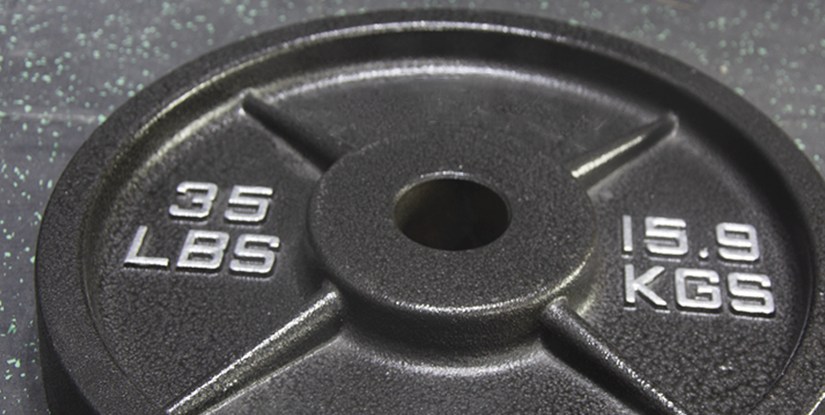
The following table outlines the qualitative differences between common manufacturing tiers to assist in your procurement decision-making. This comparison focuses on how material processing impacts the long-term utility and storage efficiency of the product.
| Material Tier | Primary Process | Key Component/Detail | Commercial Duty | MOQ Impact | Factory QC Point |
|---|---|---|---|---|---|
| Standard Cast Iron | Sand Casting | Irregular Edge Profile | Budget/Entry-Level | Low | Weight Spot-Check |
| Premium Calibrated Steel | CNC Machining | Consistent Thickness | Professional/High-End | Moderate | Bore Fit & Concentricity |
| Specialized Competition | Precision Forging/Machining | High-Tolerance Interface | Elite/Olympic Standards | High | Dimensional Calibration |
When evaluating your next batch, remember that the precision of the commercial steel weight plates you select will dictate your storage density. A higher investment in precision-machined units often results in lower long-term maintenance and higher efficiency in weight tree organization. We suggest that buyers confirm the specific machining steps and calibration methods with their factory during the sample approval stage to ensure the product aligns with their facility's specific storage requirements.
| Material Tier | Primary Process | Key Component/Detail | Commercial Duty | MOQ Impact | Factory QC Point |
|---|---|---|---|---|---|
| Standard Cast Iron | Sand Casting | Irregular Edge Profile | Budget/Entry-Level | Low | Weight Spot-Check |
| Premium Calibrated Steel | CNC Machining | Consistent Thickness | Professional/High-End | Moderate | Bore Fit & Concentricity |
| Specialized Competition | Precision Forging/Machining | High-Tolerance Interface | Elite/Olympic Standards | High | Dimensional Calibration |
When evaluating your next batch, remember that the precision of the commercial steel weight plates you select will dictate your storage density. A higher investment in precision-machined units often results in lower long-term maintenance and higher efficiency in weight tree organization. We suggest that buyers confirm the specific machining steps and calibration methods with their factory during the sample approval stage to ensure the product aligns with their facility's specific storage requirements.
China Factory QC Protocols for Precision Weight Calibration
Maintaining strict calibrated steel plate OEM standards is the primary defense against high return rates and distributor dissatisfaction. For international importers, the difference between a standard cast plate and a precision-machined unit lies in the rigorous factory QC protocols implemented during the final stages of production. A reliable China factory must move beyond simple visual inspections to ensure that every unit meets the weight tolerance requirements necessary for high-end commercial gym environments.
The calibration process typically begins after the initial precision machining of the steel hub and outer diameter. In a professional wholesale gym equipment manufacturing environment, the supplier utilizes specialized weighing stations to verify each plate. This stage is critical for commercial steel weight plates, where even minor deviations can compromise the balance of barbell sets. High-tier OEM production lines integrate a multi-step verification sequence: first, a baseline weight check following surface coating, followed by a secondary calibration after any final edge chamfering or branding embossing. This ensures that the finished product matches the technical specification sheet provided during the sourcing phase, protecting the buyer's landed cost and reputation.
Technical Verification and Export Standards
Beyond weight accuracy, the structural integrity of the plate is validated through a rigorous concentricity check. This process ensures that the central bore is perfectly aligned with the plate's center of gravity, preventing wobbling or uneven wear on barbell sleeves during high-volume commercial use. A professional calibrated steel plate OEM workflow requires that the CNC machining stage produces a perfectly centered aperture, which is a critical quality marker for premium distributors. If the bore is off-center, it can lead to significant maintenance issues for the end-user and increased replacement costs for the importer.
Before any shipment departs the factory, a comprehensive pre-shipment inspection is conducted to ensure compliance with international export standards. This final gatekeeping step involves checking the adhesion of the powder coating, the smoothness of the chamfered edges, and the durability of the custom branding. For those engaged in wholesale gym equipment manufacturing, these protocols are essential to minimize the risk of transit damage and ensure that the bulk shipment arrives in a condition that meets the high expectations of professional gym operators. We recommend that all buyers confirm the specific inspection checklists and the frequency of weight spot-checks during the initial sourcing discussion to ensure complete transparency.
Comparison of Calibration Methods for Procurement Selection
Selecting the appropriate manufacturing tier requires a clear understanding of how calibration methods impact both technical precision and the final landed cost. For distributors managing diverse product portfolios, choosing between standard casting and advanced machining is a strategic decision based on target market positioning. The following table outlines the typical variations encountered when engaging a calibrated steel plate OEM to assist in your procurement planning.
| Calibration Method | Precision Level | Typical Application | Manufacturing Complexity | Impact on Landed Cost |
|---|---|---|---|---|
| Standard Casting & Weight Adjustment | Standard Commercial | General fitness clubs and budget-conscious gym chains | Moderate | Lower; optimized for high-volume wholesale |
| Post-Casting Machining (Bore & Edge) | Professional/High-Tier | Performance centers and premium commercial studios | High | Moderate; requires precise CNC machining |
| Full CNC Surface & Bore Calibration | Competition/Premium | Specialized strength training facilities and high-end distributors | Very High | Higher; reflects premium commercial steel weight plates specs |
When evaluating your next batch, consider that higher precision levels often necessitate different MOQ requirements and longer lead times due to the intensive machine-time required. A professional supplier will provide a detailed specification sheet detailing which tier your order falls under. We recommend requesting a sample evaluation or a detailed technical walkthrough of the calibration sequence to ensure the final product aligns with your brand identity and the specific durability requirements of your target market. Whether you are looking for a budget-friendly solution or a high-performance product, aligning your expectations with the specific factory capabilities during the initial sourcing phase is essential for long-term profitability.
Custom Branding and OEM/ODM Capabilities for Global Distributors
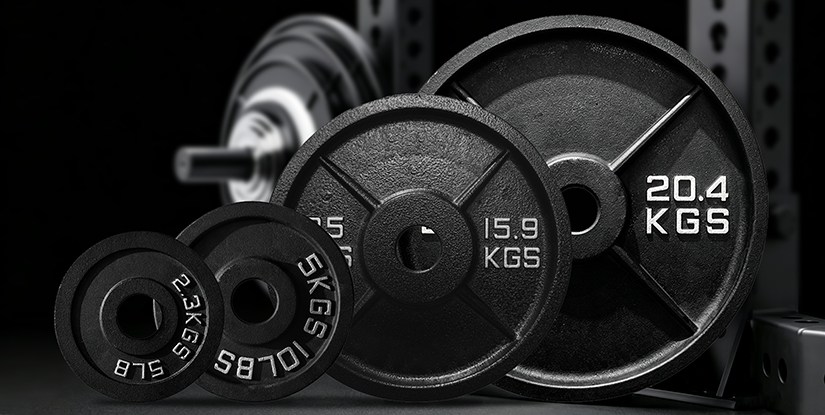
For distributors looking to scale, leveraging a professional calibrated steel plate OEM partner is a strategic move to build long-term market authority. Rather than competing on generic stock, high-tier importers utilize OEM and ODM services to differentiate their product lines. By working directly with a specialized China factory, you can transition from a simple reseller to a recognized brand owner with a unique brand identity.
The scope of private label development for commercial steel weight plates extends beyond just a logo. We provide comprehensive customization options to ensure your products meet specific regional or premium market demands. This includes precision-engineered weight increments, custom color powder coating to match your studio's aesthetic, and high-visibility embossed or printed branding. Whether you require high-density steel hubs or specific diameter tolerances, our wholesale gym equipment manufacturing workflows are designed to accommodate diverse commercial gym applications while maintaining strict sourcing efficiency and predictable lead time.
Developing a custom line requires balancing aesthetic appeal with landed cost and MOQ requirements. We assist procurement leads in selecting the right material-to-branding ratio to maximize distributor margins. From custom-molded rubber edges to branded steel center hubs, every detail is engineered to support your professional expansion.
Comparison of Customization Tiers for Professional Procurement
When planning your next bulk order, understanding the technical and financial boundaries of customization is essential for accurate sourcing. A professional calibrated steel plate OEM partner offers different tiers of service depending on your volume and branding ambitions. Choosing the correct level ensures that your private label weight plates meet your quality standards without unnecessary overhead in the landed cost.
The following table outlines the typical differences between standard wholesale procurement and high-level OEM development. This comparison helps distributors decide between purchasing ready-to-ship stock or investing in a unique brand identity through custom manufacturing.
| Customization Level | Branding Capability | Technical Specification Control | Typical MOQ | Target Market |
|---|---|---|---|---|
| Standard Wholesale | Standard factory logo or no branding | Fixed weight increments and standard finish | Low (Standard Container/Pallet) | Budget gym setups and local distributors |
| OEM (Light Custom) | Custom color powder coating or logo plate | Standard bore diameter with custom finish | Medium (Per SKU/Weight) | Premium boutique studios and regional chains |
| ODM (Full Custom) | Full private label integration | Custom weight tolerances and unique steel hub design | High (Volume-based) | Global distributors and large-scale equipment brands |
For importers, the choice often hinges on the intended commercial gym applications. If your goal is rapid market entry, standard commercial steel weight plates offer the fastest lead time. However, for long-term market positioning, investing in calibrated steel plate customization allows you to control the precision and aesthetic of your product line, effectively building a proprietary catalog through a reliable supplier.
For distributors looking to scale, leveraging a professional calibrated steel plate OEM partner is a strategic move to build long-term market authority. Rather than competing on generic stock, high-tier importers utilize OEM and ODM services to differentiate their product lines. By working directly with a specialized China factory, you can transition from a simple reseller to a recognized brand owner with a unique brand identity.
The scope of private label development for commercial steel weight plates extends beyond just a logo. We provide comprehensive customization options to ensure your products meet specific regional or premium market demands. This includes precision-engineered weight increments, custom color powder coating to match your studio's aesthetic, and high-visibility embossed or printed branding. Whether you require high-density steel hubs or specific diameter tolerances, our wholesale gym equipment manufacturing workflows are designed to accommodate diverse commercial gym applications while maintaining strict sourcing efficiency and predictable lead time.
Developing a custom line requires balancing aesthetic appeal with landed cost and MOQ requirements. We assist procurement leads in selecting the right material-to-branding ratio to maximize distributor margins. From custom-molded rubber edges to branded steel center hubs, every detail is engineered to support your professional expansion.
Logistics and Export Packaging Standards for Bulk Orders
Maintaining strict weight tolerance stability and surface integrity during long-distance transit is a critical concern for distributors managing calibrated steel plate OEM procurement. When sourcing high-precision plates, the risk of metal oxidation, denting, or dimensional shifts during sea freight can significantly impact your landed cost and product reputation.
Professional wholesale gym equipment manufacturing requires more than just precision machining; it demands a rigorous sea freight protection protocol. A reliable China factory must implement multi-layered packaging strategies to ensure that every unit arrives at your warehouse in the exact condition specified during the initial sourcing phase. This includes moisture-resistant barrier films to prevent rust and reinforced corner protectors to mitigate impact damage during bulk order logistics.
For importers, inadequate packaging leads to higher replacement rates and diminished margins. By prioritizing export-standard packaging, you ensure that the high-grade commercial steel weight plates you have ordered maintain their professional finish and precise calibration from the factory floor to your local distribution center.
Packaging Method Comparison for Landed Cost Optimization
Selecting the appropriate shipping configuration is a vital decision for procurement managers looking to balance protection and volume efficiency. Depending on your warehouse capacity and the fragility of the surface finish, a China factory will typically offer two primary configurations for calibrated steel plate OEM shipments. Choosing between these methods directly impacts your container utilization and total landed cost.
| Packaging Type | Structural Support | Sea Freight Durability | Storage Efficiency | Best Use Case |
|---|---|---|---|---|
| Palletized Shipping | Standardized wooden or plastic pallets | High; protects against shifting in containers | Moderate; requires forklift access | High-volume wholesale distributions |
| Wooden Crates | Reinforced timber frame or full enclosure | Maximum; prevents impact and moisture ingress | Lower; occupies more cubic volume | Premium commercial steel weight plates |
For standard wholesale gym equipment manufacturing orders, palletized shipping remains the industry standard for maximizing container load density. However, for high-end calibrated steel plate OEM batches where surface precision and aesthetic integrity are paramount, heavy-duty wooden crates provide the necessary rigidity to survive rigorous sea freight cycles. We recommend consulting with your supplier to confirm the exact dimensions and weight limits before finalizing your sourcing plan to ensure optimal container loading and predictable logistics costs.
Pre-Shipment Inspection and QC Protocols
Before any calibrated steel plate OEM shipment leaves the facility, a rigorous pre-shipment inspection is mandatory to prevent costly returns and maintain distributor trust. A professional factory does not rely on random sampling alone; instead, we implement a systematic verification process that covers every critical dimension of the production run. This ensures that the precision achieved during the machining phase is preserved through to the final loading stage.
The standard pre-shipment inspection protocol for commercial steel weight plates involves several key verification steps. First, technicians perform a weight spot-check to ensure calibration remains within the agreed tolerance band. Second, the surface finish is inspected for any signs of coating adhesion failure or oxidation. Finally, the bore concentricity is verified to guarantee a seamless fit for professional barbell sleeves. For high-volume wholesale gym equipment manufacturing, this level of scrutiny is essential to mitigate the risk of dimensional inconsistencies that can arise during large-scale production cycles.
Beyond product integrity, we focus heavily on container loading optimization to protect your margins. This involves strategic stacking patterns to maximize the cubic capacity of each 20ft or 40ft container while maintaining structural stability. By combining reinforced moisture-proof packaging with optimized load distribution, we help importers reduce the total landed cost per unit. We suggest discussing your specific MOQ and lead time requirements with your supplier early in the process to align production schedules with your regional shipping windows and warehouse capacity.