Cast Iron Weight Plate Private Label Manufacturer: Material
Cast Iron Weight Plate Private Label Manufacturer: Material Selection for Commercial Scale
Many distributors fail by sourcing low-grade iron that suffers from uneven density or surface cracking, leading to high replacement costs and damaged reputation. A professional cast iron weight plate private label manufacturer avoids these pitfalls by utilizing high-quality gray iron and standardized sand casting techniques to ensure structural integrity. For high-volume B2B sourcing, selecting a factory that prioritizes consistent metallurgical composition is essential for maintaining a reliable wholesale supply chain and protecting your long-term margins.
The durability of commercial cast iron plates depends heavily on the precision of the casting process and the quality of the raw iron ore. When managing large-scale wholesale weight plates orders, importers must verify that the China factory maintains strict control over the cooling phase and the subsequent machining of the center bore. This ensures that every unit meets the required weight tolerance standards and remains perfectly concentric, reducing the risk of vibration or uneven wear during heavy commercial use.
Material and Surface Finish Comparison for Commercial Procurement
Selecting the right surface treatment is a critical decision for distributors managing the total cost of ownership (TCO) for their clients. While bare iron is cost-effective, it requires more frequent maintenance to prevent oxidation. For clients demanding high durability and minimal maintenance, a OEM fitness equipment manufacturer will typically offer advanced coating options. These finishes do not just serve aesthetics; they provide essential floor protection and increase the lifespan of the unit in high-traffic environments.
| Material Base | Coating Type | Manufacturing Process | Commercial Duty | Floor Protection |
|---|---|---|---|---|
| Gray Cast Iron | Bare Iron | Sand Casting & Machining | Budget / Entry-Level | Low (Requires Mats) |
| Gray Cast Iron | Phosphate Treatment | Casting & Chemical Bath | Standard Commercial | Moderate |
| Gray Cast Iron | Powder Coating | Casting & Powder Application | Premium Commercial | High |
| Cast Iron | Rubber/PU Encapsulation | Molding or Vulcanization | High-End Studio | Maximum |
When evaluating your next batch, ensure your cast iron weight plate private label manufacturer utilizes professional CNC machining for the center bore to guarantee a smooth fit on Olympic bars. For premium branding, powder coating is the industry standard for achieving a consistent, scratch-resistant finish that enhances your brand identity. If your target market focuses on high-end boutique studios, you may want to request samples of rubber-encapsulated options to ensure the highest level of impact absorption and noise reduction.
Factory QC and Pre-Shipment Inspection Protocols
Reliability in bulk procurement is determined by the rigor of the QC protocols implemented before a container is sealed. For international distributors, the risk of receiving a shipment with uneven weight distribution or poor concentricity can lead to massive losses in landed cost and client trust. A professional cast iron weight plate private label manufacturer mitigates these risks by performing systematic checks across the entire production line, from the initial casting stage to the final export packaging stage.
During the pre-shipment phase, a reputable factory conducts critical inspections that focus on both physical dimensions and surface integrity. This includes a thorough weight calibration check to ensure all units within a single wholesale batch remain within acceptable industry-standard tolerances. Furthermore, technicians inspect the center bore for concentricity and the coating adhesion strength to prevent premature peeling or rusting in humid gym environments. For high-volume OEM orders, we recommend requesting a detailed inspection report or booking a third-party audit to verify that the lead time and quality benchmarks are strictly met before shipping.
Effective export packaging is the final safeguard for your inventory. To prevent damage during long-distance maritime transit, plates should be packed in heavy-duty, reinforced cartons or specialized wooden crates. This ensures that when your wholesale shipment arrives at your warehouse, the product condition is pristine, protecting your distributor margins and ensuring a seamless delivery to your end-users.
Material Grades and Surface Finishing Options for Bulk Procurement
Selecting the correct material grade is a critical decision for distributors and gym owners looking to balance durability with landed costs. A professional cast iron weight plate private label manufacturer typically utilizes high-density gray iron to ensure structural integrity under heavy usage. For high-volume wholesale weight plates, the choice between bare iron and advanced coatings determines the long-term maintenance load and product lifespan in a commercial environment.
Most commercial cast iron plates undergo a rigorous production sequence starting with precision sand casting to define the plate shape and center bore. Following the casting stage, the units move to machining for bore calibration and finally to a surface treatment line. Depending on your sourcing requirements, these finishes can range from basic phosphate treatments to heavy-duty powder coating to prevent oxidation and improve aesthetic appeal.
| Material Grade | Surface Treatment | Primary Process | Commercial Duty Tier | Maintenance Requirement |
|---|---|---|---|---|
| Gray Iron | Bare Iron | Sand Casting | Budget Commercial | Moderate (Oxidation Risk) |
| Gray Iron | Phosphate/Paint | Casting & Coating | Standard Commercial | Low (Corrosion Resistant) |
| Gray Iron | Powder Coating | Casting & Multi-coat | Premium Commercial | Minimal (High Durability) |
When negotiating with an OEM fitness equipment manufacturer, it is vital to verify how these processes affect weight tolerance and long-term durability. High-quality commercial cast iron plates must maintain consistent thickness and concentricity through the machining phase to ensure they remain balanced during high-intensity training. We recommend discussing specific coating adhesion and thickness with your supplier to ensure the finish survives heavy transport and daily gym wear.
Technical Specifications for Large-Scale Importation
Understanding the nuances of material grades and finishing helps importers mitigate the risk of high return rates or premature oxidation in humid gym environments. When sourcing from a cast iron weight plate private label manufacturer, the distinction between basic sand casting and precision-machined edges can significantly impact the landed cost and the perceived value of your branded line. A reliable China factory will provide transparency regarding the casting density and the subsequent surface treatment layers used to protect the iron core.
The following comparison outlines how different finishing processes affect procurement variables such as the MOQ and the long-term maintenance requirements for your clients. Choosing the right specification allows distributors to optimize their inventory for specific market segments, whether they are targeting budget-friendly fitness centers or high-end boutique studios.
| Material Type | Finishing Method | Machining Detail | Commercial Tier | MOQ Impact |
|---|---|---|---|---|
| Gray Iron | Bare/Phosphate | Basic Bore Calibration | Budget Commercial | Lower |
| Gray Iron | Enamel/Paint | Standard Surface Smoothing | Standard Commercial | Moderate |
| Gray Iron | Powder Coating | High-Precision Edge Trimming | Premium Commercial | Higher |
To ensure quality during the wholesale process, we suggest requesting specific details on the thickness of the coating layer and the method of bore calibration. A professional OEM partner will be able to provide data on how their casting and machining sequence ensures the concentricity of each plate. Before finalizing a bulk order, we recommend requesting a sample approval or a factory audit to verify that the coating adhesion and weight consistency meet your brand's specific standards.
Manufacturing Processes: From Sand Casting to Precision Machining
High-quality production begins with reliable sand casting, a method widely utilized by a professional cast iron weight plate private label manufacturer to ensure structural integrity for bulk orders. For distributors and gym owners sourcing commercial cast iron plates, understanding the transition from raw iron to a finished product is vital for evaluating long-term durability and minimizing replacement costs.
The process typically starts in a China factory environment where molten iron is poured into sand molds to create the base shape. While sand casting is the industry standard for producing the heavy, durable forms required for wholesale weight plates, the raw cast surface is often uneven. To meet professional standards, the plates must undergo secondary processing. This involves CNC machining to refine the center bore and ensure the concentricity required for smooth loading on barbell sleeves. This precision step is critical for an OEM fitness equipment manufacturer to maintain a consistent weight tolerance across an entire shipment, preventing the unevenness that can lead to high return rates or distributor dissatisfaction. Furthermore, high-grade machining ensures surface smoothness on the contact edges, which facilitates easier handling and better integration with various barbell types during high-volume commercial use.
Production Tier Comparison for Commercial Sourcing
When selecting a cast iron weight plate private label manufacturer, procurement leads must distinguish between production methods that impact both the landed cost and the long-term utility of the equipment. Different manufacturing routes are optimized for specific market segments, ranging from high-volume budget distribution to premium studio-grade equipment. Choosing the correct tier ensures that your inventory meets the durability expectations of your clients while maintaining healthy distributor margins.
The following table illustrates how different manufacturing paths affect the final product quality and the sourcing variables such as MOQ and quality control requirements. This comparison helps importers determine if a specific production method aligns with their target market's needs.
| Process Tier | Typical Application | Surface Quality | Precision Level | B2B Sourcing Impact |
|---|---|---|---|---|
| Standard Sand Casting | Budget Commercial Gyms | Textured/Raw | Standard Commercial | Lower wholesale cost; higher MOQ typically required |
| Casting + CNC Machining | Premium Fitness Studios | Smooth/Refined | High Precision Bore | Optimized for OEM branding; balanced lead time |
| High-End Professional Facilities | Uniform/Polished | Precision Concentricity | Premium sourcing; focus on high-end private label identity |
For professional buyers, the transition from basic casting to precision machining is where the value of a factory is truly proven. While basic casting is cost-effective for high-volume wholesale, the addition of precision machining ensures that the center bore is perfectly centered. This prevents the "wobble" effect during heavy lifting, a common failure mode in lower-tier products. When managing a large-scale sourcing project, verifying these secondary processes during a pre-shipment inspection is essential to ensure that the bulk shipment meets the technical specifications required for professional commercial environments.
The final stage of production is often the most critical for ensuring a successful landed cost and minimizing post-arrival disputes. For any professional cast iron weight plate private label manufacturer, the process does not end at the coating line; it concludes only after rigorous pre-shipment QC and the finalization of export-ready packaging. Importers and distributors must ensure that the factory maintains strict protocols to protect their margins and brand reputation.
A comprehensive pre-shipment QC protocol must include several technical checkpoints. First, a weight calibration check is mandatory to ensure that the cast iron weight remains within acceptable commercial tolerances. Second, technicians must inspect the coating adhesion to confirm that the paint or powder coating will not chip or peel during heavy commercial use. Finally, a bore fit test ensures that the plates load smoothly onto standard barbell sleeves without friction or misalignment. Skipping these steps can lead to high replacement costs and damaged client trust.
Beyond product quality, logistics readiness is a key differentiator for a reliable OEM fitness equipment manufacturer. Efficient export packaging is essential to prevent damage during long-distance sea freight. Standard practices include using heavy-duty reinforced cartons and palletizing the weight plates to optimize container loading density. For high-volume wholesale orders, the way a factory handles pallet stability and corner protection directly impacts the safety of the shipment and the efficiency of the unloading process at the destination warehouse.
Managing lead time and shipping schedules is equally vital for procurement planning. When coordinating with a China factory, buyers should account for both the production cycle and the time required for final inspection and customs documentation. A transparent supplier will provide clear timelines for both the manufacturing phase and the export-ready status. To ensure your inventory arrives on schedule and meets all technical requirements, we recommend requesting a detailed spec sheet, confirming the MOQ for your specific customization, and booking a professional factory audit or sample approval prior to full-scale production.
Optimizing Your Supply Chain with a Leading OEM Fitness Equipment Manufacturer
Selecting a high-caliber cast iron weight plate private label manufacturer is a critical decision for distributors looking to secure long-term margins and product reliability. For professional importers, the value lies in the ability to source commercial cast iron plates that maintain consistent density and structural integrity across large-scale wholesale orders. By partnering with a specialized OEM fitness equipment manufacturer, buyers can ensure that every unit meets the rigorous demands of high-traffic commercial gym environments while optimizing their total landed cost.
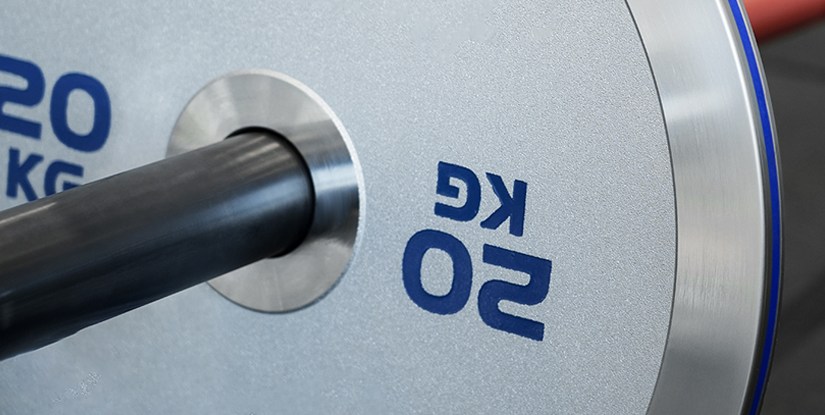
The foundation of high-quality commercial cast iron plates begins with the selection of premium gray iron. Most professional wholesale suppliers utilize traditional sand casting methods to produce these units, a process that ensures the metal's durability and ability to withstand heavy impact. A reliable cast iron weight plate private label manufacturer will focus on the precision of the casting stage to prevent common defects like air pockets or uneven density, which can compromise the weight accuracy required for professional training. When managing sourcing for global distribution, understanding these material fundamentals allows procurement leads to better evaluate the long-term value of their inventory.
Material and Coating Selection for Commercial Use
The technical differentiation between budget and premium tiers often depends on the surface treatment and the precision of the casting. For distributors, selecting the right finish is a balance between durability, floor protection, and the aesthetic requirements of your brand. A professional cast iron weight plate private label manufacturer will offer various coating options to suit different commercial environments, from high-impact strength zones to premium studio settings.
Common industrial finishes include bare iron with phosphate treatment for a rugged look, or high-durability powder coating for enhanced color consistency and rust resistance. For facilities prioritizing noise reduction and floor preservation, rubber coating or polyurethane encapsulation is the industry standard. Understanding these options is essential when negotiating wholesale contracts, as the complexity of the coating process directly influences the final unit cost and the maintenance requirements for the end-user.
| Material Type | Coating Option | Manufacturing Process | Key Component/QC Point | Commercial Duty Tier | MOQ Impact |
|---|---|---|---|---|---|
| Cast Iron | Bare / Phosphate | Sand Casting & Machining | Weight Tolerance & Flatness | Budget Commercial | Lower |
| Cast Iron | Powder Coating | Casting & Electrostatic Spray | Coating Adhesion & Color | Standard Commercial | Medium |
| Cast Iron | Rubber/PU Coated | Casting & Vulcanization | Edge Smoothness & Bonding | Premium Commercial | Higher |
When conducting a sourcing audit or reviewing samples, procurement leads should inspect the transition zones where the coating meets the metal edge. In high-tier wholesale weight plates, the coating should be uniform without bubbling or peeling, ensuring long-term reliability. We recommend requesting a sample to verify the weight calibration and the smoothness of the central bore before finalizing bulk production plans.
Beyond material selection, the final success of a large-scale procurement depends on the rigor of the China factory quality control protocols. A professional cast iron weight plate private label manufacturer must implement a multi-stage inspection sequence that begins immediately after the casting and machining phases. For distributors, the primary risk in wholesale procurement is receiving batches with inconsistent weight or surface defects that increase replacement costs. To mitigate this, a reputable OEM fitness equipment manufacturer typically conducts weight spot-checks and concentricity tests to ensure every unit meets the specified commercial standard before it enters the packaging line.
Quality control does not end at the product level; it extends to the structural integrity of the export packaging. Because cast iron is a high-density, heavy-impact material, improper palletization can lead to significant damage during sea freight, directly impacting your landed cost. We recommend that buyers verify the strength of the wooden crates or heavy-duty corrugated cartons used by the supplier. A high-standard pre-shipment inspection should always include a check of the coating adhesion and the stability of the pallet load to ensure the shipment arrives at your warehouse in perfect condition, ready for immediate distribution.
To optimize your procurement cycle, we suggest requesting a detailed technical specification sheet and a sample evaluation for any new wholesale weight plates order. Confirming the MOQ and lead time for custom branding or specific coating colors early in the process will help you maintain a consistent inventory flow for your clients. Whether you are conducting a remote factory audit or reviewing third-party inspection reports, focus on the consistency of the production output to ensure long-term commercial viability.
Quality Control Standards for High-Volume Export Orders
Maintaining consistent product integrity is the primary challenge when managing large-scale procurement from a cast iron weight plate private label manufacturer. For distributors and gym equipment importers, a single batch of substandard units can lead to increased returns, damaged reputations, and higher long-term maintenance costs. To mitigate these risks, professional sourcing workflows must transition from simple price comparisons to rigorous technical audits of the China factory production lines.
Reliable commercial cast iron plates require multi-stage verification to ensure they meet international commercial standards. A professional supplier does not merely check the final count; they implement a systematic pre-shipment inspection that covers the entire manufacturing sequence—from the initial sand casting stage to the final coating application. This ensures that every unit in a wholesale order maintains uniform density and structural integrity.
Critical Inspection Points for Commercial Grade Batches
When evaluating wholesale weight plates for high-volume distribution, procurement leads should focus on specific technical benchmarks. A standard OEM production cycle must include verified checks on weight tolerance and surface uniformity to prevent discrepancies in a professional gym setting. Without these controls, uneven weight distribution or poor surface adhesion can lead to premature wear and client dissatisfaction.
Standardized QC protocols typically focus on three essential areas: the precision of the center bore, the consistency of the surface finish, and the durability of the coating. For example, a high-quality factory will perform a weight spot-check and a concentricity test to ensure the plate sits flat on a barbell. Furthermore, the adhesion of the powder coating or paint must be verified to prevent chipping during high-frequency commercial use, protecting your brand identity and long-term product value.
Material Finishing and Export Packaging Standards
A critical factor in determining the total landed cost is the durability of the surface treatment. While bare iron is common, many distributors prefer high-grade powder coating for a premium aesthetic and increased resistance to oxidation. During the OEM fitness equipment manufacturer production cycle, the sand casting process must be followed by thorough surface cleaning to ensure maximum coating adhesion. If the surface is not properly prepared, the finish may chip under heavy use, increasing the maintenance load for the end-user and lowering the perceived value of your private label products.
| Material Type | Primary Process | Key Component/Finish | Commercial Duty | QC Focus Point |
|---|---|---|---|---|
| Gray Cast Iron | Sand Casting | Bare Iron or Paint | Budget Commercial | Surface Smoothness |
| Cast Iron | Sand Casting | Powder Coating | Standard Commercial | Coating Adhesion |
| Premium Cast Iron | CNC Machining | Polyurethane/Rubber | High-End Studio | Weight Calibration |
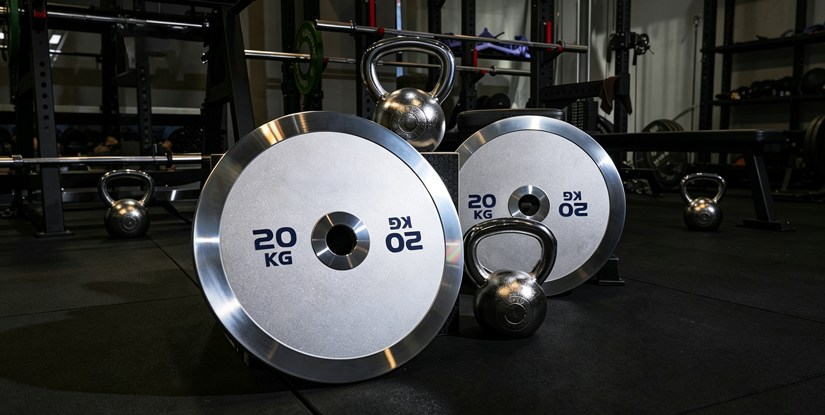
To ensure safe transit and minimize breakage during sea freight, export packaging must be robust. A professional cast iron weight plate private label manufacturer will utilize reinforced heavy-duty cartons and optimized palletizing techniques. This level of detail in the sourcing process prevents damage during container loading and helps stabilize the landed cost by reducing the risk of transit-related losses. We recommend that buyers request a sample of the export packaging configuration and confirm the MOQ for custom branded boxing to ensure your shipments arrive at your warehouse in perfect condition.
Custom Branding and Private Labeling Capabilities
Establishing a distinct market presence requires more than just high-quality products; it requires a cohesive brand identity. As a professional cast iron weight plate private label manufacturer, we provide distributors and gym equipment importers with the ability to transition from sourcing generic stock to building a proprietary product line. Whether you are looking to strengthen your commercial gym branding or launch a new boutique fitness line, our factory offers scalable solutions tailored to your specific design requirements.
The scope of our OEM services covers the full spectrum of visual customization. We specialize in custom logo embossing, where your brand mark is integrated directly into the mold during the sand casting process. This ensures the logo remains a permanent, high-relief feature of the plate that cannot be worn away by heavy use. For clients seeking a more modern or premium aesthetic, we also offer various color coating options, including high-durability powder coating, to align the equipment with your specific brand colors.
For large-scale wholesale orders, we provide comprehensive ODM support to ensure your specifications are met from the initial mold design to the final pre-shipment inspection. While custom branding often involves a higher MOQ compared to standard stock items, the long-term value lies in the increased brand equity and higher distributor margins you can command in your local market. We work closely with your design team to ensure that every detail, from the font of the embossed weight numbers to the finish of the coating, meets your professional standards.
Technical Execution of Branding and Surface Finishing
Precision in the manufacturing sequence is vital for maintaining brand integrity during high-volume wholesale distribution. Our technical workflow begins with high-fidelity sand casting, where your proprietary logo is cast into the mold itself. This logo embossing technique provides a permanent, high-relief finish that resists the mechanical wear typical in commercial environments. Following the initial casting, the plates undergo CNC machining to ensure the center bore remains perfectly concentric and the surface plane is level, preventing any vibration or imbalance during use.
To protect the embossed details and enhance the aesthetic appeal of your commercial cast iron plates, we implement rigorous surface finishing protocols. A standard powder coating application is used to provide a consistent, durable layer that resists chipping and oxidation. This process is essential for an OEM fitness equipment manufacturer to ensure the final product meets the high visual standards expected by premium gym operators. Every batch undergoes a strict quality control check to verify coating adhesion and dimensional accuracy before the final production lead time concludes. By managing these technical steps in-house at our China factory, we ensure that your custom-branded products arrive with the professional finish required to build long-term market authority.
Branding Method Comparison for Procurement Managers
Selecting the correct branding method is a critical decision for distributors balancing upfront investment against long-term product durability. A professional cast iron weight plate private label manufacturer must offer various tiers of customization to accommodate different market positioning, from entry-level gym supplies to premium studio equipment. Understanding the trade-offs between permanent casting and surface-level finishes will help you optimize your sourcing strategy and landed cost.
| Branding Method | Process Type | Durability Level | Visual Impact | Typical MOQ Impact |
|---|---|---|---|---|
| Embossed Logo | Integrated Sand Casting | Permanent / High | Classic / Traditional | Higher due to mold creation |
| Printed Logo | Surface Application | Moderate / Low | Modern / High Detail | Lower for standard runs |
| Powder Coating | Electrostatic Spray | High / Industrial | Consistent Color | Standard for wholesale |
For distributors prioritizing long-term durability in high-traffic environments, the embossed logo remains the industry standard. Because the branding is part of the physical casting, it is immune to the chipping or peeling that can affect surface-level graphics. This makes it an ideal choice for commercial cast iron plates where heavy mechanical impact is frequent. However, this method requires a dedicated mold, which usually results in a higher MOQ for the initial order.
Conversely, if your goal is to launch a color-coded weight system to improve user experience and gym organization, a high-grade powder coating is the most efficient route. This method allows for rapid color changes and provides a protective layer that maintains a clean look under regular maintenance. When evaluating your next batch of wholesale weight plates, consider whether your target market values the rugged permanence of a cast-in logo or the sleek, color-coordinated aesthetic of a coated finish. To finalize your selection, we recommend requesting a sample evaluation or a detailed spec sheet from our factory to confirm how each finish meets your brand identity requirements.
Strategic Sourcing: Evaluating Wholesale Weight Plates for Long-Term ROI
For distributors and gym operators, the initial purchase price of a shipment is only one part of the total cost of ownership. Selecting a reliable cast iron weight plate private label manufacturer ensures that your inventory maintains high value through long-term durability and material consistency. When sourcing commercial cast iron plates in bulk, the quality of the raw iron and the precision of the casting process directly impact your replacement cycles and client satisfaction.
A low-quality wholesale weight plates order may offer immediate savings, but poor material grades often lead to premature oxidation, uneven weight distribution, or surface cracking. By partnering with a professional OEM fitness equipment manufacturer, you mitigate these risks through standardized production. This strategic approach to sourcing optimizes your long-term ROI by reducing maintenance costs and ensuring that your branded products withstand the high-frequency usage typical of commercial environments.
Material and Process Comparison for Procurement Decisions
Understanding the technical distinction between casting methods and surface treatments is essential for effective sourcing. Most distributors choose between standard sand casting and more refined finishing processes based on their target market's budget and durability requirements. A high-quality cast iron weight plate private label manufacturer will provide transparency regarding how these processes affect the final weight tolerance and the long-term appearance of the product in a commercial setting.
In many commercial settings, the choice between a bare iron finish and a powder-coated surface determines the product's maintenance load. While sand casting is the industry-standard method for producing the core shape, the subsequent machining and coating stages are what define the premium feel and durability of the unit. Choosing the correct tier ensures that your branded equipment meets the expectations of high-traffic facilities without unexpected replacement costs.
| Material Grade | Primary Process | Surface Finish | Commercial Duty | MOQ Impact | Factory QC Point |
|---|---|---|---|---|---|
| Gray Iron | Sand Casting | Bare Iron / Phosphate | Budget Commercial | Lower | Weight Spot-Check |
| Cast Iron | Sand Casting + Machining | Powder Coating | Standard Commercial | Medium | Coating Adhesion |
| High-Grade Iron | Precision Casting | PU or Rubber Coating | Premium/High-End | Higher | Bore Fit & Flatness |
When evaluating your next batch, we recommend requesting a detailed specification sheet to confirm the specific coating application method used by the factory. For large-scale distribution, verifying the consistency of the surface finish and the precision of the center bore is a critical step in the pre-shipment inspection process.
Mitigating Risk Through Pre-Shipment QC and Inspection
The true cost of a bulk order is often hidden in the logistics of returns and replacement cycles. For a professional importer, the most critical phase of the sourcing process is the pre-shipment QC. A qualified cast iron weight plate private label manufacturer must implement a rigorous inspection routine that extends beyond simple weight verification. This includes testing the coating adhesion to ensure the finish does not flake under heavy usage and checking the concentricity of the center bore to prevent barbell wobble.
Failure to verify these technical details before the container is loaded can lead to high landed costs due to damaged goods or client dissatisfaction. We advise distributors to focus on three specific inspection pillars: first, the structural integrity of the casting to prevent cracks; second, the uniformity of the surface coating; and third, the precision of the weight calibration. By establishing these standards with your OEM fitness equipment manufacturer, you ensure that your branded inventory arrives ready for high-traffic commercial deployment with minimal maintenance requirements.
To ensure your procurement strategy is optimized, we recommend contacting our team to request a sample approval or to book a formal factory audit. Whether you are looking to confirm the specific MOQ for a custom branding project or require a detailed technical spec sheet for a large-scale wholesale order, our technical experts are available to assist with your documentation and compliance needs.