Cast Iron Weight Plate Casting Manufacturer: Production
Standardizing Procurement for Cast Iron Weight Plate Casting Manufacturer Selection
A professional cast iron weight plate casting manufacturer provides high-density, sand-cast iron plates designed for heavy-duty strength training environments. For distributors and gym owners, sourcing directly from a reliable factory ensures consistent weight calibration, enhanced durability, and a lower total cost of ownership through optimized wholesale procurement cycles.
In a high-traffic commercial use scenario, the structural integrity of weight plates directly impacts facility maintenance and safety. Selecting a specialized cast iron weight plate casting manufacturer allows procurement leads to mitigate the risks of uneven weight distribution or premature surface oxidation. When managing large-scale sourcing projects for fitness centers or equipment distribution, the goal is to secure a supplier capable of maintaining high production standards across bulk wholesale orders, ensuring that every unit meets the rigorous demands of professional lifting environments while maximizing long-term ROI.
Technical Standards for Commercial-Grade Weight Production
To ensure high-performance standards in commercial weight plate manufacturing, buyers must evaluate the specific manufacturing route used by the producer. While basic sand casting is a standard industry method, professional-grade units require secondary processing to meet commercial-duty expectations. A high-tier cast iron weight plate casting manufacturer will implement additional machining steps to ensure the center bore remains concentric and the surface remains flat, preventing wobbling during heavy lifting sessions.
The following table outlines the qualitative differences between various production tiers to assist in your procurement decision-making process:
| Material Tier | Surface Finish | Production Process | Key QC Point | Commercial Application |
|---|---|---|---|---|
| Bare Gray Iron | Phosphate or Natural | Standard Sand Casting | Surface Roughness | Budget Strength Gyms |
| Painted/Enamel | Color Coating | Casting + Spray Line | Coating Adhesion | Standard Commercial Studios |
| Powder Coated | Industrial Powder | Casting + CNC Machining | Weight Tolerance | Premium Strength Facilities |
| PU/Rubber Coated | Polyurethane Dip | Casting + Molding | Encapsulation Integrity | High-End Professional Centers |
Optimizing Lead Time and Export Compliance
Effective cast iron plate production requires a balance between high-volume output and meticulous inspection. For international distributors, understanding the relationship between MOQ and lead time is critical for maintaining consistent stock levels. A specialized factory typically manages a sequence of casting, cooling, CNC machining for the center hole, and finally, the surface coating application. Large-scale orders often require longer lead times to accommodate custom branding or specialized thickness requirements. Furthermore, a professional gym equipment export QC protocol must include a rigorous pre-shipment inspection. This includes checking the weight tolerance of random samples, verifying the smoothness of the center bore to prevent bar interference, and testing the durability of the coating under impact. For bulk sourcing, it is also vital to confirm that the export packaging—such as reinforced cartons or heavy-duty pallets—is sufficient to withstand long-distance sea freight without causing edge damage or surface chipping. Engaging with a supplier that offers transparent documentation of these QC steps will ultimately reduce your landed cost by minimizing replacement claims and returns.
Essential Inspection Points for High-Volume Logistics
When managing bulk sourcing for global distribution, the final inspection stage is where most procurement errors occur. A reliable cast iron weight plate casting manufacturer understands that even a small flaw in a single batch can compromise your entire landed cost through high return rates or damaged reputation. For high-volume wholesale buyers, the inspection protocol must extend beyond the product itself to the entire export readiness of the shipment.
A comprehensive gym equipment export QC process must focus on three critical physical attributes: base flatness, center bore precision, and coating adhesion. First, technicians should verify that the casting surface is uniform and that the base flatness meets industrial standards to prevent wobbling on barbell sleeves. Second, the center bore must be free of burrs or irregularities that could damage high-end bars. Finally, for coated models, a stress test of the coating adhesion is necessary to ensure the finish does not chip during high-impact commercial training. For any China factory supplying international markets, these technical checks are the foundation of a successful partnership.
To protect your profit margins, specialized export packaging is non-negotiable. This involves using heavy-duty, reinforced corrugated boxes and high-strength pallets designed specifically for the high density and weight of cast iron. Ensuring that the container loading plan is optimized for stability prevents shifting during sea freight, which is essential for maintaining the integrity of the product upon arrival. We recommend that all procurement leads confirm the specific packaging dimensions and palletization standards with their supplier before finalizing the production schedule to avoid unexpected logistics costs.
Material and Surface Finishing Options for Commercial Weight Plate Manufacturing
Selecting the right surface treatment is a critical decision for distributors looking to balance upfront procurement costs with long-term durability. As a professional cast iron weight plate casting manufacturer, we understand that the finish directly impacts the maintenance load and the lifespan of the equipment in high-traffic gym environments. Whether you are sourcing for budget-friendly training centers or premium strength studios, the material selection and coating method will dictate the total cost of ownership (TCO) for your clients.
Effective commercial weight plate manufacturing requires more than just a basic pour; it requires a multi-stage surface treatment process to prevent oxidation and surface degradation. A reliable China factory will typically offer several tiers of finishing, ranging from basic industrial coatings to more advanced protective layers. Choosing the correct option during the sourcing phase ensures that your bulk order meets the expected longevity for commercial use without unnecessary replacement cycles.
Comparing Commercial Coating Durability and Sourcing Tiers
When evaluating cast iron plate production, it is helpful to categorize options by their protective capabilities and how they affect your wholesale margins. Below is a comparison of industry-standard finishes used in professional manufacturing.
| Material & Finish Type | Primary Process | Durability Level | Commercial Application | Maintenance Requirement |
|---|---|---|---|---|
| Bare Gray Iron | Sand Casting & Cleaning | Low | Budget/Home Gym | High (Rust risk) |
| Phosphate Treatment | Chemical Dipping | Medium | Standard Commercial | Moderate |
| Powder Coating | Electrostatic Spraying | High | Premium/High-Traffic | Low |
| Polyurethane (PU) | Dip Coating/Molding | Very High | Elite/Professional | Minimal |
For most large-scale distributors, powder coating remains the industry standard due to its ability to provide a consistent, hard-wearing surface that resists chipping. However, for projects where floor protection and noise reduction are top priorities, incorporating a specialized coating layer is a common OEM request. When you confirm your MOQ with your supplier, ensure you specify the exact finish requirements to align with your brand identity and the target gym's operational needs.
Material and Process Integrity in Bulk Procurement
The distinction between a basic casting and a professional-grade plate often lies in the post-casting refinement. For high-volume importers, understanding these technical layers is essential to avoid the hidden costs of high replacement rates. A competent cast iron weight plate casting manufacturer will implement a standardized sequence: casting, followed by intensive machining for the center bore, and finally the application of a protective surface layer. This systematic approach ensures that the weight remains consistent and the surface remains resilient under heavy use.
During the gym equipment export QC process, technical buyers should focus on the adhesion of the coating and the precision of the center hole. A common failure mode in lower-tier production is coating delamination or irregular bore diameters, which can cause friction issues with barbells. By prioritizing a factory that utilizes modern powder coating lines or specialized dipping processes, you reduce the risk of receiving defective units that could damage your reputation as a distributor. We recommend requesting a sample to evaluate the thickness and texture of the finish before proceeding with full-scale production orders.
Precision Machining and Weight Calibration in Cast Iron Plate Production
Achieving consistent dimensional accuracy is the hallmark of a professional cast iron weight plate casting manufacturer. For distributors and gym equipment importers, the difference between high-margin premium stock and low-value budget goods lies in the precision of the final finishing stages. Rely during your sourcing process to ensure that the cast iron weight plate casting manufacturer employs secondary machining to refine the surface and diameter, ensuring a smooth fit on barbell sleeves and preventing uneven wear on high-end equipment.
In professional commercial weight plate manufacturing, the process moves beyond basic sand casting into specialized precision machining. After the initial casting, plates often undergo a calibration stage to ensure the center bore is perfectly concentric and the surface thickness is uniform. This stage is critical for maintaining the balance of a barbell during heavy sets, reducing vibration and long-term mechanical stress on the bar. Without rigorous weight calibration, a batch of plates may arrive with inconsistent mass, leading to significant disputes during wholesale inspections and undermining the reliability of your brand's inventory.
Standard B2B sourcing standards require that any weight tolerance deviation remains within industry-accepted margins for commercial-grade equipment. While budget-tier plates may suffer from irregular edges or uneven weight distribution, a high-tier factory focuses on stabilizing the weight tolerance through controlled cooling and iterative machining. This ensures that when a distributor provides a full set of plates to a commercial facility, the client experiences consistent performance across the entire weight range.
Standardizing Technical Specs for Commercial Procurement
Effective cast iron plate production requires a transition from raw casting to precision engineering. To minimize the total cost of ownership for your clients, the production line must integrate CNC machining to address two critical technical areas: center bore concentricity and surface uniformity. A high-quality cast iron weight plate casting manufacturer uses these steps to ensure that the plate sits flush against the barbell sleeve, preventing the wobbling or "clacking" often seen in lower-grade, unrefined units. For importers, prioritizing these technical details during the sourcing phase reduces the likelihood of receiving batches that fail to meet professional gym standards.
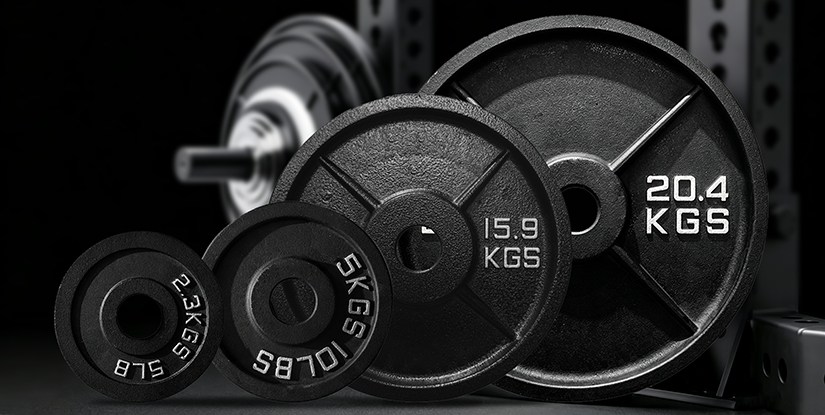
The following table illustrates how different manufacturing tiers affect your procurement outcomes, specifically regarding quality control and the final landed value of commercial gym supplies.
| Material Tier | Machining Process | Key QC Point | Commercial Duty | Distributor Margin Impact |
|---|---|---|---|---|
| Standard Cast Iron | Basic Grinding | Bore Fit & Diameter | Budget/Entry-Level | High Volume / Low Margin |
| Premium Cast Iron | CNC Machining | Concentricity & Balance | Professional Gyms | Balanced / Reliable |
| Precision/Competition | Full Calibration | Weight Tolerance | High-End Studios | Premium / Low Volume |
When negotiating wholesale agreements, we recommend requesting a specification sheet that details the specific weight tolerance and machining standards used. A transparent factory will be able to confirm whether the plates undergo a secondary calibration step to ensure uniform mass distribution. Confirming these technical requirements early in the export planning stage allows you to better manage customer expectations and reduces the risk of costly returns or replacements due to dimensional inconsistencies.
Optimizing Warehouse and Floor Layout Efficiency with Bulk Sourcing
For distributors and large-scale gym operators, the strategic selection of a cast iron weight plate casting manufacturer is a decision that extends far beyond the initial purchase price. Efficient commercial weight plate manufacturing focuses on producing units with highly standardized dimensions to ensure predictable storage and handling. When importing in wholesale volumes, the ability to stack and organize inventory predictably is vital for maximizing your warehouse efficiency and reducing the overhead of disorganized stock.
Inconsistent sizing or irregular casting profiles from a low-tier supplier can lead to uneven stacking and wasted floor space. By partnering with a professional China factory, importers can secure products that adhere to strict dimensional tolerances. This consistency directly impacts your ROI by optimizing space/cost/durability/maintenance/ROI metrics—ensuring that every square meter of your facility or distribution center is utilized effectively. Furthermore, standardized product geometry reduces the maintenance load on storage racks and transport equipment, lowering the long-term landed cost through better bulk sourcing density during ocean freight and local warehousing.
Comparing Surface Finishes and Durability for Commercial Environments
Selecting the correct coating specification is critical for managing the long-term maintenance load and floor protection requirements of a professional facility. When sourcing from a professional cast iron weight plate casting manufacturer, buyers must evaluate how different manufacturing finishes affect the total cost of ownership. While basic options provide a lower initial landed cost, premium finishes offer better resistance to oxidation and surface wear in high-traffic settings.
The following table outlines the common industry-standard options available through commercial weight plate manufacturing to help you align your procurement with specific facility needs, whether for budget-friendly training centers or high-end boutique studios. This comparison is essential for evaluating gym equipment export QC standards regarding coating adhesion and surface durability.
| Material | Coating | Process | Floor Protection | Maintenance Level | Commercial ROI |
|---|---|---|---|---|---|
| Cast Iron | Bare / Phosphate | Sand Casting & Machining | Low (Requires Mats) | High (Rust Watch) | Standard / Budget |
| Cast Iron | Powder Coating | Casting & Powder Line | Medium | Low (Durable) | High (Long-term) |
| Cast Iron | Rubber / PU Coating | Casting & Molding | High (Impact Absorbing) | Very Low | Premium (Low TCO) |
When managing large-scale cast iron plate production orders, consider that a thicker, more resilient coating reduces the frequency of replacement and surface degradation. For distributors looking to optimize their margins, a wholesale strategy involving high-durability finishes can reduce after-sales support and improve the long-term value proposition for the end-user. We recommend requesting a sample evaluation to inspect the coating adhesion and thickness before proceeding with a full MOQ order.
Strategic Procurement for Long-Term Asset Management
Effective replacement planning is a cornerstone of profitable facility management. For distributors and procurement leads, the goal is to minimize the frequency of stock replenishment while maximizing the turnover of high-quality assets. A reliable cast iron weight plate casting manufacturer provides more than just equipment; they provide a predictable supply chain that supports your bottom line. By choosing a China factory that prioritizes precision casting and consistent coating application, you mitigate the risk of premature product failure and the high costs associated with unscheduled replacement cycles.
To ensure your procurement strategy aligns with both your budget and your quality expectations, we suggest a direct approach to sourcing. Whether you are looking for basic iron plates for high-volume commercial centers or more durable, coated options for premium studios, clarity on production capacity is essential. We invite you to contact us to request a formal specification sheet, confirm current MOQ requirements for your specific weight ranges, or discuss OEM and ODM branding opportunities to build your own distinct product line.
China Factory Export Standards and Pre-Shipment QC Protocols
For international distributors and gym equipment importers, the final stage of the supply chain is often the most volatile. Relying on a professional cast iron weight plate casting manufacturer ensures that bulk orders meet rigorous international specifications before leaving the China factory. Without strict oversight, procurement teams face significant risks regarding weight variance and material integrity, which can erode distributor margins and increase landed costs through unexpected returns or customer dissatisfaction.
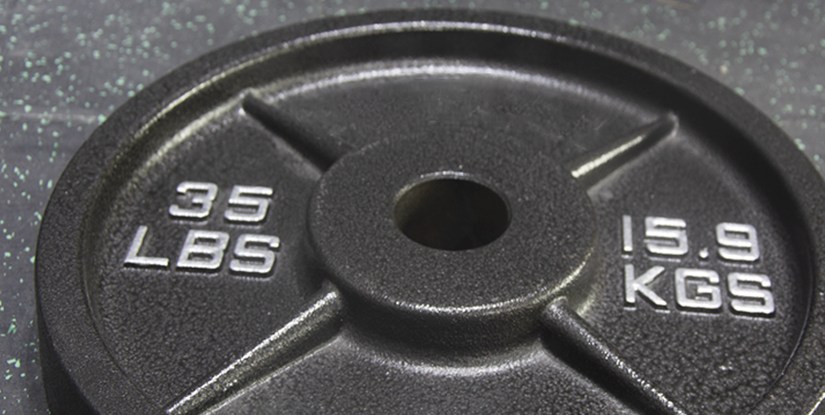
A high-tier cast iron weight plate casting manufacturer mitigates these risks by implementing multi-stage quality control protocols. In the context of commercial weight plate manufacturing, this involves verifying that every unit adheres to the established weight tolerance and surface finish requirements. Standardized inspection routines typically include checking the center bore concentricity, the adhesion of the powder coating, and the smoothness of the casting edges to ensure they meet export standards for global distribution.
Effective gym equipment export QC focuses on three critical pillars: dimensional accuracy, surface consistency, and packaging durability. For instance, a supplier must ensure that the casting thickness is uniform to prevent imbalance during high-volume use. During the sourcing process, professional buyers should request documentation or video evidence of these specific inspection steps to confirm that the wholesale batch is ready for long-haul maritime transport without structural or aesthetic flaws.
Technical Inspection Checklist for Procurement Managers
To ensure long-term durability and minimize the frequency of after-sales claims, procurement specialists should utilize a standardized checklist when conducting a factory audit or reviewing pre-shipment reports. Successful cast iron plate production relies heavily on the consistency of the final inspection, particularly when managing high-volume bulk orders. A systematic approach to gym equipment export QC helps safeguard your investment and ensures that the delivered goods meet the expectations of professional gym environments.
The following table outlines the critical attributes that an experienced cast iron weight plate casting manufacturer typically monitors to ensure product excellence and packaging stability during transit.
| Inspection Category | Technical Focus Area | Commercial Duty Standard | Typical QC Verification Point |
|---|---|---|---|
| Dimensional Integrity | Bore Diameter & Concentricity | High-volume mechanical usage | Uniformity of center hole and edge smoothness |
| Weight Precision | weight tolerance | Standard commercial weight sets | Randomized weight spot-checks per batch |
| Surface Quality | coating adhesion & Texture | Durability in high-traffic gyms | Resistance to chipping and uneven paint/powder application |
| Structural Integrity | Casting Uniformity | Long-term mechanical stress | Absence of visible surface cracks or casting voids |
| Logistics Readiness | packaging & Palletization | Long-haul maritime transport | Strength of cartons and stackability for container loading |
When finalizing logistics arrangements, it is essential to confirm the specific packaging method used for the wholesale shipment. A reliable supplier will utilize heavy-duty, reinforced cartons and standardized pallets to prevent movement and damage during ocean freight. We recommend that all importers confirm the final loading plan and request a detailed specification sheet regarding pallet dimensions and weight limits to accurately calculate the total landed cost and optimize container space efficiency.
Optimizing International Logistics and Container Loading
Successful bulk procurement depends on more than just manufacturing precision; it requires sophisticated export packaging to protect your margins. For high-volume bulk shipping, a professional cast iron weight plate casting manufacturer must implement a strategy that balances container density with maximum protection. Standard retail-grade packaging is insufficient for the heavy, dense loads typical of commercial weight plate manufacturing. Instead, distributors should expect heavy-duty, double-walled corrugated cartons or reinforced industrial crates designed to withstand the vertical pressure of multi-layered stacking.
To achieve the most competitive landed cost, importers must coordinate closely with their supplier regarding palletization and volume optimization. Effective international logistics for cast iron goods involves using heat-treated, reinforced pallets and high-strength edge protectors to prevent carton deformation during maritime transit. When managing your sourcing strategy, always verify the weight-per-pallet limit and the exact dimensions of the final shipping units. This ensures you can accurately plan for warehouse receiving, optimize your container utilization, and prevent the high costs associated with transit-related damage or inefficient unloading processes.
Before finalizing any wholesale contract, we recommend requesting a detailed loading plan and confirming the MOQ and lead time for your specific volume. A transparent factory will provide clear documentation on how products are secured and stacked, allowing you to mitigate risks and ensure that your cast iron plate production arrives at your facility ready for immediate commercial distribution.
Custom Branding and OEM/ODM Capabilities for Global Distributors
For international distributors seeking to build a lasting presence in the fitness market, a professional cast iron weight plate casting manufacturer provides more than just bulk inventory; they provide a foundation for your market differentiation. Relying on generic stock limits your ability to scale a specialized brand, whereas high-level OEM/ODM services allow you to transition from a mere importer to a recognized equipment provider.
The strategic advantage of partnering with a China factory that specializes in custom branding is the ability to control your brand identity through every detail of the product. By integrating your logo via sand casting, embossed metal plates, or high-durability powder coating, you create a proprietary product line that increases your distributor margin. This level of customization ensures that your customers associate specific quality standards with your name, rather than a generic commodity.
Effective commercial weight plate manufacturing goes beyond the casting itself; it involves precise control over the entire visual and structural profile to meet your specific market positioning. Whether you require a budget-friendly painted finish for local commercial gyms or a premium color-coded coating for high-end studios, a versatile supplier can adjust production parameters to align with your target wholesale price points and brand expectations.
Technical Execution of Custom Branding and Export Logistics
Selecting the correct branding method is a critical decision for long-term product durability and your brand perception. In professional cast iron plate production, the two primary methods used are logo embossing and specialized surface treatments. Logo embossing occurs during the sand casting phase, where the brand identity is integrated directly into the mold. This creates a permanent, high-relief imprint that cannot be worn away by repeated use, making it the industry standard for heavy-duty commercial plates. Conversely, some distributors prefer applying high-grade powder coating over a raised or flat surface. This method allows for vibrant, color-coded weight identification and a more uniform texture, which is highly effective for premium studio lines or specialized training sets.
Navigating the logistics of high-volume imports requires a partner who understands the complexities of global supply chains. A reliable cast iron weight plate casting manufacturer manages the entire process from the initial casting to the final container loading. To optimize your landed cost, it is essential to coordinate with a factory that offers professional export packaging solutions. This includes reinforced heavy-duty cartons and standardized palletizing to prevent damage during maritime transit. Furthermore, a professional China factory will provide transparent communication regarding lead time and MOQ requirements, ensuring that your inventory turnover remains efficient and your warehouse stock levels are predictable. When planning your next bulk procurement, we recommend requesting a detailed specification sheet and confirming the MOQ for customized orders to ensure seamless integration into your distribution network.
Comparison of Customization Tiers for Global Procurement
Deciding between standard stock and a full private label project depends on your current scale and long-term market positioning. A professional cast iron weight plate casting manufacturer typically offers several levels of engagement to accommodate different business models, from small-scale importers to large-scale distributors. Understanding these tiers helps in managing your MOQ and forecasting your landed cost accurately.
| Branding Method | Customization Level | Typical MOQ Impact | Target Market | Key Procurement Focus |
|---|---|---|---|---|
| Standard Stock | Basic (Standard finish) | Low | Local Gyms / Small Distributors | Rapid availability and low initial capital |
| Embossed Logo | Medium (Cast-in branding) | Moderate | Fitness Equipment Importers | Permanent brand identity via cast iron plate production |
| Full Private Label | High (Color/Coating/Logo) | High | Global Distribution Networks | Total control over brand identity and premium positioning |
| Specialized OEM | Premium (Custom Specs/Colors) | Highest | Tier-one Commercial Brands | High-margin, high-differentiation product lines |
When evaluating commercial weight plate manufacturing options, consider that higher customization levels often require longer lead time due to the additional stages in the production sequence, such as custom mold preparation or specialized powder coating applications. For distributors focused on high-volume wholesale, starting with embossed logo options provides a balanced approach to building a recognizable brand without the extreme MOQ requirements of fully bespoke production. We recommend contacting your supplier early in the sourcing process to align your design requirements with factory capabilities and shipping schedules.