Calibrated Steel Plate Supplier: Material and Sourcing
The Economic Impact of Selecting a Calibrated Steel Plate Supplier
Many distributors mistakenly prioritize the lowest unit price, only to face high replacement rates and damaged reputations when unevenly weighted plates arrive. A superior sourcing strategy focuses on the long-term calibrated steel plate supplier relationship, where precision in manufacturing reduces the total cost of ownership and protects your distributor margin. By investing in high-quality commercial steel weight plates, you minimize the operational costs associated with returns, shipping disputes, and client dissatisfaction.
For professional importers, the goal is to optimize the landed cost without sacrificing the structural integrity of the product. Relying on a calibrated steel plate supplier that utilizes precision steel plate manufacturing ensures that every unit meets the concentricity and weight stability required for high-traffic commercial environments. This reliability allows you to maintain lower inventory buffers and more predictable replacement cycles for your clients.
| Material Tier | Primary Process | Key Component/Finish | Commercial Duty | MOQ Impact | Factory QC Point |
|---|---|---|---|---|---|
| Cast Iron | Sand Casting | Enamel or Paint | Standard Commercial | Lower | Bore Alignment |
| Solid Steel | Machining/Casting | Powder Coating | Premium/Professional | Moderate | Coating Adhesion |
| Steel/Iron Hybrid | CNC Machining | Precision Calibration | High-End/Competition | Higher | Weight Tolerance |
Many distributors mistakenly prioritize the lowest unit price, only to face high replacement rates and damaged reputations when unevenly weighted plates arrive. A superior sourcing strategy focuses on the long-term calibrated steel plate supplier relationship, where precision in manufacturing reduces the total cost of ownership and protects your distributor margin. By investing in high-quality commercial steel weight plates, you minimize the operational costs associated with returns, shipping disputes, and client dissatisfaction.
For professional importers, the goal is to optimize the landed cost without sacrificing the structural integrity of the product. Relying on a calibrated steel plate supplier that utilizes precision steel plate manufacturing ensures that every unit meets the concentricity and weight stability required for high-traffic commercial environments. This reliability allows you to maintain lower inventory buffers and more predictable replacement cycles for your clients.
| Material Tier | Primary Process | Key Component/Finish | Commercial Duty | MOQ Impact | Factory QC Point |
|---|---|---|---|---|---|
| Cast Iron | Sand Casting | Enamel or Paint | Standard Commercial | Lower | Bore Alignment |
| Solid Steel | Machining/Casting | Powder Coating | Premium/Professional | Moderate | Coating Adhesion |
| Steel/Iron Hybrid | CNC Machining | Precision Calibration | High-End/Competition | Higher | Weight Tolerance |
Many distributors mistakenly prioritize the lowest unit price, only to face high replacement rates and damaged reputations when unevenly weighted plates arrive. A superior sourcing strategy focuses on the long-term calibrated steel plate supplier relationship, where precision in manufacturing reduces the total cost of ownership and protects your distributor margin. By investing in high-quality commercial steel weight plates, you minimize the operational costs associated with returns, shipping disputes, and client dissatisfaction.
For professional importers, the goal is to optimize the landed cost without sacrificing the structural integrity of the product. Relying on a calibrated steel plate supplier that utilizes precision steel plate manufacturing ensures that every unit meets the concentricity and weight stability required for high-traffic commercial environments. This reliability allows you to maintain lower inventory buffers and more predictable replacement cycles for your clients.
| Material Tier | Primary Process | Key Component/Finish | Commercial Duty | MOQ Impact | Factory QC Point |
|---|---|---|---|---|---|
| Cast Iron | Sand Casting | Enamel or Paint | Standard Commercial | Lower | Bore Alignment |
| Solid Steel | Machining/Casting | Powder Coating | Premium/Professional | Moderate | Coating Adhesion |
| Steel/Iron Hybrid | CNC Machining | Precision Calibration | High-End/Competition | Higher | Weight Tolerance |
Optimizing Logistics and Warehouse Efficiency
Efficient procurement extends beyond the factory floor to the warehouse and shipping dock. When managing wholesale steel weight plates, the physical dimensions and packaging density directly impact your shipping volume and total landed cost. A professional factory understands that precision in the final machining stages results in more uniform plate thickness, which allows for tighter, more stable stacking in export containers.
To maximize your margins, work with a supplier that provides robust export packaging designed for high-density loading. Standardized dimensions and reinforced carton structures prevent damage during transit and optimize warehouse space upon arrival. Whether you are placing small MOQ orders for boutique studios or large-scale bulk orders for distribution centers, ensuring the product is optimized for container volume is critical for maintaining a competitive edge in the North American market.
Before finalizing your next shipment, we recommend requesting a detailed specification sheet, confirming current MOQ requirements, and arranging a factory audit or sample evaluation to verify the precision of the center bore and coating adhesion.
Material Composition and Precision in Commercial Steel Weight Plates
Selecting a reliable calibrated steel plate supplier is a critical decision for distributors and gym equipment importers who prioritize long-term durability and precision. For large-scale B2B sourcing, the focus must move beyond simple aesthetics to the structural integrity of the commercial steel weight plates. High-quality production requires a combination of high-grade steel and rigorous manufacturing protocols to ensure that every unit meets international commercial standards for strength and balance.
In the high-volume wholesale market, the difference between budget and premium units often lies in the precision steel plate manufacturing process. Professional buyers must evaluate whether a factory utilizes advanced CNC machining for the central bore or relies on basic casting. A lack of precision in the bore or uneven weight distribution can lead to increased maintenance loads and client dissatisfaction, ultimately hurting a distributor's reputation and long-term ROI.
Technical Specifications and Manufacturing Standards
To maintain high standards, a professional supplier must follow a disciplined production sequence: raw material selection, casting or forging, precision machining, surface treatment, and final calibration. This structured approach ensures that the weight tolerance remains within industry-standard limits, providing the consistency required for professional strength training environments.
| Material Type | Surface Coating | Primary Process | Commercial Duty | QC Focus Point |
|---|---|---|---|---|
| High-Grade Steel | Powder Coating | CNC Machining | Premium Commercial | Concentricity & Bore Fit |
| Cast Iron | Enamel/Paint | Sand Casting | Standard Commercial | Surface Smoothness |
| Ductile Iron | Chrome Finish | Precision Casting | High-End/Competition | Weight Uniformity |
When managing B2B sourcing, it is essential to verify the factory capability regarding surface adhesion and coating durability. For instance, a high-quality powder coating line ensures the plate can withstand heavy usage without chipping, which reduces the total cost of ownership for the end-user. Buyers should always request a sample or a detailed specification sheet to confirm that the precision machining and weight calibration align with their specific brand requirements before committing to a full wholesale order.
Selecting a reliable calibrated steel plate supplier is a critical decision for distributors and gym equipment importers who prioritize long-term durability and precision. For large-scale B2B sourcing, the focus must move beyond simple aesthetics to the structural integrity of the commercial steel weight plates. High-quality production requires a combination of high-grade steel and rigorous manufacturing protocols to ensure that every unit meets international commercial standards for strength and balance.
In the high-volume wholesale market, the difference between budget and premium units often lies in the precision steel plate manufacturing process. Professional buyers must evaluate whether a factory utilizes advanced CNC machining for the central bore or relies on basic casting. A lack of precision in the bore or uneven weight distribution can lead to increased maintenance loads and client dissatisfaction, ultimately hurting a distributor's reputation and long-term ROI.
Pre-Shipment Inspection and Export Packaging
To mitigate the risks of transit damage and ensure high landed cost efficiency, professional sourcing protocols must include a strict pre-shipment inspection. A competent supplier should allow or facilitate inspections that focus on several critical technical points. Beyond the weight accuracy, the inspection should verify the concentricity of the central bore and the structural integrity of the coating under stress.
Furthermore, the durability of the export packaging is a non-negotiable factor for overseas distributors. High-quality steel plates require heavy-duty, reinforced cartons or custom wooden crates to prevent edge damage and deformation during sea freight. A professional factory understands that even a perfectly calibrated plate loses its commercial value if it arrives with chipped paint or a bent bore due to inadequate container loading practices. We recommend that all buyers confirm the specific packaging dimensions and reinforcement methods during the initial OEM or ODM consultation to ensure safe arrival and optimized container utilization.
Manufacturing Standards for Precision Steel Plate Manufacturing
Selecting a reliable calibrated steel plate supplier is a critical decision for distributors and gym owners who prioritize equipment longevity and user safety. In high-volume commercial gym procurement, the difference between standard cast iron and high-grade steel lies in the precision of the machining and the consistency of the weight. When sourcing directly from a China factory, buyers must verify that the production line utilizes advanced CNC machining to ensure the concentricity and bore fit meet international commercial standards.
Inconsistent precision steel plate manufacturing leads to uneven weight distribution, which can cause barbell imbalance and increased wear on expensive lifting bars. For professional importers, ensuring a strict weight tolerance through standardized calibration processes is essential to maintaining high product standards and minimizing replacement costs. A professional supplier should provide documented evidence of their calibration and QC steps to guarantee that every unit in a bulk order meets the specified weight requirements.
Comparing Commercial-Grade Plate Specifications
| Material Type | Surface Finish | Manufacturing Process | Commercial Durability | Procurement Focus |
|---|---|---|---|---|
| Solid Steel | Powder Coated | CNC Machining & Calibration | High / Premium | Precision & Long-term ROI |
| Cast Iron | Enamel or Paint | Sand Casting & Machining | Standard / Commercial | Cost-efficiency & Bulk Volume |
| Steel Core | Rubber or PU Coating | Molding & Vulcanization | High / Impact Resistant | Floor Protection & Noise Reduction |
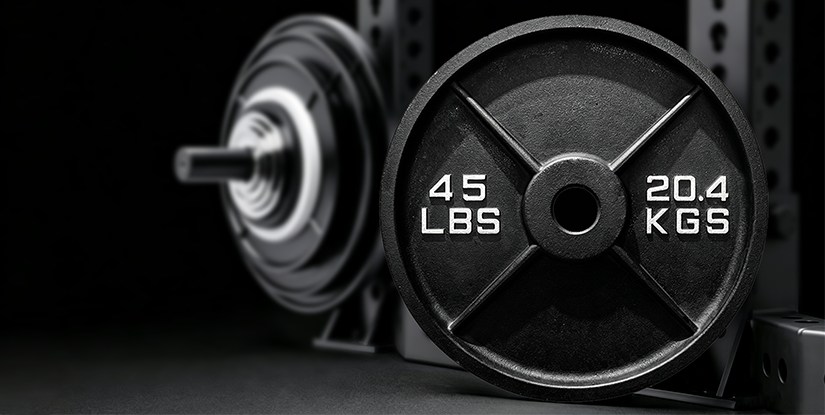
For those managing large-scale wholesale orders, understanding these tiers allows for better margin planning and inventory management. Whether you are looking for high-end competition-spec steel or durable commercial steel weight plates for a standard strength facility, the quality of the precision steel plate manufacturing will directly impact your total cost of ownership and client satisfaction.
Technical Differentiation in Production Routes
The manufacturing sequence for premium units typically follows a rigorous path: initial material selection, followed by precision CNC machining to ensure a perfect Olympic collar fit, and finally, advanced surface treatment. While sand casting is a common and cost-effective method for standard commercial steel weight plates, high-end procurement often requires the precision of CNC machining to achieve superior concentricity. This ensures the plate remains perfectly balanced during high-frequency use in professional environments.
Surface finishing is equally vital for long-term durability. A professional calibrated steel plate supplier will utilize high-grade powder coating or specialized plating to prevent oxidation and handle the mechanical stress of commercial environments. When evaluating a China factory for your next project, it is essential to confirm whether the coating process includes a pre-treatment stage to improve adhesion, which prevents chipping and maintains the professional appearance of the equipment over time.
To mitigate risks during bulk sourcing, we recommend requesting a detailed specification sheet that outlines the specific machining and coating steps used. For large-scale orders, confirming the factory's ability to perform weight tolerance spot-checks and pre-shipment inspection on the bore fit can significantly reduce the likelihood of returns or client complaints. We invite distributors to contact us to discuss MOQ, custom branding options, or to request a sample for quality evaluation before finalizing your bulk order.
Sourcing Strategies: MOQ and Lead Time Management for Importers
Optimizing your procurement cycle requires a deep understanding of how order volume dictates production scheduling. When you engage a calibrated steel plate supplier, the relationship between your MOQ and the total lead time is the most critical variable in your supply chain stability. For large-scale distributors, managing these two factors effectively ensures that inventory levels remain consistent without overextending warehouse capacity or capital.
In the context of commercial steel weight plates, higher volume orders typically allow a factory to optimize machine setup times and material melting cycles. While small wholesale orders might benefit from existing stock, bulk orders for precision steel plate manufacturing often require dedicated production runs. This distinction is vital for importers to understand when calculating the landed cost and final delivery windows for overseas shipments.
A China factory specializing in high-tolerance steel components will often have tiered production schedules. For instance, a standard production run for commercial-grade steel plates might be faster if the supplier is already running a similar specification for another client. However, for OEM requests involving custom branding or specific thickness requirements, the lead time must account for additional stages such as specialized machining, coating application, and rigorous weight calibration. Proactive planning with your sourcing partner can mitigate the risks of seasonal surges or shipping delays.
Sourcing Model Comparison: Stock vs. Custom Production
Selecting the right procurement path depends on your immediate inventory needs versus your long-term brand strategy. A calibrated steel plate supplier typically offers two distinct tracks: immediate fulfillment from existing inventory or custom-engineered runs. While stock options provide speed, OEM and ODM pathways offer the differentiation necessary for high-end distributors and premium fitness brands.
| Sourcing Model | Typical MOQ | Production Cycle | Lead Time Impact | Best Use Case |
|---|---|---|---|---|
| Standard Stock Order | Low to Medium | Immediate / Pre-made | Minimal (Shipping only) | Rapid replenishment for retail or small studio needs |
| Standard Wholesale | Medium to High | 15–30 Days | Moderate (Production + Shipping) | Consistent inventory building for distributors |
| Custom OEM / ODM | High | 45–60+ Days | Significant (Full manufacturing cycle) | Private label branding and proprietary specifications |
When evaluating commercial steel weight plates, remember that custom precision steel plate manufacturing involves more complex stages than standard production. An ODM request for specific color coatings or unique branding requires additional time for mold adjustments and specialized surface finishing. To ensure a smooth sourcing process, we recommend a minimum 90-day buffer for any customized OEM projects to account for both the production cycle and international freight transit.
Before finalizing your purchase, always request a detailed spec sheet and confirm the MOQ for your specific configuration. For large-scale distributors, we suggest a sample approval process and a formal factory audit to verify that the production standards meet your commercial requirements before full-scale production begins.
Quality Control and Export Packaging Standards
For professional importers, the final risk in the supply chain is not just the manufacturing precision, but the integrity of the product upon arrival. A reliable calibrated steel plate supplier must implement a multi-stage QC protocol that extends from the machining floor to the shipping container. Without rigorous pre-shipment inspection, even the most advanced precision steel plate manufacturing can be compromised by transit-related damage or weight discrepancies discovered at the destination.
The first critical checkpoint is the weight tolerance verification. During the production of commercial steel weight plates, each unit must undergo a spot-check to ensure it adheres to the specified weight class. This prevents the high costs of replacement and the logistical headaches of shipping underweight or overweight units to your warehouse. Following calibration, the surface integrity must be inspected for coating adhesion and any imperfections in the machining of the center bore, ensuring a perfect fit for Olympic bars.
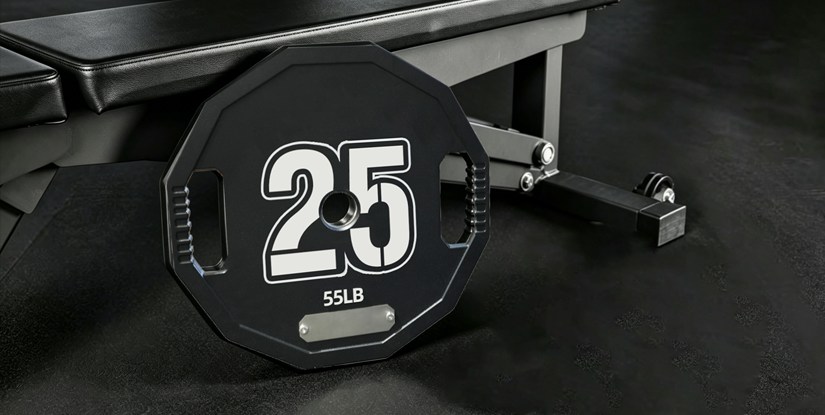
Beyond the product itself, the export packaging strategy is vital for maintaining your distributor margins. High-density steel components are heavy and prone to shifting during ocean freight. A professional factory will utilize reinforced cartons, heavy-duty pallets, or custom-sized steel crates to prevent denting and scratching. We recommend that all wholesale orders include a detailed packing list and rigorous securing protocols to ensure that the landed cost is not inflated by damaged goods or inefficient container loading. Before initiating a bulk shipment, always confirm the packaging specifications and request a photo of a completed pallet to verify that your brand identity and product quality are protected throughout the transit process.
Factory QC and Export Packaging Protocols for Bulk Orders
Maintaining strict oversight during the production cycle is essential for any calibrated steel plate supplier managing high-volume international shipments. For distributors and gym owners, the primary risk during commercial gym procurement is not just the material quality, but the integrity of the product upon arrival at the destination warehouse. A reliable China factory must implement a rigorous pre-shipment inspection to ensure that every unit meets the required weight tolerance standards and remains undamaged during long-haul transit.
When managing bulk orders, the failure to implement professional export-grade packaging can lead to significant landed cost increases due to transit damage, such as dented edges or compromised coating adhesion. Professional precision steel plate manufacturing extends beyond the casting process; it includes the final stage of securing commercial steel weight plates for container loading. A competent supplier will utilize reinforced heavy-duty cartons and standardized palletizing to mitigate the risks of shifting during sea freight, ensuring that the wholesale shipment arrives in a condition that protects your distributor margins.
Standardizing the final stages of the supply chain is a critical requirement for high-tier precision steel plate manufacturing. A professional calibrated steel plate supplier understands that the logistical journey from a China factory to an overseas warehouse involves significant physical stress. To prevent the common issues of surface oxidation or physical deformation, the pre-shipment process must include a detailed inspection of the surface finish, concentricity, and the integrity of the weight calibration before any items are palletized for international transit.
Efficient export packaging protocols are designed to optimize container density while protecting the product. For large-scale wholesale orders, this typically involves heavy-duty, moisture-resistant layering and secure palletization. These measures are vital for managing the total landed cost, as they prevent damage during sea freight and reduce the need for costly replacements. When negotiating your next sourcing contract, always confirm the specific packaging standards, the minimum MOQ for custom branding, and the expected lead time to ensure your distribution schedule remains intact.
Standardized QC and Export Logistics Comparison
To assist in your procurement planning, the following table outlines the typical quality control and logistics standards used by a professional calibrated steel plate supplier. This comparison helps distinguish between standard commercial-grade production and high-tier specifications required for premium gym installations.
| Procurement Tier | Material & Coating | Primary QC Focus | Export-Standard Packaging | Shipping Method Efficiency |
|---|---|---|---|---|
| Standard Commercial | Painted or Powder Coated | Weight calibration & surface finish | Reinforced heavy-duty cartons | Standard palletization (FOB/CIF) |
| Premium Commercial | High-density PU or Rubber Coated | Coating adhesion & concentricity | Double-walled moisture-resistant boxes | Secured palletized sea freight |
| Custom OEM/ODM | Custom Branding & Finish | Full pre-shipment inspection & weight spot-check | Custom branded reinforced crates | Optimized container loading (LCL/FCL) |
When evaluating a calibrated steel plate supplier, it is essential to verify that their precision steel plate manufacturing includes a robust verification of coating adhesion and weight calibration. A reliable commercial steel weight plates order should undergo a multi-stage check—from the initial casting to the final sealing of the export-standard packaging—to ensure the shipping method used does not compromise the product's physical integrity. We recommend requesting a detailed specification sheet and confirming the MOQ for custom branding during your initial sourcing phase to align your long-term inventory needs with the factory's production capacity.
Optimizing Your Procurement Process with a Reliable Partner
Selecting a professional calibrated steel plate supplier is a strategic decision that extends far beyond the initial purchase price. For distributors and large-scale gym operators, the true value lies in the Total Cost of Ownership (TCO). When sourcing bulk orders from a China factory, procurement professionals must weigh the immediate savings against the long-term costs of frequent replacements and maintenance caused by poor precision steel plate manufacturing. High-quality commercial steel weight plates reduce operational friction by maintaining consistent weight tolerances and structural integrity over years of high-volume use, ultimately protecting your profit margins and equipment longevity.
A reliable supplier ensures that the landed cost remains predictable by minimizing the need for secondary shipments or replacement stock. By prioritizing commercial steel weight plates produced through standardized industrial processes, importers can significantly extend the replacement cycles of their inventory, ensuring a better return on investment for both the distributor and the end-user.
Tiered Manufacturing Standards and Procurement Selection
To optimize your sourcing strategy, you must understand how different manufacturing tiers impact your long-term inventory value. A professional calibrated steel plate supplier will provide clear distinctions between production methods, as these factors directly influence the durability of your commercial steel weight plates. For example, while basic casting may suffice for low-traffic environments, high-performance commercial facilities require more rigorous precision steel plate manufacturing to ensure concentricity and long-term weight stability.
| Material Tier | Manufacturing Process | Key Component/Detail | Commercial Application | MOQ Impact | Factory QC Point |
|---|---|---|---|---|---|
| Standard Cast Iron | Sand Casting & Machining | Standard Bore Fit | Budget Commercial Gyms | Lower | Weight Spot-Check |
| Premium Steel | CNC Machining & Calibration | Precision Olympic Collar Bond | High-End Strength Studios | Moderate | Concentricity Check |
| Competition Grade | Advanced Forging & Multi-coat | Advanced Surface Adhesion | Professional Training Centers | Higher | Coating Adhesion Test |
When negotiating with a factory, we recommend requesting a detailed specification sheet to confirm the exact manufacturing route. Understanding whether a plate undergoes simple powder coating or a multi-stage surface finishing process is vital for predicting maintenance loads. For large-scale wholesale orders, verifying the specific QC steps—such as weight calibration and bore-fit testing—can prevent the high cost of importing substandard units that fail to meet commercial standards upon arrival.
To ensure your procurement aligns with your business goals, we suggest contacting us to confirm the current MOQ for your specific tier and to discuss OEM customization options. We can also provide details regarding lead times and export packaging standards to assist in your landed cost calculations.
Logistics Efficiency and Customization Capabilities
Beyond the physical product, a professional calibrated steel plate supplier must demonstrate expertise in international logistics and brand integration. For distributors, the ability to offer custom branding—such as embossed logos or specialized color finishes—is a significant competitive advantage that transforms a generic commodity into a proprietary product line. When you partner with a specialized factory-direct source, you gain the flexibility to implement OEM or ODM solutions that align with your specific brand identity and market positioning.
Effective procurement also requires strict oversight of the supply chain timeline. Managing the lead time is critical to avoid inventory gaps in your warehouse or delays in facility openings. A reputable supplier provides transparent scheduling, covering everything from raw material sourcing to final production and export packaging. High-standard export packaging is not merely about protection; it is a vital component of reducing damage during sea freight and ensuring the efficiency of container loading. By coordinating closely with a China factory that understands the nuances of container volume optimization, importers can effectively lower their shipping-related costs and stabilize their long-term supply chain.