Calibrated Steel Plate OEM Manufacturer: Wholesale Material
Calibrated Steel Plate OEM Manufacturer: Material Standards and Commercial Value
Many importers mistakenly prioritize low upfront unit costs, only to face high replacement rates and inconsistent weight gaps that damage brand reputation. A professional calibrated steel plate OEM manufacturer provides a superior sourcing strategy by focusing on precision-machined steel and strict weight tolerances, which stabilizes long-term TCO and ensures equipment longevity in high-traffic commercial environments.
For distributors and gym equipment importers, the distinction between standard cast iron and precision-machined steel is critical. While casting is cost-effective for bulk orders, a commercial weight plate supplier specializing in calibrated steel offers much tighter tolerances and smoother surfaces. This precision reduces the maintenance load on weight racks and prevents the uneven wear often seen with lower-grade materials. When managing large-scale sourcing projects, selecting a factory that utilizes CNC machining for the inner bore and outer diameter ensures that every plate fits perfectly, protecting both the steel plates and the expensive barbell sleeves they occupy.
The relationship between material quality and total cost of ownership is direct. High-quality precision steel plate wholesale units typically feature advanced surface treatments, such as high-grade powder coating or specialized plating, which prevent oxidation and surface degradation. For a China factory, maintaining these standards is essential for meeting the expectations of premium fitness distributors. Investing in higher-grade steel through an OEM partnership reduces the frequency of replacement cycles and minimizes the logistical burden of handling returns or defective batches, ultimately protecting your distributor margins and long-term ROI.
Material Selection and Surface Finishing Comparison
Selecting the correct surface treatment is a vital part of the procurement process. For large-scale gym installations, the choice between different coatings directly impacts the maintenance budget and the longevity of the equipment. A professional calibrated steel plate OEM manufacturer will offer various finishing options to suit different commercial tiers, from standard training environments to high-end boutique studios. Understanding these material-to-finish transitions helps importers avoid the common pitfall of high oxidation and surface rust in humid gym environments.
The following comparison outlines the standard options available when engaging in precision steel plate wholesale procurement. Each tier offers a different balance of durability and cost-effectiveness, allowing you to optimize your inventory based on your target market's needs.
| Material Tier | Primary Coating | Manufacturing Process | Key Maintenance Factor | Commercial Duty |
|---|---|---|---|---|
| Budget Commercial | Phosphate or Basic Paint | Sand Casting & Spraying | Requires periodic cleaning | Standard Gyms |
| Professional Grade | Powder Coating | Machining & Electrostatic Application | High impact resistance | Commercial Fitness Centers |
| Premium/Competition | PU Coating or Chrome | CNC Machining & Precision Molding | Minimal surface wear | Boutique & High-End Studios |
When evaluating a commercial weight plate supplier, it is essential to verify the adhesion quality of the surface finish. A common failure mode in lower-quality production is the chipping of the coating during heavy use, which exposes the raw steel to moisture. High-tier OEM production typically utilizes a multi-stage process—starting with precision machining of the steel, followed by a specialized coating line—to ensure the finish remains intact under rigorous commercial use. We recommend that buyers request a sample to inspect the thickness and durability of the powder coating or PU coating before finalizing bulk orders to ensure the landed cost aligns with the expected equipment lifespan.
Reliability in a global supply chain depends on more than just material strength; it requires a rigorous QC framework that extends from the production line to the shipping container. For professional buyers, the risk of receiving a shipment with inconsistent weight tolerances or surface defects can lead to significant delays and increased landed costs. A specialized calibrated steel plate OEM manufacturer mitigates these risks by implementing standardized inspection protocols at every stage of the manufacturing sequence—from the initial CNC machining of the steel core to the final application of the protective coating.
Effective sourcing requires transparency regarding production timelines and logistics capability. When managing bulk orders, understanding the exact lead time—including the time required for weight calibration, surface treatment, and drying—is essential for accurate project planning. A professional factory will provide a clear production schedule that accounts for both manufacturing cycles and the necessary time for pre-shipment testing. This predictability allows distributors to manage their inventory levels and meet installation deadlines for their commercial clients without unexpected bottlenecks.
Finalizing a shipment involves more than just loading a container; it requires specialized export packaging designed to withstand the rigors of international transit. For heavy, precision-engineered items, standard packaging is often insufficient to prevent edge damage or surface scratches. A reliable supplier utilizes reinforced corner protectors, heavy-duty pallets, and moisture-resistant wrapping to ensure that the calibrated steel plate OEM manufacturer's quality standards are maintained until the product reaches the destination warehouse. We suggest that procurement leads request detailed packaging specifications and photos of a sample container loading during the sample approval stage to ensure the protection of the goods during long-haul sea freight.
Comparing Precision Steel vs. Standard Cast Iron for Commercial Use
For professional distributors and gym procurement leads, selecting the correct material tier is a critical decision for long-term TCO (Total Cost of Ownership). While standard cast iron is a staple for budget-friendly gym setups, a calibrated steel plate OEM manufacturer provides high-spec alternatives designed for high-performance environments. Understanding the engineering distinction between these two formats is essential when managing bulk orders and inventory variety.
The primary difference lies in the manufacturing route and the resulting weight tolerance. Cast iron relies on sand casting, which is cost-effective for high-volume wholesale orders but often results in slight dimensional inconsistencies. In contrast, precision steel plate wholesale options utilize CNC machining and high-grade steel sheets to ensure absolute concentricity and uniform density. For distributors, this means a significant reduction in client complaints regarding uneven loading or "wobble" during heavy lifts.
Technical Specifications and Procurement Tiers
When sourcing from a commercial weight plate supplier, buyers must decide between the high-margin, high-volume appeal of cast iron and the premium precision of machined steel. The following table outlines the standard industry distinctions to assist in your sourcing strategy.
| Material Tier | Primary Process | Weight Tolerance Profile | Commercial Duty Level | Procurement Focus |
|---|---|---|---|---|
| Gray Cast Iron | Sand Casting | Standard/Variable | Commercial/Budget | High Volume/Low MOQ |
| Machined Steel | CNC Machining | High Precision | Premium/Competition | Specialized/High-End |
| Steel with PU Coating | Molding & Vulcanization | Consistent/Moderate | High-Traffic Studio | Durability/Floor Protection |
Choosing the right calibrated steel plate OEM manufacturer allows your brand to offer a tiered product catalog. While cast iron provides excellent value for general strength training, precision-machined steel plates are indispensable for professional strength clubs and competitive facilities where weight accuracy is a non-negotiable requirement. We recommend evaluating your target market's density requirements before confirming your final MOQ and technical spec sheet.
Optimizing Landed Cost and Durability via Material Selection
The decision between standard casting and precision machining extends beyond simple weight accuracy; it directly impacts your long-term landed cost and maintenance obligations. For a commercial weight plate supplier, the choice of material dictates the frequency of replacement cycles and the level of floor protection required in a high-traffic facility. While sand-cast iron is the industry standard for general weight coverage, it may require more frequent inspection for surface cracks or uneven wear in high-impact settings.
For distributors looking to scale a premium product line, partnering with an experienced calibrated steel plate OEM manufacturer provides the ability to integrate advanced surface treatments, such as powder coating or specialized plating. These processes enhance the aesthetic longevity and corrosion resistance of the units, which is vital for maintaining a high-end brand identity. When calculating your total procurement budget, consider that higher-tier machined steel often offers better long-term ROI through reduced replacement frequency and higher client satisfaction in professional environments.
Before finalizing your next bulk order, we suggest requesting a detailed technical spec sheet and confirming the specific MOQ for custom finishes. Our team is available to assist with sample approval and can provide guidance on export packaging solutions to ensure your shipment arrives in optimal condition, ready for immediate commercial deployment.
Manufacturing Processes and Precision Machining Specifications
Achieving professional-grade accuracy requires a calibrated steel plate OEM manufacturer to implement a rigorous multi-stage production sequence. For global distributors and gym equipment importers, sourcing from a China factory that integrates advanced CNC machining with standardized calibration ensures that every unit meets strict commercial gym standards. Unlike basic casting, high-tier production involves precise metal removal to achieve consistent density and dimensional stability.
The manufacturing workflow typically begins with high-quality steel plate selection, followed by precision cutting and heavy-duty machining. To ensure a reliable commercial weight plate supplier can meet professional expectations, the process must include a dedicated calibration phase. This stage addresses the weight tolerance variations that often occur during the initial fabrication, ensuring that bulk orders arrive with the uniformity required for high-end strength facilities. A professional precision steel plate wholesale order relies on these technical checkpoints to minimize the risk of uneven weight distribution in large-scale installations.
The standard production sequence for premium plates follows a logical progression: raw material preparation → CNC machining of the bore and surface → weight calibration → surface treatment (such as powder coating) → final inspection. This structured approach allows a factory to maintain high output while controlling the precision of the inner ring and outer diameter, which is critical for the longevity of barbell sleeves and equipment interfaces.
Technical Comparison of Surface Treatments and Machining
When managing large-scale procurement, understanding the distinction between surface finishing methods is vital for calculating the long-term maintenance load and total cost of ownership. A professional calibrated steel plate OEM manufacturer will offer various treatment options depending on the intended environment, whether it is a high-traffic commercial strength zone or a specialized training studio. For many importers, the choice between a standard finish and advanced protection affects both the aesthetic value and the durability of the product during long-term use.
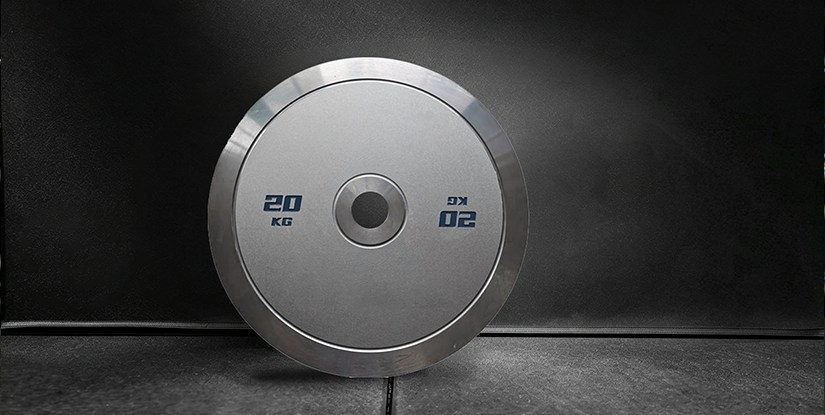
The following table outlines the common technical tiers used by a leading commercial weight plate supplier to assist in your selection process based on durability and budget requirements.
| Material Tier | Surface Finishing | Machining Process | Primary Benefit | Commercial Duty | Procurement Impact |
|---|---|---|---|---|---|
| High-Grade Steel | Bare Steel / Phosphate | CNC Machining | High precision and low cost | Standard Commercial | Lower landed cost |
| Steel Plate | Powder Coating | CNC Machining | Corrosion resistance | Premium Commercial | Moderate MOQ |
| Precision Steel | Multi-layer Coating | Advanced Machining | Maximum durability | Elite/Competition | Higher unit price |
Selecting the right precision steel plate wholesale option requires balancing the initial procurement cost against the future maintenance requirements. For example, while a basic finish may lower the initial wholesale price, implementing a high-quality powder coating process significantly enhances the resistance to oxidation and surface wear in humid gym environments. We recommend that buyers request a detailed specification sheet to confirm the specific surface treatment and machining depth before finalizing a bulk order or an OEM agreement. To ensure your standards are met, you may also request a sample evaluation or a pre-shipment inspection report from the factory to verify the quality of the coating adhesion and the precision of the central bore.
For international distributors and large-scale gym operators, the risk of receiving inconsistent batches is a significant threat to profit margins and reputation. A professional calibrated steel plate OEM manufacturer mitigates this risk through a standardized, multi-point inspection protocol. Before any container is loaded, every unit must undergo a rigorous pre-shipment QC process to ensure that the physical properties of the steel plate align perfectly with the technical specifications promised during the initial sourcing phase.
Reliability in a bulk order is determined by three critical technical checkpoints: concentricity, weight calibration, and structural integrity. A leading commercial weight plate supplier focuses on the following essential inspection steps to ensure high-performance delivery:
- Concentricity Check: Ensuring the central bore is perfectly aligned to prevent wobbling or uneven wear on barbell sleeves during high-frequency training.
- Weight Calibration: Verifying that each plate falls within the industry-standard tolerance levels, preventing the discrepancies that often plague lower-tier production.
- Surface and Coating Inspection: Checking for adhesion consistency in the powder coating or plating to prevent premature oxidation or chipping in commercial settings.
Beyond individual unit quality, the logistics of bulk procurement require specialized export packaging to protect the landed cost of the shipment. Standard high-quality protocols involve reinforced corner protection, moisture-resistant wrapping, and heavy-duty palletizing. This ensures that the precision achieved during the manufacturing stage is not compromised by shifting or environmental exposure during ocean freight. When negotiating MOQ or lead times, we advise importers to confirm that the factory utilizes these specialized packing standards to minimize the risk of transit damage and ensure a seamless arrival at your local warehouse.
To optimize your procurement efficiency, we recommend requesting a formal sample approval and a detailed pre-shipment inspection report. This allows you to verify the concentricity and weight accuracy firsthand before the final dispatch of your wholesale order, securing both your distributor margins and your brand's reputation for quality.
China Factory QC and Export Packaging Standards
For professional distributors and gym equipment importers, the primary risk in long-distance procurement is not just the initial unit cost, but the landed cost of damaged or inaccurate inventory. When sourcing from a calibrated steel plate OEM manufacturer, the technical focus must shift from simple weight numbers to the structural integrity of the shipping process. A failure in pre-shipment inspection or inadequate sea freight protection can lead to oxidized surfaces, bent edges, or weight discrepancies that erode your profit margins and brand reputation.
Reliable commercial gym procurement requires a partner who treats packaging as a core component of the manufacturing process. High-volume orders of precision plates are heavy and prone to impact damage during container loading and sea transit. A professional China factory implements a multi-stage protocol to ensure that what is measured at the machine is exactly what arrives at your warehouse.
Standardized quality control typically begins with a weight tolerance spot-check on a calibrated scale, followed by a visual inspection of the coating adhesion and surface finish. To prevent damage during transit, we utilize heavy-duty corrugated boxes and reinforced palletization. This level of precision steel plate wholesale readiness ensures that the inner diameter remains concentric and the outer rim remains free of structural deformities caused by stacking pressure in a shipping container.
As a specialized commercial weight plate supplier, we understand that even a minor deviation in plate flatness or surface coating can result in high return rates. Therefore, our pre-shipment inspection includes a thorough check of the knurled inner ring and the integrity of the metal-to-coating bond, ensuring the product meets the rigorous demands of high-traffic commercial environments.
Optimizing Landed Cost via Export Packaging and Palletization
Distributors must evaluate the technical specifications of export packaging to protect their gross margins. In high-volume precision steel plate wholesale, the cost of a single damaged shipment can negate the savings gained from factory-direct sourcing. A professional calibrated steel plate OEM manufacturer does not rely on basic wrapping; instead, they implement a systematic approach to palletization and moisture protection designed for long-haul maritime transit.
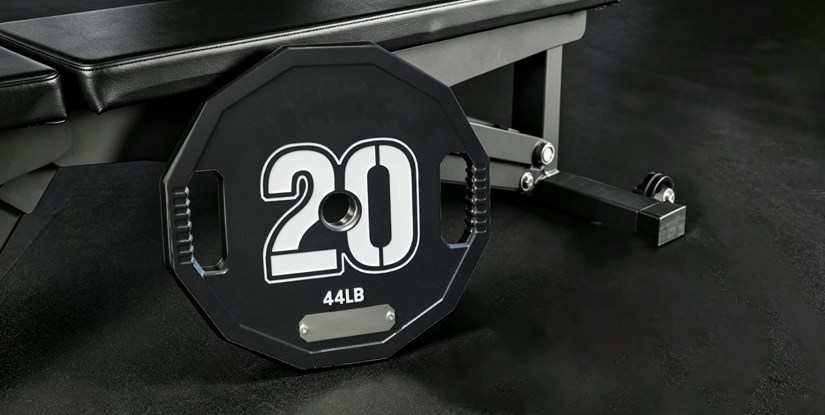
The following table outlines the typical service levels available when sourcing through a commercial weight plate supplier. Choosing the correct tier allows you to balance your budget with the necessary protection for your specific logistics route.
| Packaging Tier | Material Protection | Palletization Method | Typical Application | Landed Cost Impact |
|---|---|---|---|---|
| Standard Commercial | Basic film wrap | Standard wooden pallet | Domestic or short-haul | Lowest initial cost |
| Premium Export | VCI moisture barrier & heavy-duty shrink wrap | Reinforced heat-treated pallet | International sea freight | Optimized for long-term storage |
| Full OEM Custom | Multi-layer protection & custom branding inserts | Custom-sized reinforced crate | High-value distributor shipments | Highest protection for specialized orders |
To minimize the risk of oxidation or surface degradation, we incorporate advanced moisture protection within our export packaging protocols. This includes the use of specialized liners and airtight wrapping techniques that are industry-standard for metal components traveling through varied humidity zones. When managing your sourcing strategy, we recommend requesting a detailed pre-shipment inspection report that specifically confirms the integrity of the palletized load and the condition of the outer rims before the container is sealed.
For partners looking to scale, we offer flexible OEM solutions that include custom branding on the packaging itself, allowing you to maintain a consistent brand identity from the moment the container arrives at your facility. We suggest contacting our team to confirm your specific MOQ and to review our detailed packing lists for your upcoming bulk order.
OEM/ODM Capabilities and Bulk Sourcing Logistics
For distributors and large-scale importers, a reliable calibrated steel plate OEM manufacturer serves as more than just a vendor; they are a strategic partner in brand building. When sourcing high-end gym equipment, the ability to move beyond generic stock to specialized custom branding is essential for capturing premium market segments. Whether you require specific embossed logos, unique color-coded rim finishes, or specialized diameter adjustments, professional OEM and ODM services allow you to align the physical product with your unique brand identity and market positioning.
Successful sourcing in the commercial fitness sector requires a balance between technical precision and logistical efficiency. A professional calibrated steel plate OEM manufacturer must manage complex variables, including strict weight tolerance standards and advanced precision machining via CNC technology. For distributors, the critical decision factors often revolve around the MOQ required to unlock custom specifications and the lead time necessary to maintain consistent inventory levels across global distribution networks. Managing these variables effectively ensures that your commercial gym requirements are met without compromising on landed cost or product consistency.
To optimize your procurement strategy, it is essential to understand how different manufacturing tiers impact your final margins. Below is a qualitative comparison of sourcing options for professional distributors.
| Sourcing Tier | Primary Material Focus | Customization Scope | Typical MOQ | Lead Time Profile | Commercial Use Case |
|---|---|---|---|---|---|
| Standard Wholesale | Cast Iron / Steel | Standard Colors Only | Low to Moderate | Short / Rapid | Budget Gyms / Retail |
| precision steel plate wholesale | High-Grade Steel | Limited Branding | Moderate | Standard | Premium Studios |
| commercial weight plate supplier | Machined Steel / Specialized Alloys | Full custom branding & Specs | High | Extended (Production-Heavy) | Global Chains / Pro Competitions |
When evaluating long-term profitability, the choice of a calibrated steel plate OEM manufacturer directly influences your total cost of ownership and distributor margins. High-volume importers must weigh the advantages of standardized stock against the higher value of specialized production. While standard wholesale orders offer rapid fulfillment, investing in high-tier OEM production allows for a more distinct market position through proprietary specifications and high-end finishes.
To ensure seamless integration into your supply chain, we recommend a multi-step verification process before finalizing any bulk order. Professional procurement teams should request a detailed specification sheet to confirm technical compliance, followed by a sample approval phase to inspect the physical weight tolerance and coating adhesion. For large-scale projects, arranging a virtual or on-site factory audit is a standard practice to verify production capacity and the consistency of the pre-shipment QC protocols. Once specifications are locked, confirm the final MOQ and lead time to align with your container loading schedule and warehouse inventory planning.
Optimizing the landed cost for international shipments requires a deep understanding of how packaging and container loading efficiency impact your final procurement budget. A professional calibrated steel plate OEM manufacturer understands that shipping heavy, high-density steel products necessitates specialized export packaging to prevent surface damage and ensure structural integrity during long-haul transit. For high-volume distributors, the difference between standard palletizing and reinforced, high-density crate loading can significantly influence shipping efficiency and the safety of your inventory upon arrival.
Effective bulk order management involves more than just selecting a product; it requires rigorous oversight of the entire export sequence. A reliable commercial weight plate supplier will implement a structured pre-shipment QC process that includes weight tolerance spot-checks, coating adhesion testing, and thorough inspection of the CNC-machined inner rings. These quality control steps are critical to ensuring that every unit meets the high standards expected by premium commercial clients. By prioritizing a transparent production-to-shipping workflow, importers can mitigate the risks of receiving non-compliant or damaged goods, thereby protecting their distributor margins and maintaining brand reputation.
Optimizing Your Procurement Strategy with a Leading Supplier
Selecting a specialized calibrated steel plate OEM manufacturer is a critical decision for distributors looking to maximize their long-term profitability. In the commercial fitness sector, the cost of a single procurement error—such as inconsistent plate thickness or poor coating adhesion—extends far beyond the initial purchase price. These issues increase your total cost of ownership through higher replacement rates and diminished brand reputation among gym operators.
By sourcing directly from a professional commercial weight plate supplier, you transition from simply buying stock to managing a sophisticated supply chain. A direct-from-factory relationship allows you to control variables such as MOQ, lead time, and customized technical specifications. This strategic alignment ensures that your precision steel plate wholesale orders arrive with the consistency required for premium commercial installations, ultimately protecting your distributor margin and reducing the frequency of customer returns.
Impact of Manufacturing Precision on Total Cost of Ownership
For high-volume importers, the landed cost is only one part of the equation. A high-quality calibrated steel plate OEM manufacturer focuses on the secondary costs of procurement: durability and maintenance. When plates are produced using standardized CNC machining and high-grade steel, the frequency of surface degradation or structural deformation is significantly lowered. This reliability is essential for distributors who provide long-term equipment solutions to large-scale fitness franchises.
| Material Tier | Primary Process | Key Component/Detail | Commercial Duty | Distributor Value |
|---|---|---|---|---|
| Standard Cast Iron | Sand Casting | Basic Surface Paint | Budget/General Gym | High Volume/Low Margin |
| Precision Steel | CNC Machining | Calibrated Inner Bore | Premium Commercial | High Reliability/Standardized |
| Advanced Steel Alloy | Precision Forging | High-Tolerance Coating | Elite/Competition | Premium Branding/Low Replacement |
Selecting a specialized calibrated steel plate OEM manufacturer is a critical decision for distributors looking to maximize their long-term profitability. In the commercial fitness sector, the cost of a single procurement error—such as inconsistent plate thickness or poor coating adhesion—extends far beyond the initial purchase price. These issues increase your total cost of ownership through higher replacement rates and diminished brand reputation among gym operators.
By sourcing directly from a professional commercial weight plate supplier, you transition from simply buying stock to managing a sophisticated supply chain. A direct-from-factory relationship allows you to control variables such as MOQ, lead time, and customized technical specifications. This strategic alignment ensures that your precision steel plate wholesale orders arrive with the consistency required for premium commercial installations, ultimately protecting your distributor margin and reducing the frequency of customer returns.