Calibrated Steel Plate Private Label: Wholesale Material
Understanding Calibrated Steel Plate Private Label Standards
When sourcing high-precision weight equipment, professional importers must evaluate three critical checkpoints: technical specification accuracy, material consistency, and logistical reliability. Relying on substandard manufacturing leads to uneven weight distribution and increased maintenance costs, which can damage a distributor's reputation. Utilizing a professional calibrated steel plate private label service ensures that every unit meets the rigorous expectations of high-end commercial facilities. A reputable China factory provides the necessary technical documentation and precision machining to ensure that your brand identity is built on a foundation of stability and professional-grade performance.
The manufacturing of calibrated steel plate private label products requires a sophisticated sequence of steps to maintain high standards. The process typically begins with high-grade commercial grade steel selection, followed by precision cutting and machining to achieve the required concentricity. Unlike standard cast iron, these units undergo advanced precision machining to ensure the inner diameter and weight distribution are consistent across the entire production run. For distributors, this level of detail is essential to avoid the common failure modes associated with unevenly weighted plates in professional strength training environments.
To manage procurement risks, buyers should focus on the weight tolerance protocols established during the production cycle. A professional commercial weight plate OEM will implement multiple stages of calibration—often involving mechanical trimming or specialized coating adjustments—to ensure the final product matches the declared mass. When managing a wholesale steel weight plates order, verifying these calibration steps during a factory audit or pre-shipment inspection is vital for maintaining long-term distributor margins and ensuring the landed cost reflects a premium, reliable product.
Material Comparison for Commercial Procurement
Selecting the appropriate material is a strategic decision that impacts both the initial capital expenditure and the long-term total cost of ownership. For distributors, the choice between steel, cast iron, and bumper options dictates the maintenance load and the durability of the equipment in high-traffic environments. When negotiating a calibrated steel plate private label contract, understanding these material-specific trade-offs is essential to ensure the final product aligns with your target market's requirements.
The following comparison outlines the standard commercial-duty tiers used by professional manufacturers to assist in your sourcing decisions and helps clarify how material selection influences your wholesale procurement strategy.
| Material Type | Primary Process | Key Component/Feature | Commercial Duty Tier | Procurement Impact | Factory QC Point |
|---|---|---|---|---|---|
| Steel | Precision Machining | Knurled Inner Ring | Premium | Higher Landed Cost | Concentricity & Weight Tolerance |
| Cast Iron | Sand Casting | Embossed Logo Area | Standard/Commercial | Balanced MOQ/Price | Surface Smoothness & Casting Integrity |
| Bumper (Rubber/PU) | Molding/Encapsulation | Steel Hub/Core | High-End/Performance | Higher Shipping Volume | Coating Adhesion & Edge Durability |
For those looking to expand their product line through wholesale steel weight plates, it is recommended to request a detailed specification sheet from your supplier. A professional commercial weight plate OEM can provide samples for evaluation, allowing you to inspect the coating adhesion, the precision of the knurled bore, and the overall finish before finalizing a bulk order or committing to a specific MOQ.
Manufacturing and Quality Control Protocols
A high-tier calibrated steel plate private label production line must prioritize technical precision over simple volume. The manufacturing sequence typically follows a strict path: starting with high-grade steel plate selection, moving through precision CNC machining to refine the inner diameter and concentricity, and concluding with specialized surface treatment such as powder coating or chrome plating. For an importer, ensuring these steps are executed correctly is the only way to guarantee that the final product maintains its structural integrity and aesthetic appeal under heavy commercial use.
To minimize after-sales friction, professional buyers should demand a rigorous pre-shipment inspection protocol. During this stage, the factory should perform weight tolerance spot-checks and inspect the surface treatment for adhesion quality. Reliable export packaging—including reinforced corner protection and moisture-resistant wrapping—is equally critical to prevent transit damage and ensure the landed cost remains predictable. When planning your next wholesale shipment, confirm the lead time and factory capability regarding custom branding to ensure your private label requirements are met without delaying your market launch.
Material Composition and Machining Processes for Commercial Plates
Selecting the correct material substrate is a critical decision for distributors managing long-term inventory and replacement cycles. When sourcing calibrated steel plate private label products, professional buyers must evaluate the structural integrity of the core material against the intended usage intensity of the end-user facility. A high-quality commercial weight plate OEM production line typically utilizes standardized industrial processes to ensure that each unit meets strict dimensional and weight consistency requirements before export.
For high-volume procurement, the choice between solid steel, cast iron, and specialized coatings directly impacts the total cost of ownership and the maintenance frequency required by the facility operator. A professional China factory will implement a multi-stage manufacturing sequence—moving from raw material casting or plate cutting to precision machining and final surface treatment—to minimize the risk of structural failure or surface degradation in high-traffic commercial environments.
| Material Type | Primary Process | Surface Finish | Commercial Durability | Maintenance Requirement |
|---|---|---|---|---|
| Solid Steel | Precision Machining | Powder Coating | High (Impact Resistant) | Low |
| Cast Iron | Sand Casting | Enamel or Paint | Medium (Brittle under high impact) | Moderate |
| Steel Hub with Rubber | Molding / Assembly | Rubberized Layer | High (Floor Protection) | Low |
In the context of wholesale steel weight plates, the precision of the weight calibration and the concentricity of the center bore are the two most important technical benchmarks. A professional supplier ensures that the machining process results in a smooth, consistent fit for Olympic barbells, preventing uneven wear on the bar sleeve. When evaluating wholesale options, buyers should verify if the factory utilizes automated powder coating lines to ensure uniform adhesion and long-term resistance to oxidation and moisture-induced rust.
When managing high-volume orders, the technical distinction between different manufacturing routes becomes a primary factor in determining the landed cost and long-term reliability of your inventory. For distributors, understanding the sequence from raw casting to final calibration is essential for effective quality assurance and managing client expectations regarding product longevity.
Technical Manufacturing Sequence and Quality Control
A standard production workflow for calibrated steel plate private label production follows a rigorous industrial sequence to ensure concentricity and weight accuracy. The process typically begins with the raw material formation—either through precision plate cutting for steel or sand casting for iron—followed by CNC machining to refine the center bore. This machining stage is critical; it ensures the inner ring meets standard tolerances for a smooth Olympic collar fit, which reduces friction and prevents premature wear on high-end barbell sleeves.
Once the structural shape is finalized, the units undergo surface treatment. In many professional settings, a multi-stage powder coating process is preferred over simple liquid paint to provide a more durable, impact-resistant finish. This layer acts as a shield against oxidation, which is a common failure mode in humid commercial environments. During the final pre-shipment QC, technicians perform weight tolerance spot-checks and visual inspections of the coating adhesion to ensure the product meets the high standards expected by premium facility operators.
For those looking to expand their brand identity through wholesale steel weight plates, we recommend requesting a detailed specification sheet that outlines the exact machining and coating steps used. Confirming the factory's ability to maintain consistent bore diameters and surface finish quality is a vital step in the sourcing process to minimize returns and ensure a high-quality branded experience for your end customers.
Precision Machining and Calibration Standards
Achieving professional-grade accuracy requires more than basic casting; it demands a sophisticated technical workflow. For high-end calibrated steel plate private label manufacturing, the process must include dedicated CNC machining to refine the center bore. This step is essential to ensure perfect concentricity, allowing the plate to rotate smoothly on an Olympic barbell without wobbling or causing uneven stress on the bar sleeve. For distributors, this precision directly impacts the perceived quality of your brand and reduces the frequency of client complaints regarding fitment issues.
Following the machining phase, each unit must undergo rigorous weight calibration to ensure consistency across the entire production batch. A reliable commercial weight plate OEM will implement a controlled calibration process to manage weight tolerances, ensuring that the physical weight matches the stamped designation. This level of accuracy is a non-negotiable requirement for professional strength facilities. Furthermore, the quality of the surface finishing—typically a high-grade powder coating—must be inspected for adhesion strength to prevent chipping during heavy use in commercial environments.
To ensure long-term reliability for your inventory, we recommend that procurement leads perform a thorough pre-shipment QC review. This includes a visual inspection of the center bore, a check of the coating uniformity, and a spot-check of weight accuracy. When negotiating your next wholesale order, confirm that the factory provides detailed documentation regarding these technical steps to ensure your landed cost includes a product that meets international commercial standards.
Critical QC Checkpoints for China Factory Export Compliance
Maintaining strict standards during calibrated steel plate private label manufacturing is essential for distributors to avoid costly shipment disputes and product returns. When sourcing high-precision weight sets, a professional China factory must implement a multi-stage inspection routine that addresses both physical dimensions and surface integrity. For importers, a failure in pre-shipment inspection can lead to significant logistics risk, including unexpected landed costs due to weight discrepancies or damaged finishes upon arrival at the warehouse.
Reliable commercial weight plate OEM partners focus on three primary control points to ensure every unit meets the expected weight tolerance. First, the machining process for the center bore must be verified for concentricity to ensure a smooth fit on Olympic bars. Second, the thickness and diameter of the steel must be spot-checked against the technical spec sheet to prevent deviations in bulk orders. Finally, the adhesion of the coating or plating is tested to ensure durability under heavy commercial use. By prioritizing these technical benchmarks, a supplier can ensure that wholesale steel weight plates arrive ready for immediate deployment in premium fitness facilities, protecting the distributor's margins and brand reputation.
Technical Inspection Checklist for Bulk Procurement
To mitigate the risk of receiving substandard batches, professional buyers should request a detailed inspection report focusing on specific physical attributes. A high-tier calibrated steel plate private label production line must demonstrate control over the following technical variables to ensure long-term commercial viability and low maintenance requirements.
| Inspection Focus | Key Technical Attribute | Commercial Impact | Standard QC Check |
|---|---|---|---|
| Bore Precision | Concentricity and Base Flatness | Prevents bar wobble and uneven wear | Visual and manual fit test |
| Surface Integrity | Coating Adhesion | Reduces rust and chipping in high-traffic zones | Scratch and impact resistance check |
| Branding Quality | Logo Embossing/Printing | Ensures brand identity consistency | Legibility and depth inspection |
| Packaging Strength | Export Packaging Durability | Protects against transit damage and lowers replacement costs | Stacking strength and carton integrity test |
When managing a wholesale order, it is standard practice to confirm the specific MOQ for customized logo embossing or specialized coating requests. We recommend that distributors schedule a virtual or third-party audit to verify that the factory maintains consistent control over the transition from casting to final calibration. This proactive approach to sourcing ensures that your calibrated steel plate private label inventory meets the rigorous demands of professional gym environments while optimizing your total landed cost.
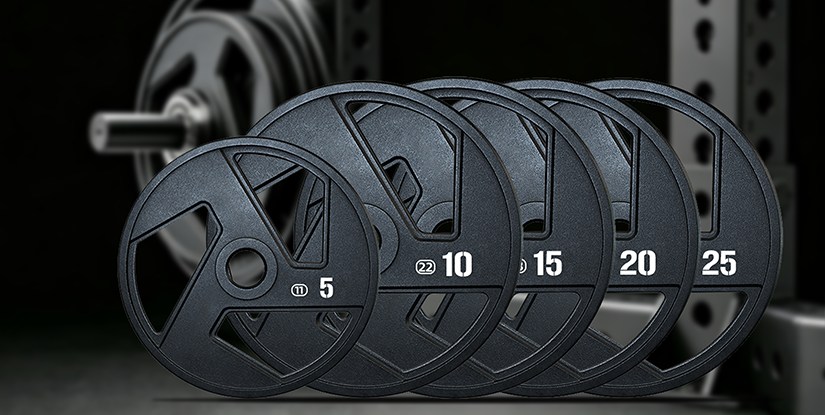
To ensure full compliance with international import standards, procurement managers should verify that the calibrated steel plate private label process includes a final weight verification step. A professional supplier will typically perform a spot-check on a percentage of the batch to ensure the weight deviation remains within the agreed-upon tolerance. This step is critical for maintaining trust with end-users and preventing discrepancies in inventory counts during large-scale facility setups.
For those managing high-volume wholesale steel weight plates shipments, the final stage of the China factory workflow must include robust export-ready packaging. This involves heavy-duty corrugated boxes or reinforced wooden crates designed to withstand the stresses of ocean freight and container loading. Confirming these packaging specifications during your initial sourcing phase helps prevent transit-related damage, ensuring your commercial weight plate OEM products arrive in pristine condition, ready for immediate distribution or retail sale.
Optimizing Lead Times and MOQ for Private Label Orders
For distributors and gym equipment importers, managing the calibrated steel plate private label supply chain requires a deep understanding of how production complexity impacts your inventory turnover. When sourcing from a China factory, the lead time is rarely a fixed number; it is a variable determined by the sophistication of the material and the scale of your wholesale order.
Standardized casting processes are faster, but high-precision commercial weight plate OEM requests involving CNC machining and specialized surface treatments require longer production cycle windows. A higher MOQ often provides a strategic advantage, as it allows the supplier to optimize raw material procurement and streamline the calibration stages, ultimately reducing the landed cost per unit for your brand.
| Material Type | Manufacturing Process | Complexity Level | Typical Lead Time Impact | Commercial Application |
|---|---|---|---|---|
| Cast Iron | Sand Casting & Finishing | Low | Standard | Budget/Standard Gyms |
| Steel Plate | CNC Machining & Calibration | Medium | Extended | Premium Commercial/Competition |
| Rubber/PU Coated | Molding & Multi-stage Coating | High | Longest | High-End Studio/Bumper Sets |
When planning your wholesale steel weight plates procurement, consider that custom branding or specialized ODM requests—such as specific thickness tolerances or unique private label embossing—will add time to the pre-shipment QC phase. We recommend finalizing your sourcing specifications early to ensure shipping logistics schedules align with your seasonal market demand.
Understanding the relationship between production complexity and order scale is essential for maintaining a healthy distributor margin. A professional calibrated steel plate private label program often involves more than just a simple logo; it requires precise synchronization between the raw material stage and the final surface treatment. For example, while standard cast iron plates can be produced rapidly through high-volume sand casting, a premium commercial weight plate OEM order involving precision-machined steel or multi-layered PU coating necessitates a more rigorous production sequence. This sequence typically includes casting, followed by intensive CNC machining for concentricity, and finally, a controlled coating application to ensure long-term adhesion.
To mitigate risks in your sourcing strategy, it is vital to evaluate how different customization tiers affect your warehouse readiness. High-spec products often require longer lead times due to the additional calibration steps and specialized quality control required before the goods can be cleared for export. When negotiating your next wholesale contract, we suggest reviewing the following procurement variables to better predict your landed cost and inventory arrival dates.
| Material Selection | Customization Level | Typical MOQ | Lead Time Impact | Primary Sourcing Benefit |
|---|---|---|---|---|
| Cast Iron | Basic Logo Embossing | Lower | Standard | High Volume Turnover |
| Steel Plate | commercial weight plate OEM | Medium | Extended | Premium Brand Identity |
| Rubber/PU Coated | Full private label Branding | Higher | Longest | High-End Studio Positioning |
For distributors managing wholesale steel weight plates, the most efficient way to optimize the supply chain is to align your MOQ with the factory's production capacity. Bulk orders for standardized items allow the factory to utilize continuous production lines, whereas highly customized ODM projects may require dedicated machine setups. To ensure a smooth pre-shipment inspection and timely arrival, we recommend requesting a detailed specification sheet and confirming the production timeline at least 60 to 90 days prior to your required launch date. Contact us today to confirm current production slots and request a customized quote for your specific volume requirements.
Understanding the relationship between production complexity and order scale is essential for maintaining a healthy distributor margin. A professional calibrated steel plate private label program often involves more than just a simple logo; it requires precise synchronization between the raw material stage and the final surface treatment. For example, while standard cast iron plates can be produced rapidly through high-volume sand casting, a premium commercial weight plate OEM order involving precision-machined steel or multi-layered PU coating necessitates a more rigorous production sequence. This sequence typically includes casting, followed by intensive CNC machining for concentricity, and finally, a controlled coating application to ensure long-term adhesion.
To mitigate risks in your sourcing strategy, it is vital to evaluate how different customization tiers affect your warehouse readiness. High-spec products often require longer lead times due to the additional calibration steps and specialized quality control required before the goods can be cleared for export. When negotiating your next wholesale contract, we suggest reviewing the following procurement variables to better predict your landed cost and inventory arrival dates.
| Material Selection | Customization Level | Typical MOQ | Lead Time Impact | Primary Sourcing Benefit |
|---|---|---|---|---|
| Cast Iron | Basic Logo Embossing | Lower | Standard | High Volume Turnover |
| Steel Plate | commercial weight plate OEM | Medium | Extended | Premium Brand Identity |
| Rubber/PU Coated | Full private label Branding | Higher | Longest | High-End Studio Positioning |
For distributors managing wholesale steel weight plates, the most efficient way to optimize the supply chain is to align your MOQ with the factory production capacity. Bulk orders for standardized items allow the factory to utilize continuous production lines, whereas highly customized ODM projects may require dedicated machine setups. To ensure a smooth pre-shipment inspection and timely arrival, we recommend requesting a detailed specification sheet and confirming the production timeline at least 60 to 90 days prior to your required launch date. Contact us today to confirm current production slots and request a customized quote for your specific volume requirements.
Packaging Engineering and Landed Cost Management
Effective logistics management for high-density goods requires specialized calibrated steel plate private label solutions to protect your margins. For distributors and gym equipment importers, the relationship between export packaging and the final landed cost is a critical variable in long-term profitability. Poorly engineered packaging leads to surface oxidation, dented edges, or structural damage during sea freight, resulting in expensive replacement claims and diminished distributor margins.
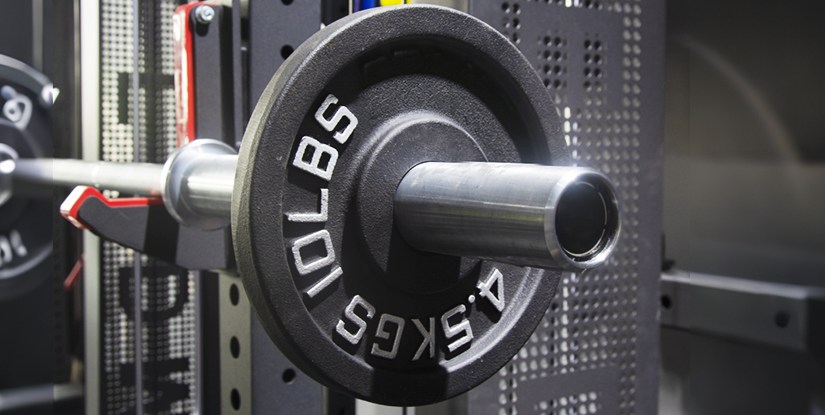
To ensure damage prevention during long-distance transit, a professional China factory implements multi-layered protection strategies. This typically includes heavy-duty corrugated cartons, moisture-resistant liners to prevent rust on bare metal surfaces, and reinforced palletizing to stabilize the weight during container loading. By investing in high-standard sea freight protection, importers can optimize their landed cost optimization, reducing the risk of "dead on arrival" stock and ensuring that the wholesale steel weight plates reach the final destination in pristine, retail-ready condition.
When sourcing commercial weight plate OEM orders, buyers should evaluate the specific export packaging protocols used for different weight tiers. Heavier plates require reinforced wooden crates or heavy-duty pallets to prevent crushing, while lighter sets may utilize high-strength reinforced cardboard to maintain wholesale shipping efficiency. A reliable supplier will provide detailed packing lists and dimensions to help you calculate precise container utilization and freight budgets before the sourcing process is finalized.
Logistics Optimization: Comparison of Export Packaging Methods
Selecting the correct packaging tier is essential for managing the total cost of ownership and ensuring high-volume shipments arrive without structural or surface defects. For procurement managers, the choice between basic palletization and specialized crating directly impacts both the shipping efficiency and the safety of the calibrated steel plate private label inventory during transit. A professional factory will offer tiered options to balance protection against the total volume of the container.
The following table outlines common industry-standard packaging configurations used by a leading supplier to manage bulk order logistics for various commercial-grade weight plates.
| Packaging Type | Primary Use Case | Protection Level | Logistics Impact | Recommended For |
|---|---|---|---|---|
| Standard Palletizing | High-volume, high-density shipments | Moderate (Standard Corrugated) | High container utilization | Standard commercial gym sets |
| Reinforced Wooden Crates | Premium or ultra-heavy weight tiers | High (Impact & Crushing Resistance) | Increased weight/volume footprint | High-end wholesale steel weight plates |
| Individual/Small Box Wrapping | Mixed SKU or boutique studio orders | Medium (Moisture & Scratch Control) | Lower efficiency for bulk sea freight | Small-batch commercial weight plate OEM orders |
When calculating the final budget, do not overlook the impact of packaging weight on your total freight costs. For large-scale wholesale procurement, optimizing the ratio of product weight to packaging volume is a key step in minimizing the landed cost. We recommend requesting a detailed packing specification and a 3D container loading plan during the initial sourcing phase to ensure your shipment maximizes every cubic meter of available space.
| Packaging Type | Primary Use Case | Protection Level | Logistics Impact | Recommended For |
|---|---|---|---|---|
| Standard Palletizing | High-volume, high-density shipments | Moderate (Standard Corrugated) | High container utilization | Standard commercial gym sets |
| Reinforced Wooden Crates | Premium or ultra-heavy weight tiers | High (Impact & Crushing Resistance) | Increased weight/volume footprint | High-end wholesale steel weight plates |
| Individual/Small Box Wrapping | Mixed SKU or boutique studio orders | Medium (Moisture & Scratch Control) | Lower efficiency for bulk sea freight | Small-batch commercial weight plate OEM orders |
When calculating the final budget, do not overlook the impact of packaging weight on your total freight costs. For large-scale wholesale procurement, optimizing the ratio of product weight to packaging volume is a key step in minimizing the landed cost. We recommend requesting a detailed packing specification and a 3D container loading plan during the initial sourcing phase to ensure your shipment maximizes every cubic meter of available space.
Strategic Sourcing for High-Volume Weight Plate Distribution
For international distributors and large-scale gym operators, securing a reliable calibrated steel plate private label partner is a critical decision that directly impacts long-term distributor margin. Sourcing high-precision plates from a specialized China factory allows importers to bypass the high costs of domestic manufacturing while maintaining the strict tolerances required for commercial-grade weight sets. When you move from standard cast iron to precision-machined steel, you are investing in a product that reduces maintenance frequency and increases the perceived value of your brand identity.
The complexity of commercial weight plate OEM production requires more than just a simple casting process; it demands a sophisticated integration of machining and surface treatment to ensure concentricity and weight accuracy. Relying on a professional supplier ensures that your bulk orders meet the rigorous demands of high-traffic commercial facilities, where equipment durability and weight consistency are non-negotiable. By optimizing your sourcing strategy through direct factory partnerships, you can better manage your landed cost and scale your inventory according to market demand.
Optimizing Inventory and Profitability via Wholesale Channels
Effective procurement of wholesale steel weight plates involves balancing the initial MOQ against the potential for high-volume turnover. For many distributors, the goal is to offer a tiered product line—ranging from standard cast iron for budget-friendly gym builds to high-end precision steel for premium strength facilities. A capable factory can support this by offering ODM services, allowing you to customize the thickness, coating, and branding of the plates to suit different market segments.
Managing the lead time is equally vital for maintaining a healthy supply chain. When importing heavy steel components, shipping logistics and container loading efficiency can significantly affect your final landed cost. Working with an experienced manufacturer ensures that export packaging is optimized for sea freight, reducing the risk of surface damage or oxidation during transit, and ensuring that your private label products arrive in professional, retail-ready condition.
Material and Process Comparison for Commercial Sourcing
Selecting the correct material profile is essential for determining the long-term durability and maintenance load of a commercial facility. Professional buyers must distinguish between the cost-efficiency of standard casting and the high-precision requirements of machined steel. The following comparison highlights how different manufacturing routes impact your sourcing decisions and product positioning.
| Material | Coating | Process | Key Component/QC Point | Commercial Application | MOQ Impact |
|---|---|---|---|---|---|
| Cast Iron | Powder Coating | Sand Casting | Base Flatness & Surface Smoothness | Standard Commercial Gyms | Low/Standard |
| Solid Steel | Chrome or Enamel | CNC Machining | Concentricity & Bore Precision | Premium Strength Facilities | Higher |
| Steel with Rubber | Rubber/PU Coating | Molding or Dip | Bond Line Adhesion & Edge Durability | High-Traffic Training Centers | Moderate |
When evaluating a calibrated steel plate private label, the technical specification of the center bore and the concentricity of the plate are the most critical indicators of quality. High-end steel plates typically undergo extensive CNC machining to ensure a perfect fit on Olympic bars, whereas standard cast iron relies on the quality of the mold and the thickness of the powder coating to prevent oxidation. A professional China factory will implement a multi-stage pre-shipment QC process that includes weight tolerance spot-checks and coating adhesion tests to ensure the product meets international commercial standards before export.
Critical Inspection and Logistics for Bulk Procurement
To protect your margins and minimize replacement risks, a rigorous pre-shipment QC protocol is essential when ordering a calibrated steel plate private label in bulk. Professional importers should not rely solely on automated reports; instead, they must confirm that the factory performs manual weight tolerance spot-checks and physical coating adhesion tests. These steps ensure that the high-precision machining of the steel core is not compromised by inconsistent surface treatments, which can lead to chipping or oxidation in high-traffic commercial environments.
Beyond the physical product, logistics management is a vital component of your total landed cost. For high-volume wholesale steel weight plates, the efficiency of export packaging—such as heavy-duty reinforced pallets and moisture-resistant wrapping—is just as important as the weight accuracy itself. A structured sourcing plan should include a review of container loading optimization and a confirmation of the MOQ requirements to balance shipping costs against inventory turnover. By verifying these technical and logistical checkpoints, distributors can ensure their commercial weight plate OEM orders arrive ready for immediate deployment, maintaining the high standards of their brand identity.