Calibrated Steel Plate Trade Supplier: Wholesale Material
Economic Advantages of Sourcing a Calibrated Steel Plate Trade Supplier
Selecting a reliable calibrated steel plate trade supplier requires a rigorous evaluation of three critical procurement pillars: technical specification accuracy, manufacturing consistency, and logistical reliability. For professional distributors and gym owners, the risk of sourcing sub-standard materials often manifests in uneven weight distribution or premature surface degradation, which ultimately increases long-term maintenance costs. By establishing a direct link to a wholesale gym plate manufacturer, procurement professionals can mitigate these variables through standardized production protocols and direct oversight of the manufacturing lifecycle.
The primary objective of professional sourcing is the optimization of Total Cost of Ownership (TCO). While initial unit prices are vital, the true economic value lies in the durability of commercial steel weight plates and the reduction of replacement frequency. A specialized calibrated steel plate trade supplier provides access to controlled manufacturing environments where weight tolerances and concentricity are managed through precise machining rather than erratic casting methods. This level of precision ensures that bulk orders meet the strict requirements of high-traffic commercial facilities, protecting your investment and enhancing your brand reputation.
Furthermore, working with a China factory that specializes in high-volume export allows for greater flexibility in sourcing strategies. Whether you are looking for OEM branding solutions or specific wholesale volume tiers, direct factory access provides transparency into the production timeline and landed cost calculations. This direct relationship facilitates better planning for MOQ-based orders, ensuring that your inventory levels are optimized without the unnecessary markups introduced by third-party traders.
" }To optimize your procurement strategy, it is essential to understand the structural differences between various supply models. Choosing between a traditional trader and a direct calibrated steel plate trade supplier often dictates your ability to scale and customize your product line. For large-scale distributors, the distinction between stock-only models and specialized OEM manufacturing determines both the flexibility of your inventory and the precision of your branded offerings.
Sourcing Model Comparison: Trader vs. Factory-Direct
The following table outlines the typical procurement differences encountered when evaluating your next batch of commercial steel weight plates. These distinctions are critical for calculating long-term margins and managing complex sourcing timelines.
| Procurement Model | Primary Focus | Customization Capability | Typical MOQ | QC Oversight |
|---|---|---|---|---|
| Third-Party Trader | Rapid Stock Availability | Limited to existing SKUs | Low to Moderate | Indirect/Report-based |
| Direct factory | Scale and Customization | High (OEM/ODM support) | Moderate to High | Direct/Pre-shipment |
| wholesale gym plate manufacturer | Bulk Value and Precision | Full Technical Control | Volume-dependent | Standardized/Strict |
For importers aiming to build a premium brand identity, the direct-to-factory route is often the most efficient path to achieving high-performance standards. While a trader may offer smaller batches, a professional calibrated steel plate trade supplier provides the technical infrastructure necessary for advanced surface treatments, such as high-grade powder coating or specialized plating, which are essential for commercial-grade durability. Furthermore, direct engagement allows for more precise control over the lead time and container loading optimization, ensuring that your landed cost remains competitive in the North American market.
When finalizing your procurement plan, we recommend requesting a detailed specification sheet to confirm weight tolerances and bore fit. For large-scale projects, it is also advisable to confirm the MOQ for custom branding and to schedule a pre-shipment inspection to verify the quality of the finish and the precision of the machining before the goods leave the China factory.
To optimize your procurement strategy, it is essential to understand the structural differences between various supply models. Choosing between a traditional trader and a direct calibrated steel plate trade supplier often dictates your ability to scale and customize your product line. For large-scale distributors, the distinction between stock-only models and specialized OEM manufacturing determines both the flexibility of your inventory and the precision of your branded offerings.
Material Standards and Manufacturing Processes for Commercial Steel Weight Plates
When sourcing high-density lifting equipment, a professional calibrated steel plate trade supplier must prioritize precision and structural integrity. For distributors and gym operators, the difference between standard cast iron and high-end steel plates lies in the manufacturing route and the resulting weight tolerance. Reliable commercial steel weight plates are engineered through a sequence of casting, precision machining, and specialized coating to ensure they meet the rigorous demands of high-traffic training environments.
Selecting a competent wholesale gym plate manufacturer involves evaluating how they manage the transition from raw material to finished product. In a professional China factory setting, this includes strict control over the concentricity of the center bore and the uniformity of the surface finish. These technical factors directly impact the long-term durability of the plates and the total cost of ownership for the end-user.
| Material Type | Primary Process | Surface Finish | Commercial Duty Tier | Procurement Advantage |
|---|---|---|---|---|
| Solid Steel | Precision Machining | Chrome or Powder Coating | Premium / Competition | High durability and precision |
| Cast Iron | Sand Casting | Paint or Enamel | Standard Commercial | Cost-effective for bulk orders |
| Steel Core w/ Coating | Molding / Dip Coating | Rubber or PU Layer | High-End Commercial | Enhanced floor protection |
Understanding these manufacturing tiers allows importers to better manage their sourcing strategies. While premium machined steel plates offer the highest precision for specialized facilities, high-volume wholesale distributors often leverage cast iron options to optimize their landed cost and initial capital expenditure. A qualified supplier will provide clear documentation regarding the machining steps and the quality of the coating adhesion to prevent premature wear during heavy usage.
The Production Workflow: From Casting to Final Calibration
A professional production sequence is essential to ensure every unit meets international commercial standards. The workflow typically begins with high-quality sand casting to form the base structure, followed by CNC machining to ensure the center bore is perfectly concentric. This precision machining stage is critical; without it, plates may wobble on the barbell, leading to uneven weight distribution and increased wear on equipment. Following the structural shaping, the plates undergo surface finishing, such as phosphate treatment or powder coating, to provide a durable, corrosion-resistant layer. This high-grade powder coating is vital for long-term durability in high-humidity gym environments.
The final stages of the manufacturing process focus on weight calibration and rigorous quality control. A reputable calibrated steel plate trade supplier implements a systematic weight calibration step to verify that each plate remains within acceptable commercial tolerances. After calibration, the units undergo a pre-shipment QC inspection, where technicians check for coating adhesion, bore smoothness, and any surface imperfections. To ensure the product reaches your warehouse in optimal condition, the process concludes with export-grade packaging. For distributors managing high-volume shipments, utilizing robust, reinforced cartons and standardized palletizing is a key requirement to minimize transit damage and reduce the risk of returns during international sea freight.
Precision Engineering: Weight Calibration and Concentricity in Steel Plates
For professional distributors and gym equipment importers, the technical integrity of a calibrated steel plate trade supplier determines the long-term reliability of a commercial facility. High-grade commercial steel weight plates must maintain strict weight tolerance and perfect concentricity to prevent uneven loading on barbells and reduce mechanical wear on premium lifting bars. When sourcing in bulk, understanding these machining standards is essential for maintaining high standards in commercial gym procurement.
In many professional settings, a lack of precision in the center bore or inconsistent weight distribution leads to increased maintenance costs and client dissatisfaction. A reputable wholesale gym plate manufacturer utilizes advanced machining and calibration processes to ensure that each unit meets industry-standard specifications. This level of precision is a hallmark of high-tier China factory production, where the focus remains on balancing cost-efficiency with the rigorous demands of professional strength training environments.
Advanced Machining and Weight Calibration Standards
To achieve professional-grade accuracy, the manufacturing process begins after the initial casting stage. High-quality plates undergo extensive CNC machining to refine the center bore and the outer circumference. This step is critical for ensuring that the plate sits perfectly flat on a barbell, preventing the wobbling or uneven loading that often plagues lower-tier products. A reliable calibrated steel plate trade supplier ensures that the concentricity—the degree to which the center and the outer edge are aligned—is optimized through multiple passes of precision machining.
Following the machining phase, weight calibration is performed to ensure each unit aligns with its labeled mass. This typically involves a systematic process of material removal or adjustment to meet specific weight tolerances. For distributors managing large-scale orders, this precision directly impacts the landed cost and product reputation, as inconsistent weights can lead to high return rates and diminished trust in a brand. By selecting a professional wholesale gym plate manufacturer, buyers can ensure that their inventory meets the strict expectations of high-performance training facilities.
Commercial Grade Material and Process Comparison
Understanding the distinction between different production tiers helps procurement officers optimize their sourcing strategy based on target facility use and budget. The following table outlines the standard variations found in the industry to assist in your decision-making process.
| Material Tier | Primary Process | Key Component/Detail | Commercial Duty | MOQ Impact | Factory QC Point |
|---|---|---|---|---|---|
| Cast Iron | Sand Casting | Basic Bore Fit | Budget/Standard Gym | Lower | Surface Smoothness |
| Steel (Standard) | CNC Machining | Concentricity Control | Professional Commercial | Medium | Bore Alignment |
| High-Grade Steel | Precision Calibration | Precision Knurled/Smooth Edge | Premium/Competition | Higher | Weight Tolerance Spot-check |
When finalizing your sourcing plan, we recommend requesting a detailed specification sheet and confirming the specific weight tolerance levels. For large-scale projects, it is also advisable to discuss lead times for OEM/ODM requirements and arrange for a sample approval or a factory audit to verify the calibration equipment and pre-shipment QC protocols used by the factory.
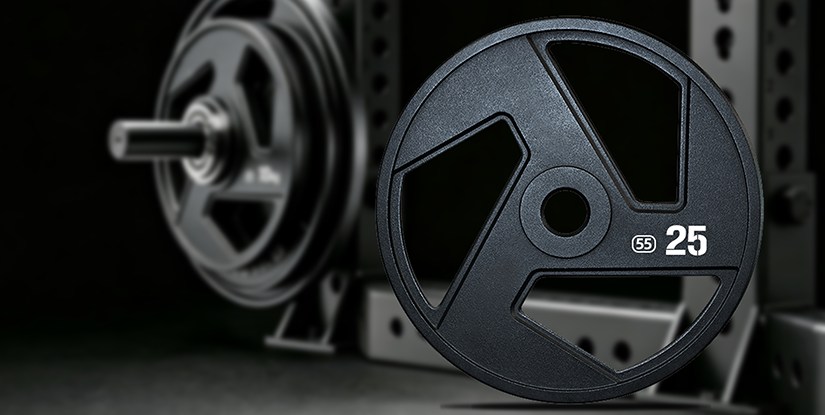
China Factory Capabilities: OEM and Private Label Solutions
Expanding your product catalog requires more than just sourcing standard stock; it requires a calibrated steel plate trade supplier capable of executing complex brand integration. For distributors and large-scale gym operators, the ability to transition from generic imports to a proprietary product line is a critical lever for increasing long-term margins and market positioning.
A professional China factory offers the infrastructure necessary to move beyond basic wholesale transactions into high-value OEM and ODM partnerships. By leveraging specialized manufacturing lines, you can implement specific customization requests—ranging from precision CNC machining of the center bore to specialized surface finishes—ensuring your inventory meets exact commercial standards. This level of control allows you to establish a distinct brand identity in a crowded marketplace, transforming a standard commodity into a premium, branded asset for your clients.
Strategic commercial gym procurement often hinges on the balance between MOQ requirements and the depth of private label services available. Whether you are looking to emboss a unique logo onto the steel surface or require specific color-coded coatings for weight identification, working directly with a specialized supplier ensures that your technical specifications are integrated during the initial casting and machining stages, rather than as an afterthought. This proactive approach minimizes the risk of inconsistent weight distribution or coating failures during long-distance transit.
Precision in the manufacturing process is the primary differentiator between budget-grade imports and high-performance assets. A professional calibrated steel plate trade supplier ensures that every unit undergoes a rigorous sequence of technical steps to maintain structural integrity and weight consistency. The production typically begins with high-grade steel fabrication, followed by advanced CNC machining to ensure the center bore is perfectly concentric. This precision is vital for a smooth fit on Olympic barbells, preventing the uneven wear and mechanical friction often found in lower-tier products.
After the structural machining phase, the surface undergoes intensive treatment to ensure durability in high-traffic commercial environments. We utilize industrial-grade powder coating and specialized surface finishing techniques to create a resilient barrier against oxidation and physical abrasion. This process is not merely aesthetic; it is a critical step in ensuring long-term coating adhesion and preventing rust, which reduces the maintenance load for the end-user. Following the coating application, each unit undergoes strict weight calibration to ensure the final product meets the exact specifications required for professional competition or commercial training standards.
To mitigate the risks associated with bulk international shipping, our manufacturing process concludes with a comprehensive QC and pre-shipment inspection. This includes a detailed check of the bore fit, surface smoothness, and coating uniformity. For high-volume wholesale orders, we implement a multi-stage inspection protocol that monitors for common failure modes such as uneven weight distribution or coating chips. By verifying these technical details at the source, we help distributors reduce the landed cost of returns and ensure that every shipment arrives ready for immediate deployment in premium fitness facilities.
Strategic Sourcing: Wholesale vs. Customized OEM Solutions
Choosing the right procurement path depends on your business model—whether you require rapid stock replenishment or the development of a proprietary product line. A professional wholesale gym plate manufacturer provides different tiers of service to accommodate both high-volume distributors and premium brands seeking a unique market position.
The following table outlines the typical structural and logistical differences between standard wholesale procurement and customized ODM or OEM solutions. Use this to determine which path best optimizes your distributor margins and long-term brand value.
| Procurement Tier | Primary Focus | Technical Specifications | Branding Options | Typical MOQ | Lead Time & Sourcing Logic |
|---|---|---|---|---|---|
| Standard Wholesale | Rapid Inventory Turnover | Industry-standard weight tolerances and common finishes | Generic or standard factory marking | Lower/Volume-based | Faster turnaround for ready-to-ship stock |
| Customized OEM/ODM | Brand Differentiation | Advanced technical specifications (precision bore, custom coatings) | Full custom branding and logo embossing | Higher/Project-based | Extended for production and QC calibration |
When evaluating a calibrated steel plate trade supplier, it is essential to confirm how custom branding affects your lead time and total landed cost. While standard wholesale orders offer the fastest path to market, specialized OEM production allows you to control the fine details—such as the exact texture of the surface finish or the precision of the center bore—ensuring your products meet the high-performance requirements of elite commercial facilities.
Before finalizing your next bulk order, we recommend requesting a detailed spec sheet or a sample evaluation to verify the material quality and weight calibration standards. Our team is available to discuss specific MOQ requirements and provide a comprehensive quote tailored to your distribution or retail scale.
Export Quality Control and Pre-Shipment Inspection Protocols
For professional distributors and gym equipment importers, the cost of a single non-compliant batch can devastate profit margins and brand reputation. Relying on a calibrated steel plate trade supplier that lacks rigorous verification protocols introduces significant risks regarding weight accuracy and long-term durability. High-volume commercial gym procurement requires more than just a low unit price; it demands a standardized pre-shipment inspection process to ensure every unit meets professional standards.
When sourcing commercial steel weight plates from a China factory, the focus must shift from simple visual checks to technical verification. A reliable wholesale gym plate manufacturer will implement a multi-stage quality control sequence—typically starting from raw material verification, moving through precision machining of the center bore, and ending with a final weight tolerance spot-check. Without these strict manufacturing standards, buyers often face issues such as uneven weight distribution, concentricity errors, or poor coating adhesion, all of which increase the total cost of ownership for the end-user.
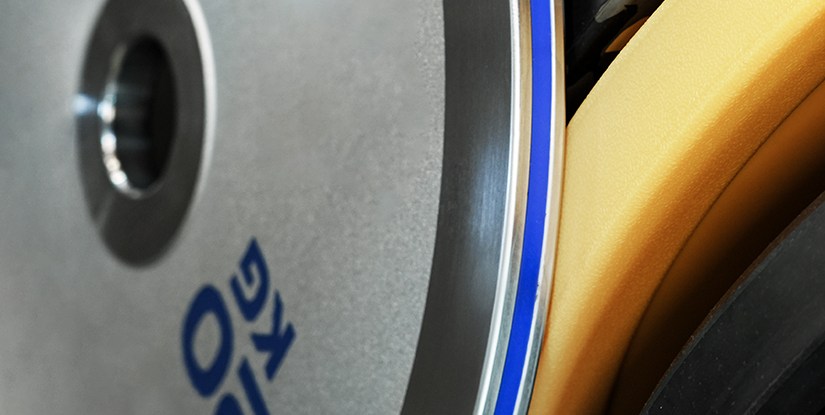
To mitigate these risks, professional buyers should request specific documentation regarding the calibration process and the factory's internal QC methodology. A high-tier supplier will provide transparency regarding how they manage weight deviations and how they ensure the center bore remains perfectly concentric for consistent Olympic bar fitment. This technical diligence is what separates a standard wholesale vendor from a professional-grade manufacturing partner capable of supporting global distribution networks.
Technical Verification of Machining and Surface Integrity
A critical failure point in high-volume sourcing occurs during the transition from casting to the final finishing stages. When evaluating a calibrated steel plate trade supplier, procurement leads must verify the precision of the CNC machining process. In many commercial settings, the center bore must be machined to ensure perfect concentricity, preventing the plate from wobbling or unevenly loading an Olympic barbell. If the bore is not perfectly centered, it creates mechanical stress that can lead to premature wear on the bar and the plate itself, increasing long-term maintenance costs for your clients.
Beyond structural dimensions, the durability of the surface finish is a primary indicator of manufacturing quality. Professional buyers should inspect the coating adhesion of the commercial steel weight plates to ensure the paint or powder coating does not chip or peel under heavy usage. A reputable wholesale gym plate manufacturer utilizes controlled coating lines to ensure the bond between the steel and the finish is resilient. During a factory audit or pre-shipment inspection, we recommend checking the edge smoothness and the integrity of the surface layer to prevent rust or surface degradation during sea freight and long-term warehouse storage.
For those managing large-scale distribution, these technical nuances directly impact the landed cost and the replacement frequency. A supplier that provides standardized calibration and high-quality surface treatment helps distributors maintain higher margins by reducing the volume of defective returns. Before finalizing a bulk order, always confirm the specific calibration and coating protocols used by the factory to ensure the products meet the rigorous demands of professional training environments.
Standardized Inspection Framework for Professional Procurement
To ensure consistency across high-volume shipments, professional buyers must look beyond superficial aesthetics. A qualified calibrated steel plate trade supplier utilizes a structured inspection hierarchy to differentiate between basic production and high-precision commercial-grade output. This level of detail is essential when managing the landed cost and long-term reliability of your inventory.
The following table outlines the critical inspection stages required to verify the quality of commercial steel weight plates. This framework helps procurement managers determine if a wholesale gym plate manufacturer possesses the technical capability to meet professional competition or high-end commercial standards.
| Inspection Stage | Focus Area | Standard Commercial Requirement | High-Precision/Competition Requirement | B2B Sourcing Impact |
|---|---|---|---|---|
| Raw Material Verification | Steel Grade & Consistency | Standard gray iron or steel casting | High-density precision steel or specialized alloys | Reduces long-term structural failure and rust risk |
| Machining & Bore Check | Concentricity & Fitment | Standardized Olympic bore fit | Precision CNC machined center bore for zero wobble | Protects barbell integrity and reduces maintenance |
| Weight Calibration | Mass Accuracy | Typical commercial weight tolerance | Strict high-precision calibration standards | Ensures professional consistency for distributors |
| Surface Treatment | Coating Adhesion | Standard paint or powder coating | Advanced multi-layer or high-durability finish | Minimizes replacement frequency and returns |
| Pre-Shipment QC | Packaging & Loading | Standard export carton/palletization | Reinforced industrial-grade export packaging | Reduces transit damage and improves warehouse efficiency |
When finalizing your sourcing strategy, we recommend requesting a sample or a detailed inspection report from the factory. Confirming these specific calibration and machining protocols will ensure that your bulk order arrives with the precision required for premium commercial environments, protecting your distributor margins and client satisfaction.
Optimizing Your Procurement: Lead Times and Logistics Planning
Managing inventory cycles for a commercial facility requires more than just selecting high-quality steel; it requires a strategic partnership with a reliable calibrated steel plate trade supplier. For distributors and large-scale gym operators, the primary risk is not just product quality, but the disruption of the supply chain. Relying on a China factory without a structured procurement calendar often leads to unexpected stockouts, missed seasonal launch windows, and increased landed cost due to emergency air freight or fluctuating container availability.
Effective sourcing demands a proactive approach to lead time management. When placing bulk orders, buyers must account for the full production cycle—from raw material procurement and casting to the final weight calibration and export-grade packaging. A professional wholesale gym plate manufacturer will provide a transparent timeline that includes production duration, internal QC testing, and sea freight transit. By integrating these variables into your annual procurement plan, you can optimize your MOQ requirements and ensure that your commercial steel weight plates arrive in time to meet market demand without tying up excessive capital in overstock.
Logistics Framework and Shipping Method Comparison
Selecting the appropriate logistics strategy is a critical decision for any importer looking to minimize the total cost of ownership. For high-volume shipments of commercial steel weight plates, the choice between different shipping methods directly impacts your distributor margins and warehouse inventory management. While air freight offers rapid delivery for small-scale OEM sample approvals or urgent restocks, it is rarely a viable solution for large-scale gym setups due to the high volume and density of the product. Most professional buyers prioritize sea freight to balance speed with cost-efficiency, ensuring that the landed cost remains competitive for large-scale commercial distribution.
To optimize your warehousing efficiency, you must coordinate closely with your calibrated steel plate trade supplier regarding container loading patterns. Utilizing full container loads (FCL) is the industry standard for maximizing space and reducing the per-unit shipping cost. A professional wholesale gym plate manufacturer will assist in optimizing the palletization and carton layouts to ensure the highest density within a standard 20ft or 40ft container, thereby protecting your commercial steel weight plates during long-distance transit.
| Shipping Method | Typical Use Case | Speed | Cost Impact | B2B Procurement Context |
|---|---|---|---|---|
| Sea Freight (FCL/LCL) | Bulk inventory replenishment | Slow (Weeks) | Lowest per-unit cost | Standard for large-scale gym setups and distributor stock |
| Air Freight | Urgent restocks or samples | Fast (Days) | Highest per-unit cost | Used for small OEM prototype validation |
| Express Courier | Small sample evaluations | Very Fast | High cost/Low volume | Ideal for testing commercial steel weight plates quality |
Before finalizing your order, we recommend requesting a detailed shipping schedule and a pre-shipment inspection report. Confirming the MOQ and the exact lead time for your specific wholesale volume will allow you to better plan your facility launch or retail seasonal cycles. Contact us to discuss your custom sourcing requirements and receive a comprehensive quote tailored to your logistics capacity.
Maximizing Distributor Margin Through Container Optimization
For professional distributors, the difference between a profitable season and a loss-making one often rests on the efficiency of the loading process. When working with a calibrated steel plate trade supplier, the goal is to minimize the "dead space" within a shipment. Because commercial steel weight plates are high-density products, the weight-to-volume ratio is critical. A common mistake in sourcing is failing to coordinate the exact dimensions of the product with the container capacity, which can lead to paying for shipping volume that is not fully utilized, effectively raising your landed cost.
A high-tier wholesale gym plate manufacturer will offer technical assistance in container loading optimization. By adjusting the pallet height or the carton configuration, you can maximize the weight capacity of a 20ft or 40ft container without exceeding legal road limits for the destination port. This level of precision is essential when managing bulk orders, as it allows you to lower the per-unit shipping expense and significantly increase your distributor margin. Whether you are fulfilling a large-scale commercial gym installation or replenishing a retail warehouse, optimizing the MOQ to align with full container loads remains the most effective way to maintain a competitive edge in the market.