Cast Iron Weight Plate OEM Manufacturer: Wholesale Material
Cast Iron Weight Plate OEM Manufacturer: Material Standards and Selection
When a large-scale commercial gym chain or a high-volume fitness distributor prepares for a seasonal equipment refresh, the technical integrity of the weight sets becomes a primary procurement concern. Relying on a professional cast iron weight plate OEM manufacturer ensures that every unit meets the rigorous demands of high-traffic environments. For distributors, selecting a partner that understands the nuances of industrial-grade casting is essential for maintaining long-term product reliability and minimizing replacement costs.
The core of high-durability plates lies in the selection of gray iron. This material is widely favored in the industry for its excellent vibration damping properties and structural stability. Most professional commercial weight plate wholesale orders prioritize gray iron because it provides the density and impact resistance required for heavy lifting, reducing the risk of fractures during intense commercial use. A reputable factory will utilize established sand casting techniques to ensure the mold produces a consistent, robust form that can withstand years of daily cycling in a commercial setting.
Understanding these material foundations is a critical step for professionals sourcing from China. The transition from raw molten iron to a finished, calibrated weight involves several controlled stages, including casting, machining for concentricity, and surface treatment. When you partner with an experienced supplier, you are not just buying a product; you are securing a standardized manufacturing process that ensures the weights remain balanced and the surfaces remain durable across multiple shipments.
Material and Coating Comparison for Commercial Use
A common pitfall for procurement officers is overlooking how surface treatments impact the Total Cost of Ownership (TCO). While a standard cast iron plate is durable, the specific coating applied can drastically change the maintenance load and the lifespan of the equipment in a high-traffic facility. For instance, choosing a powder coating finish provides a much tougher, more scratch-resistant barrier compared to basic paint, which is critical for preventing oxidation and rust during long-term storage or in humid environments. If your business model relies on premium boutique studios, you may opt for a higher-tier urethane or rubber-encapsulated finish to reduce noise and improve floor protection, though this typically carries a higher MOQ and affects your initial landed cost.
The following table outlines the technical differences between common commercial finishes to assist in your next procurement cycle. This comparison focuses on how material and process choices influence the durability and maintenance requirements of your inventory.
| Material Base | Surface Coating | Primary Process | Commercial Duty Tier | Maintenance Requirement |
|---|---|---|---|---|
| Gray Iron | Bare Iron / Phosphate | Sand Casting | Budget / Entry-level | High (Requires oiling/storage care) |
| Gray Iron | Powder Coating | Electrostatic Application | Standard Commercial | Low (Highly resistant to scuffs) |
| Cast Iron | Polyurethane (PU) | Molding / Encapsulation | Premium / Boutique | Minimal (Excellent floor protection) |
When evaluating your next batch, consider how these options align with your brand identity and target market. A professional cast iron weight plate OEM manufacturer can provide customized solutions based on these tiers. We recommend requesting a detailed specification sheet or a sample evaluation to inspect the coating adhesion and the quality of the weight markings before finalizing your bulk order. Whether you are looking for cost-effective solutions for a standard gym or premium finishes for a luxury fitness center, confirming the specific manufacturing route and QC protocols is essential for a successful partnership.
Engineering Integrity and Pre-Shipment QC Protocols
For procurement specialists, the primary risk in bulk sourcing is the arrival of non-conforming goods that exhibit uneven weight distribution or surface defects. A high-standard cast iron weight plate OEM manufacturer mitigates this risk through a rigorous, multi-stage quality control sequence. This process begins with the casting stage, where the mold's integrity is verified to prevent structural voids. Following the casting, plates undergo precision machining to ensure concentricity and proper fitment on standard barbells, which is a critical metric for preventing uneven wear on client equipment.
Beyond structural integrity, the durability of the surface finish is a non-negotiable factor for long-term reliability. During the gym equipment sourcing China process, it is standard to verify the coating adhesion and the consistency of the outer rim. A failure in the coating process can lead to premature oxidation or chipping, which increases the maintenance load for the end-user. To ensure every unit meets commercial-grade specifications, a professional factory will execute a systematic pre-shipment inspection. This includes spot-checking the weight tolerance, verifying the flatness of the plate base, and inspecting the density of the powder coating or encapsulation layer.
To reduce friction during large-scale imports, we recommend that distributors and gym owners request a specific inspection report or a physical sample for evaluation. This allows you to verify the weight calibration and the quality of the logo embossing or branding before the final container loading. By confirming these technical details—such as the thickness of the protective layer and the precision of the central hole—you can secure a more predictable landed cost and ensure that your inventory meets the high expectations of your commercial clients.
Technical Specifications of Gray Iron Casting and Machining
For professional distributors and gym equipment importers, understanding the structural integrity of a cast iron weight plate OEM manufacturer is critical to reducing long-term maintenance costs and replacement frequency. High-quality commercial plates typically utilize gray iron, which offers the necessary density and impact resistance required for high-traffic strength training environments. When sourcing from a China factory, procurement teams must verify that the manufacturing sequence moves beyond basic casting to include precision-driven finishing processes.
The production cycle begins with sand casting to create the foundational shape of the plate. However, a standard casting is rarely sufficient for premium commercial use. To ensure the plates sit flat on a lifting platform and do not wobble during heavy sets, a cast iron weight plate OEM manufacturer must employ CNC machining. This stage is vital for refining the inner ring diameter and ensuring the concentricity of the plate, which directly impacts the balance and safety of the barbell during use. Without rigorous weight calibration and machining, the landed cost of a shipment may be low, but the long-term cost of uneven wear and equipment instability will increase. For those pursuing commercial weight plate wholesale, verifying these technical stages is a standard part of the sourcing audit.
The following table outlines the qualitative differences between standard and high-grade production methods to assist in your gym equipment sourcing China decisions.
| Material Type | Primary Process | Surface Finish | Commercial Duty Tier | Procurement Focus |
|---|---|---|---|---|
| Standard Gray Iron | Basic Sand Casting | Bare Iron or Paint | Budget / Entry-Level | Low MOQ / High Volume |
| Precision Gray Iron | Casting + CNC Machining | Powder Coating | Commercial / Professional | Durability & Balance |
| Premium Grade Iron | Advanced Casting + Precision Calibration | Multi-layer Coating | Premium / High-End Studio | Longevity & Aesthetics |
When evaluating a cast iron weight plate OEM manufacturer, the distinction between a budget unit and a professional-grade plate often lies in the final surface treatment and the rigor of the calibration process. For high-volume commercial weight plate wholesale, the choice between a basic paint finish and a high-durability powder coating can significantly impact the TCO (Total Cost of Ownership) for the end-user. While basic paint may suffice for low-impact environments, professional strength facilities require coatings that resist chipping and oxidation under heavy use.
Beyond the surface, the technical integrity of the inner ring is a critical inspection point for any gym equipment sourcing China project. A professional factory will ensure that the transition from the casting phase to the final machining phase includes a strict concentricity check. This prevents the common failure mode of uneven weight distribution, which can lead to barbell imbalance. During pre-shipment QC, experienced importers often request a spot-check of the inner ring smoothness and the adhesion of the coating to ensure the plates can be loaded and unloaded rapidly without surface degradation. Understanding these nuances allows a supplier to provide products that meet the high standards of international commercial gyms, protecting both the brand identity of the distributor and the safety of the athletes.
Critical Inspection Points for Surface Integrity and Dimensional Accuracy
For procurement leads managing high-volume imports, the final stages of production—specifically coating adhesion and base flatness—represent the highest risk for landed quality issues. A professional cast iron weight plate OEM manufacturer implements rigorous inspection protocols to ensure that the surface treatment can withstand the mechanical stress of repeated loading and unloading. In many commercial settings, a failure in coating adhesion or an uneven base can lead to premature oxidation and unsightly chipping, which increases the maintenance load for the end-user and damages the distributor's reputation.
During the pre-shipment QC process, a reliable factory does not merely check for visual defects; they verify the structural alignment of the plate. This includes a thorough concentricity check to ensure the center hole is perfectly aligned with the plate's mass, preventing barbell oscillations. Furthermore, a standardized inspection of base flatness is essential to ensure the plate sits securely on lifting platforms. When finalizing your gym equipment sourcing China strategy, we recommend requesting specific documentation or sample approval that confirms these technical benchmarks. Whether you are working with a low MOQ for a boutique studio or a large-scale wholesale order for a global gym chain, these technical certainties minimize the risk of returns and maximize the long-term ROI of your inventory.
Evaluating Surface Finishes and Coating Adhesion for Commercial Use
Reliable surface treatments are essential for long-term durability in high-traffic fitness facilities. When sourcing from a cast iron weight plate OEM manufacturer, procurement professionals must evaluate how different finishes handle the abrasive nature of constant loading and unloading. Selecting the right finish directly impacts the total cost of ownership and maintenance frequency for distributors and gym owners.
In demanding commercial gym environments, the choice between bare iron and advanced coatings determines the lifespan of the inventory. While bare iron is a cost-effective option for basic weight sets, it is highly susceptible to oxidation and rust if moisture levels are not strictly controlled. For professional gym equipment sourcing China, many importers prioritize products with robust surface durability to reduce replacement costs and maintain a premium facility aesthetic.
A common technical decision involves choosing between powder coating vs bare iron. Powder coating provides a thicker, more resilient barrier that protects the underlying metal from environmental wear and minor impacts. This process is standard for high-tier commercial weight plate wholesale orders, as it offers better resistance to chipping and oxidation compared to standard liquid paint. For a professional cast iron weight plate OEM manufacturer, ensuring high coating adhesion through proper pre-treatment—such as phosphate coating—is a critical step in procurement risk mitigation to prevent premature surface failure.
Comparison of Commercial-Grade Surface Finishes
When managing large-scale commercial weight plate wholesale orders, understanding the trade-offs between different coating types is vital for maintaining low maintenance costs. A professional cast iron weight plate OEM manufacturer will typically offer several tiers of finishing, ranging from standard industrial coatings to premium encapsulated layers. The decision often rests on the balance between initial unit cost and long-term durability in heavy-duty settings.
For distributors, the primary technical concern is often coating adhesion. Poorly applied finishes can lead to chipping, which not only ruins the aesthetic of a gym set but also exposes the raw iron to oxidation. High-quality manufacturing involves a multi-stage process—including sand casting, CNC machining for concentricity, and a specific surface preparation—to ensure the coating bonds effectively to the metal surface.
| Material Type | Common Finish | Primary Process | Commercial Duty Tier | Procurement Advantage |
|---|---|---|---|---|
| Cast Iron | Bare Iron / Phosphate | Sand Casting & Oxidation Control | Budget / Basic Commercial | Lowest landed cost |
| Cast Iron | Powder Coating | Electrostatic Spray Application | Standard Commercial | High scratch resistance |
| Cast Iron | Rubber Coating | Injection or Dip Molding | Premium / High-Traffic | Enhanced floor protection |
| Cast Iron | PU Coating | Polyurethane Encapsulation | Premium / Boutique Studio | Maximum aesthetic & durability |
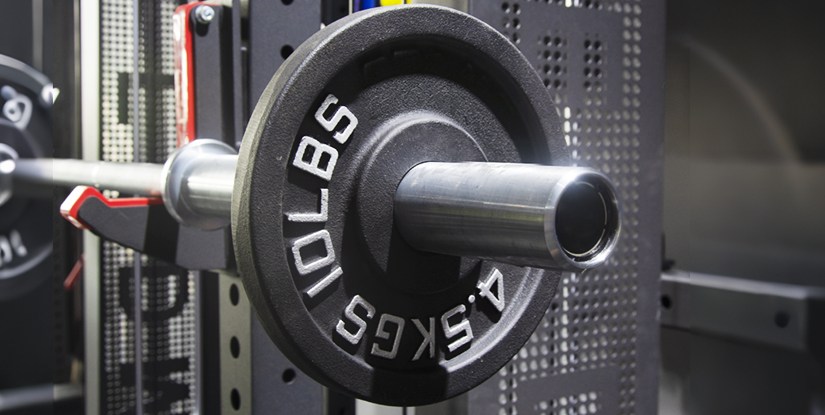
Selecting the appropriate finish during your gym equipment sourcing China journey allows you to tailor your inventory to specific market segments. For example, high-end studios often require the smooth, seamless look of PU or rubber coating, whereas heavy-duty strength centers may opt for the durability of powder coating. We recommend requesting a sample evaluation or a detailed spec sheet from your supplier to confirm that the coating adhesion and material thickness meet your specific branding and durability requirements before finalizing any large-scale wholesale agreement.
Pre-Shipment QC and Adhesion Testing Standards
A critical failure mode for importers is receiving a batch where the surface finish peels or flakes under standard usage. To ensure bulk order reliability, a professional cast iron weight plate OEM manufacturer must implement a rigorous pre-shipment QC protocol. This prevents the high cost of returns and diminishes the reputation of the distributor. Instead of relying on visual inspection alone, top-tier manufacturers utilize systematic checks to ensure the coating remains intact despite the physical stresses of heavy lifting environments.
During the factory-direct inspection process, a standard coating adhesion test is often performed. This involves verifying that the surface treatment—whether it is a phosphate treatment or a heavy-duty powder coating—is properly bonded to the cast iron substrate. In many commercial settings, a successful bond ensures that the plates can withstand the repetitive impact of being stacked and moved without the surface degrading. When managing your sourcing strategy, always ask for details regarding their surface preparation steps, as the quality of the bond is directly tied to the cleanliness and texture of the iron before any coating is applied.
For buyers engaged in gym equipment sourcing China, understanding these technical benchmarks is essential for long-term wholesale success. We suggest that procurement leads request a sample approval with a focus on the edges and the inner ring, as these are common areas for coating failure. By confirming these industrial standards during the initial sample stage, you can secure a more predictable landed cost and higher consumer satisfaction for your branded or private label product lines.
China Factory Production and Pre-Shipment Quality Control
For distributors and importers, the risk of receiving non-compliant batches is a significant threat to profit margins and long-term brand reputation. Selecting a reliable cast iron weight plate OEM manufacturer requires looking beyond the initial unit price to the rigor of the pre-shipment QC protocols. A professional China factory must implement standardized inspection sequences—from the initial casting stage through to final surface finishing—to ensure every unit meets the strict demands of commercial gym environments.
When managing commercial weight plate wholesale orders, procurement leads must verify that the manufacturer performs specific technical checks that prevent common failure modes, such as uneven weight distribution or coating peeling. Effective gym equipment sourcing China involves auditing these precise technical checkpoints to guarantee that the landed cost remains low without sacrificing the structural integrity required for high-traffic facilities.
Standard Inspection Points for Commercial Grade Plates
A professional cast iron weight plate OEM manufacturer typically follows a systematic production route: sand casting, followed by precision machining to ensure concentricity, and finally, surface treatment. During the final stages, a factory must conduct spot checks on the following critical technical attributes to ensure the batch is export-ready:
- Weight Tolerance: Verifying that the cast iron mass remains within industry-standard deviations through calibrated scale testing.
- Surface Finish: Inspecting the adhesion of the powder coating or paint to ensure no flaking occurs during high-volume use.
- Dimensional Accuracy: Checking the inner ring diameter and thickness to ensure compatibility with standard Olympic barbells.
- Physical Integrity: Inspecting for casting defects such as air bubbles, cracks, or irregular edges that could compromise safety.
By prioritizing these technical details during the sourcing process, buyers can mitigate the risk of receiving defective stock and ensure their wholesale inventory meets the durability expectations of professional gym operators.
Quality Tiers and Export Packaging Standards
To optimize the total cost of ownership and minimize transit-related damage, professional buyers should evaluate the distinction between standard and high-tier manufacturing capabilities. A specialized cast iron weight plate OEM manufacturer will provide transparent documentation regarding their sorting and packaging protocols. Choosing the correct tier during gym equipment sourcing China allows distributors to align their inventory with specific market segments, whether providing budget-friendly options or premium commercial-grade solutions.
| Material Tier | Primary Process | Key Component / Feature | Commercial Duty | MOQ Impact | Factory QC Point |
|---|---|---|---|---|---|
| Standard Gray Iron | Sand Casting | Basic Raised Lettering | Budget Gym / Home Use | Lower | Casting Surface Smoothness |
| Commercial Grade | Precision Machining | Consistent Inner Ring Diameter | Professional Training Centers | Medium | Concentricity and Flatness |
| Premium Performance | Advanced Coating / CNC | High-Adhesion Surface Finish | High-Traffic Commercial Facilities | Higher | Coating Adhesion and Weight Precision |
The final stage of the sourcing workflow involves securing the load for international transit. For large-scale commercial weight plate wholesale orders, a reliable factory utilizes reinforced palletizing and heavy-duty corrugated boxing to prevent crushing or moisture ingress during sea freight. This level of detail in the export stage is vital for maintaining a predictable landed cost and ensuring that the shipment arrives in a condition that allows for immediate distribution to your end clients.
Before finalizing any large-scale wholesale contract, we recommend requesting a technical spec sheet, confirming the current MOQ for your specific customization requirements, and discussing the timeline for sample approval and pre-shipment inspection.
OEM and Private Label Customization Capabilities
For distributors and gym equipment importers, sourcing generic stock often results in low brand recognition and thin margins. A professional cast iron weight plate OEM manufacturer provides the technical infrastructure to move beyond standard inventory. By leveraging OEM and ODM services, you can transition from a simple reseller to a branded equipment provider with a distinct market identity.
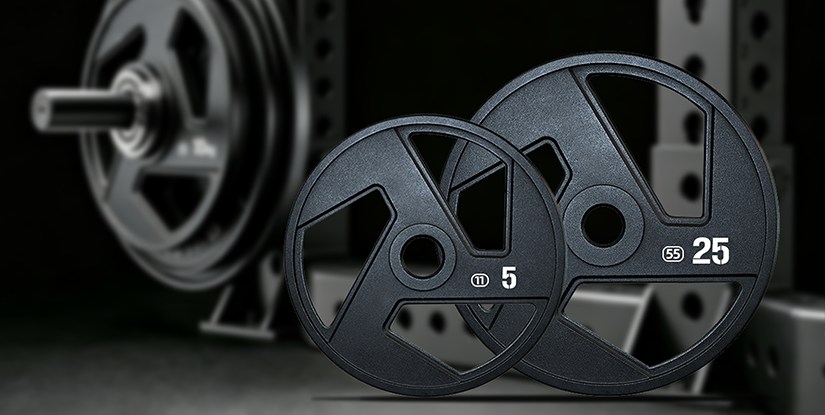
High-tier commercial weight plate wholesale programs typically offer deep customization across physical and visual dimensions. This includes mold customization for unique plate shapes or embossed center hubs, allowing your private label to stand out in competitive retail environments. Whether you require specific technical specifications regarding the thickness of the center ring or specialized custom branding through raised lettering or high-durability paint, a specialized China factory can execute these design requirements to meet your brand's standards.
Effective gym equipment sourcing China requires a clear understanding of how customization affects your MOQ and total landed cost. Custom molds and specialized coatings usually require a higher minimum order quantity compared to standard stock, but they significantly increase the long-term value of your product line. When negotiating with a supplier, ensure that your design requirements are clearly documented to prevent discrepancies in the final production batch.
Technical Comparison of Customization Options
Selecting the correct production route is essential for maintaining consistent margins during gym equipment sourcing China. A professional cast iron weight plate OEM manufacturer offers several tiers of customization, ranging from superficial aesthetic updates to structural mold changes. Understanding the relationship between manufacturing complexity and MOQ will help procurement managers optimize their landed cost and inventory strategy.
The following table outlines the typical customization tiers available through a China factory to assist in your wholesale decision-making process.
| Material Base | Finishing/Coating | Branding Method | Complexity Tier | Commercial Use Case |
|---|---|---|---|---|
| Standard Gray Iron | Bare Iron / Phosphate | Embossed Logo (Cast-in) | Low | Budget/Standard Commercial Gyms |
| Standard Gray Iron | Powder Coating | Silk Screen / Paint | Medium | Premium Fitness Studios |
| High-Grade Cast Iron | Multi-Layer Enamel | Raised 3D Branding | High | Specialized Boutique/Branded Lines |
When managing commercial weight plate wholesale orders, buyers should note that sand casting remains the industry standard for high-volume production. For a cast iron weight plate OEM manufacturer, providing an embossed logo directly into the mold ensures the branding is permanent and resistant to wear, whereas silk screen or paint options are more cost-effective but may require more frequent replacement in high-traffic environments. We recommend confirming the weight tolerance and coating adhesion standards with your supplier during the sample approval stage to ensure long-term durability for your clients.
Beyond the visual aspects of branding, true OEM capability involves the technical precision of the weight itself. A reliable cast iron weight plate OEM manufacturer understands that for professional distributors, the most critical component is the consistency of the center hub and the flatness of the plate surface. During the production cycle, this requires rigorous attention to the machining phase to ensure that the inner ring diameter remains within a standard tolerance for commercial barbell compatibility.
Before proceeding to mass production, we highly recommend a formal sample evaluation process. This allows your procurement team to inspect the texture of the casting, the quality of the , and the durability of the finish under real-world conditions. Successful gym equipment sourcing China depends on verifying these physical attributes at the prototype stage to avoid costly discrepancies during large-scale wholesale shipments.
Once the sample is approved, the workflow transitions into high-volume output, followed by stringent QC protocols. Each batch must undergo a pre-shipment inspection that includes weight spot-checks and surface integrity tests. To protect your investment and ensure efficient shipping logistics, the factory utilizes heavy-duty export packaging, typically involving reinforced cartons and palletization designed to withstand the rigors of ocean freight. This systematic approach minimizes the risk of transit damage and helps maintain a predictable landed cost for your distribution network.
Logistics and Bulk Order Procurement Planning
Navigating the logistics of heavy metal imports requires precision to protect your margins. When sourcing through a cast iron weight plate OEM manufacturer, the complexity extends far beyond the unit price. For distributors and gym equipment importers, the total landed cost—which includes the ex-works price, ocean freight, insurance, and local port fees—is the most critical metric for determining long-term profitability and competitive retail pricing.
Because weight plates are characterized by a high weight-to-volume ratio, shipping efficiency is a constant challenge. A professional commercial weight plate wholesale strategy must account for how many units can be densely packed into a standard container to minimize per-unit freight costs. Buyers must decide between LCL (Less than Container Load) for smaller, specialized inventory replenishment and FCL (Full Container Load) for maximizing volume efficiency during major gym equipment sourcing China cycles. Choosing the right freight forwarding partner and understanding the specific port of origin requirements will ensure smoother customs clearance and prevent unexpected demurrage charges at the destination port.
Optimizing Shipping Modes and Container Utilization
Selecting a shipping mode involves balancing speed against the high density of iron products. While air freight offers rapid delivery, it is rarely recommended for bulk iron due to prohibitive costs. Most professional importers utilize sea freight to maintain a competitive landed cost. To optimize your budget, we recommend a full container load (FCL) approach, as maximizing the volume of a 20ft or 40ft container significantly reduces the per-unit shipping expense compared to smaller, fragmented shipments.
Packaging density and weight distribution are vital during the loading process. A reliable factory will utilize heavy-duty pallets and reinforced export packaging to prevent shifting during transit. Whether you require port-to-port delivery or a door-to-door service, coordinating with your supplier to confirm the exact dimensions and weight per pallet is essential for effective warehouse planning and avoiding unexpected port storage fees. For high-volume wholesale orders, we suggest confirming the precise container loading plan during the pre-shipment stage to ensure maximum efficiency.
| Shipping Strategy | Primary Advantage | Typical Use Case | Impact on Lead Time | Cost Profile |
|---|---|---|---|---|
| FCL (Full Container Load) | Maximum density and lower unit cost | Large-scale inventory replenishment | Standard ocean transit | Lowest per-unit cost |
| LCL (Less than Container Load) | Lower initial capital requirement | Small batch or specialized order testing | Variable due to consolidation | Higher per-unit cost |
| Air Freight | Highest speed and reliability | Emergency stock replenishment | Very short transit | Highest cost ot recommended for bulk iron |
Before finalizing your gym equipment sourcing China plan, we recommend requesting a detailed packing list and a shipping quote based on your specific MOQ. This allows you to calculate a precise budget and ensures your distribution center is prepared for the arrival of heavy-duty commercial inventory.
Export Packaging and Damage Prevention Standards
Effective export packaging is a critical component of the procurement process for heavy iron products. Without standardized protection, the high density and weight of the products can lead to surface abrasions or structural damage during sea freight transit. A professional cast iron weight plate OEM manufacturer will implement specialized protocols, such as reinforced palletization and heavy-duty shrink wrapping, to stabilize each unit. Ensuring proper weight distribution within the container is essential to prevent shifting, which can compromise both the product integrity and the stability of the container itself during ocean transport.
To mitigate risks during the long-distance shipping cycles common in gym equipment sourcing China, we recommend a multi-layer protection approach. This typically includes high-density cardboard dividers between plates and sturdy wooden crates or heavy-duty pallets for the final load. By strictly adhering to these industry-standard procedures, a reliable supplier helps distributors minimize the likelihood of transit-related defects. We suggest reviewing the specific packaging configurations and weight-per-pallet specifications with your partner prior to production to ensure your warehouse receiving equipment and logistics workflows are fully aligned with the incoming volume.