Cast Iron Plate Bulk Supplier: Wholesale Material Spec
Optimizing Inventory with a Cast Iron Plate Bulk Supplier
When scaling a commercial facility or managing a distribution network, procurement professionals must balance inventory turnover with product consistency. Selecting a reliable cast iron plate bulk supplier requires evaluating three critical checkpoints: material grade stability, manufacturing reliability, and logistical transparency. Relying on inconsistent wholesale cast iron plates can lead to uneven weight distribution across a gym floor and increased maintenance costs, whereas a professional China factory provides the standardized production required to maintain long-term asset value and predictable landed costs.
A specialized cast iron plate bulk supplier ensures that every unit in a large-scale shipment meets the same structural standards. For distributors, this means reducing the risk of receiving batches with irregular casting defects or uneven bore dimensions. By sourcing directly from a specialized factory, buyers can better manage their MOQ requirements and align production schedules with seasonal demand, ensuring that commercial gym weight plates arrive on time to meet facility expansion or replacement needs.
Casting and Surface Finishing Standards
The production of high-quality weight plates begins with the sand casting process, where molten gray iron is poured into precision-engineered molds. For professional importers, the quality of the final product depends heavily on the post-casting stages, specifically machining and surface treatment. A premium cast iron plate manufacturer will prioritize CNC machining of the center bore to ensure concentricity and a precise fit for standard barbell sleeves. This step is vital for preventing uneven wear on expensive barbells within a commercial setting.
Beyond the structural casting, the surface finish dictates the product's durability and maintenance requirements. While bare iron options are common for budget-driven procurement, high-traffic facilities often require advanced coatings to prevent oxidation and prolong the lifecycle of the equipment. Understanding these technical differences allows procurement managers to optimize the total cost of ownership (TCO) by selecting the appropriate finish for their specific environment.
| Material Tier | Primary Process | Surface Finishing | Commercial Duty | Typical Sourcing Use Case |
|---|---|---|---|---|
| Standard Gray Iron | Sand Casting | Bare Iron or Phosphate | Budget Commercial | High-volume wholesale distribution |
| Premium Cast Iron | Sand Casting + Machining | Powder Coating | Full Commercial/Studio | Brand-focused gym equipment sets |
| High-Performance | Precision Casting | Polyurethane or Rubber Coating | Premium/Specialized Facility | High-end boutique or hotel fitness |
When evaluating a cast iron plate bulk supplier, it is essential to verify the specific coating adhesion and weight tolerance protocols used during pre-shipment. For example, a powder coating application must be uniform to avoid chipping during heavy use, which can lead to rust and decreased aesthetic value. For buyers interested in OEM or ODM solutions, these finishing steps are also the primary stages where custom branding and logo embossing are integrated into the production line to strengthen brand identity.
Material Grade and Surface Finish Selection for Commercial Use
Selecting the right material grade is a critical decision for distributors and gym operators looking to balance long-term durability with landed costs. When sourcing from a cast iron plate bulk supplier, understanding the structural properties of the metal ensures your inventory can withstand high-frequency usage in professional environments. Most high-volume orders rely on high-quality gray iron, which provides the necessary density and impact resistance required for heavy lifting applications.
For procurement professionals, the choice between bare iron and coated options affects both the maintenance load and the replacement cycle of the equipment. While bare iron offers a classic aesthetic and lower initial wholesale cast iron plates pricing, surface treatments like powder coating or specialized paint are industry-standard for enhancing the lifespan of commercial gym weight plates. These finishes protect the substrate from oxidation and environmental moisture, which is essential for maintaining asset value in high-traffic facilities.
Effective sourcing from China factory networks requires a deep dive into how casting and finishing processes impact the final product. A professional supplier will typically offer various tiers of surface treatments to meet different budget requirements, ranging from basic phosphate treatments to premium color-coded powder coating. Choosing the correct specification at the factory level prevents premature degradation and ensures the longevity of your commercial investment.
Technical Comparison of Casting and Surface Finishing
The manufacturing sequence—from the initial sand casting to the final calibration—directly impacts the weight tolerance and surface uniformity of each unit. For high-volume procurement, it is essential to distinguish between standard casting methods and advanced finishing techniques to ensure the plates meet the rigorous demands of professional facilities. A reliable cast iron plate manufacturer will provide clear documentation regarding the casting process and the adherence to industry-standard weight tolerances.
Below is a qualitative comparison designed to assist procurement leads in evaluating different material and finish tiers during the sourcing phase. This table highlights how manufacturing choices influence commercial utility and the necessary MOQ for customized branding.
| Material Tier | Primary Process | Surface Finish | Commercial Duty | Procurement Context |
|---|---|---|---|---|
| Standard Gray Iron | Sand Casting | Bare Iron / Phosphate | Budget/Basic Commercial | Low maintenance; high durability |
| Premium Cast Iron | Sand Casting + CNC Machining | Powder Coating | High-Traffic Professional Gyms | Enhanced aesthetics; corrosion resistance |
| Precision Grade | Centrifugal Casting | Advanced Polyurethane/PU | Premium Studios/Competition | High weight precision; floor protection |
When evaluating a potential cast iron plate bulk supplier, we recommend requesting a detailed specification sheet that clarifies the surface treatment application. For example, verifying the adhesion quality of a powder coating layer is a vital step in the pre-shipment QC process. Ensuring the manufacturing sequence includes a thorough machining step for the center bore will guarantee better concentricity and a smoother fit for high-end barbell sleeves, reducing long-term maintenance costs for the end user.
To optimize your inventory strategy, please contact our team to request a formal quote, confirm current MOQ requirements, or discuss OEM branding options for your next bulk order.
Manufacturing Processes and Precision Calibration
To maintain high standards for global distribution, a professional cast iron plate bulk supplier must implement a rigorous sequence of production steps. Reliable sourcing begins with the foundational casting stage, where raw materials are transformed into durable commercial-grade units. For distributors and gym owners, understanding these mechanical stages is essential for assessing the long-term value and durability of their inventory.
The production cycle typically begins with high-grade sand casting to create the initial plate shape. Once the raw forms are cooled, they undergo CNC machining to ensure the center bore is perfectly concentric and the surface is level. This precision is vital for commercial gym weight plates to prevent wobbling during high-volume use. Following the machining phase, the plates undergo weight calibration and surface treatment to meet industry-standard specifications before they are cleared for export.
Selecting a reliable cast iron plate manufacturer involves evaluating how these processes impact the final landed cost and product longevity. Below is a comparison of common manufacturing tiers used in the industry to assist in your sourcing decisions.
| Material Tier | Primary Process | Surface Finish | Commercial Durability | Procurement Profile |
|---|---|---|---|---|
| Standard Gray Iron | Sand Casting | Bare Iron or Paint | Basic/High-Volume | Budget-friendly/High MOQ |
| Premium Cast Iron | Sand Casting + CNC | Powder Coating | Enhanced/High-Traffic | Mid-tier/Standard MOQ |
| Advanced Composite | Casting + Molding | Rubber or PU Coating | Premium/Studio-Grade | High-end/Lower MOQ |
When ordering wholesale cast iron plates, buyers should confirm whether the factory utilizes automated calibration to ensure weight consistency across the entire batch. A professional supplier will provide documentation regarding their quality control steps, ensuring that every unit meets the structural integrity required for professional training environments. For large-scale wholesale projects, we recommend requesting a sample to inspect the coating adhesion and bore precision before finalizing the bulk order.
Evaluating Surface Finishing and Durability Standards
The choice of surface treatment significantly impacts the total cost of ownership for commercial facilities. While bare iron options offer the lowest initial outlay, they often require more frequent maintenance to prevent oxidation. For high-traffic environments, a professional cast iron plate bulk supplier typically recommends advanced finishing methods to ensure long-term durability and aesthetic consistency.
A common high-performance option is powder coating, which provides a robust, even layer that protects the underlying iron from moisture and impact. This process is widely utilized in the industry to enhance the visual appeal of commercial gym weight plates while adding a layer of resistance against chipping. When evaluating your sourcing options, it is essential to consider how different finishes affect the weight tolerance and the overall maintenance load for your facility.
For premium studio environments, specialized coatings such as polyurethane or high-grade rubber encapsulation are often preferred. These methods provide superior floor protection and noise reduction, though they may influence the MOQ and the final landed cost. We advise distributors to confirm the specific application method used by the factory to ensure the coating adheres properly to the cast iron base, preventing premature peeling during heavy use.
Pre-Shipment QC and Export Packaging Protocols
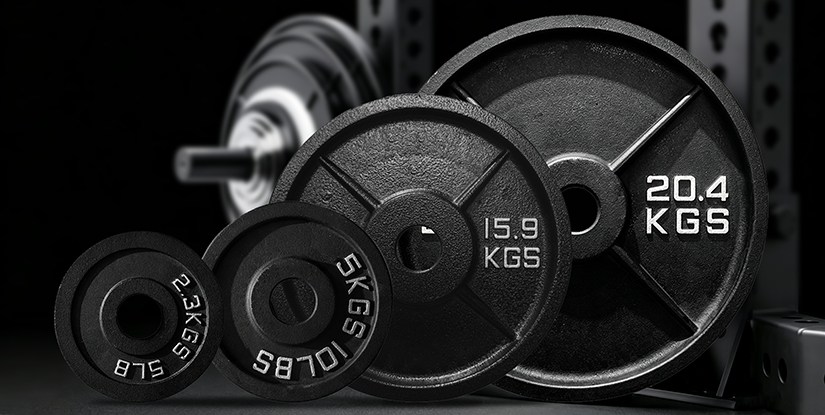
Before any bulk shipment departs a China factory, a rigorous pre-shipment QC protocol must be executed to mitigate the risk of returns and damage during transit. For an experienced cast iron plate bulk supplier, quality control is not merely a final check but a multi-stage verification of the entire production output. This process is critical for international importers to ensure that the landed cost remains optimized by avoiding faulty or incorrectly weighted inventory.
The inspection sequence begins with a weight tolerance spot-check, where a statistical sample of the batch is weighed to ensure consistency across the shipment. Following this, technicians perform a coating adhesion test to verify that the surface finish remains intact under mechanical stress. Finally, the export packaging process is scrutinized; plates must be secured in heavy-duty, reinforced cartons or custom wooden crates designed to withstand the rigors of ocean freight and container loading. A reliable cast iron plate manufacturer will also verify the center bore fit and the structural integrity of the packaging corners to prevent any shifting or impact damage during long-haul shipping.
China Factory Production and Export Quality Control Standards
For distributors and professional importers, sourcing directly from a cast iron plate bulk supplier requires a deep understanding of how raw materials transition into finished commercial inventory. A reliable China factory maintains a standardized production sequence to ensure every unit meets the rigorous demands of high-traffic fitness environments. This process begins with high-grade gray iron selection to prevent structural brittleness during heavy use.
The manufacturing workflow typically follows a strict progression: sand casting, followed by intensive CNC machining to ensure the center bore is perfectly concentric. This precision is critical for maintaining weight distribution and preventing uneven wear on barbell sleeves. Once the structural form is perfected, the plates undergo surface treatment—ranging from basic phosphate treatments to heavy-duty powder coating—to mitigate oxidation. A professional cast iron plate manufacturer will also implement a weight tolerance check to ensure the final product aligns with the ordered specifications, reducing the risk of discrepancies in your landed cost calculations.
Effective wholesale cast iron plates procurement also depends on the rigor of the pre-shipment inspection. During the QC phase, technical teams focus on the quality of the commercial gym weight plates by inspecting the coating adhesion, the smoothness of the rim edges, and the precision of the bore fit. For large-scale sourcing, verifying these technical checkpoints at the factory level helps minimize replacement costs and ensures that the bulk shipment arrives ready for immediate deployment in premium facilities.
Material and Surface Finish Comparison for B2B Procurement
Selecting the correct finish is a critical decision for distributors managing long-term maintenance costs and inventory turnover. While bare iron is cost-effective, it requires higher maintenance frequency due to oxidation risks. In contrast, high-tier finishes like powder coating or rubberized layers provide a professional aesthetic and increased durability, which can justify a higher price point for premium facility clients. When evaluating your next batch, consider how the surface treatment impacts the total cost of ownership and the speed of your logistics cycle.
| Material Tier | Surface Finish | Manufacturing Process | Key Component / QC Point | Commercial Duty | MOQ Impact |
|---|---|---|---|---|---|
| Gray Iron | Bare / Phosphate | Sand Casting & Machining | Bore Concentricity | Budget / High-Traffic | Lower |
| Gray Iron | Powder Coating | Casting & Electrostatic Spray | Coating Adhesion | Standard Commercial | Medium |
| Ductile Iron | PU / Rubber Coated | Casting & Vulcanization | Edge Smoothness | Premium / Boutique | Higher |
To ensure high-volume reliability, a professional cast iron plate bulk supplier must implement a comprehensive pre-shipment QC protocol. This includes inspecting the thickness of the coating across the plate surface and verifying the flatness of the base to prevent wobbling. For international shipments, the export packaging process is equally vital; using reinforced carton corners and heavy-duty pallets ensures that the weight distribution remains stable during ocean freight, protecting your landed cost and reducing the likelihood of transit-related damage.
Custom Branding and OEM/ODM Capabilities for Distributors
For international distributors and gym equipment importers, sourcing from a cast iron plate bulk supplier involves more than just finding a reliable factory; it requires a partner capable of supporting long-term market expansion. While standard stock orders satisfy immediate inventory needs, utilizing OEM and ODM services allows you to transition from a mere reseller to a recognized brand authority in your local territory.
Establishing a strong brand identity is a critical strategic move for scaling a fitness business. By integrating custom branding—such as specialized embossed logos or unique color-coded coating schemes—into your wholesale cast iron plates, you differentiate your product line from generic competitors. This level of customization is essential for professional distributors looking to build customer loyalty and maximize their distributor margin. Rather than competing solely on price, you can compete on brand value and specialized product presentation.
Whether you are looking to launch a new line of commercial gym weight plates or expand an existing professional catalog, a dedicated cast iron plate manufacturer can provide the technical support needed to meet specific market demands. This includes everything from customized weight increments to specialized surface finishes that align with your brand's aesthetic and durability standards.
Technical Execution of Logo Integration and Surface Finishes
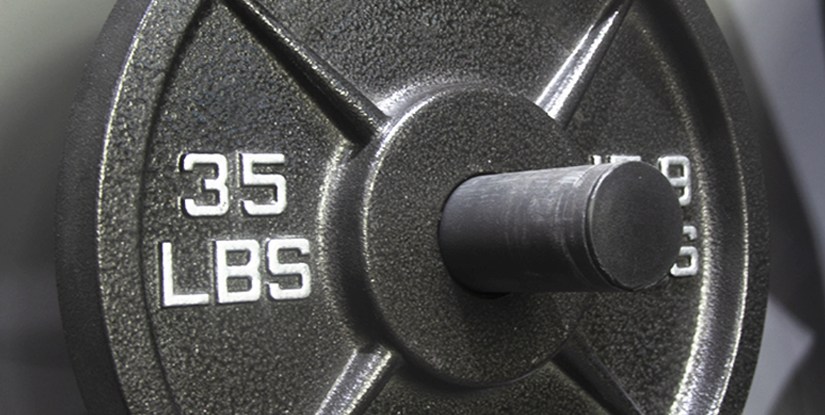
When developing a proprietary product line, the method of logo integration significantly impacts the final aesthetic and the long-term durability of the unit. A professional cast iron plate bulk supplier typically offers two primary methods for branding: physical embossing and specialized surface treatments. For high-volume wholesale orders, logo embossing is the industry standard. This process occurs during the sand casting stage, where the brand identity is integrated directly into the mold. This ensures the logo is a structural part of the plate, preventing the "peeling" effect often seen with low-quality printed decals under heavy usage.
For distributors seeking a more premium or modern appearance, secondary branding via powder coating or paint application is common. While embossing provides a rugged, classic look, high-grade powder coating adds a layer of protection against oxidation and impact. During the manufacturing sequence—moving from casting to machining and finally to the coating line—the quality of the finish is a key metric for pre-shipment QC. A well-executed powder coating process ensures the color remains consistent across various weight increments, which is vital for maintaining a professional product catalog.
The choice between these methods often depends on your target market and the desired MOQ. Embossed logos are generally more cost-effective for large-scale OEM production because they do not add extra steps to the finishing stage. However, for boutique studio clients or high-end commercial gym suppliers, a combination of deep embossing and a high-durability powder coating can justify a higher price point and increase the perceived value of your brand. When evaluating a China factory for these services, ensure you confirm whether the branding is applied pre- or post-coating to avoid issues with coating adhesion or logo clarity.
Comparison of Sourcing Tiers: Standard Wholesale vs. Custom OEM Solutions
Selecting the appropriate procurement path depends on your current scale and long-term branding goals. A professional cast iron plate bulk supplier will typically offer different tiers of service to accommodate both rapid stock replenishment and full-scale private label launches. Understanding these distinctions helps in calculating the total landed cost and managing your inventory strategy effectively.
| Material & Branding Method | Typical Process | Commercial Duty | Customization Level | MOQ Impact |
|---|---|---|---|---|
| Standard Cast Iron (Bare or Painted) | Sand casting with painted logo | Budget Commercial / Standard Gym | Low (Stock items) | Low |
| Powder Coated Cast Iron | Casting + Powder coating line | Premium Commercial / Studio | Medium (Color options) | Medium |
| Full Custom Branding (Embossed) | Custom mold casting + Finishing | Professional / Distributor Brand | High (Full Identity) | High |
For distributors focused on high-turnover, cost-effective solutions, standard wholesale cast iron plates with basic finishes provide the fastest lead times and lowest entry barriers. These are ideal for rapid replenishment of general fitness stock. However, for those executing a high-value sourcing strategy to build a proprietary product line, the OEM route offers superior long-term ROI. By investing in customized molds and specialized coatings, you create a distinct product presence that is much harder for generic competitors to replicate in the market.
Before finalizing your next bulk order, we recommend contacting our team to request a detailed spec sheet or to confirm the specific MOQ for your customized branding requirements. We can also provide guidance on export packaging and lead times to ensure your logistics planning remains seamless.
Logistics and Landed Cost Considerations for Bulk Orders
For distributors and large-scale gym operators, the true price of a shipment is not just the factory invoice but the final landed cost. When sourcing from a cast iron plate bulk supplier, managing the relationship between weight density and shipping volume is critical for maintaining healthy distributor margins. Since iron products are heavy yet relatively compact, an inefficient loading plan can lead to high freight costs and wasted container space.
Optimizing commercial gym weight plates procurement requires advanced container optimization strategies. A professional cast iron plate manufacturer will assist in calculating the most efficient way to stack wholesale cast iron plates within a 20ft or 40ft container. Proper palletization and strategic loading ensure that the high weight density of the plates does not result in an underutilized container, which would otherwise drive up the landed cost per unit for the importer.
Effective sea freight planning involves more than just booking a vessel; it requires coordinating with the factory to ensure that export packaging is robust enough to handle the pressure of heavy stacking. By working closely with your supplier to refine shipping volume efficiency, you can significantly lower your commercial gym inventory overhead and improve your overall ROI on international orders.
Shipping Configuration and Volume Optimization
Professional buyers must evaluate the trade-offs between speed and cost when managing global inventory. For large-scale procurement, sea freight remains the industry standard due to its capacity to handle high-density loads, though it requires longer lead times. Conversely, air freight or express services are typically reserved for small-scale OEM samples or urgent stock replenishment due to the extreme weight-to-cost ratio of iron products.
To help you determine the best approach for your next sourcing cycle, the following table compares common logistics configurations used by a professional supplier for different order scales.
| Configuration Type | Typical Order Volume | Primary Logistics Mode | Container Loading Efficiency | Lead Time Impact |
|---|---|---|---|---|
| Small Batch / Sample | Low (under 500kg) | Air Freight / Express | Low (High volume per unit weight) | Shortest |
| Standard Wholesale | Medium (1-3 Pallets) | LCL (Less than Container Load) | Moderate | Medium |
| Full Scale Bulk | High (Full 20ft/40ft Container) | FCL (Full Container Load) | Highest (Optimized for weight density) | Longest |
When calculating your total budget, always confirm the MOQ requirements for full container orders, as these often provide the most competitive pricing. We recommend consulting with your factory regarding specific packaging types—such as reinforced wooden crates or heavy-duty cartons—to ensure your wholesale cast iron plates arrive at your warehouse without surface damage or structural compromise.
Ensuring Product Integrity via Pre-Shipment QC and Export Packaging
Long-distance ocean freight presents significant risks to product surface integrity and structural alignment. For a professional buyer, the final quality of the shipment depends heavily on the pre-shipment QC protocols established by the cast iron plate manufacturer. Without rigorous inspection, issues such as bore misalignment, uneven coating, or surface oxidation can surface upon arrival, leading to costly returns and damaged distributor margins.
To mitigate these risks, a reliable cast iron plate bulk supplier must implement a multi-stage verification process. This typically includes weight spot-checks to ensure accuracy, checking the concentricity of the center bore, and verifying the adhesion of the finish. These steps are essential to maintain the high standards expected of commercial gym weight plates during the transition from the China factory to your local warehouse.
Beyond internal inspections, robust export packaging is the final line of defense against transit-related damage. High-density shipments require heavy-duty, reinforced cartons and strategic palletization to prevent crushing under the weight of stacked units. Furthermore, including moisture protection—such as desiccants or specialized liners—is a standard requirement to prevent rust during long sea voyages. By prioritizing these damage prevention measures, you ensure that your bulk order arrives in a condition that is ready for immediate commercial deployment.