Calibrated Steel Plate Custom Supplier: Material and Coating
Optimizing Facility Footprint with Calibrated Steel Plate Custom Supplier Selection
A calibrated steel plate custom supplier provides high-density, precision-engineered weight solutions designed to maximize usable floor area in professional fitness environments. For distributors and gym operators, sourcing through a specialized China factory ensures high-density storage capabilities and strict weight tolerance standards that optimize both space and long-term ROI.
In high-traffic commercial settings, space optimization is a critical procurement metric. Traditional, low-grade plates often suffer from inconsistent thickness and uneven weight distribution, leading to disorganized storage and inefficient rack utilization. By partnering with a professional calibrated steel plate custom supplier, buyers can secure commercial steel weight plates that maintain uniform dimensions. This precision allows for tighter nesting in vertical storage racks and more efficient weight trees, effectively increasing the number of usable training stations within a limited facility footprint.
Furthermore, the transition to high-density configurations reduces the logistical burden on facility management. When sourcing commercial steel weight plates in bulk, the consistency in plate thickness and diameter ensures that weight trees remain stable and organized. This reliability is essential for large-scale distributors managing high-volume inventory or gym owners looking to reduce the total volume of equipment required to cover a full range of training increments. Selecting a reliable OEM steel plate manufacturer ensures that every batch meets the necessary density requirements for professional-grade high-density storage solutions.
Selecting the correct surface treatment is not merely an aesthetic decision; it is a strategic procurement choice that dictates the total cost of ownership. For professional buyers, the difference between a standard finish and a specialized coating determines the frequency of maintenance and the longevity of the equipment in high-use environments. When negotiating with a calibrated steel plate custom supplier, understanding these technical trade-offs is essential for calculating long-term ROI and minimizing operational downtime.
Material and Coating Comparison for Commercial Longevity
The following table illustrates how different material and coating specifications affect durability and maintenance requirements. This data is intended to assist procurement leads in determining the appropriate tier for their specific facility needs, whether for budget-conscious boutique studios or premium heavy-duty strength centers.
| Material Tier | Primary Coating | Manufacturing Process | Key Maintenance Factor | Commercial Duty |
|---|---|---|---|---|
| Cast Iron / Steel | Phosphate Treatment | Sand Casting & Machining | Oxidation/Rust Risk | Budget / Basic Commercial |
| Steel | powder coating | CNC Machining & Spray Line | Coating Adhesion | Standard Commercial |
| Steel / Iron | PU coating | Precision Molding/Dip | Surface Scratch Resistance | Premium / High-End Studio |
Choosing between a standard finish and a high-grade PU coating or specialized powder coating directly impacts your facility's maintenance schedule. While a phosphate-treated surface may offer a lower initial landed cost, it often requires more frequent inspection for oxidation in humid environments. In contrast, a premium OEM steel plate manufacturer can provide advanced coatings that offer superior protection against impact and environmental wear. For distributors, these specifications are vital when determining the value proposition for clients who prioritize high-end aesthetics and minimal upkeep. Ultimately, the choice of coating determines how well the product maintains its professional appearance and structural integrity over years of heavy-duty commercial cycles.
Effective sourcing requires more than just selecting a material; it requires a rigorous QC protocol to ensure every unit meets professional standards. For importers and distributors, the risk of receiving inconsistent batches can lead to significant losses in distributor margins and client trust. A professional calibrated steel plate custom supplier implements multi-stage inspections—from raw material verification to final weight calibration—to ensure that bulk orders arrive exactly as specified. This level of oversight is critical when managing large-scale wholesale shipments where even minor deviations in thickness or weight can disrupt facility organization and professional training standards.
Beyond production, the logistics and packaging phase is a vital component of the total landed cost. When ordering from a China factory, buyers must verify that the export packaging is designed to withstand long-distance maritime transit and heavy handling. High-density steel plates require reinforced, moisture-resistant packaging to prevent surface damage or oxidation during sea freight. A reliable calibrated steel plate custom supplier provides detailed documentation regarding lead time, container loading optimization, and shipping schedules, allowing procurement leads to plan inventory arrivals with precision. This transparency ensures that commercial steel weight plates reach the destination facility in optimal condition, ready for immediate deployment.
To minimize procurement friction, we recommend that professional buyers engage in a structured evaluation process before finalizing large-scale contracts. We encourage you to contact us to request a detailed specification sheet, confirm the current MOQ for your specific configuration, or discuss OEM branding requirements. Whether you need to approve a physical sample or arrange a remote factory audit to verify our QC procedures, our team is prepared to support your sourcing strategy. Contact us today to obtain a formal quote and discuss how our production capacity can meet your distribution timelines.
Material Composition and Precision Machining Standards
For professional procurement managers, the structural integrity of weight plates directly impacts long-term maintenance costs and equipment lifespan. Selecting a professional calibrated steel plate custom supplier requires a deep understanding of how high-grade steel and precision machining work together to meet commercial gym standards. When sourcing in bulk, buyers must prioritize manufacturers that utilize standardized manufacturing routes—moving from raw steel selection through CNC machining to final calibration—to ensure every unit performs predictably under heavy use.
The difference between budget-grade units and premium commercial steel weight plates often lies in the concentricity and the precision of the center bore. In a high-volume China factory setting, high-grade steel undergoes rigorous machining to ensure the plate sits perfectly flat on a barbell, preventing uneven load distribution. This precision is vital for distributors who want to minimize product returns and ensure their clients receive equipment that meets professional expectations.
Engineering Specifications and Material Tiers
Understanding the relationship between material and process allows importers to optimize their landed cost while maintaining quality. A specialized OEM steel plate manufacturer will typically offer different tiers of production based on the intended commercial application, ranging from standard gym use to high-performance environments.
| Material Type | Primary Process | Key Component/Feature | Commercial Duty | Factory QC Point |
|---|---|---|---|---|
| High-Grade Steel | CNC Machining | Precision Center Bore | Premium/Competition | Concentricity & Flatness |
| Ductile Iron | Sand Casting | Integrated Weight Marking | Standard Commercial | Surface Smoothness |
| Coated Steel | Powder Coating | Protective Outer Layer | High-Traffic/Studio | Coating Adhesion |
When evaluating a potential supplier, it is essential to verify the specific production steps. For example, a high-quality factory will implement a multi-stage process: starting with raw material verification, followed by precision machining to achieve the required weight tolerance, and concluding with a specialized coating line. This structured approach ensures that the final product can withstand the rigors of a commercial environment, protecting your investment and reducing the frequency of replacement cycles.
For professional procurement managers, the structural integrity of weight plates directly impacts long-term maintenance costs and equipment lifespan. Selecting a professional calibrated steel plate custom supplier requires a deep understanding of how high-grade steel and precision machining work together to meet commercial gym standards. When sourcing in bulk, buyers must prioritize manufacturers that utilize standardized manufacturing routes—moving from raw steel selection through CNC machining to final calibration—to ensure every unit performs predictably under heavy use.
The difference between budget-grade units and premium commercial steel weight plates often lies in the concentricity and the precision of the center bore. In a high-volume China factory setting, high-grade steel undergoes rigorous machining to ensure the plate sits perfectly flat on a barbell, preventing uneven load distribution. This precision is vital for distributors who want to minimize product returns and ensure their clients receive equipment that meets professional expectations.
Surface Treatment and Coating Durability for Commercial Use
When sourcing high-volume orders, selecting a calibrated steel plate custom supplier requires a deep understanding of how surface treatments impact long-term TCO. For distributors and gym operators, the initial landed cost is only one part of the equation; the actual durability of commercial steel weight plates determines the frequency of replacement and the overall maintenance load in high-traffic environments.
A professional OEM steel plate manufacturer focuses on multi-stage finishing to prevent oxidation and surface degradation. In a typical China factory production line, the process moves from raw steel preparation to precision machining, followed by a rigorous application of powder coating or specialized finishes. This ensures high corrosion resistance, which is vital for maintaining asset value in humid or high-use commercial settings.
| Material Tier | Primary Coating | Maintenance Requirement | Commercial Durability | TCO Impact |
|---|---|---|---|---|
| Standard Industrial | Basic Paint | Moderate (Regular cleaning) | Standard Commercial | Lower initial cost; higher replacement risk |
| Premium Commercial | High-Grade Powder Coating | Low (Minimal upkeep) | High-Traffic Professional | Optimized long-term value |
| Elite/Competition | Polyurethane or Chrome | Very Low | Extreme Durability | Highest initial investment; lowest lifecycle cost |
Selecting a reliable supplier who prioritizes coating adhesion and thickness consistency helps mitigate the risk of chipping and rust. For bulk procurement, we recommend evaluating the MOQ and technical specifications of the coating process to ensure the commercial steel weight plates meet your brand's durability standards and long-term operational requirements.
Evaluating Coating Adhesion and Industrial Application
The choice between different finishing methods is a critical procurement decision for importers. While basic finishes may lower the initial landed cost, they often fail to withstand the mechanical stress of heavy daily use. A professional calibrated steel plate custom supplier will differentiate their offerings based on the specialized application of coatings to ensure long-term structural integrity and aesthetic consistency.
In many industrial settings, the distinction between powder coating and specialized liquid finishes like PU coating is significant. Powder coating is a widely used industry-standard process in a high-capacity China factory, involving the application of dry resin particles that are subsequently cured under heat. This method typically provides superior adhesion and a much harder surface than standard liquid paint, making it ideal for high-impact commercial steel weight plates. Conversely, more advanced polyurethane or specialized coatings may offer different textures or impact absorption, though they often involve different production complexities and MOQ requirements.
For distributors looking to build a premium brand identity, understanding these technical nuances is essential. When you engage with an OEM steel plate manufacturer, you should inquire about the specific stages of the surface treatment—from the initial degreasing and phosphate treatment to the final curing process. This level of detail ensures that the coating remains intact despite constant friction and environmental exposure, ultimately protecting your margin by reducing the need for warranty claims or early replacements.
Factory-Level Quality Control and Export Standards
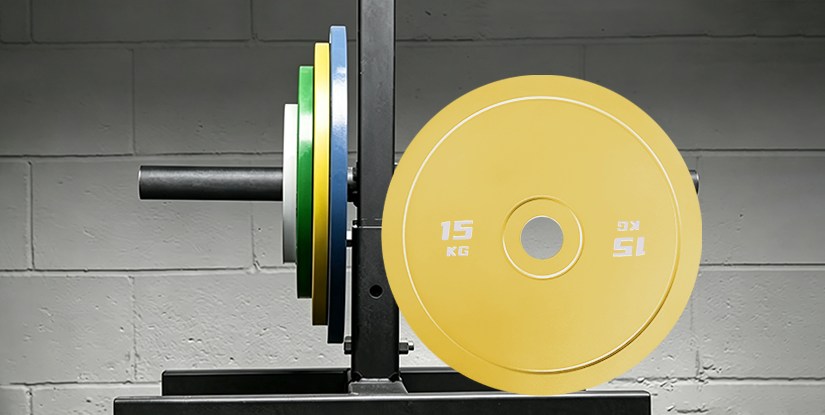
For professional procurement leads, the reliability of a calibrated steel plate custom supplier is proven not just by the finished product, but by the rigor of the pre-shipment inspection. A common failure mode in low-tier sourcing is poor coating adhesion, where the surface begins to flake or oxidize shortly after arrival. To prevent these logistical headaches, a reputable China factory implements a strict quality control sequence that begins with the raw material and extends through the final stage of export packaging.
During the QC process, technical inspectors typically verify the integrity of the surface finish across multiple batches. This includes checking for surface uniformity, the strength of the bond between the steel and the coating, and the precision of the bore diameter. For bulk orders, this oversight is critical to ensure that every unit in a high-volume shipment meets the same structural and aesthetic standards, protecting your distributor margins and brand reputation.
Furthermore, the final stage of the supply chain—export packaging—is just as vital as the manufacturing itself. High-grade commercial steel weight plates require specialized protection to withstand long-distance ocean freight and heavy handling at destination ports. A professional OEM steel plate manufacturer will utilize reinforced crates or heavy-duty pallets and secure wrapping to minimize movement and prevent surface damage during transit. When calculating your total landed cost, always confirm that the lead time and packaging protocols align with your warehouse's receiving capabilities and your project's deployment schedule.
Sourcing Strategies for Commercial Steel Weight Plates
Selecting a professional calibrated steel plate custom supplier is a critical decision for distributors aiming to maximize profit margins and minimize long-term maintenance costs. When sourcing commercial steel weight plates in bulk, procurement professionals must balance high-grade material durability with the scalability of a China factory to ensure a competitive landed cost.
A strategic sourcing approach focuses on more than just the initial purchase price. It requires evaluating the wholesale value of the production line, the reliability of the OEM capabilities, and the ability of the supplier to meet strict MOQ requirements for custom branding. Choosing a direct factory allows importers to control the entire lifecycle of the product, from raw steel selection to the final pre-shipment inspection, ensuring that every batch meets the rigorous standards of the commercial fitness industry.
Technical Comparison of Material and Coating Tiers
For distributors and warehouse managers, the choice between different finishing processes directly impacts the Total Cost of Ownership (TCO) and the frequency of replacement cycles. A high-quality OEM steel plate manufacturer will provide clear distinctions between surface treatments to help you align your inventory with specific market segments, whether you are supplying budget-friendly commercial gyms or premium training facilities.
Understanding the relationship between the base material and the application method is essential for accurate inventory planning. For instance, while standard powder coating offers excellent resistance to scratches, a specialized PU coating or high-density rubber encapsulation provides superior floor protection and noise reduction, which are key selling points for high-end studio operators. When negotiating with your supplier, request detailed specifications regarding the coating adhesion and the weight tolerance standards used during the calibration phase to avoid common failure modes like oxidation or coating peeling.
| Material Tier | Coating Type | Manufacturing Process | Commercial Duty | Procurement Impact |
|---|---|---|---|---|
| Cast Iron / Steel | Powder Coating | Sand Casting & Spraying | Standard Commercial | Lower Landed Cost |
| Solid Steel | PU Coating | Injection / Molding | Premium / High-Traffic | Higher TCO Value |
| Steel Core | Chrome / Enamel | Machining & Plating | Competition / Studio | High Precision Focus |
To ensure the highest level of reliability for your bulk orders, we recommend conducting a sample evaluation or a formal factory audit. This allows you to inspect the precision of the knurled bore, the consistency of the coating thickness, and the overall concentricity of the plates before committing to a full-scale shipment. Contact us today to request a detailed spec sheet, confirm your specific MOQ, or discuss ODM opportunities for your private label brand.
Selecting a professional calibrated steel plate custom supplier is a critical decision for distributors aiming to maximize profit margins and minimize long-term maintenance costs. When sourcing commercial steel weight plates in bulk, procurement professionals must balance high-grade material durability with the scalability of a China factory to ensure a competitive landed cost.
A strategic sourcing approach focuses on more than just the initial purchase price. It requires evaluating the wholesale value of the production line, the reliability of the OEM capabilities, and the ability of the supplier to meet strict MOQ requirements for custom branding. Choosing a direct factory allows importers to control the entire lifecycle of the product, from raw steel selection to the final pre-shipment inspection, ensuring that every batch meets the rigorous standards of the commercial fitness industry.
OEM Steel Plate Manufacturer Capabilities and Custom Branding
For global distributors and commercial gym chains, maintaining a distinct brand identity is a critical component of market positioning. A professional calibrated steel plate custom supplier provides more than just high-grade equipment; they offer the ability to transform standard commercial steel weight plates into proprietary assets through advanced OEM and ODM services. Whether you are looking to strengthen a local brand or launch a global fitness line, working directly with a China factory ensures that your technical specifications and aesthetic requirements are met with industrial precision.
Customization in the commercial sector extends beyond simple aesthetics. It involves integrating your brand into the very structure of the product to ensure long-term durability and recognition. We support various levels of custom branding, ranging from standard logo embossing on the plate surface to sophisticated color customization of the outer coating or plating. These options allow distributors to differentiate their product tiers—such as distinguishing between standard commercial and premium competition-grade lines—while managing landed cost and MOQ effectively.
Strategic Customization for Global Distributors
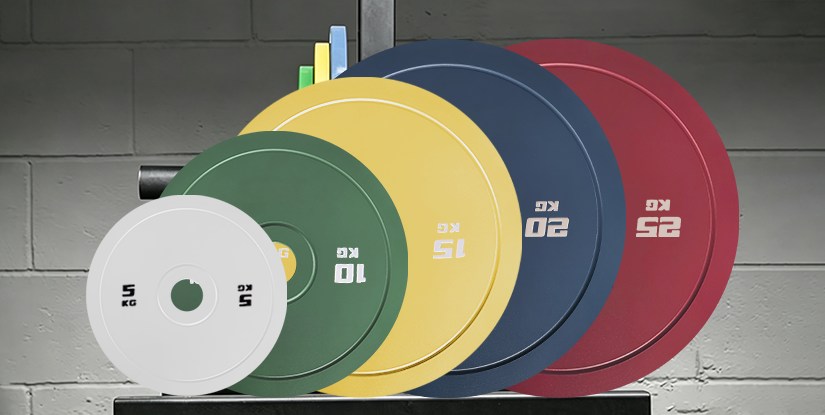
Professional sourcing requires a balance between unique brand expression and manufacturing efficiency. When engaging an OEM steel plate manufacturer, buyers must consider how customization affects the production timeline and the final wholesale price. For instance, choosing private label options like specialized powder coating colors or precision-etched logos requires coordination with the factory production schedule to ensure lead time remains within acceptable margins for your seasonal launches or facility openings.
To assist in your procurement planning, the following table outlines the typical customization tiers available when working with a specialized supplier:
| Customization Tier | Branding Method | Coating Options | Typical MOQ Impact | Commercial Application |
|---|---|---|---|---|
| Standard Wholesale | Standard Cast Logo | Basic Black/Silver | Lower | General Gyms / Commercial Studios |
| Professional Private Label | Precision Embossing | Custom Color Powder Coating | Medium | Premium Fitness Franchises |
| High-End Custom | Multi-Layer Branding | Specialized Finish / Plating | Higher | Elite Training Facilities |
For global distributors and commercial gym chains, maintaining a distinct brand identity is a critical component of market positioning. A professional calibrated steel plate custom supplier provides more than just high-grade equipment; they offer the ability to transform standard commercial steel weight plates into proprietary assets through advanced OEM and ODM services. Whether you are looking to strengthen a local brand or launch a global fitness line, working directly with a China factory ensures that your technical specifications and aesthetic requirements are met with industrial precision.
Customization in the commercial sector extends beyond simple aesthetics. It involves integrating your brand into the very structure of the product to ensure long-term durability and recognition. We support various levels of custom branding, ranging from standard logo embossing on the plate surface to sophisticated color customization of the outer coating or plating. These options allow distributors to differentiate their product tiers—such as distinguishing between standard commercial and premium competition-grade lines—while managing landed cost and MOQ effectively.
Advanced Manufacturing Workflow for Precision Branding
To achieve a professional finish that withstands heavy usage, the production sequence must integrate branding at the correct stage of the manufacturing workflow. For high-tier private label orders, the process begins with the raw steel plate preparation, followed by precision CNC machining to ensure a perfect concentricity check. Once the structural dimensions and weight tolerance are verified, the branding elements are applied. This may involve laser engraving for high-detail logos or deep-relief logo plate integration during the casting or forging stage.
The final aesthetic layer is often achieved through a high-durability powder coating process. This ensures the custom branding remains intact even under high-impact commercial environments. To ensure the highest quality, we also offer sandblasting as a pre-treatment step to optimize surface adhesion before the final finish is applied. For distributors managing large-scale bulk order requirements, understanding these technical steps is vital for calculating accurate lead time and ensuring the final product meets the strict standards of professional facility procurement.
The following table outlines the typical customization tiers available when working with a specialized supplier:
| Customization Tier | Branding Method | Coating Options | Typical MOQ Impact | Commercial Application |
|---|---|---|---|---|
| Standard Wholesale | Standard Cast Logo | Basic Black/Silver | Lower | General Gyms / Commercial Studios |
| Professional Private Label | Precision Embossing | Custom Color Powder Coating | Medium | Premium Fitness Franchises |
| High-End Custom | Multi-Layer Branding | Specialized Finish / Plating | Higher | Elite Training Facilities |
For global distributors and commercial gym chains, maintaining a distinct brand identity is a critical component of market positioning. A professional calibrated steel plate custom supplier provides more than just high-grade equipment; they offer the ability to transform standard commercial steel weight plates into proprietary assets through advanced OEM and ODM services. Whether you are looking to strengthen a local brand or launch a global fitness line, working directly with a China factory ensures that your technical specifications and aesthetic requirements are met with industrial precision.
Customization in the commercial sector extends beyond simple aesthetics. It involves integrating your brand into the very structure of the product to ensure long-term durability and recognition. We support various levels of custom branding, ranging from standard logo embossing on the plate surface to sophisticated color customization of the outer coating or plating. These options allow distributors to differentiate their product tiers—such as distinguishing between standard commercial and premium competition-grade lines—while managing landed cost and MOQ effectively.
Factory QC Protocols and Export Packaging Standards
Maintaining consistent product density and dimensional accuracy is a primary concern for distributors sourcing high-end weight sets. A professional calibrated steel plate custom supplier implements rigorous protocols to ensure that every unit meets the specific weight tolerances required for professional strength training. For those engaged in large-scale commercial gym procurement, relying on a China factory with established pre-shipment inspection routines is essential to prevent the high landed costs associated with defective or underweight shipments.
During the final stages of production, a weight tolerance spot-check is performed to verify that the commercial steel weight plates align with the ordered specifications. This process typically involves weighing finished units and checking the concentricity of the center bore to ensure a smooth fit on Olympic barbells. Beyond the physical product, the OEM steel plate manufacturer must also focus on the durability of the export-ready packaging. High-quality heavy-duty pallets and reinforced corner protection are standard requirements to survive long-distance maritime transit. Without these strict QC measures and robust packaging, even the highest quality OEM products risk surface abrasion or structural damage before reaching the warehouse, directly impacting the distributor's profit margins.
To ensure long-term reliability during sea freight, a professional calibrated steel plate custom supplier must prioritize both structural integrity and logistical durability. For distributors managing high-volume inventory, the risk of surface oxidation or physical deformation during transit can significantly increase the total cost of ownership. A reputable OEM steel plate manufacturer addresses this through a multi-stage verification process that focuses on coating adhesion and base flatness. In many commercial settings, the inspection team verifies that the powder coating or plating remains intact under mechanical stress, ensuring that the finished product arrives at the destination without the unsightly chipping or rust often seen in lower-tier shipments.
Effective export packaging is a critical component of the sourcing strategy for commercial steel weight plates. To mitigate the impact of heavy-duty container loading, the factory implements a strict palletization protocol. This involves using reinforced wooden pallets and heavy-duty corrugated dividers to prevent movement within the shipping container. Standard operating procedures typically include wrapping individual units or sets in protective film before placing them in double-walled cartons, which are then secured to pallets with high-tensile shrink wrap. For buyers managing large-scale wholesale orders, these standardized export protocols ensure that the shipment remains stable and protected against moisture and vibration, ultimately reducing the risk of damage-related claims and ensuring a smoother landing at the port of destination.
Technical Comparison of Commercial Plate Specifications
Selecting the appropriate tier of weight plates requires a clear understanding of how material composition and manufacturing depth influence long-term durability. For procurement professionals, a calibrated steel plate custom supplier must provide transparent data regarding the manufacturing sequence to justify the investment in premium stock. The following table outlines the qualitative differences between common commercial-grade options to assist in your next sourcing decision.
| Material | Process | Key Component/Detail | Commercial Duty | MOQ Impact | Factory QC Point |
|---|---|---|---|---|---|
| Cast Iron | Sand Casting & Machining | Concentricity of Center Bore | Budget/Standard Commercial | Lower | Bore Diameter & Flatness |
| Solid Steel | Precision Machining | Precision Knurled Inner Ring | Premium/Professional | Moderate | Weight Tolerance & Surface Finish |
| Steel with PU Coating | Molding/Vulcanization | Encapsulation Layer Adhesion | High-End/Bumper Style | Higher | Coating Thickness & Seamless Bond |
When evaluating a calibrated steel plate custom supplier, it is vital to verify the specific calibration steps used for each material type. For instance, high-end steel plates often undergo additional CNC machining to ensure the center bore is perfectly centered, which prevents barbell imbalance during heavy lifting. For distributors, choosing between a standard cast iron option or a high-spec coated steel plate often depends on the target market's requirements for noise reduction versus pure weight density. A professional OEM steel plate manufacturer will provide clear documentation on these process differences to ensure the final product aligns with your brand identity and commercial expectations.