Cast Iron Weight Plate Distributor: Manufacturing and QC
Understanding the Value of a Cast Iron Weight Plate Distributor
A professional cast iron weight plate distributor provides more than just bulk inventory; they bridge the gap between raw commercial weight plate manufacturing and high-performance gym operations. By sourcing directly from a China factory, importers secure standardized production that optimizes long-term TCO through enhanced durability and reduced replacement frequency.
For facility managers and large-scale distributors, the economic impact of a single procurement cycle extends far beyond the initial landed cost. Selecting a reliable cast iron plate supplier involves evaluating the stability of the casting process and the resilience of the surface finish. Low-quality casting often results in structural inconsistencies or premature oxidation, which increases maintenance loads and necessitates frequent replacement. In contrast, professional wholesale cast iron plates undergo rigorous calibration to ensure weight accuracy and concentricity, protecting the buyer's capital investment over several years of heavy commercial use.
When managing sourcing strategies for global distribution, understanding the relationship between manufacturing precision and operational expenses is vital. High-tier commercial weight plate manufacturing focuses on minimizing the margin of error in the sand casting and machining stages. This attention to detail ensures that every unit in a wholesale order meets the rigorous demands of high-traffic strength training environments, thereby maximizing the ROI for the end-user and reducing the logistical burden of handling returns or defective batches.
Sourcing Tiers: Direct Factory vs. Trading Company
For procurement professionals, the decision between a specialized manufacturer and a general trading company significantly impacts the total landed cost and long-term brand integrity. While trading companies may offer convenience, a dedicated cast iron weight plate distributor with direct production capabilities provides superior control over the manufacturing chain, specifically regarding weight tolerance and surface finishing consistency.
The following table outlines the qualitative differences in procurement when evaluating direct-to-factory sourcing against third-party trading options. This comparison focuses on the critical variables that influence the TCO of a commercial strength facility.
| Procurement Dimension | Direct Factory Sourcing | Trading Company Sourcing |
|---|---|---|
| Primary Advantage | High control over weight tolerance and casting precision | Simplified logistics and multiple product categories |
| Customization Capability | Advanced OEM and ODM support for private labels | Limited to existing stock or standard patterns |
| Quality Control (QC) | Direct oversight of sand casting and coating adhesion | Reliance on third-party inspection reports |
| Minimum Order Quantity (MOQ) | Optimized for high-volume wholesale distribution | Often lower, but with higher unit costs |
| Production Lead Time | Direct scheduling with the factory production line | Variable due to middleman communication layers |
When evaluating your next batch, consider that a direct cast iron weight plate distributor can offer more granular technical support. For instance, if your brand identity requires a specific powder coating thickness or a unique embossed logo, a factory-direct approach ensures these specifications are integrated into the initial casting and machining stages. This level of precision is essential for maintaining a premium brand reputation in the commercial fitness market. To ensure your specifications are met, we recommend requesting a detailed technical spec sheet and confirming the MOQ for custom OEM runs during your initial sourcing phase.
Material and Surface Finishing Standards for Commercial Use
Selecting a reliable cast iron weight plate distributor requires a deep understanding of the metallurgical standards that ensure long-term durability. For high-volume procurement, most professional importers look for products derived from high-quality gray iron produced via traditional sand casting. This method is the industry standard for creating the dense, heavy-duty profiles required in commercial strength training environments. When sourcing through a China factory, verifying the consistency of the casting prevents issues such as structural cracking or uneven weight distribution in large shipments.
Beyond the core metal, the surface treatment determines the total cost of ownership (TCO) and the maintenance load for a facility. While bare iron is common for budget-tier sets, professional commercial weight plate manufacturing typically involves advanced finishing techniques like powder coating to protect the iron from oxidation and environmental moisture. A well-applied coating ensures the plates remain smooth to the touch and prevents rust, which is essential for maintaining a premium facility appearance and reducing long-term replacement costs.
| Material Tier | Surface Finish | Typical Process | Commercial Duty | Procurement Focus |
|---|---|---|---|---|
| Gray Iron | Bare / Phosphate | Sand Casting | Budget / Basic | Low Landed Cost |
| Gray Iron | Powder Coating | Casting & Spray | Standard Commercial | Durability & Aesthetics |
| High-Density Iron | Polyurethane (PU) | Molding / Dip | Premium / High-End | Floor Protection & Noise |
When evaluating wholesale cast iron plates, buyers must consider how these material choices impact their long-term margins. For example, opting for a powder coating finish may slightly increase the initial MOQ or unit price, but it significantly lowers the maintenance frequency and extends the product lifespan in high-traffic gyms. We recommend that distributors request a sample evaluation to inspect the coating adhesion and the precision of the center bore before committing to a full wholesale container order.
Selecting a reliable cast iron weight plate distributor requires a deep understanding of the metallurgical standards that ensure long-term durability. For high-volume procurement, most professional importers look for products derived from high-quality gray iron produced via traditional sand casting. This method is the industry standard for creating the dense, heavy-duty profiles required in commercial strength training environments. When sourcing through a China factory, verifying the consistency of the casting prevents issues such as structural cracking or uneven weight distribution in large shipments.
Beyond the core metal, the surface treatment determines the total cost of ownership (TCO) and the maintenance load for a facility. While bare iron is common for budget-tier sets, professional commercial weight plate manufacturing typically involves advanced finishing techniques like powder coating to protect the iron from oxidation and environmental moisture. A well-applied coating ensures the plates remain smooth to the touch and prevents rust, which is essential for maintaining a premium facility appearance and reducing long-term replacement costs.
| Material Tier | Surface Finish | Typical Process | Commercial Duty | Procurement Focus |
|---|---|---|---|---|
| Gray Iron | Bare / Phosphate | Sand Casting | Budget / Basic | Low Landed Cost |
| Gray Iron | Powder Coating | Casting & Spray | Standard Commercial | Durability & Aesthetics |
| High-Density Iron | Polyurethane (PU) | Molding / Dip | Premium / High-End | Floor Protection & Noise |
When evaluating wholesale cast iron plates, buyers must consider how these material choices impact their long-term margins. For example, opting for a powder coating finish may slightly increase the initial MOQ or unit price, but it significantly lowers the maintenance frequency and extends the product lifespan in high-traffic gyms. We recommend that distributors request a sample evaluation to inspect the coating adhesion and the precision of the center bore before committing to a full wholesale container order.
Critical Inspection Points for Bulk Procurement
A rigorous pre-shipment QC protocol is the only way to mitigate the risk of receiving defective inventory. For a professional cast iron weight plate distributor, quality control must extend beyond simple visual checks. We focus on technical variables that directly impact the end-user experience and your brand reputation. High-volume importers should prioritize inspection reports that verify base flatness and bore concentricity to ensure smooth loading on barbells, as uneven surfaces can lead to excessive vibration and mechanical wear during heavy training sessions.
Weight calibration is another critical dimension of the manufacturing process. In standard commercial weight plate manufacturing, slight deviations are common, but a reputable factory must maintain strict weight tolerances to ensure batch consistency. During our inspection stages, we perform spot-checks on weight accuracy and verify the strength of the coating adhesion. This prevents the common failure mode where paint chips or flakes off under high-impact use, which can lead to premature oxidation and high maintenance costs for your clients.
Finally, the integrity of the shipment relies heavily on professional export packaging. Because cast iron is a dense and heavy material, improper palletization or weak carton structures can lead to crushed edges or damaged coatings during sea freight. We ensure that all wholesale cast iron plates are secured in reinforced, high-strength cartons and stabilized on heat-treated pallets. This attention to detail minimizes the risk of damage during transit, helping you manage the landed cost and ensure that the product arrives at your warehouse in showroom-ready condition.
To optimize your sourcing strategy, we recommend requesting a detailed specification sheet and confirming the specific MOQ for your desired finish. Whether you require standard stock or custom OEM branding, our team can provide a comprehensive quote and discuss the potential lead time for your specific volume requirements. Contact us today to book a factory audit or to initiate a sample approval process for your next bulk order.
Manufacturing Processes and Precision Calibration
Reliable commercial weight plate manufacturing begins with high-quality raw materials and a standardized production sequence to ensure long-term durability for high-traffic facilities. For professional importers, understanding the transition from raw iron to a finished unit is essential for assessing the true value of a cast iron weight plate distributor. A standard production line typically follows a strict sequence: sand casting, followed by CNC machining, surface treatment, and final weight calibration to meet commercial standards.
The foundation of every batch is the sand casting process, where molten gray iron is poured into sand molds to create the basic plate shape. While this method is industry-standard for high-volume production, the quality of the final product depends heavily on the secondary CNC machining stage. Precision machining is used to refine the center bore, ensuring a smooth, concentric fit for barbells. Without this step, plates may wobble or fail to seat properly, leading to increased maintenance issues for gym operators. A professional cast iron weight plate distributor will ensure that every unit undergoes rigorous weight calibration and concentricity checks before leaving the factory to minimize the risk of weight discrepancies in bulk shipments.
Surface Treatment and Durability Tiers
Selecting the appropriate surface finish is a critical decision for procurement leads, as it directly impacts the long-term maintenance load and the aesthetic longevity of the equipment. When sourcing wholesale cast iron plates, buyers must choose between finishes that offer varying levels of oxidation resistance and impact protection. A professional cast iron weight plate distributor will typically offer several tiers of finishing to suit different budget requirements and facility needs.
For budget-conscious projects, a phosphate treatment or a simple paint application provides a basic layer of protection. However, for high-traffic commercial environments, powder coating is the industry standard due to its superior adhesion and resistance to chipping. High-end distributors may also provide specialized coatings that enhance the tactile feel and durability of the plate. The following table compares these common commercial-grade options to assist in your sourcing decisions.
| Material Tier | Primary Coating | Manufacturing Process | Key QC Point | Commercial Application |
|---|---|---|---|---|
| Standard Commercial | Phosphate Treatment | Sand Casting + Paint | Coating Adhesion | Budget Gyms / Basic Strength Rooms |
| Premium Commercial | Powder Coating | Sand Casting + CNC + Powder Line | Surface Smoothness | Full-Scale Fitness Centers |
| High-End / Specialized | PU or Rubber Coating | Casting + Molded Encapsulation | Edge Bonding Integrity | Premium Studios / High-Impact Zones |
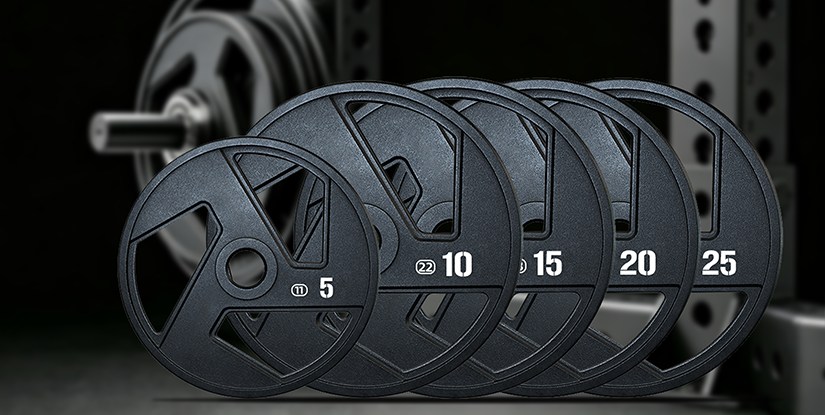
Pre-Shipment QC and Export Standards
To protect your margins and ensure a low total cost of ownership, a rigorous pre-shipment QC protocol is non-negotiable. For distributors managing large-scale imports, the risk of receiving a batch with inconsistent weight or poor bore fit can lead to significant logistical headaches. A reliable China factory will implement a multi-stage inspection process that goes beyond simple visual checks. This includes weight tolerance spot-checks to ensure consistency across the entire batch, as well as inspecting the concentricity of the center bore to prevent barbell wobble. Furthermore, for coated units, the inspection must verify the integrity of the coating layer to prevent premature rusting during ocean transit. We recommend that all buyers confirm the specific QC checklist with their supplier and request sample approval or a third-party inspection report before finalizing the container loading plan to ensure all wholesale cast iron plates meet your facility's technical specifications.
Sourcing Strategies: China Factory Capability and Lead Times
Efficient procurement begins with understanding how a cast iron weight plate distributor manages the balance between high-volume output and logistical precision. For international importers, the primary concern is not just the unit price, but the reliability of the commercial weight plate manufacturing cycle to ensure consistent stock levels for distributors and gym chains.
A professional China factory typically operates through structured production cycles that account for raw material procurement, sand casting, machining, and surface finishing. When managing wholesale orders, the lead time is heavily influenced by the complexity of the requested finish—such as standard paint versus premium powder coating—and the total volume of the shipment. Large-scale sourcing requires advanced planning to navigate these cycles and avoid seasonal bottlenecks in global shipping.
Optimizing Procurement via Production Tiers
To maximize distributor margins and manage landed costs, buyers should align their orders with specific manufacturing capacities. Below is a qualitative overview of how different production requirements impact the supply chain.
| Order Type | Typical MOQ | Production Focus | Lead Time Factor | Logistics Context |
|---|---|---|---|---|
| Standard Stock | Low | Rapid dispatch of existing molds | Shortest | Ideal for small studio replenishment |
| Custom OEM | Medium to High | Specific branding and specialized coatings | Extended | Requires pre-production sample approval |
| Full Container Load | Highest | High-volume casting and automated finishing | Long-term planning | Optimized for international sea freight |
When negotiating with a supplier, it is essential to confirm if the wholesale cast iron plates are being produced in a dedicated production line or integrated into a general manufacturing schedule. This distinction directly affects your ability to predict arrival dates for seasonal inventory shifts. We recommend requesting a detailed production schedule and confirming the MOQ for any ODM or custom branding requests early in the procurement process to ensure alignment with your local market demand.
Direct Sourcing Models: Factory-Direct vs. Trading Companies
Selecting the right partner involves a strategic choice between direct manufacturing and third-party procurement. For many importers, the primary goal is to reduce the total landed cost while maintaining strict control over the product specification. Understanding the operational differences between a direct factory and a trading entity is critical for long-term supply chain stability.
A direct cast iron weight plate distributor that manages its own production lines offers significant advantages for large-scale distributors. By working directly with the source, buyers can engage in deeper OEM and ODM discussions, such as requesting specific sand casting textures or custom logo embossing. This direct access often results in more transparent pricing and more predictable lead times, as there are fewer intermediaries to manage the flow of information and capital.
Conversely, trading companies may offer more diverse product catalogs, but they often lack the direct oversight of the commercial weight plate manufacturing process. This can create risks regarding quality control and customization limits. For professional buyers seeking to build a private label brand, sourcing directly from a specialized supplier ensures that the technical nuances of the casting and coating stages are strictly monitored according to your specific commercial-grade requirements.
Before finalizing any bulk order, we advise professional buyers to perform a thorough factory audit or request a pre-shipment inspection report. This ensures that the weight tolerance, base flatness, and coating adhesion of your wholesale cast iron plates meet the high standards required for the North American commercial market. Confirming these technical details during the sample approval stage is the most effective way to mitigate long-term replacement costs and protect your distributor margins.
Essential Quality Control and Export Standards
Maintaining high standards during the commercial weight plate manufacturing process is vital to prevent the high replacement costs and customer dissatisfaction common in low-tier imports. A professional cast iron weight plate distributor must implement a rigorous inspection sequence that begins at the casting stage and continues through to final container loading. For professional importers, verifying these technical checkpoints is the only way to ensure the long-term durability of the shipment.
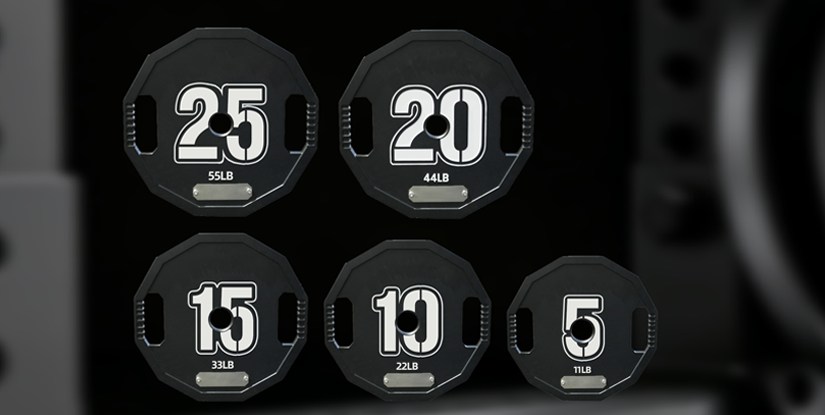
The first critical checkpoint is the weight tolerance and concentricity check. During the machining phase, plates must be inspected to ensure the center bore is perfectly aligned and the weight deviation remains within industry-standard ranges for commercial-grade equipment. Following this, the surface finishing stage undergoes strict scrutiny. Whether the order requires a standard paint or a more durable powder coating, the supplier must verify coating adhesion and the absence of surface imperfections that could lead to premature oxidation or peeling during heavy commercial use.
Final pre-shipment QC extends beyond the product itself to the integrity of the export packaging. Because wholesale cast iron plates are high-density, heavy-duty items, the packaging must be engineered to withstand the rigors of international sea freight and multiple handling points. This includes checking the strength of carton corners, pallet stability, and the density of protective layers. We recommend that all buyers request a detailed pre-shipment inspection report that specifically covers weight accuracy, surface finish consistency, and the robustness of the export-ready packaging to ensure a seamless arrival at your warehouse.
Customization and OEM/ODM Services for Brand Identity
Establishing a professional market presence requires more than just high-quality products; it requires a cohesive brand identity. For importers and gym equipment distributors, working with a specialized cast iron weight plate distributor provides the ability to move beyond generic stock items toward a proprietary product line. Through professional OEM and ODM services, a factory can transform standard gray iron castings into branded assets that command higher margins in the North American market.
The transition from a standard wholesale buyer to a brand owner depends on the technical capabilities of your supplier. While basic wholesale cast iron plates often feature generic weight markings, a sophisticated China factory can execute high-relief custom logo/embossing directly into the mold during the sand casting stage. This ensures the branding is an integral part of the plate rather than a superficial add-on, providing the durability expected in commercial weight plate manufacturing.
Effective private label strategies also involve surface aesthetics. Beyond the standard bare iron or basic paint, distributors can request specific powder coating colors or specialized textures to match a gym's interior design. When managing sourcing for large-scale facility builds, understanding the MOQ for these custom processes is vital for calculating your landed cost and maintaining optimal inventory turnover.
Comparison of Customization Tiers for Distributors
| Service Tier | Customization Scope | Primary Process | Typical MOQ | Commercial Use Case |
|---|---|---|---|---|
| Standard Wholesale | Generic weight markings | Standard sand casting | Low | Budget commercial gyms |
| Branded OEM | Custom logo/embossing | Precision mold casting | Medium | Fitness studio chains |
| Full ODM | Custom color and texture | Integrated coating line | High | Premium global brands |
Establishing a professional market presence requires more than just high-quality products; it requires a cohesive brand identity. For importers and gym equipment distributors, working with a specialized cast iron weight plate distributor provides the ability to move beyond generic stock items toward a proprietary product line. Through professional OEM and ODM services, a factory can transform standard gray iron castings into branded assets that command higher margins in the North American market.
The transition from a standard wholesale buyer to a brand owner depends on the technical capabilities of your supplier. While basic wholesale cast iron plates often feature generic weight markings, a sophisticated China factory can execute high-relief custom logo/embossing directly into the mold during the sand casting stage. This ensures the branding is an integral part of the plate rather than a superficial add-on, providing the durability expected in commercial weight plate manufacturing.
Effective private label strategies also involve surface aesthetics. Beyond the standard bare iron or basic paint, distributors can request specific powder coating colors or specialized textures to match a gym's interior design. When managing sourcing for large-scale facility builds, understanding the MOQ for these custom processes is vital for calculating your landed cost and maintaining optimal inventory turnover.
Pre-Shipment Inspection and Export Packaging Protocols
Reliable logistics management is a critical pillar of the procurement process when sourcing heavy metal goods. For a professional cast iron weight plate distributor, the transition from the China factory to the final destination involves significant physical risks. Without standardized protocols, bulk shipments are vulnerable to surface oxidation, coating chips, or dimensional inconsistencies that can erode your distributor margins and increase the total landed cost.
To mitigate these risks, high-tier commercial weight plate manufacturing facilities implement a rigorous two-stage validation system. First, a weight tolerance spot-check is performed on a randomized sample of the batch to ensure that the cast iron density and machining results meet the agreed-upon specifications. This prevents the common procurement failure where high shipping costs are incurred for products that do not meet weight-accuracy requirements for commercial gym sets.
Second, because of the extreme density of these units, export packaging must be engineered for sea freight durability. A professional supplier will typically utilize heavy-duty reinforced cartons or specialized wooden crates with internal dividers. This prevents metal-on-metal friction during transit, which commonly causes unsightly scratches or structural damage to the powder coating or paint finish. For large-scale wholesale cast iron plates orders, ensuring the palletization strength and container loading plan is optimized will protect your inventory integrity from the factory to your warehouse.
Standardized Logistics and Container Loading Optimization
Effective logistics planning is a core competency for any professional cast iron weight plate distributor managing large-scale international shipments. Beyond individual unit quality, the efficiency of your container loading directly influences the final landed cost. A skilled supplier will provide a detailed loading plan that maximizes volume utilization while maintaining structural stability. This involves precise palletization strategies where plates are stacked in a manner that prevents shifting during maritime transit, ensuring that the weight distribution remains balanced within the shipping container.
To ensure high-volume efficiency, professional wholesale cast iron plates are often organized into specialized export configurations. This includes using heavy-duty pallets and reinforced corner protectors to prevent crushing. For commercial weight plate manufacturing orders involving diverse weight increments, the factory must implement a strict SKU-level sorting protocol before final sealing. This prevents mixing of different weight classes or finish types, which can complicate your inventory management upon arrival. When negotiating your next bulk order, we recommend confirming the specific pallet dimensions and the total weight per pallet to align with your local warehouse equipment and unloading capacities.
Technical Inspection Checklist for Procurement Managers
To facilitate a successful remote audit or a third-party on-site inspection, procurement professionals should utilize a structured verification framework. Relying on visual cues alone is insufficient for high-volume wholesale cast iron plates procurement. Instead, focus on the specific technical touchpoints where manufacturing deviations most frequently impact the commercial utility and long-term durability of the product. Utilizing this checklist helps ensure that your cast iron weight plate distributor maintains the high standards required for premium commercial gym installations.
| Inspection Stage | Focus Area | B2B Sourcing Significance | Common Defect to Watch |
|---|---|---|---|
| Post-Casting | Base Flatness & Surface Integrity | Ensures concentricity and smooth stacking for high-traffic gym environments | Warping, deep pits, or structural cracks in the iron core |
| Machining | Bore Diameter & Fit | Critical for compatibility with standard Olympic barbells and smooth loading | Irregular bore shape or inconsistent diameter across the batch |
| Surface Finishing | Coating Adhesion & Uniformity | Protects against oxidation and maintains aesthetic standards for your brand | Peeling, uneven thickness, or visible rust spots under the coating |
| Pre-Shipment QC | Weight Accuracy Spot-Check | Protects your margins by ensuring shipping weight matches invoice weight | Significant variance between the weight increment and actual mass |
| Final Packaging | Palletization & Load Stability | Reduces damage-related claims and simplifies warehouse unloading | Weak pallet structures or insufficient internal dividers for heavy units |
When finalizing your sourcing strategy, we recommend requesting a sample approval phase that includes a video of the weight calibration and a detailed view of the coating adhesion. For complex OEM or ODM projects, verifying the specific sequence of the surface finishing process—from the initial phosphate treatment to the final powder coating—will ensure the long-term reliability of the product in high-use commercial settings.