Calibrated Steel Plate Bulk Buy: Cast Iron vs Rubber Options
Understanding the Material Trade-Offs for Calibrated Steel Plate Bulk Buy
Navigating the complexities of a calibrated steel plate bulk buy requires a professional assessment of three critical pillars: structural integrity, long-term maintenance, and logistics-driven cost. When importers approach a China factory, they must determine if the procurement focus is on maximum weight density or impact attenuation. A miscalculation in material selection can lead to higher landed costs through premature surface degradation or excessive floor maintenance requirements, effectively undermining the initial savings achieved through wholesale procurement.
The decision between cast iron and rubber-coated options often dictates the total cost of ownership (TCO) for a commercial facility. For high-density strength training environments, bare or powder-coated cast iron remains the industry standard due to its compact profile and predictable weight calibration. However, for multi-functional training centers, the increased thickness of rubberized plating provides essential floor protection and noise reduction, which can lower long-term facility maintenance costs. A professional commercial gym procurement strategy must balance these physical attributes against the MOQ and shipping volume constraints inherent in wholesale gym equipment materials sourcing.
Material Comparison for Commercial Durability
| Material Type | Primary Process | Key Component Focus | Commercial Duty Tier | TCO Impact |
|---|---|---|---|---|
| Cast Iron | Sand Casting & Machining | Bore Precision | Budget/Standard | Low maintenance; high density |
| Rubber-Coated | Molding or Dip Coating | Coating Adhesion | Premium/High-Impact | Protects flooring; higher initial capex |
| Steel (Solid) | CNC Machining | Weight Tolerance | Professional/Elite | Maximum durability; high precision |
When evaluating a commercial weight plate supplier, the technical distinction lies in how the material handles repeated impact. Cast iron relies on precision machining to ensure concentricity and flatness, making it ideal for strict weight-class environments. Conversely, rubber-coated plates utilize advanced encapsulation processes to ensure the outer layer does not delaminate under heavy use. Understanding these nuances allows a supplier to better align production with your specific facility requirements, whether you are prioritizing high-density strength equipment or impact-resistant training surfaces.
The selection of a calibrated steel plate bulk buy strategy must account for the distinct manufacturing routes that define each material tier. From a procurement standpoint, the goal is to mitigate the risk of surface failure or weight discrepancies before the shipment reaches your warehouse. A professional commercial weight plate supplier will differentiate their output based on these specific material-driven production standards.
Technical Specifications and Procurement Dimensions
| Material | Coating Type | Primary Process | Commercial Duty | Floor Protection | Weight Tolerance/QC Point | MOQ Impact |
|---|---|---|---|---|---|---|
| Cast Iron | Powder Coating / Bare | Sand Casting & Machining | Standard Commercial | Low (Requires Mat) | Bore Precision & Flatness | Lower (High Density) |
| Steel (Solid) | Chrome or Paint | CNC Machining | Premium/Elite | Moderate | Concentricity & Weight Spot-check | Standard |
| Rubber-Coated | Polyurethane/Rubber | Molding or Dip Coating | High-Impact/Multi-use | High (Self-Absorbing) | Coating Adhesion & Edge Integrity | Higher (Volume/Size) |
For distributors, the logistical profile of these wholesale gym equipment materials is as vital as the material itself. While cast iron provides a compact footprint and lower shipping volume per kilogram, rubber-coated options increase the overall dimensions, which can impact container loading efficiency and total landed cost. When negotiating with a factory, it is essential to clarify if the weight calibration includes the coating mass to ensure the final net weight meets your strict professional standards. To optimize your next procurement cycle, we recommend requesting a detailed specification sheet and confirming the specific MOQ for your desired coating finish to ensure both budget alignment and long-term facility durability.
For distributors, the logistical profile of these wholesale gym equipment materials is as vital as the material itself. While cast iron provides a compact footprint and lower shipping volume per kilogram, rubber-coated options increase the overall dimensions, which can impact container loading efficiency and total landed cost. When negotiating with a factory, it is essential to clarify if the weight calibration includes the coating mass to ensure the final net weight meets your strict professional standards. To optimize your next procurement cycle, we recommend requesting a detailed specification sheet and confirming the specific MOQ for your desired coating finish to ensure both budget alignment and long-term facility durability.
Cast Iron vs. Rubber-Coated: Material and Process Comparison
When managing a large-scale procurement project, understanding the technical distinction between material types is essential for long-term asset management. For importers, choosing between a calibrated steel plate bulk buy involving bare cast iron versus rubber-coated alternatives significantly impacts the total cost of ownership (TCO) and facility maintenance schedules. A professional commercial gym equipment supplier must provide clarity on how these manufacturing routes affect durability and floor protection.
The structural integrity of these plates depends on the foundational manufacturing process. Most high-volume wholesale gym equipment materials start with sand casting for the core weight. While cast iron offers high density and a lower price point for high-volume orders, the rubber-coated version adds an additional layer of production complexity. This extra step is vital for distributors looking to provide premium solutions that minimize noise and impact damage in high-traffic commercial settings.
| Material Type | Primary Process | Key Component Detail | Commercial Duty Tier | TCO Factor |
|---|---|---|---|---|
| Cast Iron | Sand Casting & Machining | Base Flatness & Bore Fit | Budget / Standard | Higher floor wear; low initial cost |
| Rubber-Coated | Casting & Molding | Coating Adhesion & Edge Seal | Premium / High-Impact | Lower maintenance; higher initial capex |
| Steel Plate | Stamping & Machining | Precision Weight Calibration | Professional / Competition | High durability; low volume footprint |
For distributors conducting a calibrated steel plate bulk buy, the choice often comes down to the specific environment of the end-user. A China factory specializing in commercial gym equipment materials will typically offer both options to satisfy different market segments. While cast iron is efficient for weight-heavy strength zones, rubber-coated options are the industry standard for multi-purpose training areas where noise reduction is a priority. When evaluating your calibrated steel plate bulk buy, always request details regarding the coating adhesion and the weight calibration methods used during the final wholesale production stages to ensure consistent quality across your entire shipment.
Technical Implications for Procurement and TCO
The selection between these two formats dictates more than just the initial invoice value; it fundamentally changes the operational expenditure of the facility. A calibrated steel plate bulk buy focused on cast iron is highly cost-effective for heavy strength zones where durability is high but noise is manageable. However, for premium studios or multi-functional training spaces, the procurement of rubber-coated units is often a strategic decision to reduce long-term maintenance and floor replacement costs.
From a sourcing perspective, the complexity of the molding and encapsulation process for rubberized plates may influence the lead time and MOQ compared to standard cast iron. A reliable commercial gym equipment supplier will ensure that the rubber-to-core bond is tested for adhesion to prevent peeling during high-volume use. When finalizing your wholesale gym equipment materials order, we recommend confirming the specific casting and coating sequences used by the factory to ensure the product meets the rigorous demands of a commercial environment.
Quality Control and Pre-Shipment Inspection Standards
Effective procurement requires looking beyond the initial price per unit to the technical validation that occurs before the container is sealed. For any professional calibrated steel plate bulk buy, the most critical stage is the rigorous quality control (QC) protocols implemented by the factory. In high-volume production, a standard pre-shipment inspection must verify more than just weight; it must validate the structural integrity of the material and the precision of the machining.
When sourcing wholesale gym equipment materials, distributors should specifically request documentation regarding the weight calibration process and the concentricity of the center bore. For coated units, the inspection must prioritize testing for coating adhesion and edge seal integrity to prevent premature wear. A professional commercial gym equipment supplier will facilitate a thorough audit of these specific points—such as checking the base flatness and the robustness of the encapsulation layer—to minimize the risk of high replacement rates. By confirming these QC standards before the final wholesale dispatch, importers can optimize their landed cost and protect their long-term distributor margins.
Precision Machining and Weight Calibration Standards
For distributors and gym owners, the integrity of a calibrated steel plate bulk buy depends entirely on the precision of the manufacturing sequence. Unlike entry-level equipment, commercial-grade plates must undergo rigorous weight calibration and concentricity machining to ensure consistent performance across high-volume training cycles. When sourcing from a China factory, professional buyers must verify that the production line follows a strict sequence of sand casting, CNC machining of the center bore, and final calibration to mitigate the risks of uneven weight distribution or poor fit on Olympic bars.
In professional commercial gym procurement, a lack of standardized weight tolerance leads to higher replacement costs and diminished distributor margins. High-tier wholesale gym equipment materials typically undergo a weight spot-check after the coating process to ensure the final mass aligns with the declared specification. This level of control is essential for maintaining the professional standards of your brand identity when offering commercial weight plate supplier solutions to your local markets.
Technical Comparison of Material Durability and Manufacturing
Selecting the appropriate material profile is a critical decision for long-term TCO and maintenance schedules. While both options serve professional environments, the manufacturing routes—specifically the transition from casting to final surface application—differ significantly in terms of structural integrity and floor protection. Importers must evaluate these material trade-offs to ensure the longevity of their inventory and the reliability of their product lines.
| Material Type | Primary Process | Key Component/Finish | Commercial Duty | MOQ Impact | Factory QC Point |
|---|---|---|---|---|---|
| Cast Iron | Sand Casting | Powder Coating | Budget Commercial | Lower | Coating Adhesion |
| Rubber-Coated | Rubber Molding | Encapsulated Core | Premium Commercial | Higher | Edge Bonding |
| Steel Plate | CNC Machining | Precision Bore | High-Performance | Variable | Concentricity/Flatness |
When managing a calibrated steel plate bulk buy, understanding the distinction between a painted cast iron surface and a molded rubber exterior is vital for assessing durability. A standard cast iron plate relies on a high-quality powder coating line to prevent oxidation, whereas rubber-coated versions utilize specialized molding to encapsulate the core. This difference directly affects how the product handles impact in high-traffic zones. For an experienced commercial weight plate supplier, the goal is to provide options that balance initial procurement costs with the long-term durability required for commercial gym environments. If your brand identity focuses on high-impact or high-volume training, consider evaluating the rubber-molded specifications and the associated lead times during your initial sourcing request.
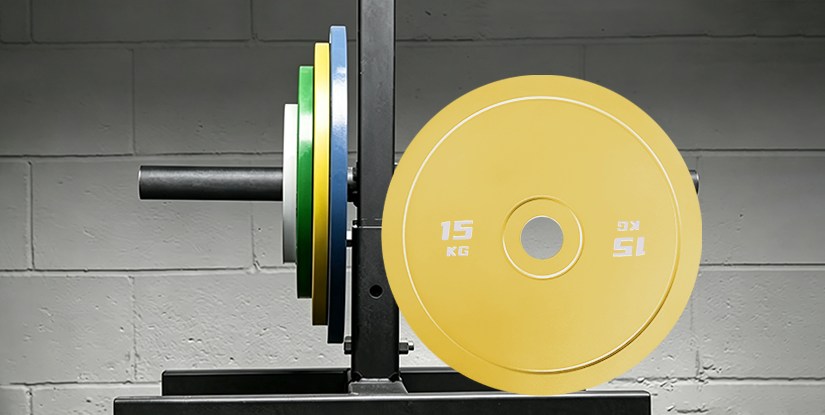
Effective calibrated steel plate bulk buy management extends beyond the foundry and into the final logistics phase. For international distributors, the risk of transit damage or weight discrepancies is a significant concern that can disrupt the landed cost and inventory readiness. A reliable China factory will implement a multi-stage pre-shipment inspection that specifically targets the structural and aesthetic integrity of each unit before it enters the export container.
Professional sourcing workflows must include a verification of the final packaging strength. Because weight plates are dense and heavy, the durability of the carton corners and the stability of the palletization are critical to prevent damage during long-haul sea freight. We recommend that buyers request detailed documentation regarding the weight spot-check results and the specific type of export packaging used, especially when ordering high-volume wholesale gym equipment materials that require secure, moisture-resistant stacking.
To ensure your inventory arrives in optimal condition, we advise coordinating a pre-shipment QC inspection that covers the following key areas: checking the bore fit and concentricity of the steel plates, inspecting the adhesion of the powder coating or rubber encapsulation, and verifying the structural integrity of the shipping crates. Contact us to request a full spec sheet, confirm your specific MOQ, or discuss custom branding and packaging requirements for your next bulk order.
Sourcing Strategies for Commercial Weight Plate Supplier Selection
Selecting a professional calibrated steel plate bulk buy requires more than just comparing unit prices; it necessitates a deep understanding of how material selection impacts your long-term TCO. For distributors and gym operators, the difference between high-grade cast iron and rubber-coated options determines the frequency of replacement and the maintenance load on your facility. When you engage a commercial weight plate supplier, you are not just purchasing inventory, but securing a reliable supply chain that supports your distributor margin through consistent quality and predictable landed cost.
A strategic calibrated steel plate bulk buy must account for the total lifecycle of the equipment. While basic iron plates offer a lower initial investment, the absence of specialized coatings can lead to accelerated wear in high-traffic environments. Conversely, premium wholesale gym equipment materials, such as high-density rubber-encapsulated plates, offer superior floor protection and noise reduction, which may justify a higher upfront cost by reducing long-term facility damage and replacement cycles. Successful importers often work directly with a China factory to customize these material specifications through OEM or ODM services, ensuring the final product aligns perfectly with their target market's durability requirements.
Material Specification and Durability Comparison
Understanding the structural differences between material tiers is essential when planning a calibrated steel plate bulk buy. For high-volume distributors, the choice between bare or coated surfaces dictates the product's lifespan and the end-user's maintenance requirements. While standard cast iron remains a staple for cost-effective commercial setups, specialized coatings add a layer of protection that can significantly influence the long-term value of your wholesale gym equipment materials.
The following table outlines the typical technical profiles found when sourcing from a professional commercial weight plate supplier. This comparison focuses on the qualitative differences in production and utility to assist in your procurement planning.
| Material | Coating Type | Production Process | Commercial Duty | Maintenance Level | Sourcing Advantage |
|---|---|---|---|---|---|
| Cast Iron | Powder Coating or Enamel | Sand Casting & Machining | Standard Commercial | Low (Routine Cleaning) | High Volume / Low MOQ |
| Steel Core | Rubber-Coated or PU | Molding or Encapsulation | Premium / High-Traffic | Very Low (High Durability) | High Margin / Specialized |
When managing a calibrated steel plate bulk buy, procurement leads should verify the specific weight tolerance and coating adhesion during the factory pre-shipment inspection. For instance, in many commercial settings, a high-quality powder coating application is preferred for cast iron to prevent oxidation, whereas rubber-encapsulated options are selected to minimize noise and protect flooring. Negotiating OEM specifications for these coating thicknesses or density levels can help differentiate your brand in a competitive market.
Optimizing Logistics and Production Capacity
Effective procurement for a calibrated steel plate bulk buy extends beyond material selection into the complexities of international logistics and production scalability. Professional importers must evaluate a China factory not just on product quality, but on their ability to manage specialized export packaging and strict lead time requirements. A robust supplier should offer transparent communication regarding production cycles to prevent bottlenecks in your local distribution network. For large-scale projects, understanding the MOQ for specific OEM or ODM requests is critical to maintaining a predictable landed cost and ensuring your facility or retail stock remains consistent.
To minimize risk during a calibrated steel plate bulk buy, we recommend implementing a structured pre-shipment QC protocol. This process should include a weight calibration spot-check and a thorough inspection of the wholesale gym equipment materials to ensure no casting defects or coating inconsistencies exist before the container is sealed. By coordinating directly with the factory, you can also tailor the export packaging—such as reinforced corner protection or customized crate configurations—to withstand long-distance sea freight. This level of control over the sourcing process ensures that your commercial weight plate supplier delivers a product that arrives ready for immediate commercial deployment, maximizing your operational efficiency and distributor margins.
Factory QC and Export Packaging Protocols for Bulk Orders
Securing a reliable calibrated steel plate bulk buy requires more than just selecting a material; it demands a partnership with a factory that prioritizes rigorous quality control and logistical durability. For distributors and gym owners, the risk of receiving non-conforming weights or damaged coatings can significantly inflate the landed cost and disrupt product launches.
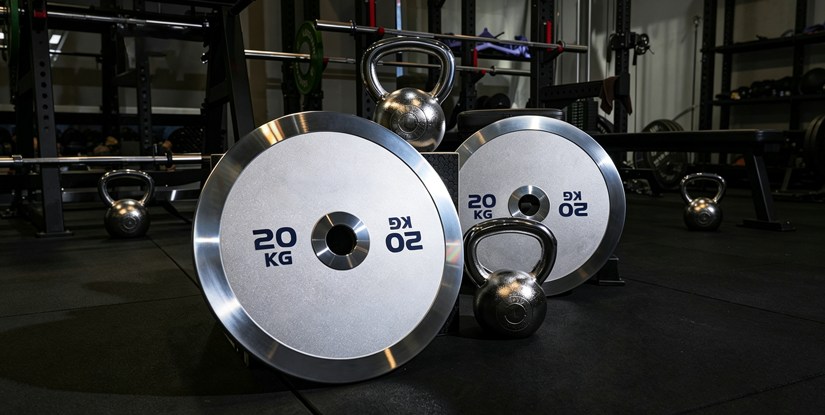
A professional commercial weight plate supplier must implement a multi-stage verification process. This begins with raw material inspection of the gray iron or steel, moving through precision machining and surface treatment, and concluding with a final weight tolerance check. Without a strict pre-shipment inspection, the subtle variations in plate thickness or bore centering can lead to imbalances that affect professional training environments.
Beyond production, the final phase of wholesale gym equipment materials sourcing is the physical protection of the cargo. High-density export packaging is essential to prevent edge chipping on cast iron or delamination on rubber-coated units. Whether you are managing a China factory direct shipment or a consolidated container, ensuring that pallets are reinforced and containers are properly braced will protect your margins and ensure the product arrives in a retail-ready state.
When evaluating your next sourcing project, we recommend requesting specific details regarding the lead time and the MOQ for customized branding. Professional procurement teams should also verify the capacity for OEM or ODM services to ensure the final product aligns with their specific market positioning and brand identity.
Securing a reliable calibrated steel plate bulk buy requires more than just selecting a material; it demands a partnership with a factory that prioritizes rigorous quality control and logistical durability. For distributors and gym owners, the risk of receiving non-conforming weights or damaged coatings can significantly inflate the landed cost and disrupt product launches.
A professional commercial weight plate supplier must implement a multi-stage verification process. This begins with raw material inspection of the gray iron or steel, moving through precision machining and surface treatment, and concluding with a final weight tolerance check. Without a strict pre-shipment inspection, the subtle variations in plate thickness or bore centering can lead to imbalances that affect professional training environments.
Beyond production, the final phase of wholesale gym equipment materials sourcing is the physical protection of the cargo. High-density export packaging is essential to prevent edge chipping on cast iron or delamination on rubber-coated units. Whether you are managing a China factory direct shipment or a consolidated container, ensuring that pallets are reinforced and containers are properly braced will protect your margins and ensure the product arrives in a retail-ready state.
When evaluating your next sourcing project, we recommend requesting specific details regarding the lead time and the MOQ for customized branding. Professional procurement teams should also verify the capacity for OEM or ODM services to ensure the final product aligns with their specific market positioning and brand identity.
Securing a reliable calibrated steel plate bulk buy requires more than just selecting a material; it demands a partnership with a factory that prioritizes rigorous quality control and logistical durability. For distributors and gym owners, the risk of receiving non-conforming weights or damaged coatings can significantly inflate the landed cost and disrupt product launches.
A professional commercial weight plate supplier must implement a multi-stage verification process. This begins with raw material inspection of the gray iron or steel, moving through precision machining and surface treatment, and concluding with a final weight tolerance spot-check. Without a strict pre-shipment inspection, the subtle variations in plate thickness or bore centering can lead to imbalances that affect professional training environments.
Beyond production, the final phase of wholesale gym equipment materials sourcing is the physical protection of the cargo. High-density export packaging is essential to prevent edge chipping on cast iron or delamination on rubber-coated units. Whether you are managing a China factory direct shipment or a consolidated container, ensuring that pallets are reinforced and containers are properly braced will protect your margins and ensure the product arrives in a retail-ready state.
When evaluating your next sourcing project, we recommend requesting specific details regarding the lead time and the MOQ for customized branding. Professional procurement teams should also verify the capacity for OEM or ODM services to ensure the final product aligns with their specific market positioning and brand identity.
Optimizing Your Wholesale Gym Equipment Materials Procurement
Successful large-scale sourcing requires a deep understanding of how material selection influences the total cost of ownership (TCO). For distributors and gym chains, the initial calibrated steel plate bulk buy price is only the first line item in a much longer financial equation involving maintenance, durability, and replacement cycles. When negotiating with a commercial weight plate supplier, professional buyers must weigh the lower upfront costs of certain materials against the long-term operational expenses of floor damage or frequent unit replacement.
Selecting the right specifications from a China factory can significantly shift your ROI. While basic iron options offer a lower landed cost, premium rubber-encapsulated or high-grade powder-coated plates often reduce the frequency of facility maintenance and equipment turnover. For high-traffic commercial environments, the ability to wholesale gym equipment materials that balance high-density durability with protective coatings ensures a more sustainable procurement strategy over a five-to-ten-year equipment lifecycle.
Material and Durability Comparison for Commercial Tiers
Deciding between bare iron and coated surfaces is a critical pivot point in the calibrated steel plate bulk buy process. A commercial weight plate supplier typically offers different tiers to help you manage capital expenditure versus long-term operational stability. While cast iron is the foundation for budget-friendly strength, the addition of high-grade rubber or polyurethane coatings fundamentally alters the maintenance load and facility longevity.
| Material | Coating Type | Process Detail | Commercial Duty | Floor Protection | Procurement Focus |
|---|---|---|---|---|---|
| Cast Iron | Paint or Powder Coating | Sand casting and surface finishing | Budget / High-Volume | Low (Requires Mats) | Low MOQ / Fast lead time |
| Steel Core | Rubber Encapsulated | Molding or heavy-duty dip coating | Premium / High-Traffic | High (Integrated) | Mid MOQ / Standard lead time |
| Steel / Iron | Polyurethane (PU) | Precision CNC machining and PU coating | Elite / Professional Studio | Very High | Higher MOQ / Custom OEM capability |
When managing wholesale gym equipment materials, the choice between a simple painted finish and a full encapsulation affects more than just aesthetics; it impacts your sourcing strategy for replacement parts and facility upkeep. For instance, a factory producing rubber-coated units must maintain strict QC on coating adhesion to prevent peeling under heavy use. We recommend that importers evaluate the specific usage environment—whether it is a high-impact strength zone or a precision lifting area—to ensure the landed cost aligns with the expected equipment lifespan and facility maintenance budget.
Supply-Side Quality Control and Manufacturing Standards
Effective procurement for a calibrated steel plate bulk buy goes beyond selecting a material; it requires verifying the technical capabilities of the factory. For international distributors, the primary risk in high-volume sourcing is a lack of consistency in weight tolerance and surface integrity. A professional commercial weight plate supplier must demonstrate a standardized production sequence—from initial sand casting to final weight calibration—to ensure every unit in a shipment meets the specified commercial grade. Without these controls, your landed cost increases through high replacement rates and damaged flooring.
During the pre-shipment inspection, buyers should focus on specific technical benchmarks that dictate long-term durability. This includes checking the coating adhesion of powder-coated or rubberized units to ensure the finish does not chip under repetitive impact. Furthermore, a rigorous QC process must include weight tolerance spot-checks and concentricity testing to ensure plates sit flat on a barbell. When negotiating OEM or ODM specifications, we suggest requesting detailed reports on these calibration steps. Whether you are managing a wholesale order for a single facility or a global distribution network, confirming these manufacturing standards at the source is the most effective way to protect your margins and ensure high-performance standards across your entire inventory.