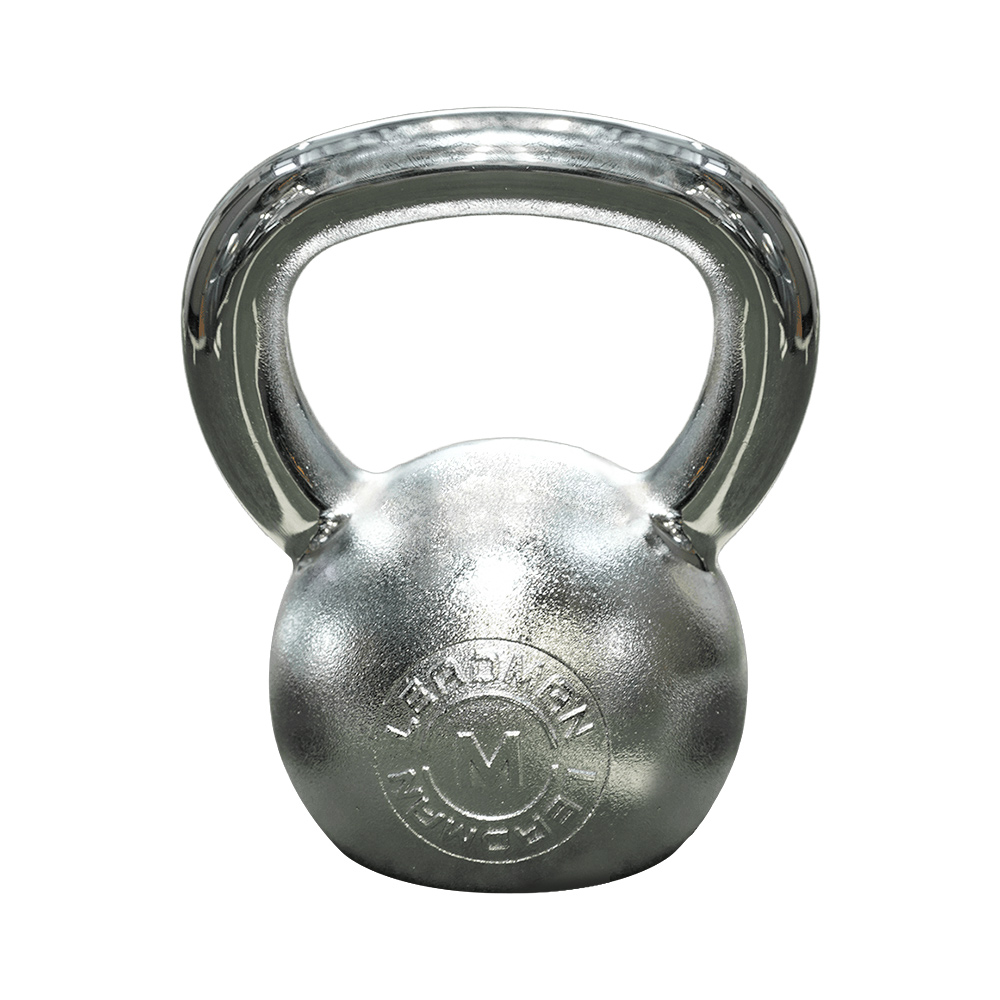
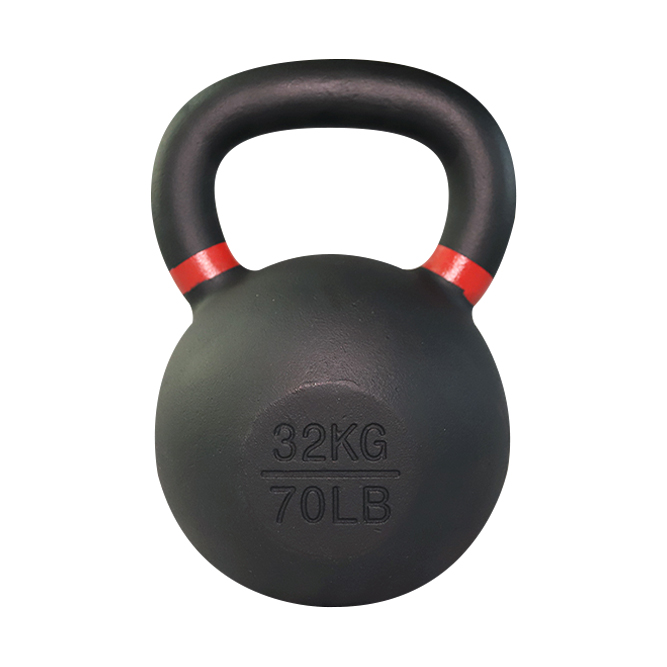
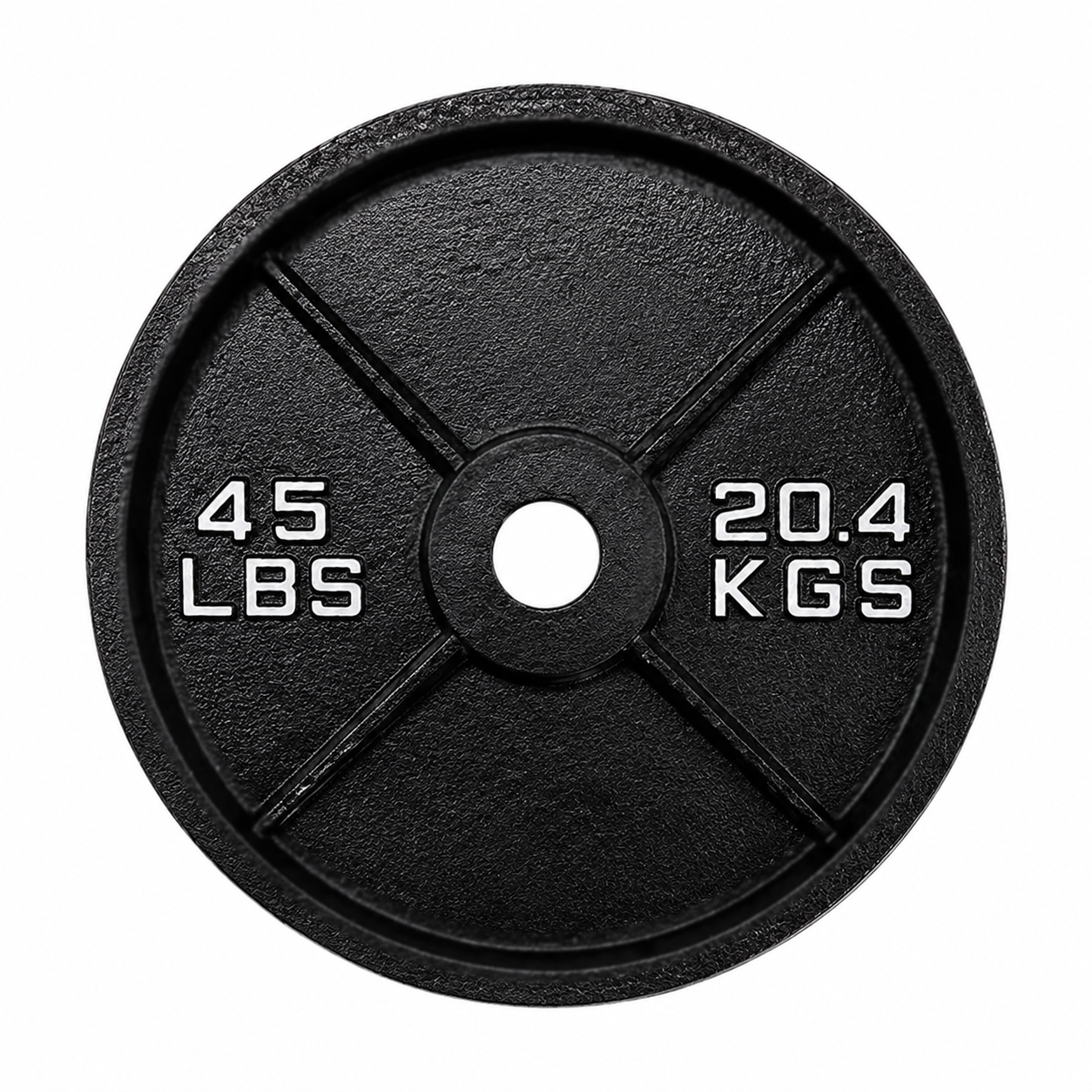
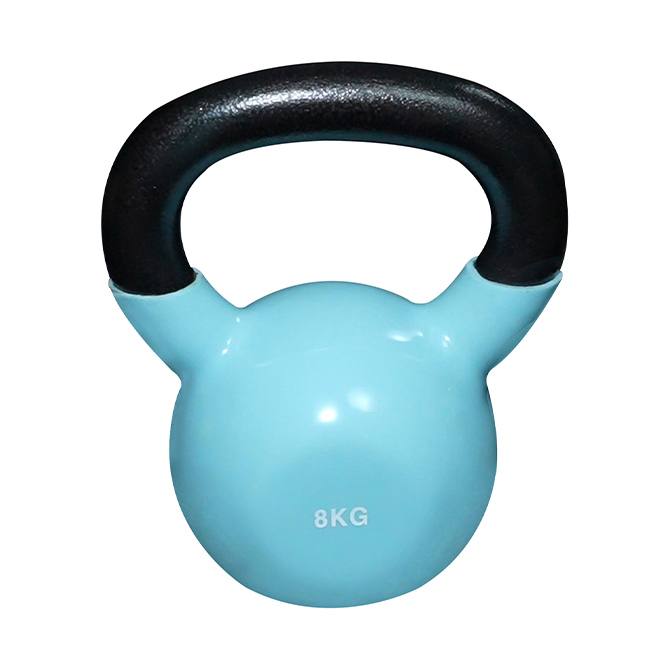
Cast Iron Weight Plate OEM ODM: Coating and Material
Cast Iron Weight Plate OEM ODM: Material Selection and Commercial Standards
When initiating a cast iron weight plate OEM ODM project, professional importers must evaluate three critical checkpoints: material consistency, structural integrity, and logistical reliability. Selecting a commercial weight plate manufacturer requires more than just comparing unit prices; it involves assessing how the raw material grade affects the long-term durability and the total landed cost of your shipment. A failure to verify the casting quality at the source can lead to uneven weight distribution or premature surface oxidation, which ultimately increases maintenance costs and diminishes your brand reputation in the competitive fitness market.
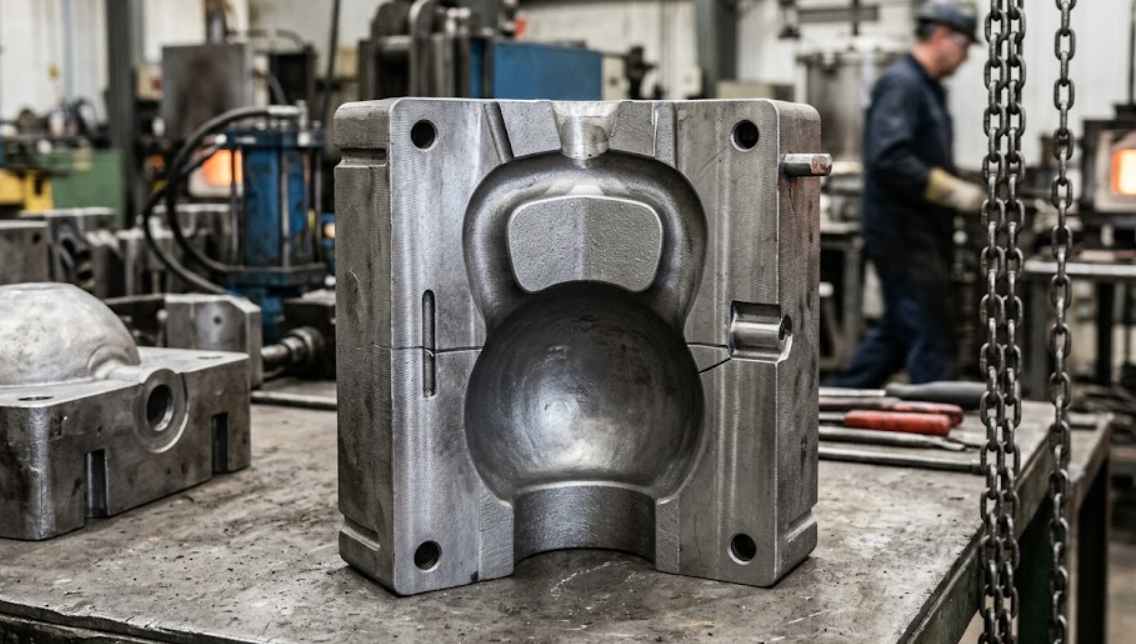
The foundation of high-quality wholesale gym weight plates typically begins with the selection of gray iron. In many professional China factory environments, sand casting is the industry-standard method for producing robust, high-volume commercial plates. This process ensures that the plates possess the density and impact resistance required for high-traffic gym environments. During the sourcing process, it is essential to confirm that the factory utilizes a consistent casting sequence—moving from precise mold creation to refined machining—to ensure that the center of gravity remains stable and the concentricity meets commercial expectations.
For distributors looking to scale, understanding the nuances of material-driven OEM and ODM capabilities is vital for maintaining high margins. While basic cast iron provides a cost-effective solution for standard strength training, premium tiers may involve advanced surface treatments to enhance longevity. A reliable supplier will provide transparency regarding the casting density and the specific type of coating used, as these factors directly influence the product's resistance to chipping and corrosion during international transit and long-term commercial use.
Material and Coating Comparison for Commercial Procurement
A professional cast iron weight plate OEM ODM strategy requires a clear understanding of how surface treatments impact the total cost of ownership. For bulk buyers, the choice between a basic finish and a high-durability coating affects not only the aesthetic of the brand identity but also the long-term maintenance load and durability in high-usage environments. When evaluating a commercial weight plate manufacturer, you must determine if the coating can withstand the friction and impact typical of commercial gym settings without premature chipping or oxidation.
The following table outlines the standard material and coating configurations used in the industry to assist in your wholesale gym weight plates decision-making process. These options are categorized by their commercial utility and impact on your sourcing budget.
| Material Tier | Coating Type | Common Process | Key QC Point | Commercial Duty |
|---|---|---|---|---|
| Gray Cast Iron | Phosphate Treatment | Sand Casting & Chemical Bath | Surface Adhesion | Standard Commercial |
| Gray Cast Iron | Powder Coating | Casting & Electrostatic Spray | Coating Uniformity | Premium Commercial |
| Ductile Iron | PU or Rubber Coating | Casting & Injection/Dip Molding | Encapsulation Integrity | High-End/Boutique |
For many distributors, powder coating is the preferred method for OEM projects because it provides a thicker, more resilient layer compared to standard paint. This process involves applying a dry powder to the cast surface and curing it under heat, resulting in a finish that is highly resistant to scratches and moisture. When conducting a factory audit or requesting samples, we recommend inspecting the surface finish for any unevenness or air bubbles, as these can indicate issues with the application process that might lead to future peeling.
Precision in the manufacturing chain—from the initial casting to the final weight calibration—is what separates high-tier products from low-quality alternatives. A reliable supplier will ensure that the weight tolerance remains within industry-standard ranges through rigorous post-casting machining and calibration. Before finalizing your bulk order, we suggest confirming the specific coating adhesion and the thickness of the finish to ensure the product meets your brand's durability standards and optimizes your landed cost.
Critical Quality Control Checkpoints for Bulk Sourcing
Reliability in a cast iron weight plate OEM ODM project is determined by the rigor of the pre-shipment inspection. For professional importers, the greatest risk is not just the material grade, but the mechanical precision of the finished unit. A lack of strict quality control can result in uneven weight distribution or poor concentricity, which leads to high replacement costs and diminished distributor margins. To mitigate these risks, a professional commercial weight plate manufacturer must implement a standardized quality management system that addresses the following technical requirements during the production cycle.
The first essential checkpoint is weight calibration. During mass production, even minor variations in the casting density can cause significant deviations in the final product weight. A high-tier China factory will perform periodic weight checks throughout the batch to ensure consistency across the entire order. This is especially critical when managing high-volume wholesale gym weight plates, where even a slight variance can impact the perceived quality of your brand and the accuracy of your inventory management.
The second critical technical standard is concentricity and surface integrity. A plate must be perfectly balanced to ensure smooth rotation and stable stacking during heavy use. Importers should verify that the machining process effectively corrects any casting irregularities. Furthermore, the coating adhesion must be tested to ensure the finish does not chip or peel under the friction of high-traffic gym environments. When negotiating your MOQ or reviewing a quote, we recommend requesting a detailed QC report that confirms these specific parameters have been verified through standard industry-level spot-checks.
Finally, logistics and lead time planning must be integrated into your procurement strategy. Efficient OEM and ODM workflows depend on a seamless transition from the final pre-shipment inspection to export packaging. A reliable supplier will provide clear visibility into the production timeline, including the time required for casting, coating, and the final calibration phase. By confirming these technical checkpoints and production schedules early, you can optimize your container loading efficiency and ensure a predictable landed cost for your distribution network.
Surface Finishing and Coating Processes for Durability
For professional distributors and gym equipment importers, selecting the right surface treatment is a critical decision that directly impacts the long-term Total Cost of Ownership (TCO) for the end user. When managing cast iron weight plate OEM ODM projects, the choice between bare metal, phosphate treatment, or advanced coatings determines how well the product withstands high-traffic commercial environments. A failure in coating adhesion or an inadequate oxidation resistance layer can lead to premature rusting, increasing maintenance costs and damaging your brand's reputation in the market.
A reliable commercial weight plate manufacturer understands that durability is not just about the thickness of the iron, but the integrity of the chemical and physical bond between the metal and the finish. For large-scale wholesale gym weight plates orders, we implement standardized industrial sequences to ensure every unit meets export-grade expectations. A typical high-quality production route includes sand casting, followed by precision machining of the center bore, a thorough degreasing stage, and finally, the application of a protective layer such as powder coating or a phosphate treatment to prevent corrosion.
Investing in superior surface finishing through a professional cast iron weight plate OEM ODM service reduces the frequency of replacements and keeps the equipment looking new for years. This level of quality control is essential for distributors who want to minimize after-sales service requests and maintain high margins by providing premium-tier products to commercial facilities.
Technical Comparison of Coating Options for Procurement
When evaluating a cast iron weight plate OEM ODM specification, procurement managers must weigh the immediate cost of the finish against long-term maintenance requirements. Different coating methods serve different usage intensities, from high-impact strength training areas to premium studio environments. Selecting a budget-tier finish for a high-traffic commercial facility can lead to rapid oxidation and surface degradation, whereas a premium coating enhances the product's lifespan and protects the facility's flooring.
The following table provides a qualitative comparison to assist in your wholesale gym weight plates sourcing decisions, focusing on how different finishes affect durability and floor protection.
| Material Type | Coating Method | Process Detail | Commercial Duty Tier | Floor Protection | Sourcing Benefit |
|---|---|---|---|---|---|
| Cast Iron | Phosphate Treatment | Chemical conversion layer | Budget / Standard | Moderate | Low landed cost |
| Cast Iron | Powder Coating | Electrostatic spray application | Commercial / Premium | High | High durability/brand identity |
| Cast Iron | Rubberized/PU Coating | Encapsulation or dip molding | Premium / High-End | Maximum | Low noise/high TCO value |
For distributors managing large-scale inventory, the choice of coating is a strategic decision regarding the commercial weight plate manufacturer's ability to deliver consistent quality. For instance, a high-quality factory will ensure strict adherence to the degreasing and pre-treatment steps before any coating is applied to guarantee optimal coating adhesion. This prevents the common failure mode where paint flakes or peels under heavy use. When planning your next wholesale replenishment, we recommend verifying the specific coating adhesion standards with your supplier to ensure the finished goods align with your target market's expectations and your local environmental humidity levels.
For professional distributors and gym equipment importers, selecting the right surface treatment is a critical decision that directly impacts the long-term Total Cost of Ownership (TCO) for the end user. When managing cast iron weight plate OEM ODM projects, the choice between bare metal, phosphate treatment, or advanced coatings determines how well the product withstands high-traffic commercial environments. A failure in coating adhesion or an inadequate oxidation resistance layer can lead to premature rusting, increasing maintenance costs and damaging your brand's reputation in the market.
A reliable commercial weight plate manufacturer understands that durability is not just about the thickness of the iron, but the integrity of the chemical and physical bond between the metal and the finish. For large-scale wholesale gym weight plates orders, we implement standardized industrial sequences to ensure every unit meets export-grade expectations. A typical high-quality production route includes sand casting, followed by precision machining of the center bore, a thorough degreasing stage, and finally, the application of a protective layer such as powder coating or a phosphate treatment to prevent corrosion.
Investing in superior surface finishing through a professional cast iron weight plate OEM ODM service reduces the frequency of replacements and keeps the equipment looking new for years. This level of quality control is essential for distributors who want to minimize after-sales service requests and maintain high margins by providing premium-tier products to commercial facilities.
Comparing Material and Manufacturing Specifications
Selecting the right foundation for your inventory requires understanding how base metals and surface treatments affect long-term commercial durability. For professional importers and distributors, the cast iron weight plate OEM ODM process begins with a fundamental choice between material density and casting methods. A high-quality commercial weight plate manufacturer will typically utilize gray iron through sand casting to ensure a stable, cost-effective product that meets the rigorous demands of high-traffic gyms and training centers.
When managing a large-scale wholesale gym weight plates order, the technical baseline involves more than just weight; it involves the precision of the manufacturing route. A professional China factory provides various tiers of production, from standard sand-cast units to more refined machined versions. Understanding these distinctions is essential for calculating the total cost of ownership and ensuring your brand identity remains intact through consistent product performance.
| Material Type | Primary Process | Surface Treatment | Commercial Duty Tier | Procurement Benefit |
|---|---|---|---|---|
| Gray Iron | Sand Casting | Powder Coating | Standard Commercial | High Volume / Low Cost |
| Cast Iron | Sand Casting | Enamel or Paint | Budget Commercial | Optimized for Wholesale |
| Machined Steel | CNC Machining | Chrome or Specialized Finish | Premium / Competition | High Precision / Low Tolerance |
For those focused on sourcing high-durability equipment, the cast iron weight plate OEM ODM specifications should clearly define the coating adhesion and the thickness of the metal shell. Depending on your specific MOQ, a supplier may offer different levels of finish, such as a standard powder coating for general gym use or a more specialized coating for premium studio environments. Always confirm the specific manufacturing sequence with your factory to ensure the final product aligns with your quality standards.
Technical Comparison of Coating and Surface Finishing
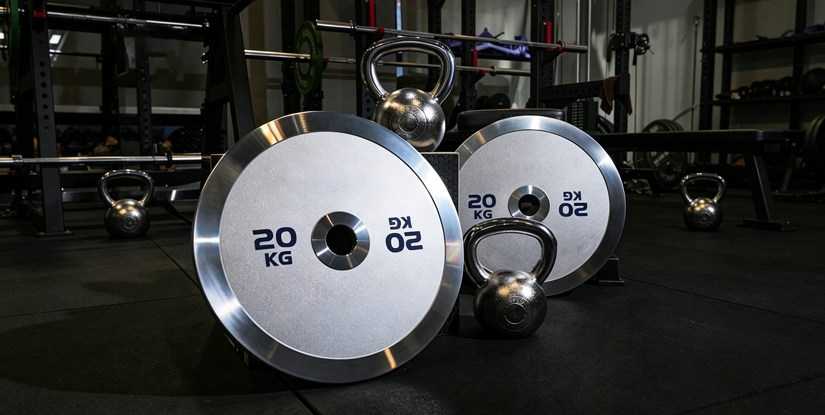
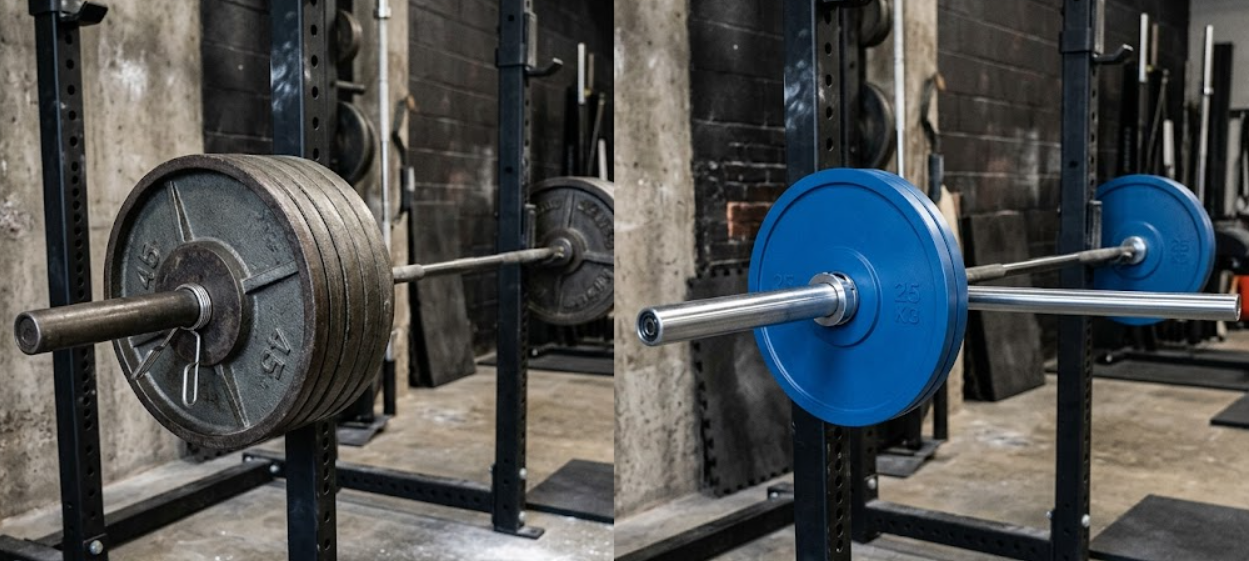
The final surface finish is a critical factor in determining the maintenance load and the long-term landed cost for your clients. While the base metal provides the structural weight, the application of a professional coating protects the iron from oxidation and environmental wear. For high-volume wholesale orders, the choice between a standard phosphate treatment and a more robust powder coating can significantly impact both the visual appeal of your brand and the frequency of product replacement in a commercial setting.
In many premium procurement scenarios, buyers may also request PU coating or specialized rubber encapsulation. These processes offer superior floor protection and noise reduction, which are essential for high-end boutique studios. When managing your cast iron weight plate OEM ODM project, it is vital to specify whether the finish is applied via a liquid spray or a dry powder process, as this dictates the adhesion strength and the overall durability of the plate's aesthetic during heavy usage cycles.
Before finalizing a bulk shipment, a reliable commercial weight plate manufacturer will perform a pre-shipment QC check on the surface integrity. This includes inspecting for coating adhesion, uniformity of the weight marking, and any potential flaws in the casting edges. For distributors, confirming these technical details—such as the precision of the surface finishing and the quality of the phosphate treatment—ensures that the received batch meets the rigorous expectations of the global fitness market.
China Factory Production and Quality Control Protocols
For distributors and large-scale gym operators, the reliability of a cast iron weight plate OEM ODM project depends entirely on the rigor of the China factory production standards. When sourcing in bulk, the risk of receiving inconsistent batches with irregular weights or poor surface finishes can significantly impact your landed cost and long-term distributor margins. A professional commercial weight plate manufacturer must implement standardized protocols to ensure every unit meets the durability requirements of high-traffic commercial environments.
Effective quality control protocols begin at the casting stage and extend through to the final packaging. A reputable commercial weight plate manufacturer typically utilizes a multi-stage inspection process to mitigate common failure modes such as surface pitting, uneven coating, or significant weight deviations. For wholesale gym weight plates, maintaining a strict weight tolerance is critical, as even minor discrepancies across a full set can lead to client dissatisfaction and increased return rates for the importer.
The standard production sequence involves sand casting, followed by precision machining to ensure the center hole and outer diameter meet specifications. After machining, the plates undergo surface treatment—commonly powder coating or phosphate finishing—to prevent oxidation. A thorough pre-shipment inspection must include a visual check of the coating adhesion and a physical spot-check of the weight accuracy. For cast iron weight plate OEM ODM orders, we recommend that buyers request a sample approval and a detailed inspection report to confirm that the factory output aligns with your brand's quality expectations before the final container loading.
Standardized Inspection Points for Bulk Procurement
To ensure high-volume orders meet international commercial standards, a professional cast iron weight plate OEM ODM workflow integrates specific checkpoints during the manufacturing cycle. The process begins with casting verification, where the structural integrity of the gray iron is checked for cracks or air pockets. Following this, the machining stage focuses on the concentricity of the center hole, ensuring the plate sits flat on a barbell without wobbling. This level of precision is a primary differentiator for a high-tier commercial weight plate manufacturer compared to budget-grade suppliers.
Once the physical form is finalized, the surface treatment undergoes rigorous testing. For plates receiving a powder coating, the factory must monitor the coating adhesion and uniformity to prevent chipping during heavy use in commercial gyms. The final stage of the cast iron weight plate OEM ODM process is weight calibration. In a professional setting, a sample from the specific production batch is weighed to ensure it stays within the industry-standard tolerance range. This step is vital for distributors to avoid the logistical headache of shipping non-compliant goods.
Finally, the export-ready stage focuses on durability during transit. High-quality wholesale gym weight plates require robust export packaging, typically involving heavy-duty cardboard or reinforced crates to prevent edge damage. We advise all importers to confirm the MOQ and detailed lead time during the initial sourcing phase, and to request a pre-shipment inspection report that covers these specific technical checkpoints. This proactive approach secures your distributor margins and ensures a seamless arrival at your warehouse.
Technical Comparison of Production Tiers for Bulk Sourcing
Understanding the qualitative differences between production tiers is essential for procurement managers to balance budget constraints with long-term durability. When managing a cast iron weight plate OEM ODM project, the choice of material grade and finishing process directly influences the maintenance load and the total cost of ownership for the end-user. A professional commercial weight plate manufacturer will typically provide clear distinctions in their manufacturing capabilities to help you select the right tier for your specific market positioning.
The following table outlines the standard industry tiers encountered when sourcing from a China factory. This comparison focuses on the technical variables that impact the final landed cost and the reliability of the product in a high-traffic commercial environment.
| Material Tier | Typical Process | Key QC Focus | Commercial Grade | Impact on MOQ & Sourcing |
|---|---|---|---|---|
| Standard Gray Iron | Sand Casting & Basic Paint | Surface Pitting & Cracks | Budget / Entry-Level | Lower MOQ / High Volume |
| Industrial Cast Iron | Machining & Powder Coating | Concentricity & Coating Adhesion | Standard Commercial | Standard MOQ / Mid-Range |
| Premium Precision Iron | CNC Machining & Multi-coat Finish | Weight Tolerance & Edge Smoothness | High-End / Professional | Higher MOQ / Custom OEM |
When evaluating your next batch of wholesale gym weight plates, we recommend focusing on the "Key QC Focus" column. For example, a budget-tier supplier may only check for gross defects, whereas a premium ODM partner will prioritize the precision of the center hole and the uniformity of the weight distribution. This distinction is vital for preventing high return rates and ensuring your brand identity remains associated with high-quality, durable equipment.
Before finalizing your purchase, we suggest requesting a detailed technical specification sheet and a sample from the actual production line. Confirming these details—along with the MOQ, lead time, and specific export packaging standards—will help you mitigate risks and optimize your distribution strategy.
Custom Branding and OEM/ODM Sourcing Capabilities
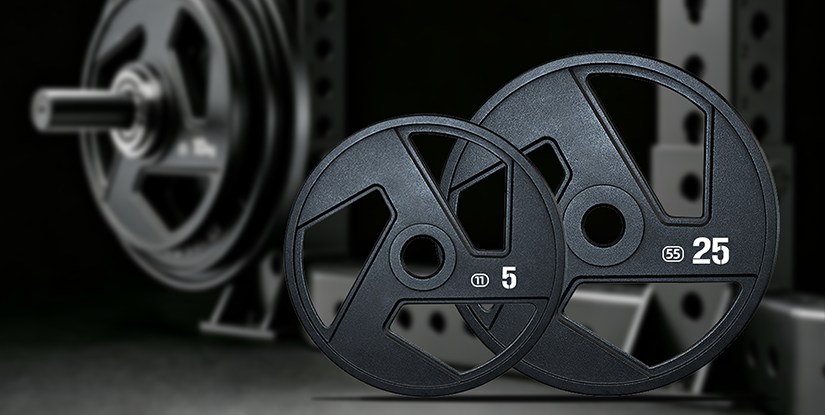
For distributors and gym equipment importers, the ability to differentiate a product line through cast iron weight plate OEM ODM services is a critical lever for increasing distributor margins. Rely-on-stock models often lead to low differentiation, but professional sourcing from a specialized China factory allows you to transition from a generalist to a premium brand owner. By leveraging private label manufacturing, you can control the visual and tactile identity of your inventory, ensuring your brand identity remains consistent across all product tiers.
Successful commercial differentiation depends on more than just a logo; it requires technical control over the casting and finishing stages. Whether you are looking for wholesale gym weight plates with specific embossed weight markings or a custom color-coded scheme, an experienced commercial weight plate manufacturer can integrate these requirements into the production workflow. This level of custom branding ensures that your products stand out in competitive markets, providing higher perceived value to the end-user while maintaining a competitive landed cost through direct factory-direct procurement.
Technical Execution of Branding: Embossing vs. Printing
When initiating a cast iron weight plate OEM ODM project, the method of logo application significantly influences both the long-term durability of the plate and the total MOQ requirements. For high-traffic commercial environments, logo embossing is the industry standard. This process involves integrating the brand design directly into the sand casting mold, ensuring the logo is a physical part of the iron structure. Because the branding is part of the casting itself, it remains permanent and resistant to surface wear or coating failure, which is essential for maintaining a professional brand identity over years of heavy use.
Alternatively, some wholesale orders may utilize silk-screen printing or specialized paint applications for color-coded weight identification. While printing offers higher visual precision for complex graphics, it is more susceptible to chipping during impact. From a sourcing perspective, embossed logos are often more cost-effective for large-scale OEM runs because they eliminate the need for secondary printing steps, potentially reducing the lead time and stabilizing the landed cost. Buyers should evaluate whether their target market prioritizes the high-durability of a recessed cast emblem or the visual vibrance of a printed finish. We recommend confirming the specific production process requirements with your supplier during the sample approval stage to ensure the final product meets your commercial-grade standards.
Comparison of Customization Methods for Procurement Decisions
Selecting the appropriate branding method is a strategic decision that affects your long-term inventory value and wholesale margins. A professional commercial weight plate manufacturer will provide several tiers of customization, ranging from basic physical embossing to high-end surface finishes. For distributors, understanding the trade-off between visual impact and structural durability is essential when managing a cast iron weight plate OEM ODM project. High-durability methods generally require a higher MOQ but offer a lower replacement rate in commercial settings, whereas lighter customization can optimize your initial sourcing budget.
| Branding Method | Application Process | Durability Level | Visual Impact | Typical MOQ Impact | Best For |
|---|---|---|---|---|---|
| Raised/Recessed Embossing | Integrated into sand casting mold | High (Permanent) | Subtle / Classic | Standard OEM tiers | Long-term commercial gym brands |
| Silk-Screen Printing | Secondary surface application | Moderate (Subject to chipping) | High (Precise colors) | Lower than full ODM | Seasonal or promotional runs |
| Color-Coded Paint | Spray or dip coating process | Moderate (Surface level) | Very High (High visibility) | Standard wholesale volumes | High-traffic strength facilities |
| Laser Etching | Post-coating precision tool | High (Surface integrated) | Premium / Modern | Higher due to precision | Premium boutique studio lines |
When evaluating these options, consider the total cost of ownership. While a printed finish may offer a more striking visual for a new product launch, the physical durability of an embossed logo provides better long-term reliability for heavy-duty commercial use. We suggest requesting a sample from your factory to inspect the coating adhesion and the depth of the branding before committing to a large-scale wholesale order. This step ensures that your chosen cast iron weight plate OEM ODM specification aligns perfectly with your brand's quality expectations and market positioning.
Optimizing Logistics and Bulk Order Procurement
Effective inventory management for distributors requires a strategic approach to cast iron weight plate OEM ODM sourcing. When importing large volumes, the ability to balance landed cost against shipping volume is critical for maintaining competitive distributor margins. A professional commercial weight plate manufacturer provides more than just physical goods; they offer the logistical infrastructure necessary to streamline your supply chain.
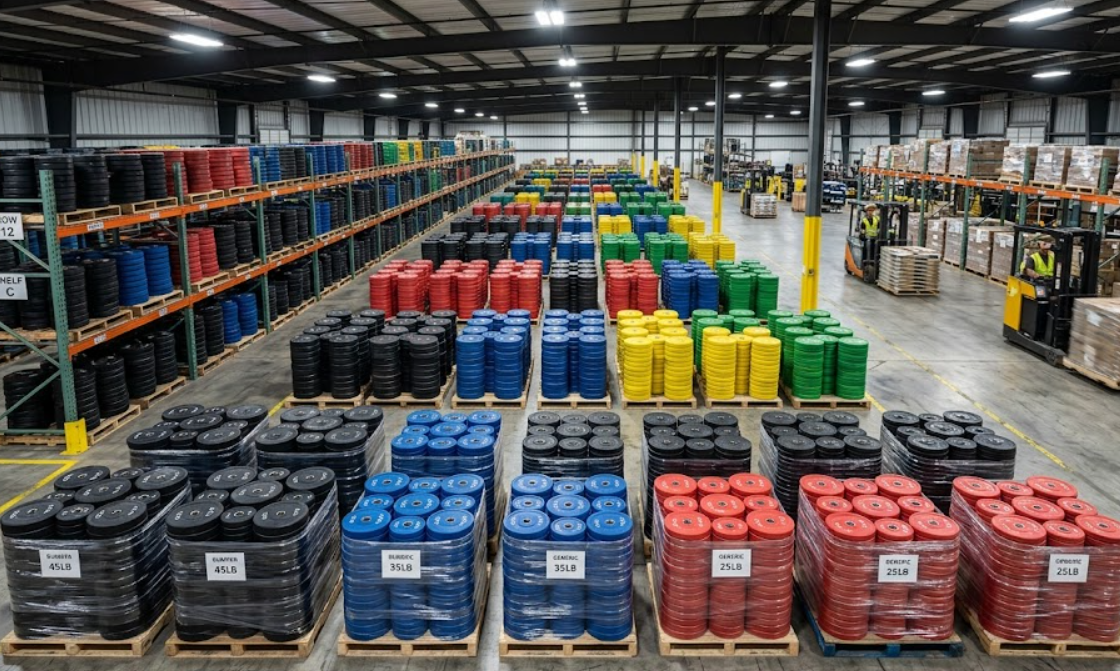
Managing wholesale gym weight plates involves navigating complexities such as container load optimization and lead time predictability. High-density products like cast iron require precise palletization and export packaging to prevent damage and maximize space within a standard 20ft or 40ft container. By working directly with a factory, importers can negotiate specific MOQ tiers that align with their warehouse capacity and seasonal demand, ensuring that sourcing cycles do not disrupt market availability.
The following table illustrates how different procurement models impact your operational efficiency and total cost of ownership:
| Procurement Model | Primary Benefit | Logistics Focus | Typical MOQ | Lead Time Predictability |
|---|---|---|---|---|
| Direct OEM Sourcing | Highest Margin Potential | Customized Container Loading | Higher | High (Planned Production) |
| Standard Wholesale | Rapid Replenishment | Standardized Palletization | Moderate | Medium (Stock Availability) |
| Small Batch ODM | Product Differentiation | Specialized Packaging | Lower | Variable (Customization Dependent) |
To optimize your cast iron weight plate OEM ODM project, we recommend a phased approach: start by confirming the MOQ for your specific branding requirements, then request a detailed shipping specification sheet to calculate your final landed cost accurately. Our team is available to discuss bulk pricing and factory audit protocols to ensure your inventory meets global commercial standards.
Selecting the right cast iron weight plate OEM ODM partner requires evaluating the structural differences between direct factory-to-distributor models and third-party trading entities. For large-scale distributors, the primary objective is maximizing the volume-to-weight ratio within shipping containers to lower the landed cost per unit. A direct factory provides superior control over the production-to-export sequence, which is essential when managing high-density, heavy-duty inventory.
When evaluating your next batch, consider how wholesale sourcing strategies affect your warehouse turnover. A professional supplier will offer transparent data regarding lead time and container utilization, helping you avoid the common pitfalls of unexpected shipping delays or under-filled containers. Whether you are seeking a simple wholesale replenishment or a complex ODM project involving custom branding, the procurement model you choose will directly impact your long-term profitability and brand consistency.
| Procurement Model | Primary Benefit | Logistics Focus | Typical MOQ | lead time Predictability |
|---|---|---|---|---|
| Direct OEM Sourcing | Highest Margin Potential | Customized Container Loading | Higher | High (Planned Production) |
| Standard wholesale | Rapid Replenishment | Standardized Palletization | Moderate | Medium (Stock Availability) |
| Small Batch ODM | Product Differentiation | Specialized Packaging | Lower | Variable (Customization Dependent) |
To ensure a seamless sourcing process for your cast iron weight plate OEM ODM requirements, we suggest establishing a clear protocol for sample approval and pre-shipment inspection. Contact our team to request a formal quote, verify current MOQ levels for your specific weight ranges, or schedule a virtual factory audit to confirm our production capabilities meet your commercial standards.
Ensuring Product Integrity Through Export-Standard Logistics
For high-volume importers, the risk of transit-related damage or inefficient container utilization can quickly erode the distributor margin. A professional commercial weight plate manufacturer must implement rigorous export packaging and pre-shipment QC to protect the integrity of every cast iron weight plate OEM ODM order. Without standardized protocols, heavy iron plates can shift during ocean transit, leading to surface coating abrasions or structural stress on pallet frames.
To mitigate these risks, we utilize industrial-grade palletization and optimized container loading strategies. Every shipment undergoes a strict pre-shipment QC process to verify weight tolerances and coating adhesion before being secured. By utilizing reinforced export packaging—including heavy-duty cardboard dividers and moisture-resistant wrapping—we ensure that your wholesale gym weight plates arrive at your warehouse in pristine, retail-ready condition. This focus on damage prevention is essential for maintaining low return rates and protecting your long-term ROI during global sourcing.
To finalize your procurement planning, we recommend requesting a detailed packing list and a technical specification sheet for your current cast iron weight plate OEM ODM project. Our team can provide guidance on maximizing container density to reduce your landed cost, as well as confirming the specific MOQ required for your custom branding or private label requirements.