Calibrated Steel Plate OEM ODM: Commercial Material Specs
Understanding Calibrated Steel Plate OEM ODM Standards
For professional distributors and gym equipment importers, selecting a reliable calibrated steel plate OEM ODM partner requires moving beyond superficial aesthetics to evaluate three critical procurement checkpoints: material precision, structural durability, and logistical consistency. Relying on unverified sources often leads to significant downstream costs, such as uneven weight distribution across a single set or inconsistent bore diameters that fail to fit high-end barbell sleeves. When sourcing at scale, a commercial gym plate manufacturer must demonstrate that their production-ready standards align with the rigorous demands of professional strength facilities, ensuring that every unit delivered meets the exact specifications promised during the initial sourcing phase.
The technical integrity of machined steel weight plates depends heavily on the sequence of manufacturing, typically beginning with high-grade steel stock followed by precision CNC machining to achieve strict weight tolerance levels. A professional China factory will utilize a controlled process involving heavy-duty machining, surface finishing, and a final calibration stage to ensure uniformity. This level of machining precision is what separates premium commercial-grade units from budget-tier alternatives, directly impacting the long-term ROI for the end-user by reducing maintenance needs and preventing premature wear on barbell equipment.
To ensure bulk procurement reliability, it is essential to verify the China factory QC protocols regarding concentricity and surface finish. A high-standard calibrated steel plate OEM ODM process includes specific spot-checks for bore alignment and coating adhesion to prevent peeling or chipping during heavy use. For distributors managing large-scale deployments, these technical details are not merely academic; they are the primary safeguards against high return rates and damaged reputations in the global fitness market.
Technical Comparison of Manufacturing Tiers
When evaluating a calibrated steel plate OEM ODM proposal, distributors must distinguish between standard casting and high-precision machining. While sand casting is common for basic commercial use, professional-grade procurement often requires machined steel weight plates to ensure the highest level of dimensional stability. The choice between these manufacturing routes directly influences your total cost of ownership and the long-term durability of the equipment sets you supply to premium clients.
The following table outlines the qualitative differences between production tiers to assist in your sourcing decision and budget planning.
| Material Tier | Primary Process | Key Component Focus | Commercial Duty | MOQ Impact | Factory QC Point |
|---|---|---|---|---|---|
| Standard Steel | Sand Casting | Bore Diameter | Budget/Entry-Level | Lower | Surface Smoothness |
| Premium Steel | CNC Machining | Concentricity | Professional/High-End | Moderate | Weight Tolerance |
| Competition Spec | Precision Machining & Polishing | Edge Profile & Finish | Elite/Performance | Higher | Coating Adhesion |
A professional commercial gym plate manufacturer will typically offer these tiers to accommodate different market segments. For large-scale gym deployments, prioritizing CNC machining and rigorous weight calibration ensures that your inventory maintains its value and functionality over years of heavy use. We recommend requesting a detailed specification sheet and confirming the specific surface finishing methods used for your chosen tier to ensure it meets your brand's quality standards before finalizing any wholesale agreement.
Optimizing Long-Term ROI Through Quality Control
For large-scale distributors and facility operators, the true cost of procurement is rarely found in the initial invoice, but in the long-term maintenance and replacement cycles. Choosing a calibrated steel plate OEM ODM partner that prioritizes precision reduces the frequency of equipment failure and the need for costly onsite adjustments. When a commercial gym plate manufacturer provides high-precision machined steel weight plates, the resulting consistency in bore concentricity and plate flatness protects both the barbell sleeves and the facility's operational budget.
Failure to implement strict quality control during the production and calibration stages can lead to uneven wear patterns and increased noise levels, which eventually degrades the user experience and increases the total cost of ownership. To mitigate these risks, professional sourcing strategies should include a thorough review of the factory's pre-shipment inspection protocols. We suggest that buyers verify the specific export standards for packaging and weight verification to ensure that the landed cost remains predictable and that the inventory arrives in a condition ready for immediate commercial deployment.
Material and Machining Processes for Precision Weight Plates
For professional distributors and gym equipment importers, the technical integrity of a calibrated steel plate OEM ODM program depends on the precision of the manufacturing sequence. Unlike standard cast iron, high-end commercial procurement requires a focus on metal density and surface finish to ensure long-term durability and consistent weight distribution across large-scale facility installations.
Achieving a professional grade requires transitioning from basic sand casting to advanced CNC machining and precision calibration. When sourcing from a China factory, buyers must evaluate the specific metallurgical path used to ensure the plates meet the strict weight tolerance standards required for high-traffic commercial environments. A high-quality commercial gym plate manufacturer will utilize a multi-stage process involving raw steel preparation, precision machining, and specialized coating to prevent oxidation and surface degradation.
The following table outlines the typical material-to-process transitions found in professional machined steel weight plates to assist in your procurement decision-making and TCO (Total Cost of Ownership) analysis.
| Material Tier | Primary Process | Surface Finish | Commercial Duty | Maintenance Load |
|---|---|---|---|---|
| Solid Steel | CNC Machining | Powder Coating | Premium / Competition | Low |
| High-Grade Steel | Precision Machining | PU Coating | High-End Commercial | Minimal |
| Cast Iron | Sand Casting | Enamel / Paint | Standard Commercial | Moderate |
Understanding these technical tiers allows distributors to better manage their wholesale inventory and offer products that align with their specific market positioning, whether they are targeting boutique studios or large-scale strength facilities.
Technical Optimization for Surface Durability
The longevity of a professional strength facility is often determined by the quality of the surface treatment applied during the calibrated steel plate OEM ODM process. For high-volume wholesale buyers, selecting the appropriate finish is not just about aesthetics; it is a critical decision regarding maintenance-related overhead and the long-term landed cost of the equipment. A common failure mode in lower-tier production is poor coating adhesion, which leads to chipping and oxidation under heavy usage.
To mitigate these risks, a professional commercial gym plate manufacturer typically employs a multi-layered approach. This begins with a thorough surface preparation—often involving chemical de-greasing or sandblasting—before applying a high-durability powder coating. This specialized coating provides a resilient barrier that protects the steel core from moisture and friction. For premium tiers, the application of a polyurethane (PU) layer offers an additional level of impact resistance and a smooth tactile finish, which is essential for high-end studio environments.
When evaluating a supplier, procurement leads should request details regarding the coating application method and the thickness of the protective layer. A reliable China factory will be able to provide clarity on how they manage the bond line adhesion and the consistency of the finish across large-scale machined steel weight plates. This level of technical transparency is vital for ensuring that your branded products maintain their professional appearance and structural integrity throughout their operational lifecycle.
Factory QC and Pre-Shipment Inspection Protocols
For importers managing large-scale logistics, the greatest risk to profitability is not the initial unit price, but the cost of receiving non-compliant inventory. A rigorous pre-shipment QC protocol is essential to ensure that every batch of calibrated steel plate OEM ODM products aligns with the technical specifications promised during the initial sourcing phase. Without standardized inspection, distributors face the high cost of returns, damaged reputations, and disrupted facility launches.
A professional commercial gym plate manufacturer implements a multi-stage inspection sequence to verify structural and dimensional accuracy. This process typically begins with a concentricity check to ensure the central bore is perfectly aligned, preventing uneven weight distribution during use. Following this, a weight tolerance spot-check is conducted on a randomized percentage of the bulk order to ensure the mass of each machined steel weight plates unit stays within the agreed-upon commercial tolerance bands. This level of scrutiny is a standard requirement for any reputable factory capable of supporting global distribution.
Beyond the physical plate, the final stage of the quality cycle focuses on export-ready durability. This includes inspecting the integrity of the surface coating and verifying the robustness of the export packaging. High-quality export packaging—often involving reinforced corner protection and heavy-duty pallets—is critical to prevent transit damage and ensure the landed cost remains optimized by reducing breakage. We recommend that all procurement leads schedule a final factory audit or request detailed inspection reports to confirm that the calibrated steel plate OEM ODM production meets the highest commercial-grade standards before the container is sealed.
Optimizing Facility Footprint with High-Density Steel Plates
For commercial gym operators and distributors, maximizing floor space is a critical factor in long-term commercial gym ROI. Selecting calibrated steel plate OEM ODM solutions allows facilities to achieve higher weight density without the excessive bulk of lower-grade iron. When sourcing high-density steel, importers can optimize storage and training zones, ensuring that every square meter of the facility generates maximum value. A professional China factory can provide the precision required to maintain tight tolerances while supporting high-volume wholesale demands.
The transition from standard cast iron to machined steel weight plates offers a significant advantage in space optimization. Because high-density steel occupies less volume per kilogram, distributors can offer more comprehensive weight sets within a smaller footprint. This efficiency is vital for boutique studios and high-end training centers where floor layout is a premium asset. By prioritizing calibrated steel plate OEM ODM during the procurement phase, buyers ensure their clients have access to professional-grade, compact equipment that enhances the overall facility density and aesthetic.
Density, Thickness, and Logistics Efficiency
When evaluating technical specifications, the relationship between thickness and density determines the total floor footprint of a weight station. While cast iron plates often require greater thickness to reach high weight increments, machined steel weight plates provide a more compact profile. This reduction in thickness allows for more plates on a single barbell sleeve, which is a critical consideration for professional strength training zones. For distributors, this density translates directly into optimized shipping volumes and lower landed costs per unit during international freight.
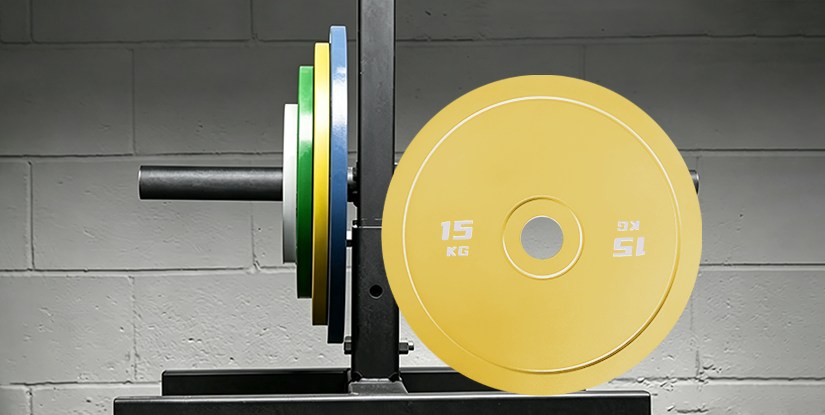
A professional commercial gym plate manufacturer understands that thickness variations impact both the stability of the bar and the storage density in a warehouse. High-precision machining ensures that the weight distribution remains centered, preventing the uneven wear typically seen in lower-grade casting. When managing bulk orders, procurement leads should prioritize specifications that balance weight tolerance with physical dimensions to maximize both training efficiency and shipping container utility.
| Material Tier | Typical Process | Thickness Profile | Commercial Use Case | Logistics/Volume Impact |
|---|---|---|---|---|
| Standard Cast Iron | Sand Casting | High/Bulky | Budget Gyms/General Training | Higher volume per weight unit |
| Machined Steel | Steel Plate Cutting & CNC Machining | Low/Compact | Premium Studios/Performance Centers | Optimized for container density |
| calibrated steel plate OEM ODM | Precision Machining & Calibration | Ultra-Low/High Density | Elite Competition/Specialized Training | Maximum space-to-weight ratio |
Selecting the appropriate specification is a strategic decision for long-term facility management. Whether you are looking to expand a product line through OEM services or seeking to optimize the storage capacity of a single facility, understanding these material-to-volume ratios is essential. We recommend contacting our technical team to request a detailed specification sheet or to confirm the MOQ for customized density requirements to ensure your next batch meets your exact facility footprint standards.
Long-Term Maintenance and Total Cost of Ownership
Durability in a commercial setting is not merely about preventing breakage, but about minimizing the long-term maintenance costs associated with surface degradation and dimensional shifts. For high-traffic facilities, sourcing calibrated steel plate OEM ODM products ensures that the equipment remains structurally sound under heavy use. Unlike standard casting which may suffer from surface pitting or uneven thickness over time, precision-machined steel maintains its profile, reducing the need for frequent replacements and ensuring a stable, predictable training environment for end-users.
From a procurement perspective, the initial investment in high-density, machined components directly impacts the long-term ROI of a commercial gym. While budget-tier plates may offer a lower upfront cost, the cumulative expense of maintenance and the loss of professional reputation due to worn equipment can be significant. By partnering with a reliable commercial gym plate manufacturer, distributors and gym owners can secure high-performance assets that withstand rigorous daily cycles. We invite professional buyers to reach out to discuss bulk pricing, custom branding options, or to request a sample evaluation to verify the material quality and finish adhesion before finalizing your next large-scale order.
China Factory QC and Pre-Shipment Inspection Protocols
Ensuring consistent weight accuracy is the primary challenge when sourcing high-precision equipment. For distributors and large-scale gym operators, a single batch of inaccurate plates can lead to significant commercial losses and damaged reputations. To mitigate these risks, a professional calibrated steel plate OEM ODM process must integrate rigorous verification at every production stage. A reliable China factory does not merely rely on the initial casting; instead, it implements a systematic inspection routine to ensure every unit meets the strict weight tolerance required for commercial environments.
Effective quality control standards begin with the raw material inspection and move through the precision machining phase. When you partner with a professional commercial gym plate manufacturer, the focus shifts to the technical verification of the machined steel weight plates. This includes checking the concentricity of the center bore and the flatness of the plate face to ensure they sit perfectly on a barbell. Without these specific calibrated steel plate OEM ODM protocols, even minor deviations in thickness or diameter can result in uneven weight distribution during high-intensity training sessions.
The final stage of the sourcing workflow involves a comprehensive pre-shipment inspection. This is where the factory validates the final weight against the target specification and inspects the surface finish for any coating defects. For bulk orders, this step is critical to ensure that the wholesale shipment arriving at your warehouse matches the approved sample exactly. We recommend that all importers request a detailed inspection report or perform a third-party audit to confirm that the OEM production line is adhering to the agreed-upon tolerances before the container is sealed for export.
Technical Inspection Points for Precision Machined Plates
During the pre-shipment inspection phase, quality assurance teams focus on three critical physical properties to ensure the longevity and performance of the batch. First, the inspection of surface coating adhesion is vital; the coating must be thoroughly tested to ensure it does not peel or crack under mechanical stress, which could lead to corrosion or surface degradation in high-traffic commercial facilities. Second, technical staff verify the concentricity of the center bore using precision gauges to ensure the plate remains centered on the barbell during rotation, preventing uneven loading or mechanical vibration.
Finally, the most essential step in the calibrated steel plate OEM ODM workflow is the rigorous weight calibration process. Rather than relying on theoretical weight, the factory performs actual mass verification on a subset of the production run. This ensures that the machined steel weight plates fall within the acceptable industry-standard tolerance bands. For professional importers and distributors, verifying these specific technical checkpoints is the best way to protect your brand identity and ensure a low total cost of ownership (TCO) for your end-users. We advise all clients to confirm these specific inspection protocols during the initial sourcing discussions to align on the required level of precision for their specific market needs.
Export Packaging and Logistics Optimization
A high-quality product is only as reliable as its arrival condition. For professional importers, the risk of receiving damaged or rusted stock due to poor export packaging can significantly inflate the total landed cost and disrupt distributor margins. When managing a large bulk order, the packaging must be engineered for durability and long-distance maritime transport. This involves more than just basic wrapping; it requires a specialized approach to protect the integrity of the steel and the precision of the machined surfaces throughout the shipping journey.
Standard industry practice for a professional supplier involves a multi-layered protection strategy. First, each unit or set of machined steel weight plates should be treated with a moisture-resistant coating or a thin layer of oil to prevent oxidation during transit. Second, we utilize heavy-duty, reinforced palletization to ensure stability within the shipping container. This includes using high-density dividers and secure strapping to prevent shifting during ocean freight. For calibrated steel plate OEM ODM projects, we also implement edge protection on every crate to mitigate the impact of mechanical handling at various ports and distribution centers.
To optimize your logistics and minimize the risk of transit-related damage, we recommend discussing specific container loading plans during the initial sourcing phase. Whether you are optimizing for volume or prioritizing maximum protection, a clear agreement on pallet dimensions and moisture-proof wrapping ensures that your shipment arrives in a condition that meets your commercial standards. Before finalizing your wholesale contract, please request a detailed description of the packaging specifications to ensure they align with your warehouse handling capabilities and your local import requirements.
OEM and ODM Customization for Global Distributors
For international distributors and large-scale gym equipment importers, the ability to differentiate a product line through calibrated steel plate OEM ODM services is a critical driver of market positioning. Standardized wholesale products often lack the distinctiveness required to capture premium segments; however, leveraging OEM and ODM capabilities allows you to integrate your own brand identity into high-performance hardware. This strategic customization extends beyond simple aesthetics to include technical specifications that meet specific regional or professional standards.
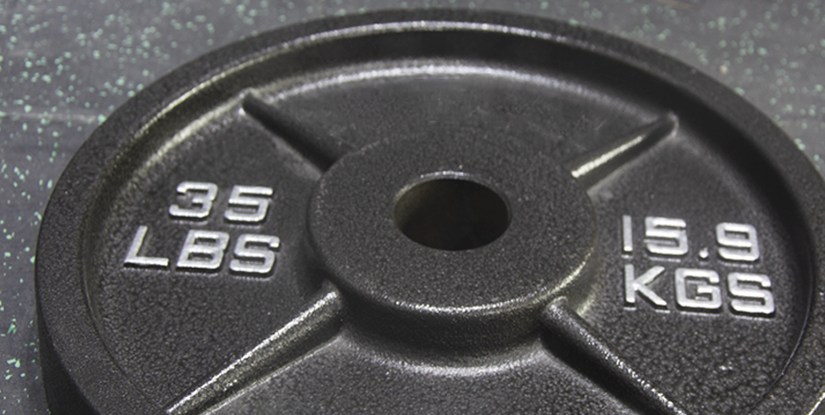
The customization scope offered by a professional commercial gym plate manufacturer typically encompasses several layers of product development. This includes the selection of base materials, the precision of the machined steel weight plates, and the final surface treatment. By working directly with a China factory, distributors can implement custom logo/embossing techniques—such as CNC-machined lettering or high-relief casting—ensuring that every unit reinforces their brand presence in the commercial fitness market. This level of control is essential for maintaining high distributor margin while providing a premium, branded experience to end-users.
Successful sourcing of customized steel plates requires a clear understanding of how technical variables impact the final landed cost and product longevity. Whether you are requesting a specific powder coating color or a unique center-bore diameter for specialized barbell compatibility, the factory must align its production capabilities with your brand's quality expectations. This partnership allows for a scalable approach to product launches, moving from small-batch specialized runs to high-volume wholesale distribution without compromising the precision required for calibrated steel equipment.
For international distributors and large-scale gym equipment importers, the ability to differentiate a product line through calibrated steel plate OEM ODM services is a critical driver of market positioning. Standardized wholesale products often lack the distinctiveness required to capture premium segments; however, leveraging OEM and ODM capabilities allows you to integrate your own brand identity into high-performance hardware. This strategic customization extends beyond simple aesthetics to include technical specifications that meet specific regional or professional standards.
The customization scope offered by a professional commercial gym plate manufacturer typically encompasses several layers of product development. This includes the selection of base materials, the precision of the machined steel weight plates, and the final surface treatment. By working directly with a China factory, distributors can implement custom logo/embossing techniques—such as CNC-machined lettering or high-relief casting—ensuring that every unit reinforces their brand presence in the commercial fitness market. This level of control is essential for maintaining high distributor margin while providing a premium, branded experience to end-users.
Successful sourcing of customized steel plates requires a clear understanding of how technical variables impact the final landed cost and product longevity. Whether you are requesting a specific powder coating color or a unique center-bore diameter for specialized barbell compatibility, the factory must align its production capabilities with your brand's quality expectations. This partnership allows for a scalable approach to product launches, moving from small-batch specialized runs to high-volume wholesale distribution without compromising the precision required for calibrated steel plate OEM ODM production.
Comparison of Customization Tiers for Global Procurement
Navigating the complexities of custom manufacturing requires a clear understanding of how different service levels affect your MOQ, production timelines, and total landed cost. For distributors, choosing between standard wholesale and full customization is a balance between speed-to-market and brand differentiation. A professional commercial gym plate manufacturer will typically offer tiered options to accommodate both high-volume stock replenishment and specialized product launches.
The following table outlines the standard industry tiers for calibrated steel plate OEM ODM services. This comparison is designed to assist procurement managers in evaluating the technical and logistical trade-offs between rapid sourcing and high-specification custom development.
| Customization Level | Scope of Work | Typical MOQ | Lead Time | Primary QC Focus |
|---|---|---|---|---|
| Standard Wholesale | Existing factory designs, standard colors, and weight increments. | Low to Medium | Short (Ready-to-ship) | Standard weight tolerance and surface finish consistency. |
| OEM (Private Label) | Custom logo embossing, brand-specific colors, and standard material specs. | Medium to High | Standard Production Cycle | Logo clarity, coating adhesion, and brand identity alignment. |
| ODM (Full Custom) | Custom machined steel weight plates, unique diameters, and specialized alloy selection. | High | Extended (Includes R&D) | Precision concentricity, micron-level thickness, and material purity. |
When planning your next sourcing cycle, consider that ODM projects often require a longer lead time due to the initial engineering and tool-making phases. While this may increase initial wholesale investment, the resulting product offers a much higher barrier to entry for competitors and stronger long-term value for your distribution network. We recommend contacting your supplier early to confirm technical feasibility and secure production slots for your specific OEM requirements.
Logistics and Export Packaging for Bulk Shipments
For international distributors and gym equipment importers, the final stage of the procurement process is as critical as the initial manufacturing phase. When managing calibrated steel plate OEM ODM orders, the complexity of moving high-density steel across oceans requires more than just standard shipping. Without specialized logistics planning, the heavy weight and sharp edges of professional plates can lead to damaged coatings or container instability, directly impacting your distributor margins and total landed cost.
A professional China factory must prioritize export packaging to mitigate these risks. For high-volume bulk shipments, standard cardboard is insufficient. We implement rigorous palletization protocols and utilize heavy-duty crates designed to withstand the rigors of sea freight. This level of preparation ensures that every unit of machined steel weight plates arrives at your facility with its surface finish and dimensional integrity intact.
Beyond simple protection, container optimization is a key factor in maintaining your competitive edge. By precisely calculating the volume and weight distribution of each crate, we maximize the usable space within a 20ft or 40ft container. This efficiency allows a commercial gym plate manufacturer to provide better value per unit, effectively reducing your shipping overhead and improving the overall ROI of your sourcing strategy.
For international distributors and gym equipment importers, the final stage of the procurement process is as critical as the initial manufacturing phase. When managing calibrated steel plate OEM ODM orders, the complexity of moving high-density steel across oceans requires more than just standard shipping. Without specialized logistics planning, the heavy weight and sharp edges of professional plates can lead to damaged coatings or container instability, directly impacting your distributor margins and total landed cost.
A professional China factory must prioritize export packaging to mitigate these risks. For high-volume bulk shipments, standard cardboard is insufficient. We implement rigorous palletization protocols and utilize heavy-duty crates designed to withstand the rigors of sea freight. This level of preparation ensures that every unit of machined steel weight plates arrives at your facility with its surface finish and dimensional integrity intact.
Beyond simple protection, container optimization is a key factor in maintaining your competitive edge. By precisely calculating the volume and weight distribution of each crate, we maximize the usable space within a 20ft or 40ft container. This efficiency allows a commercial gym plate manufacturer to provide better value per unit, effectively reducing your shipping overhead and improving the overall ROI of your sourcing strategy.
For international distributors and gym equipment importers, the final stage of the procurement process is as critical as the initial manufacturing phase. When managing calibrated steel plate OEM ODM orders, the complexity of moving high-density steel across oceans requires more than just standard shipping. Without specialized logistics planning, the heavy weight and sharp edges of professional plates can lead to damaged coatings or container instability, directly impacting your distributor margins and total landed cost.
A professional China factory must prioritize export packaging to mitigate these risks. For high-volume bulk shipments, standard cardboard is insufficient. We implement rigorous palletization protocols and utilize heavy-duty crates designed to withstand the rigors of sea freight. This level of preparation ensures that every unit of machined steel weight plates arrives at your facility with its surface finish and dimensional integrity intact.
Beyond simple protection, container optimization is a key factor in maintaining your competitive edge. By precisely calculating the volume and weight distribution of each crate, we maximize the usable space within a 20ft or 40ft container. This efficiency allows a commercial gym plate manufacturer to provide better value per unit, effectively reducing your shipping overhead and improving the overall ROI of your sourcing strategy.