Calibrated Steel Plate Wholesale Factory: Commercial
Strategic Sourcing from a Calibrated Steel Plate Wholesale Factory
A calibrated steel plate wholesale factory provides high-precision weight plates engineered for the rigorous demands of professional fitness facilities. For distributors and gym owners, sourcing from a specialized factory ensures that every unit meets strict weight tolerance standards, reducing long-term maintenance costs and improving equipment reliability.
In a professional commercial use scenario, the margin for error in weight accuracy is minimal. Whether you are outfitting a high-traffic strength training zone or a premium boutique studio, inconsistent plate weights can disrupt training flow and compromise user experience. This is why professional procurement teams prioritize commercial weight plate manufacturing processes that emphasize concentricity and dimensional stability. When managing high-volume procurement for large-scale gym rollouts, relying on a supplier that utilizes standardized calibration techniques is essential to ensure uniformity across entire sets.
The transition from standard iron plates to precision-engineered steel requires a calibrated steel plate wholesale factory capable of sophisticated machining. For importers, the goal is to secure a OEM steel plate supplier that understands the nuances of commercial-grade durability. This involves not just the casting of the base material, but the subsequent machining of the center bore and the application of high-grade finishes that withstand constant impact and environmental exposure in a high-density training environment.
Standardized Manufacturing and Quality Control Protocols
Achieving the precision required for professional strength training requires a multi-stage manufacturing sequence. A reliable calibrated steel plate wholesale factory begins with high-quality casting, typically utilizing gray iron or solid steel, to establish a stable foundation. Following the initial casting, the plates undergo precision CNC machining to ensure the center bore is perfectly concentric. This step is critical for preventing wobbling during high-speed barbell movements, a common failure mode in lower-tier equipment.
After the structural shaping, the plates proceed to surface finishing, where advanced powder coating or specialized plating is applied to prevent oxidation and enhance durability. The final, most critical stage for any OEM steel plate supplier is the weight calibration process. In this phase, plates are meticulously adjusted to meet strict weight tolerances before the final QC inspection. This rigorous quality control ensures that every unit in a bulk order is consistent, protecting the long-term ROI of the gym facility and reducing the likelihood of weight-discrepancy disputes during facility audits.
For distributors managing large-scale logistics, understanding these technical milestones is vital for assessing the true value of a calibrated steel plate wholesale factory. From the initial casting to the final pre-shipment QC, each step directly impacts the landed cost and the product's ability to withstand the heavy usage cycles typical of commercial gym environments. We recommend that procurement leads request detailed process documentation or sample approval to verify that the manufacturing standards align with their specific market requirements.
Commercial Grade Comparison for Procurement Decision-Making
Selecting the appropriate tier of equipment is a critical decision for procurement managers. Choosing a grade that is too low for high-traffic environments increases maintenance overhead, while over-specifying for low-impact studios can unnecessarily inflate your landed cost. To assist in your sourcing strategy, the following table outlines the typical material and process differences across standard commercial tiers found at a professional calibrated steel plate wholesale factory.
| Material Tier | Surface Finish | Manufacturing Process | Key QC Focus | Commercial Duty | MOQ Impact |
|---|---|---|---|---|---|
| Gray Iron / Cast Iron | Paint or Enamel | Sand Casting & Basic Machining | Surface Smoothness | Standard Commercial / Budget Gyms | Lower |
| Solid Steel | Powder Coating | Precision CNC Machining | Bore Concentricity | Premium Commercial / High-Traffic | Medium |
| Chrome-Manganese Steel | High-Grade Plating | Advanced Calibration & Polishing | Weight Tolerance & Dimensional Stability | Competition / Elite Training | Higher |
When evaluating a commercial weight plate manufacturing partner, we suggest analyzing how these specifications impact your long-term operational expenses. For example, while a powder-coated steel plate may require a higher initial investment, its resistance to oxidation and physical wear often results in a lower total cost of ownership in humid or high-use environments. If your business model relies on high-volume turnover, confirm with your OEM steel plate supplier whether specialized finishes or custom branding options are available for your specific MOQ to maintain a competitive edge in your local market.
Material Composition and Manufacturing Standards for Commercial Plates
Selecting a reliable calibrated steel plate wholesale factory is a critical decision for distributors and gym procurement leads aiming to minimize long-term maintenance costs. In professional settings, the structural integrity of weight plates depends entirely on the quality of the raw metal and the precision of the manufacturing sequence. When sourcing in bulk, understanding the distinction between basic casting and precision machining is essential for ensuring consistent weight distribution and industrial durability across your entire inventory.
A professional commercial weight plate manufacturing process begins with high-grade steel or high-density gray iron. Unlike lower-tier production, premium commercial weight plate manufacturing focuses on minimizing concentricity errors through advanced machining. This ensures that the weight remains balanced during high-frequency use in commercial environments, reducing the risk of uneven wear on barbell sleeves and increasing the overall lifespan of the equipment. For large-scale sourcing, selecting a factory that utilizes standardized calibration steps is the best way to guarantee professional-grade performance.
Technical Comparison of Plate Material Tiers
| Material Type | Primary Process | Typical Finish | Commercial Duty Tier | Durability Profile |
|---|---|---|---|---|
| Cast Iron | Sand Casting | Powder Coating | Standard Commercial | High impact resistance; common for high-volume gyms |
| Solid Steel | Machining & Polishing | Chrome or Enamel | Premium/Competition | Extreme precision; optimized for high-end studio use |
| Steel Core with PU | Injection Molding | Polyurethane Coating | Elite/High-End | Maximum floor protection and noise reduction |
When evaluating an OEM steel plate supplier, buyers should inspect the consistency of the coating adhesion and the smoothness of the inner ring. A reputable OEM steel plate supplier will provide units where the weight tolerance is managed through controlled precision machining rather than just material thickness adjustments. This level of technical oversight is what differentiates a standard wholesale product from a high-performance commercial asset, directly impacting the total cost of ownership for the end-user.
Critical Surface Treatments and Engineering Specifications
The longevity of a commercial inventory is often determined by the quality of the final surface finishing. For distributors managing high-volume orders, the choice between a standard paint finish and high-grade powder coating can significantly impact the maintenance-to-profit ratio. While basic coatings may suffice for low-impact environments, professional-grade powder coating offers a more durable, impact-resistant layer that prevents oxidation and chipping under heavy use. This is a vital consideration for any calibrated steel plate wholesale factory serving regions with high humidity or intensive training cycles.
Beyond surface aesthetics, the structural precision of the plate depends on the manufacturing route. High-tier production involves a sequence of sand casting followed by rigorous CNC machining to ensure the center hole remains perfectly concentric. This technical step is non-negotiable for preventing barbell wobble and uneven wear. When coordinating a large-scale sourcing project, we recommend that procurement leads verify that the CNC machining process is utilized for the inner diameter to ensure a tight, secure fit on Olympic sleeves. This attention to engineering detail reduces the frequency of replacement requests and enhances your reputation as a provider of high-standard commercial equipment.
Rigorous QC and Pre-Shipment Inspection Protocols
For international distributors, the highest risk in bulk procurement is receiving a shipment that fails to meet strict commercial weight tolerances or exhibits structural defects. A professional calibrated steel plate wholesale factory mitigates this risk through a multi-stage quality control sequence. Before any container is sealed, the factory must execute a standardized pre-shipment inspection that covers more than just visual aesthetics. This includes rigorous weight calibration to ensure each unit falls within acceptable commercial deviation limits, as well as a concentricity check to confirm the center hole is perfectly aligned for seamless barbell integration.
Reliable commercial weight plate manufacturing also requires strict oversight of the final assembly and packaging stages. To prevent transit damage and ensure a low landed cost by reducing replacement rates, we implement specialized export packaging protocols. This involves heavy-duty, reinforced boxing and secure palletization designed to withstand long-distance maritime logistics. For any OEM steel plate supplier, ensuring logistics safety through robust crating is as essential as the metal casting itself. We encourage buyers to request a detailed inspection report or a sample approval session to verify these technical standards before finalizing any large-scale wholesale order.
Precision Machining and Weight Calibration Processes
In high-volume commercial gym procurement, the difference between a professional facility and a budget setup lies in the technical consistency of the equipment. For distributors and gym owners, sourcing from a reliable calibrated steel plate wholesale factory ensures that every unit in a bulk order meets strict weight standards. Without standardized precision machining, uneven weight distribution can lead to imbalanced loading, which increases wear on bars and creates safety risks for end-users.
A professional commercial weight plate manufacturing workflow begins with high-grade casting, followed by rigorous machining to ensure concentricity. A reputable China factory utilizes specialized CNC processes to refine the inner ring and outer diameter, ensuring the plates sit perfectly flush on Olympic bars. This level of detail is essential for maintaining the long-term durability of barbell sets and reducing maintenance frequency for facility managers.
As an experienced OEM steel plate supplier, we focus on the technical calibration of each batch to minimize weight variance. This process involves fine-tuning the material density and surface thickness, ensuring that the final product aligns with the expectations of professional strength training environments. By prioritizing these engineering standards, our factory provides a reliable solution for large-scale wholesale orders where consistency is a non-negotiable requirement for successful sourcing.
Technical Specifications for Weight Accuracy and Concentricity
Precision in the final stages of production is what separates professional-grade equipment from standard cast iron. During the commercial weight plate manufacturing cycle, the transition from a raw casting to a finished product requires a series of controlled mechanical steps. A high-standard calibrated steel plate wholesale factory must implement a multi-stage process that includes CNC machining and weight calibration to ensure the product meets the functional requirements of heavy-duty strength training.
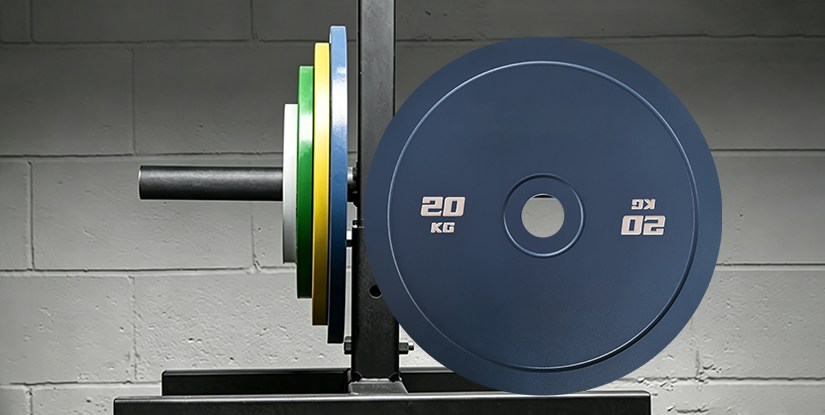
The machining stage is critical for achieving proper concentricity. After the initial casting, the plate undergoes CNC machining to refine the center bore and the outer circumference. This step ensures the plate remains perfectly centered during high-repetition use, preventing the "wobble" effect that can damage expensive barbell sleeves. Following machining, the weight calibration process is executed, where the density of the metal and the thickness of the coating are adjusted to meet the target weight. This ensures that the variance between units remains within industry-standard thresholds, providing the reliability that professional distributors and gym operators demand for their inventory.
For procurement professionals, understanding these technical tiers helps in evaluating the long-term value and TCO (Total Cost of Ownership) of a bulk order. The following table outlines the typical differences in manufacturing approaches used in the industry.
| Material Tier | Primary Process | Key Component/Detail | Commercial Duty | MOQ Impact | Factory QC Point |
|---|---|---|---|---|---|
| Standard Cast Iron | Sand Casting & Paint | Basic Rubber Rim | Budget/Entry-Level | Lower | Surface Smoothness |
| Premium Steel/Iron | CNC Machining & Powder Coating | Precision Center Bore | Professional/Commercial | Medium | Concentricity & Weight Variance |
| Competition Grade | High-Precision Machining & PU Coating | Advanced Inner Ring/Hub | Elite/High-Performance | Higher | Full Weight Calibration & Flatness |
When managing large-scale sourcing projects, it is highly recommended to request a sample evaluation or a detailed specification sheet from your supplier. For clients requiring specialized branding or specific weight tolerances, our OEM and ODM capabilities allow for customized production runs. We suggest confirming the specific MOQ and lead times for precision-machined batches during the initial inquiry to ensure your project timelines and landed costs remain optimized.
Optimizing Procurement via OEM and Private Label Solutions
For global distributors and large-scale gym equipment importers, the ability to differentiate a product line is essential for long-term market positioning. Partnering with a professional calibrated steel plate wholesale factory allows you to move beyond generic commodity trading and toward building a recognizable brand. By leveraging OEM capabilities, you can transition from selling unbranded bulk goods to offering high-value, branded weight solutions that command higher retail prices and strengthen customer loyalty.
The strategic shift toward private label manufacturing is a primary driver for increasing distributor margin in the commercial fitness sector. Instead of competing solely on price against generic imports, you can implement customization options—such as unique color schemes, specialized textures, or proprietary logo embossing—to establish a distinct brand identity. While standard stock orders offer speed, a dedicated supplier specializing in commercial weight plate manufacturing provides the technical infrastructure to execute these branding requirements at scale. Typically, these customized production runs are subject to a specific MOQ to ensure cost-effectiveness and manufacturing stability, but the resulting equity in your own brand name often justifies the initial volume commitment.
Comparing Wholesale Stock vs. Customized OEM Solutions
Decision-makers must balance the immediate need for inventory against the long-term value of brand differentiation. Choosing between standard wholesale procurement and a full OEM steel plate supplier model depends on your current market scale and your commitment to long-term distributor growth. While standard stock allows for faster turnover, deep customization provides the competitive edge required for premium tier-one markets.
| Procurement Model | Primary Focus | Customization Depth | Lead Time Impact | Ideal For |
|---|---|---|---|---|
| Standard Wholesale | Speed and Inventory Turnover | Minimal (Standard Colors/Sizes) | Short (Standard Production Cycles) | Small Studios / Rapid Restock |
| OEM / Private Label | Brand Identity and Market Edge | High (Colors, Logos, Material Finishes) | Longer (Custom Tooling/Calibration) | Distributors / Large Gym Chains |
When evaluating your next batch, consider that a calibrated steel plate wholesale factory can offer tiered solutions to suit different business stages. For rapid deployment, ordering from standard stock reduces the risk of high landed cost volatility. However, for those looking to scale a professional equipment line, investing in customized commercial weight plate manufacturing allows for precise control over the product's visual and technical specifications. We recommend contacting your supplier to confirm the specific MOQ for custom branding projects and to request a detailed timeline for production and export packaging.
Technical Customization and Supply Chain Management
Effective procurement requires more than just selecting a product; it requires understanding the technical variables that impact your final landed cost and brand reputation. A professional calibrated steel plate wholesale factory provides specific customization avenues that go beyond simple aesthetics. For instance, professional buyers can specify high-precision logo embossing directly into the mold or select advanced color coating options, such as high-durability powder coating or specialized urethane finishes, to match a specific brand identity. Furthermore, certain high-end commercial projects may require custom weight increments to fill specific gaps in a professional training set, a capability that only a specialized OEM steel plate supplier can reliably execute at scale.
Managing a global supply chain also necessitates a clear understanding of the production cycle and logistical requirements. When ordering customized units, the standard production cycle is typically longer than stock orders due to the additional steps of specialized machining, custom coating application, and specific calibration. Importers should factor these extended lead times into their seasonal inventory planning to avoid stockouts. Additionally, ensuring robust export packaging is a critical step in the pre-shipment QC process; professional factories utilize reinforced crates or heavy-duty pallets to protect the integrity of the weight plates and the precision of the surface finish during long-distance sea freight. To optimize your sourcing strategy, we recommend requesting a detailed production schedule and confirming the specific MOQ for any custom technical specifications during your initial inquiry.
Factory Quality Control and Export Packaging Protocols
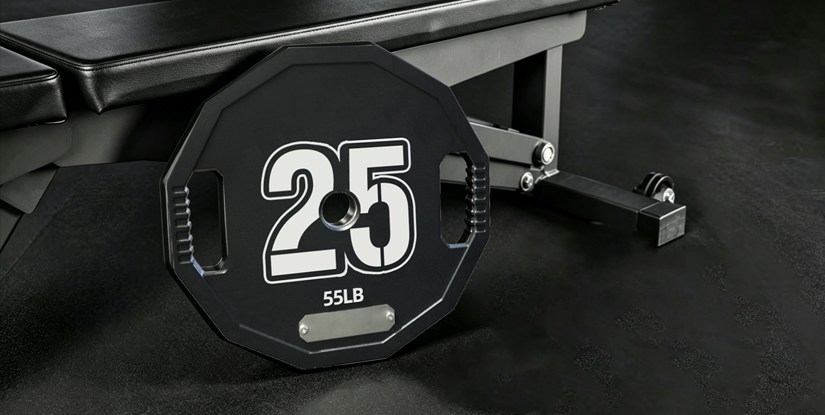
Maintaining high margins for distributors requires strict oversight of the production chain. A professional calibrated steel plate wholesale factory must implement rigorous standards to ensure that every unit meets commercial-grade expectations before leaving the China factory. Without standardized protocols, importers face high landed costs due to weight discrepancies or transit damage.
In commercial weight plate manufacturing, the margin for error is slim. Discrepancies in weight tolerance can lead to significant financial losses for gym operators and distributors who rely on precision. Therefore, a reliable OEM steel plate supplier integrates a multi-stage pre-shipment inspection to verify both the mass accuracy and the concentricity of the plates. This process typically involves weight-spot-checking and visual audits of the coating adhesion to ensure long-term durability in high-traffic environments.
Beyond production, logistics efficiency is determined by the quality of the export packaging. To ensure effective damage prevention during long-haul sea freight, heavy steel components must be secured in reinforced crates or specialized pallets. High-tier wholesale orders often require customized palletization or container loading optimization to reduce the volumetric footprint and protect the structural integrity of the steel plates during transit.
To maintain a competitive edge in the global market, a professional calibrated steel plate wholesale factory must prioritize both product precision and logistical reliability. During the final stages of commercial weight plate manufacturing, every batch undergoes a systematic verification process. This includes a comprehensive weight calibration check to ensure mass consistency and a rigorous inspection of surface coating adhesion to prevent chipping or oxidation during high-frequency commercial use.
For high-volume importers, the total landed cost is heavily influenced by shipping density and product safety. A leading OEM steel plate supplier utilizes advanced heavy-duty palletizing techniques to secure heavy loads, preventing shifts in transit. Furthermore, professional teams implement container loading optimization to maximize every cubic meter of space, ensuring that your wholesale shipment achieves the highest possible volume-to-weight efficiency. We recommend that buyers confirm their specific MOQ and lead time requirements during the initial consultation to align production schedules with seasonal demand and international shipping windows.
Standardized Packaging and Inspection Tiers for Procurement
Effective inventory management for distributors depends on the quality of the incoming shipment. Choosing the correct packaging tier allows you to balance shipping costs against the risk of transit-related damage. A professional calibrated steel plate wholesale factory provides several standardized options to suit different logistics requirements and budget constraints.
The following table outlines the typical packaging and quality control configurations used during commercial weight plate manufacturing to assist in your procurement planning:
| Packaging Type | QC Focus | Protection Level | Suitability for Bulk Sourcing |
|---|---|---|---|
| Standard Export Carton | Weight accuracy and surface finish | Basic protection for short-haul or air freight | Small to medium wholesale orders |
| Reinforced Industrial Box | Coating adhesion and edge integrity | High protection for sea freight and stacking | Standard MOQ requirements |
| Customized Wooden Crate | Structural stability and heavy-load security | Maximum protection for long-distance ocean transit | Large-scale OEM and distributor shipments |
| Optimized Palletized Unit | Pallet stability and container density | High-volume protection and rapid unloading | High-volume sourcing and warehouse restocking |
When evaluating a supplier, we recommend requesting a detailed specification sheet for your chosen packaging tier. This ensures that the protection level aligns with your specific logistics provider's handling capabilities and helps you accurately calculate the final landed cost for your distribution network. Please contact us to confirm current MOQ levels and to discuss customized packaging options for your next bulk order.
Evaluating Total Cost of Ownership and Logistics Efficiency
For professional importers and gym equipment distributors, the true value of a shipment is not defined by the initial invoice price, but by the long-term landed cost and durability of the inventory. When sourcing from a calibrated steel plate wholesale factory, procurement professionals must weigh the immediate savings against the potential for high replacement frequency due to poor manufacturing standards. A low-quality supplier might offer a lower unit price, but if the plates suffer from warping or uneven weight distribution, the resulting operational costs and client dissatisfaction will quickly erode your profit margins.
Optimizing your procurement strategy requires a deep understanding of commercial weight plate manufacturing. High-grade commercial weight plate manufacturing ensures that each unit maintains its concentricity and structural integrity under heavy use, which directly impacts the longevity of your stock. By partnering with a professional OEM steel plate supplier, you mitigate the risks of frequent returns and logistical overhead, ensuring that your investment provides a stable, high-margin return over the product lifecycle.
Sourcing Models and TCO Comparison
To maximize distributor margins, it is essential to distinguish between the various ways to acquire inventory. Choosing a direct calibrated steel plate wholesale factory over a traditional trading company can significantly alter your total cost of ownership. While a trading company might offer lower MOQ requirements and simplified communication, a factory-direct model provides superior control over the lead time and material specifications, which are critical for maintaining high-end brand standards.
The following table compares the typical procurement experiences between direct manufacturing and third-party sourcing to assist in your sourcing decision.
| Sourcing Model | Primary Advantage | Typical MOQ | Lead Time Impact | Quality Control Control | Logistics Efficiency |
|---|---|---|---|---|---|
| Direct factory | Higher profit margins | Higher | Optimized for bulk | Direct oversight | Direct container loading |
| Trading Company | Low entry barrier | Lower | Subject to middleman | Indirect/Limited | Consolidated shipping |
| OEM Partner | Custom branding | Variable | Planned production | Strict specification adherence | Full export support |
When evaluating your next batch, consider that the most efficient sourcing route involves a supplier capable of handling both OEM requests and complex export packaging. A calibrated steel plate wholesale factory that manages its own pre-shipment inspection and container loading processes reduces the risk of transit damage and ensures that your landed cost remains predictable. We recommend requesting a detailed spec sheet and confirming the MOQ for custom branding to ensure the partnership aligns with your long-term inventory goals.
Optimizing Export Logistics and Quality Assurance
Efficient procurement is not just about the product, but about the reliability of the supply chain. A professional calibrated steel plate wholesale factory must implement rigorous pre-shipment protocols to prevent the hidden costs of transit damage or weight discrepancies. For high-volume distributors, even minor inconsistencies in weight tolerance or surface finish can lead to costly returns and damaged reputations. Therefore, choosing a China factory that prioritizes standardized export packaging is a strategic move to protect your margins.
To ensure high-tier quality, a leading OEM steel plate supplier typically employs a multi-stage QC process. This begins with the raw material inspection, followed by precision machining to ensure concentricity, and ends with a thorough check of the coating adhesion and surface flatness. During the pre-shipment phase, professional manufacturers perform spot checks on weight accuracy to ensure compliance with commercial standards. Furthermore, optimizing export packaging—such as using reinforced palletizing and moisture-resistant wrapping—is essential for maintaining product integrity during long-haul ocean freight. By focusing on these technical details, a factory helps you achieve a lower landed cost through reduced breakage and more efficient container loading density.
Before finalizing your next bulk order, we suggest requesting a sample approval process and a detailed factory audit report. Confirming the specific MOQ for your custom branding requirements and reviewing the logistics optimization plan will ensure a seamless transition from production to your local warehouse.