Calibrated Weight Plate OEM ODM: OEM Contract Manufacturing
Strategic Advantages of Calibrated Weight Plate OEM ODM Solutions
For large-scale fitness franchises and international distributors, the difference between a standard product line and a proprietary collection lies in the ability to control both quality and brand perception. When sourcing high-volume inventory, utilizing calibrated weight plate OEM ODM services allows a business to transition from a mere reseller to a specialized brand owner. By working directly with a China factory, importers can move beyond generic stock items and instead offer precision-engineered equipment that meets specific regional market demands and high-end commercial standards.
The primary driver for professional buyers is the optimization of the distributor margin. Relying on third-party wholesalers often results in high landed cost due to multiple middleman markups and lack of control over customization. Through private label manufacturing, a distributor can secure a more competitive wholesale price point by eliminating unnecessary layers in the supply chain. This direct-to-source sourcing strategy ensures that the budget is allocated toward material integrity and precision rather than distributor overhead.
Beyond cost, branding provides a critical competitive edge in crowded markets. A commercial weight plate manufacturer can implement custom embossed logos, specific color-coded weight markings, or unique surface finishes that align with a client's brand identity. This level of differentiation transforms a commodity product into a premium asset, allowing distributors to command higher price points while maintaining a consistent MOQ that fits their specific growth stage. Whether you are scaling a boutique studio chain or supplying a national gym network, the ability to customize the product profile is essential for long-term market positioning.
Comparing Sourcing Models for Global Distributors
Understanding the economic impact of your supply chain is critical when evaluating a calibrated weight plate OEM ODM partnership. For many procurement professionals, the decision to move from a trading company to a direct factory is driven by the need to stabilize the landed cost and secure higher profit margins. While traders offer convenience, they often introduce variables in quality control and lead time that can disrupt a distributor's seasonal inventory planning.
A precision weight plate wholesale strategy focused on direct-to-manufacturer relations provides a transparent view of the production stages. This transparency is vital when verifying the calibration process or the quality of the powder coating. By managing the sourcing process directly with a China factory, you gain the ability to implement specific customization requests—such as unique color-coding for weight identification or specific steel hub dimensions—without the markup typical of secondary wholesalers.
| Sourcing Model | Primary Material Focus | Customization Capability | Typical Lead Time | Quality Control Control | Economic Advantage |
|---|---|---|---|---|---|
| Third-Party Trader | Standard Cast Iron | Limited to existing stock | Variable/Unpredictable | Indirect/Surface level | Low volume convenience |
| factory-direct | Premium Steel or Cast Iron | Full OEM/ODM support | Stable/Planned | Direct/Pre-shipment inspection | Optimized distributor margin |
To ensure the highest level of efficiency, we recommend that buyers initiate a sample approval process and a formal factory audit before finalizing large-scale bulk orders. Confirming the MOQ and establishing clear export packaging standards will further protect your investment during long-distance transit. Contact us today to request a detailed specification sheet or to discuss your private label requirements.
Optimizing Logistics and Inventory Through Specialized Production
Efficiency in the global supply chain extends far beyond the weight of the iron itself; it involves the strategic management of container space and the reliability of the arrival schedule. For distributors managing large-scale wholesale accounts, the logistical precision of a calibrated weight plate OEM ODM partner can significantly impact the final landed cost. A professional China factory understands that every cubic centimeter of a shipping container must be optimized to ensure that the volume of product delivered matches the economic projections of the importer.
Standardized export packaging is a non-negotiable requirement for preventing transit damage and ensuring smooth warehouse integration. High-quality calibrated weight plate OEM ODM solutions typically utilize reinforced, heavy-duty corrugated boxes or specialized wooden crates designed to withstand the rigors of ocean freight. This attention to detail reduces the risk of surface abrasions or structural deformation, which is a common failure mode in lower-tier sourcing scenarios. By implementing rigorous QC protocols—including weight tolerance spot-checks and coating adhesion tests—before the goods leave the floor, a supplier can minimize the costly overhead of returns and replacements.
Effective inventory management is also supported by the ability to coordinate lead time with seasonal demand spikes. Whether you are preparing for a major fitness expo or restocking a regional distribution center, working with a dedicated commercial weight plate manufacturer allows for more predictable production cycles. By establishing a clear MOQ and a structured pre-shipment inspection schedule, distributors can maintain a lean but responsive stock level, ensuring that their brand remains a reliable provider in the professional commercial market.
Optimizing Facility Footprint with Precision Weight Plate Wholesale
Effective facility management requires more than just floor space; it requires high-density, high-precision equipment that maximizes every square meter. For gym owners and distributors, sourcing through a calibrated weight plate OEM ODM partner ensures that your inventory remains organized and professional. When procurement leads select high-tier precision weight plate wholesale options, they are investing in equipment that maintains consistent dimensions, allowing for more efficient stacking and streamlined storage layouts.
Standardized thickness and diameter are critical for space optimization in high-traffic commercial environments. Low-quality plates often suffer from inconsistent casting or uneven coating, which can lead to wobbling in storage racks and wasted vertical space. By working directly with a commercial weight plate manufacturer, you can specify tolerances that ensure your plates fit perfectly into commercial-grade storage trees and weight trees, reducing the total footprint of your strength training zones.
From a B2B sourcing perspective, the ability to standardize plate dimensions through OEM or ODM processes directly impacts your long-term operational efficiency. A consistent product profile allows for predictable warehouse management and easier inventory rotation. When placing bulk orders, professional buyers prioritize these technical specifications to ensure that the landed cost includes not just the product, but the long-term value of a highly organized, professional-looking facility.
Strategic Selection for Space and Durability
Choosing the correct material profile is a critical decision for distributors and facility planners. The physical dimensions and surface finish of each plate type directly influence how effectively they can be stored and how much maintenance your staff will perform. For instance, while cast iron provides a standard profile, the addition of specialized coatings or molding can alter the storage footprint and the long-term durability of the equipment in high-volume environments.
The following comparison illustrates how different manufacturing paths impact your procurement strategy and facility layout. When evaluating a calibrated weight plate OEM ODM solution, consider how the material and coating choices align with your specific commercial utility and storage constraints.
| Material | Coating/Finish | Manufacturing Process | Commercial Utility | Storage Footprint | QC Point for Importers |
|---|---|---|---|---|---|
| Cast Iron | Powder Coating | Sand Casting & Machining | High-traffic strength zones | Standard/Compact | Coating adhesion & thickness |
| Solid Steel | Chrome or Enamel | Precision Machining | Premium/Competition settings | Minimal/Uniform | Concentricity & bore precision |
| Rubber/PU | Molded/Vulcanized | Steel Hub & Injection | High-impact/Bumper usage | Larger/Variable | Edge thickness & surface smoothness |
For buyers looking to optimize their landed cost and warehouse efficiency, understanding these trade-offs is essential. A commercial weight plate manufacturer can often adjust the manufacturing sequence—such as adding a specialized powder coating line or a specific CNC machining step—to meet your exact branding and storage requirements. Whether you require a high-density storage solution or a high-impact bumper profile, coordinating directly with a factory allows for tighter control over the final product dimensions and the total volume of your shipping containers.
When finalizing your precision weight plate wholesale order, we recommend requesting a technical spec sheet or a sample for physical evaluation. This ensures that the weight tolerance, coating texture, and overall thickness align with your facility's storage systems and brand standards before the full-scale production run begins.
Effective facility management requires more than just floor space; it requires high-density, high-precision equipment that maximizes every square meter. For gym owners and distributors, sourcing through a calibrated weight plate OEM ODM partner ensures that your inventory remains organized and professional. When procurement leads select high-tier precision weight plate wholesale options, they are investing in equipment that maintains consistent dimensions, allowing for more efficient stacking and streamlined storage layouts.
Standardized thickness and diameter are critical for space optimization in high-traffic commercial environments. Low-quality plates often suffer from inconsistent casting or uneven coating, which can lead to wobbling in storage racks and wasted vertical space. By working directly with a commercial weight plate manufacturer, you can specify tolerances that ensure your plates fit perfectly into commercial-grade storage trees and weight trees, reducing the total footprint of your strength training zones.
From a B2B sourcing perspective, the ability to standardize plate dimensions through OEM or ODM processes directly impacts your long-term operational efficiency. A consistent product profile allows for predictable warehouse management and easier inventory rotation. When placing bulk orders, professional buyers prioritize these technical specifications to ensure that the landed cost includes not just the product, but the long-term value of a highly organized, professional-looking facility.
Material Selection and Manufacturing Processes for Commercial Plates
Selecting the right substrate is the first step in a successful calibrated weight plate OEM ODM procurement strategy. For distributors and gym operators, the choice between gray iron and steel affects not only the initial landed cost but also the long-term maintenance load of the facility. A professional commercial weight plate manufacturer must balance material density with surface durability to ensure high turnover efficiency in high-traffic environments.
In many commercial settings, the manufacturing sequence follows a strict path: sand casting for the base shape, followed by precision machining of the inner ring to ensure a perfect fit on Olympic bars, and finally, a specialized surface treatment. This rigorous precision weight plate wholesale workflow prevents common failure modes such as uneven weight distribution or premature surface oxidation, which can damage a distributor's reputation.
| Material Type | Primary Process | Surface Finish | Commercial Duty Tier | Procurement Focus |
|---|---|---|---|---|
| Cast Iron | Sand Casting | Powder Coating | Standard Commercial | High Volume / Low TCO |
| Solid Steel | Machining | Chrome or Enamel | Premium / Competition | Precision & Longevity |
| Steel Hub/Iron Core | Molding/Vulcanization | Rubber or PU Coating | High-End Studio | Floor Protection & Noise |
When evaluating a commercial weight plate manufacturer, buyers should inspect the quality of the powder coating adhesion and the precision of the center bore. A high-quality calibrated weight plate OEM ODM solution will typically feature a seamless transition between the cast body and the machined inner ring, ensuring the plate remains concentric during high-intensity use. For those managing large-scale wholesale distributions, verifying these technical specifications during the sample approval stage is essential to minimize after-sales replacement costs.
The technical integrity of a weight plate is defined by the sequence of its production. A standard calibrated weight plate OEM ODM workflow begins with sand casting to establish the core mass, followed by CNC machining to refine the center bore. This precision machining is critical; it ensures the plate maintains concentricity and fits perfectly on standard Olympic bars without wobbling. For importers, understanding these technical tiers helps in managing the total cost of ownership and long-term maintenance load.
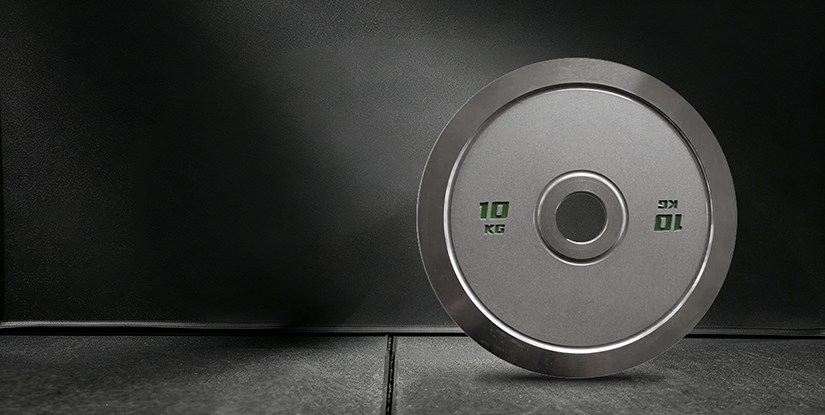
During the precision weight plate wholesale sourcing process, buyers should pay close attention to the surface finishing stage. Whether a product utilizes a standard powder coating for durability or a more complex rubber/PU molding process, the quality of the bond between the substrate and the coating determines how well the equipment withstands heavy commercial use. High-quality surface treatments prevent chipping and oxidation, which are common issues in lower-tier production environments.
When conducting a factory audit or reviewing technical specs, it is recommended to confirm the specific calibration steps taken before final packaging. A reliable commercial weight plate manufacturer will integrate a final weight check and a concentricity inspection into their pre-shipment QC. For large-scale wholesale orders, we suggest requesting a detailed specification sheet to confirm that the material thickness and center bore tolerances align with your brand's quality standards. To move forward with your project, please contact us to confirm the current MOQ and request a sample for evaluation.
The technical integrity of a weight plate is defined by the sequence of its production. A standard calibrated weight plate OEM ODM workflow begins with sand casting to establish the core mass, followed by CNC machining to refine the center bore. This precision machining is critical; it ensures the plate maintains concentricity and fits perfectly on standard Olympic bars without wobbling. For importers, understanding these technical tiers helps in managing the total cost of ownership and long-term maintenance load.
During the precision weight plate wholesale sourcing process, buyers should pay close attention to the surface finishing stage. Whether a product utilizes a standard powder coating for durability or a more complex rubber/PU molding process, the quality of the bond between the substrate and the coating determines how well the equipment withstands heavy commercial use. High-quality surface treatments prevent chipping and oxidation, which are common issues in lower-tier production environments.
When conducting a factory audit or reviewing technical specs, it is recommended to confirm the specific calibration steps taken before final packaging. A reliable commercial weight plate manufacturer will integrate a final weight check and a concentricity inspection into their pre-shipment QC. For large-scale wholesale orders, we suggest requesting a detailed specification sheet to confirm that the material thickness and center bore tolerances align with your brand's quality standards. To move forward with your project, please contact us to confirm the current MOQ and request a sample for evaluation.
Precision Engineering and Quality Control in China Factory Production
For distributors and professional gym developers, the technical integrity of weight sets directly impacts long-term operational costs and equipment longevity. High-quality calibrated weight plate OEM ODM solutions require more than just standard casting; they demand a rigorous manufacturing sequence to ensure every unit meets strict commercial-grade standards. When sourcing from a China factory, understanding the transition from raw casting to finished precision equipment is essential for managing landed costs and ensuring product reliability.
The production of high-end plates begins with high-grade gray iron or solid steel casting. To achieve the tight weight tolerance required for professional environments, the raw cast must undergo secondary CNC machining. This process refines the surface flatness and the concentricity of the center bore, preventing the wobbling or uneven loading often seen in budget-tier products. A professional commercial weight plate manufacturer integrates these steps to minimize the risk of uneven wear on barbell sleeves and flooring.
Technical Manufacturing and Calibration Workflow
A reliable precision weight plate wholesale workflow follows a structured path: initial sand casting, followed by precision machining of the striking surfaces, and finally, a specialized weight calibration phase. During calibration, the weight is adjusted to ensure the final product adheres to industry-standard tolerances. This meticulous approach reduces the frequency of replacement and maintains the high standards expected by premium fitness facilities.
| Material | Primary Process | Key Component/Detail | Commercial Duty | Factory QC Point |
|---|---|---|---|---|
| Cast Iron | Sand Casting | Center Bore Precision | Standard Commercial | Bore Concentricity |
| Steel | CNC Machining | Surface Flatness | Premium/Competition | Weight Tolerance |
| Steel with Coating | Powder Coating | Adhesion Layer | High-Traffic Studio | Coating Durability |
During the quality control process, technicians specifically inspect the coating adhesion and the smoothness of the knurled or embossed areas. For OEM and ODM projects, this stage also includes verifying that custom branding or logos are correctly integrated into the mold or surface finish. Verifying these technical details at the factory level prevents costly returns and ensures that the bulk shipment meets the exact specifications requested by the importer.
For distributors and professional gym developers, the technical integrity of weight sets directly impacts long-term operational costs and equipment longevity. High-quality calibrated weight plate OEM ODM solutions require more than just standard casting; they demand a rigorous manufacturing sequence to ensure every unit meets strict commercial-grade standards. When sourcing from a China factory, understanding the transition from raw casting to finished precision equipment is essential for managing landed costs and ensuring product reliability.
The production of high-end plates begins with high-grade cast iron or solid steel. To achieve the tight weight tolerance required for professional environments, the raw cast must undergo secondary CNC machining. This process refines the surface flatness and the concentricity of the center bore, preventing the wobbling or uneven loading often seen in budget-tier products. A professional commercial weight plate manufacturer integrates these steps to minimize the risk of uneven wear on barbell sleeves and flooring.
Custom Branding and OEM/ODM Capabilities for Global Distributors
For international distributors and gym equipment importers, the ability to scale a brand identity through calibrated weight plate OEM ODM services is a critical driver of market differentiation. Relying on generic stock products often limits a distributor's ability to command premium positioning in the professional fitness market. By leveraging a specialized China factory, buyers can transition from simple resale to building a recognized brand through private label manufacturing and sophisticated custom branding solutions.
The strategic value of OEM and ODM goes beyond mere aesthetics; it encompasses the ability to control the entire product specification to meet specific commercial gym requirements. Whether you need to adjust the center-bore dimensions for specific bar compatibility or modify the surface texture for better handling, a professional commercial weight plate manufacturer provides the technical infrastructure to execute these changes. This level of control allows distributors to optimize their distributor margin by offering high-spec, branded units that stand out against standard market offerings, while maintaining a competitive landed cost through direct sourcing.
Engaging in calibrated weight plate OEM ODM allows for precise control over the product's lifecycle, from the initial casting of the gray iron to the final application of the powder coating. This ensures that your wholesale orders arrive with consistent weight tolerances and a professional finish that aligns with your brand's quality promise. For large-scale procurement, establishing these manufacturing partnerships is the most effective way to secure a reliable supply chain for high-performance, precision-engineered equipment.
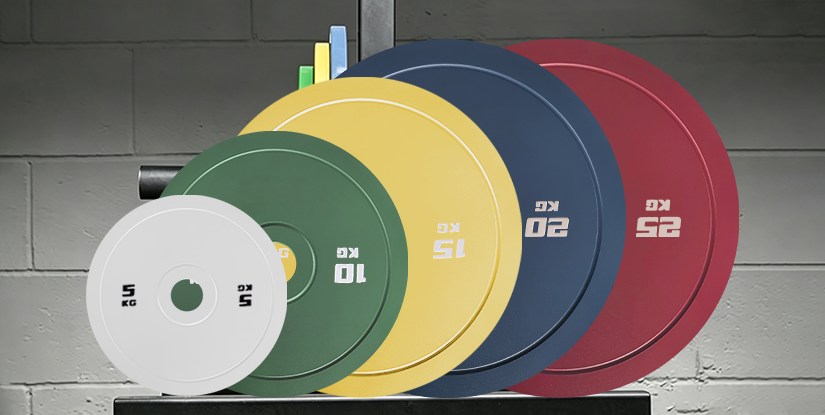
Technical Specification and Manufacturing Workflow
Achieving high-precision results in bulk production requires a standardized manufacturing sequence that prioritizes dimensional stability. A professional commercial weight plate manufacturer typically follows a rigorous production line starting with sand casting of the gray iron core. Once the casting is complete, the plates undergo CNC machining to ensure the center bore and outer diameter meet strict concentricity standards. This mechanical refinement is essential for precision weight plate wholesale buyers who demand consistent fitment on commercial barbell sleeves.
Following the machining stage, the plates enter the surface treatment phase. Depending on your OEM or ODM specifications, this involves a multi-step process including degreasing, phosphate treatment, and the application of high-durability powder coating. This sequence ensures maximum coating adhesion and prevents premature oxidation or chipping during heavy use. The final stage involves strict weight calibration and a comprehensive pre-shipment QC inspection. During this phase, technicians perform spot-checks on weight accuracy and surface finish integrity to ensure the batch meets the required commercial-grade tolerances before export packaging.
| Material Tier | Primary Process | Surface Finish | Commercial Duty | QC Focus Point |
|---|---|---|---|---|
| Cast Iron | Sand Casting | Powder Coating | Standard Commercial | Coating Adhesion |
| Machined Steel | CNC Machining | Chrome or Enamel | Premium/Competition | Weight Tolerance |
| Steel Hub/Iron Core | Molding/Vulcanization | Rubber or PU Coating | High-Impact/Bumper | Base Flatness |
For professional buyers, understanding these technical variables is essential when calculating the total cost of ownership and long-term maintenance. When managing a wholesale account, it is advisable to confirm the specific manufacturing route and the MOQ for custom finishes with your supplier. To ensure your brand standards are met, we recommend requesting a detailed specification sheet or a sample evaluation to verify the material density and coating quality before finalizing your bulk order and discussing the final lead time.
Logistics and Export Packaging Standards for Bulk Orders
For international distributors and gym equipment importers, the total landed cost of a shipment is heavily influenced by the efficiency of the calibrated weight plate OEM ODM logistics chain. When managing large-scale bulk orders, the primary risk is not just the product itself, but the physical integrity of the shipment during long-distance sea freight. A failure in export packaging can lead to surface oxidation, dented edges, or broken pallets, which directly erodes your profit margins and increases the frequency of customer returns.
To mitigate these risks, a professional commercial weight plate manufacturer must implement a rigorous packaging protocol designed for high-density metal loads. This involves more than just basic wrapping; it requires a strategic approach to container loading and palletization to ensure that every unit of your precision weight plate wholesale shipment arrives in factory-perfect condition. By optimizing the weight distribution within a 20ft or 40ft container, a factory can maximize volume efficiency while minimizing the vibration-related damage common in maritime transport.
Effective China factory logistics rely on multi-layered protection. This typically includes heavy-duty corrugated dividers, moisture-absorbent silica packets to prevent rust on bare iron surfaces, and reinforced wooden crates for high-end calibrated steel units. This level of preparation ensures that the calibrated weight plate OEM ODM solution you have sourced remains a high-value asset throughout its journey to your warehouse.
International Shipping and Packaging Configuration
Optimizing the logistics of high-density metal products requires a precise understanding of how weight and volume interact within a shipping container. For a professional commercial weight plate manufacturer, the goal is to provide a packaging solution that balances protection with volume density to lower the overall landed cost. Selecting the correct tier of packaging is a critical decision for any wholesale buyer looking to maintain high quality standards while managing shipping expenditures.
The following table outlines the standard packaging configurations used by our factory to ensure that precision weight plate wholesale orders are protected against the rigors of maritime transport and heavy handling at international ports.
| Packaging Type | Protection Level | Palletization Standard | Weight Capacity | Sea Freight Suitability |
|---|---|---|---|---|
| Standard Export Carton | Basic/Moderate | Standard Pallet | Medium | Suitable for shorter transit or air freight |
| Reinforced Heavy-Duty Box | High | Reinforced Pallet | High | Recommended for standard sea freight |
| Custom Wooden Crate | Premium/Maximum | Heavy-Duty Skid | Ultra-High | Best for high-value calibrated weight plate OEM ODM shipments |
When arranging your next calibrated weight plate OEM ODM procurement, we recommend consulting with your supplier to confirm the specific MOQ requirements for custom crating. High-density loading strategies, such as using specialized steel frames or reinforced skids, are essential for maintaining the concentricity and surface finish of the plates during long-haul ocean transit. We encourage all distributors to request a detailed packing list and a photo of the pre-shipment palletization to verify that the loading density meets your warehouse storage specifications and local handling equipment capabilities.
For international distributors and gym equipment importers, the total landed cost of a shipment is heavily influenced by the efficiency of the calibrated weight plate OEM ODM logistics chain. When managing large-scale bulk orders, the primary risk is not just the product itself, but the physical integrity of the shipment during long-distance sea freight. A failure in export packaging can lead to surface oxidation, dented edges, or broken pallets, which directly erodes your profit margins and increases the frequency of customer returns.
To mitigate these risks, a professional commercial weight plate manufacturer must implement a rigorous packaging protocol designed for high-density metal loads. This involves more than just basic wrapping; it requires a strategic approach to container loading and palletization to ensure that every unit of your precision weight plate wholesale shipment arrives in factory-perfect condition. By optimizing the weight distribution within a 20ft or 40ft container, a factory can maximize volume efficiency while minimizing the vibration-related damage common in maritime transport.
Effective China factory logistics rely on multi-layered protection. This typically includes heavy-duty corrugated dividers, moisture-absorbent silica packets to prevent rust on bare iron surfaces, and reinforced wooden crates for high-end calibrated steel units. This level of preparation ensures that the calibrated weight plate OEM ODM solution you have sourced remains a high-value asset throughout its journey to your warehouse.
Pre-Shipment Inspection and Container Loading Optimization
The final stage of the calibrated weight plate OEM ODM process is the pre-shipment QC and container loading phase. For high-precision orders, a standard weight check is insufficient; the supplier must verify that the weight tolerance remains consistent across the entire batch after final coating. This stage is vital for ensuring that the wholesale value of the shipment is preserved and that the precision of the plates is not compromised by improper handling or excessive stacking pressure during the loading process.
A professional commercial weight plate manufacturer conducts a final inspection focusing on three critical areas: surface finish integrity, weight accuracy, and packaging durability. This includes checking the adhesion of the powder coating and ensuring that moisture protection—such as VCI film or desiccant packs—is correctly applied to prevent oxidation during sea freight. These steps are essential to maintaining a low replacement rate and high distributor satisfaction.
The following table outlines the standard export packaging configurations used to ensure that precision weight plate wholesale orders are protected against the rigors of maritime transport and heavy handling at international ports.
| Packaging Type | Protection Level | Palletization Standard | Weight Capacity | Sea Freight Suitability |
|---|---|---|---|---|
| Standard Export Carton | Basic/Moderate | Standard Pallet | Medium | Suitable for shorter transit or air freight |
| Reinforced Heavy-Duty Box | High | Reinforced Pallet | High | Recommended for standard sea freight |
| Custom Wooden Crate | Premium/Maximum | Heavy-Duty Skid | Ultra-High | Best for high-value calibrated weight plate OEM ODM shipments |
When arranging your next calibrated weight plate OEM ODM procurement, we recommend consulting with your factory to confirm the specific MOQ requirements for custom crating. High-density loading strategies, such as using specialized steel frames or reinforced skids, are essential for maintaining the concentricity and surface finish of the plates during long-haul ocean transit. We encourage all distributors to request a detailed packing list and a photo of the pre-shipment palletization to verify that the loading density meets your warehouse storage specifications and local handling equipment capabilities.