Calibrated Weight Plate Sourcing: Material and Specs
The Strategic Importance of Calibrated Weight Plate Sourcing
For high-end boutique studios and international fitness distributors, the margin for error in equipment specifications is non-existent. When managing a large-scale facility rollout or a multi-location expansion, calibrated weight plate sourcing becomes a critical decision that impacts both brand reputation and operational overhead. Rely-on-standard plates often result in uneven weight distribution across a set, which can lead to client dissatisfaction and increased maintenance requests. By prioritizing commercial grade weight plates, procurement leads ensure that every lift meets the rigorous standards expected in premium environments, protecting the long-term value of the facility's assets.
The risks associated with low-quality procurement extend far beyond simple weight discrepancies. In high-volume B2B scenarios, sourcing from an unverified supplier can lead to significant high-volume procurement risks, such as inconsistent plate thickness, uneven surface finishes, or poor concentricity. These defects do more than just affect the training experience; they compromise equipment longevity and increase the total cost of ownership. If the plates are not manufactured with precision steel plate manufacturing techniques, the resulting wear on barbell sleeves and weight racks can accelerate mechanical failure, leading to higher replacement frequencies and diminished distributor margins.
To mitigate these risks, professional buyers must distinguish between basic casting and high-precision production. Standard cast iron plates are typically produced via sand casting, a process that is cost-effective for bulk orders but often results in wider weight variances. In contrast, precision steel plate manufacturing involves a more rigorous sequence of CNC machining and calibration to ensure dimensional accuracy. This technical distinction is vital when calculating landed costs for premium fitness centers, as the higher initial investment in calibrated units reduces long-term replacement expenses and maintenance labor.
Technical Comparison: Standard Casting vs. Precision Machining
Understanding the manufacturing route is essential for effective calibrated weight plate sourcing. While standard plates serve budget-friendly commercial settings, high-performance facilities require the consistency offered by precision-machined steel. Below is a comparison of the production tiers commonly found during wholesale procurement.
| Material Tier | Primary Process | Key Component/Feature | Commercial Duty | Procurement Impact |
|---|---|---|---|---|
| Cast Iron | Sand Casting | Standard Bore | Budget/General Gym | Lower MOQ/Cost |
| Machined Steel | CNC Machining | Precision Inner Ring | Premium/Performance | Higher Precision/Stability |
| Steel Hub Hybrid | Molding & Assembly | Encapsulated Core | High-Traffic/Boutique | Optimized Durability |
When conducting a factory audit or reviewing a spec sheet, importers should verify the calibration sequence. A professional China factory specializing in high-end exports will typically include a weight tolerance spot-check and a concentricity verification as part of their standard pre-shipment QC. For those managing large-scale distributor networks, ensuring these technical benchmarks are met is the most effective way to safeguard your brand identity and maintain high client retention rates.
When evaluating the long-term viability of a product line, professional buyers must look beyond the initial invoice to the total cost of ownership. In high-traffic environments, the choice of calibrated weight plate sourcing directly dictates the frequency of replacement cycles and the labor required for equipment upkeep. A failure to secure high-precision units often results in uneven wear on barbell sleeves and structural components, driving up maintenance costs and reducing the overall equipment lifespan. For distributors managing large inventories, investing in high-spec units minimizes the risk of costly returns and protects the profitability of each shipment.
Optimizing your procurement strategy requires a deep understanding of how manufacturing quality translates to commercial efficiency. Whether you are managing a single premium studio or a global distribution network, the ability to secure consistent, high-grade products through reliable wholesale channels is a competitive advantage. To ensure your facility or client base receives only the highest standards, we recommend requesting a detailed technical spec sheet, confirming the specific MOQ for your custom branding requirements, and scheduling a pre-shipment inspection to verify calibration accuracy before final container loading.
Material Selection and Manufacturing Standards for Commercial Grade Weight Plates
Effective calibrated weight plate sourcing requires a deep understanding of the structural transition from basic casting to high-precision machining. For distributors and large-scale gym operators, the choice between gray iron and machined steel is not merely about aesthetics, but about long-term durability and weight consistency. When managing bulk orders, understanding how material density and manufacturing routes affect your landed cost and replacement cycles is essential for maintaining healthy distributor margins.
In professional procurement, commercial grade weight plates must meet strict engineering standards to ensure safety and longevity under high-volume usage. While standard cast iron is common for general strength training, professional facilities often require the precision offered by precision steel plate manufacturing to ensure uniform thickness and concentricity. Choosing the right supplier depends on their ability to manage these specific material transitions at scale.
| Material Type | Primary Process | Key Component/Feature | Commercial Duty Tier | Sourcing Advantage |
|---|---|---|---|---|
| Gray Iron | Sand Casting | Raised edge/Raised logo | Budget / Standard | High volume/Low MOQ |
| Machined Steel | CNC Machining | Precision center bore | Premium / Competition | High durability/Low maintenance |
| Rubber Coated Steel | Molding/Vulcanization | Protective outer layer | High-End Commercial | Floor protection/Noise reduction |
When evaluating a China factory for your next shipment, it is critical to verify the calibration steps and the quality of the surface treatment. High-end calibrated weight plate sourcing involves more than just selecting a material; it requires auditing the factory's ability to maintain consistent tolerances across a full wholesale production run. We recommend requesting a detailed specification sheet and confirming the MOQ for specialized steel-based units to ensure your inventory meets the requirements of premium fitness clients.
Engineering Precision and Surface Treatment Standards
The distinction between standard weight plates and professional-grade equipment often lies in the final three stages of production: machining, coating, and calibration. For procurement officers, the surface finish is a critical factor in the total cost of ownership (TCO). While powder coating offers a durable, high-visibility finish for standard commercial gyms, polyurethane (PU) coatings or high-density rubber encapsulation provide superior floor protection and noise reduction in premium environments. Choosing between these options affects both the initial landed cost and the long-term maintenance load for your clients.
A reliable calibrated weight plate sourcing strategy must also account for the precision of the center bore. In high-end precision steel plate manufacturing, the plate undergoes CNC machining after the initial casting or forging to ensure the inner diameter is perfectly concentric. This prevents uneven weight distribution and reduces wear on barbell sleeves, a common failure mode in lower-quality equipment. When negotiating with an OEM partner, ask for documentation regarding their calibration process and how they manage weight tolerances across a large-scale wholesale batch.
To ensure your technical requirements are met, we suggest a three-step verification process during your next sourcing cycle: first, request a sample to test the coating adhesion and the smoothness of the machined edges; second, confirm the specific density of the rubber or PU used for bumper-style plates; and third, conduct a pre-shipment inspection that focuses on the concentricity of the bore and the uniformity of the weight markings. This rigorous approach minimizes the risk of receiving sub-standard units and protects your distributor margins.
Precision Machining and Calibration Processes in China Factories
In the high-stakes environment of professional strength training, the margin for error in equipment weight is nearly zero. For distributors and gym chains, calibrated weight plate sourcing is not merely about purchasing iron; it is about securing technical consistency. When importing in bulk, relying on standard casting without secondary refinement often leads to uneven weight distribution and concentricity issues. To maintain professional standards, a China factory must utilize advanced CNC machining to ensure every plate meets a strict weight tolerance, preventing the imbalance that can damage high-end barbell sleeves and compromise user safety.
Effective precision steel plate manufacturing requires a multi-stage approach to move from raw casting to a finished, high-performance product. For professional buyers, understanding this sequence is vital for evaluating the long-term value and reliability of their commercial grade weight plates. A standard production flow typically involves sand casting or centrifugal casting, followed by precision machining of the center bore and the outer circumference to ensure perfect flatness and concentricity. This technical rigor is what separates budget-tier imports from premium, competition-ready units suitable for global distribution.
From a procurement standpoint, choosing a supplier that integrates these calibration steps into their standard OEM or ODM workflows reduces the risk of high return rates and client dissatisfaction. Whether you are managing a large-scale facility rollout or building a specialized strength brand, verifying these technical capabilities during a factory audit is a critical step in your sourcing strategy.
Comparison of Production Methods and Commercial Tiers
Understanding the technical distinctions between production methods allows importers to align their purchase orders with specific market positioning. For instance, while sand casting is a standard method for high-volume production, it often requires more intensive post-production machining to reach the precision levels required for professional training. For high-end distribution, selecting a supplier that utilizes CNC machining for the center bore ensures the plate sits perfectly on the barbell, reducing friction and wear on expensive equipment.
| Material Tier | Primary Process | Key Component/Finish | Commercial Duty | MOQ Impact | Factory QC Point |
|---|---|---|---|---|---|
| Cast Iron | Sand Casting | Paint or Powder Coating | Standard Commercial | Lower | Surface Smoothness |
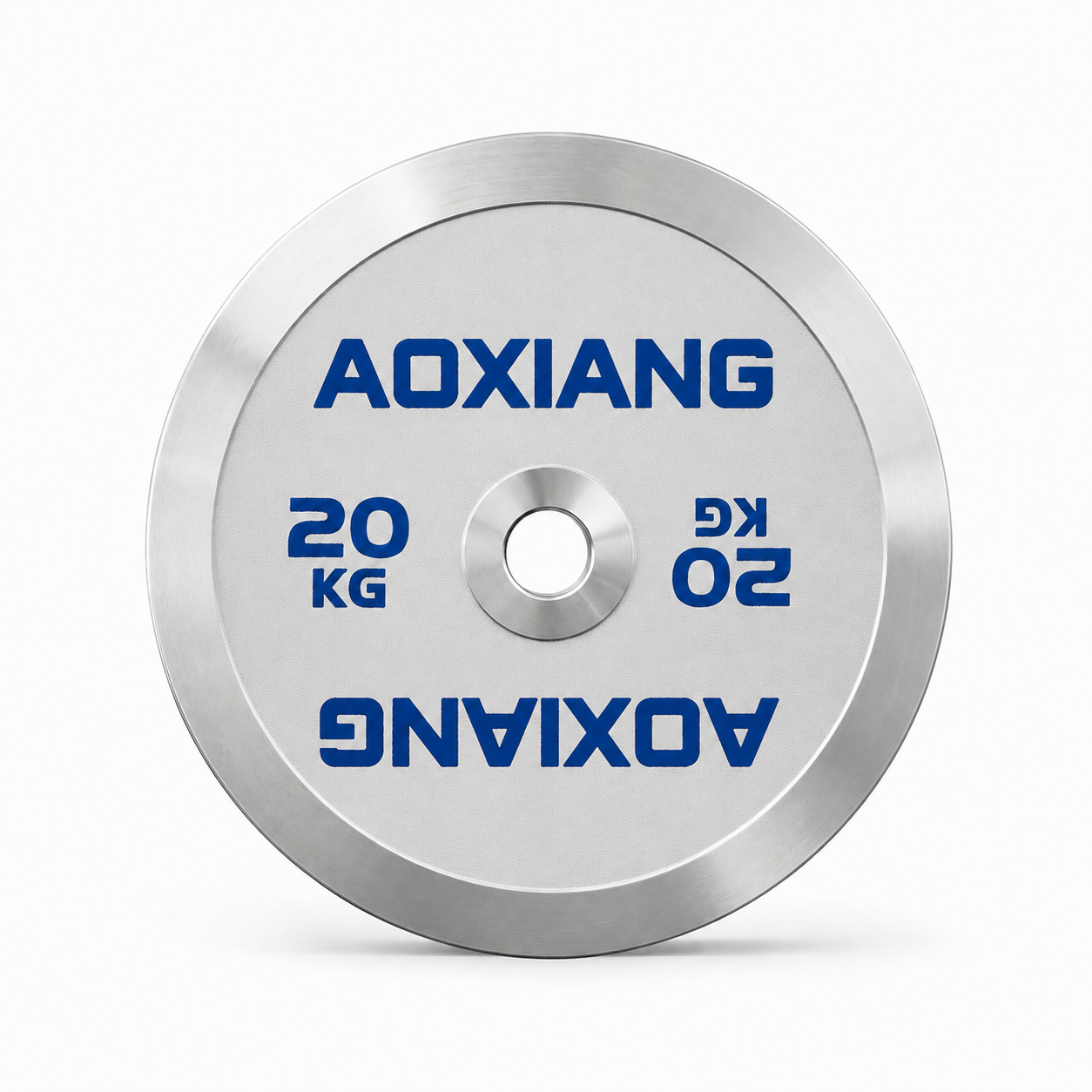
| Machined Steel | CNC Machining | Chrome or Precision Coating | Professional/Premium | Higher | Concentricity & Flatness |
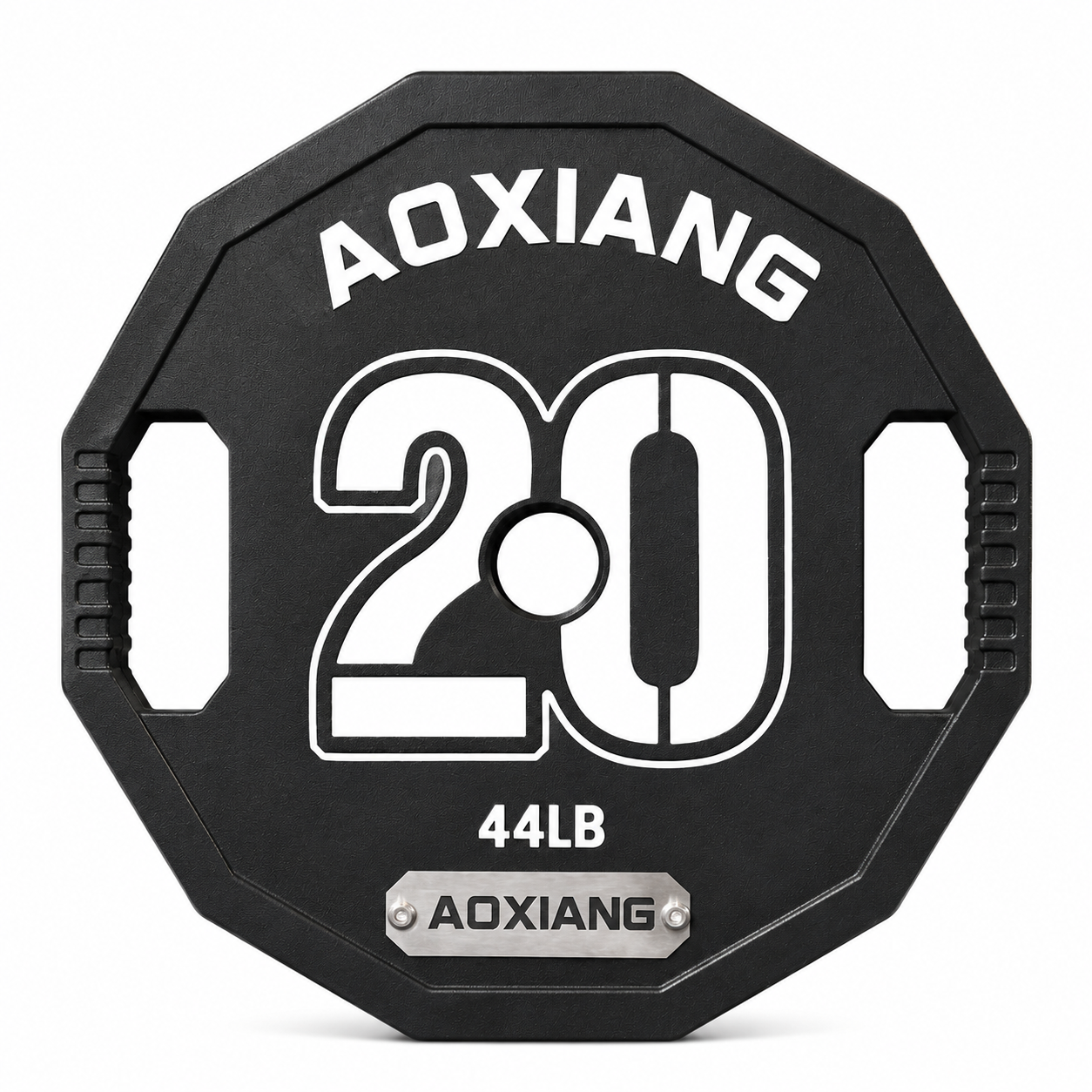
| Steel Core/Hybrid | Molding & Vulcanization | PU or Rubber Encapsulation | High-End/Specialized | Variable | Coating Adhesion |
When managing calibrated weight plate sourcing, the final verification stage is often the most critical for reducing landed cost through fewer returns. A reliable China factory will perform a weight tolerance spot-check and a concentricity test before any export packaging is applied. For buyers looking to scale, confirming that the OEM process includes these specific calibration steps—rather than just a basic weight check—is essential for ensuring that your brand identity remains associated with high-performance, durable equipment.
Optimizing Facility Footprint and Storage Efficiency
When managing high-volume inventory for fitness centers or distribution hubs, the physical dimensions of your equipment directly dictate your warehouse or facility overhead. Effective calibrated weight plate sourcing requires a strategic look at how different plate profiles impact your total square footage. For distributors and gym operators, selecting the right thickness-to-diameter ratio is not just about weight distribution, but about maximizing the density of your storage solutions and improving overall storage efficiency.
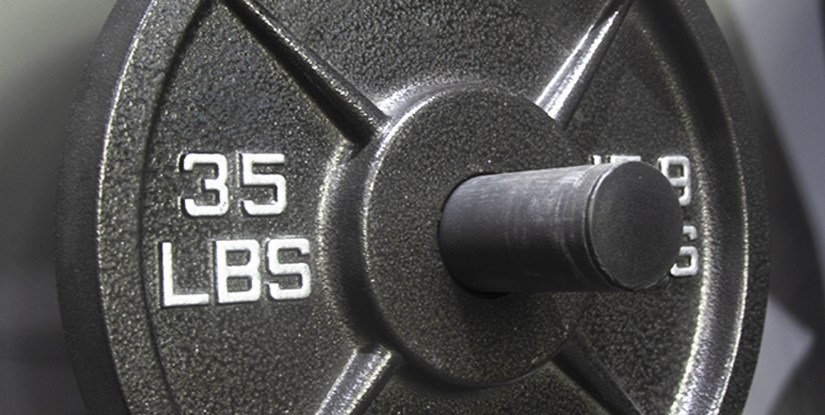
The procurement of commercial grade weight plates often presents a trade-off between weight capacity and spatial footprint. Thinner, high-density steel plates allow for more weight to be loaded onto a single barbell, which is essential for specialized strength zones, whereas traditional cast iron profiles may require more extensive vertical or horizontal storage space. For professional buyers, optimizing these dimensions is a key factor in reducing the landed cost per square foot of usable training area. When engaging in wholesale procurement, it is vital to confirm whether the China factory provides options for slim-profile designs that can enhance your facility's layout flexibility and long-term space optimization.
Material Selection for Storage and Density Optimization
Selecting the appropriate material profile is a critical decision in calibrated weight plate sourcing, as it dictates both the durability of the unit and the density of your inventory. For large-scale distributors, the physical volume occupied by a shipment directly impacts the landed cost through container utilization and warehouse storage density. While traditional cast iron is a staple for standard gym setups, high-performance facilities often prioritize materials that offer a slimmer profile without sacrificing stability.
The following table provides a comparison of common material types to assist in your procurement planning. This comparison focuses on how material choice influences the physical footprint and the logistical variables such as MOQ and shipping efficiency.
| Material Type | Primary Process | Thickness Profile | Storage Footprint | Commercial Duty | Procurement Variable |
|---|---|---|---|---|---|
| Cast Iron | Sand Casting | Standard/Thick | High (Bulkier) | Budget/Standard Commercial | Lower MOQ/Lower Cost |
| Machined Steel | Precision Machining | Slim/High Density | Low (Space Saving) | Premium/Performance | Higher landed cost |
| Urethane/PU | Molding/Vulcanization | Medium/Variable | Moderate | Premium/High-Traffic | Complex sourcing/Higher MOQ |
When evaluating precision steel plate manufacturing, buyers should note that steel-based solutions typically offer the highest density. This allows for more weight to be loaded onto a single bar, effectively increasing the capacity of your strength equipment without requiring additional floor space. If your business model relies on high-turnover rental or high-density boutique studios, opting for thinner, precision-machined steel plates can significantly improve your long-term facility ROI. We recommend requesting a detailed specification sheet from your supplier to confirm exact thickness tolerances and compatibility with your existing storage racks before finalizing a bulk order.
Logistics and Export Packaging Optimization
Efficient calibrated weight plate sourcing extends beyond the manufacturing floor into the complexities of international logistics. For professional importers, the true cost of an order is determined by how effectively the product occupies a shipping container. A poorly optimized export packaging strategy can lead to wasted volume, increasing the landed cost per unit and reducing the overall profitability of your wholesale shipment. Because weight plates are high-density, heavy items, the challenge is balancing structural protection with maximum container density to ensure high shipping efficiency.
To mitigate these costs, professional buyers should evaluate the factory approach to palletization and container loading. A standard practice among high-tier manufacturers is the use of reinforced, heavy-duty wooden crates or specialized steel-reinforced pallets designed to withstand the vertical pressure of high-stacking. When placing bulk orders, it is essential to coordinate with your China factory to confirm whether they offer custom pallet dimensions or specialized stacking configurations that minimize "dead space" within a 20ft or 40ft container. Optimizing the ratio of weight to volume during the sourcing phase ensures that you are not paying for shipping air, directly improving your warehouse and distribution margins.
Managing China Factory QC and Pre-Shipment Inspections
In the high-stakes environment of commercial strength training, even minor deviations in weight can compromise professional standards. When undertaking calibrated weight plate sourcing, distributors must recognize that precision is not a luxury but a requirement for liability mitigation. Relying on a China factory with established protocols ensures that every unit meets the strict weight tolerance demands of global fitness centers. Without rigorous pre-shipment inspection, importers face the risk of receiving inconsistent batches that fail to meet commercial gym standards.
Effective precision steel plate manufacturing requires a multi-stage verification process to guarantee weight accuracy across large wholesale orders. A professional supplier should implement a systematic approach that moves from raw material verification to final dimensional calibration. For a distributor, the goal is to ensure that the commercial grade weight plates arriving at the warehouse match the exact specifications approved during the OEM sampling stage. This level of oversight minimizes the landed cost of returns and protects your brand reputation in the competitive strength equipment market.
Essential Inspection Checklist for Professional Buyers
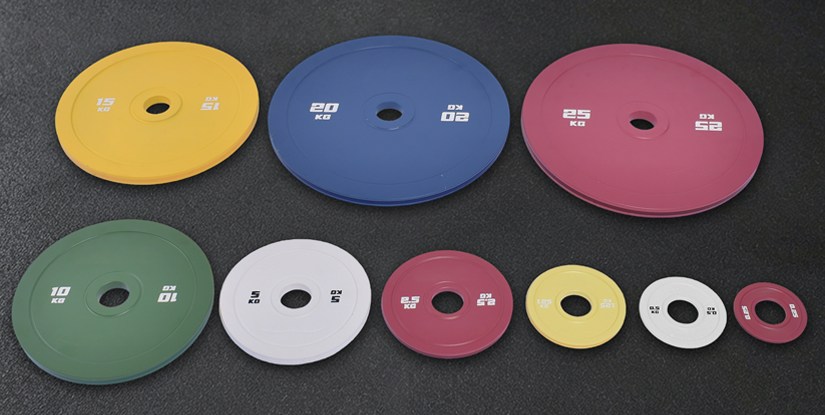
To mitigate the risk of receiving substandard batches, procurement leads should implement a standardized technical audit during their calibrated weight plate sourcing process. A robust pre-shipment inspection focuses on the physical integrity and dimensional accuracy that define high-end strength equipment. Rather than relying on verbal assurances, professional buyers must verify the tangible output of the China factory through a structured checklist. This ensures that the commercial grade weight plates ordered via wholesale channels maintain consistent quality, reducing the likelihood of costly returns or client dissatisfaction.
The following checklist provides the technical criteria necessary for evaluating a supplier during a factory audit or a third-party inspection. These points are critical for maintaining the high standards required in precision steel plate manufacturing.
| Inspection Category | Technical Attribute to Verify | Critical Focus for B2B Buyers |
|---|---|---|
| Dimensional Accuracy | Concentricity and Bore Diameter | Ensure the center hole is perfectly centered to prevent wobbling on bars. |
| Weight Precision | Weight Tolerance Consistency | Verify that the weight deviation falls within the agreed commercial standard. |
| Surface Integrity | Coating Adhesion and Finish | Check for chips, unevenness, or peeling in the powder coating or paint. |
| Structural Quality | Edge Smoothness and Flatness | Confirm no sharp burrs exist and the plate face is sufficiently flat. |
| Packaging Standard | Container Loading and Protection | Verify pallet stability and moisture protection for long-distance export. |
When managing a bulk order, it is also vital to confirm that the OEM or ODM branding—such as embossed logos or custom paint colors—is consistent across the entire production run. A professional factory will provide a detailed report covering these metrics before the shipment leaves the dock. For large-scale sourcing projects, we recommend requesting a sample approval from the final production batch to validate that the lead time and quality control steps align with your distributor requirements.
Comparative Analysis of Material and Precision Standards
Understanding the technical divergence between standard and high-performance units is essential for effective calibrated weight plate sourcing. In many commercial settings, the choice between cast iron and machined steel dictates both the durability of the equipment and the long-term maintenance load for the facility. When negotiating wholesale contracts, buyers must understand that higher precision often correlates with different manufacturing complexities and MOQ requirements. A reliable supplier will provide clear documentation regarding the material grade and the specific calibration process used to reach the target weight.
The following table outlines the qualitative differences between standard and premium options to assist in your procurement decision-making process. This comparison is designed to help distributors align their product offerings with the specific needs of their target clients, whether they are budget-conscious commercial gyms or high-end strength facilities.
| Inspection Focus | Standard Cast Iron | Precision Steel/Competition | Commercial Impact | QC Critical Point |
|---|---|---|---|---|
| Material Base | Gray Iron / Cast Iron | Solid Steel / Chrome-Manganese | Durability and longevity of the unit | Material density and purity |
| Surface Finish | Paint or Powder Coating | Chrome or High-Grade Enamel | Resistance to corrosion and wear | Coating adhesion and smoothness |
| Weight Tolerance | Standard Commercial Grade | High-Precision Calibration | Consistency in professional training | Weight deviation per unit |
| Bore Precision | Standard Machined Bore | High-Tolerance CNC Machining | Smoothness of plate-to-bar rotation | Concentricity of the center hole |
| Edge Profile | Cast or Sanded Edge | Precision Beveled/Machined Edge | Safety and floor protection | Absence of sharp burrs or irregularities |
For buyers focusing on precision steel plate manufacturing, the technical requirements for a China factory to meet competition-grade specs are significantly more stringent than for standard cast products. We recommend that procurement leads request a specific material data sheet and a sample of the finished surface finish during the OEM or ODM development phase. This proactive approach ensures that the final landed cost includes a product that meets the exact durability and aesthetic expectations of your professional clientele.
Logistics, Export Packaging, and Landed Cost Considerations
When managing calibrated weight plate sourcing, professional importers must look beyond the unit price to calculate the true total landed cost. For distributors and gym equipment wholesalers, the final cost is heavily influenced by shipping volume, weight distribution, and the efficiency of the China factory logistics setup. Neglecting these variables can lead to unexpected surcharges or damaged inventory upon arrival.
Optimizing commercial grade weight plates procurement requires a strategic focus on container optimization and palletization. Because these products are high-density and heavy, the way a supplier manages the loading process directly affects your margins. Efficiently stacking units to minimize dead space within a sea freight container can significantly reduce the per-unit shipping expense, making your wholesale orders more profitable.
Optimizing Shipping Efficiency and Export Standards
To protect your investment during long-distance transit, high-quality precision steel plate manufacturing must be paired with rigorous export packaging protocols. Standard retail packaging is insufficient for B2B bulk orders; instead, importers should demand heavy-duty, moisture-resistant solutions that withstand the rigors of sea freight. This includes reinforced pallets and secure strapping to ensure stability during ocean transit.
A professional factory will provide detailed packing lists that account for both volumetric weight and actual weight. When negotiating MOQ or lead times, always confirm the packaging specifications to ensure they align with your local warehouse handling capabilities. Proper weight distribution within the container is essential to prevent shifting, which can cause structural damage to the container or the equipment itself.
| Packaging Type | Typical Application | Durichability Level | Impact on Landed Cost |
|---|---|---|---|
| Standard Export Carton | Small volume wholesale | Moderate | Lower initial cost; higher risk of transit damage |
| Reinforced Wooden Crate | Premium precision steel plates | High | Increased weight and volume; maximum protection |
| Industrial Palletization | Bulk container shipments | Very High | Optimized for sea freight; reduces manual handling labor |
Strategic Comparison of Packaging Methods
Selecting the correct packaging method is a critical component of calibrated weight plate sourcing. For large-scale distributors, the choice between loose loading and palletization is a direct trade-off between maximum container density and labor efficiency. While loose loading might maximize the actual weight capacity of a sea freight container, it often increases the risk of surface scuffing and requires more intensive manual unloading at your destination, which raises your operational overhead.
In contrast, palletized shipments offer superior protection and faster turnaround times for warehouse receiving. When sourcing commercial grade weight plates, we recommend high-density stacking on reinforced pallets to ensure stability. This method significantly reduces the likelihood of impact damage during ocean transit and simplifies the logistics chain. For high-end orders involving precision steel plate manufacturing, utilizing custom wooden crates or heavy-duty industrial wrapping is a standard practice to ensure the product arrives in pristine, factory-spec condition, thereby protecting your distributor margins and reducing the need for replacement claims.
Before finalizing your bulk order, we suggest requesting a detailed loading plan from your supplier. This allows you to evaluate the exact volumetric footprint and confirm that the chosen protection level aligns with your long-term durability requirements and local port handling capabilities.
Documentation and Pre-Shipment Quality Control
Reliable calibrated weight plate sourcing extends beyond the production line and into the rigorous documentation required for international trade. To avoid costly delays at customs or discrepancies in inventory, professional buyers must ensure that the China factory provides a complete technical dossier for every batch. This includes detailed weight tolerance reports and material certificates that verify the consistency of the steel or iron used during the precision steel plate manufacturing process. Without these documents, a shipment of commercial grade weight plates may face unexpected inspection holds or clearance issues at the port of entry.
A standardized pre-shipment inspection protocol is the final safeguard for any distributor. We recommend that your procurement team or a third-party inspector verifies the following key areas before the container is sealed: weight accuracy across the entire batch, surface coating adhesion, and the structural integrity of the central bore. Ensuring these quality benchmarks are met while the goods are still at the factory minimizes the risk of receiving damaged or non-compliant inventory, which protects your long-term TCO (Total Cost of Ownership) and maintains your reputation in the local market.
To move forward with your procurement planning, please contact us to request a formal spec sheet, confirm your specific MOQ, or discuss OEM branding requirements for your next bulk order.