Calibrated Weight Plate Source Supplier: Leading China OEM
Understanding the Value of a Calibrated Weight Plate Source Supplier
A calibrated weight plate source supplier provides high-precision, standardized steel plates designed for high-traffic strength training environments. For professional procurement, sourcing from a specialized China factory ensures that every unit meets strict weight tolerance standards, reducing operational discrepancies and ensuring long-term durability for commercial facilities.
For gym owners and large-scale distributors, the decision to partner with a precision weight plate manufacturer is driven by the need to control long-term TCO. Inconsistent weight increments across a single set can lead to uneven barbell loading, increased wear on bar sleeves, and potential client dissatisfaction. By securing commercial calibrated steel plates through direct sourcing, buyers mitigate the risk of purchasing substandard units that require frequent replacement.
The economic value of high-quality wholesale gym weight plates extends beyond the initial purchase price. When evaluating commercial gym procurement, decision-makers must consider the efficiency of the entire equipment lifecycle. A high-tier supplier delivers products with optimized concentricity and robust surface treatments, such as high-grade powder coating, which minimizes maintenance and protects the asset value over years of intensive use. Investing in precision-machined components rather than budget-grade cast iron ensures a much higher ROI by extending the interval between replacement cycles and reducing the landed cost of long-term facility maintenance.
Qualitative Comparison: Standard Cast Iron vs. Precision Calibrated Steel
When determining your equipment specifications, it is essential to understand the functional and financial differences between standard budget-tier options and high-performance units. While standard cast iron is widely available through many generic distributors, it lacks the mechanical precision required for high-end commercial or competitive settings. Choosing the right tier depends on your specific target market and the desired durability of the equipment.
| Material Tier | Primary Process | Key Component Detail | Commercial Duty | Procurement Impact |
|---|---|---|---|---|
| Standard Cast Iron | Sand Casting | Basic center bore | Budget / Light Commercial | Lower initial cost; higher maintenance |
| Premium Calibrated Steel | CNC Machining | Precision concentricity | Professional / High-Traffic | Higher ROI; lower long-term replacement |
From a procurement standpoint, the primary distinction lies in the manufacturing route. Standard plates are typically produced via sand casting, which can result in uneven weight distribution and surface irregularities. In contrast, a professional calibrated weight plate source supplier utilizes precision machining to ensure the concentricity of the center bore and a consistent surface finish. This level of detail is critical for high-performance environments where weight accuracy and smooth loading are non-negotiable. For distributors focusing on premium gym chains, opting for these higher-spec units reduces the risk of client complaints regarding weight discrepancies and enhances the perceived value of your branded inventory.
A calibrated weight plate source supplier provides high-precision, standardized steel plates designed for high-traffic strength training environments. For professional procurement, sourcing from a specialized China factory ensures that every unit meets strict weight tolerance standards, reducing operational discrepancies and ensuring long-term durability for commercial facilities.
For gym owners and large-scale distributors, the decision to partner with a precision weight plate manufacturer is driven by the need to control long-term TCO. Inconsistent weight increments across a single set can lead to uneven barbell loading, increased wear on bar sleeves, and potential client dissatisfaction. By securing commercial calibrated steel plates through direct sourcing, buyers mitigate the risk of purchasing substandard units that require frequent replacement.
The economic value of high-quality wholesale gym weight plates extends beyond the initial purchase price. When evaluating commercial gym procurement, decision-makers must consider the efficiency of the entire equipment lifecycle. A high-tier supplier delivers products with optimized concentricity and robust surface treatments, such as high-grade powder coating, which minimizes maintenance and protects the asset value over years of intensive use. Investing in precision-machined components rather than budget-grade cast iron ensures a much higher ROI by extending the interval between replacement cycles and reducing the landed cost of long-term facility maintenance.
Material and Machining Standards for Commercial Calibrated Steel Plates
When sourcing through a calibrated weight plate source supplier, procurement professionals must prioritize the intersection of metallurgical integrity and precision engineering. For large-scale gym deployments and distributor inventories, selecting the correct commercial calibrated steel plates ensures long-term durability and minimizes maintenance-related downtime. Most high-tier China factory operations utilize a standardized sequence of casting and CNC machining to achieve the necessary concentricity and weight uniformity required for professional strength training environments.
The manufacturing of commercial calibrated steel plates typically begins with high-grade steel or iron casting to establish the foundational shape. Following the initial casting, the plates undergo rigorous CNC machining to refine the center bore and the striking surfaces. This precision mach weight plate manufacturer process is critical; without high-quality CNC machining, plates may suffer from uneven weight distribution or improper fit on Olympic barbells, leading to increased wear on expensive barbell sleeves. A professional precision weight plate manufacturer will focus on both the steel grade and the consistency of the surface finishing to ensure the product meets international commercial standards.
To assist in your sourcing decisions, the following table compares the common production routes used by a wholesale supplier to meet different commercial requirements.
| Material Type | Primary Process | Surface Finishing | Commercial Duty | Procurement Focus |
|---|---|---|---|---|
| Solid Steel | Precision Machining | Powder Coating | Premium/Competition | High Precision & Durability |
| Cast Iron | Sand Casting | Enamel or Paint | Standard Commercial | Cost-Effective Bulk Order |
| Steel Core | Injection Molding | PU or Rubber Coating | High-End Studio | Floor Protection & Noise Reduction |
Understanding these technical nuances allows distributors to better manage their landed cost and TCO (Total Cost of Ownership). For example, while wholesale gym weight plates made via standard casting offer better margins for budget-friendly gym setups, precision-machined steel options provide the longevity required for high-traffic professional training centers. Always confirm the specific weight tolerance and surface finishing capabilities with your factory during the OEM or ODM negotiation phase to ensure the final product aligns with your brand's quality promise.
Selecting the appropriate manufacturing route is a strategic decision that impacts both the longevity of the equipment and your overall distributor margins. A professional calibrated weight plate source supplier will provide transparency regarding how each tier of production affects the final product's concentricity and weight consistency. For example, high-traffic strength facilities often demand machined edges and specialized coatings to prevent surface degradation, whereas large-scale distribution models may prioritize the cost-efficiency of standard cast iron units.
Critical Manufacturing and Inspection Points for Bulk Procurement
During the sourcing process, it is vital to look beyond the surface finish. A reliable precision weight plate manufacturer will implement a multi-stage verification sequence—typically moving from raw material casting to CNC machining, followed by specialized coating applications. For importers, the most critical inspection points occur during the pre-shipment phase. We recommend verifying the center bore diameter, the adhesion of the powder coating, and the uniformity of the edge thickness to prevent common failures such as uneven loading or surface chipping during high-volume use.
When negotiating wholesale orders, request specific details on the China factory quality control protocols. A high-standard supplier should be able to demonstrate consistent results in weight spot-checks and concentricity testing across different MOQ levels. This technical oversight ensures that your wholesale gym weight plates arrive ready for immediate deployment in premium commercial environments without the risk of excessive returns or client dissatisfaction.
Precision Manufacturing: The Role of Weight Calibration and Concentricity
For professional distributors and gym owners, sourcing from a reliable calibrated weight plate source supplier is a matter of long-term operational safety and equipment longevity. In a commercial environment, the technical precision of weight increments directly impacts the user experience and the stability of barbell systems. High-quality commercial calibrated steel plates must undergo rigorous secondary machining to ensure that the weight distribution is uniform and the center bore is perfectly aligned.
When procurement teams overlook these technicalities, they face significant risks, such as uneven loading, which can cause barbell oscillation or premature wear on Olympic bars. A professional precision weight plate manufacturer addresses these issues through systematic weight calibration and concentricity checks. By prioritizing these engineering standards, a factory can ensure that every unit in a bulk shipment provides the stability required for heavy lifting and high-traffic commercial use.
Technical Standards for Commercial-Grade Plates
Achieving high-tier quality requires a transition from simple casting to advanced machining. While standard cast iron plates may have minor deviations, professional wholesale gym weight plates are engineered for consistency. The following table outlines the technical distinctions that professional buyers should evaluate during the sourcing process to ensure long-term ROI and reduced maintenance costs.
| Material Type | Primary Process | Technical Focus | Commercial Duty | Procurement Context |
|---|---|---|---|---|
| Solid Steel | CNC Machining | High Concentricity | Premium / Competition | Low weight-to-volume ratio |
| Cast Iron | Sand Casting & Machining | Strict Weight Tolerance | Standard Commercial | High durability for bulk use |
| Iron with Coating | Powder Coating | Surface Adhesion | Budget Commercial | High MOQ for color customization |
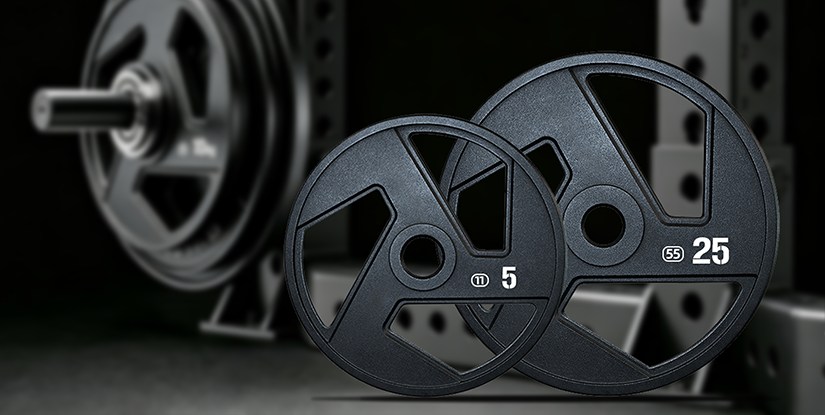
When evaluating a supplier, it is essential to understand how these manufacturing routes affect your total landed cost and product lifespan. For instance, a China factory specializing in machined steel plates will typically offer higher precision for elite training facilities, whereas powder-coated cast iron remains the industry standard for general commercial gym setups due to its balance of durability and cost-efficiency. We recommend requesting a technical spec sheet and confirming the MOQ for specialized finishes to ensure your order aligns with your distribution strategy.
For professional distributors and gym owners, sourcing from a reliable calibrated weight plate source supplier is a matter of long-term operational safety and equipment longevity. In a commercial environment, the technical precision of weight increments directly impacts the user experience and the stability of barbell systems. High-quality commercial calibrated steel plates must undergo rigorous secondary machining to ensure that the weight distribution is uniform and the center bore is perfectly aligned.
When procurement teams overlook these technicalities, they face significant risks, such as uneven loading, which can cause barbell oscillation or premature wear on Olympic bars. A professional precision weight plate manufacturer addresses these issues through systematic weight calibration and concentricity checks. By prioritizing these engineering standards, a factory can ensure that every unit in a bulk shipment provides the stability required for heavy lifting and high-traffic commercial use.
China Factory Production and Export Quality Control Protocols
Securing a consistent calibrated weight plate source supplier requires verifying the technical rigor of the manufacturing line. For international distributors and gym equipment importers, quality issues in heavy steel components often lead to high replacement costs and damaged brand reputation. A reliable China factory mitigates these risks by implementing a structured production sequence that moves from raw material molding to high-precision finishing.
The production of commercial calibrated steel plates begins with high-grade casting or metal blank preparation. Following the initial shaping, the units undergo rigorous precision machining to ensure the center bore is perfectly aligned. This stage is critical for maintaining the concentricity check standards required for high-end commercial use, preventing wobbling or uneven loading during heavy lifts. Once the dimensions are stabilized, the plates proceed to weight calibration, where excess material is strategically removed or adjusted to meet the specific weight class requirements of the order.
To ensure durability and aesthetic consistency for wholesale gym weight plates, the final stage involves professional surface finishing. This typically includes a phosphate treatment or a specialized powder coating application to prevent oxidation and enhance resistance to gym environments. For OEM and ODM partners, this process is vital for ensuring that custom branding and logo embossing remain sharp and permanent. Before any container loading, the supplier must conduct a pre-shipment QC audit, focusing on bore fit, coating adhesion, and weight tolerance consistency across the entire bulk shipment to minimize the landed cost of defective returns.
Export-Grade Inspection and Logistics Safety
For professional buyers, the risk of receiving damaged or non-compliant inventory is a significant threat to distributor margins. A professional calibrated weight plate source supplier must look beyond basic production and prioritize a rigorous pre-shipment QC protocol that accounts for the high-impact nature of heavy metal transport. During the final inspection stage, quality control teams conduct a weight tolerance spot-check on a random sample from each batch to ensure the wholesale shipment adheres to the agreed-upon precision standards. This step prevents the logistical nightmare of mismatched weight sets arriving at a client site.
Beyond weight accuracy, the factory must validate the integrity of the surface finish and the durability of the packaging. A critical inspection point is the coating adhesion test, ensuring the paint or powder coating remains intact under physical stress. For high-volume wholesale gym weight plates, standard export packaging often involves heavy-duty corrugated boxes and reinforced palletizing to prevent denting or surface scratches during long-distance ocean freight. To protect the landed cost, the supplier should implement corner protection and secure shrink-wrapping, ensuring the load remains stable and the center of gravity is optimized for container loading. Before final approval, buyers are encouraged to request a detailed inspection report or arrange a third-party factory audit to confirm that the precision weight plate manufacturer meets all international shipping and durability requirements.
Production Standard Comparison for Procurement Planning
To assist in your sourcing decisions, the following table outlines the typical production hierarchies found when working with a calibrated weight plate source supplier. Choosing the correct tier depends on your target market, whether you are supplying budget-friendly local gyms or high-end professional training centers. Understanding these qualitative differences helps in calculating the long-term value and potential maintenance load for your clients.
| Material | Process | Key Component | Commercial Duty | MOQ Impact | Factory QC Point |
|---|---|---|---|---|---|
| Cast Iron | Sand Casting & Paint | Base Flatness | Budget/Standard Commercial | Lower | Surface Smoothness |
| Machined Steel | CNC Machining & Powder Coating | Bore Concentricity | Premium Commercial | Moderate | Weight Tolerance |
| High-Grade Steel | Precision Forging & Chrome Finish | Knurling/Edge Texture | Elite/Competition | Higher | Coating Adhesion |
When evaluating a precision weight plate manufacturer, it is essential to note that while the budget tier offers higher margins for volume-based wholesale, the premium tier provides a lower total cost of ownership due to reduced wear and higher dimensional stability. We recommend requesting a sample evaluation or a specific weight tolerance report to confirm that the production standards align with your OEM or ODM branding requirements and the expected durability of your local market.
Customization and OEM Capabilities for Global Distributors
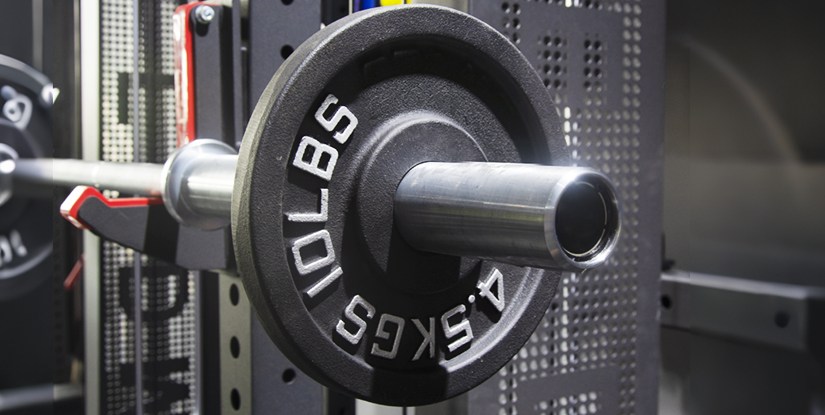
Establishing a recognizable brand identity is a critical strategic move for distributors looking to move beyond generic reselling. Partnering with a professional calibrated weight plate source supplier allows you to transition from a basic importer to a premium equipment provider. By utilizing OEM and ODM services, you can integrate your unique brand elements into the manufacturing stage, ensuring that every piece of equipment shipped from the China factory reflects your company's standards and market positioning.
For distributors managing high-volume accounts, the ability to offer private label solutions provides a significant competitive advantage. This goes beyond a simple custom logo; it involves deep integration with the supplier to customize technical specifications that align with your target market. Whether it is specific color schemes for commercial gym branding or specialized plate thicknesses, these customization options allow you to build long-term brand equity. While wholesale orders typically involve standard specifications, we offer flexible MOQ structures to accommodate both specialized boutique runs and large-scale commercial distributions. Understanding these variables—including how customization impacts lead time and final distributor margin—is essential for maintaining a healthy supply chain and maximizing your ROI in competitive international markets.
Technical Customization: From Precision Machining to Surface Finish
Professional procurement requires more than just a generic shape; it demands strict adherence to technical tolerances. A high-tier precision weight plate manufacturer utilizes advanced CNC machining to ensure the center bore remains perfectly concentric. This precision is vital for smooth rotation on Olympic barbells and prevents uneven wear on high-end commercial bars. During the production sequence, the plates typically undergo a casting or forging stage followed by rigorous machining to achieve a standardized weight tolerance, ensuring that every unit in a bulk shipment meets the expected specification for professional weightlifting environments.
Beyond structural accuracy, the surface aesthetics and durability of commercial calibrated steel plates are determined by the quality of the finishing line. Depending on your market positioning, you may select from various industrial treatments. While bare iron is common for standard strength training, many distributors request high-durability powder coating to prevent oxidation and provide a premium tactile feel. This coating process is a critical point for pre-shipment inspection, as the adhesion must withstand heavy use and environmental moisture without chipping.
For distributors sourcing wholesale gym weight plates, the ability to specify custom dimensions and specialized surface finish options allows for better product differentiation. Whether you are providing specialized kits for strength and conditioning facilities or standard sets for large-scale commercial gyms, these technical variables directly impact the long-term maintenance load and durability of the equipment. When evaluating your next batch, consider how these technical specifications will influence your total cost of ownership and the long-term satisfaction of your end-users.
| Tier / Option | Material | Coating | Process | Customization Level | MOQ Impact | Factory QC Point |
|---|---|---|---|---|---|---|
| Standard Commercial | Gray Iron | Paint / Enamel | Sand Casting | Basic Logo Emboss | Lower / Standard | Surface Smoothness |
| Premium Calibrated | Solid Steel | Powder Coating | CNC Machining | Full Color & Branding | Moderate / Medium | Bore Concentricity |
| High-End Competition | Chrome-Manganese Steel | Chrome Finish | Precision Machining | Advanced Custom Spec | Higher / Specialized | Weight Spot-Check |
Selecting the right calibrated weight plate source supplier involves a strategic evaluation of these technical tiers. While standard options serve general fitness facilities, the premium tiers are designed for high-performance environments where precision is non-negotiable. We recommend that distributors review these specifications against their local market demand to optimize their landed cost and product differentiation.
Before finalizing a bulk order, we invite you to contact us to request a detailed spec sheet, confirm the current MOQ for your specific customization level, or discuss potential OEM requirements. Our team can also provide documentation for sample approval and factory audit protocols to ensure your procurement process meets all international commercial standards.
Optimizing Sourcing: MOQ and Logistics for Wholesale Gym Weight Plates
For professional importers and distributors, the complexity of managing a calibrated weight plate source supplier extends far beyond the physical product. High-precision items require specialized handling to ensure that the weight tolerance remains within industry-standard limits during long-distance transit. A mismatch between high-precision machining and inadequate export packaging can lead to significant deviations in landed cost and inventory accuracy.
When sourcing wholesale gym weight plates, procurement professionals must balance the MOQ requirements against shipping volume and weight density. Because high-density steel plates occupy minimal volume relative to their massive weight, optimizing container loading is critical for maximizing your margin. A professional precision weight plate manufacturer will offer optimized palletization and reinforced carton designs to prevent damage and ensure the structural integrity of the commercial calibrated steel plates throughout the ocean freight process. Selecting a supplier that understands the relationship between shipping volume, container weight limits, and OEM customization is essential for maintaining a competitive edge in the North American market.
Commercial Grade Comparison: Material and Utility Tiers
To maximize distributor margins, procurement leads must select the appropriate grade of product based on the target facility type. A calibrated weight plate source supplier typically offers several tiers of production, ranging from standard cast iron to precision-machined steel. Choosing the correct specification at the factory level prevents high return rates and ensures long-term durability in high-traffic environments.
| Material | Coating/Finish | Primary Process | Commercial Duty | Sourcing Advantage |
|---|---|---|---|---|
| Cast Iron | Paint or Enamel | Sand Casting | Standard Commercial | Low MOQ / High Volume |
| Steel | Powder Coating | CNC Machining & Calibration | Premium/High-End Studio | High Durability / Precision |
| Solid Steel | Chrome or PU Coating | Precision Machining | Professional Competition | High Value / Specialized |
When evaluating commercial calibrated steel plates, the level of machining directly impacts the landed cost and the product's longevity. While cast iron options provide a cost-effective solution for mass wholesale orders, precision-machined steel offers the concentricity required for professional strength training. We recommend that buyers request a technical spec sheet and a sample evaluation to verify the coating adhesion and weight consistency before committing to a full bulk order. Contact our factory team to confirm MOQ for OEM or ODM branding requirements.
Export-Ready Quality Control and Logistics Standards
A reliable calibrated weight plate source supplier must implement a rigorous pre-shipment inspection protocol that addresses the unique challenges of high-density steel transport. For professional buyers, the risk of receiving non-conforming units—such as plates with uneven weight distribution or surface imperfections—can significantly damage distributor margins and professional reputation. To mitigate this, a professional precision weight plate manufacturer utilizes a multi-stage QC process that begins with a concentricity check and ends with a comprehensive weight calibration verification to ensure every unit meets strict commercial standards.
Effective export packaging is just as critical as the machining process itself. Because high-density steel is prone to surface scuffing and edge deformation during ocean freight, we employ reinforced, heavy-duty cartons and optimized palletization strategies. This ensures that your commercial calibrated steel plates arrive in a condition ready for immediate retail or facility installation. When managing your wholesale gym weight plates procurement, we provide clear documentation regarding the lead time and the specific steps taken during the weight calibration and pre-shipment inspection. We encourage procurement leads to request a detailed factory audit or a sample approval process to verify our packaging durability and the precision of our weight standards before finalizing a large-scale bulk order.