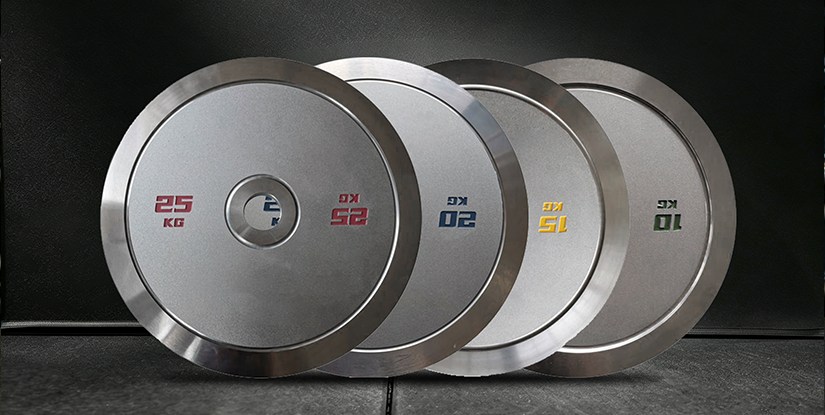
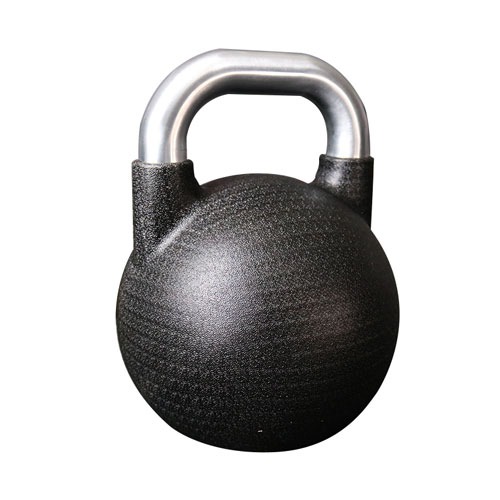
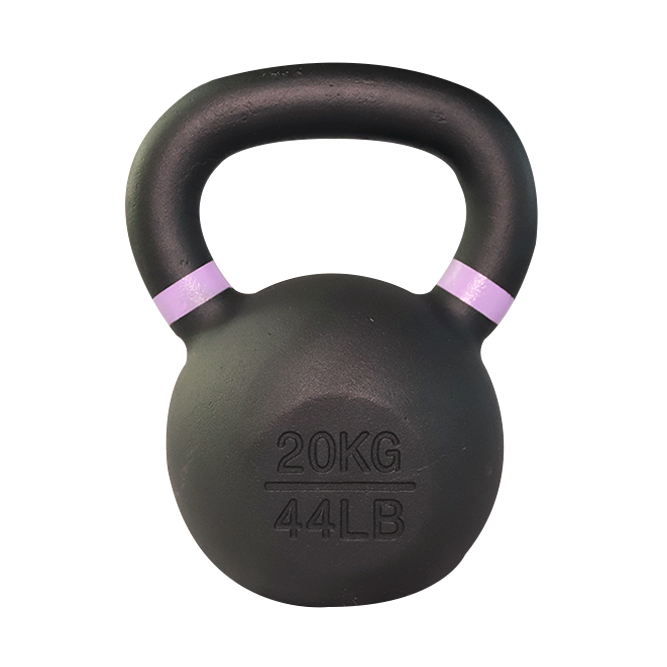
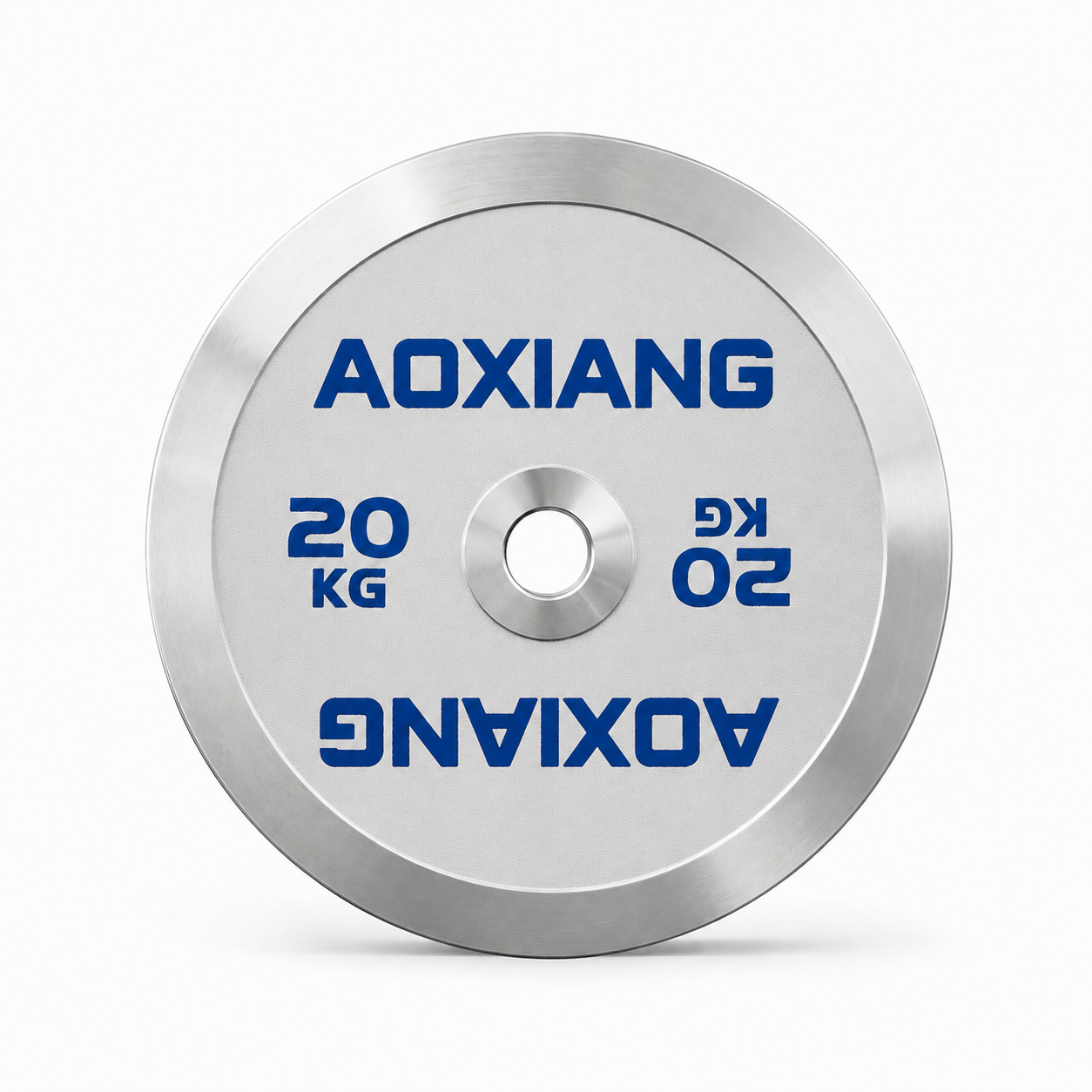
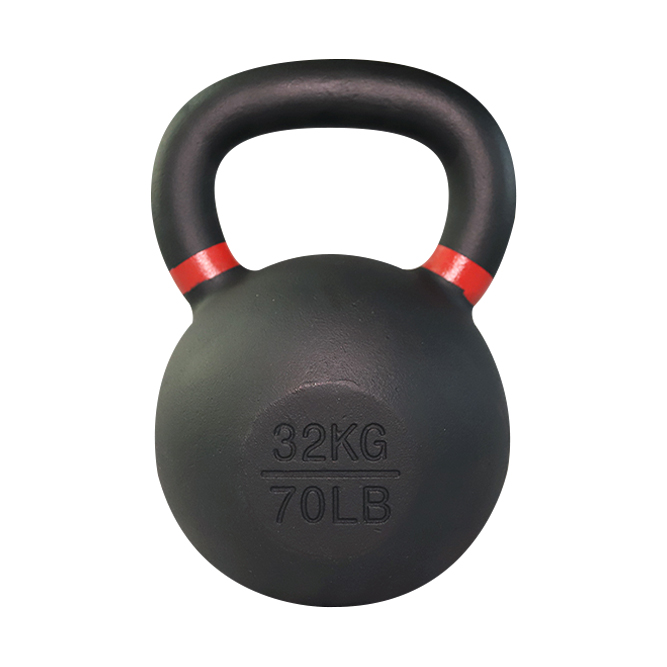
Calibrated Weight Plate Manufacturer: China OEM Production
The Economic Value of a Calibrated Weight Plate Manufacturer
Many importers mistakenly rely on high-cost regional distributors or trading companies, which significantly erodes their potential distributor margin through unnecessary middleman markups and fragmented logistics. A more efficient procurement strategy involves direct sourcing from a specialized calibrated weight plate manufacturer to secure better control over both product precision and the total landed cost. By bypassing traditional wholesalers and establishing a direct relationship with a China factory, professional buyers can optimize their capital expenditure while ensuring consistent quality across large-scale orders.
For distributors and warehouse operators, the transition from retail-oriented suppliers to a professional precision weight plate OEM partner is a critical step in scaling a commercial fitness brand. When you manage wholesale procurement directly, you gain the ability to negotiate better MOQ terms and tailor the production to your specific market needs, whether that involves specific weight increments or custom branding. This direct-to-factory model reduces the risk of receiving inconsistent commercial steel weight plates that fail to meet the strict tolerance standards required by high-end training facilities.
Comparing Production Tiers for Optimized Procurement
Understanding the structural differences between standard stock and precision-engineered units is essential for calculating long-term ROI. While standard commercial plates offer a lower initial price point, they often lack the machining consistency required for high-end facilities. Choosing a professional calibrated weight plate manufacturer allows you to select specific production tiers that align with your target market's quality expectations and your own budget constraints.
| Material & Process | Key Component | Commercial Duty Tier | MOQ Impact | Factory QC Point |
|---|---|---|---|---|
| Cast Iron & Sand Casting | Standard Bore | Budget / General Commercial | Lower | Base Flatness & Surface Consistency |
| Steel & CNC Machining | Precision Center Hub | Standard Commercial | Moderate | Concentricity & Weight Tolerance |
| Chrome-Manganese Steel | High-Precision Calibrated Core | Premium / Competition | Higher | Bore Diameter & Coating Adhesion |
For distributors looking to scale, the decision between purchasing generic stock or utilizing a precision weight plate OEM service depends on your brand positioning. High-end facilities demand the precision of machined steel, whereas standard commercial gyms may prioritize the cost-efficiency of cast iron. By coordinating directly with your supplier, you can align your MOQ with your warehouse capacity and shipping schedules, ensuring that your inventory remains both high-quality and cost-effective for your end users.
Optimizing Brand Identity Through Customization
Beyond simple procurement, a professional calibrated weight plate manufacturer serves as a strategic partner for long-term brand building. Instead of selling generic, unbranded units that offer no differentiation, distributors can leverage OEM and ODM capabilities to embed their own professional identity into every shipment. This includes custom logo application via high-durability methods such as precision etching, specialized powder coating, or embossed casting, ensuring your brand identity remains intact even under heavy commercial use.
Strategic sourcing also extends to logistics and packaging efficiency. When managing bulk orders, working with a direct factory allows you to dictate specialized export packaging requirements. Whether you need reinforced crate structures for high-density steel plates or specific pallet configurations to maximize container utilization, these details directly impact your final landed cost. By integrating your branding and shipping specifications during the production phase, you reduce the administrative burden of fragmented supply chains and ensure a seamless transition from the China factory to your local distribution center.
Precision Engineering: Material and Machining Standards
Selecting a professional calibrated weight plate manufacturer requires a deep understanding of how material consistency impacts long-term commercial utility. For distributors and gym operators, the difference between standard cast iron and precision-machined units determines the lifespan of the equipment and the accuracy of training loads. High-end commercial gym supplies demand strict adherence to weight tolerance standards to ensure balance and safety during high-intensity use.
Most premium commercial steel weight plates undergo a rigorous manufacturing sequence to meet international procurement expectations. The process typically begins with high-grade cast iron or steel casting to establish the core mass. Following the initial casting, the plates move to CNC machining stages where the center bore and the striking surfaces are refined. This mechanical refinement is essential for achieving the tight weight tolerance required for professional competition and high-performance training environments. A reliable precision weight plate OEM will utilize these advanced machining steps to ensure concentricity and flatness, preventing uneven wear on barbells and reducing maintenance costs for the end-user.
When managing sourcing for large-scale facility builds, buyers should verify that their China factory partner integrates these machining steps into their standard production line. Relying on a factory that offers specialized calibration rather than simple sand casting ensures that every unit in a bulk wholesale order meets the same high-performance benchmarks, protecting your investment and brand reputation.
Material and Surface Treatment Comparison
For procurement leads, understanding the trade-offs between different finishing methods is critical for calculating the total cost of ownership (TCO). While standard casting provides a cost-effective solution for general fitness centers, professional facilities often require specialized surface treatments to enhance durability and reduce maintenance frequency. A high-tier calibrated weight plate manufacturer will offer various finishing options to suit different commercial tiers, from budget-friendly gym environments to high-end performance studios.
The following table outlines the common material and finishing pathways used in industrial production to assist in your sourcing decisions:
| Material Base | Primary Process | Surface Treatment | Commercial Duty Tier | Maintenance Requirement | Procurement Focus |
|---|---|---|---|---|---|
| Cast Iron | Sand Casting | Phosphate Treatment | Budget / Entry-Level | Moderate (Rust Risk) | Low MOQ / High Volume |
| Cast Iron | Sand Casting | Powder Coating | Standard Commercial | Low (Durable Finish) | General Wholesale |
| Solid Steel | CNC Machining | Chrome or Specialized Coating | Premium / Competition | Minimal (High Precision) | Custom OEM / Precision |
When evaluating a supplier, it is essential to distinguish between simple surface applications and integrated structural finishes. For example, a standard powder coating application provides a robust barrier against oxidation and physical impact, which is vital for long-term durability in high-traffic commercial settings. In contrast, precision-machined steel plates often undergo a more intensive calibration process to ensure the center bore remains perfectly concentric. Buyers should confirm with their factory whether the surface treatment is applied before or after the final calibration to ensure the coating does not interfere with the weight accuracy or the fit on a standard barbell.
To ensure the highest quality for your next bulk order, we recommend requesting a technical spec sheet or a sample evaluation from your China factory partner. Confirming the specific steps of the surface finishing and the final calibration process will help you mitigate the risks of receiving inconsistent batches and ensure your landed cost reflects a high-value, durable product.
Quality Assurance and Export Readiness
For international distributors, the risk of receiving inconsistent batches is a significant procurement pain point. A single non-conforming shipment can disrupt entire facility launches and damage your reputation with end-users. To mitigate this, a professional calibrated weight plate manufacturer must implement a multi-stage verification process that goes far beyond basic visual inspection. Rigorous weight calibration is the cornerstone of high-end production, ensuring that each unit remains within acceptable industry-standard tolerances before it leaves the facility.
Reliable production cycles include a critical concentricity check to ensure the center bore is perfectly aligned. This prevents the "wobble" effect during high-speed lifting, which can cause premature wear on expensive barbells and increase maintenance overhead for gym owners. During our pre-shipment QC, every batch undergoes a standardized verification sequence: casting validation, precision machining, surface coating adhesion testing, and final weight verification. This systematic approach ensures that your wholesale orders arrive with the precision required for professional-grade training environments.
Logistics efficiency is just as vital as product precision when managing global sourcing. We utilize specialized export packaging designed to withstand long-distance maritime transit and heavy handling at international ports. This includes reinforced palletization and moisture-resistant wrapping to protect the surface finish from oxidation during sea freight. When planning your next bulk orders, please contact us to confirm current lead time availability and specialized MOQ requirements. We are ready to provide detailed documentation, sample approval protocols, or a formal quote to support your procurement planning and ensure a seamless landed cost for your business.
Comparing Production Routes for Commercial Gym Supplies
Selecting the right calibrated weight plate manufacturer requires a deep understanding of how initial procurement choices dictate long-term operational costs. For professional distributors and gym operators, the distinction between a standard cast iron plate and a high-precision precision weight plate OEM product is not merely about the weight accuracy, but about the total cost of ownership (TCO) and the replacement cycles required for your inventory.
When managing large-scale wholesale orders, the production route chosen by the China factory directly impacts your landed cost and the durability of the equipment in high-traffic environments. A lower upfront price for non-calibrated units often leads to higher maintenance expenses or early replacement due to uneven wear or concentricity issues. By partnering with a specialized supplier, you can optimize the balance between initial CAPEX and long-term ROI.
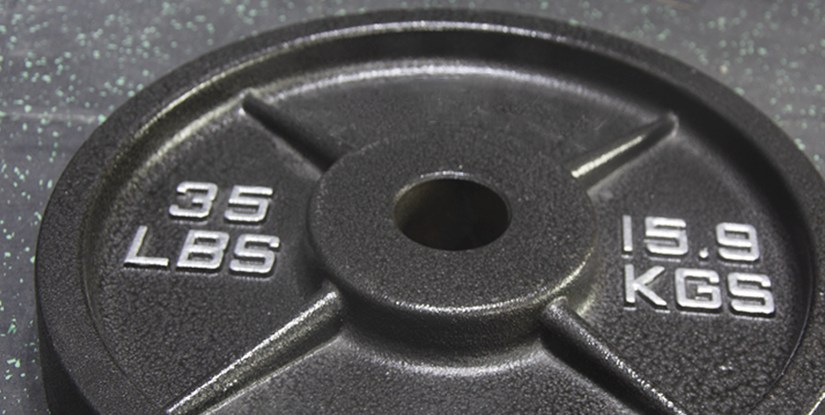
| Production Tier | Primary Material | Manufacturing Process | Commercial Duty | TCO Impact |
|---|---|---|---|---|
| Standard Commercial | Gray Iron | Sand Casting & Paint | General Fitness/Studios | Low initial cost; higher replacement frequency |
| Premium Performance | Solid Steel | CNC Machining & Calibration | High-End Training Centers | Higher upfront; optimized for long-term durability |
| Professional Grade | Commercial steel weight plates | Precision Machining & Coating | Competition & Pro Gyms | Highest stability; minimal maintenance load |
For importers, evaluating these routes through the lens of a calibrated weight plate manufacturer ensures that the precision of the bore and the flatness of the plate meet the rigorous standards of professional strength training. Choosing the correct production route allows you to align your sourcing strategy with your target market's specific durability requirements and budget constraints.
To finalize your procurement strategy, we recommend requesting a detailed specification sheet or a sample evaluation from your chosen calibrated weight plate manufacturer. Before finalizing any bulk order, it is standard practice to confirm the specific calibration methods used and to book a factory audit or pre-shipment inspection. This ensures that the weight tolerance and surface finish align with your brand identity and the high-performance expectations of your professional clients.
To finalize your procurement strategy, we recommend requesting a detailed specification sheet or a sample evaluation from your chosen calibrated weight plate manufacturer. Before finalizing any bulk order, it is standard practice to confirm the specific calibration methods used and to book a factory audit or pre-shipment inspection. This ensures that the weight tolerance and surface finish align with your brand identity and the high-performance expectations of your professional clients.
Optimizing Facility Footprint and Storage Efficiency
For commercial gym operators and large-scale distributors, maximizing usable floor area is a critical component of long-term ROI. Sourcing from a professional calibrated weight plate manufacturer allows facilities to optimize their layout through high-density storage solutions and standardized dimensions. When procurement teams prioritize commercial steel weight plates with consistent thickness and concentricity, they reduce the chaotic footprint typically caused by irregular, low-quality casting. This precision ensures that weight trees and storage racks function at peak efficiency, allowing for higher storage density in limited square footage.
In high-traffic strength training zones, the lack of dimensional consistency in non-calibrated units often leads to uneven loading and inefficient use of vertical space. By implementing a precision weight plate OEM program, distributors can offer clients products that fit perfectly within standardized commercial storage systems. This level of uniformity minimizes the maintenance load on staff and prevents the uneven wear on storage pegs. For importers managing bulk order logistics, standardized dimensions also facilitate more predictable container loading and improved pallet stability, directly lowering the landed cost per unit during China factory sourcing.
Material and Efficiency Comparison for Commercial Sourcing
When evaluating the long-term TCO (Total Cost of Ownership) for a fitness facility, the choice between traditional casting and precision machining is a fundamental procurement decision. A professional calibrated weight plate manufacturer provides tiered options that allow distributors to match specific client needs—from budget-conscious commercial gyms to high-end performance centers. Selecting the right material grade and manufacturing process directly impacts the facility's operational efficiency and the durability of its storage infrastructure.
The following table outlines the qualitative differences between standard production and precision-engineered options to assist in your sourcing strategy and inventory planning.
| Material Tier | Primary Process | Key Component Characteristic | Commercial Duty Level | Storage & Footprint Impact | Procurement ROI Focus | |||||||||||||||||||||||||||||||||||
|---|---|---|---|---|---|---|---|---|---|---|---|---|---|---|---|---|---|---|---|---|---|---|---|---|---|---|---|---|---|---|---|---|---|---|---|---|---|---|---|---|
| Standard Cast Iron | Sand Casting | Variable bore concentricity | Budget / Entry-Level Commercial | Higher due to irregular thickness | Low initial capex; higher maintenance | |||||||||||||||||||||||||||||||||||
| Commercial Steel Weight Plates | Machined Steel | High concentricity & flatness | Mid-Tier Professional Gyms | Optimized for standard racks | Balanced durability & stability | |||||||||||||||||||||||||||||||||||
| CNC Machining & Calibration Precision-honed center bore Premium / Competition Grade Maximum density & rack efficiency High long-term value & low replacement For distributors looking to maximize margins, understanding these tiers is essential. While cast iron remains a staple for high-volume wholesale orders due to lower costs, the precision offered by a factory specializing in machined steel provides a superior solution for facilities where space optimization and equipment longevity are the primary drivers of success. We recommend reviewing your specific MOQ requirements and technical specifications before finalizing your next bulk order to ensure the product matches your target market's durability expectations.
When conducting wholesale procurement from a factory, the final quality of the product is determined long before the shipment reaches the port. For a professional supplier, the focus must extend beyond the initial casting to the rigorous technical inspections required for high-end commercial use. A reliable China factory ensures that every unit undergoes a multi-stage validation process to meet the strict demands of international distributors and gym operators. The inspection sequence for high-precision units typically involves a transition from raw casting to fine-tuning. After the initial sand casting or steel fabrication, the plates move through CNC machining to ensure the center bore is perfectly concentric. This step is critical to prevent the "wobble" effect often seen in lower-tier products. Following the machining, the surface undergoes a thorough cleaning and a secondary calibration check. This ensures that the weight deviation remains within industry-standard tolerances, a key requirement for any factory providing high-performance equipment. Effective sourcing also requires a deep dive into the surface treatment and packaging stages. For wholesale buyers, the durability of the finish is just as important as the weight accuracy. We implement a standard process of powder coating or specialized plating to enhance corrosion resistance and prevent surface chipping during heavy use. Before leaving the facility, each batch undergoes a final pre-shipment QC check, focusing on the flatness of the plate face and the smoothness of the center bore edge. This ensures that when the shipment arrives, the MOQ-level order is ready for immediate, seamless integration into your client's facility. To mitigate the risks of transit damage and ensure the best possible landed cost, our factory utilizes reinforced export packaging. This includes heavy-duty corrugated boxes or custom-built wooden crates designed to withstand long-distance sea freight. By optimizing the packaging dimensions and pallet stability, we help importers maximize container density, ensuring that every cubic meter of shipping space is utilized efficiently. We invite professional buyers to request a detailed spec sheet or discuss custom OEM branding options to tailor the final product to your specific market needs.
China Factory QC and Export Packaging ProtocolsMaintaining strict quality control is essential when sourcing from a calibrated weight plate manufacturer to ensure every unit meets international commercial standards. For distributors and gym equipment importers, inconsistent weight tolerances or poor packaging can lead to high landed cost risks and client dissatisfaction. A professional China factory mitigates these issues through systematic QC protocols, ensuring that commercial gym supplies arrive in optimal condition and meet precise weight tolerance requirements. Reliable pre-shipment inspection processes typically involve multi-stage verification, starting from the raw material stage through to final export preparation. A professional calibrated weight plate manufacturer will implement a sequence including casting, precision machining of the center bore, and surface coating application. During the final stage, technicians perform a weight tolerance spot-check and concentricity verification to ensure the plates sit flat on a barbell. This rigorous approach is vital for precision weight plate OEM orders where consistency across a full set is mandatory for high-end commercial facilities. To minimize damage during long-haul sea freight, commercial steel weight plates must utilize reinforced export packaging. Standard procedures include heavy-duty palletization, edge protectors, and moisture-resistant wrapping to prevent oxidation during transit. For large-scale wholesale shipments, optimizing container loading density is a key factor in reducing the total landed cost for the supplier and the buyer. Standardized Inspection and Export LogisticsEfficient logistics management is a critical component of the procurement cycle. When managing high-volume orders, a professional calibrated weight plate manufacturer must balance shipping safety with container density to optimize the total landed cost for the importer. Effective packaging durability ensures that heavy commercial steel weight plates remain structurally intact and free from surface oxidation throughout the sea freight process.
For distributors managing large-scale wholesale inventory, the final logistics efficiency depends on how the supplier handles container loading. We recommend buyers confirm specific pallet dimensions and loading protocols during the MOQ negotiation phase. This proactive approach allows for better warehouse planning and ensures that the export shipment arrives ready for immediate commercial distribution or facility installation. Customization and OEM Capabilities for Global DistributorsFor distributors and professional gym equipment importers, the ability to offer a specialized product line is a critical competitive advantage. Partnering with a professional calibrated weight plate manufacturer allows you to move beyond generic stock and build a unique product catalog. Through OEM and ODM services, a China factory can transform standard production runs into high-value assets that align with your specific market positioning and brand identity. The scope of customization for commercial gym supplies extends far beyond simple aesthetics. A reliable supplier provides comprehensive customization options to ensure your private label products meet professional standards. These options typically include selecting specific base materials, such as high-density cast iron or solid steel, and applying specialized finishes like heavy-duty powder coating or urethane encapsulation. Furthermore, precision weight plate OEM workflows allow for custom color schemes and precision-molded logos, ensuring your brand is recognizable in any high-end facility. Whether you require specific plate diameters or unique thickness profiles to optimize storage efficiency, these commercial steel weight plates can be engineered to meet your exact procurement specifications. Customization Level and Specification ComparisonDeciding between standard stock and a full precision weight plate OEM program depends on your target market segment and desired distributor margins. While standard production offers faster lead times, specialized customization allows for higher tier positioning in the commercial market. The following table outlines the typical customization tiers available when sourcing directly from a calibrated weight plate manufacturer to assist in your procurement planning.
When evaluating your next batch, consider how customization impacts your total landed cost. A higher MOQ for custom commercial steel weight plates often yields better unit pricing and more distinct brand recognition. For high-end projects, we recommend requesting a sample to inspect the quality of the logo engraving and the adhesion of the powder coating before proceeding with full-scale production. Strategic Sourcing and Global Export LogisticsEffective procurement requires more than just selecting a product; it requires a predictable supply chain. When managing bulk orders, professional buyers must account for the entire lifecycle from the initial sample evaluation to the final arrival at the warehouse. A specialized calibrated weight plate manufacturer provides the transparency needed to manage these variables, ensuring that the lead time remains predictable and the quality remains consistent across every shipment. Whether you are a regional distributor or a global importer, understanding the workflow of a China factory is essential for maintaining healthy margins and meeting client deadlines. The logistics process begins with rigorous quality control to mitigate the risks of high-volume shipping. Every batch undergoes a strict QC protocol, which typically includes weight tolerance spot-checks, surface finish inspections, and concentricity testing of the center bore. Before any container is sealed, a formal pre-shipment inspection is conducted to verify that the physical product matches the approved sample. To protect the integrity of the commercial steel weight plates during long-distance transit, we utilize heavy-duty export packaging, often involving reinforced pallets and protective corner guards. This systematic approach minimizes the risk of damage and ensures that your landed cost remains optimized by reducing the need for replacement parts or handling claims upon arrival. To ensure your procurement strategy is sound, we suggest the following next steps: contact our team to confirm the current MOQ for your specific configuration, request a detailed technical spec sheet, or arrange for a sample evaluation to verify material quality and branding precision before committing to a full production run. Frequently Asked QuestionsWhat MOQ and lead time should importers expect from a China factory for calibrated weight plate manufacturer?MOQ and lead time vary by customization level, coating or branding, and production slot availability. Importers commonly confirm MOQ tiers, sample approval cycles, and peak-season capacity before placing a bulk order. Can buyers source calibrated weight plate manufacturer with OEM or private-label branding?Many China manufacturers support OEM/ODM runs with logo plates, colorways, packaging, and compliance labeling. Buyers should request tooling timelines, approved samples, and QC checkpoints before approving a production run. How should distributors verify factory QC before a bulk shipment?Review material specs, dimensional tolerances, surface finish standards, and in-process QC steps. Pre-shipment inspection, carton drop tests, and palletization checks help reduce landed-cost surprises and returns. What is a practical MOQ strategy when sourcing calibrated weight plate manufacturer, commercial steel weight plates wholesale?Start with a mixed-SKU purchase plan aligned to facility demand and distributor turnover. Buyers commonly validate sell-through first, then scale MOQ after confirming utilization and replenishment cadence. How can buyers reduce maintenance costs on strength stations?Prioritize equipment with proven surface treatment, corrosion resistance, and stable structural design. Preventive inspection schedules, spare-part planning, and clear supplier warranty terms are key to controlling long-run maintenance costs. What should distributors verify before committing to recurring orders?Review lead time consistency, quality control documentation, export packaging standards, and logistics reliability. Stable replenishment and predictable landed cost are critical for healthy distributor margins. Featured ProductsLeave a MessagePopular articles |