Calibrated Weight Plate OEM Factory: China Factory OEM
Optimizing Inventory with a Calibrated Weight Plate OEM Factory
A calibrated weight plate OEM factory provides professional-grade, precision-machined steel plates designed for high-end commercial gym environments. For distributors and importers, sourcing directly from a specialized factory ensures consistent weight tolerances, higher product reliability, and significantly better profit margins compared to purchasing from trading companies.
Managing a warehouse requires a delicate balance between stock depth and capital efficiency. When distributors rely on a calibrated weight plate OEM factory, they gain better control over their inventory turnover. Instead of dealing with inconsistent batches from unverified sources, professional buyers can implement structured replenishment cycles. This stability is essential when offering commercial steel weight plates to premium fitness centers that demand exact weight increments for competition-style training.
The primary challenge in large-scale procurement is the rising landed cost caused by product defects and shipping delays. By establishing a direct relationship with a China factory, importers can better manage their MOQ and lead time expectations. High-precision products reduce the frequency of customer complaints and replacement requests, which directly protects your distributor margin. Whether you are sourcing wholesale precision weight plates for a single large-scale gym build or maintaining a long-term retail stock, direct sourcing provides the transparency needed to optimize your supply chain.
| Material Tier | Process Type | Key Component | Commercial Duty | MOQ Impact | Factory QC Point |
|---|---|---|---|---|---|
| Solid Steel | CNC Machining | Olympic Collar Fit | Premium / Competition | Higher | Bore Concentricity |
| Cast Iron | Sand Casting | Flat Base Surface | Standard Commercial | Moderate | Base Flatness |
| Steel with Coating | Powder Coating | Surface Adhesion | High-Traffic Studio | Variable | Coating Integrity |
A calibrated weight plate OEM factory provides professional-grade, precision-machined steel plates designed for high-end commercial gym environments. For distributors and importers, sourcing directly from a specialized factory ensures consistent weight tolerances, higher product reliability, and significantly better profit margins compared to purchasing from trading companies.
Managing a warehouse requires a delicate balance between stock depth and capital efficiency. When distributors rely on a calibrated weight plate OEM factory, they gain better control over their inventory turnover. Instead of dealing with inconsistent batches from unverified sources, professional buyers can implement structured replenishment cycles. This stability is essential when offering commercial steel weight plates to premium fitness centers that demand exact weight increments for competition-style training.
The primary challenge in large-scale procurement is the rising landed cost caused by product defects and shipping delays. By establishing a direct relationship with a China factory, importers can better manage their MOQ and lead time expectations. High-precision products reduce the frequency of customer complaints and replacement requests, which directly protects your distributor margin. Whether you are sourcing wholesale precision weight plates for a single large-scale gym build or maintaining a long-term retail stock, direct sourcing provides the transparency needed to optimize your supply chain.
| Material Tier | Process Type | Key Component | Commercial Duty | MOQ Impact | Factory QC Point |
|---|---|---|---|---|---|
| Solid Steel | CNC Machining | Olympic Collar Fit | Premium / Competition | Higher | Bore Concentricity |
| Cast Iron | Sand Casting | Flat Base Surface | Standard Commercial | Moderate | Base Flatness |
| Steel with Coating | Powder Coating | Surface Adhesion | High-Traffic Studio | Variable | Coating Integrity |
A calibrated weight plate OEM factory provides professional-grade, precision-machined steel plates designed for high-end commercial gym environments. For distributors and importers, sourcing directly from a specialized factory ensures consistent weight tolerances, higher product reliability, and significantly better profit margins compared to purchasing from trading companies.
Managing a warehouse requires a delicate balance between stock depth and capital efficiency. When distributors rely on a calibrated weight plate OEM factory, they gain better control over their inventory turnover. Instead of dealing with inconsistent batches from unverified sources, professional buyers can implement structured replenishment cycles. This stability is essential when offering commercial steel weight plates to premium fitness centers that demand exact weight increments for competition-style training.
The primary challenge in large-scale procurement is the rising landed cost caused by product defects and shipping delays. By establishing a direct relationship with a China factory, importers can better manage their MOQ and lead time expectations. High-precision products reduce the frequency of customer complaints and replacement requests, which directly protects your distributor margin. Whether you are sourcing wholesale precision weight plates for a single large-scale gym build or maintaining a long-term retail stock, direct sourcing provides the transparency needed to optimize your supply chain.
| Material Tier | Process Type | Key Component | Commercial Duty | MOQ Impact | Factory QC Point |
|---|---|---|---|---|---|
| Solid Steel | CNC Machining | Olympic Collar Fit | Premium / Competition | Higher | Bore Concentricity |
| Cast Iron | Sand Casting | Flat Base Surface | Standard Commercial | Moderate | Base Flatness |
| Steel with Coating | Powder Coating | Surface Adhesion | High-Traffic Studio | Variable | Coating Integrity |
Material Specifications and Precision Machining Processes
For distributors and gym equipment importers, the technical integrity of weight plates directly impacts long-term replacement costs and client satisfaction. Sourcing from a professional calibrated weight plate OEM factory ensures that every unit meets the rigorous demands of high-traffic commercial environments. Unlike standard cast iron, professional-grade commercial steel weight plates undergo specialized manufacturing routes to ensure structural stability and consistent weight distribution across entire bulk orders.
The production cycle begins with high-grade raw material selection, typically involving solid steel or high-density iron, followed by a precise sequence of casting and CNC machining. A reliable calibrated weight plate OEM factory utilizes advanced precision machining to manage the weight tolerance required for professional lifting standards. This process is critical for maintaining the concentricity of the center bore, ensuring a seamless fit on Olympic barbells without wobbling or uneven wear. For large-scale wholesale precision weight plates, maintaining these industrial standards during the China factory sourcing process is what distinguishes a premium commercial product from a budget-grade alternative.
Engineering Standards and Material Tiers
Understanding the relationship between material composition and manufacturing complexity helps procurement managers optimize their landed cost and product longevity. A professional factory will typically offer different tiers of production based on the end-use environment and the buyer's MOQ requirements.
| Material Type | Primary Process | Key Component/Detail | Commercial Duty Tier | QC Focus Point |
|---|---|---|---|---|
| Solid Steel | CNC Machining & Calibration | Precision Center Bore | Premium / Competition | Concentricity & Surface Flatness |
| Cast Iron | Sand Casting & Finishing | Embossed Weight Marking | Standard Commercial | Edge Smoothness & Weight Uniformity |
| Steel with Coating | Powder Coating / PU Application | Coating Adhesion Layer | High-End Commercial | Layer Thickness & Impact Resistance |
Surface Finishing and Durability Optimization
The final stages of production are often where long-term maintenance costs are determined. For a calibrated weight plate OEM factory, the surface treatment is not merely aesthetic; it is a functional layer designed to prevent oxidation and resist impact. While sand casting provides a rugged texture suitable for standard gym use, advanced commercial steel weight plates often utilize a refined powder coating or polyurethane (PU) application to enhance durability. A high-quality powder coating process ensures a consistent, high-adhesion layer that protects the underlying metal from moisture and high-frequency contact, significantly reducing the need for frequent replacement or repainting in commercial facilities.
When evaluating a supplier, procurement leads should inspect the quality of the weight marking and the uniformity of the finish. High-end production runs often incorporate laser-etched or silk-screened markings to ensure the branding remains legible despite heavy use. Whether you are sourcing wholesale precision weight plates for a single boutique studio or a global distribution network, verifying the bond line adhesion and the smoothness of the outer rim is essential. This level of detail in the China factory production line helps minimize the risk of chipped coatings or uneven weight distribution, protecting your brand identity and ensuring a higher return on investment for your end-users.
Pre-Shipment Inspection and Export Quality Control
Reliability in a bulk order depends entirely on the rigor of the final inspection stages. For professional importers, the risk of receiving non-compliant inventory—such as plates with uneven weight or poor bore fit—can lead to significant logistical headaches and diminished distributor margins. A high-standard calibrated weight plate OEM factory mitigates these risks through a structured pre-shipment QC protocol that focuses on both individual unit precision and bulk order integrity.
During the final inspection phase, technicians perform a mandatory weight tolerance spot-check on random samples from every batch to ensure consistency across the entire shipment. Beyond mass, the inspection team evaluates the concentricity of the center bore and the strength of the coating adhesion to prevent premature peeling in high-traffic environments. For those managing large-scale wholesale precision weight plates orders, we also prioritize the inspection of export packaging and container loading protocols. This includes verifying the thickness of protective corner guards and the stability of the palletization to prevent damage during long-haul sea freight. By implementing these strict factory-direct inspection steps, a professional supplier ensures that every container arrives at your warehouse ready for immediate commercial deployment, optimizing your landed cost and protecting your reputation in the market.
Comparison of Commercial Weight Plate Production Tiers
For distributors and gym equipment importers, selecting the right production tier from a calibrated weight plate OEM factory is a strategic decision that dictates long-term TCO and warehouse efficiency. Sourcing through China factory channels allows for precise control over the balance between initial wholesale costs and the long-term ROI of your inventory. A mismatch in quality tiers can lead to high replacement rates or client dissatisfaction due to inconsistent weight accuracy.
When managing large-scale sourcing projects, understanding how commercial steel weight plates are categorized helps in optimizing your landed cost and stock replenishment cycles. Higher-tier products typically require higher MOQ but offer significantly better durability and precision for high-traffic commercial environments.
| Production Tier | Primary Material | Standard Process | Weight Tolerance Focus | Best Use Case |
|---|---|---|---|---|
| Budget Tier | Cast Iron | Sand Casting & Paint | Basic Nominal Weight | Standard Commercial Gyms |
| Commercial Tier | Steel / Iron | Machining & Powder Coating | Standardized Calibration | Professional Training Centers |
| Premium Tier | Precision Steel | CNC Machining & Advanced Finish | High-Precision Calibration | Competition & Elite Studios |
Investing in wholesale precision weight plates from a specialized calibrated weight plate OEM factory ensures that your distributor margins are protected against the costs of frequent returns. By choosing a supplier that offers clear differentiation between these tiers, you can better align your procurement with the specific needs of your target market, whether they require high-durability commercial steel weight plates for heavy-use facilities or high-precision units for elite performance centers.
Optimizing Procurement Strategy via Tiered Sourcing
Selecting the correct specification is not merely about the initial purchase price; it is about the total lifecycle value of the asset. A professional calibrated weight plate OEM factory provides various production routes to help you balance your capital expenditure with the expected durability of the equipment. For a distributor, the goal is to match the product tier to the end-user's environment to minimize after-sales support and maximize reputation.
For instance, while budget-tier cast iron units are suitable for general fitness centers, they may not meet the strict concentricity and surface finish requirements of high-end strength facilities. In contrast, high-precision steel plates undergo more rigorous machining and weight calibration stages, which can impact the MOQ and lead time, but significantly lower the long-term maintenance load for your clients.
| Tier Level | Material Base | Surface Finish | Machining Detail | Commercial Utility | Sourcing Advantage |
|---|---|---|---|---|---|
| Standard Commercial | Gray Iron / Cast Iron | Paint or Enamel | Basic Sand Casting | General Gyms & Studios | High wholesale Volume |
| Professional Grade | Steel / Iron Alloy | Powder Coating | Standard Machining | Performance Training Centers | Balanced landed cost |
| Elite Precision | Precision Steel | Advanced Chrome or Poly | CNC Machining & Calibration | Elite Competition/Studios | Premium private label |
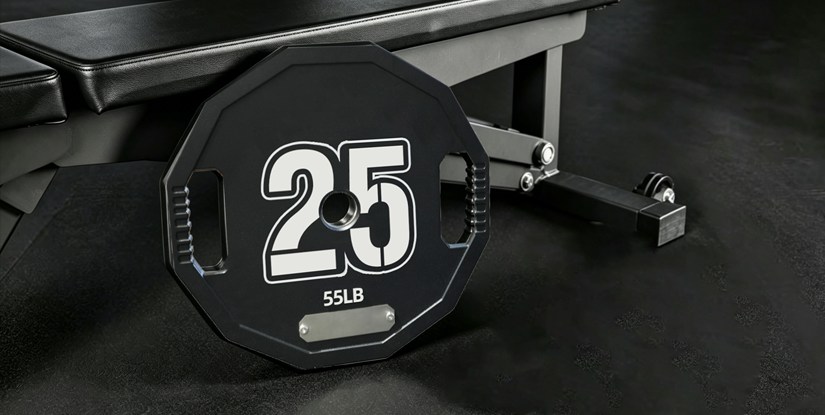
When evaluating your next bulk order, consider how the surface treatment—such as powder coating versus simple paint—affects the coating adhesion and long-term appearance. A China factory capable of OEM production can offer custom branding and specific weight tolerances to ensure your brand identity remains consistent across all product lines. We recommend requesting a detailed spec sheet or a sample evaluation to confirm that the weight tolerance and bore concentricity meet your specific market standards before finalizing a large-scale sourcing contract.
China Factory Sourcing: MOQ and Lead Time Management
Navigating the logistics of a calibrated weight plate OEM factory requires a clear understanding of how order volume dictates production schedules. For distributors and gym equipment importers, managing the balance between MOQ and lead time is essential to maintaining consistent inventory levels and optimizing landed costs.
When sourcing commercial steel weight plates, buyers often encounter varying timelines based on the complexity of the requested specifications. A standard production cycle for stock items is typically shorter, but high-precision requirements or custom branding requests will extend the duration. For instance, a China factory specializing in precision machining must account for additional stages such as specialized CNC calibration and surface treatment to ensure each unit meets commercial-grade standards.
The customization impact on your lead time is significant. While basic wholesale orders for standard commercial steel weight plates may follow a predictable manufacturing route, requests for OEM services—such as specific color-coded coatings or unique logo embossing—require dedicated production runs. High MOQ levels generally provide more leverage for scheduling, as manufacturers can optimize machine uptime for large-scale production of wholesale precision weight plates, whereas smaller, highly customized batches may face longer wait times due to frequent tool changes and calibration steps.
Logistics Planning and Order Volume Optimization
Effective inventory planning is a critical pillar of a successful distribution model. When coordinating with a calibrated weight plate OEM factory, procurement professionals must align their purchase orders with the standard manufacturing cycles of a China factory to avoid stockouts or excessive warehousing costs. For large-scale distributors, managing the relationship between bulk orders and shipping logistics determines the final profitability of each SKU.
Typical production timelines are influenced by the complexity of the manufacturing route. A standard run for wholesale precision weight plates involving basic surface treatments is generally faster than specialized orders. However, when your sourcing strategy includes OEM or ODM requirements—such as custom powder coating colors or specialized steel grades—the lead time must account for additional calibration and quality control stages. To ensure a predictable supply chain, we recommend a proactive approach to bulk orders, allowing for sufficient time for pre-shipment inspection and international transit.
| Order Type | Typical Production Focus | Logistics Consideration | Inventory Strategy |
|---|---|---|---|
| Standard Wholesale | High-volume throughput | Standard container loading | Regular replenishment |
| OEM / Private Label | Custom branding & coating | Extended QC & packaging | Advanced seasonal planning |
| Custom Precision Specs | Machining & calibration | Detailed inspection cycles | Low-frequency, high-value |
To optimize your landed cost and ensure smooth shipping logistics, we suggest confirming your MOQ requirements at least three months prior to your peak season. This allows our factory to allocate specific production windows for your wholesale needs, ensuring that your commercial steel weight plates arrive on schedule and meet all technical specifications.
| Order Tier | Typical MOQ | Production Duration | Customization Depth | Primary Shipping Method |
|---|---|---|---|---|
| Standard Stock | Low | Short | Standard colors/logos | LCL or Small Container |
| Bulk Wholesale | Medium | Moderate | Standard branding/coatings | FCL Container |
| Full OEM/ODM | High | Extended | Full spec/color/packaging | FCL Container |
When evaluating your next procurement cycle, we recommend requesting a detailed specification sheet and a formal quote based on your specific volume requirements. A professional calibrated weight plate OEM factory can provide more accurate timelines once the technical complexity of your wholesale precision weight plates is defined. To ensure the best results for your brand, please contact us to confirm current MOQ levels, discuss OEM possibilities, or book a virtual factory audit for your upcoming sourcing project.
Custom Branding and OEM/ODM Capabilities
For distributors and fitness equipment importers, building a recognizable market presence requires more than just generic stock. A professional calibrated weight plate OEM factory provides the necessary infrastructure to transition from a simple reseller to a recognized brand owner. By leveraging specialized OEM and ODM services, you can move beyond standard inventory to offer products that reflect your specific brand identity and quality standards.
The strategic value of sourcing through a China factory lies in the ability to integrate custom branding directly into the manufacturing workflow. This is not merely about adding a label; it involves precise logo embossing on the steel surface and sophisticated color customization to align with your existing product lines. Whether you require specific color-coded weight increments for easier gym management or a unique aesthetic for a premium studio line, these customizations help differentiate your catalog in a competitive wholesale market.
High-tier distributors often utilize these services to produce commercial steel weight plates that meet specific regional or aesthetic requirements. By establishing a private label program, you can secure long-term wholesale value, ensuring that every unit shipped carries your mark of quality. This level of customization is essential for maintaining high margins and building long-term loyalty among gym owners and commercial facility managers who prioritize professional-grade, branded equipment.
Technical Manufacturing and Customization Specifications
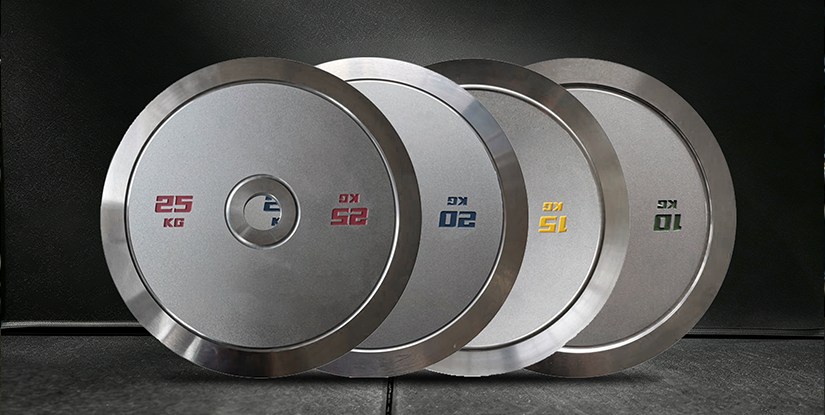
Achieving high-precision standards requires a rigorous manufacturing sequence. Our production line typically follows a strict path from raw material selection to final calibration. For clients seeking wholesale precision weight plates, the process begins with high-grade steel or cast iron, followed by precision CNC machining to ensure the concentricity of the center bore. This step is critical for ensuring a perfect fit on Olympic barbells, reducing friction and wear during high-volume commercial use. After the structural machining is complete, the plates undergo advanced surface finishing to prepare the surface for long-term durability.
To meet diverse aesthetic and functional demands, we offer specialized powder coating options. This process provides a resilient, uniform layer that protects the steel from oxidation and heavy impact in high-traffic gym environments. For distributors looking to scale, our mold development capabilities allow for the creation of unique plate profiles or custom thickness variations. This flexibility is vital when managing a diverse product catalog that includes both standard commercial and premium competition-grade tiers. We manage the entire workflow—from initial mold development to the final weight calibration—ensuring that your custom specifications are met without compromising the structural integrity of the plate.
Understanding the technical nuances of production helps in managing your landed cost and inventory planning. Below is a summary of how different manufacturing tiers impact your procurement strategy:
| Material Tier | Primary Process | Surface Finish | Commercial Duty | MOQ Impact | Factory QC Point |
|---|---|---|---|---|---|
| Cast Iron | Sand Casting | Paint or Enamel | Standard Commercial | Lower | Surface Smoothness |
| Machined Steel | CNC Machining | Powder Coating | Premium Commercial | Moderate | Bore Concentricity |
| Chrome-Manganese | Precision Forging | Chrome Plating | High-End/Competition | Higher | Weight Tolerance |
When planning your next shipment, we recommend discussing your specific MOQ and estimated lead time with our team. We provide detailed technical spec sheets for all wholesale orders to ensure complete transparency before production begins. Whether you are initiating a small private label run or a large-scale OEM production, our goal is to support your distribution margins through reliable, high-specification manufacturing.
When evaluating your next batch of high-precision equipment, understanding the distinction between standard stock and fully customized production is vital for long-term distributor margins. A professional calibrated weight plate OEM factory offers several tiers of engagement, ranging from simple logo application to complete structural design. Selecting the right level of customization ensures that your product meets the specific durability and aesthetic requirements of your target commercial clients while managing your total landed cost effectively.
For importers managing large-scale facility projects, the ability to specify technical details—such as the exact nature of the powder coating or the precision of the center bore—can be a significant competitive advantage. By working closely with a China factory, you can align your inventory with the high-performance standards expected in modern commercial gyms, ensuring your brand is associated with precision and reliability.
The following table outlines the typical differences in production complexity and procurement requirements to assist in your sourcing decision:
| Customization Level | Material | Coating | Branding Method | Customization Depth | MOQ Impact | Typical Lead Time |
|---|---|---|---|---|---|---|
| Standard Wholesale | Cast Iron / Steel | Paint / Enamel | Silk-screen Logo | Standard Dimensions | Lower | Short |
| OEM (Standard) | Machined Steel | Powder Coating | Laser Engraving | Color Customization | Moderate | Standard |
| ODM (Full Custom) | Precision Steel | Advanced PU/Chrome | 3D Embossed Logo | Bore & Profile Design | Higher | Longer |
To ensure your specific requirements are met, we suggest requesting a detailed technical spec sheet or a sample evaluation before finalizing a bulk order. Our team can provide clarity on how your chosen branding or material specifications may affect the final MOQ or the overall lead time for your shipment. We are ready to support your growth through professional, high-specification manufacturing solutions.
Pre-Shipment QC and Export Packaging Standards
Maintaining rigorous quality control is essential when sourcing from a calibrated weight plate OEM factory to ensure every unit meets international commercial standards. For distributors and gym equipment importers, the risk of receiving batches with inconsistent weight or poor surface integrity can lead to high return rates and damaged profit margins. A professional China factory mitigates these risks by implementing a systematic inspection sequence that covers everything from the raw steel state to the final container loading.
The inspection process begins with a critical weight tolerance spot-check. Because these are commercial steel weight plates, any significant deviation in mass can disrupt the balance of high-end strength equipment. Our quality control team utilizes calibrated scales to ensure that every plate within a bulk order remains within the industry-standard tolerance band. This step is vital for maintaining your brand's reputation for precision and reliability in the global market.
Technical Inspection and Surface Integrity
Beyond mass, the physical geometry and finish of the plates determine their long-term commercial durability. A thorough concentricity check is performed to ensure the central bore is perfectly aligned. This prevents uneven wear on barbell sleeves and ensures a smooth, professional feel for the end-user. Furthermore, we prioritize surface finishing to prevent premature oxidation and ensure high wholesale precision weight plates can withstand heavy use in high-traffic commercial environments.
Standard inspection protocols include checking the surface finishing for adhesion and smoothness. Whether the plates undergo powder coating or a specialized paint process, the coating must be uniform and resistant to chipping. This attention to detail reduces maintenance-related costs for your clients and ensures the commercial steel weight plates maintain a premium appearance throughout their lifecycle.
| Inspection Focus | Process Detail | Commercial Duty Tier | QC Point for Importers |
|---|---|---|---|
| Mass Consistency | Weight calibration | Premium/Competition | Tolerance band compliance |
| Bore Alignment | Concentricity check | Commercial/Premium | Barbell sleeve fitment |
| Surface Durability | Powder coating/Finish | Commercial/Standard | Coating adhesion/Texture |
| Physical Profile | Flatness/Machining | Commercial/Standard | Plate stacking stability |
When planning your next sourcing project, we recommend reviewing these technical specifications with your procurement team. We can provide detailed documentation regarding our OEM capabilities and MOQ requirements to ensure the final product aligns with your brand identity. Contact us to request a formal spec sheet or to arrange a factory audit to verify our wholesale production standards firsthand.
Optimized Export Packaging and Container Loading Logistics
For high-volume distributors, the landed cost of a shipment is heavily influenced by the efficiency of the final logistics phase. A professional calibrated weight plate OEM factory understands that heavy, high-density steel products require specialized export packaging to prevent structural damage and optimize container utilization. Improperly secured bulk shipments often lead to crushed edges or pallet instability, which increases the risk of damage during sea freight transit and complicates unloading at your warehouse.
To ensure maximum protection, our wholesale orders follow a strict palletization protocol. Each batch of wholesale precision weight plates is first organized by weight and size to ensure a stable center of gravity. We utilize heavy-duty, reinforced pallets and industrial-grade shrink wrap to secure the load. For long-distance sea freight, we implement additional protection layers, such as corner protectors and moisture-resistant barriers, to safeguard the commercial steel weight plates against the corrosive effects of salt air and humidity during transit.
Our bulk order logistics strategy is designed to maximize container volume, reducing the per-unit shipping cost for our partners. By optimizing the stacking density and utilizing standardized pallet dimensions, we help you achieve a lower landed cost per kilogram. Whether you are managing a small studio replenishment or a large-scale distributor import, our factory provides transparent loading plans. We invite you to discuss your specific container requirements, MOQ, and shipping schedules with our supplier team to ensure a seamless transition from our production line to your distribution center.