Calibrated Weight Plate Private Label: Manufacturing and QC
The Strategic Value of Calibrated Weight Plate Private Label Production
When professional importers evaluate the long-term viability of a product line, they must look beyond the initial purchase price to assess the true total cost of ownership. Selecting a high-quality calibrated weight plate private label partner requires a rigorous assessment of three critical checkpoints: the precision of the weight tolerance, the durability of the surface finish, and the reliability of the international logistics chain. A failure to prioritize these factors often leads to increased replacement cycles and diminished brand reputation among gym operators.
For distributors and large-scale fitness retailers, the decision to source via commercial weight plate manufacturing is a calculated move to secure higher margins through volume. While low-tier options may offer a lower upfront cost, they frequently suffer from uneven weight distribution and premature coating failure. By investing in precision weight plate OEM solutions, buyers mitigate the risk of constant product returns and customer dissatisfaction, ensuring that the landed cost remains low over the entire lifecycle of the equipment.
Optimizing your procurement strategy involves understanding how material integrity directly impacts your bottom line. High-quality casting and consistent calibration processes ensure that your branded plates maintain their structural and weight integrity under heavy commercial use. This reliability allows for more predictable replacement cycles and builds trust with your end-users, effectively increasing the long-term ROI for your distribution business.
The financial impact of sourcing from a low-tier China factory often manifests through hidden operational expenses. Inconsistent weight distribution and poor coating adhesion lead to high maintenance costs and frequent replacement requests from gym owners. For a professional distributor, these issues do more than just lower margins; they erode the brand reputation of your private label. When a client perceives a weight discrepancy or premature surface wear, the perceived value of your entire product line drops, making it difficult to maintain premium pricing in competitive markets.
To secure a sustainable competitive advantage, procurement professionals should prioritize calibrated weight plate private label production that integrates strict weight tolerance controls and high-grade surface treatments. Whether you are placing small wholesale orders for boutique studios or managing massive bulk orders for international distributors, the goal remains the same: minimizing the total cost of ownership. By selecting a supplier that utilizes advanced machining and standardized calibration, you ensure that every unit shipped meets the professional expectations of your clients, thereby protecting your long-term profitability and market position.
Comparing Production Tiers for Commercial Procurement
A critical component of your sourcing strategy is selecting the correct production tier that aligns with your target market's expectations and your specific business model. Professional buyers must decide whether to compete on volume-driven price points or high-margin premium specifications. This decision impacts everything from your initial MOQ requirements to the long-term maintenance load reported by your clients.
The following table outlines the qualitative differences between production tiers to assist in your sourcing decisions. This comparison focuses on how material selection and manufacturing depth affect the total cost of ownership and brand positioning.
| Production Tier | Material/Process | Precision Level | Commercial Application | Sourcing Strategy |
|---|---|---|---|---|
| Budget Tier | Standard gray iron casting with basic paint finish | Standard commercial tolerance | Local fitness studios and budget gym chains | High-volume, low-margin wholesale |
| Commercial Tier | Cast iron with high-grade powder coating or thin rubber | Consistent industrial tolerance | Full-service commercial gyms and training centers | Balanced ROI for distributors |
| Premium Tier | Precision machined steel or high-density urethane/PU | Strict high-precision calibration | Elite training facilities and competition environments | High-margin private label branding |
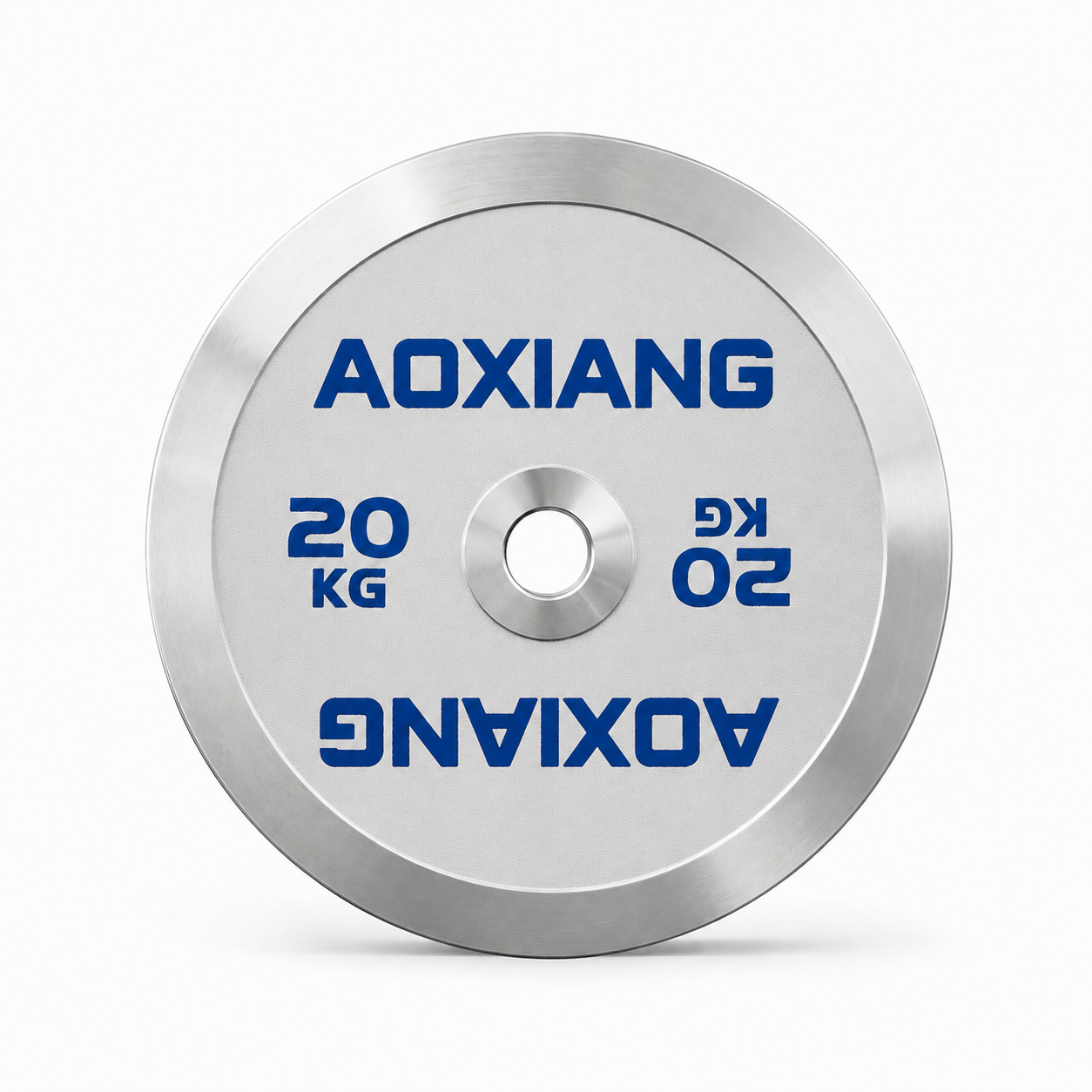
When evaluating a supplier, it is essential to verify how these tiers are executed within the factory. For example, a premium calibrated weight plate private label order often requires specialized CNC machining for the inner ring to ensure a perfect Olympic collar fit, whereas budget tiers may rely on simpler casting methods. We recommend requesting a detailed specification sheet or a sample evaluation to confirm that the weight calibration and surface adhesion meet your specific commercial standards before proceeding with large-scale bulk orders.
Material Selection and Manufacturing Routes for Commercial Precision
Achieving high-level precision in calibrated weight plate private label production begins with the foundational material and the casting method. For distributors and gym equipment importers sourcing from a China factory, understanding the relationship between raw material density and final weight tolerance is critical for maintaining high margins and low return rates. High-quality cast iron serves as the industry standard for providing the necessary density and durability required for heavy-duty commercial use.
The most common route for commercial weight plate manufacturing involves high-grade sand casting. This process allows for the creation of consistent, dense gray iron plates that can withstand the rigors of high-traffic training environments. Precision is not merely about the final weight, but also about the concentricity of the center bore and the smoothness of the surface finish. When managing a precision weight plate OEM project, the transition from raw casting to final CNC machining determines whether the batch meets the strict uniformity standards expected by premium commercial clients.
Selecting the correct manufacturing tier allows procurement managers to balance initial landed costs with long-term durability and brand reputation. The following table outlines the typical material and process variations found in the industry to assist in your sourcing decisions.
| Material Tier | Primary Process | Typical Finish | Commercial Duty | Procurement Focus |
|---|---|---|---|---|
| Standard Cast Iron | Sand Casting | Powder Coating | High-Volume Gyms | Cost Efficiency |
| Premium Cast Iron | Sand Casting + Machining | Enamel or Specialized Paint | Professional Studios | Precision & Aesthetics |
| Steel-Core Bumper | Steel Hub + Rubber Molding | Polyurethane/Rubber | Olympic/Crossfit Centers | Impact Absorption |
Optimizing Surface Finishing and Durability
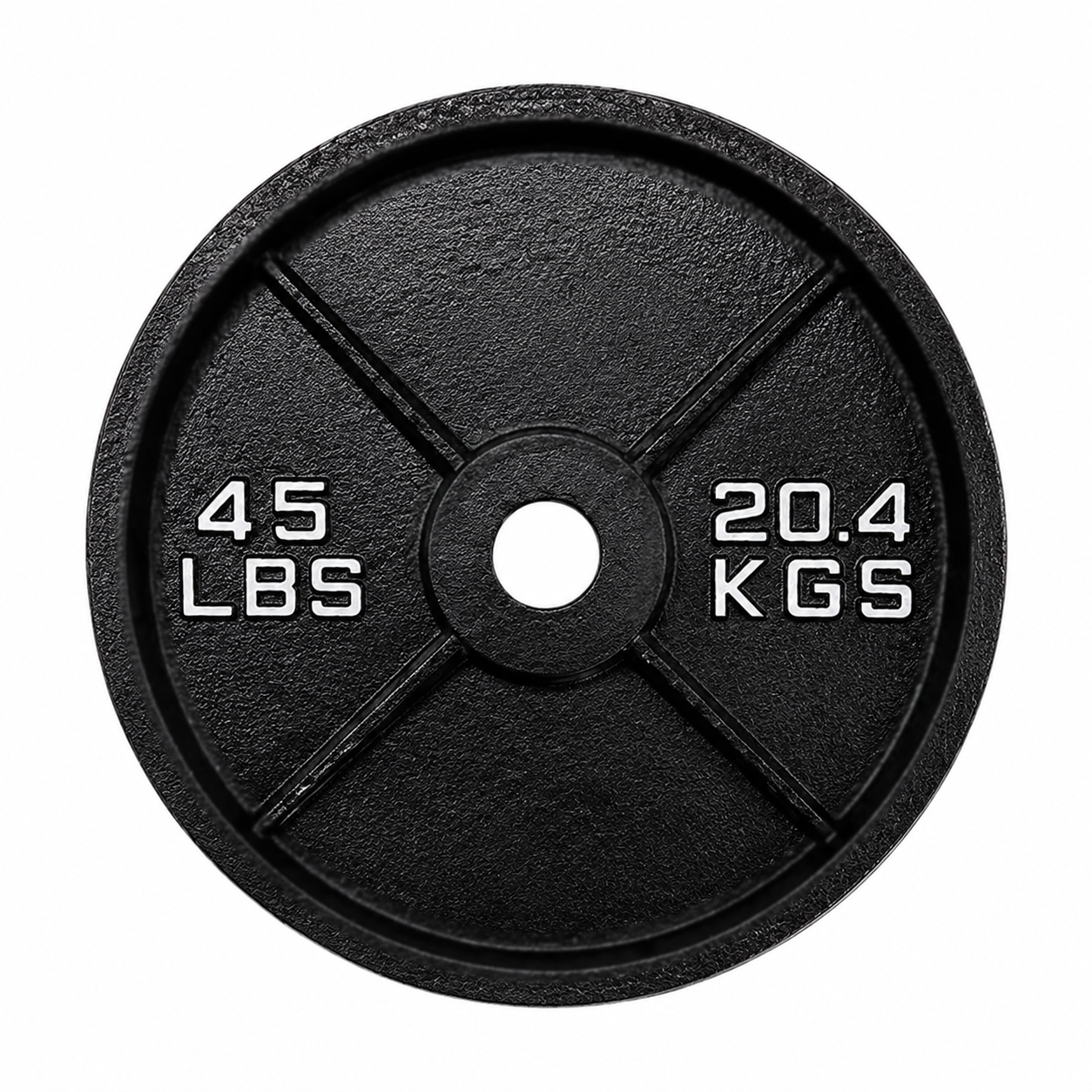
The selection between a standard powder coating and a specialized rubber or PU encapsulation significantly impacts the total cost of ownership for your clients. In high-volume commercial weight plate manufacturing, a high-quality coating is not just an aesthetic choice but a critical layer of protection against oxidation and surface degradation. For instance, a robust powder coating application ensures that the base metal remains protected from moisture and sweat, which is essential for maintaining a premium look in high-traffic facilities. When managing a calibrated weight plate private label order, importers should verify the adhesion quality of these finishes to prevent chipping during heavy use.
For distributors targeting the high-end functional training market, the transition from a simple cast iron plate to a steel-hub bumper plate represents a shift in manufacturing complexity. This process involves a secondary assembly stage where a steel core is integrated with high-density rubber or polyurethane through a molding or vulcanization process. While this increases the initial sourcing cost and may affect the MOQ, it provides superior impact absorption and floor protection. This material-driven distinction is a key factor when evaluating the long-term value and maintenance requirements of your private label product line.
Critical Quality Control Checkpoints for Bulk Export
Maintaining rigorous standards during the final stages of production is essential to avoid the high costs of shipping defective or imbalanced inventory. For a professional supplier, the process of calibrated weight plate private label production must include a multi-stage verification system that goes beyond simple weight checks. A single oversight in the calibration phase can lead to significant distributor dissatisfaction and increased replacement claims in the North American market.
The first critical checkpoint is the weight calibration and concentricity check. After the initial machining of the center bore, each plate must undergo a strict weight verification process to ensure it adheres to the specified tolerance levels. Simultaneously, a concentricity check is performed to ensure the center hole is perfectly centered; any deviation can cause uneven loading on Olympic barbells, a common failure mode in lower-tier manufacturing. Following these mechanical checks, the coating adhesion must be verified. This ensures that the surface treatment—whether it is powder coating or a rubberized layer—is securely bonded to the substrate and will not chip or peel under the mechanical stress of high-frequency commercial use.
The final stage of the commercial weight plate manufacturing workflow involves a comprehensive pre-shipment QC and specialized export packaging. Before any container is loaded, the batch undergoes a final inspection to confirm that the branding, weight markings, and surface finishes are consistent across the entire order. To protect the integrity of the precision weight plate OEM units during long-distance ocean freight, the export packaging must be robust. This typically includes reinforced corner protection and heavy-duty palletizing to prevent shifting and impact damage. For importers, confirming these specific QC and packaging protocols with their China factory is a vital step in ensuring a low landed cost and high product reliability upon arrival.
Precision Machining and Weight Calibration Standards
For distributors and professional gym equipment importers, the technical integrity of a calibrated weight plate private label determines the long-term reputation of the brand. Unlike standard cast iron plates, high-end commercial-grade units require rigorous CNC machining to ensure the center bore is perfectly concentric and the weight distribution is uniform. When sourcing from a China factory, understanding these engineering requirements is essential to avoid the high return rates and customer dissatisfaction associated with uneven or inaccurately weighted equipment.
Achieving commercial-grade precision involves a multi-stage production sequence that begins after the initial casting process. To meet the strict weight tolerance standards expected in premium training environments, plates undergo precision grinding and specialized calibration. This level of precision weight plate OEM capability ensures that every unit in a bulk order matches the specified weight, providing the consistency required for professional strength training. A reliable supplier will implement these calibration steps as a standard part of their production line to guarantee that the wholesale batches delivered to your warehouse meet international commercial specifications.
Technical Comparison of Manufacturing Methods
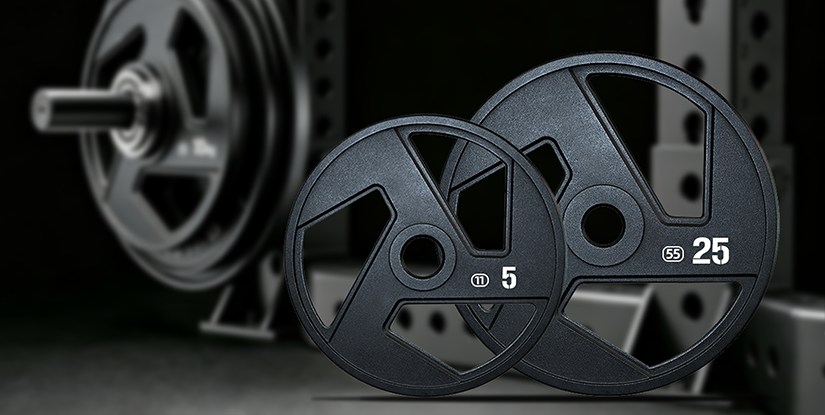
When managing procurement for high-end fitness centers or distribution networks, selecting the appropriate manufacturing route is a critical decision for your landed cost and product tiering. The choice between sand casting and advanced machining directly impacts the weight accuracy and the long-term durability of the equipment. For instance, a precision weight plate OEM project focusing on high-performance competition standards will require more intensive labor and machine time than standard commercial-grade orders. Understanding these technical trade-offs allows importers to better manage their MOQ and budget allocations when planning seasonal inventory replenishment.
Standard commercial weight plates often rely on sand casting for cost-efficiency, whereas premium tiers utilize CNC machining to achieve much tighter tolerances. If your brand identity is positioned toward high-performance strength clubs, your commercial weight plate manufacturing requirements must specify the level of finishing required for the center bore and the outer rim. Below is a comparison to assist in your technical evaluation and sourcing strategy.
| Material | Primary Process | Key Component/QC Point | Commercial Duty Tier | MOQ Impact |
|---|---|---|---|---|
| Gray Iron | Sand Casting | Bore Concentricity | Budget / Standard Commercial | Lower MOQ / Faster Lead Time |
| Solid Steel | CNC Machining | Surface Flatness | Premium / Competition Grade | Higher MOQ / Longer Lead Time |
| Cast Iron | Casting + Powder Coating | Coating Adhesion | Standard Commercial | Standard Wholesale Tier |
| Steel Hub + Rubber | Molding / Vulcanization | Bond Line Adhesion | Premium Bumper / High Impact | Higher Cost per Unit |
When conducting a factory audit or reviewing technical spec sheets, we recommend requesting details on the specific calibration methods used. A professional calibrated weight plate private label production line should include a final verification step where weight deviations are checked against the target weight to ensure consistency across the entire shipment. This level of oversight is vital for maintaining high distributor margins and reducing the need for after-sales replacements in professional gym environments.
Optimizing Facility Footprint with High-Density Plate Storage
For commercial gym operators and distributors, every square meter of floor space translates directly to revenue potential. When managing a high-volume facility, the logistics of weight management become a critical operational concern. Sourcing a calibrated weight plate private label solution that prioritizes verticality and density can significantly reduce the visual clutter and physical footprint of your strength training zones. By working with a specialized China factory, importers can access customized storage-friendly designs that maximize storage density without compromising on the precision expected from professional-grade equipment.
Effective commercial weight plate manufacturing focuses not just on the weight itself, but on how that weight integrates into a facility's ecosystem. High-density storage solutions, such as specialized vertical racks or tiered nesting systems, allow for better space efficiency in crowded training environments. For distributors and large-scale gym chains, optimizing this footprint through precision weight plate OEM specifications ensures that heavy lifting areas remain organized, reducing the time spent on equipment reorganization and improving the overall user experience. Investing in optimized plate designs and storage-ready configurations is a strategic move to maximize your long-term ROI through better facility utilization and lower maintenance overhead.
Strategic procurement involves more than just selecting a weight; it requires evaluating the total cost of ownership and long-term facility management. When sourcing for large-scale distribution or high-traffic gym chains, the relationship between plate geometry and floor protection becomes a vital factor in your landed cost and operational efficiency. Low-quality casting or improper coating adhesion can lead to premature wear, increased maintenance frequency, and costly damage to high-end flooring systems.
Design Variations and Facility Impact
Different plate profiles offer distinct advantages depending on your target market and the intended environment. For example, a thinner profile may offer higher storage density in vertical racks, whereas a thicker, rubber-encapsulated design provides superior floor protection and noise reduction. When negotiating a bulk order, it is essential to specify these structural requirements to ensure the final product meets the durability standards of your specific commercial setting.
| Material Profile | Primary Process | Key Component/Detail | Commercial Duty Tier | Storage/Logistics Impact |
|---|---|---|---|---|
| Cast Iron | Sand Casting & Machining | Bore Precision | Budget / Standard | High density; low volume per unit |
| Rubber Coated | Steel Hub & Molding | Adhesion Layer | Commercial / Premium | Increased thickness; better floor protection |
| PU Coated | Injection/Dip Coating | Color/Texture Finish | Premium / High-End | High durability; optimized for aesthetics |
For distributors looking to differentiate their product line, selecting a calibrated weight plate private label option that includes high-quality surface treatments can significantly reduce the frequency of replacement cycles. We recommend evaluating these specifications during the sample approval stage to ensure the coating and edge-work align with your brand identity and the durability requirements of your end-users.
Selecting the correct profile is a fundamental decision for long-term facility management. While cast iron options offer the highest density for maximizing rack capacity, rubberized or PU-coated variants are often preferred in high-traffic premium environments where noise reduction and floor preservation are priorities. When evaluating your next batch, consider how these material choices will impact your long-term ROI and the total cost of ownership for your clients.
A well-planned calibrated weight plate private label program allows distributors to offer a tiered product catalog that meets diverse market needs—from high-density budget-friendly training centers to high-end, aesthetics-driven boutique studios. By understanding the trade-offs between material thickness, coating durability, and storage density, you can better position your brand within the competitive commercial landscape. We suggest contacting your supplier to confirm specific dimensions and weight tolerance standards before proceeding with a bulk order to ensure alignment with your facility's specific layout requirements.
China Factory QC and Pre-Shipment Inspection Protocols
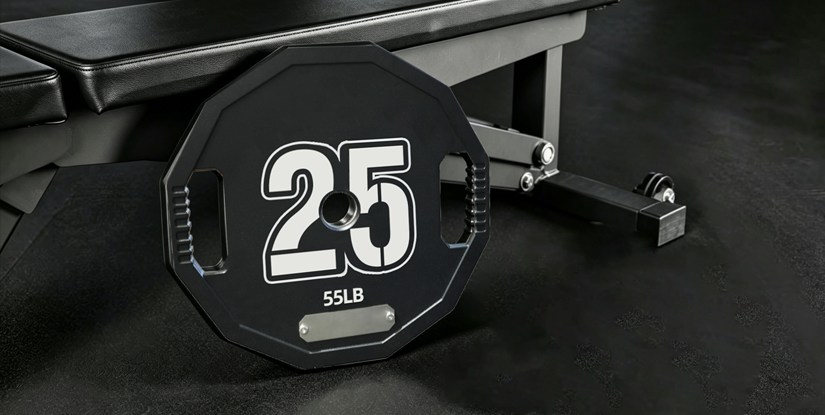
Maintaining consistent weight accuracy is the primary challenge for distributors sourcing calibrated weight plate private label products. In a high-volume China factory environment, precision is not guaranteed by the casting mold alone, but by rigorous secondary processes. To mitigate the risk of receiving uneven batches, professional importers must verify that the commercial weight plate manufacturing workflow includes dedicated calibration stations and multi-stage verification to ensure every unit meets the required weight tolerance and commercial-grade precision.
Standard pre-shipment inspection protocols for premium orders typically involve a three-tier verification system. First, the factory conducts a physical dimension check on the central bore to ensure a perfect Olympic collar fit. Second, a random sampling of the batch undergoes weight verification to confirm consistency across the entire wholesale shipment. Finally, a visual inspection of the powder coating or surface finish is performed to check for adhesion issues or unevenness that could affect long-term durability and the professional appearance of your private label brand.
Ensuring Packaging Integrity and Reducing Landed Cost
For distributors and large-scale importers, the final stage of the precision weight plate OEM process is as critical as the calibration itself. Even the highest quality production can suffer from high return rates if the logistics chain is not secured. Poorly managed export packaging often leads to surface scuffs, dented edges, or structural damage during ocean freight, which directly increases your total landed cost through replacement claims and diminished distributor margins. To prevent this, a professional supplier must utilize heavy-duty, reinforced corrugated boxes or custom wooden crates designed for high-density weight loads.
Effective packaging integrity requires more than just thick cardboard; it involves strategic stacking patterns and moisture-resistant barriers to protect the metal or coating from salt air during transit. When sourcing calibrated weight plate private label units, we recommend verifying that the China factory uses palletization with corner protectors and shrink-wrap stabilization. This level of detail optimizes container loading density and ensures that the shipment arrives at your warehouse in a condition that reflects your brand's premium standards, thereby maximizing your ROI and minimizing unexpected logistics expenses.
Standardized Inspection Checklist for Procurement Managers
To streamline your sourcing and reduce the need for costly on-site visits, we recommend utilizing a structured checklist during your third-party inspection or factory audit. A reliable supplier will provide documentation that matches these specific checkpoints. When managing a calibrated weight plate private label project, the focus must shift from general appearance to technical compliance and structural stability to ensure long-term commercial viability.
| Inspection Category | Critical Focus Area | Commercial Duty Standard | Typical QC Point |
|---|---|---|---|
| Material Integrity | Cast Iron Density | High-density gray iron | Surface crack/void check |
| Weight Accuracy | Calibration Consistency | Uniform weight distribution | Random sampling verification |
| Bore Precision | Olympic Collar Fit | Concentricity of center hole | Diameter and flatness check |
| Surface Finish | Coating Adhesion | Uniformity of powder coating | Scratch and chip resistance |
| Export Readiness | Packaging Strength | Heavy-duty reinforced protection | Pallet stability and stacking |
By implementing these rigorous standards, importers can successfully navigate the complexities of commercial weight plate manufacturing. Whether you are requesting a sample evaluation or a full-scale wholesale order, ensuring these technical benchmarks are met will protect your brand identity and stabilize your long-term distribution margins. We suggest confirming the MOQ and lead times for custom branding requirements before finalizing your inspection protocol to ensure alignment with your seasonal inventory planning.
Sourcing and Customization: OEM and Private Label Logistics
For professional distributors and gym equipment importers, securing a reliable calibrated weight plate private label partner is a strategic move to build brand equity and long-term market presence. When sourcing from a China factory, the ability to transition from standard stock to a specialized private label product determines your competitive edge in the North American market.
High-tier commercial weight plate manufacturing involves more than just mass production; it requires precise customization to meet specific brand identities and technical requirements. Whether you are looking for high-contrast color coating for easier identification in a busy facility or high-relief logo embossing for a premium look, the OEM and ODM capabilities of your supplier will dictate the final quality of your branded line. A professional precision weight plate OEM service allows you to control technical specifications, such as the exact finish of the center bore or the texture of the outer rim, ensuring your brand stands for consistency and durability.
Effective sourcing requires a clear understanding of how customization affects your MOQ and lead time. For instance, while standard powder-coated plates may have lower entry barriers, highly specialized ODM requests—such as custom-colored urethane coatings or unique metal-to-rubber bonding—will require longer production cycles and higher minimum orders. Aligning your branding requirements with the factory production schedule is essential to maintaining a healthy inventory turnover and maximizing your distributor margins.
Managing Bulk Procurement and Global Logistics
Navigating the complexities of international procurement requires more than just selecting a product; it requires a deep understanding of the logistics involved in a bulk order. For distributors, the primary concern is often the balance between the MOQ and the total landed cost. When you engage in calibrated weight plate private label production, your China factory partner must provide transparent timelines regarding the production cycle to prevent stockouts in your local warehouse or retail channels.
The lead time for a wholesale shipment is typically influenced by the complexity of the OEM or ODM specifications. A standard production run for cast iron plates moves through casting, machining, and coating, whereas specialized high-end finishes may add several weeks to the schedule. To optimize your sourcing strategy, it is vital to account for both the manufacturing duration and the shipping logistics—including sea freight transit and port handling—to ensure your inventory management remains efficient and your capital is not tied up in transit for longer than necessary.
| Procurement Tier | Service Type | Typical MOQ Impact | Lead Time Profile | Logistics Focus |
|---|---|---|---|---|
| Standard Stock | Wholesale | Lower | Short/Predictable | Fast turnover/Standard container loading |
| Branded Line | OEM | Moderate | Medium/Production-dependent | Custom packaging/Brand identity protection |
| Specialized Spec | ODM | Higher | Long/Development-heavy | Complex material handling/Strict QC oversight |
To ensure a successful partnership, we recommend that buyers initiate the process by requesting a detailed spec sheet and a formal quote based on their specific volume requirements. Before finalizing a bulk order, it is standard professional practice to confirm the MOQ for custom designs, request a sample approval, and ideally book a factory audit or a pre-shipment inspection to verify that the calibrated weight plate private label meets your brand's exact standards.
| Customization Level | Scope | Branding Options | Typical MOQ | Lead Time Impact |
|---|---|---|---|---|
| Standard Wholesale | Existing product molds and standard finishes | Simple logo stamp or basic sticker | Low | Minimal impact on standard shipping schedules |
| OEM (Original Equipment Manufacturer) | Standard molds with custom colors or surface textures | Embossed logos or customized powder coating colors | Moderate | Additional time for color matching and branding application |
| Full Private Label | Complete control over material, bore design, and finish | High-relief 3D branding and custom packaging | High | Significant impact due to specialized production cycles |
When evaluating your next batch, understanding these tiers allows you to balance your initial capital expenditure against your long-term brand ambitions. A precision weight plate OEM approach offers the best scalability for growing distributors, while a full private label strategy serves premium brands looking to dominate high-end commercial segments. To move forward with your sourcing strategy, we suggest you request a detailed quote and confirm the MOQ for your specific customization needs to ensure a seamless export process.