Cast Iron Weight Plate Bulk Supplier: Coating and Material
The Strategic Value of a Cast Iron Weight Plate Bulk Supplier
For large-scale commercial gym chains and international distributors, the difference between a high-performing facility and a high-maintenance one often lies in the precision of their initial procurement. When sourcing high-volume orders, selecting a reliable cast iron weight plate bulk supplier is not merely about the lowest unit price, but about securing a long-term reduction in operational expenditure. Whether you are outfitting a multi-location fitness franchise or managing a regional distribution network, the quality of the raw iron and the consistency of the surface finish directly impact your facility's longevity and your bottom line.
A strategic sourcing decision focuses on minimizing the Total Cost of Ownership (TCO) through superior durability. Lower-grade commercial cast iron plates often suffer from uneven weight distribution or premature oxidation, leading to increased maintenance costs and frequent replacement cycles. By partnering with a professional China factory, importers can leverage advanced sand casting and precision machining to ensure each unit meets rigorous commercial standards, effectively protecting the capital investment of the end-user and enhancing the distributor's reputation for reliability.
Surface Treatment and Durability Benchmarks
Understanding the technical nuances of surface finishes is essential for calculating the long-term maintenance load of your inventory. In high-traffic commercial environments, the choice between a basic finish and a premium coating determines how effectively the equipment resists corrosion and surface wear. For procurement officers, this distinction is a vital component of the TCO equation when ordering wholesale weight plates.
Standard options like phosphate treatment provide a fundamental layer of oxidation resistance, which is a common industry-standard approach for budget-conscious gym setups. However, for premium facilities or high-end distributor stock, powder coating offers a much more robust solution. This process involves applying a dry powder that is then cured under heat, creating a durable, high-adhesion layer that protects the underlying gray iron from moisture and heavy handling. The following comparison outlines how different treatments affect your procurement strategy and the expected commercial duty of the product.
| Material Finish | Primary Process | Key Component / Focus | Commercial Duty Tier | MOQ Impact | Factory QC Point |
|---|---|---|---|---|---|
| Bare Iron | Sand Casting | Weight Marking / Embossing | Budget / Basic | Lower | Surface Smoothness |
| Phosphate Treatment | Chemical Dip | Oxidation Resistance | Standard Commercial | Moderate | Coating Uniformity |
| Powder Coating | Electrostatic Spray | Color & Impact Durability | Premium Commercial | Higher | Coating Adhesion |
| Rubber / PU Coating | Molding / Dip | Floor Protection / Noise | High-End / Specialty | Highest | Encapsulation Integrity |
When evaluating a cast iron weight plate bulk supplier, we recommend requesting a sample evaluation of the coating adhesion. A high-quality China factory will demonstrate consistent thickness and a lack of peeling or chipping even under simulated heavy use. For distributors aiming to build a premium private label, selecting a higher-tier finish can justify a better market position and reduce the frequency of replacement-related customer service inquiries.
To maximize the efficiency of a large-scale procurement cycle, importers must look beyond the initial invoice and consider the complexities of the manufacturing chain. A professional China factory OEM supplier provides more than just finished goods; they offer a controlled environment where weight tolerance and material integrity are standardized. For a distributor, the risk of receiving a shipment with inconsistent mass or brittle surfaces can lead to significant losses in both time and profit margins. Therefore, establishing a rigorous inspection protocol is a prerequisite for successful long-term partnerships.
A critical component of this oversight is the pre-shipment QC process. During this phase, technical teams should verify the concentricity of the central bore and the precision of the weight calibration. In many commercial settings, even minor deviations in the casting density can lead to an unbalanced load, affecting the user experience and the durability of the barbell. By ensuring that the weight tolerance meets the agreed-upon commercial specifications before the container is sealed, a supplier can effectively mitigate the risk of costly returns and high landed cost fluctuations caused by defective stock.
Furthermore, the logistics of a bulk order require careful coordination regarding export packaging and container loading efficiency. High-density cast iron products are heavy and prone to impact damage if not secured correctly. A reliable factory will utilize reinforced pallets and optimized stacking patterns to ensure that the product arrives at your warehouse in optimal condition. This level of detail in the supply chain ensures that your landed cost remains predictable and that your inventory is ready for immediate distribution or facility installation without the need for secondary sorting or replacement.
Material Grades and Surface Finishing for Commercial Durability
Selecting a reliable cast iron weight plate bulk supplier requires a deep understanding of how base material grades and surface treatments impact long-term commercial durability. For distributors and gym operators, the primary goal is to minimize maintenance and replacement cycles through high-quality China factory production. When sourcing commercial cast iron plates, the choice between standard gray iron and specialized coatings directly influences the TCO (Total Cost of Ownership) of your fitness facility or retail inventory.
Most high-volume wholesale weight plates are produced using the sand casting method. This process is industry-standard for creating the dense, heavy-duty profiles required for commercial strength training environments. A professional supplier ensures that the molten metal is poured into high-precision molds to achieve consistent density, reducing the risk of structural cracks or uneven weight distribution during heavy use.
| Material Grade | Surface Finish | Primary Process | Commercial Duty Tier | TCO Impact |
|---|---|---|---|---|
| Gray Iron | Bare/Phosphate | Sand Casting | Budget/Standard | Low initial cost; higher maintenance |
| Gray Iron | Powder Coating | Casting + Coating Line | Premium Commercial | Balanced cost; excellent corrosion resistance |
| Ductile Iron | PU/Rubber Coated | Casting + Molding | High-End/Specialty | Higher initial cost; minimal floor damage |
For procurement leads, the differentiation often lies in the secondary finishing stage. While bare iron is cost-effective for sourcing, it is prone to oxidation in humid environments. Implementing a professional powder coating or specialized enamel layer via a China factory process significantly extends the product's lifespan, protecting the integrity of the iron and maintaining a professional aesthetic for years. When evaluating your next bulk order, always request details regarding the coating adhesion and the specific OEM finishing standards to ensure your wholesale investment remains durable under heavy commercial use.
Optimizing Maintenance and Longevity via Surface Engineering
The technical distinction between standard and high-end commercial cast iron plates often comes down to the secondary manufacturing route. For large-scale distributors, choosing the correct finish is a strategic decision to reduce long-term maintenance costs and improve the resale value of the inventory. A professional cast iron weight plate bulk supplier will offer various surface treatments designed to mitigate the natural failure modes of raw iron, such as oxidation, rust, and surface chipping.
For high-traffic strength facilities, a robust powder coating is the industry-standard solution. This process involves applying a dry powder to the cast surface and curing it under heat, creating a hard, protective layer that resists scratches and environmental moisture. This is a critical factor for wholesale weight plates intended for multi-gym environments where humidity and frequent handling are constant. While the initial landed cost may be slightly higher than bare iron, the reduction in cleaning and rust-prevention labor provides a superior ROI for the end-user.
In more specialized procurement scenarios, such as boutique studios or premium home-gym distributors, rubber coating or polyurethane (PU) layers are often preferred. This method involves molding a durable elastomer over the cast iron core, which serves two purposes: it provides an additional layer of protection against impact and significantly reduces noise during loading. When negotiating OEM/ODM specifications with your China factory, you should confirm the thickness and adhesion quality of these layers to ensure they do not peel or degrade under heavy commercial cycles.
Ultimately, the selection of a finish should align with your target market's needs. If you are sourcing for budget-friendly commercial gyms, a phosphate treatment or high-grade enamel may suffice. However, for premium distributors looking to offer high-durability products, investing in advanced coating technologies will minimize the frequency of replacements and enhance your brand identity. We recommend requesting a sample approval or a detailed technical spec sheet to verify the coating durability before confirming your full bulk order.
Precision Machining and Weight Calibration Standards
When sourcing from a cast iron weight plate bulk supplier, the distinction between budget casting and high-tier commercial-grade equipment lies in the secondary manufacturing stages. For distributors and gym owners, the primary concern is not just the initial pour, but the technical precision that ensures long-term durability and operational efficiency. High-volume procurement requires a China factory that integrates advanced machining to eliminate common defects found in lower-tier production.
A professional cast iron weight plate bulk supplier must prioritize two critical technical phases: precision machining and weight calibration. Without rigorous weight calibration, uneven weight distribution can lead to unbalanced bars, increasing wear on barbell sleeves and reducing the lifespan of other equipment. Furthermore, precision machining of the center hole—ensuring perfect concentricity and a smooth inner diameter—is essential for seamless loading and unloading in high-traffic commercial environments. This level of technical oversight directly impacts the Total Cost of Ownership (TCO) by reducing maintenance frequency and preventing premature replacement cycles.
Standard commercial cast iron plates undergo a sequence of refinement to meet international standards. This typically begins with the raw sand casting process, followed by CNC machining to refine the plate edges and the center hub. A meticulous QC process is then applied to check for flatness and concentricity before the surface coating is applied. For importers, verifying these specific technical steps is vital to ensure that the wholesale weight plates arriving at the warehouse meet the structural integrity required for professional strength training facilities.
Machining Tiers and Technical Differentiation
Distinguishing between various manufacturing levels is a critical step for procurement officers evaluating a China factory OEM supplier. The technical quality of the center hub and the plate surface determines whether the product functions as a high-performance tool or a low-margin budget item. In a high-volume wholesale context, selecting the wrong tier can lead to increased replacement costs and distributor dissatisfaction due to poor fitment on barbell sleeves.
The following table outlines the qualitative differences in production standards that professional buyers should evaluate during the sourcing process to ensure long-term commercial viability.
| Material Tier | Machining Level | Center Hub Precision | Typical Application | Procurement Impact |
|---|---|---|---|---|
| Gray Iron (Standard) | Basic Sand Casting | Standard fitment | Budget gym/Home use | Lower initial cost; higher maintenance |
| Cast Iron (Commercial) | CNC Machined Edges | High concentricity | Commercial fitness centers | Balanced TCO; reliable durability |
| Premium Grade Steel/Iron | Precision Calibrated | Optimized sleeve fit | Professional competition | Highest durability; premium branding |
When conducting a factory audit or reviewing technical spec sheets, importers should focus on the center hole diameter and the smoothness of the inner ring. A reliable supplier will provide documentation or samples that demonstrate consistent concentricity and uniform edge thickness. For those looking to build a premium brand identity, requesting a detailed description of the calibration and post-casting machining steps is a recommended practice to ensure your OEM requirements are met without compromising on product stability or barbell compatibility.
Logistics and Quality Control for Bulk Procurement
Effective sourcing extends beyond the manufacturing line and into the final stages of the supply chain. For a professional wholesale buyer, the risk of receiving damaged or non-compliant goods is a significant threat to the landed cost and overall ROI. A reputable supplier mitigates these risks by implementing a rigorous factory-level inspection protocol that covers everything from the initial casting to the final container loading.
A standard pre-shipment QC workflow for a China factory specializing in high-volume orders typically includes a dedicated . This ensures that the actual weight of each unit falls within an acceptable commercial tolerance band, preventing discrepancies in the final shipment. Furthermore, the inspection process must verify the adhesion of the surface coating and the smoothness of the center hub to prevent any issues during high-frequency usage in professional environments. To protect your margins and ensure product integrity during long-distance transit, specialized export packaging is mandatory. This involves using heavy-duty reinforced cartons or customized wooden crates designed to withstand the stresses of ocean freight and multiple handling points. When managing a bulk order, it is essential to confirm that the lead time includes sufficient buffer for these final QC and packing stages. This proactive approach ensures that the commercial durability of the product is matched by the reliability of its delivery, allowing distributors to maintain consistent stock levels for their clients.
Evaluating China Factory QC and Pre-Shipment Inspection
For distributors and gym equipment importers, the difference between a profitable shipment and a high-cost liability lies in the rigor of the cast iron weight plate bulk supplier oversight. When sourcing large volumes, relying on visual inspection alone is insufficient. A professional China factory must implement a multi-stage quality control protocol to ensure that every batch meets the structural and aesthetic standards required for international commercial use.
The primary risk in bulk procurement is the arrival of defective batches characterized by uneven weight distribution or surface flaws. To mitigate these issues, a reputable supplier must conduct systematic checks on commercial cast iron plates. This process typically begins with raw material verification and moves through casting, machining, and coating to ensure surface finish consistency. Without strict QC, even minor deviations in weight tolerance can lead to significant discrepancies in your total shipment weight, directly impacting your landed cost and distributor margins.
A high-standard wholesale workflow involves more than just checking for cracks; it requires a deep dive into the precision of the manufacturing process. For example, during the pre-shipment stage, a China factory should perform spot-checks on the concentricity of the center hole and the adhesion of the powder coating. These technical benchmarks ensure that the wholesale weight plates can withstand the high-frequency use of a professional training environment without premature degradation or surface peeling.
Pre-Shipment Inspection Checklist for Bulk Orders
To protect your investment and ensure long-term durability, importers should demand a technical inspection report that covers the entire production sequence. A professional China factory OEM supplier will utilize a structured checklist to validate the transition from raw sand casting to the final finished product. Relying on these specific technical benchmarks helps prevent the common failure modes found in lower-tier manufacturing, such as uneven surfaces or peeling finishes.
The following table outlines the critical inspection points that a professional cast iron weight plate bulk supplier should provide during a pre-shipment audit to ensure high-grade commercial performance.
| Inspection Phase | Technical Focus Area | Standard Commercial Requirement | B2B Procurement Value |
|---|---|---|---|
| Casting Stage | Sand casting integrity | Absence of surface voids or structural cracks | Reduces replacement rates and returns |
| Machining Stage | Concentricity and flatness | Smooth center hole and balanced plate profile | Ensures stable barbell loading and longevity |
| Finishing Stage | Powder coating adhesion | Uniform coverage without peeling or bubbling | Protects against oxidation and corrosion |
| Final Calibration | Weight consistency | Standardized weight tolerance across the batch | Accurate inventory and shipping weight calculation |
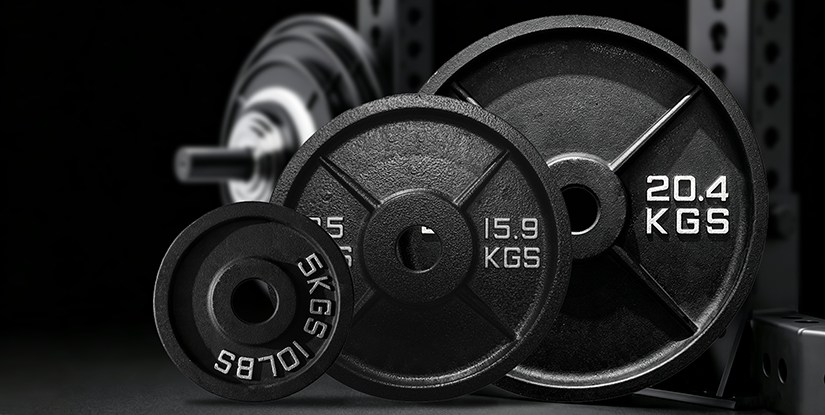
When conducting a factory audit or requesting a sample, pay close attention to the precision of the center hole and the thickness of the coating. High-quality wholesale weight plates must demonstrate that the coating is deeply bonded to the iron substrate to prevent chipping during heavy usage. We recommend confirming the specific OEM or ODM customization capabilities regarding these QC steps before finalizing your purchase order to ensure the final product aligns with your brand identity and commercial durability standards.
Optimizing Logistics: Export Packaging and Landed Cost Management
For professional distributors and importers, the true cost of a shipment is not merely the unit price from the cast iron weight plate bulk supplier, but the final landed cost after accounting for freight, duties, and potential breakage. Managing these variables requires a China factory that prioritizes structural integrity during long-haul transit. Inefficient export packaging leads to damaged edges, uneven palletization, or container shifts, all of which erode your profit margins and increase the total cost of ownership.
To mitigate these risks, high-tier wholesale weight plates must undergo standardized palletization and reinforced crating. A professional supplier ensures that heavy iron loads are secured with edge protectors and heavy-duty shrink wrap to prevent movement within the container. By optimizing the volumetric weight and ensuring strict shipping damage prevention protocols, a factory can help you maximize container utilization, effectively lowering your per-unit shipping expense. When evaluating commercial cast iron plates, always confirm the MOQ and the specific packaging dimensions to accurately forecast your logistics budget and lead time.
Logistics Efficiency and Container Optimization
Effective procurement strategy involves more than selecting high-quality products; it requires a deep understanding of how weight density affects shipping volume. Because commercial cast iron plates are high-density, low-volume goods, maximizing the payload per container is essential for reducing the landed cost. A professional China factory will utilize precision loading patterns to ensure that every cubic meter of a 20ft or 40ft High Cube container is utilized without compromising safety or structural stability.
| Packaging Method | Load Density | Protection Level | Best Use Case | Logistics Impact |
|---|---|---|---|---|
| Standard Wooden Crates | High | Superior | Premium sets or long-distance ocean freight | Higher tare weight, higher protection |
| Reinforced Palletization | Maximum | High | Standard wholesale weight plates orders | Optimized for rapid unloading and forklift access |
| Bulk Carton Packing | Moderate | Standard | Lower MOQ or mixed-SKU shipments | Higher volumetric footprint per unit |
When negotiating with a cast iron weight plate bulk supplier, we recommend requesting specific details regarding the pallet dimensions and the total weight per pallet. This information is critical for calculating your freight-to-value ratio. Furthermore, a reliable supplier should provide clear documentation on the weight tolerance and the exact dimensions of the export packaging. For large-scale bulk order requirements, discussing custom pallet configurations or specialized crating can significantly improve your container loading efficiency, ultimately protecting your distributor margins and long-term profitability.
Pre-Shipment QC and Moisture Protection Standards
Reliability in long-distance maritime transport depends on rigorous pre-shipment QC protocols that extend beyond simple weight verification. For a professional China factory, quality control must include a strict inspection of coating adhesion to ensure that the surface finish remains intact despite the humidity and temperature fluctuations common during sea freight. A failure in the coating layer during transit can lead to surface oxidation, which diminishes the perceived value of your wholesale weight plates upon arrival at the warehouse.
To protect your investment, high-standard export-grade carton packaging and moisture-resistant barriers are essential. A reputable supplier will implement multi-layered protection, such as heavy-duty corrugated dividers and moisture-absorbing agents within the shipping units, to safeguard the iron from salt-air corrosion. Additionally, verifying the weight tolerance through batch sampling before the final container loading ensures that your shipment meets the exact specifications required for your commercial clients. We recommend that buyers confirm these specific packaging and pre-shipment QC steps during the initial sourcing phase to ensure the highest level of product integrity and to minimize the risk of returns or replacement claims.
Sourcing Custom Branding and OEM Solutions
For distributors and large-scale gym operators, the ability to differentiate a product line through a cast iron weight plate bulk supplier is a critical strategic advantage. Moving beyond generic stock items allows you to build a recognizable brand identity that signals professional quality to your end-users. Whether you are looking to expand a domestic distribution network or launch a proprietary fitness line, leveraging OEM and ODM capabilities ensures your products meet specific market demands rather than generic industry standards.
Standardized wholesale weight plates often lack the visual distinction required for premium studio environments. By partnering with a professional China factory, you can transition from a simple importer to a specialized brand owner. This process typically involves selecting specific casting molds, customized surface textures, and unique logo embossing to ensure your commercial cast iron plates are instantly identifiable. This level of private label customization is essential for maintaining high margins and long-term customer loyalty in competitive fitness markets.
The transition from standard sourcing to custom branding requires a clear understanding of technical constraints. A specialized supplier can assist in defining the scope of your OEM request, from the specific thickness of the powder coating to the precision of the center hole diameter. For many distributors, the goal is to balance high-end aesthetic appeal with a manageable MOQ to optimize inventory turnover and reduce the landed cost of specialized product lines.
Customization Tiers and Technical Specifications
When managing a product catalog, procurement professionals must decide between standard stock and customized specifications. A professional cast iron weight plate bulk supplier typically offers different levels of customization that directly impact your total cost of ownership and product differentiation. Choosing the right branding method and coating type is not just an aesthetic decision; it is a technical one that affects the longevity and maintenance requirements of the equipment in a commercial setting.
| Branding Method | Coating Type | Durability Level | Commercial Application | Impact on MOQ |
|---|---|---|---|---|
| Raised Embossing | Bare Iron / Phosphate | High (Standard) | Traditional Strength Gyms | Lowest |
| Recessed Logo | Powder Coating | High (Premium) | Modern Boutique Studios | Moderate |
| Silk Screen Printing | Enamel Paint | Medium | Specialized Training Sets | Higher |
The distinction between embossing and printing is a common point of friction in sourcing. Raised embossing is integrated during the sand casting phase, making it virtually permanent and ideal for high-traffic environments where surface wear is expected. In contrast, printed logos are applied post-casting and may face adhesion issues if the surface preparation is not strictly controlled. For high-end differentiation, many distributors opt for high-grade powder coating, which provides a much thicker, more resilient finish than standard liquid paint, though it may require a higher MOQ to remain cost-effective.
From a procurement perspective, understanding these trade-offs is vital for calculating the final landed cost. While a basic painted finish might lower the initial unit price, the long-term maintenance load in a commercial gym can increase. When negotiating with your China factory, always request clarity on the coating adhesion process and the weight tolerance levels to ensure that custom branding does not compromise the precision of the plates. We recommend requesting a sample approval for any OEM or ODM order to verify that the visual identity meets your brand standards before full-scale production begins.