Calibrated Weight Plate OEM Manufacturer: Export Ready China
The Strategic Value of a Calibrated Weight Plate OEM Manufacturer
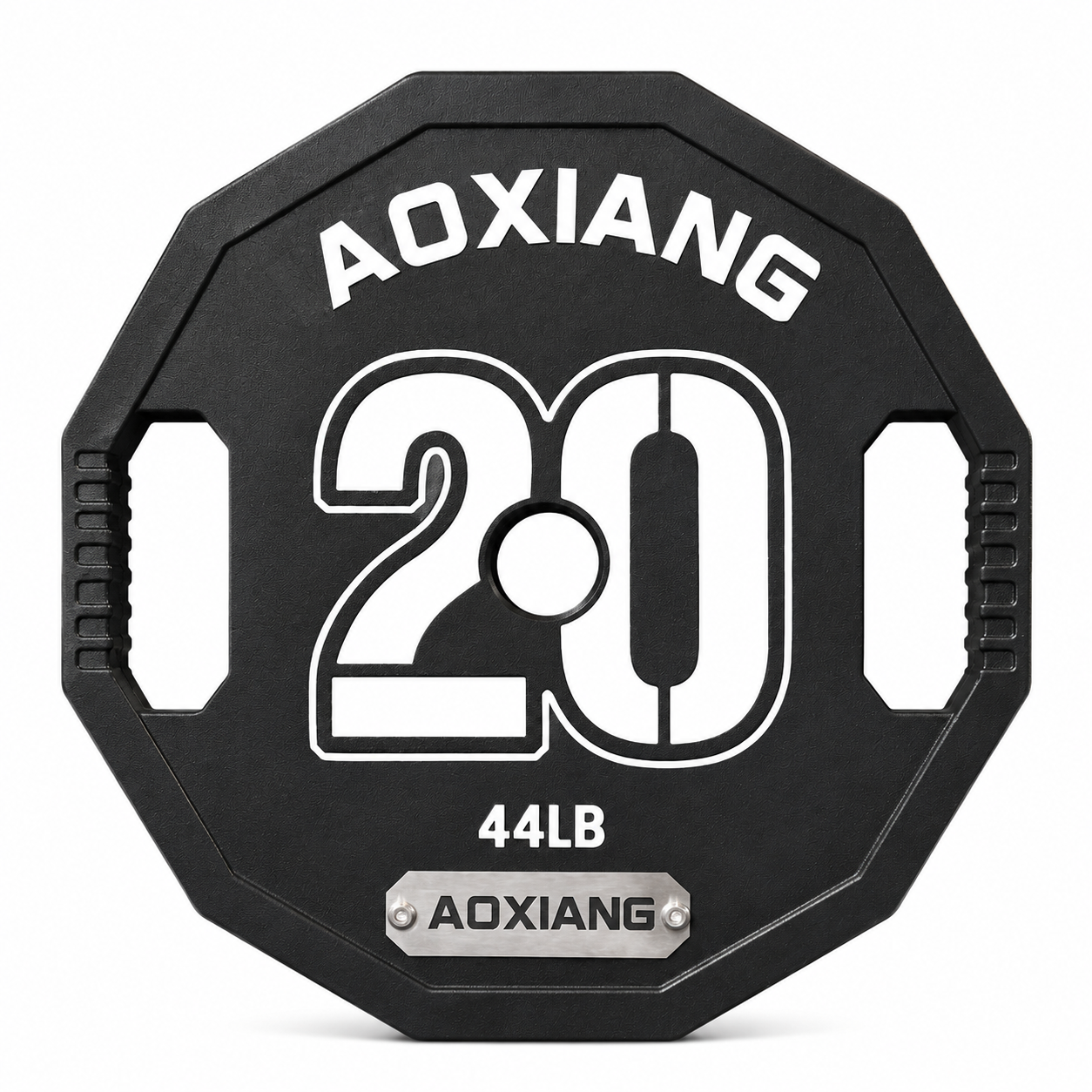
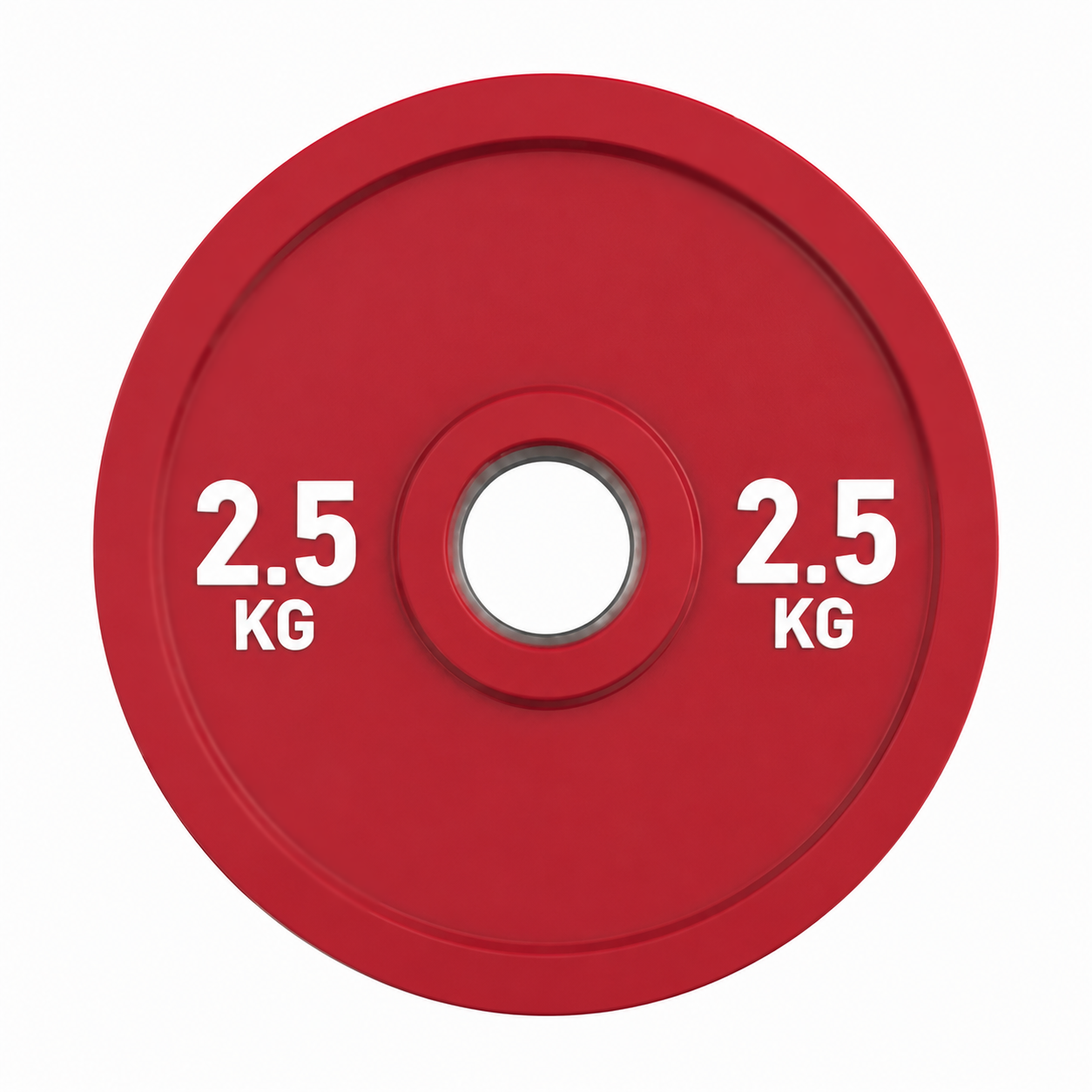
Many importers fail by sourcing generic cast iron plates that lack precision, leading to uneven barbell loading and high replacement costs due to warping. A professional calibrated weight plate OEM manufacturer provides a more stable ROI by ensuring weight uniformity and concentricity. Instead of managing inconsistent batches from low-tier traders, professional distributors partner with a specialized precision weight plate factory to secure consistent high-precision standards that meet strict commercial gym requirements.
For distributors and large-scale gym operators, the decision to source through a calibrated weight plate OEM manufacturer is about more than just unit price; it is about total cost of ownership. Inaccurate weights cause uneven wear on premium barbells and can lead to client dissatisfaction in high-end facilities. By selecting a dedicated commercial weight plate supplier, buyers mitigate the risks of weight drift and structural instability, ensuring that every bulk order maintains the professional integrity required for international export and long-term commercial use.
In the commercial fitness sector, the margin for error is extremely low. When a distributor provides equipment with inconsistent weight tolerances, they risk damaging the reputation of the facility and the longevity of the barbell systems. This is why procurement specialists prioritize a calibrated weight plate OEM manufacturer that utilizes advanced CNC machining to ensure each unit adheres to a strict weight standard. Without this precision, the cumulative weight error in a high-volume training environment can lead to significant mechanical stress and premature equipment failure.
Beyond the technical specs, the strategic choice of a commercial weight plate supplier directly impacts your distributor margin and long-term operational efficiency. Sourcing from a reliable precision weight plate factory ensures that your bulk orders arrive with high concentricity, meaning the plates rotate smoothly and sit flat on the barbell without wobbling. This level of quality control reduces the need for constant replacements and maintenance, ultimately protecting your capital expenditure and enhancing the total value of your inventory. For high-volume importers, securing a partnership with a specialized China factory allows for more predictable scaling and a lower total cost of ownership through consistent, export-ready production.
Comparison of Standard Cast Iron vs. Precision-Calibrated Plates
When evaluating your next bulk order, understanding the structural and functional differences between standard and precision options is critical for long-term distributor value. A specialized calibrated weight plate OEM manufacturer will typically offer two distinct tiers of production to meet different commercial needs and budget constraints.
The following comparison assists procurement teams in deciding between cost-effective bulk inventory and high-performance precision equipment. Choosing the correct tier ensures that your landed cost aligns with the intended use case, whether for budget-conscious commercial gyms or high-end strength facilities.
| Feature | Standard Cast Iron | Calibrated Precision Plate | Commercial Impact | Sourcing Note |
|---|---|---|---|---|
| Primary Material | Gray Iron / Cast Iron | High-Density Steel or Precision Cast Iron | Longevity and durability under heavy load | Check material consistency with MOQ |
| Weight Accuracy | Variable / Standard Tolerance | Strictly Controlled Calibration | Reduces barbell unevenness and mechanical wear | Verify calibration process with OEM |
| Surface Finish | Basic Paint or Enamel | Premium Powder Coating or Chrome | Aesthetics and resistance to oxidation | Inspect coating adhesion during QC |
| Machining Process | Basic Casting & Grinding | CNC Machining & Concentricity Check | Ensures smooth rotation and flat seating | Essential for high-end ODM projects |
| Typical Usage | General Commercial / Budget Gyms | Professional Strength & Competition | Protects long-term capital expenditure | Align with your target market segment |
For importers, selecting the right production path from a precision weight plate factory allows for better inventory management. While standard plates offer a lower entry price for mass-market distribution, precision-calibrated units provide the reliability required for premium strength training environments. We recommend requesting a sample evaluation or a detailed spec sheet from your commercial weight plate supplier to confirm that the machining and calibration standards meet your specific market requirements before finalizing a bulk order.
Material Standards and Manufacturing Processes for High-Precision Plates
For distributors and commercial gym operators, sourcing high-precision equipment requires understanding the technical transition from raw material to a finished, calibrated product. A professional calibrated weight plate OEM manufacturer ensures that each unit meets strict commercial-grade standards through a multi-stage production sequence. This process typically begins with high-quality sand casting to form the base shape of the gray iron or steel, followed by intensive machining to achieve the necessary concentricity and flatness required for professional use.
Achieving consistent weight accuracy is a critical factor in the total cost of ownership. When sourcing from a precision weight plate factory, the value lies in the precision of the CNC machining and the subsequent calibration steps. This ensures that the weight tolerance remains within industry-standard limits, reducing the risk of uneven loading during heavy training sessions. For large-scale importers, selecting a commercial weight plate supplier that prioritizes these technical stages helps prevent long-term maintenance issues and ensures product longevity in high-traffic environments.
The following table outlines the typical manufacturing tiers available when working with a calibrated weight plate OEM manufacturer to help you evaluate the best fit for your procurement needs.
| Material Tier | Primary Process | Precision Level | Commercial Application | Sourcing Value |
|---|---|---|---|---|
| Cast Iron | Sand Casting & Powder Coating | Standard Commercial | General Gyms / CrossFit | High ROI / Bulk Volume |
| Steel | Machining & Surface Finishing | Premium Commercial | Professional Training Centers | Durability / Precision |
| Steel & Rubber/PU | Molding & Encapsulation | High-End Performance | Competition / Specialized Studios | Floor Protection / High TCO |
Understanding these distinctions allows a China factory to better align production with your specific MOQ and branding requirements, ensuring the final product matches your market positioning.
Surface Finishing and Coating Durability
The choice of surface finishing is a primary driver for both aesthetic appeal and long-term maintenance costs. In high-volume procurement, the durability of the coating determines how well the equipment withstands constant handling and environmental exposure. A reputable calibrated weight plate OEM manufacturer provides several distinct options depending on whether your target market requires rugged durability or premium aesthetics.
Commonly, powder coating is the industry standard for commercial-grade iron plates due to its high adhesion and resistance to chipping. For premium studio or specialized training environments, a PU coating or polyurethane layer offers a smoother, more high-end texture that provides enhanced grip and superior floor protection. When evaluating a commercial weight plate supplier, it is essential to confirm the thickness and application method of these coatings, as a well-applied layer prevents premature oxidation and maintains the professional look of your brand's product line over years of heavy use.
Selecting the appropriate finish is a critical part of the procurement decision. A high-quality precision weight plate factory will implement a multi-stage surface finishing process—often involving phosphate treatment before the final coating—to ensure maximum bonding and longevity, which ultimately reduces the replacement frequency and improves the total cost of ownership for your clients.
Essential QC Checkpoints and Export Logistics
Reliability in bulk procurement is not just about the material; it is about the rigor of the final inspection stages. For professional buyers managing large-scale distributions, the risk of receiving inconsistent batches can lead to significant logistical headaches and damaged brand reputation. A professional calibrated weight plate OEM manufacturer mitigates these risks by implementing a strict pre-shipment QC protocol that focuses on both mechanical precision and physical integrity.
During the final quality control phase, technical inspectors typically focus on three critical areas: the concentricity check to ensure the center hole is perfectly aligned, the coating adhesion test to prevent chipping during heavy use, and a final weight tolerance spot-check. These steps ensure that every unit within a bulk order meets the high standards expected by commercial facilities. Furthermore, a reliable commercial weight plate supplier will prioritize export packaging standards, utilizing heavy-duty reinforced crates or specialized palletizing techniques to protect the products from impact and moisture during long-distance maritime transit. For distributors managing tight timelines, clear communication regarding lead time and the ability to provide photographic or video documentation of the loading process is essential to ensure a smooth arrival and predictable landed cost.
Optimizing Product Lifecycles Through Precision Machining
For professional distributors and gym operators, the value of a shipment is not determined at the point of purchase, but through its long-term operational efficiency. Sourcing from a calibrated weight plate OEM manufacturer ensures that every unit meets the strict standards required for high-traffic environments. When procurement teams overlook the nuances of precision machining, they often face hidden costs such as uneven wear, unbalanced loading, and frequent replacement cycles.
In a high-volume commercial setting, even slight deviations in weight tolerance can compromise the user experience and the mechanical integrity of barbell systems. By partnering with a professional commercial weight plate supplier, buyers secure equipment that offers superior commercial durability. This technical precision directly enhances the TCO by reducing maintenance frequency and extending the asset's lifespan. Ultimately, investing in high-grade precision weight plate factory outputs secures a much higher long-term ROI for the end-user and a more reliable product reputation for the distributor.
Technical Comparison: Standard Casting vs. Precision Machining
When managing a bulk order, procurement officers must distinguish between standard cast iron products and those produced by a specialized precision weight plate factory. The primary difference lies in the post-casting refinement stages. While standard plates are often used for budget-tier gym setups, high-end commercial facilities require the dimensional stability provided by advanced CNC machining and rigorous weight calibration. Selecting the wrong tier can lead to uneven plate distribution and increased vibration, which eventually damages barbell sleeves and reduces the overall efficiency of the strength training area.
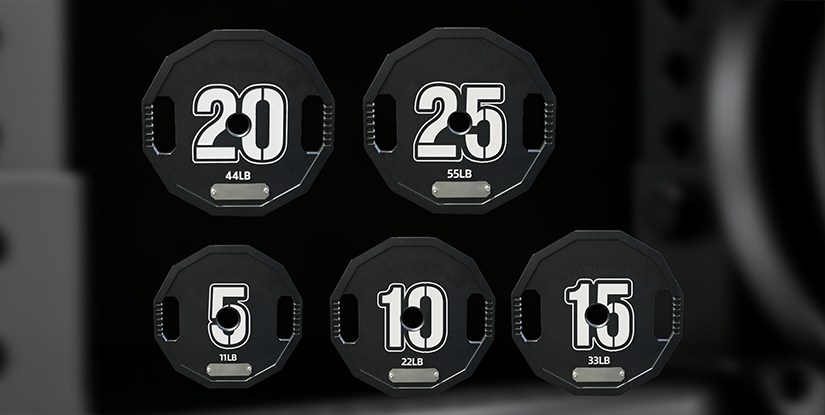
Choosing the correct specification is a critical procurement decision that affects both your initial landed cost and your long-term service obligations. A professional calibrated weight plate OEM manufacturer provides tiered options to suit different market segments, from entry-level studios to professional competition environments. The following table outlines the qualitative differences to assist in your sourcing strategy.
| Material Tier | Machining Process | Surface Finishing | Commercial Duty | Typical Sourcing Use Case |
|---|---|---|---|---|
| Cast Iron | Basic Sand Casting | Paint or Enamel | Budget / Light Commercial | Standard Gyms / Home Use |
| Precision Steel | CNC Machining | Powder Coating | Full Commercial | Professional Training Centers |
| Competition Grade | High-Precision Milling | Chrome or Specialized PU | Premium / Professional | High-Performance Facilities |
To ensure the highest bulk order quality, we recommend a thorough review of the surface finishing and concentricity standards during your initial sample evaluation. For large-scale wholesale contracts, our factory can provide detailed technical spec sheets to confirm that all units meet your specific tolerance requirements before the final pre-shipment QC and container loading.
Managing large-scale imports requires more than just selecting a high-quality calibrated weight plate OEM manufacturer; it requires a partner who understands the complexities of international logistics and the necessity of rigorous oversight. For distributors managing significant wholesale contracts, the primary risk lies in the gap between factory output and the actual arrived condition. A single error in weight consistency or surface coating can result in rejected shipments and disrupted lead time schedules, directly impacting your bottom line and reputation.
To mitigate these risks, a professional commercial weight plate supplier integrates a multi-stage QC inspection protocol into the production lifecycle. This process is not merely a final check but a systematic approach to ensuring that every batch meets the expected export standards. By implementing a comprehensive pre-shipment check, we ensure that your bulk order reliability remains high, regardless of the volume or destination. This level of scrutiny covers everything from the dimensional accuracy of the inner ring to the adhesion strength of the powder coating, ensuring that the items arriving at your warehouse are ready for immediate commercial deployment.
For importers, understanding the interplay between production speed and quality control is essential for effective inventory planning. Our China factory operates with a transparent workflow that allows for precise forecasting of delivery dates. We recommend that buyers engage in a formal sample approval process and, for high-volume projects, consider a scheduled factory audit or a third-party inspection to verify our manufacturing standards. Contact our team today to request a detailed spec sheet, confirm your specific MOQ, or discuss custom OEM/ODM requirements for your next professional strength equipment shipment.
Sourcing and Logistics: Navigating China Factory Export Protocols
Managing the global supply chain for high-precision strength equipment requires more than just selecting a product; it requires a partner capable of meeting strict international shipping and calibration standards. For distributors and large-scale gym operators, working with a professional calibrated weight plate OEM manufacturer ensures that every unit arriving in a container meets the exact weight tolerances required for commercial use. Relying on a China factory that understands the nuances of international logistics can significantly reduce the risk of weight discrepancies or shipping damage during transit.
Efficient sourcing strategies must account for the complexities of bulk movement, from palletization to container loading optimization. A reliable commercial weight plate supplier does not merely manufacture goods; they manage the entire lifecycle of an order to ensure procurement efficiency. This includes implementing standardized export protocols to protect precision-machined surfaces and ensuring that the logistics of moving heavy iron or rubber-coated products across oceans are seamless. By prioritizing a precision weight plate factory with established export experience, buyers can better manage their landed costs and ensure consistent inventory quality across multiple shipments.
Standardizing Quality Control and Export Packaging
To protect the integrity of precision-machined surfaces, a professional calibrated weight plate OEM manufacturer must implement rigorous pre-shipment protocols. For high-volume distributors, the primary concern is ensuring that the weight tolerance remains stable from the production line to the final warehouse. This requires a standardized sequence of machining and calibration checks to prevent warping or dimensional inconsistencies. A highly capable precision weight plate factory will utilize a multi-stage inspection process, including concentricity verification and surface finish audits, to ensure every batch meets commercial-grade expectations before being cleared for export.
The final stage of the supply chain—packaging and loading—is where many importers face unexpected landed cost increases due to shipping damage or inefficient container utilization. To mitigate these risks, a reliable commercial weight plate supplier utilizes heavy-duty export packaging designed specifically for high-density loads. This involves using reinforced pallets, moisture-resistant coatings, and secure bracing to prevent movement during ocean transit. When managing a bulk order, buyers should verify the factory's ability to optimize container weight distribution, ensuring that the MOQ and shipping volume work in favor of maximum profitability and minimal transit-related loss.
| Supply Tier | Typical Material & Process | Key QC Focus | Packaging Standard | Commercial Use Case |
|---|---|---|---|---|
| Standard Wholesale | Cast iron with powder coating | Surface finish and weight consistency | Standard industrial palletization | Commercial gym distribution |
| Premium OEM | Precision machined steel or high-grade iron | Concentricity and strict weight tolerance | Reinforced export crates & moisture protection | Professional strength & competition |
| Custom Private Label | Custom coating and embossed branding | Branding adhesion and dimensional accuracy | Customized branded boxing and palletizing | Premium studio or boutique retail |
Before finalizing any wholesale agreement, we recommend that procurement leads request a detailed technical spec sheet and confirm the specific lead time for their required volume. To ensure complete alignment with your brand standards, you may also request a sample evaluation or a scheduled factory audit to inspect the calibration equipment and export-ready packaging firsthand.
| Standard Category | Commercial Grade | Premium/Competition Grade | QC Focus Point | Logistics Requirement |
|---|---|---|---|---|
| Material Base | Cast iron or gray iron | Precision machined steel or high-grade iron | Weight tolerance consistency | Standard heavy-duty palletization |
| Surface Finish | Industrial powder coating | Advanced plating or specialized coating | Coating adhesion and surface smoothness | Moisture-resistant export wrapping |
| Calibration Depth | Standard commercial tolerances | High-precision concentricity and flatness | Dimensional accuracy and center-bore stability | Reinforced crate protection |
| Branding/Identity | Basic embossed logo | Customized branding or color-coded layers | Logo clarity and paint integrity | Customized branded packaging |
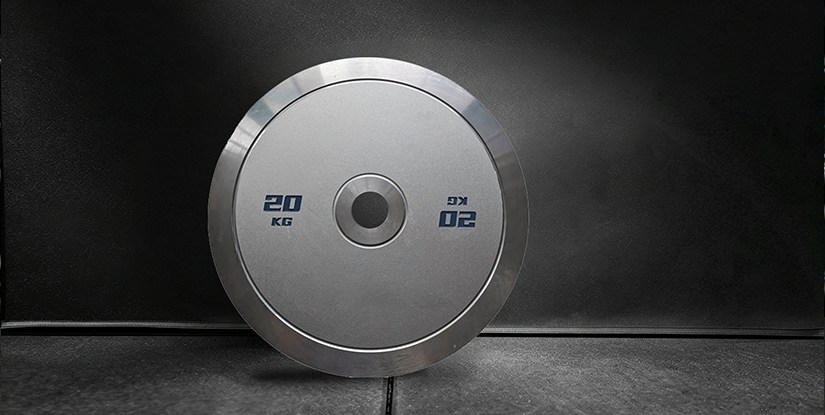
Selecting the appropriate tier is critical for balancing your distributor margins with product longevity. Whether you are sourcing standard units for general gym distribution or high-spec equipment for specialized training facilities, understanding these qualitative differences allows for more accurate landed cost projections. A professional calibrated weight plate OEM manufacturer will provide transparent documentation regarding these tiers to ensure your procurement aligns with your target market's expectations.
Custom Branding and OEM/ODM Capabilities for Global Distributors
Establishing a unique market position requires more than just high-quality hardware; it requires a distinct brand identity. For distributors and large-scale gym chains, sourcing from a calibrated weight plate OEM manufacturer allows for the seamless integration of proprietary logos and specific design aesthetics into every production run. Whether you are looking to launch a boutique fitness line or expand an existing equipment catalog, professional custom branding services ensure that your products reflect your brand's specific standards and market positioning.
When engaging in private label production, the goal is to move beyond generic commodities toward specialized, high-value assets. A professional commercial weight plate supplier provides the technical infrastructure to handle everything from embossed logo placement on cast iron surfaces to specialized OEM color-matching for powder-coated finishes. This level of customization is essential for maintaining a high distributor margin, as it allows you to sell a branded solution rather than a generic weight. By leveraging a precision weight plate factory, importers can effectively manage their sourcing strategy to build long-term equity in their own brand rather than just moving stock.
The transition from standard production to specialized ODM solutions depends on a manufacturer's ability to execute precise technical modifications. For professional buyers, the value of a calibrated weight plate OEM manufacturer lies in the capacity to integrate custom specifications into the core manufacturing workflow. This involves adjusting the casting molds for unique logo embossing, selecting specific industrial grades of powder coating, or modifying the inner ring diameter to meet various barbell standards. Such technical flexibility allows distributors to offer specialized product lines that cater to specific market niches, such as premium boutique studios or heavy-duty commercial strength facilities.
Managing a complex sourcing project requires a partner who understands the nuances of technical customization and export-ready logistics. A reliable precision weight plate factory does not merely change a logo; they manage the entire lifecycle of a custom order, from the initial mold design and CNC machining stages to the final weight calibration. For high-volume importers, the ability to request customized color schemes or specific material finishes—such as transitioning from a standard phosphate treatment to a high-durability powder coating—is a critical factor in building a competitive, branded catalog. When planning your next bulk procurement, we recommend discussing your specific branding requirements and any technical deviations early in the process to ensure seamless integration with the factory's standard production lead times and MOQ protocols.
Comparison of Sourcing Options: Standard Stock vs. Custom OEM Orders
Choosing between standard stock and a fully customized production run is a critical decision for any procurement lead. While standard stock offers the fastest way to replenish inventory, a specialized calibrated weight plate OEM manufacturer provides the ability to differentiate your catalog through specific material and finish selections. Understanding these trade-offs in material, process, and volume is essential for optimizing your landed cost and maintaining a competitive edge in the commercial market.
| Feature / Dimension | Standard Stock Orders | Custom OEM/ODM Orders |
|---|---|---|
| Primary Material | Standard Cast Iron / Gray Iron | Custom Steel Alloys or Specialty Castings |
| Surface Finish | Standard Black Paint or Phosphate | Custom Powder Coating or PU Coating |
| Branding Method | Standard Factory Logo / No Logo | Custom Embossed Logo or Color Branding |
| Production Process | Existing Molds and Standard Machining | New Mold Creation and Precision CNC |
| Lead Time | Short (Standard Production Cycle) | Extended (Includes Mold & Setup Time) |
| MOQ Impact | Lower (Based on Standard Production) | Higher (Due to Custom Tooling Requirements) |
For distributors aiming to scale, the ability to move from generic procurement to a commercial weight plate supplier that offers high-tier customization is a significant advantage. While standard orders are efficient for rapid restocking, leveraging a precision weight plate factory for OEM projects allows you to control the exact visual and technical identity of your product line. We suggest evaluating your long-term brand strategy alongside your current MOQ requirements to determine which sourcing path offers the best balance of speed and market differentiation.
Pre-Shipment Inspection and Quality Control Standards
Maintaining strict quality control standards is the primary defense against the high cost of replacement and distributor dissatisfaction. For a professional calibrated weight plate OEM manufacturer, the final inspection stage is where theoretical precision meets real-world commercial reliability. When importing in bulk, ensuring that every unit meets the expected weight tolerance is critical for maintaining your brand's reputation and reducing the total cost of ownership for your end users.
A reputable precision weight plate factory does not rely solely on automated systems; instead, they implement a multi-stage verification process. This typically involves a combination of physical weight spot-checks and concentricity testing to ensure the plates sit flat on a barbell. For distributors managing large-scale gym fit-outs, verifying these metrics at the China factory level prevents the logistical nightmare of shipping non-compliant, unbalanced equipment across oceans. Relying on a professional commercial weight plate supplier ensures that batch consistency remains stable from the first container to the last, protecting your profit margins from unexpected returns.
Detailed Verification and Export Readiness
A rigorous pre-shipment inspection protocol is non-negotiable for high-volume importers. At a professional calibrated weight plate OEM manufacturer, the workflow transitions from technical calibration to logistical durability. The process begins with a concentricity check to ensure the central bore is perfectly aligned, preventing uneven barbell loading. This is followed by a surface finish inspection to verify coating adhesion, ensuring the paint or rubber layer will not chip under heavy commercial use. Each batch undergoes weight calibration spot-checks to ensure mass consistency across the entire order, protecting the integrity of your inventory.
Beyond technical specs, the final stage focuses on logistics safety and shipping damage prevention. A reliable commercial weight plate supplier implements reinforced export packaging, often utilizing heavy-duty pallets and protective corner guards to withstand container loading and long-haul maritime transport. For buyers managing complex sourcing requirements, understanding these QC steps—from weight marking clarity to packaging durability—is essential for calculating true landed costs. Whether you are negotiating MOQ for a new product line or setting up an ODM project, these standards ensure that your shipment arrives at the warehouse in factory-fresh condition, ready for immediate commercial distribution.
Technical Inspection and Compliance Framework
To assist procurement leads in evaluating technical competence, the following table outlines the qualitative standards used to differentiate high-tier production from standard casting. A professional calibrated weight plate OEM manufacturer utilizes these metrics to ensure every batch meets the rigorous demands of professional training environments.
| Inspection Category | Standard Metric | Commercial Impact | QC Focus Point | B2B Sourcing Value |
|---|---|---|---|---|
| Weight Precision | Mass Consistency | Reduces barbell imbalance | Batch calibration spot-check | Protects distributor margins |
| Bore Geometry | Concentricity & Flatness | Ensures smooth barbell rotation | Central hole alignment | Reduces long-term maintenance |
| Surface Integrity | Coating Adhesion | Prevents chipping/peeling | Paint or rubber layer thickness | Extends product lifecycle (TCO) |
| Structural Integrity | Cast Density | Prevents cracking under load | Material homogeneity check | Minimizes replacement frequency |
| Logistics Readiness | Packaging Durability | Prevents transit damage | Palletizing and corner protection | Lowers landed cost/damage claims |
When conducting a factory audit or reviewing technical documentation, buyers should look for these specific indicators of quality. A high-standard precision weight plate factory will provide clear documentation regarding their calibration workflows and surface treatment adhesion. For those managing large-scale wholesale contracts, these inspection categories serve as the baseline for evaluating the reliability of a supplier. We recommend requesting a detailed specification sheet or arranging a sample approval process to confirm that these technical standards align with your specific market requirements before finalizing any MOQ or OEM production agreement.