Calibrated Steel Plate Wholesale Distributor: Commercial
The High Cost of Precision Errors in Plate Procurement
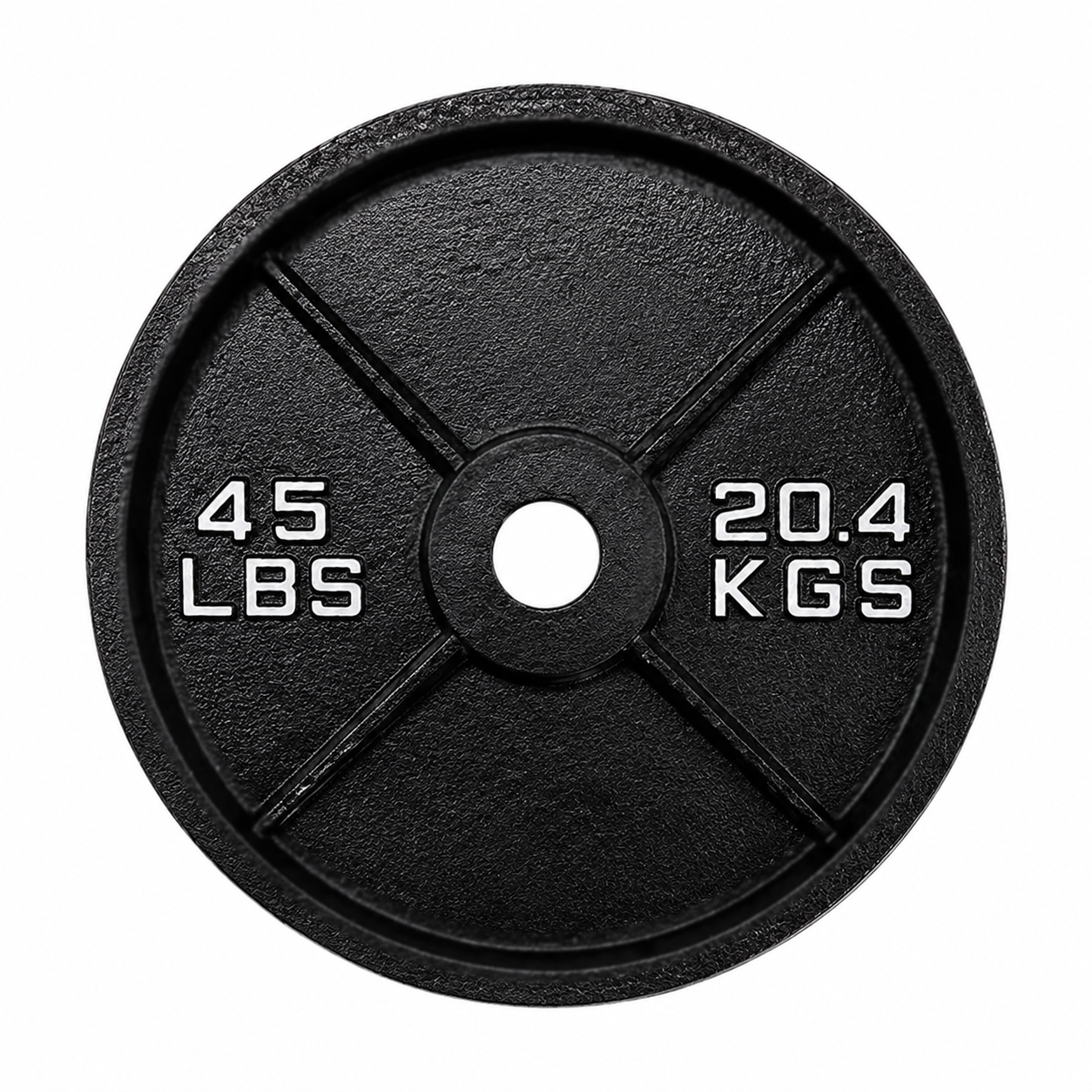
A calibrated steel plate wholesale distributor provides high-precision weight plates designed for professional strength training environments. For B2B buyers, selecting a reliable China factory is essential to ensure that every unit meets strict weight specifications, maintaining the integrity of commercial lifting standards.
In the professional fitness industry, even slight deviations in weight can lead to significant operational headaches. When procurement teams focus solely on the lowest unit price without evaluating the weight tolerance, they often overlook the true landed cost of their investment. Inconsistent precision steel weight plates can result in uneven loading on bars, affecting the user experience and potentially damaging high-end equipment. For gym owners and distributors, these inaccuracies are not just minor flaws; they represent a threat to the long-term TCO of the facility.
The financial impact of poor commercial gym plate sourcing extends beyond the initial purchase. If a batch of plates arrives with significant weight discrepancies, the distributor faces high rates of returns, increased customer complaints, and the need for costly replacements. These variables can quickly erode profit margins and damage a brand's reputation for quality. Rely ultimately to a supplier that prioritizes rigorous quality control and standardized manufacturing processes to mitigate these commercial risks.
Identifying Manufacturing Failures in Casting and Machining
The structural integrity of high-end plates is determined long before they reach the shipping container. Most precision errors originate during the initial sand casting stage or the subsequent machining process. If a factory utilizes low-grade molds or inconsistent casting temperatures, the resulting plates often suffer from poor concentricity. This lack of balance causes the plates to wobble or tilt when loaded on a barbell, a common failure mode in budget-tier equipment that professional buyers must avoid.
Furthermore, improper machining techniques can lead to uneven thickness across the plate surface. When a China factory lacks rigorous CNC machining or high-precision grinding stages, the center bore may not be perfectly aligned. This misalignment creates uneven pressure on the barbell sleeve, leading to premature wear on both the weight plates and the lifting bars. To ensure high-performance standards, a professional calibrated steel plate wholesale distributor must implement a strict sequence: casting, followed by precision machining, surface coating, and finally, a dedicated weight tolerance spot-check.
To mitigate these risks, a reliable calibrated steel plate wholesale distributor integrates a comprehensive pre-shipment QC protocol. This includes a manual and automated inspection of the plate's concentricity and a weight calibration check for every batch. For large-scale commercial gym plate sourcing, we also emphasize specialized export packaging. This ensures that high-density steel plates are secured in reinforced cartons or custom wooden crates, preventing any impact-related damage or surface coating degradation during long-haul sea freight. For buyers looking to scale, we offer flexible MOQ options and full OEM support to match your specific branding and tolerance requirements.
Comparing Material Tiers for Commercial Procurement
Understanding the qualitative differences between weight plate tiers is vital for effective commercial gym plate sourcing. A professional calibrated steel plate wholesale distributor categorizes products not just by price, but by the manufacturing depth and durability required for specific commercial environments. Choosing the wrong tier can lead to higher maintenance loads and decreased user satisfaction in premium facilities.
The following table outlines the standard trade-offs between different plate categories to assist in your procurement planning. This comparison focuses on the manufacturing sequence and the resulting commercial utility of each option.
| Material Tier | Primary Process | Key Component/Detail | Commercial Duty | MOQ Impact | Factory QC Point |
|---|---|---|---|---|---|
| Cast Iron (Standard) | Sand Casting & Paint | Surface Coating Adhesion | Budget/General Gym | Low | Weight Spot-Check |
| Machined Steel (Precision) | CNC Machining & Grinding | Concentricity & Bore Fit | High-Performance/Pro | Medium | Alignment Inspection |
| Premium Steel (Competition) | Advanced Machining & Calibration | Precision Weight Tolerance | Elite/Professional | High | Full Batch Calibration |
When evaluating your next batch, consider that precision steel weight plates require more intensive machining stages—such as precision grinding and concentricity checks—compared to standard cast iron. While the initial wholesale cost for machined steel is higher, the long-term value is found in reduced replacement frequency and higher perceived quality. For distributors managing large-scale OEM or ODM projects, we recommend aligning the material tier with your target facility's brand positioning to optimize your total landed cost and client retention.
Material and Manufacturing Standards for Calibrated Steel Plates
When sourcing high-end fitness inventory, procurement professionals must distinguish between standard cast iron and high-precision machined units. A professional calibrated steel plate wholesale distributor provides products that meet strict industrial tolerances to ensure balance and longevity. For distributors and large-scale gym operators, selecting precision steel weight plates is a strategic decision to reduce long-term maintenance costs and prevent equipment unevenness during high-intensity training.
Standardizing commercial gym plate sourcing requires a deep understanding of how material integrity affects the total cost of ownership. Relying on a China factory with established machining capabilities ensures that every unit maintains consistent center-of-gravity and concentricity. Without these engineering standards, bulk orders may suffer from weight fluctuations that compromise the professional reputation of a facility.
Material and Manufacturing Comparison
| Material Type | Manufacturing Process | Surface Finish | Commercial Durability | Procurement Tier |
|---|---|---|---|---|
| Solid Steel | CNC Machining | Powder Coating | High (Precision Focus) | Premium |
| Cast Iron | Sand Casting | Enamel or Paint | Medium (Standard Use) | Budget/Commercial |
| Stainless Steel | Forging/Machining | Polished/Chrome | Highest (Corrosion Resistant) | Elite/Competition |
The manufacturing sequence for high-tier plates typically involves precision casting or forging, followed by advanced CNC machining to achieve a uniform thickness. This process is essential for any calibrated steel plate wholesale distributor aiming to supply top-tier commercial facilities. Effective sourcing strategies should prioritize a factory that performs rigorous weight calibration and concentricity checks before the final coating application. Buyers should request a detailed specification sheet to confirm the OEM or ODM capabilities regarding material density and surface adhesion to ensure the wholesale order meets international commercial standards.
To mitigate the risks of uneven weight distribution or surface degradation, procurement officers should evaluate the specific manufacturing sequence of their selected units. High-performance plates typically undergo a multi-stage process: starting with high-grade steel selection, followed by precision CNC machining to refine the bore and thickness, and concluding with a specialized surface treatment such as powder coating or electroplating. This sequence ensures that the plate remains balanced and resistant to the high-frequency wear found in commercial environments.
When managing large-scale commercial gym plate sourcing, it is vital to confirm that the manufacturer integrates weight calibration into the final production stages. A reliable supplier will not only focus on the initial casting or forging but also on the precision of the center-hole concentricity. This attention to detail prevents the mechanical vibration and uneven loading that can damage expensive barbell sleeves in a professional facility. For distributors looking to scale, verifying these technical benchmarks during a factory audit or sample evaluation is a key step in securing long-term profitability and product reliability.
The final stage of the procurement cycle is where landed cost risks are either mitigated or compounded. For an importer, the cost of receiving a bulk shipment with uneven weight distribution or poor coating adhesion far exceeds the initial savings of a lower-tier unit. A professional calibrated steel plate wholesale distributor must implement a rigorous pre-shipment QC protocol that moves beyond simple visual inspections. This includes a weight tolerance spot-check on a randomized sample from every batch to ensure that the precision of the machining remains within the agreed-upon commercial parameters.
Beyond weight, technical inspection must focus on the structural integrity and physical dimensions of the plate. Professional buyers should verify the concentricity of the center bore to ensure seamless loading on barbell sleeves, as any deviation can lead to mechanical instability. Furthermore, testing for coating adhesion is critical; the surface treatment must withstand high-frequency friction without chipping or peeling. When managing a large-scale commercial gym plate sourcing project, confirming these technical benchmarks during a factory audit or sample approval stage is essential for protecting your brand reputation and reducing long-term maintenance-related expenses.
To ensure logistical efficiency and protect the high-precision surface, the export packaging must be robust enough for long-distance ocean freight. Standard industry practice involves using heavy-duty reinforced cartons or custom-sized wooden crates to prevent impact damage and moisture ingress during transit. When discussing MOQ and lead time with your chosen China factory, always clarify the specific packaging standards used for international shipping. A high-quality factory-direct partner will provide detailed documentation regarding the pre-shipment inspection results, ensuring that your wholesale inventory arrives in a condition that meets the highest commercial-grade expectations.
Machining and Calibration Processes for Commercial Accuracy
In high-end fitness facility procurement, the difference between standard cast iron and high-performance steel lies in the engineering precision of the weight distribution. A professional calibrated steel plate wholesale distributor understands that even minor deviations in density or thickness can compromise the balance of a barbell during heavy lifts. For importers and distributors, sourcing precision steel weight plates ensures that every unit in a bulk shipment meets the strict uniformity requirements of professional training environments.
To achieve this level of accuracy, the manufacturing sequence must move beyond basic sand casting into advanced mechanical refinement. A reputable China factory typically utilizes CNC machining to shave the surface of the steel, ensuring the plate is perfectly flat and the center bore is concentric. This technical process is essential for commercial gym plate sourcing, as it prevents the "wobble" effect often seen in lower-tier budget units. During the calibration phase, technicians perform weight spot-checks to ensure the final product adheres to industry-standard tolerances, providing the consistency required for competitive and professional strength training.
The structural integrity of a premium plate is finalized through a rigorous sequence of surface treatments and mechanical refinements. After the CNC machining phase, the steel undergoes a specialized surface finishing process to prevent oxidation and enhance durability. In many commercial settings, a high-grade powder coating is applied to provide a resilient, uniform finish that resists scratches and environmental wear. This step is critical for a calibrated steel plate wholesale distributor to ensure the product maintains its aesthetic and structural quality throughout its lifecycle in high-traffic gym environments.
For distributors managing large-scale imports, the final stage of production involves a strict pre-shipment QC protocol focused on both weight and concentricity. This includes verifying the bore fit to ensure seamless interaction with Olympic barbells and conducting a final weight calibration check. When executing an OEM or ODM request, the manufacturer must ensure that the coating adhesion and weight uniformity meet the specific requirements of the buyer's brand identity. For those engaged in commercial gym plate sourcing, confirming these technical steps—from the initial machining to the final powder coating—is essential to reducing long-term maintenance costs and ensuring client satisfaction upon delivery.
Production Method Comparison for Professional Sourcing
Selecting the appropriate manufacturing route is a strategic decision that directly affects your total cost of ownership (TCO) and product positioning. A professional calibrated steel plate wholesale distributor must evaluate whether the client requires the cost-efficiency of traditional casting or the extreme precision of machined steel. For those involved in commercial gym plate sourcing, understanding these technical trade-offs is vital for managing distributor margins and meeting specific facility standards.
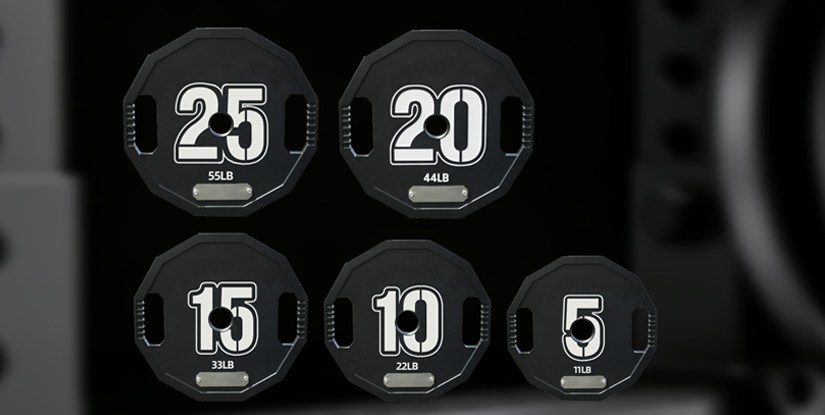
The following table compares the two primary production methods encountered when working with a China factory for high-performance weight equipment. This comparison focuses on the technical requirements and the impact on your bulk orders.
| Production Method | Precision Level | Typical Process | Commercial Application | Sourcing Impact |
|---|---|---|---|---|
| Sand Casting | Standard | Sand casting → Surface grinding → Basic coating | General commercial gyms & budget training centers | Lower MOQ & reduced landed cost |
| CNC Machining | High | Steel forging → CNC machining → Precision calibration | Professional strength facilities & competition environments | Higher precision & premium brand positioning |
When managing precision steel weight plates procurement, the decision often hinges on the intended use case. While casting is highly effective for high-volume, budget-friendly distribution, the machined route offers the concentricity and weight uniformity required for elite performance. We recommend that buyers request a sample evaluation or a technical spec sheet to verify the calibration methods used by your supplier before finalizing large-scale wholesale agreements.
China Factory Sourcing: Quality Control and Export Standards
Reliable procurement begins with understanding the technical differentiation between standard cast products and high-precision equipment. When a calibrated steel plate wholesale distributor manages large-scale inventory, the primary concern is the consistency of weight and dimensional stability across thousands of units. Sourcing directly from a China factory allows importers to oversee the critical transition from raw material casting to the final calibration stage, ensuring that every batch meets strict commercial-grade requirements.
For distributors, the risk of inconsistent precision steel weight plates involves more than just slight weight deviations; it impacts the professional perception of a gym facility and the long-term reliability of the equipment. High-tier commercial gym plate sourcing requires a rigorous verification of the manufacturing sequence—moving from sand casting or machining to precise surface finishing and final weight validation. Without these standardized manufacturing standards, bulk orders may suffer from uneven thickness or poor concentricity, leading to higher replacement costs and diminished distributor margins.
To mitigate these risks, professional buyers should evaluate the technical capacity of their supplier regarding specific calibration steps and export-ready packaging. A specialized factory will typically implement a multi-stage QC process that includes bore diameter checks, surface coating adhesion tests, and weight spot-checks to ensure compliance with international commercial specifications before the wholesale shipment departs for export.
Technical Comparison of Manufacturing Tiers
Understanding the technical trade-offs between different production methods is essential for effective commercial gym plate sourcing. Professional buyers must distinguish between standard cast iron and high-precision machined steel to optimize their landed cost and product positioning. While cast iron remains a staple for high-volume budget tiers, precision-machined steel is necessary for high-performance environments where concentricity and weight uniformity are paramount.
The following table outlines the common differentiation seen when working with a calibrated steel plate wholesale distributor to help you select the appropriate tier for your specific market needs or client requirements.
| Material Tier | Primary Process | Key Component/Detail | Commercial Duty | MOQ Impact | Factory QC Point |
|---|---|---|---|---|---|
| Cast Iron | Sand Casting | Standard Bore Diameter | Budget Commercial | Low | Surface Smoothness |
| Painted Steel | Machining & Coating | Enamel/Paint Layer | Standard Commercial | Medium | Coating Adhesion |
| Precision Steel | CNC Machining | Precision Concentricity | Premium/Competition | High | Weight Tolerance |
When evaluating a supplier, it is standard practice to request specific details regarding the machining and calibration stages. For example, a premium calibrated steel plate wholesale distributor will focus heavily on the CNC machining phase to ensure the plate remains perfectly flat and the center bore is perfectly concentric. This reduces vibration during heavy lifts and ensures a professional fit on high-end barbell sleeves. For bulk wholesale orders, verifying the thickness of the powder coating or plating is also a critical step to ensure long-term durability and resistance to oxidation in high-traffic environments.
Standardized Export Inspection and Logistics Optimization
Effective commercial gym plate sourcing requires more than just selecting a high-quality product; it requires a partner capable of professional pre-shipment inspection and export-ready logistics. For large-scale importers, the final stage of the production cycle—from the China factory floor to the container—is where the most significant risks to the landed cost occur. A failure in export packaging can lead to surface oxidation, dented edges, or damaged plating during long-sea transit, directly impacting your distributor margins and client satisfaction.
A professional calibrated steel plate wholesale distributor will implement a standardized protocol for pre-shipment inspection. This typically includes a multi-point verification of the bore diameter fit, surface coating adhesion, and weight spot-checks to ensure consistency across the entire wholesale batch. Furthermore, high-tier procurement involves verifying the durability of the export packaging. For heavy steel plates, this often involves reinforced cartons or specialized palletizing to ensure stability and protection against moisture and impact during international shipping.
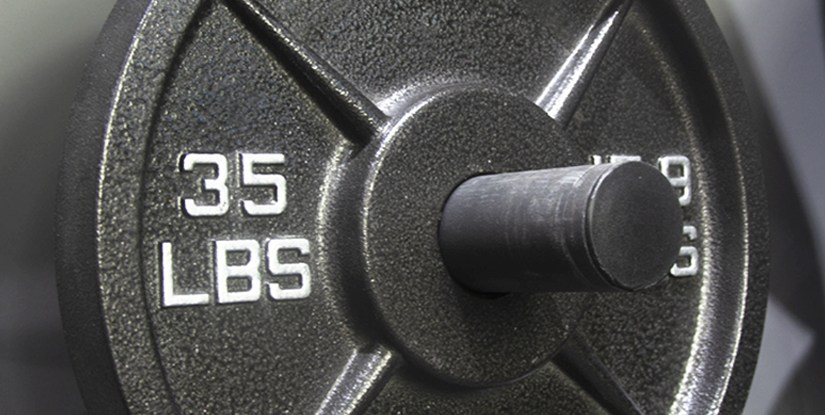
To ensure your procurement strategy remains cost-effective, we recommend coordinating closely with your supplier regarding container loading optimization and lead time management. Whether you are ordering standard cast iron or high-precision precision steel weight plates, understanding the specific packaging requirements and the logistical sequence will help you accurately calculate the total landed cost and manage your warehouse inventory more efficiently. We encourage professional buyers to request a detailed specification sheet, confirm the current MOQ for their specific tier, or book a remote factory audit to verify these quality control standards firsthand.
OEM and Private Label Capabilities for Global Distributors
Scaling a fitness brand requires more than just finding a reliable calibrated steel plate wholesale distributor; it requires a manufacturing partner capable of executing complex OEM and ODM requests. For international distributors and gym equipment importers, the ability to transition from generic stock to a branded product line is a critical lever for increasing market share and long-term brand equity.
When sourcing from a professional China factory, the focus shifts from simple purchasing to strategic brand development. High-tier distributors utilize these facilities to implement custom branding solutions, such as precision laser-etched logos or specialized color-coded weight markings, ensuring their brand identity remains distinct in competitive markets. Whether you are looking to launch a boutique strength line or expand an existing commercial catalog, the technical execution of private label manufacturing determines your long-term reliability.
Effective commercial gym plate sourcing involves more than selecting a weight; it involves defining the visual and tactile specifications that differentiate your catalog. A specialized supplier can assist in navigating the balance between high-end aesthetics and wholesale cost-efficiency, ensuring that your custom-branded plates meet both your brand standards and the rigorous demands of commercial environments.
Strategic Customization and Branding Tiers
Navigating the technical requirements for custom orders requires understanding how different manufacturing processes impact your MOQ and final landed cost. Most distributors choose between standardized stock items and fully customized production runs based on their specific market positioning and budget allocations.
| Service Tier | Customization Scope | Typical Branding Method | Primary Advantage | Procurement Impact |
|---|---|---|---|---|
| Standard Wholesale | Minimal (Stock Colors) | Standard Embossed Logo | Lowest MOQ and fastest lead time | High inventory turnover |
| Private Label | Medium (Color & Texture) | Silk-screen or Laser Marking | Enhanced brand identity | Moderate sourcing complexity |
| Full OEM/ODM | High (Full Specification) | Custom Molded or Engraved | Unique market differentiation | Longer lead time and higher MOQ |
When planning your next procurement cycle, we recommend confirming the specific MOQ for customized color coatings or specialized logo applications. A direct consultation regarding lead time for ODM projects will ensure your inventory levels remain optimized during the production of specialized precision steel weight plates.
For procurement managers, the decision between standard stock and full-scale customization is a calculation of margin versus differentiation. While standard products offer the fastest path to inventory replenishment, a strategic calibrated steel plate wholesale distributor provides the technical infrastructure to support high-margin, branded product lines. Understanding these tiers allows you to better manage your landed cost and long-term inventory turnover.
Technical Execution and Branding Implementation
The method used to apply your brand identity significantly impacts both the visual durability and the production timeline. For instance, a simple embossed logo integrated during the casting stage offers the highest durability for high-traffic commercial gyms, whereas silk-screened markings on the surface provide a high-definition look for premium boutique studios. When managing commercial gym plate sourcing, you must weigh the aesthetic precision of laser-etched branding against the potential increase in MOQ and the associated lead time.
Beyond the logo, customization extends to the physical properties of the plate. This includes selecting specific powder coating colors to match your facility's design language or requesting specialized edge treatments. A professional supplier will typically offer these options through a structured OEM or ODM process, ensuring that custom color-coding for weight increments remains legible and resistant to typical wear and tear in a commercial setting. We suggest requesting a sample approval for any new color or coating specification to verify adhesion and finish consistency before proceeding with a full wholesale order.
Optimizing Your Bulk Order Strategy
Managing a large-scale facility requires more than just purchasing equipment; it requires a sophisticated approach to commercial gym plate sourcing. For distributors and gym owners, the complexity of maintaining a consistent stock of high-precision weights can impact both operational uptime and profit margins. Selecting a reliable calibrated steel plate wholesale distributor is a strategic decision that directly influences your ability to scale and maintain a professional standard across your entire inventory.
A professional calibrated steel plate wholesale distributor provides the necessary infrastructure to streamline your procurement efficiency. Instead of managing fragmented orders from multiple small-scale producers, a single high-tier partner can consolidate precision steel weight plates into unified shipments. This centralization reduces the administrative burden of commercial gym plate sourcing, simplifies inventory management, and allows for more predictable lead time planning. By working with a dedicated factory or a professional supplier, importers can better calculate the true landed cost, accounting for bulk shipping efficiencies and reduced customs complexities, ultimately protecting their long-term margins.
Evaluating Sourcing Models: Direct Factory vs. Trading Company
Choosing between a direct China factory and a trading company is a fundamental decision in your procurement workflow. While trading companies can offer a broader catalog, a calibrated steel plate wholesale distributor operating with direct manufacturing capabilities provides much tighter control over the technical specifications of precision steel weight plates. For high-volume importers, the primary trade-off involves balancing the simplicity of a single point of contact against the cost-efficiency and technical oversight of a direct supplier.
When planning your next large-scale order, consider the following structural differences in the supply chain to determine which model best supports your business objectives and MOQ requirements:
| Sourcing Model | Primary Advantage | Typical Control Level | Impact on MOQ | Best For |
|---|---|---|---|---|
| Direct Factory | Optimized landed cost and OEM capability | High technical oversight and QC | Higher MOQ for custom runs | Large-scale distributors and private label brands |
| Trading Company | Simplified sourcing and product variety | Limited direct factory oversight | Lower MOQ for mixed orders | Small studio operators and boutique importers |
| OEM/ODM Specialist | Custom branding and specific material specs | Full control over process and QC | Volume-dependent MOQ | Established fitness brands and equipment manufacturers |
For professionals seeking to build a long-term brand identity, the OEM route through a dedicated calibrated steel plate wholesale distributor is often the most sustainable path. This model allows you to integrate custom branding directly into the production stage, ensuring that your precision steel weight plates meet specific commercial standards before they ever reach your warehouse. We recommend requesting a detailed spec sheet and confirming MOQ levels during the initial inquiry to ensure alignment with your local market's demand and your projected wholesale margins.
To ensure your procurement strategy remains robust, we recommend conducting a thorough evaluation of potential partners. Before finalizing any bulk order, request a comprehensive technical specification sheet and a sample for physical weight-tolerance verification. Engaging with a calibrated steel plate wholesale distributor that offers transparent MOQ tiers and clear OEM/ODM capabilities will significantly reduce your long-term operational risks. Whether you are prioritizing a low landed cost or high-end brand customization, proactive communication regarding wholesale lead times and factory-direct QC protocols remains the most effective way to secure high-performance inventory for your commercial clients.