Calibrated Weight Plate Foundry: Commercial Sizing and Specs
Calibrated Weight Plate Foundry: Maximizing Distributor Margins
Securing high-performance inventory requires a strategic focus on three critical checkpoints: minimizing the risk of weight discrepancies, verifying strict technical compliance, and optimizing international logistics. For professional importers, sourcing from a specialized calibrated weight plate foundry is the most effective way to mitigate these variables. By establishing direct relationships with a China factory, distributors can bypass the volatility of middle-market traders and access more predictable production cycles. This direct access ensures that every batch meets the precise commercial weight plate specifications required by premium fitness facilities, ultimately protecting your brand reputation and enhancing your long-term profitability.
The necessity of precision weight plate manufacturing becomes evident when managing large-scale distribution networks where consistency is the primary driver of customer retention. When a supplier provides units with uneven concentricity or inconsistent coating thickness, the resulting returns and client dissatisfaction quickly erode your distributor margins. To maintain a competitive edge in the North American market, procurement professionals must look beyond the base unit cost and evaluate the total value provided by a professional wholesale partner capable of delivering standardized, high-grade steel or cast iron components at scale.
Technical Comparison of Production Standards
To optimize your sourcing strategy, it is essential to distinguish between standard cast iron production and the advanced workflows found in a high-tier calibrated weight plate foundry. While standard casting is sufficient for general fitness use, professional distributors often require higher-grade specifications to serve elite strength facilities. Understanding these technical nuances allows for better decision-making regarding your initial MOQ and long-term inventory value.
The following comparison outlines how different manufacturing tiers impact your procurement outcomes, from material integrity to the final landed cost. For many importers, selecting the correct tier is a balance between immediate capital expenditure and the long-term reduction in customer service requirements.
| Material Tier | Primary Process | Key Component/Detail | Commercial Duty | MOQ Impact | Factory QC Point |
|---|---|---|---|---|---|
| Standard Cast Iron | Sand Casting | Basic Surface Finish | Budget/General Commercial | Lower/Standard | Visual Surface Integrity |
| Premium Steel | CNC Machining | Concentricity/Bore Precision | Professional/Elite Strength | Higher/Tiered | Weight Tolerance Spot-check |
| Urethane/Rubber Coated | Molding/Dip Coating | Encapsulation Layer | High-Traffic/Premium Studio | Variable by Design | Coating Adhesion Test |
When evaluating a potential supplier, procurement managers should request specific details regarding the machining stage. A professional China factory specializing in high-end equipment will typically employ a secondary machining process to ensure the central bore is perfectly concentric, which prevents uneven wear on barbell sleeves. Furthermore, verifying the quality of the surface finishing—whether it is a standard powder coating or a high-durability urethane layer—is a vital step in ensuring the product survives heavy commercial use without premature degradation.
Technical Standards in Precision Weight Plate Manufacturing
Maintaining strict adherence to commercial weight plate specifications is a critical requirement for distributors and gym equipment importers. When sourcing from a calibrated weight plate foundry, buyers must ensure that the manufacturing process minimizes weight variance to protect their brand reputation and long-term product reliability. For professional B2B sourcing, a high-quality China factory must demonstrate consistent ability to meet high-precision standards across large-scale production runs.
Inconsistent weight distributions can lead to uneven loading on high-end machines, increasing maintenance costs and decreasing the lifespan of commercial lifting platforms. A specialized calibrated weight plate foundry addresses these risks by integrating precision weight plate manufacturing techniques—such as CNC machining and rigorous calibration cycles—into the standard production workflow. For wholesale clients, this precision translates to higher distributor margins by reducing returns and increasing the value of the imported inventory.
Manufacturing Workflow and Quality Control Tiers
The production of professional-grade plates begins with high-grade gray iron through sand casting. This initial stage establishes the structural integrity of the plate. Once the raw casting is complete, the units undergo CNC machining to refine the center bore and ensure concentricity. This step is vital for preventing uneven wear on barbell sleeves during heavy use. Following machining, plates undergo a multi-stage surface treatment, typically involving phosphate treatment or a high-durability powder coating line to ensure maximum coating adhesion. The final stage of the calibrated weight plate foundry workflow involves meticulous weight calibration and a final QC inspection to ensure every unit meets the promised weight profile before export.
For procurement managers evaluating different supply tiers, understanding the relationship between material, process, and final commercial utility is essential for calculating total landed cost. Below is a qualitative comparison of standard manufacturing options available through a professional China factory.
| Material | Primary Process | Key Component/Detail | Commercial Duty | Factory QC Point |
|---|---|---|---|---|
| Cast Iron | Sand Casting | Standard Bore | Budget/Standard Commercial | Surface Smoothness |
| Machined Steel | CNC Machining | High-Precision Center | Premium/Competition | Concentricity & Flatness |
| Steel with Coating | Powder Coating | Encapsulation Layer | High-Traffic Commercial | Coating Adhesion |
When managing a bulk order, it is standard practice to request a sample approval or a factory audit to verify these technical steps. A reliable supplier will provide documentation regarding their calibration methods and surface finish standards. Whether you require OEM customization for your own brand identity or standard stock replenishment, confirming these manufacturing-level details ensures your inventory meets the expectations of high-end commercial lifting environments.
Material Selection and Surface Finishing for Commercial Use
When sourcing high-precision equipment, understanding the metallurgical foundation is critical for reducing long-term maintenance costs and ensuring product longevity. A professional calibrated weight plate foundry focuses on the synergy between base metal density and surface integrity to meet strict commercial weight plate specifications. For distributors and gym owners, selecting the right material profile directly impacts the total cost of ownership and the frequency of replacement cycles in high-traffic environments.
Most premium orders originate from a China factory that utilizes advanced sand casting or centrifugal casting techniques to ensure structural density. High-grade cast iron remains the industry standard for durability due to its predictable wear patterns and high impact resistance. To enhance the aesthetic and protective qualities, manufacturers often apply a specialized powder coating or urethane layer, which serves to prevent oxidation and provides a consistent grip texture for the end user.
| Material Type | Surface Treatment | Primary Process | Commercial Duty Tier | Sourcing/MOQ Context |
|---|---|---|---|---|
| Cast Iron | Powder Coating | Sand Casting | Standard Commercial | High Volume/Low MOQ |
| Machined Steel | Chrome Finish | Precision Machining | Premium/Competition | Custom OEM/High MOQ |
| Steel Core | Rubber/PU Coating | Injection Molding | High-End Studio | Specialized Sourcing |
Selecting the correct precision weight plate manufacturing route allows importers to balance initial procurement costs against long-term durability. While basic iron plates offer a lower entry price, investing in specialized coatings or machined steel can significantly reduce the maintenance costs associated with rust and surface degradation in humid or high-use commercial facilities.
Technical Impact of Surface Treatments on Floor Protection and TCO
For distributors managing large-scale facility builds, the choice between a basic finish and a high-performance coating is a strategic decision regarding the landed cost versus long-term asset protection. A professional calibrated weight plate foundry must provide options that address the kinetic energy of heavy lifting. While bare metal or simple phosphate treatment may reduce the initial unit price, these options often fail to provide sufficient floor protection, leading to damaged subfloors and increased facility maintenance overhead.
In many professional procurement scenarios, the transition from standard iron to rubber coating or PU coating is driven by the need to mitigate noise and impact vibration. A high-density rubber coating offers superior shock absorption, which is essential for high-impact training areas. Conversely, a phosphate treatment is a cost-effective method to prevent oxidation and provide a clean, professional look for standard commercial gyms. When evaluating your next batch, consider how the coating thickness and adhesion quality will affect the lifespan of the equipment and the durability of the gym flooring.
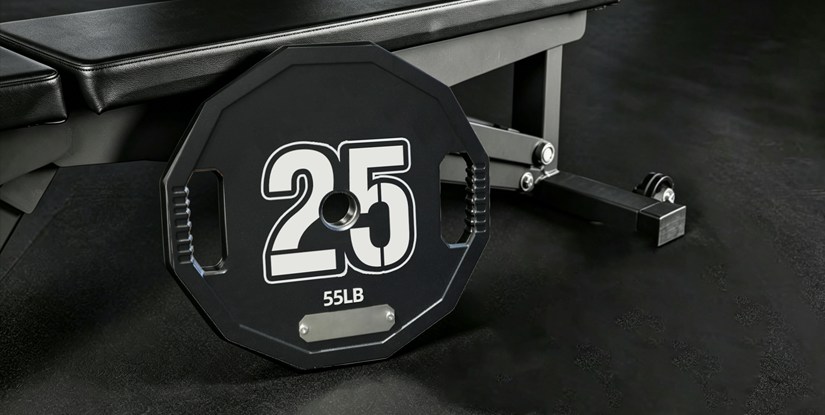
When conducting B2B sourcing, importers should verify the specific application method of these layers. For example, a factory-applied PU coating generally offers a more consistent and durable finish than simple dip-coating, ensuring the coating does not peel under heavy use. We recommend requesting sample evaluation from your supplier to inspect the bond line and surface uniformity. This step is crucial for ensuring that the MOQ requirements for premium finishes align with your budget and the expected durability of your client's facility.
Ensuring Coating Adhesion and Structural Integrity via Pre-Shipment QC
For professional buyers, the most significant risk in bulk procurement is not the initial unit price, but the hidden cost of surface failure. A failure in coating adhesion—where the outer layer peels or cracks—can lead to rapid oxidation of the internal steel and a loss of professional aesthetics. This is why a high-tier calibrated weight plate foundry implements a rigorous pre-shipment QC protocol that extends beyond simple weight verification to include surface durability testing.
During the manufacturing sequence, once the base plate has undergone its final machining and weight calibration, it must pass through a controlled coating line. In a professional China factory, this often involves a multi-step process: surface degreasing, a phosphate treatment to create a microscopic bonding surface, and finally the application of the polymer or powder layer. To mitigate after-sales friction, we recommend that importers request specific documentation or visual confirmation regarding the bond line integrity. High-quality precision weight plate manufacturing ensures that the coating is chemically or mechanically bonded to the substrate, rather than just a superficial layer that might flake during heavy handling.
Beyond the material itself, the final stage of the supply chain involves specialized export packaging designed for long-haul maritime transit. For distributors managing high-volume shipments, the way the product is crated can impact the final landed cost and the condition of the goods upon arrival. Standard practice involves heavy-duty corrugated dividers or reinforced palletizing to prevent friction between plates, which can cause surface scuffing even with high-grade coatings. When discussing OEM or ODM requirements, specify that your supplier utilizes reinforced packaging to maintain the integrity of the customized branding and the precision of the plate edges during international shipping.
Critical Quality Control and Export Inspection Protocols
For distributors managing large-scale inventories, the primary risk in sourcing precision weight plates is the variance in weight and concentricity. A professional calibrated weight plate foundry must implement rigorous inspection stages to ensure every unit meets strict commercial weight plate specifications. Without standardized testing, a high replacement rate can quickly erode your distributor margins and increase the total landed cost of your shipment.
When sourcing from a China factory, the difference between budget-tier casting and professional-grade production lies in the technical oversight of the precision weight plate manufacturing process. Reliable wholesale partners utilize systematic protocols to verify both the physical dimensions and the structural integrity of the plates before they are cleared for export packaging.
Standardized QC protocols typically involve a sequence of verification steps, starting from the raw casting stage through to the final surface treatment. For high-end commercial orders, a supplier should demonstrate control over several critical technical checkpoints to ensure the product is fit for professional gym environments.
Standardized Inspection and Material Verification
Effective quality management begins with the verification of the base material and the consistency of the casting process. In a professional calibrated weight plate foundry, the focus is on preventing common failure modes such as uneven weight distribution or surface defects that can lead to premature wear.
| Material Type | Primary Process | Key QC Point | Commercial Duty | Impact on Wholesale Sourcing |
|---|---|---|---|---|
| Cast Iron | Sand Casting | Base Flatness | Standard Commercial | High Volume / Low MOQ |
| Machined Steel | CNC Machining | Concentricity Check | Premium/Competition | Lower MOQ / Higher Unit Cost |
| Rubber Coated | Molding/Dip | Coating Adhesion | High-Traffic Commercial | Requires Robust Export Packaging |
During the precision weight plate manufacturing cycle, the most critical stage for a China factory to manage is the weight calibration. This ensures that the thickness and density of the steel or iron are uniform across the entire production run. For an OEM or ODM order, specialized calibration equipment is used to identify and rectify deviations before the plates move to the powder coating or rubber encapsulation stage.
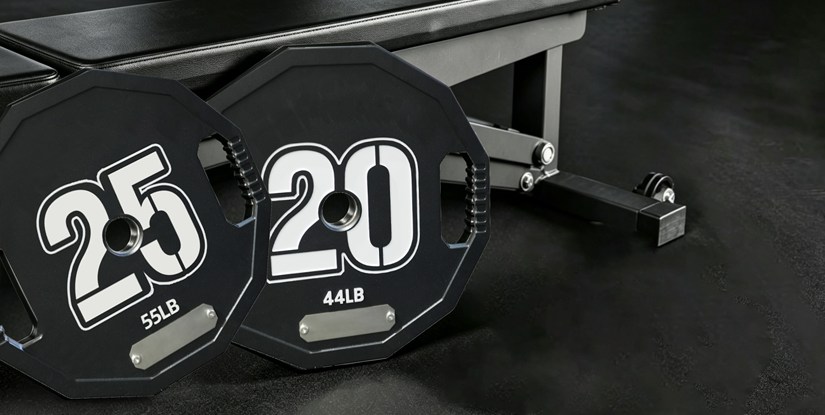
Technical Checkpoints and Pre-Shipment Verification
A professional calibrated weight plate foundry must execute a systematic sequence of technical verifications to prevent shipment rejection at the destination port. For high-volume importers, the most critical failure points often involve concentricity issues or surface imperfections that compromise the professional aesthetic and functional balance of the equipment. A reliable supplier will conduct a weight tolerance spot-check on a statistically significant sample from every batch to ensure consistency across the entire order.
Beyond weight accuracy, technical oversight must extend to structural and surface integrity. This includes a rigorous concentricity check to ensure the center bore remains perfectly aligned, preventing uneven wear on barbell sleeves. Furthermore, a coating adhesion test is essential for coated or painted units to ensure the surface treatment does not peel or chip under high-traffic commercial use. Finally, a base flatness inspection is performed to confirm that the plate sits level, which is a vital requirement for professional-grade strength training environments. To protect your long-term margins, confirm that the factory utilizes high-durability export packaging designed to withstand ocean freight stresses and prevents impact damage during container loading.
Before finalizing your procurement, we recommend requesting a detailed pre-shipment inspection report or arranging a third-party factory audit. We can provide specific documentation regarding our MOQ, current lead time, and OEM/ ODM capabilities to ensure our production capacity aligns with your distribution or retail scaling requirements.
Selecting the right production model is a critical decision for long-term inventory stability and product reliability. For procurement professionals, the goal is to secure a consistent supply of high-precision units while minimizing the risks associated with weight variance and dimensional inconsistencies. A direct calibrated weight plate foundry approach provides the transparency needed to audit the entire production sequence, from the initial casting to the final surface treatment.
Supply Chain Management: Lead Time and Quality Control
Managing the logistics of heavy equipment requires precise coordination of lead time and export packaging. When sourcing from a China factory, buyers must account for the specialized steps required in precision weight plate manufacturing, such as CNC machining and multi-stage weight calibration. These processes, while essential for high-tier commercial products, can influence the total production cycle. To mitigate risks, we recommend integrating a formal pre-shipment inspection into your procurement workflow. This ensures that every batch meets your specific commercial weight plate specifications regarding bore diameter, thickness, and coating adhesion before the container is sealed.
For large-scale distributors, optimizing the landed cost involves more than just a low unit price; it requires a partner capable of managing complex OEM requirements and efficient container loading. Whether you are requesting custom branding or specialized rubber-coated finishes, clear communication regarding MOQ and shipping volumes is vital for maintaining a predictable replenishment schedule. We suggest requesting a sample approval and a detailed specification sheet during the initial inquiry phase to confirm that the manufacturing output aligns with your brand identity and commercial standards.
Streamlining Your Next Bulk Procurement Order
For distributors and large-scale gym operators, the transition from standard weight sets to high-precision equipment is a critical decision. Relying on a generic calibrated weight plate foundry can lead to inconsistent weight distributions and uneven wear, which ultimately increases your long-term maintenance load and lowers the resale value of your inventory. To maintain a premium competitive edge, professional buyers must move beyond basic casting and focus on advanced precision weight plate manufacturing to ensure every unit meets strict industry-standard tolerances.
When managing high-volume wholesale orders, procurement efficiency depends heavily on the technical capabilities of your China factory. A specialized calibrated weight plate foundry provides the necessary infrastructure to execute complex machining and calibration cycles that standard producers often overlook. By prioritizing a supplier that integrates CNC machining with rigorous weight calibration, importers can mitigate the risks of weight variance and concentricity issues, ensuring a more reliable landed cost and higher satisfaction for the end-user.
Technical Comparison of Manufacturing Standards
Understanding the nuances between different production tiers is essential for accurate budget forecasting and long-term inventory planning. When sourcing through a professional calibrated weight plate foundry, buyers should evaluate how specific material-to-process workflows impact the total cost of ownership. High-precision equipment requires a more intensive manufacturing route, often involving secondary machining steps to ensure concentricity and weight accuracy, whereas budget-grade options rely on standard casting with minimal post-production refinement.
| Material | Process | Key Component/QC Point | Commercial Application | Sourcing Advantage |
|---|---|---|---|---|
| Gray Iron | Sand Casting | Base Flatness & Surface Texture | Standard Commercial Gyms | Lower MOQ & High Volume |
| Cast Iron | Machining & Calibration | Bore Concentricity & Weight Uniformity | Premium Strength & Conditioning | Reliable wholesale Consistency |
| Steel / Chrome-Manganese | CNC Machining & Precision Calibration | Tolerance Stability & Edge Smoothness | Professional Competition / High-End Studio | High OEM Customization Potential |
| Steel with PU/Rubber | Molding & Encapsulation | Coating Adhesion & Internal Filler Stability | High-Traffic Commercial Facilities | Optimized Floor Protection & Noise Reduction |
The choice between these tiers directly affects your commercial weight plate specifications and eventual profit margins. For example, while basic sand-cast plates offer a lower entry price, a calibrated weight plate foundry specializing in machined steel can provide the dimensional stability required for high-end distributor portfolios. When evaluating your next sourcing project, always request the technical breakdown of the machining and calibration stages to confirm the equipment meets your specific commercial-grade requirements.
Optimizing Logistics and Custom Branding Integration
Beyond the technicalities of the casting floor, professional procurement requires a partner capable of complex OEM and ODM integration. A high-tier calibrated weight plate foundry does more than just manufacture; it serves as a branding partner. Whether you require custom logo embossing on the iron surface or a specific powder coating color to match your gym's identity, the ability to implement private label solutions is vital for brand differentiation in competitive markets. This level of customization is typically managed during the initial design phase to ensure that branding elements do not interfere with the weight calibration or the structural integrity of the plate.
To minimize friction during international transit, attention to export packaging and container loading efficiency is non-negotiable. High-density steel products present unique challenges for shipping costs and potential damage. A professional supplier will utilize reinforced, moisture-resistant packaging designed to withstand long-haul ocean freight, protecting the finish and preventing oxidation. When calculating your total landed cost, consider how the factory's ability to optimize palletization and container volume can directly impact your distributor margins. We recommend requesting a detailed pre-shipment inspection report and a sample evaluation to confirm that both the product precision and the export packaging meet your rigorous commercial standards before the final dispatch.