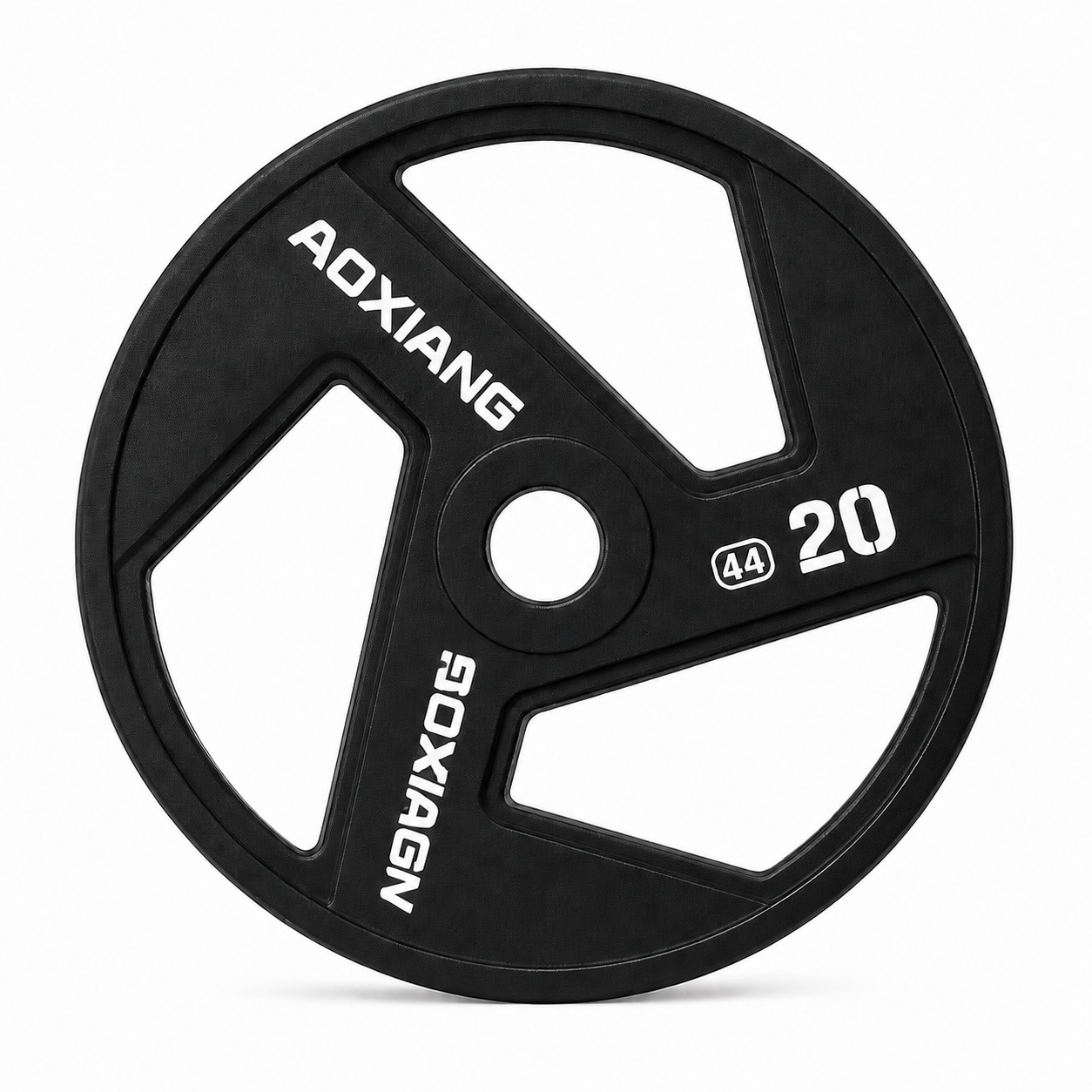
Olympic Plate Supplier: OEM Manufacturing for Importers
The High Cost of Procurement Errors in Weight Plate Sourcing
For large-scale commercial gym franchises or international distributors, a single shipment of substandard equipment can destabilize an entire quarterly budget. When sourcing from a global olympic plate supplier, the difference between high-grade casting and low-quality production is not just a matter of aesthetics; it is a matter of operational solvency. Rely: on a commercial weight plate manufacturer that understands the heavy-duty requirements of high-traffic environments to avoid the hidden costs of subpar sourcing.
Procurement teams often focus solely on the initial unit price, overlooking the long-term impact on the total landed cost. Selecting a low-tier wholesale olympic plates source may seem cost-effective initially, but the true expense manifests through shortened replacement cycles and frequent maintenance interventions. If the weight calibration is inconsistent or the coating fails prematurely due to poor adhesion, the resulting quality inconsistency can damage your brand reputation and force costly, unscheduled re-orders.
These operational failures extend beyond the equipment itself. Inconsistent plate thickness or uneven weight distribution can lead to uneven wear on barbell sleeves and specialized flooring, increasing the total cost of ownership for your clients. For professional importers, the goal is to secure a supplier that provides stability, ensuring that every bulk order meets the strict durability standards required for professional commercial use.
Technical Failure Points in Mass Production
In a high-volume China factory setting, technical negligence often occurs at the intersection of casting and finishing. When a supplier neglects the calibration phase, the resulting weight tolerance variations can lead to significant imbalances during heavy lifting. Furthermore, poor coating adhesion—often caused by inadequate surface preparation before the powder coating or painting stage—results in premature chipping. For a professional distributor, these defects are not merely cosmetic; they represent a failure in the product lifecycle that increases the total cost of ownership (TCO) through constant replacement and customer dissatisfaction.
Common manufacturing flaws such as casting defects (voids or air pockets) and lack of concentricity can lead to vibration and uneven loading on high-end barbell sleeves. Understanding these variables is essential when evaluating wholesale olympic plates for professional distribution. The following table outlines how different production tiers impact your long-term procurement outcomes.
| Material Tier | Primary Process | Key Component Risk | Commercial Duty | TCO Impact |
|---|---|---|---|---|
| Standard Cast Iron | Sand Casting | Surface Voids | Budget Commercial | High (Short Lifespan) |
| Premium Cast Iron | Machined Calibration | Concentricity Errors | Professional Gym | Moderate (Stable) |
| Urethane/Rubber Coated | Injection/Dip Molding | Coating Adhesion | High-Traffic Studio | Low (Durable) |
| Precision Steel | CNC Machining | Bore Fit Accuracy | Elite Competition | Minimal (Long-term) |
Material Selection and Manufacturing Standards for Commercial Plates
Selecting a reliable olympic plate supplier requires understanding how base materials and surface treatments dictate long-term commercial durability. For distributors and gym operators, the initial procurement price is only one factor; the true cost is determined by the Total Cost of Ownership (TCO) and how frequently replacement units are needed due to wear or coating failure.
When sourcing in bulk, buyers must evaluate whether the commercial weight plate manufacturer utilizes high-grade casting methods and consistent surface finishes to ensure the equipment withstands high-volume usage in professional environments.
| Material Type | Typical Coating/Finish | Manufacturing Process | Commercial Duty Level | Durability Profile |
|---|---|---|---|---|
| Cast Iron | Powder Coating or Enamel | Sand Casting & Machining | Standard Commercial | High impact resistance; stable for heavy lifting |
| Steel Core | Rubber or Urethane | Molding or Encapsulation | Premium/High-Traffic | Maximum floor protection; reduced noise levels |
| Bare Iron | Phosphate Treatment | Basic Casting | Budget/Light Commercial | Prone to oxidation if not stored in climate-controlled areas |
For high-volume wholesale olympic plates orders, the choice between a traditional cast iron plate and a rubber-encapsulated unit depends on the target facility's environment. While cast iron with a powder coating offers a cost-effective solution for standard weight rooms, premium facilities often demand urethane or rubber-coated options to minimize floor vibration and extend the lifespan of the equipment under constant use.
A professional supplier will provide detailed specifications regarding the weight calibration and the concentricity of the center bore to ensure a smooth fit on Olympic barbells, preventing uneven wear on both the plates and the bar.
Precision Machining and Quality Control Standards
The structural integrity of a weight plate is defined by the precision of its production sequence. A professional olympic plate supplier typically follows a strict manufacturing route starting with sand casting to form the core shape, followed by CNC machining to ensure the center bore is perfectly concentric. This precision is critical for distributors because uneven or warped plates create mechanical imbalance, leading to premature wear on barbell sleeves and increased maintenance requests from gym owners.
In many commercial settings, the final durability of the unit is determined by the quality of the surface treatment. For example, a high-quality powder coating line ensures that the color remains intact even under high-impact use, whereas inferior applications may chip or peel, increasing the landed cost through frequent replacements. When evaluating a commercial weight plate manufacturer, it is essential to confirm that the production sequence includes both weight calibration and a final inspection of the coating adhesion.
To mitigate procurement risks, importers should request a pre-shipment inspection focused on specific physical attributes. A reliable factory will allow for the verification of the following technical points before the container is loaded:
- Bore diameter consistency for smooth barbell rotation.
- Weight tolerance spot-checks to ensure compliance with ordered specifications.
- Coating adhesion and surface smoothness to prevent oxidation or chipping.
- Edge thickness and flatness to ensure stable stacking during heavy lifting.
For large-scale wholesale procurement, we recommend confirming these technical standards during the sample approval stage. This proactive approach helps stabilize your distributor margins by ensuring that the bulk shipment meets the durability requirements of professional fitness facilities.
Critical Machining and Calibration Processes for Precision Loading
When sourcing a professional olympic plate supplier, procurement teams must look beyond basic casting to the technical precision of the final product. For high-volume distributors and gym equipment importers, the difference between a profitable shipment and a costly return lies in the mechanical consistency of every unit. A reliable commercial weight plate manufacturer ensures that every plate in a bulk order meets rigorous structural and weight standards, minimizing the risk of uneven loading or mechanical failure in a commercial setting.
In professional strength environments, weight discrepancies and poor concentricity are not merely technical flaws—they represent significant B2B procurement risk. If a batch of plates lacks uniformity, it can lead to uneven barbell behavior, increasing the maintenance load and potential liability for the facility operator. This is why top-tier wholesale olympic plates undergo specific machining stages to ensure they are fit for high-frequency commercial use.
Engineering Precision and Weight Uniformity
The production of premium plates requires more than just standard sand casting; it demands advanced CNC machining to achieve the necessary tolerances for the center bore and the outer diameter. This precision ensures that the plate sits perfectly flush on the barbell sleeve, preventing wobbling or uneven weight distribution during heavy lifts. A high-quality supplier will implement a strict weight calibration process to ensure that the weight tolerance remains within industry-standard limits, providing the consistency that professional athletes and commercial gym owners demand.
Beyond the bore, concentricity is a critical metric. If the center of gravity is even slightly offset due to poor machining, the plate will oscillate during movement. To mitigate this, a professional factory utilizes precision turning to refine the plate profile after the initial casting phase. This level of manufacturing precision is essential for maintaining commercial gym standards and ensuring that your wholesale inventory remains a high-value asset rather than a liability for your clients.
Production Tier Comparison for Sourcing Decisions
Selecting the right production tier is a fundamental part of the sourcing strategy for any professional importer. The decision between budget-friendly casting and high-precision machining directly impacts your landed cost, product durability, and the reputation of your brand. A professional olympic plate supplier will typically offer different manufacturing routes to accommodate various distributor margins and end-user requirements, from entry-level fitness centers to high-performance training facilities.
The following table outlines the qualitative differences in manufacturing standards to assist in your procurement planning. This comparison focuses on how different processes affect the final utility of the product in a commercial environment.
| Material Tier | Primary Process | Surface Finish | Precision Loading Capability | Typical Commercial Use | Procurement Value |
|---|---|---|---|---|---|
| Cast Iron | Sand Casting | Paint or Powder Coating | Standard/Basic | Budget Gyms & Home Use | High Volume/Low Cost |
| Steel/Iron Hybrid | CNC Machining | Enamel or High-Grade Coating | High/Balanced | Commercial Strength Clubs | Balanced ROI/Durability |
| Precision Steel | Advanced Machining | Chrome or Specialized Finish | Extreme/Competitive | Professional Training Centers | Premium/Niche Market |
When evaluating a China factory for a new project, we recommend requesting a sample from the specific tier you intend to distribute. For large-scale wholesale orders, ensure your factory QC protocol includes a check for both surface finish adhesion and bore concentricity. This proactive approach to procurement quality helps prevent the common failure modes associated with lower-tier sand casting, such as uneven weight distribution or irregular plate profiles that can disrupt high-frequency training sessions.
Export Standards and Logistics Safety for Bulk Shipments
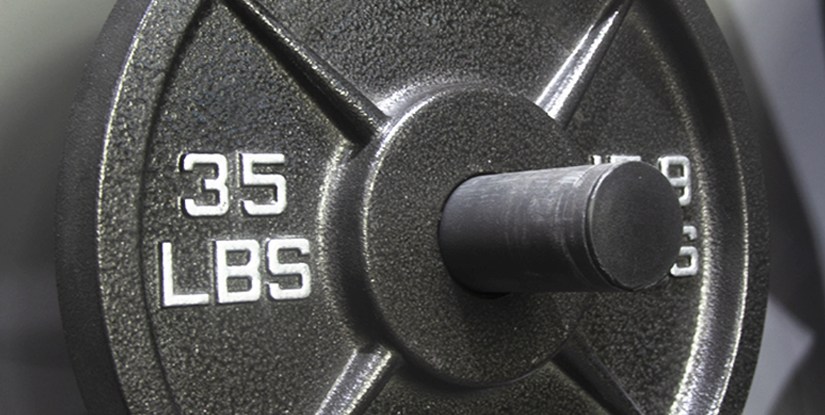
The final phase of the procurement cycle is where many importers face unexpected landed cost increases due to shipping damage or substandard packaging. A professional olympic plate supplier understands that heavy, high-density goods require specialized export packaging to survive long-haul maritime transit. For distributors managing high-volume wholesale olympic plates, the risk of dented edges, chipped coatings, or damaged center bores during sea freight is a significant concern that can erode profit margins and damage brand reputation.
To ensure maximum logistics safety, a reliable China factory implements a multi-layered protection strategy. This typically involves heavy-duty corrugated cartons, reinforced corner protectors, and industrial-grade palletizing. For high-density shipments, using heat-treated wooden pallets and shrink-wrapping is an industry-standard practice to prevent shifting within the container. When you place a large bulk order, the factory should provide detailed packing lists and dimensions to allow for precise container loading optimization, ensuring your shipment is both space-efficient and structurally secure.
Beyond physical protection, a rigorous pre-shipment inspection is the most effective way to mitigate quality risks before the goods leave the port. We recommend that procurement leads or third-party inspectors perform a random spot-check on a finished batch to verify weight consistency and surface integrity. A comprehensive QC protocol at the source should include checking the adhesion of the coating, the smoothness of the bore edges, and the structural integrity of the packaging itself. By verifying these technical details during the sourcing process, you can confidently manage your inventory and guarantee a high-quality arrival for your commercial clients.
Optimizing Your Supply Chain with a Professional Olympic Plate Supplier
For international distributors and warehouse operators, the stability of a product tier strategy is the foundation of long-term profitability. Selecting a professional olympic plate supplier involves more than just comparing unit prices; it requires a deep understanding of how material choices and manufacturing consistency affect your total landed cost and inventory turnover. When you source directly from a China factory, you gain the ability to balance your catalog between high-volume budget options and high-margin premium units.
The goal for any serious importer is to maximize the distributor margin by reducing the frequency of returns and quality-related disputes. A reliable commercial weight plate manufacturer understands that inconsistent weight calibration or poor coating adhesion leads to high replacement costs and damaged brand reputation. By optimizing your order through strategic wholesale procurement, you can maintain a diverse stock profile that meets the needs of both entry-level fitness centers and high-end commercial facilities.
Strategic Product Tiering for Inventory Efficiency
Effective inventory management relies on offering clear value distinctions between different product lines. Utilizing wholesale olympic plates across various material grades allows you to capture multiple market segments without overextending your capital. For example, stocking high-volume cast iron plates serves the high-turnover, budget-driven market, while offering premium urethane-coated options caters to high-end gym owners looking for longevity and floor protection.
| Material | Coating | Process | Commercial Duty | MOQ Impact | Factory QC Point |
|---|---|---|---|---|---|
| Cast Iron | Powder Coating | Sand Casting & Machining | Budget/Commercial | Lower | Weight Calibration |
| Steel | Rubber/Urethane | Molding & Encapsulation | Premium/High-End | Higher | Coating Adhesion |
| Iron | Enamel/Paint | Casting & Surface Finishing | Standard Commercial | Moderate | Base Flatness |
When evaluating your next sourcing project, consider how the MOQ for specialized materials like urethane might impact your initial landed cost. While premium materials often require a higher minimum order, the reduced maintenance load and increased durability typically offer a better long-term ROI for your clients, enhancing your position as a specialized supplier in the global market.
For international distributors and warehouse operators, the stability of a product tier strategy is the foundation of long-term profitability. Selecting a professional olympic plate supplier involves more than just comparing unit prices; it requires a deep understanding of how material choices and manufacturing consistency affect your total landed cost and inventory turnover. When you source directly from a China factory, you gain the ability to balance your catalog between high-volume budget options and high-margin premium units.
The goal for any serious importer is to maximize the distributor margin by reducing the frequency of returns and quality-related disputes. A reliable commercial weight plate manufacturer understands that inconsistent weight calibration or poor coating adhesion leads to high replacement costs and damaged brand reputation. By optimizing your order through strategic wholesale procurement, you can maintain a diverse stock profile that meets the needs of both entry-level fitness centers and high-end commercial facilities.
Factory QC Protocols and Export Packaging for Global Importers
Ensuring consistency in weight distribution and surface finish is a critical requirement for any professional olympic plate supplier. For distributors and gym owners sourcing in bulk, the risk of receiving uneven batches can lead to significant returns and diminished trust with end-users. A reliable commercial weight plate manufacturer mitigates these risks through a standardized, multi-stage inspection sequence that prioritizes both physical dimensions and weight precision.
The quality control process begins at the casting stage to ensure structural integrity. Once the plates undergo surface finishing, such as powder coating or rubber encapsulation, they move into a rigorous calibration phase. A professional China factory utilizes specialized equipment to perform a concentricity check, ensuring the center bore is perfectly aligned and the plate remains balanced during rotation. This is followed by a weight calibration step, where samples are spot-checked to ensure they meet the specified weight tolerances required for commercial use. This level of precision is essential for maintaining the reputation of your brand when you offer wholesale olympic plates to high-end fitness facilities.
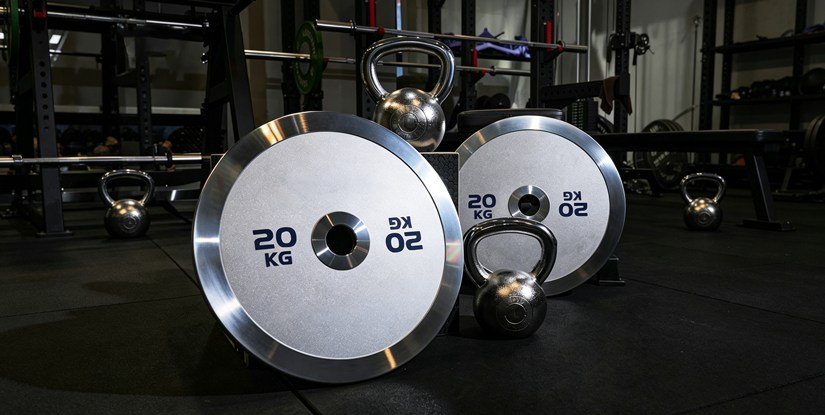
Standardized Inspection and Export Readiness
Beyond individual unit precision, the pre-shipment inspection focuses on the durability of the exterior and the security of the export packaging. For large-scale sourcing projects, the way a product is prepared for sea freight determines the final landed cost and the condition of the goods upon arrival. A high-standard supplier will inspect the coating adhesion and the integrity of the rubber or PU layers to prevent cracking or peeling during transit.
To protect the shipment, we implement heavy-duty export packaging protocols. This includes reinforced carton corners and palletization techniques designed to withstand the rigors of international shipping and multiple handling points. Whether you are managing a small OEM order or a massive wholesale distribution, ensuring the weight is correctly distributed within the shipping container is vital for optimizing container space and reducing breakage risks. We recommend that buyers confirm the specific packaging requirements and request a pre-shipment inspection report to verify that all weight and finish standards are met before the cargo leaves the factory.
Logistics Optimization and Sea Freight Protection
Efficient logistics management is a core competency for a professional olympic plate supplier. Because weight plates are high-density, heavy-load items, the primary risk during long-distance sea freight is not just physical impact, but also moisture-induced oxidation and pallet instability. A mismatch in container loading strategies can lead to increased breakage and higher landed costs, directly impacting the profit margins of distributors and large-scale importers.
To ensure your shipment arrives in pristine condition, we employ strict export packaging standards tailored for bulk shipping. We utilize heavy-duty pallets that are structurally reinforced to support high-density loads without warping. To mitigate the risks of humidity in maritime environments, we incorporate moisture protection layers, such as industrial-grade plastic film or moisture-absorbent materials, particularly for bare iron or painted units. This prevents surface rust and preserves the aesthetic integrity of the product during long transit times.
For buyers managing large-scale procurement, our loading protocols focus on space efficiency and load stability. We optimize the stacking patterns within the shipping container to maximize volume utilization while ensuring the center of gravity remains secure. This systematic approach to logistics ensures that even when your wholesale olympic plates are part of a mixed-container shipment, the structural integrity of the packaging remains intact. We encourage importers to discuss specific palletization and container loading requirements during the initial quote stage to align with your local warehouse handling capabilities and optimize the total landed cost of your order.
Technical Comparison of Quality Control Checkpoints
To assist procurement managers in auditing potential partners, it is essential to understand that different product categories require distinct inspection priorities. A professional olympic plate supplier will maintain specialized testing protocols based on the material composition and intended use-case of the unit. Using a qualitative comparison allows you to set clear expectations for your commercial weight plate manufacturer regarding what constitutes an acceptable batch for high-traffic environments.
| QC Checkpoint | Cast Iron Plate | Bumper Plate | Commercial Standard | Inspection Focus |
|---|---|---|---|---|
| Weight Precision | Standard weight tolerance | High-precision weight check | Tier-one commercial | Mass-to-bore ratio and calibration |
| Surface Integrity | Paint or powder adhesion | Rubber/PU edge bonding | Premium commercial | Cracking, peeling, or uneven coating |
| Structural Geometry | Flatness and rim thickness | Concentricity and bounce control | High-performance | Center bore alignment and warping |
| Shipping Durability | Oxidation/Rust prevention | Compression resistance | Global export-ready | Moisture protection and pallet stability |
When conducting a factory audit or reviewing sample approvals, we recommend focusing on these qualitative tiers. For budget-conscious distribution, cast iron units require strict oversight of surface coating adhesion. For high-end studio applications, the focus must shift to the concentricity and the durability of the rubber-to-core bond. Establishing these specific inspection points during the sourcing phase ensures that your wholesale olympic plates meet the long-term durability requirements of your professional clients.
Strategic Sourcing: Navigating MOQ and OEM Customization
For professional distributors and gym equipment importers, managing inventory complexity is a critical factor in maintaining healthy margins. When sourcing from a olympic plate supplier, the relationship between product type and MOQ directly impacts your landed cost and warehouse turnover. Choosing between standard stock items and custom OEM orders requires a strategic balance of production complexity and long-term brand positioning.
The production requirements for different weight plate categories vary significantly, which influences both the lead time and the minimum order requirements. For instance, high-volume orders of standard cast iron plates typically offer lower entry barriers for wholesale procurement, whereas high-end urethane-encapsulated plates require more complex molding and specialized China factory assembly lines. Understanding these variables allows importers to plan seasonal stock replenishments more effectively.
Material Complexity and Production Scaling
The technical specifications of the plates you select will dictate the production cycles and the degree of customization available. A commercial weight plate manufacturer must adjust manufacturing workflows based on whether the product is a basic painted iron plate or a premium high-density rubberized unit. A wholesale olympic plates order involving complex materials often necessitates longer preparation phases for tooling and specialized coating applications.
| Material Tier | Common Process | Primary Component | Commercial Duty | MOQ Impact | Factory QC Point |
|---|---|---|---|---|---|
| Cast Iron | Sand Casting & Paint | Gray Iron Core | Budget Commercial | Low | Surface Smoothness |
| Rubber Coated | Molding & Encapsulation | Steel/Iron Center | Standard Commercial | Medium | Edge Bonding |
| Polyurethane (PU) | Precision Injection | Steel Core | Premium/Competition | High | Coating Adhesion |
When negotiating with your olympic plate supplier, it is advisable to request a detailed specification sheet for each material tier. This ensures that your sourcing team can accurately calculate the durability-to-cost ratio for different client segments, from budget-friendly strength studios to high-end performance centers.
Branding and Technical Customization via OEM/ODM
Establishing a unique brand identity is a key driver for distributors looking to move beyond generic commodity trading. Through professional ODM and OEM services, a commercial weight plate manufacturer can transform a standard product into a signature part of your catalog. This level of customization allows you to meet the specific aesthetic and functional demands of high-end commercial gyms and specialized training facilities.
Technical customization typically involves several layers of the manufacturing process. For budget-to-mid-tier series, custom branding is often achieved through high-precision logo embossing directly into the cast iron mold, ensuring the brand remains permanent and resistant to wear. For premium lines, such as urethane or high-grade rubberized plates, branding is frequently applied via specialized color coating or precision-injected graphics. This ensures the logo remains legible even after heavy commercial usage and frequent impact.
Beyond visual identity, technical specs can be adjusted to suit your market positioning. This includes selecting specific color coating options to match a gym's interior design or adjusting the thickness and diameter tolerances for specific competition-grade requirements. When engaging in a wholesale branding project, we recommend discussing the exact dimensions of the emboss area and the type of surface finish—such as matte or gloss—to ensure the final product aligns perfectly with your brand identity and target consumer expectations.
To move forward with your custom project, we suggest contacting our team to request a detailed specification sheet, confirm your specific MOQ for custom colors, or schedule a sample approval process to evaluate the quality of the logo embossing and coating adhesion before full-scale production begins.