Olympic Weight Plate Wholesale Distributor: China Factory
Strategic Sourcing: Why Partner with an Olympic Weight Plate Wholesale Distributor?
Many procurement leads fail by choosing local middle-tier traders who inflate the landed cost without controlling the manufacturing process, leading to inconsistent weight tolerances and high replacement rates. A professional olympic weight plate wholesale distributor eliminates these variables by providing direct access to the China factory, ensuring that every batch of commercial-grade equipment meets rigorous industrial standards while optimizing your capital expenditure.
By shifting from fragmented retail sourcing to a commercial weight plate supplier model, distributors and gym owners can secure predictable lead times and scalable MOQ options. This direct-from-source approach allows for better control over the total cost of ownership, as you are no longer paying for the markup of multiple logistics layers, but rather investing in the structural integrity and long-term durability of your bulk olympic plates.
Whether you are managing a single premium studio or a global distribution network, leveraging China factory direct gym equipment production allows for seamless integration of custom branding and specialized material requests. This level of vertical integration ensures that your procurement strategy is built on transparency, from the initial casting stage to the final export packaging process.
Deciding between a trading company and a direct manufacturer is a critical decision that impacts your distributor margins and long-term inventory stability. While traders offer convenience, they often lack the technical oversight required to guarantee weight calibration and surface finish consistency. Partnering with a specialized olympic weight plate wholesale distributor provides the technical transparency needed to manage high-volume shipments without the risk of inconsistent quality.
Sourcing Model Comparison: Factory-Direct vs. Trading Companies
To optimize your procurement, you must evaluate the trade-offs in material control and logistics efficiency. A direct supplier offers superior control over the manufacturing sequence, whereas trading companies may introduce hidden costs in the landed cost calculation. The following table outlines the standard differences in B2B sourcing models for bulk olympic plates.
| Sourcing Dimension | Direct China Factory | Trading Company / Agent |
|---|---|---|
| Material Control | Direct oversight of cast iron or PU quality | Dependent on third-party material reports |
| Manufacturing Process | Direct control over machining and coating | Limited visibility into production stages |
| Customization (OEM/ODM) | High capability for private label branding | Limited to existing stock profiles |
| Typical MOQ | Scalable based on production runs | Often lower but with higher unit costs |
| Quality Control (QC) | In-house pre-shipment inspection | Externalized and indirect oversight |
| Landed Cost Efficiency | Optimized for large-scale export | Higher markup due to service layers |
For professional importers, the goal is to secure a commercial weight plate supplier that can provide detailed technical documentation and a consistent production schedule. When sourcing China factory direct gym equipment, we recommend requesting a formal sample approval and a detailed factory audit to verify the casting and coating processes before committing to a large-scale wholesale order.
Deciding between a trading company and a direct manufacturer is a critical decision that impacts your distributor margins and long-term inventory stability. While traders offer convenience, they often lack the technical oversight required to guarantee weight calibration and surface finish consistency. Partnering with a specialized olympic weight plate wholesale distributor provides the technical transparency needed to manage high-volume shipments without the risk of inconsistent quality.
Optimizing Facility Layout and Stocking Efficiency
Effective facility management requires a strategic approach to equipment dimensions and storage density. When sourcing from an olympic weight plate wholesale distributor, professional buyers must evaluate how different material profiles and thickness variations impact the total footprint of a weight room. Selecting the right commercial weight plate supplier involves more than just comparing price per kilogram; it requires analyzing the long-term TCO (Total Cost of Ownership) regarding floor wear, vertical storage needs, and inventory turnover.
A China factory specializing in high-volume export can provide standardized sizing that ensures compatibility with standard commercial racks and storage trees. This standardization is critical for space optimization in high-traffic strength zones. By choosing specific profiles, such as thin-profile steel or high-density rubberized edges, distributors can maximize the number of plates per rack, reducing the overall footprint of the lifting area and improving the visual organization of the facility.
| Plate Profile Type | Material Base | Storage Density | Maintenance Load | Best Use Case |
|---|---|---|---|---|
| Standard Cast Iron | Gray Iron | Moderate | Low (Periodic Rust Check) | Budget Commercial Gyms |
| Rubber Coated | Cast Iron/Steel | High | Medium (Surface Cleaning) | High-Traffic Training Centers |
| Thin-Profile Steel | Solid Steel | Very High | Low (High Durability) | Competition-Style Platforms |
| PU Coated | Steel/Iron Core | High | Low (Impact Resistant) | Premium Boutique Studios |
For procurement leads managing bulk olympic plates orders, understanding these material-to-storage ratios is essential for calculating landed costs and shipping volumes. A wholesale order of high-density steel plates may offer better space optimization for premium facilities, while a China factory direct gym equipment partnership focused on cast iron can significantly lower the initial CAPEX for large-scale warehouse-style gyms. Always confirm the specific thickness and diameter tolerances with your supplier during the sourcing phase to ensure seamless integration with your existing storage solutions.
Material Selection and Production Standards for Commercial Use
Selecting the correct material profile is a critical decision for any olympic weight plate wholesale distributor or facility manager. The choice between cast iron and advanced coatings like PU affects not only the initial procurement cost but also the long-term maintenance load and floor protection requirements. A professional commercial weight plate supplier will typically offer various tiers of production to match different facility needs, from high-durability competition environments to budget-conscious commercial gyms.
The manufacturing route for these components typically follows a structured sequence: starting with sand casting or centrifugal casting for the core, followed by precision machining for the center bore to ensure concentricity, and concluding with advanced surface treatments. For example, high-end PU coated plates undergo a specialized molding or dip process to ensure high coating adhesion, which is a vital quality control point during pre-shipment inspection. For buyers managing bulk olympic plates orders, understanding these technical nuances helps in assessing the true durability and replacement frequency of the inventory.
| Material Base | Primary Process | Surface Finish | Commercial Duty Tier | Procurement Focus |
|---|---|---|---|---|
| Gray Iron | Sand Casting | Powder Coating | Budget Commercial | Low CAPEX / High Volume |
| Steel/Iron Core | Machining | Rubber Encapsulation | Standard Commercial | Floor Protection / Durability |
| High-Grade Steel | Precision Machining | PU Coating | Premium/Boutique | Aesthetics / Impact Resistance |
When coordinating with a China factory direct gym equipment manufacturer, it is standard practice to request specific details regarding the weight calibration and the thickness of the coating layer. For high-traffic facilities, the quality of the bond line between the core and the coating is a key indicator of long-term reliability. We recommend that distributors and procurement leads perform a sample evaluation to check for weight spot-checks and surface uniformity before confirming a full wholesale production run. Contact your supplier to discuss specific MOQ requirements or to request technical specification sheets for your next sourcing project.
Material Selection and Manufacturing Standards for Commercial Plates
Selecting a reliable olympic weight plate wholesale distributor requires a deep understanding of how material integrity affects long-term TCO and facility safety. For high-traffic environments, the choice between bare iron, powder coating, and specialized rubber encapsulation determines the frequency of maintenance and the lifespan of your flooring. When sourcing through a China factory direct gym equipment model, buyers can access diverse material tiers—from standard cast iron to premium polyurethane—allowing for precise alignment with specific gym branding and budget constraints.
The engineering of a commercial plate begins with the base material, typically gray iron or high-density steel, which must undergo rigorous weight calibration to ensure concentricity. A professional commercial weight plate supplier ensures that the casting process minimizes structural voids, preventing cracks during heavy drops. Furthermore, the adhesion of the rubber coating or powder finish is critical; poor bonding leads to premature peeling, which increases replacement costs and complicates your inventory management. By working directly with a factory, importers can specify the exact coating thickness and material density required to meet their local market's durability standards.
| Material Type | Typical Coating | Manufacturing Process | Commercial Duty Tier | QC Focus Point |
|---|---|---|---|---|
| Cast Iron | Paint or Powder Coating | Sand Casting & Machining | Budget/Standard Commercial | Weight tolerance & Surface smoothness |
| Steel | Chrome or Enamel | Precision Machining | Premium/Competition | Concentricity & Bore fit |
| Rubber/PU | Encapsulation or Dip | Molding or Injection | High-End/Bumper | Coating adhesion & Edge durability |
Technical Manufacturing Nuances and Sourcing Specifications
Understanding the distinction between standard casting and precision engineering is vital for high-volume procurement. Most high-volume orders from a olympic weight plate wholesale distributor utilize sand casting for the base structure, followed by CNC machining to ensure the center bore remains perfectly concentric. This step is non-negotiable for professional environments; a poorly machined bore leads to uneven weight distribution on the barbell, increasing wear on your premium bars and potentially causing safety issues during heavy sets. For importers, verifying these technical steps during a pre-shipment inspection can significantly reduce the risk of high return rates and damaged inventory.
The surface treatment phase is where the final product durability is determined. While basic models use standard paint, professional-grade bulk olympic plates often require advanced powder coating or PU coating to withstand constant impact. A quality China factory will utilize a multi-stage process involving phosphate treatment to ensure the coating adheres deeply to the iron substrate. This prevents the common failure mode of coating flaking, which can create unsightly debris in a commercial gym. When calculating your landed cost, consider that investing in superior coating processes can lower your long-term maintenance load and improve the perceived value of your brand or private label.
Beyond the surface, the physical dimensions and weight accuracy are key metrics for any professional commercial weight plate supplier. In many commercial settings, a strict weight tolerance is maintained through secondary calibration steps. During the sourcing process, it is highly recommended to request a sample to evaluate the thickness of the edge molding and the precision of the center hole. For large-scale distributors, establishing a clear agreement on the MOQ and the specific QC protocol for weight spot-checks ensures that every shipment arriving at your warehouse meets the expected professional standards for commercial-grade equipment.
Precision Machining and Surface Finishing Processes
When sourcing through an olympic weight plate wholesale distributor, technical precision is the primary differentiator between high-turnover inventory and costly returns. For professional distributors and gym owners, the value of a China factory direct gym equipment partnership lies in the ability to secure units that maintain consistent concentricity and structural integrity under heavy use. Reliable procurement requires verifying that the manufacturer utilizes standardized industrial workflows to ensure every unit meets commercial expectations.
The production of high-tier plates begins with high-grade casting, typically utilizing gray iron or solid steel to ensure density. However, the true quality of a commercial weight plate supplier is revealed during the secondary machining stages. To achieve a perfect fit on Olympic barbells, the center bore must undergo CNC machining. This process ensures a precise diameter and smooth edges, preventing damage to expensive barbell sleeves. Without rigorous precision machining, plates often suffer from uneven weight distribution or a "wobble" effect, which increases mechanical wear on both the plate and the bar.
Beyond the bore, the surface finishing determines the long-term durability and aesthetic value of the product. A professional wholesale order should feature consistent coating adhesion to prevent chipping or oxidation. Common commercial-grade finishes include high-durability powder coating or specialized rubber encapsulation. During the quality control phase, a reputable factory will perform spot-checks on coating thickness and edge smoothness to ensure the plates are safe for high-traffic environments. For importers, these technical specifications directly impact the total cost of ownership and the ability to offer premium-tier products to end-users.
Technical Comparison of Commercial Finishing Processes
Selecting the correct surface treatment is a critical decision for any olympic weight plate wholesale distributor. The choice between a budget-friendly finish and a high-durability coating directly affects the maintenance load and the replacement cycle for your clients. For those managing high-volume bulk olympic plates orders, understanding the trade-offs between material protection and landed cost is essential for maintaining healthy distributor margins.
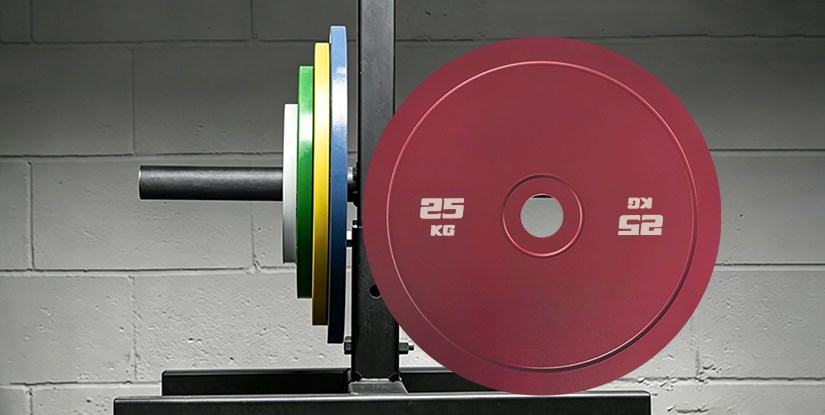
| Material Base | Finishing Process | Durability Level | Commercial Application | Sourcing Advantage |
|---|---|---|---|---|
| Cast Iron | Powder Coating | Standard Commercial | General Strength Training | Low cost, high volume efficiency |
| Cast Iron | Rubber Coating | Premium / High-Impact | CrossFit & High-Traffic Gyms | Superior floor protection |
| Solid Steel | PU Coating | Premium / High-End | Boutique Studios & Competition | High aesthetic & durability |
| Cast Iron | Paint / Enamel | Budget Commercial | Entry-level Gyms / Home Use | Lowest price point for bulk |
When evaluating a commercial weight plate supplier, we recommend requesting specific details regarding the coating adhesion and the molding process. For example, a high-quality rubber-coated plate should feature a seamless encapsulation to prevent the internal core from oxidizing. If you are planning a large-scale wholesale procurement, it is standard practice to request a sample to verify the thickness and texture of the finish. A reliable China factory will provide detailed specifications on how they manage the transition from the casting stage to the final coating line to ensure consistency across your entire shipment.
Pre-Shipment Inspection and Export Standards
The final stage of a professional procurement cycle is the pre-shipment QC process. For any olympic weight plate wholesale distributor, the risk of receiving a shipment with weight discrepancies or structural flaws can lead to significant logistics costs and client dissatisfaction. A professional China factory does not rely solely on automated checks; instead, they implement a multi-step manual and mechanical verification system to ensure every unit in a bulk olympic plates order meets strict commercial standards before leaving the warehouse.
A rigorous inspection protocol must include weight calibration to ensure the actual mass falls within industry-standard tolerance bands. Furthermore, technicians must verify the concentricity of the center bore to ensure smooth rotation on barbells. We also emphasize the importance of checking coating adhesion and edge smoothness to prevent surface degradation during transit. Finally, because high-volume sourcing involves significant shipping volumes, the export packaging must be robust. This includes reinforced carton corners and heavy-duty stacking capabilities to protect the product during sea freight and prevent damage to the internal weight core. Before finalizing your next wholesale order, we recommend confirming the specific pre-shipment inspection steps and packaging standards with your supplier to ensure a safe and predictable landed cost.
China Factory Direct Gym Equipment: Quality Control and Export Standards
Selecting a reliable olympic weight plate wholesale distributor requires more than just comparing unit prices; it requires verifying the manufacturing integrity of the source. When sourcing China factory direct gym equipment, professional buyers must prioritize a production model that integrates rigorous quality control into every stage of the casting and finishing process. A high-standard factory ensures that every batch meets the structural requirements of high-traffic commercial environments.
The procurement risk in bulk lifting orders often stems from inconsistent weight distribution or poor surface adhesion. To mitigate this, a professional supplier implements a systematic approach to production. This typically begins with high-grade gray iron casting, followed by precision machining to ensure the concentricity of the center bore. For commercial-grade plates, the quality of the finish—whether it is a phosphate treatment, powder coating, or rubber encapsulation—determines the long-term durability and the reduction in maintenance costs for the end-user.
Standardized Production and Inspection Protocols
For distributors managing large-scale inventory, understanding the technical nuances of commercial weight plate supplier workflows is essential for protecting profit margins. A reliable wholesale partner does not rely on visual inspection alone; they utilize specific checkpoints to ensure the product survives the rigors of global shipping and heavy commercial use.
The following table outlines the typical quality benchmarks used during the manufacturing and export process to ensure product consistency:
| Material Type | Primary Process | Key QC Point | Commercial Duty Tier | Sourcing Advantage |
|---|---|---|---|---|
| Cast Iron | Sand Casting & Machining | Bore concentricity & weight tolerance | Budget / Standard Commercial | High durability, low MOQ impact |
| Rubber Coated | Injection Molding / Dip | Coating adhesion & edge smoothness | Premium Commercial | Enhanced floor protection |
| Steel / PU | Precision Fabrication | Seamless bond line & weight stability | High-End Professional | Long-term low maintenance |
During the pre-shipment inspection, experienced importers focus on critical failure points such as the thickness of the powder coating and the structural integrity of the center hole. Ensuring these standards are met at the factory level reduces the landed cost of defective returns and protects the reputation of your brand when distributing to gym owners and fitness facilities.
Strategic Procurement and Bulk Logistics
Effective inventory management for a commercial weight plate supplier involves balancing product specifications with shipping efficiency. When ordering bulk olympic plates, the dimensions and weight distribution of the unit directly impact container loading density and overall landed cost. Professional buyers often evaluate whether to prioritize high-density cast iron for volume or specialized coatings for premium facility placement. A structured approach to sourcing allows distributors to optimize their container utilization, ensuring that the high weight-to-volume ratio of the product does not lead to unexpected freight surcharges.
To maintain a competitive edge, many distributors utilize OEM or ODM services to differentiate their product lines. This can include custom branding on the plate face or specific color-coding for different weight increments. By engaging directly with a China factory, procurement managers can negotiate customized packaging solutions—such as reinforced heavy-duty cartons or palletized shipping configurations—that protect the product during long-haul maritime transit. This level of control over the final assembly and export-ready state is vital for maintaining high distributor margins and ensuring a seamless arrival at the destination warehouse.
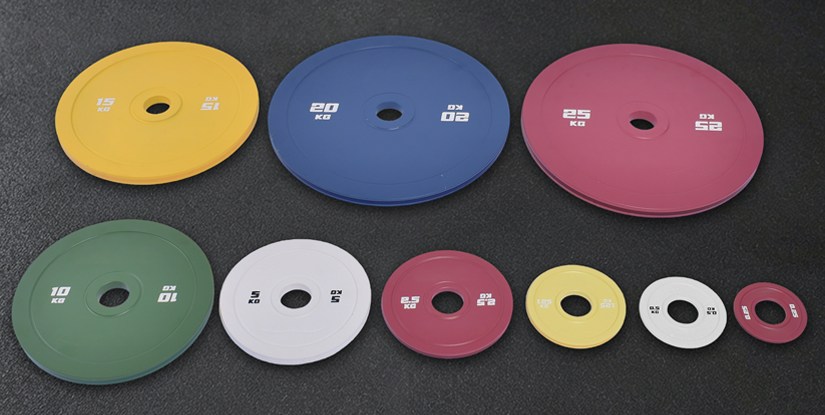
Before finalizing a large-scale purchase, we recommend requesting a detailed technical spec sheet and confirming the MOQ for any customized branding requests. It is also standard practice to request a sample approval or coordinate a third-party factory audit to verify that the weight calibration and surface finishing processes meet your specific commercial requirements.
Customization and OEM Capabilities for Global Distributors
For distributors seeking to transition from a generic reseller to a recognized industry player, the ability to offer proprietary products is essential. Working with a professional olympic weight plate wholesale distributor allows you to move beyond standard inventory and develop a unique market position. By leveraging OEM and ODM services, you can integrate your own brand identity directly into the manufacturing stage, ensuring that every piece of equipment shipped reflects your company's standards.
Strategic customization is not merely about aesthetics; it is a tool for increasing your profit margins and building long-term brand equity. A specialized commercial weight plate supplier can provide various customization levels, ranging from simple logo embossing on cast iron surfaces to sophisticated color/coating options for high-end bumper plates. Whether you require a specific powder coating texture or a unique color scheme to match a gym's interior design, these options allow you to offer a premium, differentiated product line to your clients.
To maintain a competitive edge, many importers utilize private label manufacturing to control the entire visual and functional profile of their catalog. This process typically involves selecting specific materials—such as high-grade cast iron or urethane-coated steel—and applying custom branding through precision molds or specialized printing techniques. While these customized orders are subject to a specific MOQ, the ability to control the branding and finish significantly enhances your brand identity and justifies a higher retail price point in the professional market.
When sourcing bulk olympic plates through a China factory, understanding the scale of customization is vital for your procurement planning. Professional manufacturers can accommodate diverse requests, such as custom weight markings or specialized thickness for specific competition standards. By coordinating these details during the initial sourcing phase, you can ensure that the final product aligns perfectly with your market's expectations for both durability and professional appearance.
Technical Execution of Custom Orders
Precision is the foundation of professional-grade equipment. For a high-tier olympic weight plate wholesale distributor, the manufacturing sequence must be strictly controlled to ensure every unit meets commercial specifications. The process typically begins with high-quality sand casting to create the foundational shape of the plate. Following the casting stage, the units undergo CNC machining to ensure the central bore is perfectly centered. This step is critical for concentricity, preventing the "wobble" often found in lower-grade products and ensuring a smooth fit on Olympic barbells.
Once the structural integrity is verified, the plates move to the surface finishing stage. For many commercial-grade orders, a durable powder coating is applied to protect the metal from oxidation and impact. For brands seeking a premium aesthetic, the customization process may include a dedicated logo plate or precision embossing. Before any shipment is cleared, a rigorous weight calibration and pre-shipment QC protocol is executed. This includes checking the bore fit, verifying the coating adhesion, and performing a final weight spot-check to ensure consistency across the entire batch. Finally, to minimize damage during international transit, specialized export packaging is utilized, ensuring the products arrive at your warehouse in optimal condition, ready for distribution.
Comparison of Procurement Models for Global Importers
Navigating the complexities of international procurement requires a clear understanding of how different order types impact your landed cost and brand positioning. As a professional olympic weight plate wholesale distributor, you must decide between the efficiency of ready-to-ship stock and the long-term value of proprietary product development. Choosing the right path depends on your current inventory turnover, target market segment, and desired profit margins.
| Feature | Standard Wholesale | Custom OEM/ODM |
|---|---|---|
| Material Selection | Standard cast iron or powder coated options | Custom steel grades or specialized urethane/PU |
| Branding & Identity | Generic or factory-standard markings | Full private label and custom logo embossing |
| Production Process | Standardized casting and machining cycles | Tailored CNC machining and custom mold creation |
| Typical MOQ | Lower volume for rapid stock replenishment | Higher volume for proprietary product lines |
| Lead Time | Short; optimized for quick shipping/dispatch | Extended; includes mold and calibration phases |
| Market Positioning | Cost-effective solution for budget gym sets | Premium tier for specialized studio equipment |
Selecting a China factory direct gym equipment partner allows you to scale your operations based on these specific requirements. While standard orders offer the fastest route to market, utilizing China factory expertise for OEM production enables you to build a truly unique catalog. We recommend evaluating your current sourcing strategy against these tiers to determine if your next batch should focus on immediate volume or long-term brand differentiation through specialized customization.
Streamlining Your Procurement with a Reliable Bulk Supplier
For large-scale gym operators and distributors, the primary challenge in inventory management is balancing landed costs against product durability. Selecting a professional olympic weight plate wholesale distributor allows you to bypass the high markups of secondary traders and move closer to the source. By establishing a direct relationship with a China factory direct gym equipment provider, you gain control over your supply chain, ensuring that your capital is invested in high-density cast iron or premium urethane-coated units that meet strict commercial standards.
Optimizing your procurement strategy requires more than just finding the lowest price; it requires margin optimization through predictable lead times and scalable production. When you source directly, you can negotiate MOQ levels that align with your warehouse capacity and seasonal demand. Whether you are expanding a boutique studio or outfitting a multi-facility commercial chain, working with a specialized commercial weight plate supplier ensures that your bulk orders arrive with consistent weight calibration and professional export packaging, reducing the risk of replacement costs and downtime.
Understanding Sourcing Models: Trader vs. Factory Direct
The decision to source through a traditional trading company versus a direct manufacturer significantly impacts your final landed cost and product consistency. While traders may offer lower initial barriers to entry, they often introduce additional layers of markup and a lack of transparency in the production process. In contrast, sourcing bulk olympic plates directly from a manufacturer allows for tighter control over technical specifications and logistics.
A professional commercial weight plate supplier provides the transparency required for high-volume procurement, particularly regarding material selection and quality assurance. Below is a qualitative comparison of the two primary sourcing models used in the international fitness equipment market.
| Sourcing Model | Typical Material Control | Primary Advantage | Quality Control Oversight | Impact on Landed Cost |
|---|---|---|---|---|
| Trading Company | Limited to supplier-provided specs | Simplified single-point communication | Indirect; relies on third-party reports | Higher due to multiple markups |
| China factory Direct | Direct selection of cast iron or coating | Full control over OEM and technical specs | Direct; onsite pre-shipment inspection | Optimized for maximum distributor margins |
For distributors aiming to build a long-term brand identity, the factory-direct model is the standard for scaling operations. By engaging with a supplier that manages its own casting and coating lines, you can request specific customizations—such as specialized powder coating or customized embossed logos—while maintaining a predictable lead time. This direct access is essential for managing large-scale projects where weight calibration and packaging durability are non-negotiable requirements for successful import and local distribution.
Customization and Brand Integration via OEM/ODM
To differentiate your inventory in a competitive market, leveraging OEM and ODM capabilities is a strategic necessity. A specialized olympic weight plate wholesale distributor does not just sell stock items; they act as a manufacturing partner capable of integrating your brand identity into the product itself. This can range from precision-molded logos on the plate surface to specific color-coded powder coating schemes that align with your studio's aesthetic. This level of customization allows distributors to transition from mere resellers to established equipment brands, increasing the perceived value of their product lines.
Beyond aesthetics, professional customization extends to functional specifications. For instance, you may require specific thickness profiles for your cast iron plates or particular bond line adhesion standards for rubber-coated variants to ensure long-term durability under high-volume commercial use. Working with a direct factory ensures that these technical requirements are managed at the production level, rather than through a third-party intermediary. This direct control is vital when managing the technical nuances of weight calibration and surface finishing, ensuring every unit in a bulk shipment meets your brand's quality promise.
Effective logistics management is the final pillar of a successful sourcing partnership. A reliable supplier must provide robust export packaging designed to withstand the rigors of international sea freight and multi-stage handling. This includes reinforced carton corners, moisture-resistant liners for metal components, and optimized palletization to maximize container utilization. By addressing these logistical details during the sourcing phase, you minimize the risk of transit damage and ensure that your landed cost remains predictable, ultimately protecting your margins and ensuring a seamless arrival at your warehouse or client site.