Sourcing Cast Iron Dumbbell Plates: a Procurement Checklist
Defining Your Procurement Standards for Cast Iron Dumbbell Plates
For a high-traffic commercial gym or a large-scale fitness distributor, the initial quote for dumbbell plates cast iron is only one piece of the financial puzzle. While the unit price often dictates the immediate budget, savvy procurement managers must evaluate the long-term Total Cost of Ownership (TCO) to ensure profitability and equipment longevity.
Balancing Unit Price with Durability
Selecting the lowest-cost option can lead to hidden expenses through frequent replacement cycles. High-quality casting processes are essential in high-traffic settings to prevent common issues like surface chipping, structural cracks, or uneven weight distribution. Investing in superior manufacturing standards reduces the frequency of maintenance and the need for restocking, ultimately lowering the long-term operational costs for your facility.
To optimize your budget allocation, it is necessary to categorize your requirements into distinct procurement tiers. Depending on whether you are stocking a boutique studio or a high-volume training facility, the required commercial weight plate specifications will vary significantly. Aligning your order with the correct grade prevents overspending on unnecessary features or, conversely, suffering from premature wear in demanding environments.
Tiered Comparison: Commercial vs. Premium Grade
The following framework illustrates how different levels of bulk cast iron fitness equipment impact both your initial capital expenditure and long-term operational utility.
| Tier Classification | Material Focus | Typical Use Case | Cost Impact |
|---|---|---|---|
| Standard Commercial Grade | Basic structural integrity with standard powder coating or paint. | General fitness clubs, hotel gyms, and low-to-medium traffic studios. | Lower initial outlay; higher replacement frequency over long cycles. |
| Premium/Competition Grade | High-density casting with precision machining and high-grade finishes. | Strength & Conditioning facilities, CrossFit boxes, and high-traffic franchises. | Higher upfront investment; significantly lower maintenance and replacement needs. |
When negotiating with suppliers, clarify which tier your specific gym equipment quality control protocols demand. A mismatch between the intended environment and the plate grade can lead to unexpected logistics costs when replacement shipments are required mid-season.
Logistics Optimization and MOQ Strategy
Beyond unit pricing, the landed cost of dumbbell plates cast iron is heavily influenced by shipping density. Because these items are high-density and high-weight, the weight-to-volume ratio is critical; inefficient palletization can lead to paying for "dead air" in a container. To maximize ROI during large-scale facility fit-outs, procurement managers should prioritize factory-direct MOQ requirements. Ordering in larger volumes allows for optimized container loading, effectively spreading the high per-unit shipping expenses across a greater number of units and reducing the overall logistical burden per kilogram.
Critical Dimensions and Commercial Weight Plate Specifications
Precision in manufacturing determines whether your inventory remains a functional asset or a logistical liability. For high-end boutique studios and commercial distributors, the dimensional accuracy of dumbbell plates cast iron units directly impacts handle compatibility and long-term facility organization.
When auditing factory capability, prioritize strict adherence to commercial weight plate specifications regarding the center hole diameter. A consistent diameter ensures smooth loading on various dumbbell handles without excessive play or binding. Furthermore, demand high standards for concentricity and tolerance; plates that are even slightly off-center create uneven weight distribution, which can lead to premature wear on premium chrome or rubberized handles. Maintaining these tight tolerances is essential for professional-grade stability and seamless integration into automated storage systems.
Selecting the optimal inventory mix requires balancing weight increments against the physical footprint of your equipment. Procurement managers must decide between high-density configurations for space-saving or standardized increments for versatile training environments. The following table outlines common configurations based on facility type and typical usage patterns.
| Weight Increment Range | Typical Thickness Profile | Ideal Facility Use Case |
|---|---|---|
| 2.5kg – 10kg | Slim / Low Profile | Boutique Studios & Hotel Gyms |
| 5kg – 15kg | Medium / Standardized | Commercial Fitness Centers |
| 10kg – 25kg+ | High Density / Heavy Duty | Strength & Performance Gyms |
For distributors, sourcing a mix of these profiles is a strategic decision. While thinner plates maximize the number of weights available on a single dumbbell handle, heavier-duty plates are necessary for high-intensity environments where durability and stability under load are the primary concerns for the end-user.
Prioritizing Structural Integrity and Weight Accuracy
Long-term durability in a commercial setting depends heavily on the precision of the manufacturing process. When sourcing bulk cast iron fitness equipment, the primary risk is not just aesthetic flaws, but functional inconsistencies that increase total cost of ownership through frequent replacements or handle repairs.
A rigorous gym equipment quality control protocol must verify that weight tolerance remains within a strict +/- 1–3% margin. Significant deviations can lead to unbalanced loads, causing uneven wear on dumbbell sleeves and potentially compromising user safety. Furthermore, ensuring high structural integrity prevents micro-fractures during high-impact drops. High-quality casting processes promote uneven wear prevention across the entire set, ensuring that your inventory maintains a uniform profile and consistent performance throughout its operational lifespan.
Evaluating Surface Finishes and Coating Longevity
The long-term total cost of ownership for a gym depends heavily on how dumbbell plates cast iron are treated to resist environmental wear. In high-traffic commercial settings, a substandard finish leads to rapid surface oxidation, forcing distributors to deal with frequent replacements or costly refurbishment cycles.
When reviewing commercial weight plate specifications, procurement managers must distinguish between basic aesthetic coatings and functional protective layers. Choosing the wrong finish can result in chipped edges or rusted surfaces within months of deployment in humid or high-use environments.
| Finish Type | Durability Profile | Maintenance Frequency | Best Use Case |
|---|---|---|---|
| Powder Coating | High resistance to impact and chipping | Low; minimal upkeep required | Premium commercial gyms |
| Liquid Paint | Moderate; prone to surface scratches | Medium; may require touch-ups | Budget-friendly studios |
| Raw/Clear Coat | Low; high risk of oxidation | High; requires regular oiling | Home use or vintage aesthetics |
Selecting a high-grade powder coating over standard paint significantly extends the maintenance cycles of your inventory. While the initial unit cost may be slightly higher, the reduction in labor and replacement frequency provides a better return on investment for large-scale facility deployments.
Beyond simple aesthetics, the surface treatment directly dictates the longevity of the iron core. In environments with high humidity or intensive daily use, the ability of a coating to maintain its integrity under impact is a critical metric for gym equipment quality control. A failure in the finish often manifests as edge chipping or deep oxidation, which can compromise the professional appearance of a facility's strength section.
When evaluating bulk cast iron fitness equipment, consider how each finish handles the mechanical stress of repeated stacking and dropping. For instance, while a clear coat might offer a clean, industrial look, it provides negligible protection against moisture-induced rust without constant manual upkeep. Conversely, professional-grade powder coating creates a durable barrier that withstands the rigors of high-volume commercial gym settings, making it the standard for long-term durability and lower operational overhead.
QC Protocols for Coating Integrity
To mitigate the risk of premature oxidation, integrate a rigorous inspection checklist into your factory audit or receiving process. A critical component of gym equipment quality control is the adhesion test; ensure the coating does not peel or flake when subjected to minor mechanical stress. Additionally, verify thickness uniformity across the plate surface and edges to prevent uneven wear. For buyers sourcing bulk cast iron fitness equipment, these technical verifications prevent the high replacement costs associated with low-quality surface treatments.
Managing Bulk Cast Iron Fitness Equipment Logistics
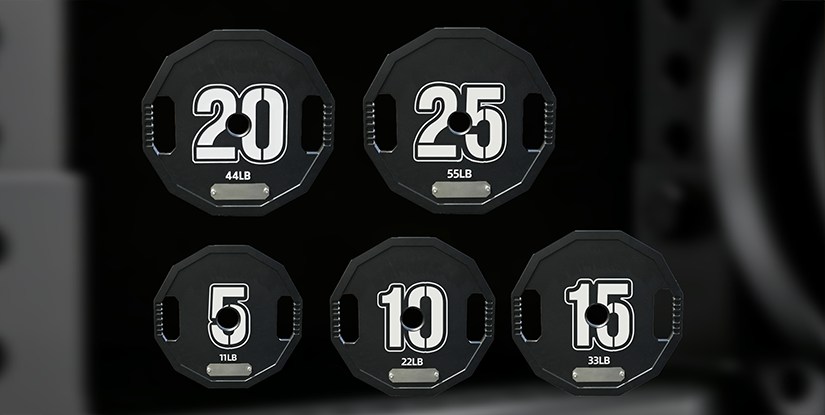
Efficient facility management requires more than just selecting durable equipment; it demands a strategic approach to volume and density. When sourcing dumbbell plates cast iron in bulk, procurement managers must account for the physical footprint and the logistical complexity of moving high-density weight loads within a commercial layout.
Spatial Optimization and Storage Requirements
The sheer density of cast iron means that even small increments in weight significantly impact your facility's floor load and storage design. To achieve effective footprint optimization, your procurement strategy should prioritize vertical storage solutions, such as specialized tiered racks, rather than horizontal floor placement. When reviewing commercial weight plate specifications, always evaluate the thickness-to-diameter ratio; thinner, high-density plates allow for more weight per linear foot of rack space, maximizing your usable square footage in premium gym locations.
Choosing the wrong configuration can lead to increased labor costs and potential safety hazards during high-traffic hours. To assist in your facility layout planning, we have compared common storage methodologies used by distributors and large-scale gym operators.
| Storage Configuration | Space Efficiency | Accessibility | Durability & Safety |
|---|---|---|---|
| Vertical Racks | High (Minimal Footprint) | Excellent (Rapid Retrieval) | High (Requires Reinforced Bases) |
| Horizontal Shelving | Moderate | Good (Lower Lifting Height) | Moderate (Risk of Floor Wear) |
| Custom Palletizing | Low (Large Footprint) | Poor (Requires Forklift/Pallet Jack) | High (Optimized for Long-term Storage) |
For high-turnover commercial settings, vertical storage remains the industry standard for maximizing usable square footage. However, if you are managing bulk cast iron fitness equipment in a warehouse or distribution center, palletized configurations may offer better long-term stability and easier transit between shipping and inventory stages.
Shipping Volume and Packaging Integrity
When managing large-scale orders, the complexity of MOQ logistics extends far beyond the unit price. High-density bulk cast iron fitness equipment requires specialized palletization to prevent structural damage during transit. A common procurement error is overlooking the total shipping volume and the necessity for reinforced crating. Without rigid, heavy-duty packaging, the impact of shifting loads can lead to surface chipping or even structural fractures. Ensure your supplier utilizes high-strength dividers and secure strapping to prioritize breakage prevention, ensuring your inventory arrives in a condition that meets strict gym equipment quality control standards for immediate commercial deployment.
Mitigating Quality Control Risks During Factory Inspection
Durability testing is a non-negotiable phase of the inspection process for dumbbell plates cast iron. For high-traffic commercial facilities, a single batch of substandard plates can lead to skyrocketing replacement costs and diminished brand reputation due to premature wear or failure.
Evaluating Structural Integrity and Surface Longevity
During factory audits, procurement managers must verify that the manufacturing process prioritizes crack prevention through controlled cooling and high-density casting. It is critical to inspect the structural integrity of each unit to ensure they can withstand the repetitive impact of heavy usage. Furthermore, verify that the surface coating durability meets commercial weight plate specifications; a high-quality powder coating or plating must resist chipping and oxidation even under rigorous daily handling. Neglecting these technical benchmarks often results in higher long-term maintenance expenses and frequent re-ordering cycles.
Selecting the appropriate finish is a strategic decision that impacts both the Total Cost of Ownership (TCO) and the aesthetic longevity of your inventory. Different coating methods offer varying levels of resistance to oxidation, impact, and chemical exposure, which directly influences how often a facility must replace or refurbish its equipment.
| Coating Type | Durability Profile | Commercial Suitability | Maintenance Requirement |
|---|---|---|---|
| Powder Coating | High impact resistance; thick protective layer | Standard commercial gyms & studios | Low; resistant to chipping |
| Enamel Finish | Superior gloss; high chemical resistance | Boutique fitness & luxury hotel gyms | Minimal; highly aesthetic |
| Raw Cast Iron | Basic oxidation protection only | Budget-focused or outdoor facilities | High; requires regular oiling |
When sourcing bulk cast iron fitness equipment, consider that while raw iron may offer lower upfront costs, the long-term labor costs for rust prevention often outweigh the initial savings. For distributors and large-scale facility managers, investing in high-grade coatings ensures the product remains compliant with professional standards throughout its lifecycle.
Physical Stress Tests and Precision Inspection
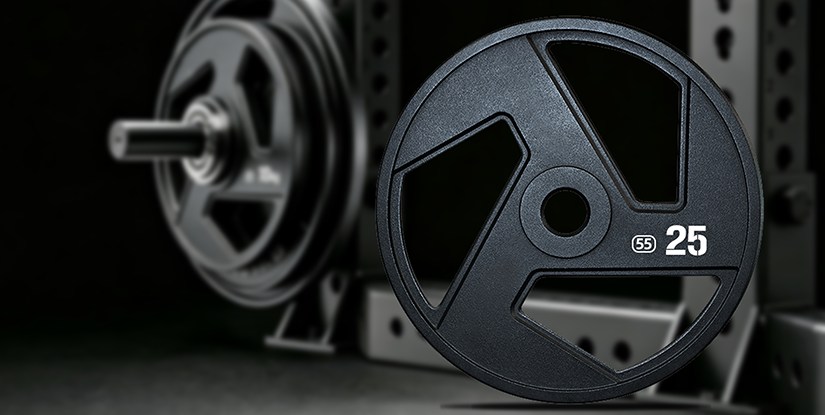
Beyond surface aesthetics, rigorous gym equipment quality control requires physical verification of the plate's density and geometry. Procurement teams should request samples to test impact resistance; a high-quality plate must show no signs of micro-fractures or structural deformation after being dropped from a standard height. Additionally, manually inspect the edge smoothness to ensure there are no jagged casting flashes or sharp burrs that could damage flooring or user hands.
Precision is equally vital when managing large-scale inventory. Verify weight consistency by testing a random sample from the batch against a calibrated scale; significant deviations can disrupt programmed training and lead to customer dissatisfaction. Finally, during MOQ verification, ensure the factory maintains strict dimensional tolerances across the entire order. This prevents issues with sleeve fitment and ensures that your bulk cast iron fitness equipment integrates seamlessly with existing commercial dumbbell handles and racks.
Optimizing Inventory Turnover for Wholesale Distributors
For distributors, the financial success of a product line depends on the balance between stock availability and capital efficiency. When sourcing dumbbell plates cast iron, the goal is to secure inventory that remains in high demand without becoming stagnant, depreciated assets in a warehouse.
Low-quality castings often lead to higher return rates or replacement requests due to uneven weight distribution or coating failures. Adhering to strict commercial weight plate specifications ensures long-term durability, which directly impacts your turnover rates. By investing in high-standard manufacturing, you reduce the frequency of credit memos and logistics-heavy returns, allowing your capital to circulate more effectively through new, high-velocity SKUs rather than being tied up in defective replacement stock.
Deciding whether to stock entry-level weight or premium-grade equipment requires a clear understanding of the total cost of ownership. While standard options lower your initial procurement outlay, they often increase long-term operational costs through frequent replacements and higher maintenance requirements.
Comparative ROI: Standard vs. Premium Cast Iron
| Feature | Standard Cast Iron | Premium Coated/Precision Cast |
|---|---|---|
| Initial Sourcing Cost | Low (Ideal for high-volume/low-budget) | Moderate to High (Higher MOQ impact) |
| Surface Durability | Prone to oxidation and chipping | High resistance to wear and rust |
| Maintenance Needs | Frequent cleaning/re-painting | Minimal upkeep required |
| Expected Lifespan | Short-to-medium in high-traffic gyms | Long-term (Multi-year durability) |
| Resale/Replacement Frequency | High (Faster depreciation) | Low (Retains value longer) |
Distributors should evaluate these trade-offs based on their target client profile. For budget-conscious boutique studios, standard bulk cast iron fitness equipment may suffice. However, for full-scale commercial facilities, the precision and coating of premium plates offer a superior return by reducing the frequency of replacement cycles and logistics-related service calls.
Logistics Strategy and Inventory Control
Effective procurement extends beyond the unit price to include the total landed cost and storage efficiency. When ordering bulk cast iron fitness equipment, buyers must prioritize shipping density to minimize the per-unit freight impact. High-density palletization reduces the volumetric footprint, which is critical for warehouse space optimization in regional distribution centers.
To prevent dead stock, work with manufacturers who offer flexible MOQ structures. Instead of over-ordering low-velocity weights that tie up capital, negotiate staggered delivery schedules. This approach ensures supply chain reliability by maintaining a steady flow of popular SKUs while reducing the risk of holding obsolete inventory. A disciplined replenishment strategy keeps your warehouse lean and your cash flow liquid.
The Unit Price vs. TCO Trap
Procurement managers often fall into the trap of prioritizing the lowest initial quote when ordering dumbbell plates cast iron in bulk. While a lower unit price improves immediate margins, it frequently overlooks the long-term Total Cost of Ownership (TCO). High-volume orders from low-tier manufacturers often result in manufacturing defects that surface only after several months of commercial use.
When commercial weight plate specifications are loosely enforced to shave cents off production, you risk receiving plates with uneven weight distribution or substandard coatings. These hidden costs manifest as increased replacement frequency, client complaints regarding surface chipping, and higher maintenance labor. For distributors and gym owners, investing in higher-grade casting and precision finishing is a strategic move to ensure durability and minimize long-term operational expenses.
Analyzing Sourcing Tiers
To make an informed decision, you must evaluate the trade-offs between upfront expenditure and long-term reliability. The following comparison illustrates how different manufacturing standards impact your facility's operational lifecycle and maintenance schedule.
| Feature | Low-Spec / Economy Tier | High-Spec / Commercial Grade |
|---|---|---|
| Unit Cost | Minimal initial investment | Higher upfront procurement cost |
| Durability | Prone to chipping and casting flaws | High impact resistance and structural integrity |
| Surface Finish | Rough or uneven coating application | Precision powder coating or smooth finish |
| Maintenance | Frequent repainting or replacement | Low maintenance; extended service life |
Selecting the right tier depends on your business model. While economy-grade plates might suit boutique studios with low turnover, professional distributors and large-scale fitness centers should prioritize high-spec bulk cast iron fitness equipment to protect their long-term ROI and brand reputation.
Logistics and Weight Tolerance Volatility
Beyond product quality, procurement managers must account for the financial impact of shipping weight and dimensional accuracy. When sourcing bulk cast iron fitness equipment, small deviations in weight tolerance can lead to significant logistics costs. If a batch of dumbbell plates cast iron arrives with a cumulative weight discrepancy, you may face unexpected shipping weight surcharges or freight adjustments that erode your margins.
Furthermore, a lack of rigorous quality control during the casting process often results in irregular thickness or uneven edges. Such inconsistencies do more than just affect the weight; they can lead to improper stacking and damaged packaging during transit. For high-volume distributors, these issues increase the replacement frequency due to transit damage and lead to costly returns, making precision in manufacturing a prerequisite for predictable freight budgeting.