Rubber vs Cast Iron Plates: Durability and Maintenance
Inventory Economics: Balancing SKU Breadth and Replenishment Cycles
When evaluating rubber vs cast iron weight plates, procurement managers must distinguish between immediate capital expenditure and long-term operational costs. While one material may offer a lower entry price, the true economic impact lies in the replacement frequency and the impact on facility maintenance cycles.
Capex vs. Opex in Commercial Gym Setups
The initial investment for a commercial gym setup often favors cast iron due to its lower unit cost and simpler manufacturing processes. However, high-impact environments frequently demand the shock absorption of rubber to protect flooring and structural integrity. Relying solely on low-cost iron can lead to higher secondary costs, such as floor repairs and increased noise mitigation. Conversely, while rubber bumper plates require a higher upfront budget, they often lower the total cost of ownership (TCO) by extending the lifespan of surrounding equipment and reducing the replacement frequency of damaged surfaces.
| Economic Factor | Cast Iron Plates | Rubber Bumper Plates |
|---|---|---|
| Initial CAPEX | Lower per unit | Higher per unit |
| Secondary Costs | Higher (Floor/Rack wear) | Lower (Impact absorption) |
| Long-term TCO | Variable based on use | Generally optimized for high-use |
For distributors and facility owners, managing inventory breadth requires a clear understanding of how material durability affects the replenishment cycle. While cast iron provides a predictable, long-term asset with minimal physical degradation, rubber bumper plates necessitate a different approach to SKU management due to their specialized role in high-impact training zones.
| Dimension | Cast Iron Plates | Rubber Bumper Plates |
|---|---|---|
| Durability Focus | Structural integrity/rust resistance | Impact absorption/surface resilience |
| Maintenance Needs | Occasional cleaning/oxidation check | Surface inspection for debris/cracks |
| Replenishment Cycle | Long-term (minimal replacement) | Moderate (periodic wear monitoring) |
| SKU Complexity | Standardized/Uniform weight sets | Varied thickness/density profiles |
From a procurement standpoint, sourcing cast iron offers a stable, low-maintenance solution for strength-focused zones where weight density is paramount. In contrast, stocking rubber bumper plates requires closer attention to quality control regarding material density and edge durability to ensure the commercial weight plate durability meets the rigorous standards of modern CrossFit or HIIT-style facilities.
Logistics and Stocking Strategies for Distributors
Optimizing your supply chain requires balancing stock density against shipping volume. Cast iron plates offer high weight-to-volume ratios, allowing for more efficient container loading and lower per-unit shipping costs. This makes them ideal for high-volume, low-frequency replenishment. Conversely, rubber bumper plate maintenance and material thickness mean these units occupy significantly more space per kilogram of weight. When negotiating MOQ considerations, distributors should account for the increased shipping volume of rubber products, which can impact landed costs. A strategic inventory mix maintains a diverse SKU range—utilizing the long cast iron plate lifespan for traditional strength zones while stocking specialized rubber sets for high-impact training areas.
Assessing Material Longevity in High-Traffic Commercial Environments
In a high-traffic commercial gym environment, the choice between rubber vs cast iron weight plates dictates your long-term replacement cycles and floor protection costs. Buyers must evaluate how different materials respond to repetitive mechanical stress and environmental exposure to ensure a high return on investment.
The primary divergence in durability lies in how each material manages impact resistance and structural integrity. While cast iron offers unparalleled rigidity and resistance to surface degradation, it lacks the shock absorption required for high-velocity drops. Conversely, rubber-encased options excel at mitigating impact but face different wear patterns, such as edge chipping or material compression, depending on the quality of the manufacturing process and the density of the polymer used.
Procurement managers should analyze the specific failure points of each material to calculate a realistic total cost of ownership. While cast iron is prone to structural cracking under extreme impact, rubber components often face surface degradation or coating delamination during high-volume usage.
Material Durability and Maintenance Comparison
| Feature / Risk Factor | Rubber Bumper Plate Maintenance | Cast Iron Plate Lifespan |
|---|---|---|
| Primary Failure Mode | Edge chipping or polymer compression | Structural cracking or surface rust |
| High-Volume Impact | Excellent shock absorption; protects floors | High risk of damage to subflooring |
| Surface Integrity | Requires checking for coating peeling | Requires periodic cleaning/rust prevention |
| Long-Term Wear | Density loss over several years | Virtually indefinite if kept dry |
When sourcing in bulk, verify the density of the rubber used and the thickness of the powder coating on iron plates. A high-quality rubber bumper plate will maintain its shape under heavy use, whereas low-grade cast iron may suffer from brittle fractures if dropped frequently in non-specialized lifting zones.
Strategic Procurement Based on Facility Usage
Your final procurement decision should hinge on the dominant training style within your facility layout. For functional fitness centers or CrossFit boxes where high-impact training is the standard, investing in premium rubber bumper plates is essential to protect both the equipment and the subflooring. However, for traditional strength training zones or bodybuilding gyms where controlled movements prevail, high-density cast iron plates offer superior long-term ROI due to their extreme structural rigidity and minimal maintenance requirements.
When evaluating commercial weight plate durability, match the material to the intensity of the movement. High-velocity dropping necessitates the shock absorption of rubber, while static lifting environments benefit from the compact, indestructible nature of iron. Aligning your inventory with these specific usage patterns ensures you optimize the total cost of ownership and minimize premature replacement cycles.
Maintenance Requirements and Long-Term Surface Integrity
Understanding the maintenance profiles of rubber vs cast iron weight plates is essential for calculating the total cost of ownership. While both materials are designed for heavy-duty use, their requirements for preserving surface integrity and preventing degradation differ significantly based on the facility environment.
Rubber bumper plates generally require minimal intervention, primarily involving routine wipe-downs to remove dust or sweat. However, high-quality rubber must be monitored for UV degradation or scent retention in poorly ventilated spaces. In contrast, cast iron plates demand more proactive care to prevent oxidation. Without a high-grade powder coating or specialized sealant, moisture exposure can lead to rust, necessitating periodic re-coating or specialized cleaning to maintain professional standards.
| Maintenance Factor | Rubber Bumper Plates | Cast Iron Plates |
|---|---|---|
| Primary Care | Surface wipe-down | Rust/Oxidation prevention |
| Surface Risk | Cracking or UV wear | Corrosion and paint chipping |
| Cleaning Needs | Low (Non-abrasive) | Moderate (Moisture control) |
| Lifespan Factor | Material elasticity | Coating integrity |
For distributors and facility managers, the choice between rubber vs cast iron weight plates often hinges on the available labor for upkeep. While rubber offers a more "set and forget" approach for surface durability, cast iron provides a predictable, long-term asset if the environment is strictly humidity-controlled to prevent oxidation.
When evaluating long-term replacement cycles, procurement specialists must consider how environmental variables impact the physical properties of the stock. A high-density rubber bumper plate's lifespan is typically dictated by material elasticity and resistance to impact-induced cracking, whereas the durability of cast iron is a function of the chemical stability of its protective finish.
For high-traffic commercial settings, the following technical comparison outlines the divergent upkeep trajectories for these two common inventory types:
| Maintenance Variable | Rubber Bumper Plate Profile | Cast Iron Plate Profile |
|---|---|---|
| Surface Wear | Potential for compression or UV-related brittleness | Susceptible to paint chipping and edge impact damage |
| Oxidation Risk | Negligible; chemically inert to moisture | High; requires humidity control to prevent rust |
| Cleaning Frequency | Occasional; focus on debris and sweat removal | Periodic; focus on moisture removal and coating checks |
| Replacement Trigger | Loss of structural bounce or surface tearing | Surface corrosion or significant coating degradation |
From a logistics and warehousing perspective, rubber-coated options are more resilient to varied shipping climates, making them a lower-risk choice for long-distance export. Conversely, ensuring high-quality powder coating or plating on cast iron orders is a critical quality control step to mitigate the risk of oxidation during transit or while sitting in unconditioned distribution centers.
Optimizing Storage and High-Traffic Durability
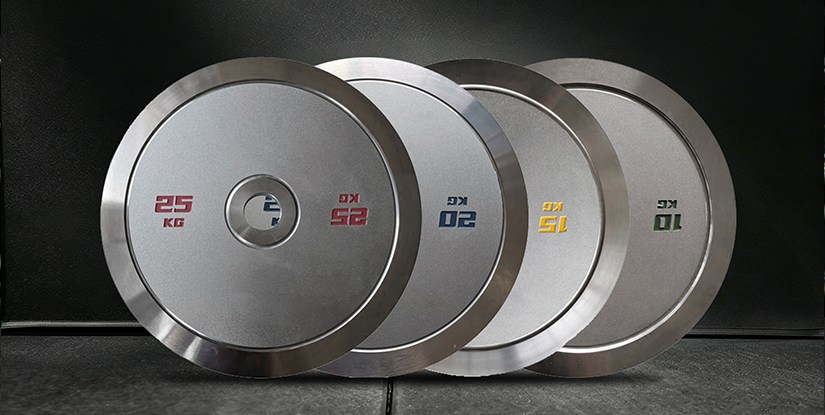
For distributors managing large-scale inventory, effective storage solutions are a critical component of maintaining asset value. While rubber bumper plate maintenance remains largely centered on preventing surface abrasions, cast iron plate lifespan is heavily influenced by the storage environment. In regions with high seasonal humidity, unconditioned warehouses can compromise iron stock through oxidation. We recommend implementing strict humidity control or utilizing specialized protective coatings for bulk shipments to ensure the metal remains pristine during transit and long-term warehousing.
When sourcing for high-traffic durability, buyers should evaluate the physical resilience of each material against daily operational wear. Rubber excels in high-impact zones where shock absorption is required, whereas cast iron is optimized for static strength and high-density storage. Procurement specialists should prioritize high-grade finishes for iron orders to mitigate environmental risks, ensuring that the total cost of ownership remains low regardless of the facility's climate control capabilities.
Structural Resilience and Impact Resistance Standards
When evaluating rubber vs cast iron weight plates for high-traffic commercial gym settings, the primary distinction lies in how each material handles kinetic energy. While cast iron offers rigid density, rubberized options are engineered specifically for high-impact environments where shock absorption is a critical requirement for facility longevity.
Cast iron provides unmatched structural integrity for traditional strength training, maintaining a consistent profile even under heavy loading. However, in high-velocity environments like CrossFit boxes or heavy lifting zones, the lack of inherent impact resistance can lead to increased vibration and noise. Conversely, high-density rubber bumper plates excel at energy dissipation. This superior shock absorption protects both the barbell and the subfloor, reducing the long-term structural fatigue of your facility's flooring systems and minimizing the risk of plate cracking or chipping during heavy drops.
Strategic Procurement Recommendations
Your final procurement decision should be dictated by your specific facility layout and the anticipated training intensity. For standard commercial strength zones or boutique bodybuilding studios, the long-term cast iron plate lifespan typically exceeds many other variables due to its minimal upkeep. However, for facilities hosting high-impact training or functional fitness programs, the initial investment in rubber is non-negotiable to prevent floor damage and equipment fatigue.
When calculating TCO, do not overlook the indirect costs of rubber bumper plate maintenance, such as surface cleaning or potential odor management in unventilated spaces. Conversely, for distributors and large-scale gym operators, sourcing high-density rubber can significantly reduce long-term replacement frequency in high-velocity zones. Align your inventory based on whether your clients prioritize the rigid stability of iron or the kinetic resilience of rubber.
Logistics and Export Packaging Strategies for Heavy Weight Plates
When evaluating rubber vs cast iron weight plates for international procurement, the decision extends beyond durability to the critical metric of shipping density. The physical dimensions of your order directly dictate container optimization and the total landed cost per unit.
Cast iron plates offer a superior volume-to-weight ratio, allowing distributors to maximize the payload of a standard 20ft or 40ft container without hitting volumetric limits prematurely. In contrast, rubber bumper plates are significantly thicker; while they enhance commercial weight plate durability through impact absorption, their increased profile can reduce the total number of units per shipment. For B2B buyers, choosing cast iron often streamlines the logistics chain by increasing shipping density, whereas rubber requires more sophisticated packaging strategies to manage the larger footprint and prevent deformation during long-haul transit.
Procurement managers must weigh the immediate freight savings of high-density iron against the increased volumetric requirements of rubber. Understanding these shipping profiles helps in calculating more accurate landed costs and optimizing warehouse storage capacity upon arrival.
| Material Type | Volume Profile | Shipping Cost Factor | Storage Footprint |
|---|---|---|---|
| Cast Iron Plates | Low (High Density) | Lower per unit weight | Compact / Stackable |
| Rubber Bumper Plates | High (Bulkier Profile) | Higher due to volume | Larger / Requires Care |
While cast iron is more efficient for heavy-load shipping, rubber bumper plates require reinforced palletizing to maintain shape. When sourcing in bulk, ensure your supplier provides export-grade packaging that accounts for these differing cast iron plate lifespan and structural profiles.
Optimizing Transit Integrity Through Advanced Packaging
To protect your investment during sea freight, rigorous bulk order QC must extend to the final stage of production. For cast iron, the primary concern is surface oxidation; high-quality export packaging should include moisture protection, such as industrial-grade shrink wrap or desiccants, to preserve the finish and ensure a long cast iron plate lifespan.
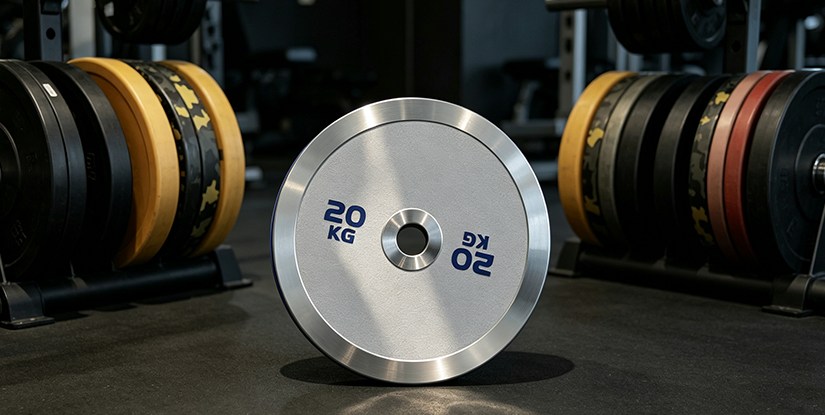
Conversely, rubber components demand specific palletization protocols to prevent structural warping under heavy stacking loads. High-tier manufacturers implement reinforced corner protectors and heavy-duty cardboard dividers to maintain the integrity of the rubber bumper plate maintenance cycle by ensuring the plates arrive without edge deformation. For distributors, verifying these specific packaging standards is essential to avoid the high costs of replacing damaged inventory upon arrival.
Quality Control Protocols for Bulk Material Procurement
When evaluating rubber vs cast iron weight plates for large-scale facility installations, procurement specialists must look beyond basic weight specifications. Long-term commercial weight plate durability depends on strict adherence to manufacturing tolerances and material consistency to prevent premature replacement cycles.
Critical Technical Inspection Parameters
For rubber-encapsulated or bumper options, verifying density consistency is vital to ensure uniform bounce and prevent uneven wear across a single batch. Buyers should demand documentation regarding coating integrity to mitigate peeling or cracking under high-impact use. Conversely, for cast iron orders, the focus shifts to dimensional tolerance and the precision of the center hole diameter. Inconsistent casting can lead to fitment issues on premium barbells, increasing operational friction. Rigorous QC on these variables ensures that your bulk shipment meets the structural demands of high-traffic commercial environments.
Material Failure Modes and Maintenance Benchmarks
Distinguishing between the long-term maintenance cycles of rubber and iron is essential for calculating the total cost of ownership. While rubber provides impact absorption, it introduces chemical and structural variables that iron does not.
| Material Type | Common Failure Points | Primary Maintenance Requirement |
|---|---|---|
| Rubber Bumper Plates | Surface peeling, edge cracking, or UV degradation | Periodic cleaning and inspection for coating separation |
| Cast Iron Plates | Oxidation (rust), chipping, or center hole deformation | Rust prevention treatments and surface wiping |
Routine Inspection Checklist for Facility Managers
To extend the lifespan of your inventory, implement a quarterly audit of your plate stock. Use the following criteria to identify replacement needs before they impact user safety:
- Surface Integrity: Check rubber plates for any signs of bubbling or delamination from the core.
- Oxidation Levels: Inspect cast iron edges for rust buildup that could compromise the finish.
- Structural Alignment: Verify that heavy iron plates maintain a true circular profile without warping.
- Impact Response: Note any changes in the bounce consistency of bumper plates, which may indicate internal density shifts.
Logistics and Bulk Procurement Optimization
Managing the transit of heavy, high-volume orders requires strategic planning to protect your investment. When sourcing at scale, consider that shipping durability varies; rubber bumper plates often require reinforced palletization to prevent deformation, while cast iron shipments must be optimized to mitigate vibration-induced chipping.
To minimize risk, distributors should negotiate MOQ considerations that align with full container load (FCL) efficiencies, reducing the frequency of handling. A vital bulk procurement tip is to mandate climate-controlled or moisture-protected storage environments for both materials. This prevents oxidation in iron and premature degradation in rubber, ensuring your inventory arrives in peak condition for immediate facility deployment.
Optimizing Total Cost of Ownership Through Material Selection
Calculating the true value of equipment requires looking beyond the initial invoice. For professional distributors and facility managers, the decision between rubber vs cast iron weight plates hinges on the balance between procurement outlays and long-term operational expenses. A lower upfront cost often masks higher secondary costs in maintenance or replacement cycles.
In high-traffic commercial gym settings, the initial investment vs lifecycle cost must account for environmental wear and structural integrity. While cast iron offers a predictable, low-cost entry point, rubber-encapsulated options may reduce long-term facility damage and floor replacement needs. Successful procurement strategies prioritize durability factors—such as coating resilience and impact resistance—to ensure the equipment survives its intended service life without frequent reinvestment.
To accurately forecast your budget, you must evaluate the frequency of replacement and the ancillary costs associated with facility upkeep. The following comparison highlights how material choice influences long-term operational overhead and structural wear.
| Evaluation Metric | Rubber Bumper Plates | Cast Iron Plates |
|---|---|---|
| Surface Wear | High resilience; minimal chipping | Susceptible to rust or coating cracks |
| Floor Protection | Excellent; reduces subfloor impact | Requires high-grade mats to prevent damage |
| Maintenance Needs | Low; periodic cleaning of surface | Moderate; requires rust prevention/repainting |
| Replacement Interval | Extended in high-impact environments | Variable based on storage and humidity |
When sourcing for large-scale distribution, consider that while cast iron offers a lower entry price, the total cost of ownership may rise if floor repairs or frequent resurfacing are required. Conversely, high-quality rubber options mitigate these hidden expenses, providing a more predictable ROI for high-intensity training facilities.
Strategic Inventory Allocation for High-Impact Environments
For distributors managing diverse client portfolios, a one-size-fits-all inventory approach often leads to suboptimal margins. High-intensity training zones, such as CrossFit boxes or heavy lifting platforms, demand high-impact resistance to protect facility layout optimization and structural integrity. In these specific high-impact environments, prioritizing premium rubber bumper plates reduces the frequency of floor-related claims and maintenance requests.
Conversely, for boutique studios or hotel gyms where space-saving and aesthetic consistency are paramount, sourcing cast iron plates can maximize the utility of smaller footprints. When calculating long-term ROI, procurement professionals should segment their orders: utilize the cost-efficiency of iron for traditional strength areas and invest in high-durability rubber for zones prone to heavy dropping. This bifurcated sourcing strategy ensures you meet client durability expectations while optimizing your total cost of ownership across various facility types.