Rubber Coated vs Cast Iron Plates: a Durability Comparison
Inventory Economics and SKU Management for Distributors
Distributors evaluating the rubber coated vs cast iron plates debate must balance immediate procurement savings against long-term operational expenditures. A successful inventory strategy requires assessing three critical checkpoints: the risk of coating degradation in high-traffic zones, the specific technical specifications required by end-users, and the logistics of shipping high-density versus high-volume goods. Choosing the wrong profile can lead to premature replacement cycles and diminished client trust.
Analyzing Initial Capex vs Opex
From a procurement standpoint, cast iron plates typically offer a lower initial CAPEX, making them an attractive option for budget-conscious facilities or heavy-duty strength zones. However, the long-term commercial weight plate durability of rubber coated options often justifies a higher upfront cost. While the rubber layer adds volume and slightly increases shipping costs per unit, it significantly reduces the replacement frequency caused by metal oxidation or surface chipping. For distributors, stocking a mix of both allows for catering to diverse client needs, from high-intensity barbell training where iron excels, to premium boutique studios where floor protection and noise reduction are non-negotiable.
To streamline your procurement decision, consider how different material profiles impact your warehousing and client-facing maintenance cycles. The following comparison outlines the logistical and economic trade-offs between these two standard SKUs.
| Evaluation Metric | Cast Iron Plates | Rubber Coated Plates |
|---|---|---|
| Storage Footprint | High density; compact stacking | Increased volume per unit |
| Maintenance Needs | Periodic rust prevention | Minimal; monitor coating integrity |
| Lifecycle Value | High (if kept in dry environments) | High (extended surface protection) |
| Shipping Profile | Weight-dominant logistics | Volume-sensitive logistics |
When calculating total cost of ownership, remember that rubber coated vs iron plates choice extends beyond the purchase order. While iron provides a smaller storage footprint for distributors with limited warehouse space, the rubberized versions often reduce secondary costs for the end-user, such as floor repairs and acoustic damping. For high-volume wholesale orders, a strategic split in your inventory can optimize both shipping density and market versatility.
Optimizing Stock Variety and MOQ Strategy
Effective inventory turnover depends on a nuanced understanding of how gym equipment wear resistance affects replacement cycles. For distributors, a durability-driven ordering approach prevents the trap of low-cost, low-quality iron that requires constant restocking due to oxidation. Instead, maintaining a diverse stock variety—pairing high-density cast iron for heavy lifting zones with rubber coated options for premium functional areas—maximizes market reach. When negotiating MOQs, factor in that rubberized units may increase volume-based shipping costs, but their ability to mitigate floor damage provides a significant value proposition for commercial clients. A balanced procurement model ensures you meet both the budget constraints and the high-performance expectations of diverse fitness facilities.
Assessing Material Integrity and Surface Wear Resistance
When evaluating rubber coated vs cast iron plates for high-traffic environments, the decision hinges on how each material handles structural stress and surface degradation. Commercial facilities must balance the inherent rigidity of metal against the protective properties of specialized coatings to ensure long-term commercial weight plate durability.
Structural Stability and Impact Resistance
Cast iron offers unmatched structural stability due to its single-material composition, making it virtually immune to internal delamination. However, its lack of natural impact resistance means high-frequency dropping can lead to micro-fractures or chipping over years of heavy use. In contrast, high-quality rubber coated plates utilize a dual-layer approach: a dense core for weight consistency and an outer sheath to absorb kinetic energy. This construction protects the internal structure during heavy drops, though the long-term durability of the facility depends heavily on the quality of the bond between the rubber and the metal core to prevent peeling or bubbling under extreme thermal or mechanical stress.
Technical Comparison of Material Longevity
For procurement managers, understanding the long-term Total Cost of Ownership (TCO) requires looking beyond the initial purchase price. While cast iron is often a lower-cost entry point, the maintenance cycles and replacement frequency vary significantly depending on the facility's environment and usage patterns. The following table evaluates the critical metrics of gym equipment wear resistance to assist in your sourcing decisions.
| Feature | Cast Iron Plates | Rubber Coated Plates |
|---|---|---|
| Surface Wear | High; prone to chipping or scratching | Low; rubber absorbs impact and protects surface |
| Oxidation Risk | Moderate; requires coating to prevent rust | Minimal; outer layer acts as a barrier |
| Maintenance Frequency | Occasional; requires inspection for rust/chips | Low; periodic cleaning of the outer sheath |
| Environmental Tolerance | Sensitive to moisture and humidity | Highly durable in varied climate conditions |
When weighing rubber coated vs iron plates, consider that rubberized options typically reduce the need for frequent replacement due to surface degradation. While iron is exceptionally durable in dry, controlled environments, rubberized coatings provide a superior buffer against the oxidative stresses common in high-humidity commercial settings.
Strategic Procurement and Lifecycle Management
The final procurement decision should be driven by a facility's specific operational model. For distributors or owners of high-intensity training centers, the replacement cycles of cast iron can be unpredictable if environmental moisture is not strictly controlled. While the upfront cost of rubberized options is higher, they often provide a better long-term ROI by reducing maintenance overhead and preventing the unsightly oxidation seen in raw metal. When choosing between rubber coated vs cast iron plates, prioritize the material that aligns with your expected equipment turnover and local climate to stabilize your long-term capital expenditure.
Long-Term Maintenance Cycles in High-Traffic Facilities
Managing long-term operational costs requires understanding how different materials degrade under heavy use. While both options serve professional environments, their failure points differ significantly, affecting your total cost of ownership and replacement frequency.
Physical Degradation vs. Chemical Oxidation
When evaluating rubber coated vs cast iron plates, buyers must distinguish between surface wear and structural integrity. In high-volume strength centers, rubberized coatings face surface degradation from constant impact, potentially leading to peeling or cracking if the bonding process is substandard. Conversely, the primary concern for iron is oxidation; without proper coating or climate control, moisture exposure can lead to rust, impacting commercial weight plate durability and aesthetics.
| Maintenance Factor | Rubber Coated Plates | Cast Iron Plates |
|---|---|---|
| Primary Risk | Coating peeling/cracking | Surface oxidation (rust) |
| Cleaning Needs | Low; wipe with damp cloth | Moderate; requires rust prevention |
| Long-term Wear | High gym equipment wear resistance for impact | High resistance to physical deformation |
| Replacement Trigger | Visible coating separation | Deep structural corrosion |
For distributors, selecting the right profile depends on the facility's climate. Rubber-coated options offer superior gym equipment wear resistance against noise and floor impact, whereas untreated cast iron requires more vigilant humidity management to prevent aesthetic decline.
TCO and Intervention Frequency
From a procurement perspective, the Total Cost of Ownership (TCO) is not merely the initial invoice price but the cumulative expense of upkeep and replacement. In humid or coastal environments, the maintenance burden for iron plates increases, whereas rubberized surfaces demand more frequent visual inspections for bond integrity.
| Maintenance Task | Rubber Coated Profile | Cast Iron Profile |
|---|---|---|
| Surface Cleaning | Standard damp wipe; avoid harsh solvents | Periodic oiling or specialized rust treatment |
| Inspection Interval | Quarterly (check for edge peeling) | Bi-annually (check for oxidation/pitting) |
| Environmental Control | Low; resilient to most ambient changes | High; requires low-humidity storage |
| Labor Intensity | Minimal; routine cleaning only | Moderate; preventative rust management |
Distributors should weigh these factors against the target facility's operational model. A boutique studio with controlled HVAC may find rubberized plates more efficient for low-labor upkeep, while a rugged outdoor or garage-style facility may prefer the structural simplicity of high-grade iron, provided they account for the increased oxidation-prevention protocols.
Strategic Inventory and Replacement Cycles
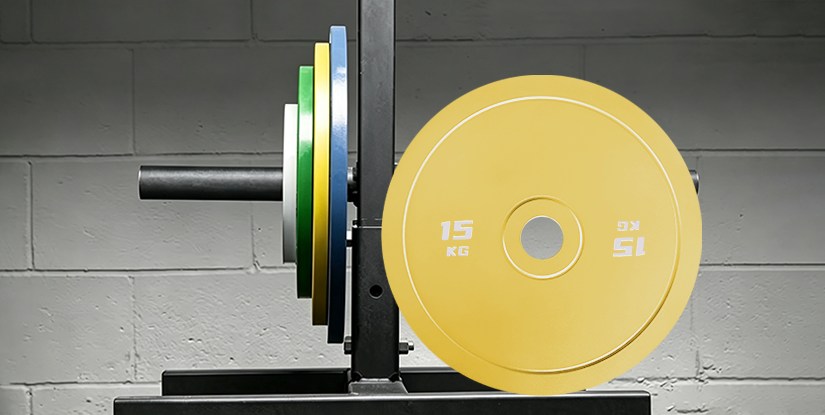
Optimizing inventory turnover requires a nuanced approach to stock replenishment. For large-scale distributors, the replacement cycles for rubber coated vs cast iron plates often follow different trajectories based on usage intensity. In high-traffic environments like commercial strength zones, rubberized units may require preemptive restocking if the facility experiences high-impact drop frequencies that stress the outer layer. Conversely, cast iron assets generally feature more predictable lifespans, provided oxidation is managed through proper storage protocols.
When conducting a cost-benefit analysis, procurement managers should prioritize long-term ROI over the immediate unit price. While rubberized options often carry a higher upfront cost due to complex manufacturing, their ability to dampen sound and protect flooring can reduce secondary facility maintenance expenses. For high-volume distributors, balancing the MOQ of specialized coated plates against the high-turnover stability of cast iron is essential for maintaining healthy margins and meeting client demands for equipment longevity.
Structural Longevity: Coating Adhesion vs. Raw Iron Oxidation
Understanding the technical distinction between rubber coated vs cast iron plates requires evaluating two different failure modes: surface degradation and oxidation. While cast iron relies on the inherent density of the metal, rubberized options depend entirely on the bond between the core and the outer layer to maintain structural integrity.
Coating Integrity and Surface Wear
In high-traffic commercial gym environments, the primary durability concern for rubberized plates is the adhesion of the coating. Over time, heavy use and temperature fluctuations can lead to peeling or cracking, causing the outer layer to separate from the internal weight. This surface degradation can compromise the balance of the plate and necessitate premature replacement. Conversely, pure cast iron lacks a secondary layer to fail, though it remains susceptible to environmental factors.
Oxidation and Metal Longevity
For distributors and facility managers, the long-term maintenance of raw iron involves managing oxidation. Without a protective coating, exposed cast iron can develop rust when exposed to humidity or moisture. While this does not typically affect the fundamental weight or structural integrity of the plate, it requires regular upkeep to maintain a professional appearance. When weighing rubber coated vs iron plates, the decision often hinges on whether the facility prefers managing coating adhesion issues or periodic oxidation prevention.
Technical Failure Mode Comparison
To accurately calculate the Total Cost of Ownership (TCO), procurement managers must look beyond the initial unit price. Assessing the long-term maintenance frequency and the specific ways each product type fails under heavy commercial use is essential for inventory planning and budget forecasting.
| Evaluation Metric | Rubber Coated Plates | Cast Iron Plates |
|---|---|---|
| Primary Failure Mode | Coating delamination or peeling | Surface oxidation (rust) |
| Wear Resistance | High impact protection; low abrasion | High density; prone to surface pitting |
| Maintenance Frequency | Low (until coating integrity fails) | Moderate (requires periodic cleaning/oiling) |
| Environmental Sensitivity | Temperature/UV fluctuations | Humidity and moisture levels |
When sourcing for large-scale facilities, the choice between rubber coated vs cast iron plates often depends on the facility's maintenance staff capabilities. While rubberized plates offer superior impact absorption and protect flooring, they introduce a risk of non-repairable surface damage. Cast iron remains a predictable, rugged option, provided the buyer accounts for the necessity of moisture control in the storage or training areas.
Strategic Procurement for Specific Facility Environments
Your final purchasing decision should align with your facility's environmental control capabilities. In a high-traffic facility with rigorous humidity control and climate-controlled HVAC systems, cast iron plates offer a predictable, long-term value proposition. However, if your warehouse or gym lacks strict moisture regulation, the risk of oxidation increases, potentially shortening the aesthetic lifespan of the equipment. For heavy-duty training zones where floor protection is a priority, rubberized options excel in gym equipment wear resistance, though they require a more careful assessment of the facility's temperature stability to prevent coating fatigue. Consider these variables to optimize your maintenance cycle and long-term ROI.
Logistics and Export Packaging Standards for Bulk Orders
When calculating the total landed cost for a commercial facility, the physical dimensions and weight density of your order are as critical as the unit price. The choice between rubber coated vs cast iron plates significantly impacts shipping volume and freight logistics during international transit.
Cast iron plates typically offer a higher weight density, allowing for more compact palletization and lower shipping volumes. In contrast, rubber coated plates, while offering superior gym equipment wear resistance, often possess a larger outer diameter for the same weight. This increased volume can lead to higher dimensional weight charges. Furthermore, packaging durability is a key concern for importers; while cast iron requires standard heavy-duty crating, rubber-coated options require specialized protection to ensure the coating remains intact and free from compression damage during long-haul maritime transit. Understanding these nuances is essential for maintaining commercial weight plate durability while optimizing your supply chain budget.
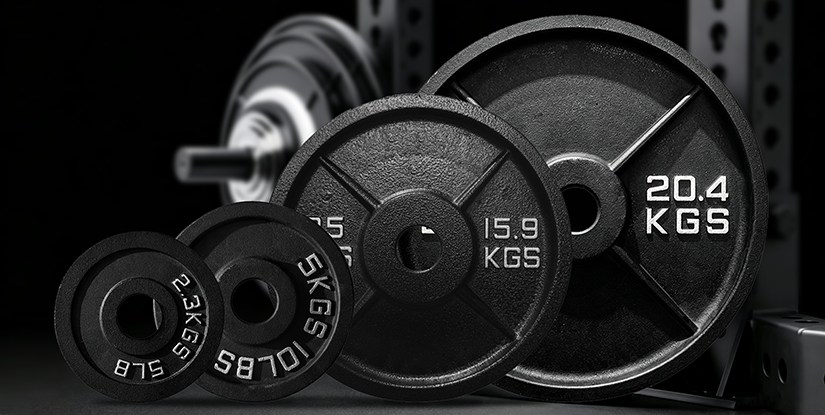
Distributors and procurement managers must evaluate how material volume affects container utilization and freight expenditures. Because rubberized layers increase the outer diameter of each unit, the volumetric footprint differs significantly from pure iron counterparts, directly influencing your total landed cost per kilogram.
| Metric | Cast Iron Plates | Rubber Coated Plates |
|---|---|---|
| Shipping Density | High (Compact) | Moderate (Bulkier) |
| Volume vs. Weight Ratio | Low (Optimized for Weight) | High (Increased Volume) |
| Container Utilization | Maximum Efficiency | Requires Careful Nesting |
| Freight Cost Implication | Lower Dimensional Weight | Higher Dimensional Weight |
When sourcing in bulk, the higher density of cast iron allows for more efficient pallet stacking, which can reduce the number of containers required for large-scale facility fit-outs. While rubberized options may incur higher dimensional weight charges, the trade-off often involves lower long-term replacement costs due to improved impact protection.
Optimizing Procurement Through QC and Loading Protocols
To mitigate the risks of transit-related damage, procurement managers should mandate strict palletization standards and container loading optimization. For rubberized orders, ensure the supplier utilizes reinforced edge protection to prevent crushing. We highly recommend a rigorous QC inspection for coating integrity prior to shipment, verifying that the rubber-to-metal bond is seamless and free of air bubbles or peeling. This preemptive step ensures that the high gym equipment wear resistance you are paying for is not compromised before the shipment even reaches your facility.
Critical QC Parameters for Material Integrity
When evaluating rubber coated vs cast iron plates, procurement specialists must look beyond aesthetics to verify structural longevity. For high-traffic commercial facilities, the primary concern is how the product withstands repetitive impact and environmental stress over several years of service.
A key differentiator in commercial weight plate durability is the quality of coating adhesion. High-grade rubberized options must undergo rigorous testing to ensure the outer layer does not peel or crack under temperature fluctuations. Buyers should inspect for surface imperfections such as air bubbles or uneven thickness, which often signal poor material density. While cast iron is inherently robust, its surface must be free of structural fissures to prevent cracking during heavy drops. Ensuring these technical benchmarks are met during factory inspections helps mitigate the risk of premature replacement and lowers the total cost of ownership for distributors.
Technical Comparison for Procurement Audits
To streamline the vetting process, use the following benchmark table during factory audits. This comparison highlights the trade-offs between rubber coated vs iron plates regarding long-term wear resistance and maintenance requirements in high-volume environments.
| Inspection Criteria | Rubber Coated Plates | Cast Iron Plates |
|---|---|---|
| Edge Durability | Requires high-density, non-brittle urethane or rubber | Must be free of casting pits or sharp burrs |
| Thickness/Uniformity | Check for coating consistency and air gaps | Verify dimensional accuracy and weight tolerance |
| Maintenance Frequency | Low; occasional cleaning of surface residue | Moderate; requires rust prevention/re-painting |
| Typical Commercial Lifespan | High (dependent on coating adhesion quality) | Extremely High (virtually indefinite if rust-managed) |
When sourcing for international distribution, prioritize suppliers that provide clear data on material density and edge thickness. For facilities where floor protection is a priority, rubberized coatings offer superior gym equipment wear resistance, whereas cast iron remains the standard for heavy-duty strength zones where impact is frequent but aesthetic perfection is secondary.
Calculating Total Cost of Ownership (TCO)
When evaluating rubber coated vs cast iron plates, procurement managers must look beyond the initial unit price. A low-cost iron plate may seem attractive for a budget-constrained startup, but the long-term asset value is often eroded by hidden expenses. High-traffic facilities must account for the commercial weight plate durability in relation to secondary costs like flooring replacement and equipment upkeep.
For instance, while cast iron offers a lower entry price, the impact force on subflooring can increase floor protection costs over time. Conversely, rubber coating serves as a built-in shock absorber, potentially extending the maintenance cycles of both the plates and the facility's foundation. A strategic buyer weighs these variables to ensure the chosen inventory meets the specific operational demands of their client base.
| Cost Factor | Cast Iron Plates | Rubber Coated Plates |
|---|---|---|
| Initial Procurement | Lower per unit | Higher per unit |
| Floor Wear Risk | High impact | Low impact |
| Maintenance Needs | Rust prevention | Coating integrity checks |
| Lifecycle ROI | Best for low-use settings | Best for high-volume gyms |
Selecting the right inventory configuration depends heavily on your specific facility model and operational volume. Use the following reference to align your procurement strategy with your business type and long-term budget constraints.
| Material Type | Primary Benefit | Maintenance Requirement | Ideal Environment |
|---|---|---|---|
| Cast Iron | High density & low cost | Surface rust monitoring | Heavy-Duty Garage Gyms / CrossFit Boxes |
| Rubber Coated | Noise & impact reduction | Coating adhesion inspection | Boutique Studios / Luxury Wellness Centers |
| Hybrid/Premium Rubber | Maximum wear resistance | Minimal upkeep | High-Traffic Commercial Gym Chains |
Distributors and facility owners should note that while rubber coated options require a higher upfront investment, they often mitigate the need for frequent flooring repairs and noise-related complaints in multi-use buildings. For high-volume export orders, verifying the quality of the coating application process is a critical step in ensuring long-term gym equipment wear resistance.
Logistics and Inventory Optimization
From a sourcing perspective, the choice between rubber coated vs iron plates significantly impacts shipping density and total landed costs. Cast iron plates offer a high volume-to-weight ratio, maximizing shipping density for sea freight and reducing the volumetric weight charges that often plague bulky orders. This makes them a predictable choice for distributors managing tight warehouse storage optimization requirements.
However, rubber-coated options, while slightly more voluminous, can reduce long-term turnover costs by minimizing damage during transit. When negotiating MOQ considerations for distributors, ensure the supplier uses reinforced packaging to protect the outer layer. A strategic buyer must balance the immediate savings of high-density iron against the logistical efficiency of a durable, well-protected rubber-coated inventory that survives high-frequency handling without surface degradation.