Cast Iron Fitness Equipment Wholesale Manufacturer
Standardizing Quality in Cast Iron Fitness Equipment Manufacturer Operations
Navigating the complexities of global procurement requires a rigorous evaluation of risk mitigation, technical specification alignment, and logistical reliability. For professional distributors and gym operators, the primary challenge lies in ensuring that bulk shipments from a cast iron fitness equipment wholesale manufacturer arrive with consistent weight tolerances and surface integrity. Without standardized sourcing protocols, importers face the high costs of defective batches, uneven weight distribution, and inconsistent coating adhesion that can damage a brand's reputation in the commercial market.
Establishing a high-tier commercial cast iron weight manufacturing workflow is essential for maintaining long-term profitability and reducing the total cost of ownership. A professional factory must implement a structured sequence—beginning with high-grade gray iron selection, proceeding through precision sand casting, and concluding with rigorous surface treatment—to ensure every unit meets industrial-grade expectations. By prioritizing these technical standards, a supplier can provide the predictable quality necessary for large-scale gym installations and high-volume distribution.
Technical Inspection Points for Production and Export
A reliable cast iron fitness equipment wholesale manufacturer must demonstrate a controlled manufacturing sequence that moves from raw material to finished product through verified stages. In a professional China factory, the process typically begins with high-density sand casting to ensure the structural integrity of the iron core. Following the casting stage, the units undergo machining to refine the concentricity and handle texture. A critical point for procurement specialists to verify is the surface treatment application, such as the durability of the powder coating or the adhesion of the finish, which prevents premature oxidation in high-traffic commercial environments.
During a factory audit or pre-shipment inspection, buyers should focus on specific technical benchmarks to mitigate the risk of substandard inventory. This includes checking for weight tolerance consistency across a full batch, inspecting the handle-to-body junction for smoothness, and verifying the uniformity of the surface finish. Furthermore, since wholesale gym iron equipment is often shipped in high volumes, the quality of the export packaging is just as vital as the product itself. High-tier manufacturers utilize reinforced corner protection and heavy-duty corrugated boxing to ensure that the weight and coating integrity remain intact during long-distance ocean freight, reducing the landed cost of damaged or defective goods.
Tiered Specification Comparison for Commercial Procurement
To optimize your procurement strategy, it is essential to understand how different production standards impact both the long-term durability of the equipment and the initial landed cost. A professional cast iron fitness equipment OEM partner will offer various tiers of manufacturing to match specific market segments, ranging from high-volume budget distributions to premium boutique studio requirements. Selecting the correct tier ensures that your investment aligns with the intended usage intensity and the target end-user's expectations.
| Material Tier | Primary Process | Surface Finish | Commercial Duty | MOQ Impact |
|---|---|---|---|---|
| Standard Gray Iron | Sand Casting | Enamel or Paint | Budget / General Gym | Low to Medium |
| Industrial Grade Iron | Precision Casting | Powder Coating | High-Traffic Commercial | Medium to High |
| Premium Spec Iron | Advanced Casting & Machining | PU or Rubber Coating | Boutique / Luxury Studio | High |
When evaluating a cast iron fitness equipment wholesale manufacturer, consider how these material choices influence your maintenance load and replacement cycles. While standard painted finishes offer a lower entry price, high-density powder coating or polyurethane encapsulation provides superior protection against oxidation and mechanical wear. For distributors focused on long-term reliability and brand prestige, investing in higher-tier specifications can significantly reduce the frequency of after-sales claims and improve overall client satisfaction.
Material Selection and Casting Processes for Commercial Durability
Selecting a reliable cast iron fitness equipment wholesale manufacturer requires a deep understanding of how raw material integrity impacts your long-term procurement cycles. For high-traffic commercial environments, the foundational material choice directly dictates the lifespan of the inventory and the total cost of ownership for your end clients.
Most professional importers prioritize high-grade gray iron due to its inherent vibration-dampening properties and structural density. When sourcing through a China factory, verifying the specific casting method is essential to ensure the equipment can withstand the rigors of daily commercial use without premature surface cracking or structural failure.
The Role of Sand Casting in Commercial Weight Production
In commercial cast iron weight manufacturing, sand casting remains the industry standard for producing heavy-duty plates and kettlebells. This process involves creating a mold from specialized sand, into which molten iron is poured. This method is preferred by professional distributors because it allows for the high-density composition required for stable, heavy-duty training implements.
The quality of the wholesale gym iron equipment you receive depends heavily on the precision of the sand casting and the subsequent machining stages. A well-executed process ensures that the weight distribution remains consistent across the entire batch, reducing the frequency of replacement requests and improving your distributor margins. High-quality cast iron fitness equipment OEM production typically includes a secondary machining step to ensure the center hole or grip area meets standard dimensional requirements for seamless compatibility with existing barbell or rack systems.
| Material / Process Type | Primary Characteristic | Commercial Duty Tier | Procurement Advantage |
|---|---|---|---|
| Standard Gray Iron (Sand Casting) | High density and stability | Commercial-Grade | Optimal balance of durability and landed cost |
| Ductile Iron (Advanced Casting) | Enhanced impact resistance | Premium / High-End | Lower breakage risk in high-intensity settings |
| Steel Core with Coating | Consistent weight profile | Premium / Specialized | High aesthetic value for boutique studios |
When evaluating cast iron fitness equipment wholesale manufacturer options, always confirm the surface finishing protocol. Whether you are ordering bare iron with a phosphate treatment or a heavy-duty powder coating, the adhesion of the finish to the cast iron base is a critical QC checkpoint to prevent rust and ensure the longevity of the product in humid gym environments.
Evaluating Surface Finishing and Coating Longevity
The durability of your inventory is often determined by the final surface treatment. A common pain point for distributors is receiving batches with peeling finishes or premature oxidation, which increases maintenance costs and degrades the brand identity of the facility. To mitigate this, professional procurement teams must verify the specific application method used by the factory.
In many commercial settings, high-quality cast iron fitness equipment OEM production utilizes a multi-stage surface finishing process. This typically begins with a phosphate treatment to prepare the iron surface, followed by a high-temperature powder coating application. This sequence ensures superior coating adhesion and resistance to the impact and moisture common in high-traffic training environments. For premium studio applications, some manufacturers offer advanced coating options to enhance the aesthetic appeal and tactile grip of the equipment.
| Process / Finish Type | Application Method | Surface Durability | Maintenance Requirement |
|---|---|---|---|
| Phosphate & Bare Iron | Chemical Treatment | Standard Commercial | Moderate (Requires regular oiling) |
| Industrial Powder Coating | Electrostatic Spray | High (Impact Resistant) | Low (Standard cleaning) |
| Polyurethane (PU) Coating | Dip or Molded Layer | Premium (Texture & Color) | Very Low (High protection) |
When conducting a factory audit or reviewing samples, we recommend inspecting the coating adhesion and the uniformity of the finish around high-stress areas like the handle-to-body junction. A reliable cast iron fitness equipment wholesale manufacturer will provide clear specifications regarding their coating thickness and the pre-treatment steps used to prevent rust. Confirming these technical details during the initial inquiry helps ensure your bulk order meets the strict longevity standards required for global export and long-term commercial deployment.
Post-Casting Precision and Quality Control Protocols
Achieving high-density casting is only the first step in a professional production cycle. To ensure that every unit meets the strict weight tolerances required for professional strength training, a rigorous secondary processing stage is mandatory. For distributors and gym owners, the difference between a precision-engineered tool and a substandard weight lies in the precision of the final calibration and the integrity of the surface finish.
A professional cast iron fitness equipment wholesale manufacturer incorporates several critical steps after the initial casting to minimize the risk of weight discrepancies or structural defects. This includes high-precision CNC machining for the center holes and handles, followed by a meticulous weight calibration process. This calibration ensures that the variance remains within industry-standard limits, which is vital for maintaining the professional reputation of your brand when supplying premium fitness facilities.
Beyond physical dimensions, the final stage of the production sequence involves rigorous pre-shipment QC and specialized export packaging. For bulk orders, the risk of transit damage—such as chipped coatings or bent handles—can significantly increase your landed cost through replacement claims. To prevent this, leading manufacturers utilize reinforced packaging solutions, including corner protection and heavy-duty corrugated boxes, designed specifically for long-distance maritime shipping. When negotiating your next order, always confirm the MOQ and lead time requirements for customized packaging to ensure your shipment arrives in optimal condition, ready for immediate commercial deployment.
Optimizing Facility Footprint with High-Density Weight Storage
Effective commercial gym layout management requires a strategic approach to equipment density. For distributors and facility operators, sourcing from a professional cast iron fitness equipment wholesale manufacturer ensures that weight increments are concentrated into high-density, compact forms. This precision is vital when managing limited square footage in premium fitness centers or boutique studios.
Standardizing your inventory with commercial cast iron weight manufacturing protocols allows for better vertical and horizontal storage solutions. Unlike bulky alternative equipment, high-density cast iron units provide maximum mass with a minimal footprint, facilitating high-density storage in specialized racks. When managing wholesale gym iron equipment procurement, importers should prioritize units with consistent casting dimensions to ensure seamless integration into automated storage systems and standard commercial racks.
Optimizing a commercial gym layout is not merely about floor space; it is about maximizing the utility of every square meter to increase member capacity and ROI. By selecting a specialized China factory for your cast iron fitness equipment OEM needs, you can ensure that the weight profiles are optimized for professional nesting and stacking, reducing the overall logistical footprint during both initial sourcing and long-term facility operation.
| Storage Type | Footprint Efficiency | Density Profile | Procurement Impact (MOQ/Landed Cost) |
|---|---|---|---|
| Traditional Floor Stacking | Low | Variable | Higher shipping volume per unit; higher landed cost due to air gaps. |
| Vertical Weight Trees | High | Consistent | Optimized for wholesale palletizing; lower MOQ complexity for full sets. |
| Custom Integrated Racks | Maximum | High-Density | Requires OEM coordination; highest footprint efficiency for premium facilities. |
When evaluating wholesale gym iron equipment, buyers must account for how storage density influences the total landed cost. Utilizing specialized vertical storage or integrated racking systems can significantly reduce the physical volume required for transit. For large-scale sourcing projects, coordinating with a factory to align weight profiles with specific storage dimensions helps prevent wasted container space and optimizes your MOQ efficiency. We recommend requesting a detailed specification sheet to confirm how your selected weight increments will interface with your intended facility layout.
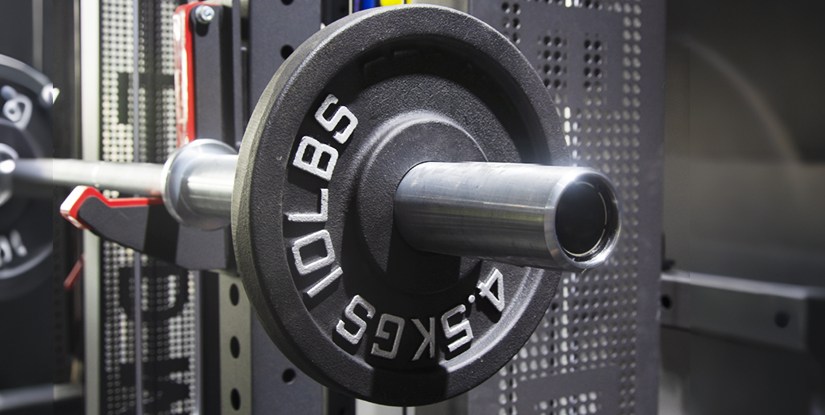
Strategic procurement extends beyond the individual unit to the entire logistical chain. For professional distributors, the ability to scale a product line through cast iron fitness equipment OEM services provides a critical advantage in facility design. By working with a factory that offers specialized storage solutions, such as custom-dimensioned storage racks or nested weight configurations, you can drastically improve the density of your shipment. This level of custom branding and structural coordination ensures that your branded equipment not only fits the aesthetic of a premium facility but also adheres to the strict spatial constraints of modern commercial environments.
Effective logistics management in international trade relies on predictable dimensions and high-density packing. When placing bulk orders, the interplay between product geometry and container utilization becomes a primary driver of profitability. A specialized supplier can assist in optimizing the volumetric weight of your shipment, ensuring that lead time and shipping costs remain competitive. By integrating custom-designed storage components into your sourcing plan, you reduce the risk of transit damage and ensure that the equipment arrives ready for immediate, high-efficiency deployment in the target facility.
Custom Branding and OEM Capabilities for Global Distributors
Establishing a unique market presence requires more than just generic inventory; it requires a strategic partnership with a professional cast iron fitness equipment wholesale manufacturer. For global distributors and large-scale importers, the ability to transition from a standard catalog to a specialized product line is a critical driver of brand differentiation and long-term distributor margins.
Standard sourcing often leaves distributors stuck with identical products seen across all major retail channels. By leveraging cast iron fitness equipment OEM services, procurement leads can move beyond basic wholesale purchasing to building a proprietary product identity. This transition allows you to control the visual and tactile aspects of your inventory, ensuring your catalog meets the specific aesthetic and functional requirements of your target commercial or premium home-gym segments.
Our cast iron fitness equipment OEM solutions are designed to support scalable growth. Whether you require custom branding for a boutique studio line or high-volume private label production for a regional distribution network, our China factory provides the technical infrastructure to execute complex requests. This includes logo integration through precision casting or high-durability surface marking, ensuring your brand identity remains intact even under heavy commercial use.
Beyond visual identity, mold customization allows for the development of unique silhouettes or specialized handle textures that set your equipment apart from standard market offerings. We work closely with your design specifications to ensure that wholesale gym iron equipment reflects your brand's specific quality tier. To maintain efficient supply chain management, we provide clear guidance on MOQ requirements for customized runs, helping you balance the desire for exclusivity with the need for optimized landed cost and inventory turnover.
Technical Execution of Surface Finishes and Branding
Achieving a professional finish requires a rigorous manufacturing sequence that extends far beyond the initial casting stage. To ensure high-tier branding durability, our commercial cast iron weight manufacturing process integrates several technical layers. Once the raw casting is complete, the units undergo precision
CNC machining
to smooth out irregularities in the handle or base, ensuring a consistent tactile experience. This is followed by a meticuloussurface finishing
stage, where the iron is cleaned and treated to prepare for the final aesthetic layer.For distributors seeking a premium look, we offer high-durability
powder coating
options. Unlike standard spray paint, this industrial-grade coating provides superior adhesion and resistance to chipping in high-traffic environments. For brands requiring a more permanent or high-end aesthetic, we facilitatelogo embossing
directly into the mold during the casting process. This ensures that your brand identity is a physical part of the equipment, rather than a surface-level sticker that can peel or wear away. This level of detail is a standard requirement for professional cast iron fitness equipment OEM production, as it maintains the product's professional appearance throughout its entire lifecycle, reducing the frequency of replacement and protecting your brand reputation.Effective sourcing of customized equipment also necessitates strict adherence to a reliable
production lead time
. Because specialized branding and coating processes add steps to the manufacturing route, we provide transparent scheduling to help you manage your inventory and launch timelines. Whether you are ordering a single specialized line or large-scale wholesale batches, our China factory maintains a controlled workflow to ensure that custom specifications do not compromise your shipping deadlines or overallquality control
standards.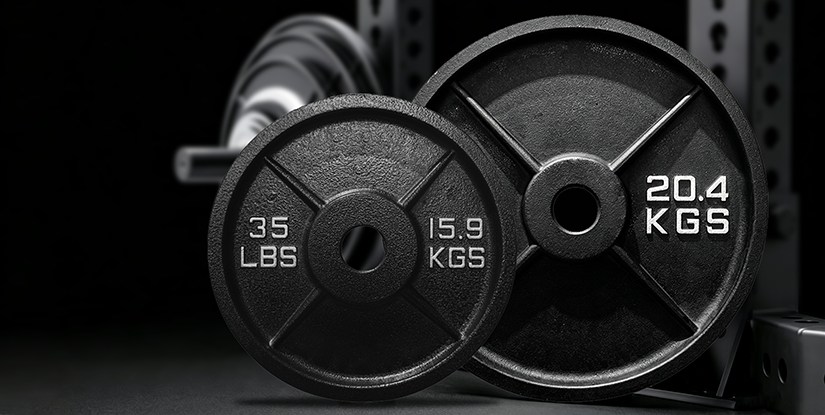
Strategic Comparison: Standard Wholesale vs. Custom OEM/ODM Solutions
Deciding between purchasing ready-to-ship inventory or investing in a customized production run is a pivotal moment in the sourcing process. While standard wholesale options offer speed and lower entry barriers, specialized OEM and ODM services provide the differentiation necessary for established distributors to capture higher-margin market segments. Understanding these structural differences in commercial cast iron weight manufacturing helps procurement managers optimize their initial landed cost against long-term brand equity.
| Procurement Dimension | Standard Wholesale Products | Full OEM/ODM Solutions |
|---|---|---|
| Branding Options | Generic or standard factory markings | Custom embossed logos and brand-specific colors |
| Customization Depth | Fixed weight increments and standard silhouettes | Custom molds, specialized handle textures, and unique shapes |
| Product Differentiation | High competition; identical to other distributors | High exclusivity; proprietary product identity |
| Typical MOQ Impact | Lower; suitable for testing market demand | Higher; requires volume to offset mold development costs |
| Production lead time | Short; based on existing factory stock availability | Extended; accounts for mold creation and custom QC |
| Commercial Utility | Broad market appeal; general gym use | Targeted; boutique studios or premium fitness brands |
| Target Market | Budget-conscious gyms and retail resellers | Premium distributors and specialized fitness chains |
When evaluating your next batch, consider that while standard wholesale gym iron equipment offers immediate availability, the ODM route builds a defensive moat around your business. A professional cast iron fitness equipment wholesale manufacturer will provide detailed spec sheets and sample evaluations for both paths, ensuring you can accurately calculate the ROI of custom development versus the efficiency of bulk stock procurement.
Factory QC Protocols and Export Packaging Standards
Maintaining strict quality control is a non-negotiable requirement for any professional cast iron fitness equipment wholesale manufacturer working with international distributors. When sourcing bulk orders from a China factory, the risk of receiving units with uneven weight distribution or surface defects can significantly impact your landed cost and distributor margins. A professional pre-shipment inspection ensures that every batch meets the rigorous commercial gym standards expected by high-end fitness facilities.
The procurement process must account for the physical vulnerabilities of cast iron during long-distance maritime transit. High-quality commercial cast iron weight manufacturing involves more than just the initial pour; it requires precise weight tolerance management and surface finish consistency checks to prevent oxidation or chipping. Without standardized wholesale gym iron equipment packaging, even premium units can suffer structural or aesthetic damage before reaching your warehouse.
To mitigate these risks, a reliable cast iron fitness equipment OEM partner implements a multi-stage verification sequence. This typically begins with a spot-check of the cast iron fitness equipment wholesale manufacturer casting mold integrity, followed by a calibration phase to ensure weight accuracy. Finally, specialized export-grade packaging—including reinforced corner protection and heavy-duty palletizing—is applied to secure the shipment for global export.
Standardized Inspection and Export Logistics
Effective bulk order logistics management requires a systematic approach to prevent damage during sea freight. A professional cast iron fitness equipment wholesale manufacturer must implement a rigorous verification sequence that moves from the production floor to the shipping container. For distributors, the goal is to ensure that the product arriving at the destination matches the approved sample in both weight accuracy and surface integrity.
The following table outlines the standard quality control and packaging protocols used to maintain product value throughout the international supply chain:
| Inspection Point | Verification Focus | Standard Export Packaging Method | Commercial Duty Impact |
|---|---|---|---|
| Weight Accuracy | Calibration and density check | Individual protective sleeves | Reduces return rates |
| Surface Finish | Coating adhesion and texture | Moisture-proof film wrap | Prevents oxidation/rust |
| Structural Integrity | Casting flaws and seam strength | Reinforced corner protection | Minimizes transit damage |
| Palletization | Load stability and stacking height | Heavy-duty palletization | Optimizes container loading |
To ensure high-efficiency export packaging, high-volume shipments are typically secured on reinforced pallets and wrapped in heavy-duty industrial film. This provides essential moisture protection, a critical step for preventing rust during long-duration maritime transit. When managing large-scale wholesale procurement, we recommend confirming the specific export packaging requirements with your supplier to optimize container space and minimize the risk of damage. Please contact us to request a detailed specification sheet or to discuss your specific MOQ and shipping requirements.
Optimizing Lead Time and Container Loading Efficiency
For international distributors, managing the lead time and shipping density is critical to maintaining a competitive edge. A professional cast iron fitness equipment wholesale manufacturer understands that inefficient container utilization directly inflates the landed cost per unit. To maximize profitability, we utilize advanced shipping container optimization strategies, ensuring that heavy cast iron components are stacked and secured to prevent shifting during sea freight. This systematic approach to wholesale gym iron equipment logistics minimizes wasted volume and reduces the total number of containers required for large-scale orders.
Beyond physical volume, a reliable supplier must provide comprehensive customs documentation to prevent costly delays at international ports. Clear, standardized paperwork regarding material composition and weight specifications ensures a smooth transition through customs, protecting your project timelines. Whether you are managing a small MOQ for a boutique studio or a massive wholesale shipment for a global distribution network, we provide the necessary support to ensure your sourcing process remains predictable and cost-effective.
Managing Landed Costs and Bulk Procurement Logistics
For distributors and gym equipment importers, the total cost of ownership is determined by much more than the initial unit price. When sourcing from a cast iron fitness equipment wholesale manufacturer, professional buyers must calculate the landed cost—the final price of the product once it reaches your warehouse, including manufacturing, export duties, and international freight. Understanding these variables is essential for maintaining healthy distributor margins and ensuring a high ROI on large-scale inventory investments.
Optimizing the procurement cycle through bulk procurement significantly reduces the per-unit impact of shipping and handling. By consolidating orders through a single China factory, importers can leverage container-load efficiencies to lower the weight-to-volume cost ratio. Effective shipping optimization, such as strategic palletizing and optimized container loading patterns, ensures that heavy cast iron goods are moved with maximum density, protecting the wholesale value of the shipment while minimizing the logistical overhead that often erodes profit margins in international trade.
Evaluating Procurement Models for Maximized Margin
Selecting the right supply chain partner directly impacts your ability to scale. Professional buyers often choose between different sourcing tiers depending on their specific inventory requirements and service levels. For example, a specialized commercial cast iron weight manufacturing facility offers the highest degree of cost control, whereas a local distributor may offer faster delivery at a higher premium. To assist in your decision-making process, we have outlined the typical trade-offs between common procurement model options below.
| Sourcing Model | Primary Advantage | Typical MOQ | Lead Time | Landed Cost Impact |
|---|---|---|---|---|
| Direct Factory-Direct | Highest Margin Potential | High | Longer (Production + Sea Freight) | Lowest per-unit cost |
| Trading Company | Simplified Logistics | Moderate | Medium | Moderate markup applied |
| Local Distributor | Immediate Availability | Low | Short (Domestic Shipping) | Highest due to multiple tiers |
When sourcing wholesale gym iron equipment, the most efficient long-term strategy for large-scale distributors is working directly with a supplier that offers OEM or ODM capabilities. While direct sourcing requires managing a higher MOQ and longer lead time, the reduction in intermediary markups significantly improves your competitive positioning in the regional market. We recommend requesting a detailed spec sheet and a formal quote to confirm how specific packaging and container loading protocols will affect your final landed cost before finalizing any large-scale purchase orders.
The long-term profitability of a commercial fitness project depends heavily on the durability of the equipment provided. High replacement costs and frequent maintenance cycles can quickly erode the initial savings gained from low-quality sourcing. To mitigate these risks, professional procurement leads prioritize a cast iron fitness equipment OEM partner that maintains rigorous quality control standards throughout the production cycle. Investing in equipment with consistent material density and superior surface finishing ensures the product remains a reliable asset rather than a recurring expense.
A professional cast iron fitness equipment wholesale manufacturer understands that customization goes beyond just aesthetics; it includes structural integrity. Whether you require specific weight tolerances or custom branding for your private label, the ability to integrate custom specifications into the casting process is vital. This level of customization, supported by a stable supply chain, allows distributors to offer premium, branded solutions that stand up to heavy commercial usage while maintaining predictable replacement planning and long-term ROI.