Kettlebell Manufacturer China: Private Label OEM Factory
The High Cost of Procurement Errors in Kettlebell Sourcing
Professional importers often face a critical divide between low-cost superficial savings and long-term profitability. A common mistake is prioritizing the lowest unit price without verifying the kettlebell manufacturer China capabilities regarding weight calibration and material consistency. While a low-priced wholesale kettlebell supplier may offer attractive initial quotes, failing to account for weight tolerance deviations and material integrity issues can lead to massive replacement costs and damaged distributor reputations.
When sourcing for commercial gyms or high-end fitness studios, the financial risk extends far beyond the initial invoice. If a batch arrives with inconsistent weight distribution or substandard coatings that chip under heavy use, the landed cost of your shipment effectively skyrockets due to high return rates and customer dissatisfaction. Relying on a commercial kettlebell OEM that lacks rigorous pre-shipment QC protocols means you are essentially gambling with your brand's reliability. In a high-volume sourcing environment, even a minor percentage of defective units can erase your entire profit margin through unexpected replacement costs and logistics overhead.
Substandard manufacturing processes directly impact the total cost of ownership for your clients. For instance, poor powder coating adhesion—often a result of improper surface preparation before the coating line—causes the finish to flake or peel during high-frequency training. This is not merely an aesthetic issue; it exposes the underlying cast iron to oxidation and moisture, leading to premature rust. For a distributor, this translates into constant customer complaints and a high maintenance load for the end-user, eventually forcing you to absorb the cost of replacements or discounted bulk shipments to maintain your professional standing.
Furthermore, neglecting the structural integrity of the handle and the precision of the handle-to-body junction can lead to severe commercial liabilities. In many commercial settings, a lack of focus on handle durability or uneven knurling depth results in grip failure or structural cracking under heavy loads. When you partner with a custom branded kettlebells provider, you must ensure they prioritize the casting and machining stages to prevent these failure modes. Without strict oversight of the manufacturing sequence—from sand casting to the final weight calibration—your inventory becomes a liability rather than a high-margin asset. Selecting a reliable kettlebell manufacturer China ensures that your procurement strategy focuses on long-term durability rather than short-term, high-risk savings.
| Sourcing Error | Impact on Business | Professional Factory Standard | Long-term TCO |
|---|---|---|---|
| Prioritizing lowest unit price over weight tolerance | High return rates and loss of distributor credibility | Strict weight calibration and concentricity check | Low replacement frequency and stable margins |
| Neglecting coating adhesion and surface preparation | Premature rust and chipping in commercial environments | Multi-stage powder coating or high-grade PU molding | Extended product lifespan and lower maintenance load |
| Sourcing from unverified small-scale workshops | Inconsistent handle-to-body junction integrity | Standardized casting and precision machining | Minimized liability and high brand reliability |
| Ignoring pre-shipment QC and packaging quality | Damaged goods and increased landed cost via logistics claims | Rigorous factory QC and reinforced export packaging | Optimized inventory turnover and predictable arrival |
To avoid these pitfalls, professional buyers should move beyond simple price comparisons and request a detailed technical spec sheet from their prospective supplier. Validating the specific manufacturing sequence—such as the transition from sand casting to the final coating line—is a mandatory step in a professional sourcing workflow. We recommend requesting a sample evaluation and a formal factory audit to confirm that the MOQ and quality standards align with your commercial requirements before committing to a bulk order.
Material Standards and Surface Finishes for Commercial Durability
When sourcing from a kettlebell manufacturer China, the distinction between budget-grade units and professional equipment lies in the fundamental material composition and the precision of the surface treatment. For distributors and gym owners, selecting the correct material is a critical decision that directly impacts the total cost of ownership and the frequency of replacement cycles in high-traffic environments.
A reliable wholesale kettlebell supplier will typically offer a range of finishes to meet different commercial needs, from standard cast iron for strength training to specialized coatings for premium studio environments. The primary goal is to ensure the product can withstand heavy use without premature oxidation, handle degradation, or coating failure, which can lead to increased maintenance costs and diminished brand reputation for the importer.
The selection of a commercial kettlebell OEM partner should be based on how they manage the transition from raw casting to the final finish. For instance, the quality of the powder coating application and the integrity of the cast iron core determine whether a bell remains a long-term asset or becomes a liability due to rust and surface chipping. Understanding these material-to-process relationships allows procurement leads to better predict the longevity of their bulk orders.
| Material Type | Primary Process | Key Component Focus | Commercial Duty Tier | Procurement Advantage |
|---|---|---|---|---|
| Cast Iron | Sand Casting | Base Flatness & Handle Junction | Standard Commercial | High ROI for high-volume gyms |
| Powder Coated Iron | Multi-coat Application | Coating Adhesion & Grip Texture | Premium Commercial | Reduced maintenance & oxidation resistance |
| Steel (Competition Spec) | Machining & Chrome Plating | Precision Knurling & Concentricity | Elite/Competition | High durability for specialized training |
| PU Coated | Injection/Dip Molding | Encapsulation Layer & Floor Protection | Premium Boutique/Studio | High aesthetic value & noise reduction |
To ensure high standards, a professional custom branded kettlebells order should undergo rigorous inspection of the surface layer. This includes checking the powder coating for evenness across the bell body and ensuring the handle texture remains consistent. For those looking for custom branded kettlebells, the ability to integrate a logo without compromising the structural integrity of the coating is a hallmark of a high-tier factory.
Technical Specifications and Quality Control Points
For procurement leads, the value of a batch is often determined by the invisible details of the manufacturing sequence. A professional kettlebell manufacturer China does not just focus on the weight, but on the structural integrity of the handle-to-body junction and the durability of the surface finish. When you are negotiating a wholesale contract, you must verify that the production process follows a logical progression: from the initial sand casting or centrifugal casting to the precision machining of the handle, followed by a thorough cleaning and the final application of the coating.
One common failure mode in lower-tier sourcing is poor coating adhesion, which leads to chipping and rust in high-humidity gym environments. To mitigate this, a high-standard factory will implement a pre-treatment stage, such as a phosphate treatment, before applying the powder coating. This ensures that the finish remains intact even under heavy use. Additionally, for premium studio orders, the thickness and uniformity of the PU coated or rubber layer are essential to prevent floor damage and reduce noise, which are critical factors for the longevity of boutique fitness assets.
When conducting a pre-shipment inspection or reviewing sample specifications, focus on these critical control points to ensure your custom branded kettlebells meet commercial-grade expectations:
- Handle Texture and Knurling: Ensure the grip is consistent and free of sharp edges or machining defects that could cause user discomfort.
- Base Flatness: Verify the casting stability to ensure the bell sits securely on the floor without wobbling, which is essential for safety in commercial settings.
- Coating Integrity: Inspect the transition zones between the handle and the bell body for any signs of thinning or uneven application.
- Weight Tolerance: Confirm that the final weight remains within the agreed-upon tolerance band after the coating process is complete.
By prioritizing these technical details during the sourcing phase, distributors can reduce the risk of high return rates and improve their overall landed cost through better product durability. We recommend requesting a detailed spec sheet or a sample evaluation to confirm that the material and finish align with your brand's quality standards before proceeding with a full bulk order.
Critical Manufacturing Processes for Professional Grade Kettlebells
Selecting a reliable kettlebell manufacturer China requires a deep understanding of how raw materials are transformed into precision-weighted tools. For distributors and gym owners, the difference between a high-margin product and a costly return lies in the initial casting and finishing stages. A professional wholesale kettlebell supplier must demonstrate mastery over both the structural integrity and the surface durability of every unit produced.
Most high-volume commercial kettlebell OEM production relies on sand casting techniques using high-quality cast iron. This process ensures the bell possesses the density and shape required for commercial-grade durability. During the sourcing process, it is vital to verify that the factory utilizes a consistent casting sequence—starting with precise mold creation, followed by the pouring of molten iron, and ending with a rigorous weight calibration to maintain strict weight tolerance standards. Failure to monitor these technical steps often results in uneven weight distribution or structural flaws that increase long-term maintenance costs for the end user.
Casting and Surface Finishing Standards
The longevity of a product depends heavily on the quality of the surface finishing applied after the initial sand casting. For a professional kettlebell manufacturer China, the goal is to ensure the coating adheres perfectly to the iron base without cracking or peeling under heavy use. A common industrial-standard route involves a multi-step process: initial cleaning to remove casting residues, followed by a phosphate treatment to improve adhesion, and finally the application of the chosen finish. Whether your brand requires a rugged powder coating for high-traffic commercial gyms or a smooth PU coated finish for premium studio environments, the consistency of the application determines the product's resale value and durability.
When managing a custom branded kettlebells project, the handle texture and the junction where the handle meets the bell are the most critical inspection points. A high-quality commercial kettlebell OEM will ensure that the knurling or handle grip remains tactile and consistent, even after several layers of coating are applied. This prevents the grip from becoming overly smooth or dangerously uneven, which is a frequent failure mode in lower-tier production. For importers, verifying these surface-level details during a pre-shipment inspection is essential to reducing the total cost of ownership and minimizing customer complaints.
| Material Type | Primary Process | Key Component/Detail | Commercial Duty | MOQ Impact | Factory QC Point |
|---|---|---|---|---|---|
| Cast Iron | Sand Casting | Handle-to-body junction | Standard Commercial | Lower | Base flatness & weight consistency |
| Steel | Machining/Welding | Precision knurling | Premium/Competition | Medium | Handle grip texture & weld strength |
| Iron with Coating | Powder Coating | Coating adhesion layer | High-Traffic/Durability | Medium | Coating thickness & peeling resistance |
| Iron with PU/Rubber | Molding/Dip | Encapsulation layer | Studio/Premium Home | Higher | Seam integrity & surface smoothness |
Ensuring Structural Integrity Through Pre-Shipment QC
For distributors managing large-scale inventory, the most significant risk is receiving a batch with structural inconsistencies. A reliable kettlebell manufacturer China must implement a rigorous pre-shipment QC protocol that goes beyond simple weight checks. Professional buyers should prioritize a factory that conducts thorough inspections of the handle-to-body junction and the depth of the knurling. In many commercial settings, a poorly executed handle finish or a weak junction can lead to rapid wear or grip failure, directly impacting your brand reputation and increasing after-sales service requests.
During a formal factory audit, it is recommended to observe the testing of coating adhesion and the uniformity of the base flatness. High-tier production lines typically utilize standardized testing to ensure that the finish—whether it is a rugged powder coating or a smooth PU layer—remains intact under friction. By confirming these technical benchmarks before the final container loading, importers can secure higher margins and ensure that their custom branded kettlebells meet the durability expectations of high-traffic commercial strength facilities.
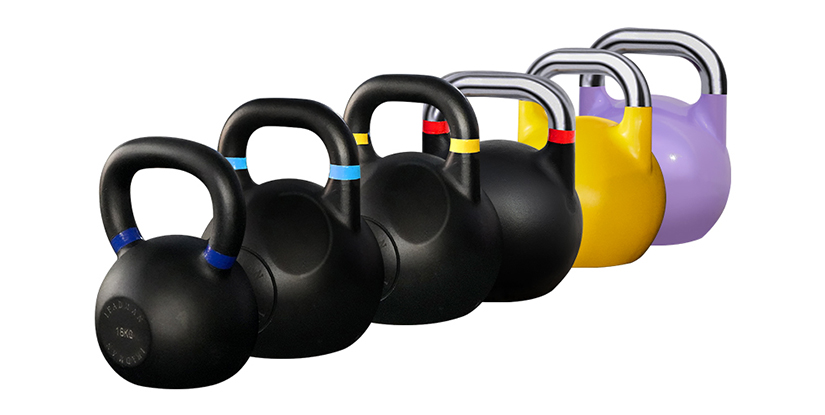
Ensuring Quality Through Rigorous China Factory QC Protocols
For distributors and large-scale gym operators, the primary procurement risk involves receiving batches with inconsistent weight or defective surfaces. When sourcing from a kettlebell manufacturer China, relying on basic visual inspections is insufficient for maintaining professional standards. A reliable wholesale kettlebell supplier must implement a multi-stage verification process to ensure every unit meets commercial-grade specifications before export.
Inconsistent weight tolerance can lead to significant inventory discrepancies and customer dissatisfaction, especially for high-end studio clients. Furthermore, poor surface finish or inadequate coating adhesion can result in premature rust or peeling, increasing the total cost of ownership for your end users. To mitigate these issues, a professional commercial kettlebell OEM partner utilizes structured quality control, moving from raw material inspection to final pre-shipment checks. This ensures that every custom branded kettlebells order maintains the durability required for high-traffic commercial environments.
Standardized QC protocols typically include:
- Material verification of cast iron or steel density.
- Weight calibration to ensure stability across the entire batch.
- Surface texture and knurling consistency checks.
- Coating adhesion testing for powder or PU layers.
- Base flatness inspection to prevent wobbling during use.
By prioritizing a factory that integrates these steps into their production line, importers can secure higher margins through reduced replacement costs and improved brand reputation.
Technical Comparison of Commercial-Grade Production Standards
Selecting the correct production method is a critical decision for distributors managing inventory diversity and landed costs. Different manufacturing routes impact not only the aesthetic finish but also the long-term durability and maintenance requirements of the product. A professional kettlebell manufacturer China will typically offer various tiers of production to meet different market segments, from budget-friendly gym chains to high-end boutique studios.
For example, the transition from a standard casting process to a precision machining step significantly affects the handle texture and the precision of the handle-to-body junction. While sand casting is a standard for general commercial use, high-end competition-style units require more refined surface finishing to ensure a consistent grip. Understanding these technical distinctions allows a wholesale kettlebell supplier to provide more accurate quotes and better manage lead times for specialized orders.
| Material Tier | Primary Process | Key Component Detail | Commercial Duty | MOQ Impact | Factory QC Point |
|---|---|---|---|---|---|
| Cast Iron | Sand Casting | Textured Handle | Standard Commercial | Lower | Base Flatness |
| Steel | Machining & Welding | Precision Knurling | Premium/Competition | Higher | Weight Calibration |
| Steel/Iron | Powder Coating | Smooth/Grip Finish | High-Traffic/Studio | Moderate | Coating Adhesion |
| Cast Iron | PU/Rubber Coating | Encapsulated Grip | Floor Protection | Moderate | Layer Thickness |
When evaluating a custom branded kettlebells production line, we recommend requesting a detailed spec sheet that highlights the specific surface treatment used. Whether you are sourcing for a budget-friendly fitness center or a premium functional training facility, verifying the manufacturing sequence—from casting to final powder coating or encapsulation—is the most effective way to ensure product reliability and protect your distributor margins.
Export Packaging and Shipping Stability Protocols
The final stage of the procurement cycle is often the most overlooked, yet it directly impacts your landed cost and product integrity. For a professional kettlebell manufacturer China, the process does not end at the production line; it extends to specialized export packaging designed for long-distance sea freight. Improperly secured heavy iron or steel units can lead to container shifts, resulting in damaged coatings, dented handles, or even structural issues during transit. This risk is particularly high when managing high-volume bulk orders where weight distribution in a shipping container is critical.
To ensure maximum shipping stability, a reliable wholesale kettlebell supplier utilizes multi-layered protection. This includes heavy-duty corrugated cartons, reinforced corner protectors, and standardized palletization to prevent movement. For high-end custom branded kettlebells, such as those with delicate PU or powder coating, we implement additional buffer layers to mitigate friction-induced abrasions. This rigorous approach to export packaging minimizes the risk of transit-related returns and ensures that your inventory arrives in showroom-ready condition, protecting your reputation and your bottom line.
Before any shipment leaves the factory, a final pre-shipment inspection is conducted to verify:
- The integrity of the outer packaging and pallet stability.
- The accuracy of the weight-to-SKU count for the entire container load.
- The absence of moisture or structural damage within the sealed cartons.
- The compliance of labeling and branding placement for easy warehouse processing.
By standardizing these export protocols, a commercial kettlebell OEM partner helps distributors reduce unexpected overhead and ensures that the transition from the shipping container to your warehouse is seamless and efficient.
Optimizing Your Order with OEM and Private Label Solutions
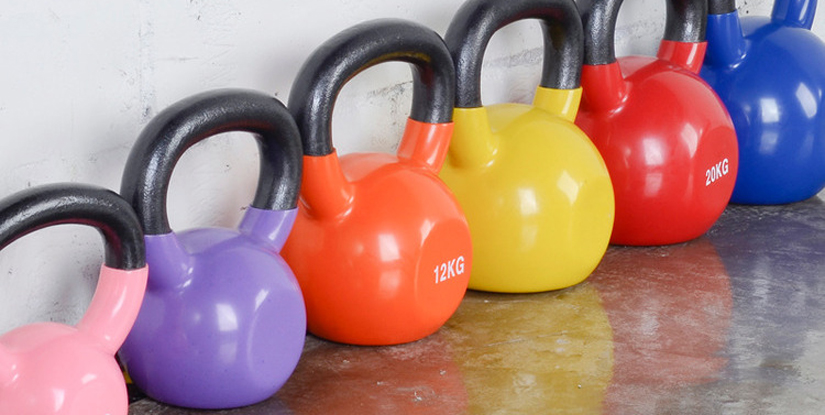
For international distributors and large-scale fitness retailers, sourcing from a kettlebell manufacturer China involves more than just finding a low unit price; it is about securing a scalable supply chain. Moving from generic wholesale orders to custom branded kettlebells allows your business to transition from a mere reseller to a recognized brand owner. By leveraging private label solutions, you can differentiate your product lineup in a crowded market, ensuring your inventory reflects a specific level of quality and professional identity.
The strategic value of custom branded kettlebells lies in the ability to control your brand identity and professional positioning. When you partner with a capable wholesale kettlebell supplier, you are not just buying equipment; you are investing in a customized product specification that aligns with your target demographic—whether that is high-end boutique studios or high-volume commercial gyms. This level of customization directly impacts your distributor margin, as branded, specialized products often command higher premium pricing than unbranded, generic alternatives.
However, transitioning to OEM production requires a clear understanding of MOQ requirements and technical execution. A professional factory will provide tiered pricing based on your volume, allowing you to manage your landed cost effectively while scaling your brand. Successful procurement depends on selecting a supplier that can execute precise logo placement, specific coating textures, and handle-to-body junction finishes to meet your exact brand standards.
Customization Depth and Procurement Models
Selecting the right level of customization is a critical decision for procurement managers. Choosing between stock items and full customization directly affects your lead time, production complexity, and total landed cost. A high-tier commercial kettlebell OEM partner will offer varying degrees of involvement, ranging from simple logo application to complete structural design modifications. Understanding these tiers ensures you do not over-invest in unnecessary complexity or under-invest in essential brand differentiation.
| Customization Level | Branding Options | Technical Control | Typical Lead Time | MOQ Impact |
|---|---|---|---|---|
| Stock / Wholesale | Standard logo or no branding | Standardized casting and coating | Short (Ready to ship) | Low |
| Limited OEM | Custom color or logo plate | Standardized material and grip | Medium (Production cycle) | Moderate |
| Full ODM | Complete brand identity integration | Custom handle texture or coating | Long (Development + Production) | High |
When evaluating a kettlebell manufacturer China for high-volume distribution, consider the trade-off between speed and exclusivity. Stock orders from a wholesale kettlebell supplier offer the fastest way to replenish inventory, but they lack the unique market positioning provided by custom branded kettlebells. For distributors aiming to establish a premium product line, investing in ODM services allows for control over specific details like the knurling depth or the thickness of the powder coating layer, which are essential for meeting professional commercial-grade standards.
To move forward with your sourcing strategy, we recommend requesting a detailed spec sheet for your desired tier. Contact us to confirm the specific MOQ for your chosen customization depth, discuss OEM technical requirements, or book a factory audit to verify our production capabilities before finalizing your bulk order.
Strategic Sourcing: Managing MOQ and Export Logistics
Optimizing your procurement strategy requires a deep understanding of how production scales impact your bottom line. When sourcing from a kettlebell manufacturer China, distributors must balance order volume against shipping efficiency to protect profit margins. High-volume orders typically allow for better economies of scale, but managing the relationship between MOQ and landed cost is critical for maintaining a competitive edge in the North American market.
A professional wholesale kettlebell supplier will provide clear data regarding weight-to-volume ratios to assist in container optimization. Because kettlebells are high-density products, the primary challenge is not just the shipping volume, but the total weight capacity of the container. Miscalculating these variables can lead to unexpected surcharges or inefficient use of sea freight space, directly eroding your distributor margins.
To ensure a predictable supply chain, it is essential to confirm the lead time for both OEM production and ocean transit. A well-coordinated China factory will offer tiered pricing based on volume, helping you decide whether to prioritize a lower MOQ for rapid market testing or larger bulk shipments to minimize the landed cost per unit. Always request a detailed packing list and a 3D load plan during the sourcing phase to verify how many units can realistically fit into a 20ft or 40ft container.
Sourcing Model Comparison: Direct Factory vs. Trading Company
Choosing the correct procurement partner determines your ability to offer high-margin products under your own label. For professional importers, the distinction between a direct China factory and a third-party trading entity affects everything from product customization to total control over the supply chain. When pursuing custom branded kettlebells, the depth of technical support and the ability to implement specific manufacturing adjustments are primary differentiators.
A specialized commercial kettlebell OEM partner provides much higher value for distributors who require specific handle textures or specialized coating layers. While a trading company might offer more variety, a dedicated kettlebell manufacturer China offers the direct oversight necessary to ensure consistency across large-scale wholesale shipments. Below is a comparison of the two most common B2B procurement models used in the fitness equipment industry.
| Procurement Variable | Direct Factory Model | Trading Company Model |
|---|---|---|
| Customization Depth | High (Full OEM/ODM capability) | Limited (Standard stock focus) |
| MOQ Requirements | Volume-based (Higher for custom) | Lower (Mixed inventory focus) |
| QC Oversight | Direct (On-site pre-shipment inspection) | Indirect (Third-party managed) |
| Price Structure | Factory-direct (Optimized for bulk) | Markup-based (Service-oriented) |
| Lead Time Control | High (Direct production scheduling) | Moderate (Subject to agent cycles) |
| Shipping Control | Direct (Container loading optimization) | Variable (Dependent on agent logistics) |
Before finalizing your next purchase, we recommend requesting a detailed specification sheet and a sample evaluation to confirm that the production standards meet your commercial requirements. Whether you are looking for a low MOQ for a new product launch or a massive bulk order for a regional distribution center, confirming the factory's ability to manage both production and export logistics is a vital step in your sourcing process.
Ensuring Product Integrity: Pre-Shipment QC and Export Packaging
For professional importers, the risk of receiving damaged or inconsistent goods from a kettlebell manufacturer China can result in significant returns and lost revenue. To mitigate these risks, a reliable wholesale kettlebell supplier must implement rigorous quality control protocols that extend beyond the casting line and into the final loading phase. A single error in weight calibration or coating adhesion can compromise the perceived value of your entire brand.
A robust pre-shipment QC process must prioritize three critical areas: weight tolerance, surface finish, and structural integrity. During the inspection, technicians typically verify the weight accuracy of each unit to ensure it meets the specified commercial standard. Furthermore, a thorough check of the coating adhesion is necessary to prevent chipping during transit. This is especially vital for custom branded kettlebells where the visual consistency of your logo and finish is a key part of your brand identity.
Because of the high density and weight of these products, standard packaging is rarely sufficient for long-distance sea freight. High-tier manufacturers utilize specialized export packaging strategies to protect the shipment from the rigors of ocean transit. This involves heavy-duty corrugated boxes and reinforced internal dividers to prevent metal-on-metal friction. For large-scale wholesale orders, professional palletization is mandatory. This ensures that the weight is evenly distributed across the pallet, preventing structural failure and making the unloading process at your warehouse or distribution center more efficient and safer for staff.