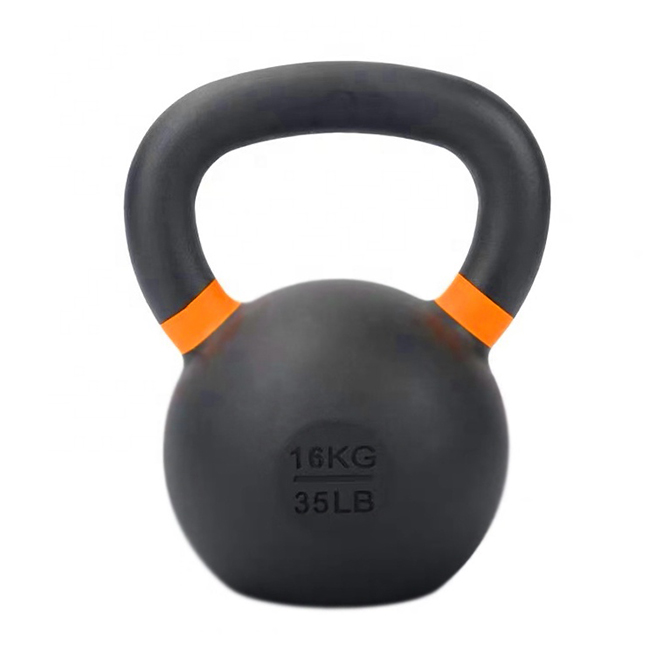
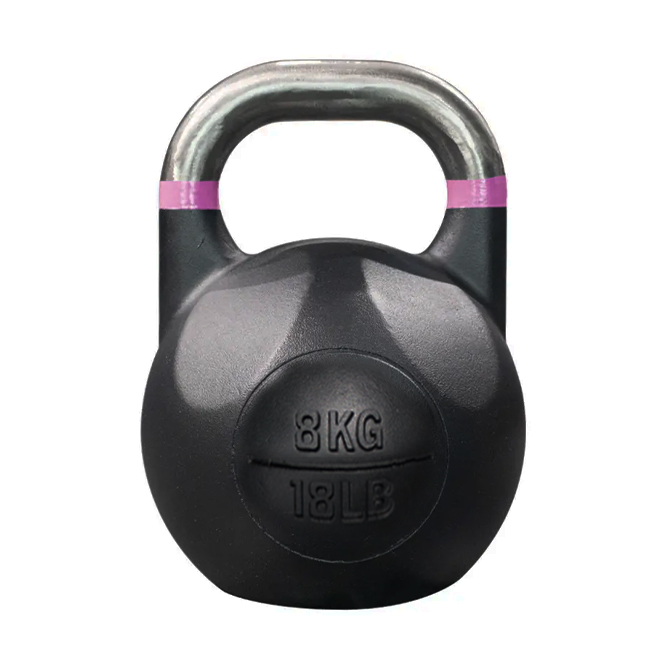
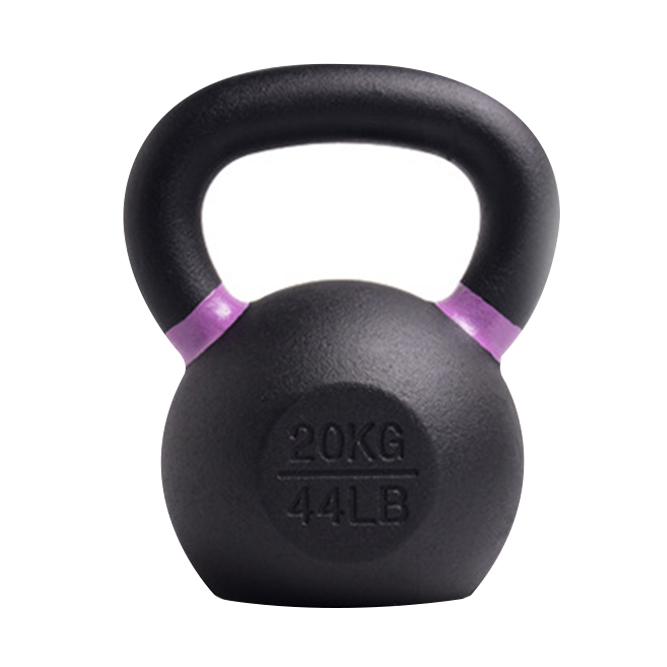
Cast Iron Kettlebell China Manufacturer: Commercial Material
Optimizing Commercial Gym Layouts with Cast Iron Kettlebells
When managing high-traffic fitness facilities, procurement professionals must balance initial capital expenditure against long-term operational efficiency. Selecting a reliable cast iron kettlebell China manufacturer requires a rigorous evaluation of three critical checkpoints: material consistency to prevent uneven wear, technical specifications that ensure uniform handle grip, and logistics reliability regarding lead times for bulk replenishment. A failure to align these factors often results in premature replacement cycles and disrupted training flows within the facility.
Effective commercial gym layout planning relies heavily on the footprint and durability of strength equipment. High-quality cast iron units offer a compact, indestructible profile that maximizes floor space compared to larger, less stable training implements. By prioritizing a commercial kettlebell supplier that understands the necessity of standardized dimensions, gym operators can implement more efficient storage solutions and organized training zones, ultimately improving the user experience and facility throughput.
The long-term TCO (Total Cost of Ownership) of a facility is directly influenced by the durability of its core strength assets. Lower-grade castings often suffer from surface degradation or weight inconsistencies, necessitating frequent replacement and increasing maintenance labor. Conversely, sourcing through wholesale cast iron kettlebells from a factory that employs standardized sand casting and consistent powder coating ensures that the equipment remains functional under heavy commercial use, protecting your initial investment and reducing long-term replacement costs.
Strategic space efficiency is achieved when equipment is both durable and easy to organize. For distributors and facility owners, wholesale procurement of standardized cast iron sets allows for predictable stacking and nesting in storage racks. When you partner with a professional China factory OEM kettlebell provider, you ensure that every unit meets the structural integrity required for high-intensity functional training zones, allowing for a more streamlined and professional commercial gym layout.
Sourcing Comparison: Budget vs. Premium Commercial Tiers
To optimize your procurement strategy, it is essential to distinguish between standard retail-grade products and professional-grade assets. When sourcing wholesale cast iron kettlebells, the distinction often lies in the precision of the manufacturing process and the secondary coating applications. A professional commercial kettlebell supplier will provide clear differentiation between tiers to help you manage your landed cost and long-term maintenance budget effectively.
| Material & Tier | Manufacturing Process | Key Component Detail | Commercial Duty | MOQ Impact | Factory QC Point |
|---|---|---|---|---|---|
| Standard Gray Iron | Sand Casting | Basic Handle Texture | Light Commercial / Studio | Low | Base Flatness |
| Premium Cast Iron | Precision Casting + Machining | Defined Knurling Depth | High-Traffic Gyms | Medium | Weight Tolerance |
| Competition Grade | Chrome-Manganese Steel | Seamless Handle-to-Body | Professional Competition | High | Concentricity Check |
Evaluating these tiers allows distributors to better predict the lifecycle of their inventory. For instance, a China factory OEM kettlebell producing premium-tier units will typically focus on the handle-to-body junction integrity and coating adhesion to ensure the product survives rigorous commercial environments. We recommend requesting a detailed spec sheet or a sample evaluation to confirm that the weight tolerance and surface finish meet your specific brand standards before proceeding with a full bulk order.
Logistics and Total Landed Cost Optimization
For large-scale distributors and gym chains, the true cost of procurement extends far beyond the unit price. A sophisticated cast iron kettlebell China manufacturer understands that the landed cost—which includes the unit price, ocean freight, import duties, and local warehousing—is the most critical metric for your bottom line. When placing a bulk order, failing to account for volumetric efficiency or palletization standards can lead to unexpected surcharges that erode your distributor margins.
Optimizing your sourcing strategy involves more than just finding a low price; it requires selecting a supplier capable of professional export packaging. High-quality wholesale cast iron kettlebells should be packed in reinforced, moisture-resistant cartons to prevent surface oxidation during long-sea transit. A competent China factory will provide standardized pallet dimensions and optimized container loading plans, ensuring that your shipment maximizes container volume while minimizing the risk of impact damage.
Furthermore, the maintenance load of a commercial facility is significantly reduced when the initial sourcing focuses on high-integrity components. From a commercial gym management perspective, receiving equipment with consistent weight calibration and durable powder coating means fewer customer complaints and less frequent replacement cycles. We suggest that procurement leads request a formal pre-shipment inspection report and confirm the MOQ and lead time for any OEM or ODM custom branding requirements to ensure your supply chain remains both predictable and profitable.
Material Integrity and Casting Standards for High-Traffic Facilities
Selecting a reliable cast iron kettlebell China manufacturer requires a deep understanding of how raw material quality dictates the long-term TCO for commercial fitness facilities. For distributors and gym owners, the initial purchase price is secondary to the durability of the casting, as substandard units lead to premature surface degradation and frequent replacement cycles.
High-traffic environments demand consistent material density to ensure structural integrity during heavy use. Most premium wholesale cast iron kettlebells are produced using high-grade gray iron through a precision sand casting process. This method ensures the density required for commercial durability, preventing the internal structural flaws or uneven weight distribution often found in lower-tier production. When managing sourcing for large-scale gym rollouts, prioritizing a China factory that utilizes standardized casting and cooling sequences will significantly reduce your long-term maintenance load and replacement costs.
Casting Quality and Commercial Durability
The relationship between the casting method and the final product's lifespan is a critical factor in wholesale procurement logic. A professional commercial kettlebell supplier must ensure that the transition from the molten gray iron to the final cooled shape maintains consistent concentricity and handle-to-body density. In many commercial settings, the failure of a kettlebell is not due to the weight itself, but to surface cracking or handle deformation caused by improper sand casting or insufficient cooling stages.
For buyers looking to optimize their landed cost, understanding these technical nuances is essential. A high-standard China factory OEM kettlebell production line typically follows a strict sequence: sand casting, followed by precision machining of the handle area, and finally a multi-stage surface finishing process. This ensures that the handle texture remains intact and the base remains flat, preventing wobbling or uneven wear on facility flooring.
Evaluating the technical specifications of surface treatments is a vital step in the procurement decision matrix. While bare iron is common, high-volume distributors often request specific coatings to enhance product longevity and brand identity. The choice between a simple paint finish and a professional-grade powder coating can significantly impact the durability of the unit in high-use environments.
| Material/Process | Surface Finishing | Key Component Focus | Commercial Duty | MOQ Impact | Factory QC Point |
|---|---|---|---|---|---|
| Sand Casting | Bare Iron | Handle Texture | Budget/Entry | Low | Base Flatness |
| Sand Casting | Enamel/Paint | Weight Marking | Standard Commercial | Medium | Coating Adhesion |
| Precision Casting | Powder Coating | Handle-to-Body Junction | Premium Commercial | High | Coating Uniformity |
| Steel Casting | Chrome Finish | Precision Knurling | Competition/Elite | High | Concentricity |
When negotiating with a cast iron kettlebell China manufacturer, buyers should verify the specific stages of surface treatment. For instance, a multi-stage powder coating process offers superior resistance to chipping and oxidation compared to standard liquid paint. This technical distinction is crucial for distributors aiming to provide high-end studio equipment that maintains a professional appearance over years of heavy rotation.
Beyond the surface, the structural integrity of the handle-to-body junction is a primary inspection point for any professional sourcing agent. A reliable supplier will emphasize the transition from the initial casting to the final calibration to ensure that the weight remains consistent and the grip is safe for high-intensity training. We recommend that buyers request a sample evaluation or a detailed spec sheet to confirm that the factory's machining and coating standards align with your specific commercial requirements and target market.
When evaluating the long-term value of a bulk order, the technical integrity of the surface treatment and the precision of the casting are the most critical variables. A professional supplier understands that for commercial gym operators, the goal is to minimize replacement frequency and maintenance overhead.
The durability of the product often hinges on the relationship between the substrate and the finish. For example, a high-quality China factory OEM kettlebell production line will prioritize coating adhesion to prevent the chipping and oxidation that typically degrade lower-tier equipment. In many professional procurement scenarios, a multi-stage powder coating process is preferred over simple liquid paint because it provides a more resilient barrier against the high-impact environments of commercial training facilities.
Beyond the material finish, the structural reliability of the handle-to-body junction is a non-negotiable standard. During the pre-shipment QC phase, a reputable cast iron kettlebell China manufacturer should conduct spot-checks on the handle texture and the concentricity of the cast. This ensures that the weight distribution remains balanced and that the grip remains consistent throughout the product's lifecycle. For distributors managing high-volume imports, these technical checkpoints are essential to reducing the landed cost associated with returns or damaged goods. We suggest that buyers confirm the specific weight tolerance and coating standards during the sample approval stage to ensure the final batch meets the rigorous demands of your target market.
Evaluating Production Processes and Surface Finishes
To ensure long-term commercial durability, professional buyers must look beyond basic aesthetics and evaluate the structural integrity of the manufacturing sequence. When sourcing from a cast iron kettlebell China manufacturer, understanding the transition from raw molten metal to a finished, coated product is essential for calculating the total cost of ownership (TCO). High-volume distributors and gym equipment importers typically prioritize products that undergo rigorous multi-stage processing to prevent premature oxidation and handle degradation.
The standard production route begins with sand casting to create the primary gray iron body. This method is widely used in a China factory setting because it provides the density and weight consistency required for commercial-grade equipment. Following the initial casting, the bells undergo several critical stages: machining to refine the handle-to-body junction, surface treatment to prepare the metal for adhesion, and final coating. A commercial kettlebell supplier will often offer different finishing tiers to meet specific market demands, ranging from basic paint to high-durability powder coating.
Selecting the correct finish is a strategic decision for wholesale cast iron kettlebells procurement. For instance, while bare iron is cost-effective, it requires more frequent maintenance. Conversely, a powder coating or high-grade enamel finish significantly extends the product lifecycle in high-traffic commercial environments by providing a protective barrier against moisture and impact. This distinction directly impacts the landed cost and the long-term replacement frequency for your end-users.
| Material & Process | Surface Finish | Commercial Duty Tier | Maintenance Requirement | Procurement Value |
|---|---|---|---|---|
| Sand Casting (Gray Iron) | Bare Iron / Phosphate | Budget / Entry-Level | High (Requires oiling) | Low TCO / High Volume |
| Sand Casting (Gray Iron) | Standard Paint | Standard Commercial | Moderate | Balanced ROI |
| Sand Casting (Gray Iron) | Powder Coating | Premium Commercial | Low (Highly durable) | High Long-Term Value |
| Precision Casting | Chrome / Enamel | Competition / Elite | Minimal | Premium Margin |
When managing China factory OEM kettlebell orders, it is a best practice to request specific details regarding the surface finishing line. A high-quality OEM process will include a thorough de-rusting and degreasing step before any coating is applied. This ensures maximum coating adhesion, preventing the common failure mode of paint chipping or peeling during heavy use. For distributors, verifying these technical steps during a factory audit or through sample evaluation can significantly reduce the risk of high return rates and customer dissatisfaction.
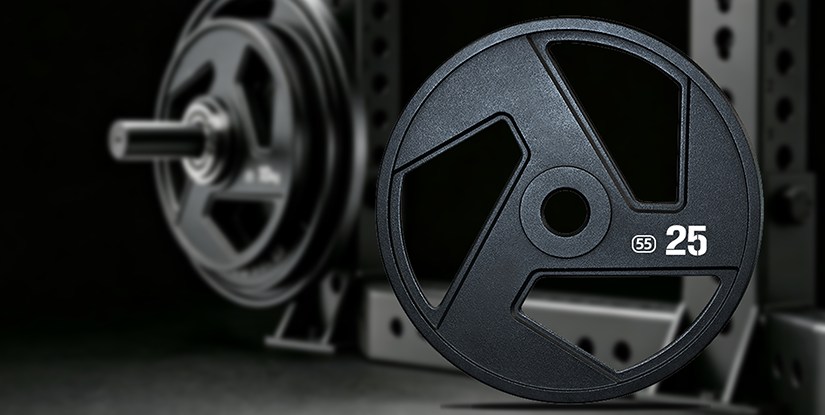
Understanding the nuances of surface treatments is critical when managing large-scale wholesale cast iron kettlebells orders. A failure to verify the coating adhesion process can lead to high replacement rates, which ultimately erodes the profit margins of a supplier or distributor. For instance, a lack of proper degreasing before the application of a powder coating can cause the finish to flake under heavy use, a common issue in high-traffic commercial facilities. By selecting a China factory OEM kettlebell production line that integrates high-standard surface preparation, buyers can ensure their inventory remains aesthetically consistent and structurally sound over several years of service.
To optimize your procurement strategy, we recommend requesting a detailed technical specification sheet that outlines the specific finishing stages. A professional cast iron kettlebell China manufacturer should be able to confirm whether the process includes a phosphate treatment or a multi-stage powder coating line. Furthermore, when evaluating samples, inspect the handle-to-body junction and the texture of the knurling to ensure the finish does not compromise grip integrity. Confirming these technical details during the initial sourcing phase—such as the specific sequence of casting, machining, and coating—will help you secure a product that offers the best long-term value and lowest maintenance load for your clients.
Understanding the nuances of surface treatments is critical when managing large-scale wholesale cast iron kettlebells orders. A failure to verify the coating adhesion process can lead to high replacement rates, which ultimately erodes the profit margins of a supplier or distributor. For instance, a lack of proper degreasing before the application of a powder coating can cause the finish to flake under heavy use, a common issue in high-traffic commercial facilities. By selecting a China factory OEM kettlebell production line that integrates high-standard surface preparation, buyers can ensure their inventory remains aesthetically consistent and structurally sound over several years of service.
To optimize your procurement strategy, we recommend requesting a detailed technical specification sheet that outlines the specific finishing stages. A professional cast iron kettlebell China manufacturer should be able to confirm whether the process includes a phosphate treatment or a multi-stage powder coating line. Furthermore, when evaluating samples, inspect the handle-to-body junction and the texture of the knurling to ensure the finish does not compromise grip integrity. Confirming these technical details during the initial sourcing phase—such as the specific sequence of casting, machining, and coating—will help you secure a product that offers the best long-term value and lowest maintenance load for your clients.
Sourcing from a Reliable Cast Iron Kettlebell China Manufacturer
When managing high-volume procurement for fitness distribution or large-scale gym installations, selecting a professional cast iron kettlebell China manufacturer is the most critical step in protecting your long-term margins. Relying on low-tier production often leads to inconsistent weight distributions and premature surface degradation, which increases your total cost of ownership (TCO) through frequent replacement needs. A reputable commercial kettlebell supplier ensures that every unit meets the rigorous demands of high-traffic training environments.
To maintain commercial gym durability, professional importers must verify that the production sequence—from initial sand casting to final surface treatment—follows strict industrial standards. Discrepancies in material consistency or poor weight tolerance management can result in uneven sets, causing significant friction with your end-users and damaging your brand reputation. For distributors seeking wholesale cast iron kettlebells, establishing a China factory audit protocol that focuses on these specific technical benchmarks is essential for maintaining a competitive edge in the North American market.
Technical Comparison of Finishes and Production Methods
Understanding the distinction between various surface treatments is vital for calculating the long-term maintenance load and landed cost of your inventory. While bare iron remains a standard, high-traffic commercial facilities often require more sophisticated protective layers to prevent oxidation and ensure longevity. A professional China factory OEM kettlebell production line will offer several tiers of finishing to suit different market segments, from budget-friendly training kits to premium studio equipment.
| Material Base | Surface Finish | Key Component Detail | Commercial Duty Tier | Procurement Context |
|---|---|---|---|---|
| Cast Iron | Bare Iron | Phosphate treatment | Budget / Standard | High turnover / Low TCO |
| Cast Iron | Powder Coating | Surface adhesion strength | Commercial / Mid-Tier | High-traffic durability |
| Cast Iron | PU Coating | Polyurethane layer | Premium / Studio | Enhanced grip & protection |
| Steel | Chrome Finish | Knurling precision | Competition Grade | Specialized training |
When evaluating a commercial kettlebell supplier, inspect the quality of the coating adhesion and the integrity of the handle-to-body junction. For instance, a high-quality powder coating application provides a much more resilient barrier against moisture and physical impact than standard liquid paint, making it a preferred choice for distributors managing high-end gym accounts. Conversely, if your business model focuses on high-volume, low-cost distribution, standard sand casting with a basic phosphate treatment may offer the best balance of price and utility. We recommend requesting a sample evaluation to verify the texture and coating thickness before finalizing any large-scale wholesale agreement or OEM production run.
Logistics, MOQ, and Export Standards for Global Importers
Optimizing your supply chain requires more than just finding a competitive price; it requires a partner capable of managing complex international shipping and production schedules. When negotiating with a cast iron kettlebell China manufacturer, you must establish clear protocols for MOQ, lead time, and quality verification to avoid unexpected disruptions in your inventory turnover. For large-scale distributors, a single oversight in export packaging or container loading can significantly inflate your landed cost and diminish your profit margins.
A professional China factory OEM kettlebell operation will provide structured documentation regarding production cycles and shipping readiness. Standard wholesale orders typically require a specific MOQ to justify specialized OEM or ODM tooling and custom branding setups. To mitigate risk, we recommend implementing a multi-stage pre-shipment inspection. This process should include a random weight tolerance spot-check, an inspection of the handle texture, and a verification of the export packaging—ensuring that heavy cast iron units are secured in reinforced cartons and pallets to withstand long-distance maritime transit. Before finalizing your procurement, always request a detailed lead time estimate and a comprehensive quote that accounts for all logistics variables to ensure your landed cost remains within your target budget.
Customization and OEM Capabilities for Global Distributors
For distributors looking to expand their market share, leveraging a professional cast iron kettlebell China manufacturer provides a critical advantage in product differentiation. Rather than competing solely on price with generic stock items, high-tier importers utilize OEM and ODM services to build a unique brand identity. By controlling the manufacturing specifications, you can transition from a simple reseller to a specialized provider of branded fitness solutions.
The strategic value of custom branding lies in the ability to tailor the physical characteristics of the equipment to your specific target audience. For instance, a commercial kettlebell supplier can offer variations in handle texture, weight increments, or visual aesthetics to suit different gym environments. This level of customization allows you to move beyond standard commodities and offer high-margin, specialized products to your local clients.
Customization often begins with the fundamental sand casting process, where the shape and density of the bell are established. Beyond the core shape, the surface finish is a primary lever for differentiation. While standard units may offer basic finishes, a professional China factory can provide high-durability powder coating in various colors or textures. This ensures that your private label products not only look premium but also meet the rigorous surface adhesion and wear-resistance requirements of high-traffic commercial facilities.
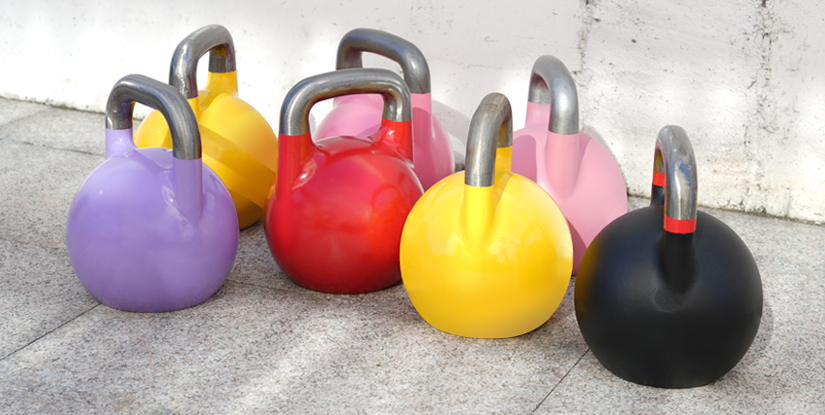
Whether you require specific weight markings or a unique color palette to match a boutique studio's aesthetic, these wholesale customization options help establish your presence in the market. When managing large-scale sourcing projects, it is essential to confirm how these custom elements—such as the powder coating thickness or the precision of the handle texture—will impact your final MOQ and lead times.
Comparison of Customization Tiers for Bulk Procurement
Understanding the trade-offs between standard inventory and full-scale OEM production is essential for optimizing your landed cost and inventory turnover. A professional cast iron kettlebell China manufacturer typically offers two distinct paths: purchasing existing stock for rapid fulfillment or engaging in specialized production for a unique product line. While standard orders offer the fastest lead times, specialized production allows for a more cohesive brand identity through custom weight increments and specialized surface finishes.
The following table outlines the typical differences in procurement complexity and customization depth to assist in your sourcing strategy.
| Customization Level | Typical MOQ | Lead Time | Surface Finish Options | Logo Application | Weight Increments |
|---|---|---|---|---|---|
| Standard Wholesale | Low (Per Weight Class) | Short (Ready to Ship) | Standard Black/Bare Iron | None or Existing Stock | Standard Industry Increments |
| OEM (Basic Branding) | Medium | Standard Production Cycle | Standard Powder Coating | Laser Engraved / Printed | Standard Industry Increments |
| ODM (Full Customization) | High (Per SKU) | Extended Production Cycle | Custom Colors / Specialized Textures | Custom Molded or Embossed | Custom/Non-Standard Increments |
When deciding between these options, consider your long-term distributor margins and the specific needs of your client base. For high-volume wholesale cast iron kettlebells, a standard order may be more efficient for maintaining stock. However, if you are targeting premium boutique studios or high-end commercial gym chains, the ability to offer specialized colors or custom-molded logos via a China factory can justify a higher retail price point and build stronger brand loyalty.
Critical Inspection Points for Export-Grade Quality Control
For professional importers, the risk of receiving inconsistent batches is a significant concern that can impact long-term distributor margins and reputation. A reliable China factory OEM kettlebell partner must implement a rigorous pre-shipment inspection protocol that moves beyond simple visual checks. When you are managing bulk wholesale cast iron kettlebells orders, the cost of a single faulty batch—due to poor weight accuracy or surface defects—can significantly increase your total cost of ownership and logistics headaches.
Effective sourcing requires a deep understanding of the technical checkpoints that ensure commercial durability. A professional commercial kettlebell supplier will typically focus on four critical areas during the final QC stage: weight tolerance, coating adhesion, handle texture, and export packaging. For example, a high-quality cast iron kettlebell China manufacturer should perform regular weight calibration to ensure every unit falls within an acceptable industry-standard deviation, preventing discrepancies that lead to client disputes.
The structural integrity of the product is often determined by the handle-to-body junction and the consistency of the surface finish. In many commercial settings, the durability of the powder coating is tested to ensure it does not chip or peel under heavy usage. Furthermore, the handle texture must be consistent across all weights to provide a reliable grip for professional athletes. Finally, because these items are heavy and dense, the export packaging must be robust—typically utilizing reinforced heavy-duty cartons and stabilized palletization—to prevent damage during long-distance sea freight and to ensure a safe landed cost for your warehouse operations.
Pre-Shipment Inspection and Export Packaging Protocols
Managing the logistics of heavy iron goods requires more than just a standard warehouse. For distributors and gym owners, the primary risk lies in the transit phase, where improper handling or insufficient protection can lead to surface damage, weight shifts, or broken pallets. A professional cast iron kettlebell China manufacturer must implement a multi-stage verification process to ensure that the product arriving at your facility matches the exact specifications ordered.
To mitigate the risk of high return rates and damaged inventory, a reliable commercial kettlebell supplier integrates rigorous weight tolerance spot-checks and surface finish inspections into the final production stage. Before any container is sealed, the factory must verify the concentricity of the bells and the integrity of the coating or paint adhesion. This stage is critical for maintaining a predictable landed cost, as any damage discovered upon arrival can lead to costly insurance claims or lost distributor margins.
Standard export protocols for wholesale cast iron kettlebells involve heavy-duty reinforced cartons and palletization optimized for sea freight. Because cast iron is dense and prone to impact damage, the China factory should utilize high-density foam corner protectors and moisture-resistant packaging to prevent rust during long-distance transit. A high-quality China factory OEM kettlebell production line concludes with a detailed pre-shipment inspection report, documenting the weight accuracy and surface quality of the batch to ensure it meets strict commercial gym standards before departure.
Essential Inspection Checklist for Bulk Procurement
When conducting a third-party audit or reviewing pre-shipment reports, professional buyers should focus on specific physical touchpoints that indicate long-term durability. For a cast iron kettlebell China manufacturer, the quality of the product is often revealed in the details that a casual observer might overlook during a quick visual check.
The following inspection points are standard for high-tier wholesale cast iron kettlebells to ensure they meet the demands of high-traffic commercial environments:
- Handle Texture and Knurling: Inspect the handle for consistent depth and smoothness. The texture should be uniform without sharp burrs that could cause skin irritation, yet sufficiently textured to maintain grip during heavy use.
- Coating Adhesion: Verify that the paint or powder coating is fully bonded to the iron. A common failure mode in low-quality production is chipping or peeling, which can be identified by checking for any loose flakes at the handle-to-body junction.
- Base Flatness and Stability: Ensure the base of the bell sits flush on a level surface. Any significant wobble or unevenness can indicate poor casting or improper machining, which affects the stability of the unit during training.
- Moisture Protection: Confirm that the export-grade carton and internal packaging are moisture-resistant. This is vital to prevent oxidation or surface rust during long-duration sea freight.
Efficient logistics management also requires strict adherence to palletization standards. For a large bulk order, the China factory should utilize heat-treated pallets and heavy-duty shrink wrapping to prevent shifting within the container. A professional commercial kettlebell supplier will provide a detailed packing list that includes weight-per-carton and total volume, allowing you to calculate your final landed cost and warehouse storage requirements with high precision. We recommend requesting a sample of the final export packaging to verify that the density of the cardboard and the strength of the palletization can withstand the rigors of international shipping and local distribution.
Quality Tier Comparison for Procurement Decision-Making
To assist in your sourcing strategy, we have outlined the qualitative differences between common market offerings. Understanding these tiers allows you to align your purchase with your specific business model, whether you are focusing on high-volume budget distribution or premium studio equipment.
| Material & Process | Key Component Detail | Commercial Duty Tier | MOQ Impact | Factory QC Point |
|---|---|---|---|---|
| Standard Sand Casting | Basic Handle Texture | Budget / Entry-Level | Lower MOQ | Surface Burrs & Roughness |
| Precision Cast Iron | Uniform Knurling Depth | Standard Commercial | Moderate MOQ | Weight Tolerance & Handle Junction |
| Premium Powder Coated | High-Adhesion Finish | Professional / Premium | Higher MOQ | Coating Adhesion & Base Flatness |
When selecting a cast iron kettlebell China manufacturer, it is vital to evaluate how these variables impact your total cost of ownership. A budget-tier unit may offer a lower initial price, but if the surface finish lacks durability or the weight distribution is inconsistent, the long-term maintenance and replacement costs will erode your profit margins. Conversely, investing in a higher-tier China factory OEM kettlebell ensures better longevity in high-traffic commercial settings, protecting your brand reputation and reducing customer complaints regarding product failure or surface oxidation.
We suggest that all professional buyers contact us to request a detailed specification sheet or to discuss specific OEM requirements. Whether you need to confirm weight tolerance bands or verify the strength of our export packaging, our team is ready to provide the necessary documentation to support your procurement audit and ensure a seamless transition from our production line to your warehouse.