Gym Equipment Casting Manufacturer: Factory Production
Understanding the Value of a Gym Equipment Casting Manufacturer
When professional distributors and gym operators evaluate a gym equipment casting manufacturer, they must look beyond the initial purchase price to account for risk management, technical specifications, and logistical reliability. A single oversight in the commercial casting process can lead to high replacement rates or uneven weight distribution, which ultimately compromises the reputation of a fitness brand. By establishing a direct relationship with a China factory, procurement leads can ensure that every unit meets the rigorous standards required for high-traffic environments, securing a more predictable supply chain and better control over landed costs.
Optimizing the TCO of a commercial facility requires a strategic approach to equipment longevity. While lower-tier suppliers might offer a lower upfront cost, the hidden expenses of frequent maintenance, part replacements, and premature disposal can erode profit margins. Sourcing wholesale cast iron fitness equipment directly from the source allows buyers to prioritize durability and structural integrity. This focus on quality minimizes the frequency of equipment downtime, ensuring that the investment delivers high ROI through extended service life and reduced operational overhead in demanding commercial settings.
Evaluating Quality Tiers and Long-Term Procurement Value
Selecting the right tier of equipment is a critical decision for any sourcing specialist or distributor. The distinction between budget and premium options is often defined by the precision of the gym equipment manufacturing QC and the long-term maintenance load it places on the end-user. A failure to implement strict inspection protocols during the manufacturing stages can result in uneven surfaces or weight discrepancies, which increases the frequency of replacement cycles and negatively impacts the total cost of ownership.
To assist in your procurement strategy, the following table outlines the qualitative differences between common market tiers. This comparison helps importers understand how material choices and production standards affect the final landed cost and operational efficiency.
| Quality Tier | Primary Material/Finish | Common Manufacturing Focus | Maintenance Frequency | Commercial Suitability |
|---|---|---|---|---|
| Budget Tier | Bare cast iron or basic paint | Standard sand casting | High (frequent rust/wear checks) | Low-traffic/Home-use focus |
| Commercial Tier | Powder coating or enamel | Refined casting and surface treatment | Moderate (standard cleaning) | Standard gym/Studio environments |
| Premium/Elite Tier | PU coating or high-grade chrome | Precision casting and multi-layer finish | Low (high resistance to abrasion) | High-traffic/Professional facilities |
When negotiating with a supplier, we recommend requesting specific details regarding the surface finishing and weight calibration protocols. For high-volume wholesale orders, ensuring that the factory utilizes a consistent coating adhesion process is vital to preventing peeling or oxidation. A well-vetted gym equipment casting manufacturer will provide clarity on these technical aspects, allowing you to balance your initial capital expenditure with the long-term durability required for your specific market segment.
For distributors managing large-scale deployments, the ability to verify technical specs before shipping is the final safeguard for profitability. We suggest that during your sourcing process, you request a detailed breakdown of the surface treatment methods and the specific weight calibration steps used by the factory. For wholesale clients, understanding the nuances between a standard sand casting and a more refined finish is essential to managing customer expectations and minimizing after-sales service requests. A transparent gym equipment casting manufacturer will always be prepared to discuss these technical details to support your long-term business growth.
Core Material and Commercial Casting Process Standards
Reliable sourcing begins with understanding the metallurgical foundation of your inventory. A professional gym equipment casting manufacturer must prioritize material consistency to ensure that bulk orders meet the structural demands of high-traffic commercial environments. For most distributors, selecting high-grade cast iron through proven sand casting methods provides the best balance between durability and landed cost.
The commercial casting process involves a sequence of controlled stages—from raw material melting and mold preparation to final cooling and surface treatment. This systematic approach is essential for maintaining a stable weight tolerance across large wholesale shipments. When a China factory follows these industry-standard sequences, it minimizes the risk of structural defects such as air pockets or uneven density, which can lead to costly returns and diminished distributor margins.
To assist in your sourcing decisions, the following table compares common casting configurations based on commercial utility and total cost of ownership (TCO).
| Material Configuration | Surface Process | Commercial Duty Tier | Primary Advantage | QC Focus Point |
|---|---|---|---|---|
| Bare Cast Iron | Phosphate Treatment | Budget / Entry-Level | Lowest landed cost | Surface smoothness |
| Black Enamel | Powder Coating | Standard Commercial | High durability & aesthetics | Coating adhesion |
| PU Coated | Polyurethane Molding | Premium / High-End | Floor protection & grip | Encapsulation integrity |
Rigorous gym equipment manufacturing QC is the final safeguard in the production line. Before any wholesale cast iron fitness equipment is palletized for export, the factory must conduct spot-checks on weight accuracy and surface finish. For OEM and ODM partners, this level of oversight ensures that the final product arrives at your warehouse meeting the exact specifications required for your brand identity.
Evaluating Surface Finishes for Commercial Durability
Choosing between various surface treatments directly impacts the long-term maintenance load and the perceived value of your inventory. While standard powder coating offers excellent protection against oxidation, high-end facilities often require the added durability of a PU coating. When managing large-scale procurement, understanding how these finishes affect the total cost of ownership is vital for maintaining healthy distributor margins.
A professional gym equipment casting manufacturer will typically offer these variations to accommodate different market segments, from budget-friendly strength studios to premium wellness centers. For instance, a commercial casting process that utilizes high-grade powder coating provides a resilient barrier against scratches and moisture, which is essential for longevity in high-traffic environments. Conversely, premium PU-coated units offer superior floor protection and a more refined aesthetic, though they may impact the initial wholesale price point and MOQ requirements.
Before finalizing your next bulk order, we recommend requesting a sample evaluation or a detailed spec sheet to verify coating adhesion and finish consistency. Whether you are pursuing OEM customization or sourcing standard commercial-grade stock, confirming these technical details during the pre-shipment stage will ensure your landed cost remains optimized and your product quality stays consistent across all shipments.
Standardized Pre-Shipment Inspection and Weight Calibration
The final stage of high-volume production involves rigorous verification to prevent the high costs of returns and damaged reputation. A professional gym equipment manufacturing QC protocol must include a systematic weight calibration check. This ensures that every unit within a wholesale shipment adheres to the agreed-upon tolerance bands, preventing the discrepancy issues that often plague lower-tier suppliers. For distributors, even minor deviations in weight can lead to significant customer dissatisfaction and increased after-sales service costs.
Beyond weight, a reliable gym equipment casting manufacturer must prioritize the inspection of surface integrity and coating adhesion. This includes checking for any structural imperfections or uneven finishes that could compromise the product's commercial-grade status. During the pre-shipment phase, the factory should perform spot-checks on the handle-to-body junction and the uniformity of the coating to ensure the equipment can withstand heavy, repetitive use in a commercial setting.
To protect your margins and ensure efficient logistics, we also implement strict export packaging standards. This involves using reinforced corner protection and high-durability cartons to safeguard the wholesale cast iron fitness equipment during long-distance transit. When calculating your total landed cost, please consider the importance of robust packaging and the availability of spare-part kits for long-term maintenance. We invite you to contact us to request a formal quote, confirm current MOQ, or schedule a factory audit to verify our production standards firsthand.
Surface Finishing and Durability for High-Traffic Environments
For professional distributors and gym operators, the long-term TCO (Total Cost of Ownership) is heavily dictated by the surface integrity of the equipment. When sourcing from a gym equipment casting manufacturer, selecting the appropriate finish is a critical decision that balances initial procurement costs with long-term maintenance requirements. Choosing a lower-tier finish may reduce your upfront landed cost, but it often leads to premature oxidation or coating failure in high-traffic commercial settings.
A professional commercial casting process typically offers two primary paths for surface protection: powder coating and PU coating. While powder coating is a widely used, cost-effective solution for wholesale cast iron fitness equipment, it relies on a baked-on layer that can chip under extreme mechanical stress or improper handling. In contrast, a high-grade PU coating provides a more resilient, seamless protective layer that is highly resistant to abrasion and moisture, making it ideal for premium facility deployments.
Understanding these distinctions allows importers to better manage their gym equipment manufacturing QC expectations. For instance, a factory specializing in high-end OEM orders will often implement specific adhesion tests to ensure the coating remains intact during heavy use. For a supplier, providing clear documentation on the coating application method helps the buyer predict the lifespan of the product and plan for future replacement cycles or maintenance budgets effectively.
Comparison of Surface Treatments for Commercial Procurement
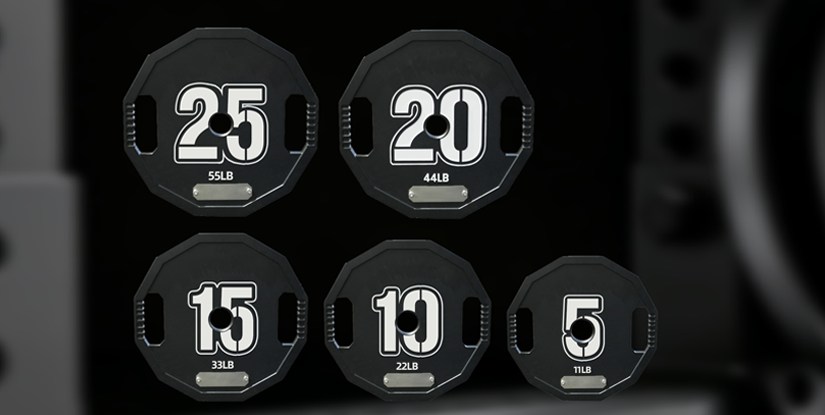
To optimize your procurement strategy, it is essential to align the surface finish with your target market's usage intensity. A gym equipment casting manufacturer will typically offer various tiers of finishing to accommodate different distributor margins and client budgets. The following table outlines the standard commercial options available through direct sourcing to help you evaluate the trade-offs between upfront investment and long-term durability.
| Finish Type | Durability Level | Typical Application | Procurement Impact (MOQ/Cost) | Factory QC Point |
|---|---|---|---|---|
| Bare Iron / Phosphate | Low (Oxidation Risk) | Budget-tier home gyms | Lowest cost; lower MOQ requirements | Surface smoothness and oxidation check |
| Powder Coating | Medium (Commercial Standard) | Standard commercial gyms | Moderate cost; standard wholesale pricing | Coating adhesion and chip resistance |
| PU / Rubber Coating | High (Premium/High-Traffic) | Luxury studios and high-end clubs | Higher cost; often requires higher MOQ | Layer thickness and encapsulation integrity |
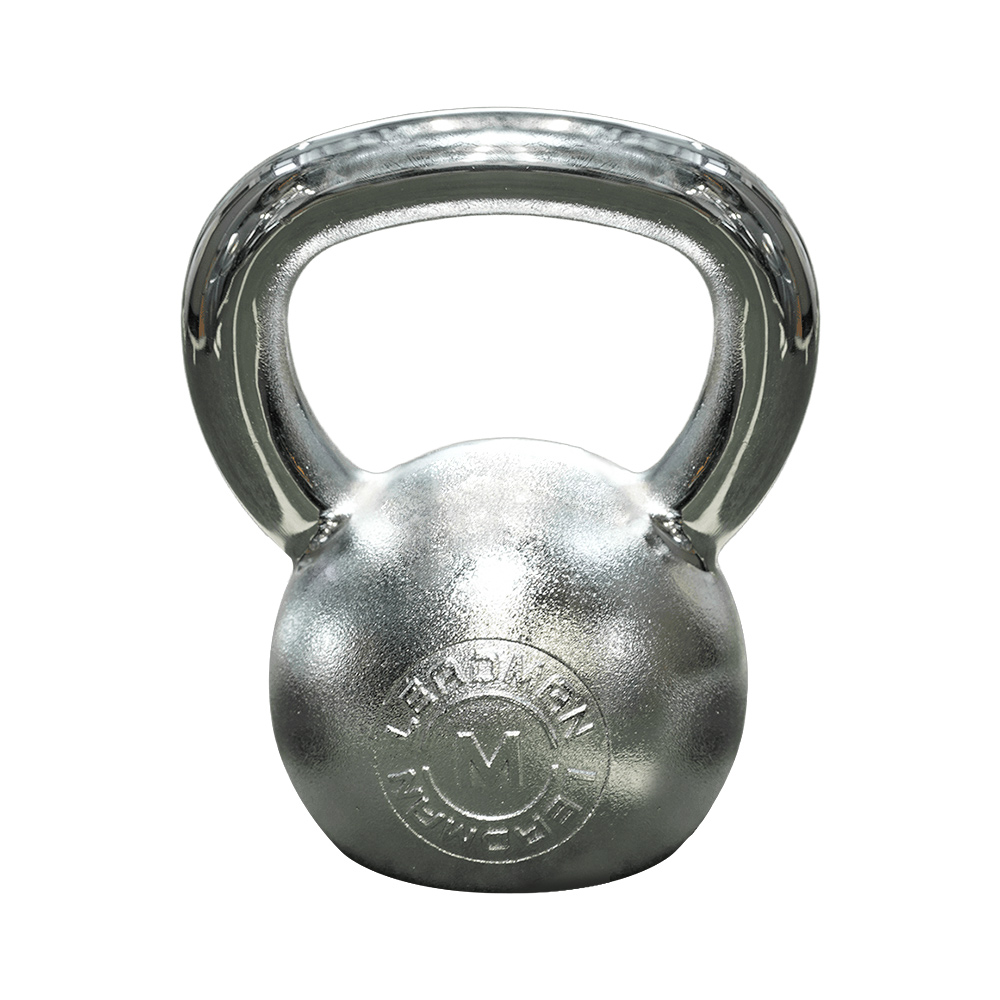
| Chrome Finish | High (Specialized) | Competition or boutique settings | Premium pricing; specialized production run | Surface luster and plating uniformity |
When evaluating your next batch, consider how the chosen finish affects your long-term service and replacement planning. A commercial casting process that prioritizes high-grade coating application will significantly reduce the frequency of customer complaints regarding rust or peeling. For those managing large-scale facility deployments, investing in a higher-tier finish through a reliable China factory can lower the total cost of ownership by extending the equipment's aesthetic and functional lifespan.
Before finalizing your order, we recommend requesting a technical spec sheet or a sample to verify the coating quality. It is also prudent to confirm if the wholesale pricing includes specific protective packaging to prevent surface scratching during sea freight. If you require custom branding or specific colorways for your private label, please contact us to discuss the impact on lead time and minimum order quantities.
Critical Inspection Points for Export Quality
The final stage of the gym equipment manufacturing QC process must focus on the structural integrity of the surface. For a professional China factory, the transition from casting to the final finish is where most failures occur if not strictly monitored. Importers should specifically request details regarding coating adhesion testing to ensure that the protective layer can withstand the constant friction and impact typical of high-traffic commercial environments. A failure in adhesion leads to peeling and oxidation, which directly increases the maintenance load for the end-user and damages the reputation of the distributor.
Furthermore, surface smoothness is a non-negotiable standard for high-end commercial-grade equipment. A high-quality gym equipment casting manufacturer ensures that the cast iron substrate is properly ground and smoothed before any coating application. This prevents tactile irregularities that can cause user discomfort or grip issues. During the pre-shipment inspection, experienced buyers often look for consistency in the texture and the absence of micro-cracks or pitting under the finish. Ensuring these standards are met at the source helps mitigate the risk of high return rates and protects your distributor margins when delivering to premium clients.
Factory QC and Pre-Shipment Inspection Protocols
For international distributors and professional importers, the cost of receiving a sub-standard shipment from a gym equipment casting manufacturer far outweighs the initial savings of a low-cost supplier. Inconsistent weight distributions or compromised surface finishes can lead to high return rates and damaged brand reputation. To mitigate these risks, a professional commercial casting process must include a multi-stage verification framework that ensures every unit meets international export standards before leaving the factory.
The inspection protocol begins with the raw casting stage to identify structural flaws such as air pockets or uneven density. Once the initial shape is verified, the gym equipment manufacturing QC process moves into precision calibration. A critical step for any wholesale order is the weight tolerance spot-check; because cast iron density can vary slightly during cooling, technicians must verify that the finished product aligns with the declared weight within industry-standard margins. This prevents the logistical nightmare of shipping "short" weights that fail to meet commercial gym requirements.
Beyond structural integrity, the final surface finish is a primary focus of pre-shipment audits. Whether the product features a powder coating or a bare iron finish, inspectors check for coating adhesion and surface smoothness to ensure durability under heavy commercial use. For high-volume sourcing, we recommend a thorough review of the packaging and loading protocols to ensure that heavy cast items are protected against impact during long-sea transit.
Pre-Shipment Inspection Checklist for Procurement Officers
To ensure your landed cost remains optimized and your distributor margins are protected, procurement leads should utilize a structured verification list during factory audits. Relying on a generic inspection is insufficient when ordering wholesale cast iron fitness equipment; you must verify specific technical attributes that impact long-term commercial durability and user safety.
| Inspection Category | Key Technical Attribute | Commercial Duty Requirement | Procurement Focus |
|---|---|---|---|
| Structural Integrity | Base Flatness | Consistent contact with floor surfaces | Prevents wobbling and uneven wear |
| Surface Finish | Coating Adhesion | Resistance to chipping under heavy use | Reduces long-term maintenance load |
| Ergonomics | Knurling Consistency | Uniform grip texture across all units | Ensures user safety and grip reliability |
| Logistics Readiness | Packaging Integrity | Reinforced corner protection and heavy-duty cartons | Minimizes transit damage and replacement costs |
When conducting a final audit at the China factory, we advise focusing on the physical tactile experience of the product. A high-quality gym equipment casting manufacturer will provide a sample that demonstrates a seamless transition between the casting body and the handle, with no sharp edges or casting flash remaining. For large-scale wholesale shipments, confirm that the container loading plan includes adequate bracing to prevent heavy metal-on-metal friction during ocean freight. We recommend requesting a pre-shipment photo report or a video walkthrough of the weight tolerance spot-checks to validate your order before it leaves the warehouse.
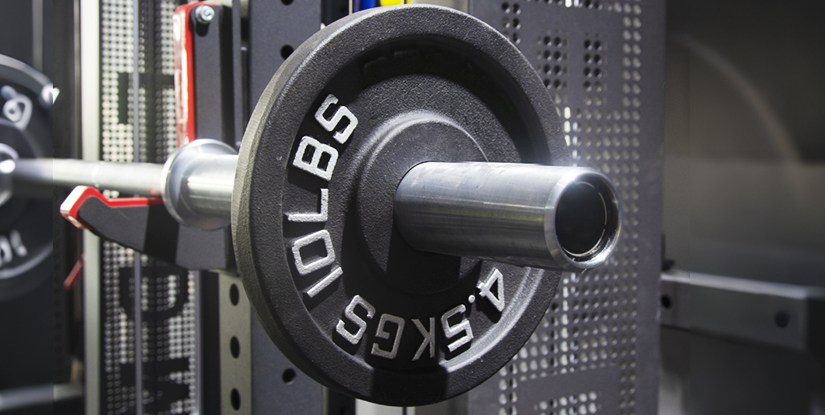
To finalize your procurement strategy, it is essential to understand how production variables directly impact your total landed cost and delivery schedule. A professional gym equipment casting manufacturer must balance strict quality thresholds with efficient logistics management. When managing high-volume wholesale accounts, the relationship between the China factory and the importer depends on transparency regarding production cycles and shipping readiness.
Effective supply chain management requires early alignment on MOQ requirements and realistic lead time expectations. For example, custom branding or specific coating requirements may extend the production window beyond standard stock availability. To avoid unforeseen expenses, ensure your sourcing agreement explicitly defines the parameters for pre-shipment verification, including how weight tolerances are documented and how the commercial casting process handles batch-to-batch consistency. By standardizing these protocols, distributors can maintain predictable inventory turnover and protect their profit margins against unexpected quality-related delays or shipping damage.
OEM and Custom Branding Capabilities for Global Distributors
For professional importers and large-scale distributors, sourcing from a specialized gym equipment casting manufacturer involves more than just selecting standard inventory; it requires a strategic partnership for market differentiation. Moving beyond generic products allows a distributor to capture higher margins by offering specialized, high-end solutions tailored to specific regional or studio demands. Through OEM and ODM services, a China factory can transform standard cast iron or steel components into unique assets that carry your specific market identity.
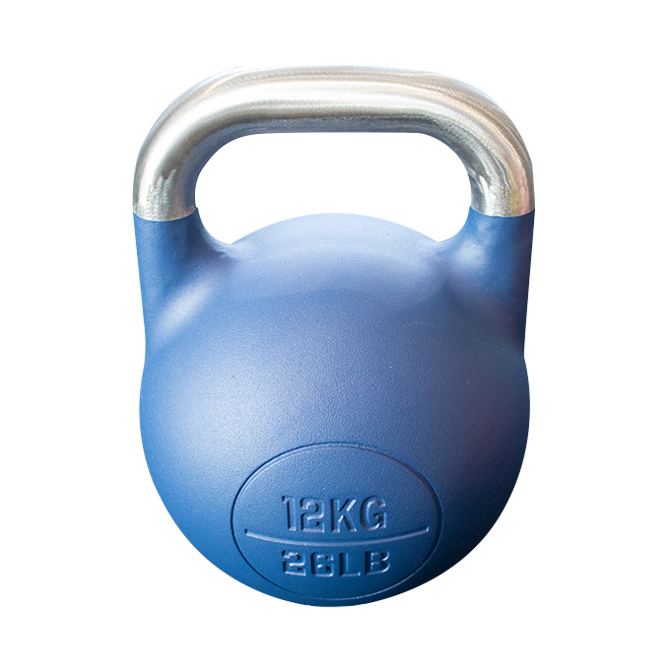
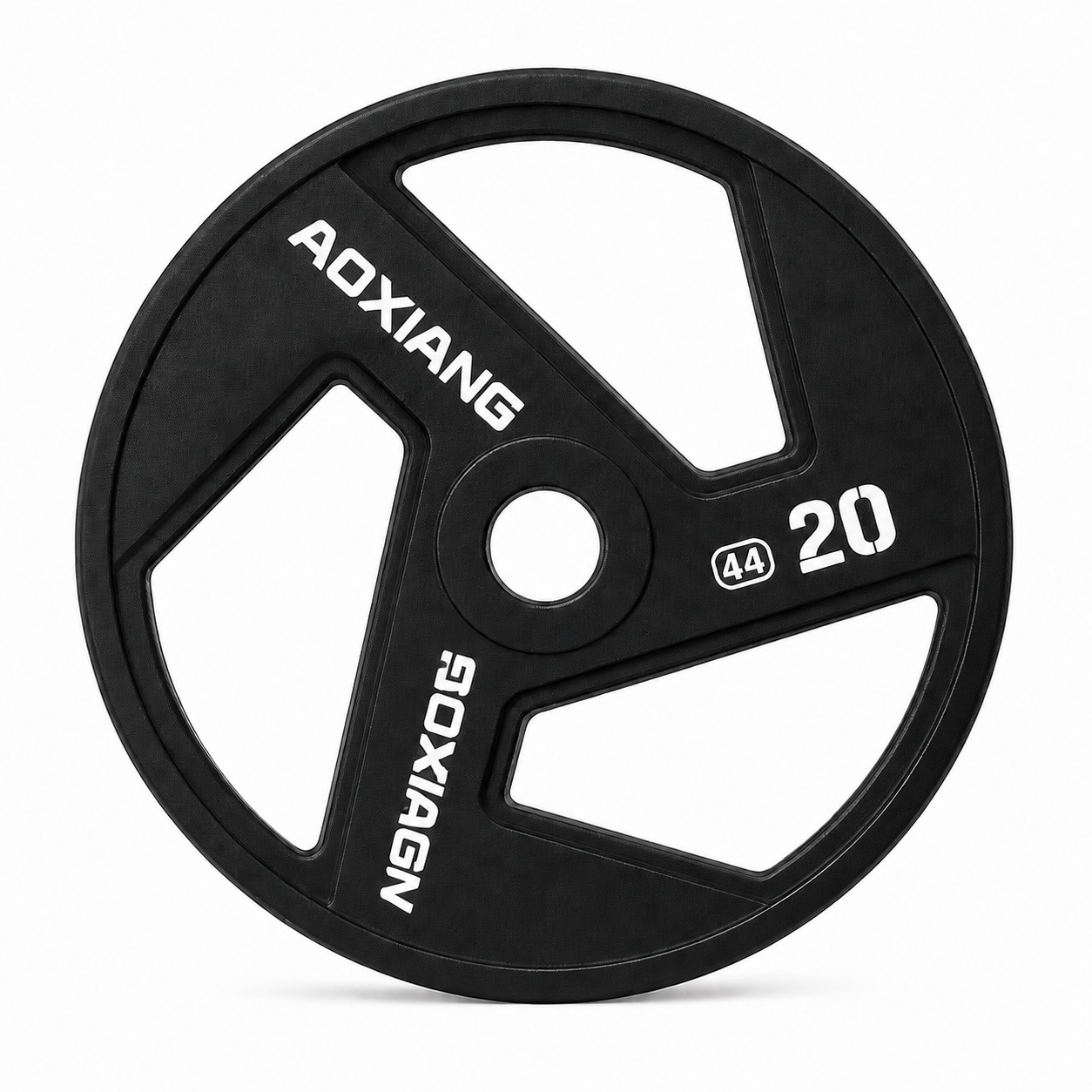
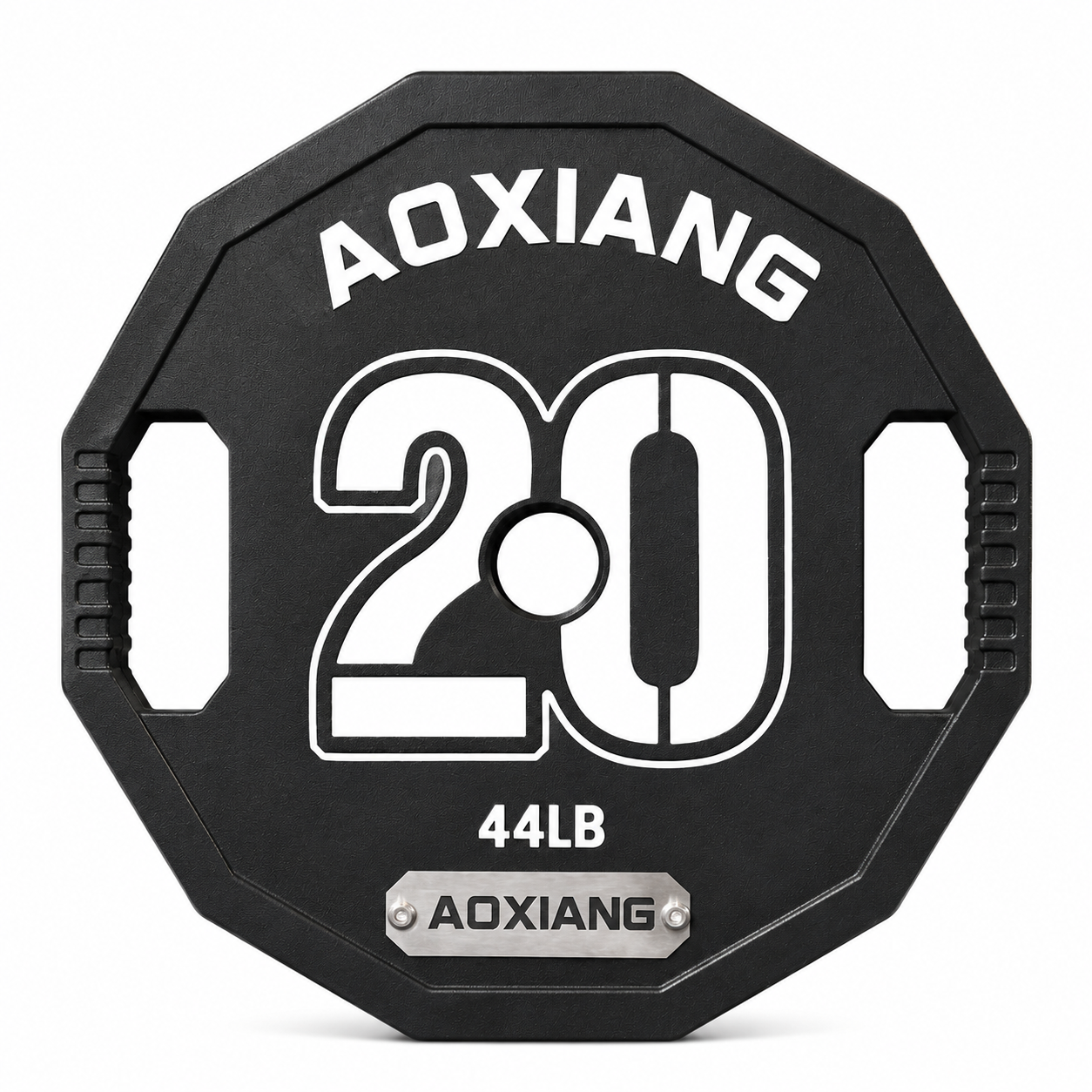
The ability to implement custom branding on high-durability items—such as precision-molded handles, embossed logos on weight plates, or specialized color-coded coating schemes—is essential for building a recognizable brand identity. Rather than competing solely on price in a crowded wholesale market, professional buyers use these customization layers to position themselves as premium suppliers of commercial gym supply. Whether you are looking to develop a signature line of cast iron kettlebells or high-end functional training tools, leveraging a supplier with robust manufacturing depth ensures your proprietary designs meet rigorous commercial standards.
Technical Execution of Custom Specifications
Developing a proprietary product line requires a deep understanding of the technical boundaries within the commercial casting process. When a distributor requests a custom mold or a specific surface texture, the factory must align the casting parameters with the desired commercial utility. For example, a client may require a specific knurling depth on a handle to enhance grip security during high-intensity use, or a specialized thickness of PU coating to ensure long-term adhesion and aesthetic consistency. Managing these variables is critical to maintaining a predictable landed cost while meeting the high-performance expectations of a commercial fitness facility.
To maintain high standards during large-scale production, we implement a rigorous gym equipment manufacturing QC framework that covers every stage of the custom order. This includes checking the concentricity of the cast body, the structural integrity of handle-to-body junctions, and the uniformity of the surface finish. For wholesale cast iron fitness equipment, this oversight ensures that every unit in a bulk shipment meets the same weight tolerance and aesthetic standards, reducing the risk of costly returns or brand damage for the importer. Our China factory protocols are designed to bridge the gap between complex custom design and reliable, mass-market execution.
| Customization Tier | Material/Process Focus | Primary Component | Commercial Duty | MOQ Impact | Factory QC Point |
|---|---|---|---|---|---|
| Standard Wholesale | Cast Iron + Powder Coat | Standard Weight Plate | Commercial/General | Low | Coating Adhesion |
| Premium Private Label | Cast Iron + PU/Rubber | Kettlebell/Specialty Bell | High-End Studio | Medium | Weight Tolerance |
| Full OEM/ODM | Custom Mold + CNC Machining | Proprietary Handle/Body | Professional/Elite | High | Structural Junction |
Effective logistics management is the final pillar of our sourcing strategy. We understand that for global distributors, the total cost of ownership is heavily influenced by shipping efficiency and product protection. Every bulk order undergoes specialized export packaging, utilizing reinforced corner protection and heavy-duty palletization to withstand the rigors of sea freight. By optimizing container loading density and providing clear documentation for customs, we help our partners manage their lead time expectations and stabilize their overall procurement budget.
Logistics and Export Packaging for Bulk Sourcing
When sourcing heavy equipment from a gym equipment casting manufacturer, the final landed cost is heavily influenced by how effectively the goods are secured for long-haul transit. For distributors and importers, the risk of surface oxidation or structural damage during sea freight can erode profit margins and damage brand reputation. Efficient bulk shipping strategies must prioritize both volume density and heavy-duty protection to ensure that high-density cast iron products arrive in a retail-ready state.
Optimizing the landed cost requires a professional approach to palletization and container loading. A reliable supplier will utilize reinforced wooden crates or heavy-duty corrugated cartons specifically designed for the weight of iron. This export packaging standard includes edge protectors, moisture-absorbent desiccant packs, and shrink wrapping to prevent rust during transit. By refining the commercial casting process to include standardized dimensions, a China factory can maximize container utilization, effectively reducing the per-unit shipping expense for wholesale cast iron fitness equipment orders.
To mitigate the risks of transit-related damage, we recommend that procurement leads confirm the specific export packaging protocols during the initial sourcing phase. Whether you are managing a small OEM run or a large wholesale container shipment, requesting a detailed packing list and pallet configuration can help you accurately forecast your final delivery costs and warehouse requirements.
Shipping Strategy Comparison for Global Procurement
Selecting the appropriate logistics method is critical for managing the total cost of ownership. Depending on your MOQ and warehouse capacity, the choice between palletized shipments and loose loading can significantly impact your landed cost and unloading efficiency at the destination.
| Packaging Type | Primary Use Case | Logistics Benefit | Handling Requirement | Impact on wholesale Margins |
|---|---|---|---|---|
| Standard Palletized | Mid-sized distributor orders | High stability; rapid unloading via forklift | Requires pallet space in container | Higher per-unit cost due to volume |
| Loose Container Loading | High-volume wholesale cast iron fitness equipment | Maximum density; minimizes air gaps | Labor-intensive manual unloading | Lowest per-unit shipping expense |
| Reinforced Wooden Crates | Premium or oversized casting units | Maximum protection against impact | Heaviest weight profile | Higher freight cost; protects brand identity |
For importers looking to optimize sea freight, understanding the interplay between product weight and container volume is essential. A professional gym equipment casting manufacturer will provide precise volumetric data to assist in calculating the most cost-effective container loading plan. We suggest requesting a 3D load plan during the sourcing stage to visualize how your wholesale order will occupy a 20ft or 40ft container, ensuring you achieve the highest possible shipping efficiency.
Final Inspection and Documentation Standards
Before any wholesale cast iron fitness equipment leaves the China factory, a rigorous gym equipment manufacturing QC protocol must be executed. For professional importers, the most critical stage is the pre-shipment inspection, where every unit is verified against the original purchase order. This includes a strict weight tolerance spot-check to ensure that the cast iron mass aligns with the specified commercial grade, preventing discrepancies that could lead to customs disputes or distributor dissatisfaction.
Beyond physical product integrity, the accuracy of shipping documents is a non-negotiable factor for smooth customs clearance. A professional gym equipment casting manufacturer provides a comprehensive documentation package—including commercial invoices, detailed packing lists, and certificates of origin—to prevent delays at the port. Furthermore, we recommend arranging for container loading supervision. This process ensures that the commercial gym supply is loaded with optimal density and that the heavy-duty protection layers are correctly applied, effectively safeguarding your landed cost and ensuring the shipment arrives ready for immediate distribution.