Rubber Coated Kettlebell China Manufacturer: Material
Rubber Coated Kettlebell China Manufacturer: Material and Sourcing Fundamentals
Distributors often struggle with high replacement costs when sourcing low-grade iron or poorly bonded coatings that peel under heavy use. A professional rubber coated kettlebell China manufacturer provides a solution by integrating high-density cast iron cores with durable outer layers, ensuring both weight stability and surface longevity. Choosing between raw cast iron and coated options is a strategic decision for wholesale rubber coated kettlebells, as the right material directly impacts the total cost of ownership for your clients.
When evaluating cast iron vs rubber coated options for commercial gym procurement, the decision rests on balancing durability with floor protection. While bare iron is cost-effective for basic weight coverage, rubber-coated units significantly reduce noise and prevent damage to high-end gym flooring. For high-traffic facilities, sourcing from a reliable commercial kettlebell manufacturer ensures that the coating adhesion is sufficient to withstand constant impact, protecting your distributor margins from frequent replacement claims.
| Material Type | Primary Process | Key Component | Commercial Duty | MOQ Impact | Factory QC Point |
|---|---|---|---|---|---|
| Cast Iron (Bare) | Sand Casting | Knurled Handle | Standard Commercial | Lower | Base Flatness |
| Rubber Coated | Injection Molding | Encapsulation Layer | Premium/High-Traffic | Higher | Coating Adhesion |
| PU Coated | Dip Coating | Smooth Grip | Boutique/Studio | Moderate | Surface Uniformity |
For buyers looking to optimize wholesale procurement, understanding these material tiers is essential. A specialized China factory can offer different coating thicknesses or handle textures via OEM or ODM requests, allowing you to tailor the product to specific market segments, from budget-friendly strength zones to premium boutique studios.
Technical Material Selection and Manufacturing Workflow
To maintain high standards in bulk procurement, a professional rubber coated kettlebell China manufacturer follows a rigorous manufacturing sequence. The process typically begins with sand casting the gray iron core to ensure a consistent weight distribution. Following the casting stage, the core undergoes machining to refine the handle texture and base flatness. The final critical step is the application of the outer layer—whether through injection molding for deep encapsulation or dip coating for a smoother finish—which determines the long-term durability of the unit in a commercial setting.
Understanding these technical nuances allows a China fitness equipment supplier to better serve international distributors. For example, a high-tier commercial kettlebell manufacturer will implement a weight calibration and concentricity check after the casting phase but before the coating is applied. This ensures that the internal density remains stable, preventing the weight shifts that often lead to product returns and diminished wholesale value in the long run.
Before finalizing your sourcing plan, we recommend requesting a technical specification sheet or a sample evaluation to verify coating adhesion and handle grip quality. Our team can also provide detailed information regarding MOQ tiers and lead times for OEM or ODM projects to ensure your inventory management remains efficient.
Core Material Profiles: Cast Iron vs. Rubber Coated Options
When sourcing for high-traffic fitness facilities, selecting the correct surface finish is a critical decision for long-term TCO. A professional rubber coated kettlebell China manufacturer provides two primary paths: the traditional cast iron core or a specialized rubber-encapsulated version. For distributors managing large-scale gym fit-outs, understanding how these materials impact floor protection and replacement cycles is essential for maintaining healthy profit margins.
The choice between bare iron and a rubber coating depends largely on the intended environment. While bare iron is cost-effective for standard wholesale rubber coated kettlebells inventory, the rubberized option offers significant advantages in noise reduction and impact resistance. For a commercial kettlebell manufacturer, the goal is to provide a product that balances initial wholesale costs with long-term commercial gym durability to reduce frequent replacement needs.
| Material Type | Primary Benefit | Maintenance Profile | Commercial Duty Tier | Procurement Context |
|---|---|---|---|---|
| Cast Iron (Bare/Painted) | High weight density | Requires periodic oiling or paint touch-ups | Standard Commercial | Best for high-volume budget setups |
| Rubber Coated | Floor & noise protection | Low maintenance; highly resistant to oxidation | Premium Commercial | Ideal for boutique studios & high-end gyms |
| PU Coated | Smooth, sleek finish | Minimal; resistant to sweat and oils | Premium / Boutique | Optimized for aesthetic-driven facilities |
From a sourcing perspective, rubber-coated units often require a higher MOQ due to the secondary molding or dipping process involved in production. However, the reduction in floor damage and equipment wear typically offsets the initial landed cost by extending the lifecycle of the training area. When evaluating a China fitness equipment supplier, we recommend requesting samples of both to inspect coating adhesion and handle texture before finalizing bulk orders.
Technical Comparison: Manufacturing Processes and Sourcing Implications
The differentiation in product quality often lies in the complexity of the production line. A specialized rubber coated kettlebell China manufacturer utilizes distinct manufacturing routes for each material tier. While cast iron options rely heavily on sand casting and surface treatments like powder coating, rubberized versions require a secondary encapsulation phase. This added step increases the technical requirements for the factory to ensure consistent weight calibration and coating adhesion across large-scale production runs.
| Material Type | Manufacturing Process | Key Component Focus | Commercial Duty | Sourcing/MOQ Impact | Factory QC Focus |
|---|---|---|---|---|---|
| Cast Iron (Painted) | Sand casting & powder coating | Handle knurling & base flatness | Standard Commercial | Lower MOQ; high availability | Weight tolerance & paint adhesion |
| Rubber Coated | Casting & secondary rubber molding | Encapsulation layer & handle-to-body junction | Premium Commercial | Higher MOQ; longer lead times | Coating thickness & weight consistency |
| PU Coated | Casting & polyurethane dipping | Smooth surface finish & grip texture | Boutique / High-End | Custom OEM/ ODM requirements | Surface smoothness & chemical stability |
For professional buyers, the decision between these tiers is a calculation of total cost of ownership. Choosing wholesale rubber coated kettlebells may involve a higher upfront wholesale price, but the durability of the coating layer protects the internal iron core from oxidation and reduces impact damage to gym flooring. We suggest that distributors confirm the specific molding method used by their supplier to ensure the rubber layer is seamlessly integrated, preventing peeling during heavy use. To optimize your procurement, please contact us to request a detailed spec sheet or to discuss OEM customization options for your next bulk order.
Ensuring Coating Adhesion and Weight Consistency
The primary technical risk in bulk procurement is the failure of the outer layer, often seen as peeling or cracking. A high-tier rubber coated kettlebell China manufacturer must manage a multi-stage production sequence: starting with a precision-cast iron core, followed by surface preparation, and concluding with high-quality rubber molding. For importers, the critical inspection point is the coating adhesion. If the bond between the cast iron and the rubber layer is weak, the product will fail under commercial use, leading to high replacement rates and diminished distributor margins.
Beyond aesthetics, maintaining a strict weight tolerance is vital for professional certification and user trust. During the secondary molding process, the additional mass of the rubber must be accounted for to ensure the final unit matches the declared weight. A reliable China fitness equipment supplier will perform regular weight calibration checks throughout the production run. We recommend that buyers request data on how the factory manages the weight-to-coating ratio to ensure that the final product remains within industry-standard tolerances for commercial-grade equipment.
To mitigate the risk of low-quality batches, we advise incorporating a pre-shipment QC step specifically for coating integrity. This involves testing the thickness and durability of the encapsulation layer to ensure it can withstand the high-impact environments of professional gyms. For those managing large-scale distribution, verifying these manufacturing standards during the sample evaluation phase is a prudent way to protect your long-term ROI. If you require specific technical documentation regarding our molding processes or wish to discuss OEM branding for your next shipment, please contact our team to confirm MOQ and lead times.
Manufacturing Processes and Weight Calibration Standards
For distributors and gym owners, the technical integrity of a rubber coated kettlebell China manufacturer determines the long-term durability of the inventory. A professional production workflow ensures that the transition from raw gray iron to a finished, high-impact commercial unit is seamless, reducing the risk of coating failure or weight discrepancies during bulk sourcing.
The manufacturing sequence begins with high-precision sand casting to form the core gray iron body. This foundational step is critical for ensuring the structural density and base flatness required for commercial environments. Once the cast iron shells are cooled, they undergo a machining stage to refine the handle geometry and knurling texture. Following this, the units move to the coating line, where a specialized powder coating or thick rubber encapsulation is applied. This layer provides the impact resistance and floor protection that professional buyers demand. Finally, a rigorous weight calibration process is executed to ensure every unit meets the specified weight class before leaving the China factory.
Standard Production Workflow and Quality Control
A reliable commercial kettlebell manufacturer follows a multi-stage sequence to maintain consistency across large wholesale orders. Deviations in the casting or coating stages can lead to uneven weight distribution or premature peeling, which increases the total cost of ownership for the end-user. To mitigate these risks, a professional China fitness equipment supplier integrates specific inspection points throughout the line.
| Production Stage | Key Process | Commercial Duty Focus | QC Inspection Point |
|---|---|---|---|
| Core Formation | Sand Casting | Structural Density | Base Flatness & Shape |
| Surface Prep | Machining/Knurling | Grip Consistency | Handle Texture Depth |
| Outer Layer | Rubber/PU Encapsulation | Impact Resistance | Coating Adhesion |
| Finalization | Weight Calibration | Weight Accuracy | Standard Deviation Check |
During the final stages of wholesale rubber coated kettlebells production, the calibration step is vital. Rather than relying on simple estimates, a top-tier rubber coated kettlebell China manufacturer utilizes precision measurement to ensure the cast iron core and the outer coating layer together achieve the target weight. This level of precision is essential for maintaining the professional standards required for international export and high-end fitness facility installations.
Material Comparison for Commercial Procurement
When evaluating your next batch of inventory, understanding the distinction between different coating technologies is essential for calculating the total cost of ownership. While bare cast iron is a standard for basic strength training, the specialized application used by a professional rubber coated kettlebell China manufacturer provides significant advantages in high-traffic commercial settings. The choice between materials often dictates the maintenance load and the longevity of the equipment in a gym environment.
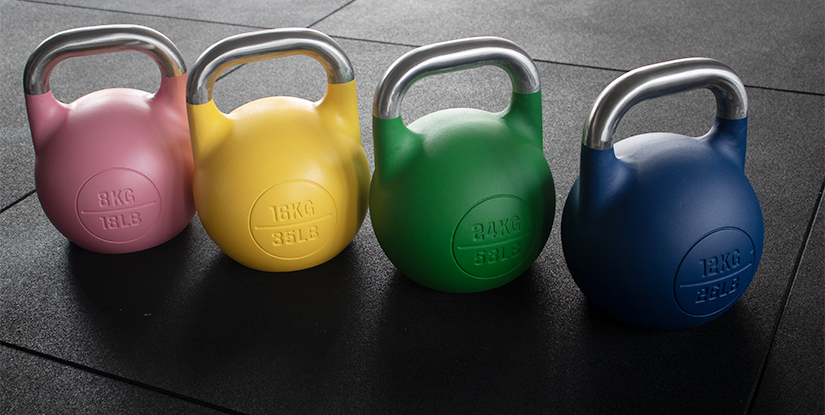
A common pain point for distributors is receiving shipments where the coating has begun to peel or crack due to poor adhesion or low-grade materials. This not only damages the aesthetic of the brand but also leads to increased replacement costs. By selecting a commercial kettlebell manufacturer that utilizes high-grade polyurethane or heavy-duty rubber encapsulation, buyers can ensure a higher degree of floor protection and noise reduction, which are critical for long-term facility management.
| Material Type | Primary Process | Commercial Utility | Maintenance Profile |
|---|---|---|---|
| Cast Iron (Bare) | Sand Casting & Phosphate Treatment | High durability for basic strength training | Requires periodic oiling to prevent oxidation |
| Powder Coated | Electrostatic Spraying | Standard commercial use; good color variety | Susceptible to chipping under high impact |
| Rubber Coated | Rubber/PU Molding or Dip | Premium protection for floors and equipment | Low maintenance; high impact resistance |
For those looking to optimize their product lineup, we recommend requesting a detailed specification sheet regarding the coating adhesion and the specific casting method used. Whether you are looking for a single-piece cast design or a more complex assembly, confirming the MOQ and lead times for custom branding can help streamline your sourcing strategy. Contact our team to discuss bulk pricing or to arrange a sample evaluation for your upcoming project.
Critical Component Inspection: Handle and Coating Adhesion
For distributors managing high-volume imports, the structural integrity of the handle-to-body junction is a non-negotiable metric. When sourcing from a rubber coated kettlebell China manufacturer, technical scrutiny must extend beyond the surface to ensure the cast iron core and the outer layer function as a single, durable unit. In commercial gym environments, constant impact and friction can cause substandard coatings to peel or crack, leading to premature replacement cycles and increased maintenance costs for the end-user.
Reliable commercial kettlebell manufacturer standards require rigorous testing of the coating adhesion process. A common failure mode in lower-tier production is the separation of the rubber layer from the handle or the base due to improper surface preparation or insufficient heat application during the molding phase. To mitigate these risks during bulk sourcing, procurement leads should request data regarding the thermal bonding process used to secure the coating to the cast iron core. Ensuring high commercial gym durability depends on a seamless transition between the grip and the bell body, preventing the common issue of material delamination under heavy use.
A professional China fitness equipment supplier will typically implement a multi-stage quality control (QC) protocol. This includes visual inspections of the handle texture and weight tolerance spot-checks to ensure uniformity across a wholesale order. For wholesale rubber coated kettlebells, the factory must verify that the encapsulation layer is consistent across the entire surface, particularly around the handle-to-body junction, to prevent debris accumulation and ensure a long product lifecycle in high-traffic facilities.
A professional China fitness equipment supplier will typically implement a multi-stage quality control (QC) protocol. This includes visual inspections of the handle texture and weight tolerance spot-checks to ensure uniformity across a wholesale order. For wholesale rubber coated kettlebells, the factory must verify that the encapsulation layer is consistent across the entire surface, particularly around the handle-to-body junction, to prevent debris accumulation and ensure a long product lifecycle in high-traffic facilities.
Technical Comparison: Rubber vs. Pu Coating for Commercial Procurement
When evaluating the long-term TCO (Total Cost of Ownership) for a fitness facility, the choice between coating types significantly impacts both initial sourcing costs and long-term maintenance. While both options offer protection for the cast iron core, they serve different commercial requirements regarding impact absorption and grip feel.
| Material Tier | Coating Type | Primary Benefit | Commercial Duty | Typical Maintenance |
|---|---|---|---|---|
| Premium | PU Coated | High precision and smooth finish | Competition and high-end studios | Low; requires surface wipe-down |
| Standard Commercial | Rubber Coated | High impact absorption and floor protection | High-traffic strength and conditioning gyms | Moderate; monitor for surface tears |
| Budget/Basic | Powder Coated | Cost-effective and durable finish | Standard commercial or light-duty use | Higher; susceptible to chipping |
For distributors and large-scale gym operators, selecting the right rubber coated kettlebell China manufacturer involves understanding these material trade-offs. A rubber-coated unit offers superior durability in high-impact environments, whereas a PU-coated unit provides a more refined aesthetic for boutique settings. We recommend requesting a sample evaluation to verify coating adhesion and handle texture before finalizing any bulk order or OEM specification.
Optimizing Inventory with Wholesale Rubber Coated Kettlebells
Managing high-volume inventory requires products that offer both durability and logistical efficiency. For distributors and gym equipment importers, selecting a rubber coated kettlebell China manufacturer is a strategic decision that affects long-term warehouse management and product longevity. Unlike bare iron, the protective layer on these units significantly reduces the risk of surface oxidation and impact damage during transit or storage.
When sourcing wholesale rubber coated kettlebells, buyers must consider the total cost of ownership. A high-quality coating provides essential floor protection, reducing the frequency of facility maintenance and equipment replacement. Furthermore, the standardized dimensions of these units allow for high warehouse storage efficiency, ensuring that containers are loaded optimally to minimize landed cost reduction requirements for large-scale commercial gym durability standards.
Working directly with a China factory allows importers to optimize their sourcing strategy by balancing weight coverage with protective features. This approach ensures that your wholesale orders arrive in optimal condition, ready for immediate deployment in high-traffic commercial environments.
Material and Process Comparison for Commercial Procurement
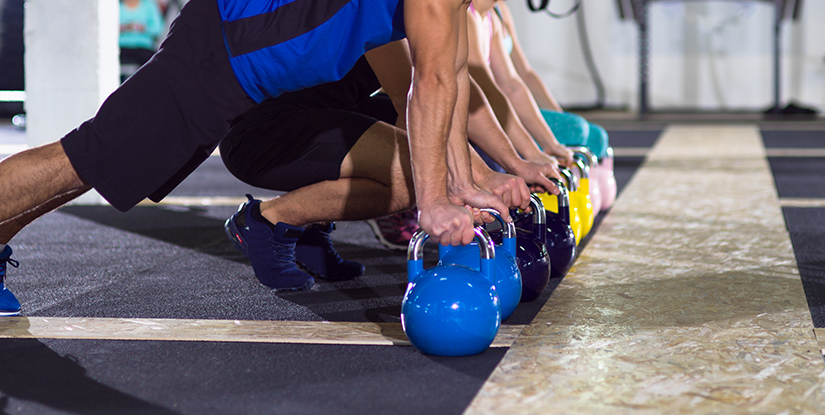
Selecting the right material profile is critical for optimizing both your product catalog and your distributor margins. A professional commercial kettlebell manufacturer must offer a clear distinction between standard cast iron and specialized coated options to meet diverse client needs. While cast iron remains the industry standard for heavy-duty strength training, the addition of a rubber or PU layer transforms the product'1s commercial utility, particularly in high-end studio environments where noise reduction and floor preservation are primary concerns.
The manufacturing route for these products typically involves a multi-stage process. For standard units, the sequence follows sand casting, followed by machining for handle precision and weight calibration. For premium coated versions, the process includes an additional encapsulation or dipping stage to ensure coating adhesion. Understanding these technical nuances helps a China fitness equipment supplier provide more accurate lead times and quality assurance for your specific OEM or ODM requirements.
| Material Type | Primary Process | Key Component Focus | Commercial Duty | MOQ Impact | Factory QC Point |
|---|---|---|---|---|---|
| Cast Iron | Sand Casting | Handle Knurling | Standard Commercial | Lower | Base Flatness |
| Rubber Coated | Casting + Molding | Coating Adhesion | Premium/Studio | Moderate | Layer Uniformity |
| PU Coated | Casting + Dip | Color Consistency | High-End Boutique | Higher | Surface Smoothness |
When evaluating your next wholesale batch, consider how the coating process affects your long-term service reputation. A rubber coated kettlebell China manufacturer with robust quality control will prioritize the bond between the iron core and the outer shell to prevent peeling. We recommend requesting a sample evaluation or a detailed spec sheet to confirm that the weight tolerance and surface finish align with your brand identity before finalizing any large-scale sourcing agreement.
Customization and OEM Capabilities for Global Distributors
For international distributors and gym equipment importers, the ability to differentiate a product line through specialized branding is a critical factor in maintaining a competitive edge. Partnering with a professional rubber coated kettlebell China manufacturer allows businesses to move beyond generic sourcing and transition into building a recognizable brand identity. Whether you are looking to launch a premium boutique line or a high-volume commercial series, high-tier branding solutions are essential for capturing market share in the professional fitness sector.
The complexity of the manufacturing process requires a supplier capable of handling precise technical requirements. Effective private label production involves more than just applying a logo; it requires a deep understanding of how custom branding affects the final product's durability and aesthetic appeal. From the initial OEM design phase to the final ODM assembly, every step must align with your specific brand standards to ensure long-term client satisfaction and high distributor margin potential.
Scaling your inventory effectively depends on finding a factory that offers flexible production cycles. We understand that specialized orders often require a specific MOQ to balance production costs with your warehousing efficiency. By offering wholesale rubber coated kettlebells with custom logo integration—whether via high-durability heat transfer, silk screen, or embossed metal plates—we provide the necessary tools for you to establish a dominant presence in your local commercial market.
Technical Specifications for Brand Differentiation
To achieve a premium market position, technical differentiation must be embedded in the core product specifications. A leading commercial kettlebell manufacturer provides more than standard weights; we offer precise control over the tactile and visual elements that define high-end equipment. For distributors, this level of control is vital when negotiating with premium studio operators who demand specific aesthetics and functional performance.
The customization process focuses on three critical technical pillars: coating integrity, handle ergonomics, and visual branding. High-grade rubber coating or PU coating application is managed to ensure uniform thickness and superior adhesion to the cast iron core, preventing peeling during high-intensity commercial use. Beyond the surface, we offer specialized color customization to align with your brand's color palette, ensuring your product line is instantly recognizable on a gym floor.
Ergonomics also play a decisive role in product quality. We provide various handle texture options, ranging from a smooth, high-density grip to a precision-engineered knurling pattern for those requiring a more aggressive, non-slip surface. For importers managing a diverse SKU portfolio, these custom specifications allow for the creation of tiered product lines—from entry-level commercial models to professional-grade competition units—optimizing your overall sourcing strategy and increasing the value of your bulk shipments.
| Customization Tier | Scope of Customization | Logo Placement | Color & Texture | Typical MOQ | Lead Time |
|---|---|---|---|---|---|
| Standard Stock | Standard cast iron core with existing rubber/PU coating | Pre-set manufacturer branding or no logo | Standard black or industry-standard colors | Low (Stock availability) | Short (Ready to ship) |
| Basic OEM | Standard dimensions with custom color/texture | Single-color silk screen or heat transfer | Custom color selection within factory capability | Medium | Standard production cycle |
| Full Customization | Full design control over handle, shape, and coating | Embossed, laser-etched, or metal plate integration | Full color palette and specific grip textures | High | Extended (Includes design/tooling) |
Choosing the correct level of production allows you to optimize your landed cost while meeting specific market demands. For distributors looking to maintain high turnover, the Standard Stock option offers the fastest way to restock inventory. However, for those building a high-end boutique line, utilizing a China factory for full customization ensures your product stands out in a crowded commercial market. When evaluating your next batch, we recommend confirming the specific MOQ and production timeline for your chosen tier to ensure your logistics and warehouse planning remain efficient.
Streamlined Export Logistics and Pre-Shipment QC Protocols
Optimizing the landed cost of heavy fitness equipment requires more than just finding a competitive unit price; it requires a rubber coated kettlebell China manufacturer that masters the complexities of international freight and rigorous quality assurance. For distributors and gym owners, the total cost of ownership is heavily influenced by how efficiently a China factory manages weight-to-volume ratios, container loading density, and the prevention of transit damage.
Unreliable export packaging or inadequate pre-shipment QC can lead to catastrophic delays, damaged goods, and unexpected customs issues, which ultimately erode your profit margins. When sourcing wholesale rubber coated kettlebells, professional buyers must prioritize partners who implement standardized inspection protocols to ensure every batch meets commercial-grade specifications before leaving the dock. A structured lead time and transparent logistics workflow allow for better inventory planning and more predictable sourcing cycles for large-scale commercial projects.
Standardizing Inspection and Packaging for High-Volume Imports
To minimize the risk of receiving defective units, a professional commercial kettlebell manufacturer must implement a multi-stage inspection process. For rubber-coated products, the most critical failure points are the coating adhesion and the handle-to-body junction. During the pre-shipment phase, technical inspectors typically perform a manual stress test to ensure the rubber layer is seamlessly integrated with the cast iron core, preventing peeling or cracking during heavy use. Additionally, a weight tolerance spot-check is essential to ensure that the mass of each unit stays within the industry-standard acceptable range for commercial equipment.
Effective export packaging is the final safeguard for your bottom line. Because kettlebells are high-density, heavy-impact items, they require reinforced, heavy-duty corrugated boxes and palletization strategies to prevent crushing during sea freight. A reliable China fitness equipment supplier will provide detailed packing lists that include the total volume (CBM) and weight per pallet, allowing you to calculate the most accurate landed cost for your distribution center. This level of detail ensures that container loading is optimized, reducing the number of shipments required and lowering your overall freight expenditure.
| Inspection Focus | Standard QC Step | Commercial Requirement | Impact on Sourcing |
|---|---|---|---|
| Coating Adhesion | Manual stress/peel test | Seamless rubber-to-iron bond | Prevents high return rates |
| Weight Tolerance | Batch weight calibration | Consistent mass across set | Ensures professional compliance |
| Handle Integrity | Surface texture/knurling check | Ergonomic and non-slip grip | Reduces liability/injury risk |
| Export Packaging | Reinforced carton/pallet test | High-density weight stability | Minimizes transit damage |
Before finalizing your next bulk order, we recommend requesting a detailed specification sheet and confirming the specific MOQ for your customized branding requirements. Our team is available to provide sample approval protocols, factory audit documentation, or detailed container loading plans to assist your procurement planning.