Cast Iron Plate OEM Manufacturer: Wholesale Material Spec
Cast Iron Plate OEM Manufacturer: Material Grades and Casting Standards
Selecting the wrong iron grade during bulk procurement often leads to high replacement costs and diminished distributor margins due to premature cracking or uneven weight distribution. A professional cast iron plate OEM manufacturer ensures long-term commercial durability by providing precise material specifications rather than generic commodity iron. For high-volume wholesale iron plates for gyms, understanding the distinction between gray iron and ductile iron is essential for optimizing your total cost of ownership and ensuring product longevity in high-traffic environments.
Gray Iron vs. Ductile Iron in Commercial Sourcing
In the global sourcing market, most standard commercial weight plates are produced using gray iron due to its excellent machinability and cost-effectiveness. Gray iron is the industry standard for high-volume wholesale orders because it provides superior vibration damping and high thermal conductivity, which helps maintain structural integrity during rapid temperature shifts in large facilities. However, it is more brittle under high-impact stress compared to advanced alloys.
For premium gym installations or specialized high-impact zones, a commercial weight plate supplier may offer ductile iron. While ductile iron carries a higher MOQ and a different landed cost profile, its microstructural properties allow for greater elasticity and impact resistance. This makes it a strategic choice for distributors looking to provide high-end, heavy-duty equipment that can withstand extreme mechanical stress without the risk of fracture.
| Material Type | Casting Process | Key Component/Feature | Commercial Duty | MOQ Impact | Factory QC Point |
|---|---|---|---|---|---|
| Gray Iron | Sand Casting | Base Flatness | Standard Commercial Gyms | Lower / Standard | Weight Calibration |
| Ductile Iron | Centrifugal Casting | Impact Resistance | Premium/High-Impact Zones | Higher / Specialized | Bore Concentricity |
| Carbon Steel | Machined/Pressed | Precision Edge | High-Frequency Training | Variable | Surface Coating Adhesion |
Casting Processes and Surface Finishing Standards
The technical distinction between casting methods directly impacts the weight tolerance and long-term reliability of your inventory. When working with a professional cast iron plate OEM manufacturer, procurement officers must evaluate whether sand casting or centrifugal casting better aligns with their target market segment. While sand casting is the most common method for standard wholesale iron plates for gyms due to its cost-efficiency, centrifugal casting can offer higher density and more consistent concentricity for premium-tier products.
Surface treatment is equally critical for maintaining a professional brand identity and reducing maintenance overhead. A high-quality commercial weight plate supplier will utilize advanced powder coating lines to ensure that the finish does not chip or peel under heavy use. This layer serves as a vital barrier against oxidation, protecting the structural integrity of the iron and reducing the frequency of replacement requests from end-users. During the pre-shipment QC process, a reliable factory will specifically test coating adhesion and the flatness of the plate surface to ensure every unit meets international commercial standards before export.
For distributors managing large-scale gym fit-outs, selecting the appropriate combination of casting and finish is a strategic decision. High-volume wholesale orders typically prioritize sand casting with a robust powder coating to balance competitive landed costs with professional durability. Conversely, for high-end boutique studios, specifying precision machining and premium finishes can justify a higher price point and improve overall client satisfaction.
Technical Comparison of Casting and Machining Processes
When sourcing high-volume inventory, professional buyers must distinguish between basic casting and precision-finished units. A reliable cast iron plate OEM manufacturer provides technical clarity on how these processes affect the long-term durability and landed cost of your shipment. Choosing the correct manufacturing route ensures your commercial gym equipment meets both structural safety standards and budgetary constraints.
The primary distinction lies in the final stage of production. While sand casting creates the base shape of the plate, secondary machining processes determine the precision of the center bore and the flatness of the surface. For distributors, understanding this trade-off is essential for managing customer expectations regarding weight tolerances and equipment longevity.
Engineering Specifications and Procurement Impact
Standard sand casting is the industry-standard method for producing high-volume weight plates due to its cost-efficiency. However, without secondary CNC machining, plates may exhibit slight warping or concentricity issues in the center hole. For high-end facilities, a commercial weight plate supplier will often offer a machined bore to ensure a perfect fit on Olympic barbells, reducing wear on the bar sleeves and increasing the lifespan of the barbell itself.
From a sourcing perspective, the level of machining directly impacts your wholesale margins. While raw cast plates offer a lower entry price, precision-machined plates provide higher commercial durability and lower maintenance requirements for the end-user. This technical distinction is a critical factor in determining the total cost of ownership for large-scale gym installations.
| Material/Process Type | Production Method | Commercial Duty Level | Bore Precision | Impact on Wholesale Pricing |
|---|---|---|---|---|
| Standard Sand Casting | Sand Casting | Standard Commercial | Basic/Loose | Lowest Cost |
| Precision Machined Plate | Casting + CNC Machining | Premium/High-Traffic | High/Tight Tolerance | Moderate Premium |
| Coated/Encapsulated | Casting + Molding | High-End/Boutique | Standard/Protected | Higher Tier |
When evaluating wholesale iron plates for gyms, procurement leads should request specific details regarding the weight calibration and the flatness of the striking surface. A professional cast iron plate OEM manufacturer will provide documentation or sample approval processes to verify that the China factory production meets your specific technical requirements before the pre-shipment inspection phase begins.
To mitigate the risk of receiving inconsistent inventory, buyers should focus on the specific technical advantages of each manufacturing route. The following table outlines how different production methods influence the final product quality and your overall procurement strategy.
| Material | Primary Process | Surface Finish | Precision/Tolerance | Commercial Application | Sourcing Advantage |
|---|---|---|---|---|
| Gray Cast Iron | Sand Casting | Bare Iron or Powder Coating | Standard Tolerance | General Gyms / High-Volume Retail | Optimized for Bulk Orders |
| Cast Iron | Casting + CNC Machining | Polished or Painted | High Precision Bore | Premium Training Facilities | Reduced Barbell Wear / Lower TCO |
| Cast Iron | Molding or Injection | PU or Rubber Coating | Uniform Surface Texture | Boutique Studios / Home-Gym Premium | Enhanced Floor Protection |
Selecting the right specifications is a strategic decision that affects your landed cost and distributor margins. For example, opting for a cast iron plate OEM manufacturer that utilizes secondary machining ensures that the center bore remains concentric, which prevents uneven loading during heavy lifting sessions. This level of precision is vital for maintaining a professional brand identity for your own equipment line.
Before finalizing your next bulk order, we recommend requesting a technical spec sheet or a sample evaluation to confirm the weight calibration and surface adhesion. A qualified supplier will facilitate this process to ensure the final production meets your specific commercial standards and passes all necessary factory QC protocols.
Selecting the right specifications is a strategic decision that affects your landed cost and distributor margins. For example, opting for a cast iron plate OEM manufacturer that utilizes secondary machining ensures that the center bore remains concentric, which prevents uneven loading during heavy lifting sessions. This level of precision is vital for maintaining a professional brand identity for your own equipment line.
Before finalizing your next bulk order, we recommend requesting a technical spec sheet or a sample evaluation to confirm the weight calibration and surface adhesion. A qualified supplier will facilitate this process to ensure the final production meets your specific commercial standards and passes all necessary factory QC protocols.
Optimizing Commercial Inventory with Precision Weight Calibration
For distributors and gym operators, the long-term profitability of a facility depends on the durability of the assets purchased. Selecting a professional cast iron plate OEM manufacturer ensures that your bulk orders consist of units with standardized weight tolerances and consistent material density. This precision is critical for maintaining high-end facility standards and reducing the frequency of replacement cycles.
When sourcing high-volume inventory, the Total Cost of Ownership (TCO) extends far beyond the initial FOB price. Inconsistent weight distributions or poor casting quality lead to uneven wear on barbell sleeves and increased maintenance loads for your staff. By partnering with a reliable commercial weight plate supplier, you mitigate the risk of receiving batches with significant weight deviations, which can compromise the professional reputation of a commercial gym.
Reducing Maintenance and Long-Term Costs
Precision in the manufacturing stage directly impacts the operational efficiency of a fitness center. A wholesale iron plates for gyms order that lacks strict weight calibration often results in "phantom weight" issues, where plates are slightly off-spec, causing imbalances during heavy lifting. Such discrepancies increase the physical strain on both the equipment and the end-user, leading to higher depreciation rates.
A specialized cast iron plate OEM manufacturer utilizes advanced machining to ensure the center bore of each plate is perfectly concentric. This high level of technical consistency reduces the friction between the plate and the barbell, preventing premature wear on the bar's finish and the barbell sleeves. For large-scale distributors, investing in high-tolerance units from a China factory means fewer customer complaints, lower return rates, and a more stable long-term revenue stream from equipment replacement services.
Technical Comparison: Standard Casting vs. Precision Machining
To optimize your procurement strategy, it is essential to understand the technical trade-offs between standard sand casting and precision-machined finishes. While sand casting is the industry-standard method for high-volume production, the degree of post-casting processing determines the final quality of the product and its long-term value in a commercial setting.
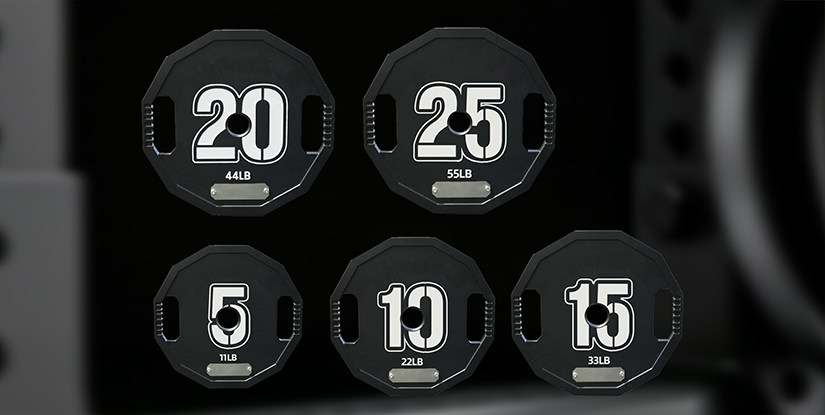
A professional cast iron plate OEM manufacturer typically offers different tiers of finishing to suit various budget and performance requirements. For high-traffic commercial facilities where durability is paramount, selecting a process that includes CNC machining for the center bore is a strategic move to ensure better weight calibration and smoother barbell transitions.
| Material & Process | Surface Finish | Weight Tolerance | Commercial Duty | MOQ Impact | Factory QC Point |
|---|---|---|---|---|---|
| Sand Casting | Bare Iron / Powder Coated | Standard Commercial | General Strength Training | Lower | Bore Concentricity |
| Precision Machined | Smooth / Polished Finish | High Precision | Professional/Competition | Higher | Flatness & Thickness |
| Rubber/PU Coated | Encapsulated Layer | Medium Precision | High-Impact/Drop Zones | Variable | Coating Adhesion |
When evaluating a commercial weight plate supplier, we recommend requesting a sample to verify the flatness and the quality of the center bore. High-quality production from a reputable China factory should demonstrate consistent edge smoothness and a lack of structural micro-cracks, ensuring that your bulk order meets the rigorous demands of professional weightlifting environments.
Strategic Sourcing for Global Distributors
Optimizing your procurement cycle requires a deep understanding of how technical specifications influence your landed cost and logistics efficiency. For professional importers, the goal is to balance high-volume capacity with a predictable lead time. Engaging a direct cast iron plate OEM manufacturer allows you to streamline the supply chain by consolidating various weight denominations into a single shipment, effectively reducing the complexity of international freight and customs clearance.
Effective inventory management also hinges on shipping weight optimization. When ordering wholesale iron plates for gyms, the way products are palletized and containerized can significantly impact your final margins. A sophisticated supplier will provide detailed packing lists and volumetric data, ensuring that every container is utilized to its maximum capacity without compromising structural safety during transit. This level of transparency is essential for distributors who need to manage warehouse space and predictable replenishment cycles.
To ensure the highest level of quality control before departure, we recommend arranging a pre-shipment inspection focused on key commercial durability metrics. A professional China factory will typically allow for a review of the weight calibration, surface coating adhesion, and the concentricity of the center bore. By verifying these technical details during the production phase, you can minimize the risk of receiving sub-standard inventory and ensure your private label products meet the rigorous standards expected by premium commercial fitness clients.
China Factory QC: Inspecting Bore Concentricity and Coating Adhesion
For distributors managing high-volume inventory, the cost of returns often stems from microscopic manufacturing defects that become visible only during heavy commercial use. A professional cast iron plate OEM manufacturer must implement rigorous pre-shipment protocols to ensure that every unit meets the structural demands of a high-traffic gym environment. Failure to control these technical variables leads to uneven weight distribution and premature surface degradation, directly impacting your distributor margins and long-term brand reputation.
The Criticality of Bore Concentricity and Surface Integrity
In the production of wholesale iron plates for gyms, two technical factors dictate the longevity of the product: bore concentricity and coating adhesion. Bore concentricity refers to the precision of the central hole alignment. If the center is even slightly off-axis due to poor sand casting or imprecise machining, the plate will wobble when loaded onto a barbell. This instability creates uneven mechanical stress on the bar and can lead to frequent client complaints regarding equipment balance. A reliable commercial weight plate supplier utilizes CNC machining after the initial casting to ensure the center hole is perfectly centered and smooth, maintaining high commercial gym durability standards.
Furthermore, the quality of the coating adhesion determines how well the plate survives the friction of daily use. Whether the finish is a standard powder coating or a specialized enamel, the bond between the iron substrate and the surface layer must be seamless. In many China factory environments, inadequate surface preparation—such as failing to remove residual oils or oxidation before coating—results in chipping and peeling. This not only looks unprofessional but also exposes the raw iron to moisture, leading to rust. High-tier wholesale production lines integrate automated powder coating lines and strict adhesion testing to ensure the finish remains intact under heavy usage cycles.
When sourcing via a cast iron plate OEM manufacturer, we recommend requesting specific inspection reports regarding these two metrics. A professional factory will be able to provide documentation or video evidence of their weight tolerance spot-checks and surface durability tests. For large-scale sourcing projects, ensuring these technical specifications are met during the initial OEM phase is the most effective way to reduce the total cost of ownership and prevent the logistics of costly replacements.
To mitigate the risks of high return rates and damaged reputation, procurement teams should integrate a formal technical checklist into their pre-shipment audit. Relying on visual inspection alone is insufficient for bulk orders; instead, focus on the mechanical precision that defines a high-tier commercial weight plate supplier. A structured approach to quality control ensures that your landed cost remains predictable and that the inventory you receive is ready for immediate commercial deployment.
Pre-Shipment Technical Inspection Checklist
The following table provides a standard framework for evaluating production quality during a factory audit or when requesting third-party inspection reports. This checklist is designed for importers to verify that the cast iron plate OEM manufacturer maintains strict control over both physical dimensions and surface aesthetics.
| Inspection Point | Technical Metric | Commercial Impact | Verification Method |
|---|---|---|---|
| Bore Concentricity | Alignment of center hole axis | Prevents barbell wobble and uneven wear | Manual gauge or CNC alignment check |
| Weight Tolerance | Deviation from nominal mass | Ensures consistent load and compliance | Precision digital scale calibration |
| Surface Finish | Coating adhesion and texture | Prevents chipping and rust in high-traffic areas | Cross-hatch adhesion test or visual inspection |
| Plate Flatness | Warpage and thickness uniformity | Maintains stability on storage racks | Surface plane measurement |
| Edge Smoothness | Burr removal and radius quality | Reduces user injury and handling risks | Tactile and visual inspection |
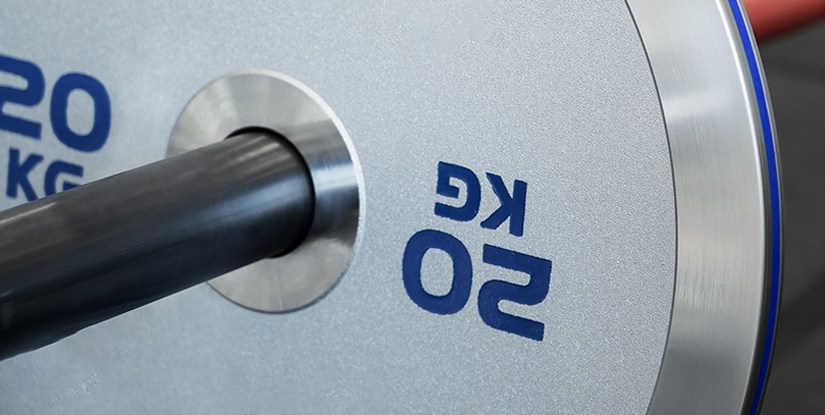
When finalizing your wholesale iron plates for gyms order, we suggest confirming the specific MOQ and lead time for any specialized surface treatments, such as high-durability powder coating. A transparent factory will provide clear documentation for each of these inspection points. For complex OEM or ODM projects, requesting a sample approval or a video-recorded inspection of the current batch is a critical step in securing long-term distributor value and maintaining high service standards for your end-users.
To mitigate the risks of high return rates and damaged reputation, procurement teams should integrate a formal technical checklist into their pre-shipment audit. Relying on visual inspection alone is insufficient for bulk orders; instead, focus on the mechanical precision that defines a high-tier commercial weight plate supplier. A structured approach to quality control ensures that your landed cost remains predictable and that the inventory you receive is ready for immediate commercial deployment.
Sourcing Strategies: MOQ and Export Packaging for Global Distributors
For international distributors and warehouse operators, managing the balance between inventory depth and capital liquidity is a constant challenge. When sourcing from a cast iron plate OEM manufacturer, understanding the direct correlation between order volume and logistical efficiency is critical for maintaining healthy distributor margins. High-volume procurement strategies typically allow for optimized container utilization, which significantly lowers the individual unit's landed cost.
A professional commercial weight plate supplier will offer tiered pricing structures based on your MOQ. While smaller, frequent orders provide flexibility, larger bulk shipments from a China factory often yield better economies of scale regarding both production costs and sea freight expenses. For many importers, the goal is to maximize the weight-to-volume ratio within a 40HQ container to ensure that the wholesale iron plates for gyms arrive with the lowest possible shipping overhead per kilogram.
Furthermore, the lead time for custom OEM or ODM production is heavily influenced by your MOQ and the complexity of the branding requirements. A factory managing high-capacity production lines can offer more predictable scheduling for large-scale wholesale orders, whereas smaller, bespoke runs may face longer queue times during peak seasons. To ensure a seamless transition from production to your local warehouse, always verify the export packaging standards—such as reinforced pallets and heavy-duty steel strapping—to prevent transit damage and ensure efficient unloading at your facility.
Optimizing the logistics of heavy iron goods requires more than just standard shipping; it demands a rigorous approach to palletization and container loading to protect your investment. A reliable cast iron plate OEM manufacturer understands that damaged goods during transit directly erode a distributor's profit margins. To mitigate this, professional export-grade packaging must include heavy-duty, reinforced wooden pallets and high-tensile steel strapping to secure the load against shifting during maritime transport.
To maximize your shipping efficiency, we recommend discussing specific loading configurations with your commercial weight plate supplier before the vessel departs. For instance, a well-planned loading strategy for wholesale iron plates for gyms focuses on maximizing the weight-to-volume ratio within a 40HQ container, ensuring that the weight capacity of the container is reached before the physical volume limits are hit. This precision in palletization reduces the landed cost per unit, providing a significant advantage for large-scale distributors.
Before any shipment leaves the factory, a comprehensive pre-shipment QC process is essential. This includes a final weight tolerance spot-check to ensure every plate meets the specified commercial grade, as well as a visual inspection of the coating adhesion and packaging integrity. By requesting a detailed packing list and photos of the palletized goods, you can verify that the export packaging meets the high standards required for international long-haul logistics, ensuring your stock arrives ready for immediate warehouse distribution.
Logistics and Packaging Optimization Comparison
Effective procurement planning requires a clear understanding of how packaging choices impact both the safety of the goods and your total landed cost. For high-volume importers, selecting the right configuration is a strategic decision that affects warehouse storage density and freight expenses. A professional cast iron plate OEM manufacturer will provide various options to balance protection against shipping volume efficiency.
| Packaging Type | Protection Level | Shipping Volume Efficiency | Best For | MOQ Impact |
|---|---|---|---|---|
| Standard Export Carton | Moderate | High | Small-scale distributors | Lower impact on MOQ |
| Reinforced Wooden Crate | High | Medium | Long-haul sea freight | Standard wholesale orders |
| Steel-Strapped Pallet Unit | Maximum | Optimized for 40HQ | Large-scale gym inventory | High MOQ requirements |
When coordinating with your commercial weight plate supplier, we recommend requesting a detailed loading plan for your wholesale iron plates for gyms. Whether you are opting for a factory-direct bulk shipment or a custom OEM run, ensuring that the weight-to-volume ratio is optimized will directly improve your ability to scale your distribution network efficiently. Before finalizing your order, please request a sample of the export packaging or a pre-shipment inspection report to confirm the structural integrity of the palletization.
Custom Branding and OEM Solutions for Commercial Gym Suppliers
Establishing a distinct brand identity is a critical strategic move for distributors looking to scale. When you partner with a professional cast iron plate OEM manufacturer, you move beyond simple commodity trading to building a proprietary product line. This transition allows gym suppliers and equipment importers to differentiate their catalogs through custom logos, specific color schemes, and unique plate dimensions that align with their target market's aesthetic and functional requirements.
Our customization capabilities are designed to support high-volume importers and global distributors. Whether you require specialized private label embossed logos on the center hub or specific powder coating colors to match a facility's interior design, our China factory provides the technical infrastructure to execute these requests. We understand that for a commercial weight plate supplier, the ability to offer a "house brand" increases long-term customer retention and protects your market position from generic competition.
To maintain a streamlined supply chain, we offer structured OEM and ODM services tailored to your specific sourcing needs. We provide clear documentation regarding MOQ requirements for custom molds and detailed lead time projections for both standard and customized production runs. This transparency ensures that your inventory management remains efficient, reducing the risk of stockouts during peak procurement seasons for large-scale commercial gym builds.
Technical Specifications for Branding and Material Customization
Selecting the correct technical specifications for your proprietary line is essential for maintaining long-term durability and brand prestige. A high-tier cast iron plate OEM manufacturer must manage the intersection of aesthetic appeal and industrial resilience. For example, while standard sand casting is efficient for volume, specialized logo embossing requires precise mold control to ensure that your brand name remains legible and crisp even after years of heavy usage in high-traffic strength facilities.
Beyond the logo, the surface finish dictates the maintenance load and the perceived value of your product. High-grade powder coating is a standard requirement for premium commercial lines, as it provides a durable, uniform layer that resists chipping and oxidation. When sourcing, it is vital to evaluate the adhesion strength of these coatings to ensure they can withstand the friction of constant plate loading and unloading in a professional environment.
The following table outlines the common technical tiers available through our wholesale production lines to assist in your procurement planning. This comparison focuses on how material and process choices impact your commercial duty requirements and overall sourcing strategy.
| Material | Coating/Finish | Branding Method | Commercial Duty | MOQ Impact | Factory QC Point |
|---|---|---|---|---|---|
| Gray Cast Iron | Bare Iron (Phosphate) | Raised Embossing | Standard Commercial | Low | Weight Tolerance |
| Gray Cast Iron | Black Powder Coating | Raised Embossing | High-Traffic Gyms | Medium | Coating Adhesion |
| Carbon Steel Core | Premium PU Coating | Digital Print/Overlay | Premium Studio/Boutique | High | Bore Concentricity |
| Cast Iron | Textured Enamel | Recessed Branding | Heavy-Duty Strength Training | Medium | Surface Flatness |
To ensure your customized batch meets exact standards, we recommend a structured approval process. We encourage partners to request a technical spec sheet, confirm the specific MOQ for custom color runs, and initiate a sample approval phase before full-scale production begins. This rigorous approach minimizes the risk of landed cost variances and ensures your brand identity is delivered with professional precision.